reviewstook.com is reader-supported. When you buy through links on our site, we may earn an affiliate commission.
Where to buy
A channel is a promise made weekly, and the drone that serves one is not a toy purchase or a travel gadget — it is a crew member. The best drone with cameras for YouTube is therefore judged here the way a producer judges any crew member: does it show up ready, does its work cut cleanly against the ground footage, and does it make the next episode easier to finish than the last? Aerial shots earn their seconds in an edit by doing jobs no tripod can do — opening a location in one rising breath, revealing the scale of a build, a hike or a harvest, giving a talking segment a horizon to breathe against. A drone that cannot do those jobs reliably, legally and quickly is decoration, whatever its sensor promises.
This guide is written for creators, which changes the questions entirely. Not “how good is the camera” but “how good is the camera at 8 a.m. on a deadline, in the wind that actually blows at the location, inside the colour pipeline the channel already uses”. Not “how far does it fly” but “how much of that range is usable before the law, the battery and the viewer’s attention all say stop”. The six aircraft below are real current models presented without links, because our verified pool for this site holds no drones; their capabilities are described qualitatively, the way working creators describe them to each other.
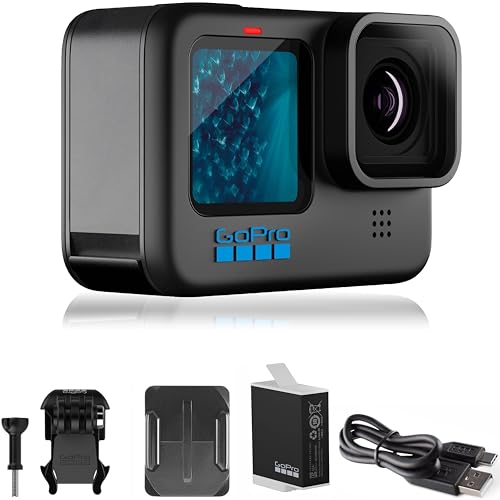
Two companions from the pool deserve an early, honest mention so nobody mistakes them for picks. The pocket gimbal cameras and action cameras in our camera pool — the DJI Osmo Pocket family and its rivals — are superb ground-level creator tools and appear in this guide only as the partners a drone works alongside. They cannot fly. The aircraft below can, and each is assessed as the airborne half of a two-camera creator kit.
- DJI Mini 4 Pro: prose-only pick, the featherweight that keeps most recreational creator flying paperwork-light while shooting far above its weight
- DJI Air 3S: prose-only pick, the twin-camera working creator’s aircraft, wide and medium-telephoto views in one airframe
- DJI Avata 2: prose-only pick, the FPV storyteller for fly-throughs, interiors and chase energy no gimbal drone imitates
- DJI Neo: prose-only pick, the palm-launched selfie and B-roll companion for solo creators who are also the talent
- DJI Flip: prose-only pick, the folding front-camera flyer aimed at vloggers who open every episode facing the lens
- Autel EVO Lite+: prose-only pick, the alternative ecosystem for creators who want a larger sensor and a different colour character
One more piece of casting honesty: none of these aircraft will rescue a format that has not found its ground-level voice. Aerials amplify a channel’s identity; they do not substitute for one, and the creators who buy a drone before their episodes work on the ground own a beautiful garnish in search of a meal. If your last ten uploads hold their audiences with a tripod and a story, the sky is ready to help you. If they do not, spend this season on the story and let the drone be next season’s reward — it will still be there, probably improved, and you will be a better pilot for having a format worth filming.
Read the list as a casting call rather than a podium. Most channels need one of these temperaments, not all six, and the sections after the picks are built to help you cast the role your format actually contains.
Key Takeaways
- On YouTube, a drone’s job is specific shots — the opener, the reveal, the establishing glide — not general aerial wandering.
- Weight class decides paperwork: featherweight aircraft keep recreational creator flying simplest in many jurisdictions.
- Colour workflow matters as much as resolution; a flat profile that grades to match your ground camera saves hours weekly.
- Paid or monetised flying can count as commercial work under aviation rules — check your authority before the channel earns.
- Two focal lengths in one airframe change what a solo creator can shoot in a single battery.
- Reliability, battery rotation and a practised shot list beat specification bragging on every deadline.
In this guide
Quick Picks
| Pick | Badge | Why it earns its place |
|---|---|---|
| DJI Mini 4 Pro | Featherweight channel starter | Serious image quality and obstacle sensing in the lightest regulatory class. |
| DJI Air 3S | Twin-lens workhorse | Wide and medium-tele views plus stronger wind manners for working locations. |
| DJI Avata 2 | FPV storyteller | Ducted, durable fly-through energy for interiors, vehicles and sport. |
| DJI Neo | Solo creator companion | Palm launch, subject tracking and quick selfie shots without a controller. |
| DJI Flip | Vlogger’s front camera | Folds open into a facing-camera flyer for presenters who open on camera. |
| Autel EVO Lite+ | Alternative ecosystem | A larger-sensor look and a different app world for established creators. |
What shots does a YouTube episode actually need from the air?
Fewer than beginners think, and more specific. The establishing shot opens the episode’s world: a slow rise that reveals the coastline, the city block, the farm or the festival before a single word is spoken, telling the viewer where they are and what scale of story to expect. The reveal is its close cousin — begin tight on a roofline or a treeline, climb and tilt until the subject stands in its landscape. Between them, those two shots account for most of the aerial seconds in most successful creator formats, from travel and property to farming, boating and construction diaries.
The third essential is the tracking glide: the aircraft moving with a walker, a boat, a tractor or a cyclist at a respectful distance, giving a human segment motion and geography at once. A fourth, the top-down pattern shot, serves food, craft, archaeology and garden channels disproportionately well. Notice what is absent from the list: long aimless cruising, altitude for its own sake, and the orbiting of unremarkable objects. Viewers feel those as padding within seconds, and the analytics of every creator who has audited retention will confirm that aerial padding is where thumbs find other videos.
Keep that written list taped inside the drone bag, where the location’s excitement cannot edit it. Pilots improvise best from a plan; without one, every flight becomes a survey of everything and a delivery of nothing, and the episode inherits the wandering.
Casting a drone therefore begins on paper. Write your format’s three recurring aerial shots — the ones next month’s episodes will need, not the one spectacular shot you dream about — and judge every aircraft by how reliably it delivers those three in your weather, your locations and your legal situation. The picks below each carry a signature among those shots, and the guide names it plainly, because a drone bought for its signature will be flown weekly while a drone bought for its specifications will be flown monthly and sold within the year.
How does the edit change what the camera must do?
A YouTube frame lives beside other frames. Your aerial clip will sit between a ground camera’s talking head and B-roll from a phone or an action camera, and the viewer’s eye notices mismatches of colour, sharpness and motion more than it notices any single clip’s quality. This is why working creators ask about colour profiles before resolution: an aircraft that offers a flatter, gradeable picture can be bent toward the channel’s established look in the edit, while a punchy, baked-in picture fights every neighbouring clip. If your ground camera shoots a log-style profile, choose an aircraft that offers its maker’s equivalent and learn the conversion your editor provides; consistency across an episode reads as production value more surely than any one spectacular shot.
Frame rates are a workflow decision disguised as a specification. The channel’s timeline — commonly a standard cinematic or broadcast rate — wants aerial footage that conforms without judder, and slow-motion passages want a higher capture rate chosen before take-off, not improvised in the edit. Sound deserves its sentence too: a drone records nothing usable but its own weather, so aerial segments ride on music, narration or location sound captured at ground level, and creators who record a minute of ambient audio at every flying location give their editors a gift that costs nothing.
Thumbnails deserve a producer’s sentence as well, because on this platform the aerial shot often sells the episode before it appears in it. The wide, bright, high-contrast frame that a drone brings home from a dawn sortie is thumbnail material of the first order, and creators who shoot two or three deliberate stills at the top of each flight — subject placed for text, horizon level, colours honest — stop raiding their video for a blurry frame on deadline night. Treat the thumbnail as a fourth planned shot in every sortie plan and the click-through statistics will explain, within a month, why the habit belongs in a guide about aircraft rather than in one about marketing.
Vertical and square crops have entered the aerial brief through Shorts and their cousins. An aircraft whose sensor and framing leave headroom to reframe a horizontal master into a vertical clip doubles the value of every flight for channels feeding both formats. Fly the master a little wider than the episode needs, keep the subject off the extreme edges, and the same dawn sortie can open the long video and star in the short one — the kind of quiet efficiency that separates channels that ship weekly from channels that intend to.
When does creator flying become commercial flying?
Earlier than most creators assume, and the answer belongs to aviation authorities rather than to YouTube. In many jurisdictions, flying that is part of paid work — a monetised channel, a sponsored segment, footage sold to a client, a property video for an estate agent — is treated as commercial or work-related operation, with registration, competency or licensing expectations beyond the recreational baseline. The details differ sharply between countries and change as drone rules mature, so this guide gives the only safe universal advice: before the channel earns money from aerial footage, read your own authority’s current commercial guidance and, where the category requires it, complete the certification it asks for. The cost is modest beside a channel’s income, and the alternative — a platform strike is the least of it — can include liability that no creator policy will rescue after the fact.
Location rules ride alongside the paperwork. National parks, city centres, events, schools, railways and other people’s land all carry their own permissions, and a landowner’s consent to take off and land is a separate question from the airspace above their fence. Professional creators build a small liturgy: check the airspace map, confirm the land permission, note the day’s ceiling and crowd situation, and keep the whole note with the episode’s project files. It takes four minutes, and it converts the drone from the channel’s legal anxiety into its most reliable production asset.
Privacy and courtesy complete the professional picture. A camera that can read a newspaper from a hundred paces should not try, and creators who fly as if every garden below contained a friend keep both their welcome and their footage usable. Fly higher over strangers, never linger over private space, and let neighbours at regular locations know the aircraft and its owner by sight. Channels are reputations with upload schedules; the drone should build the reputation, never spend it.
How many batteries and cards does a weekly episode consume?
Plan around the sortie, not the flight time printed anywhere. A working creator’s aerial session for one episode typically involves a scout pass, two or three deliberate takes of each planned shot, and the patience to wait out a gust or a cloud at the decisive moment. In practice that appetite consumes two or three batteries per location for the twin-lens and featherweight classes, with the FPV aircraft drinking faster and the palm-sized companions sipping for their short, specific shots. A charging hub that refills the rotation from a vehicle or a power bank between locations is worth more to a weekly schedule than any filter set ever manufactured.
Cards follow the same rotation logic. Aerial masters are the episode’s least replaceable footage — the light and the permission rarely repeat — so they deserve the boring disciplines: cards formatted in the aircraft, a same-day copy to two places before the card returns to the bag, and a naming habit that ties each flight to its episode while memory is fresh. Creators who treat aerial media with that mild rigour stop losing the one perfect reveal to a card reused in a hurry, which is a grief every experienced channel can describe in detail.
There is also a human rotation to budget: the pilot. Aerial segments concentrate attention like nothing else in a creator’s day, and a tired pilot at the third location flies measurably worse than a fresh one at the first — slower to notice the gust front, later to abandon a shot the light has already left. Weekly formats that endure schedule the aerial work early, while the presenter is bright and the locations are empty, and let the ground segments absorb the day’s fatigue. The aircraft’s batteries are only half the energy system on a production day, and the cheaper half to replace.
Wind is the final line of the production budget. Every aircraft in this guide has weather it declines, and a weekly format must plan aerial segments with a fallback: the ground-level version of the opening, shot on the gimbal camera, ready in the script for the day the sky says no. Channels that build that fallback into their formats never miss an upload for weather; channels that make the drone load-bearing eventually publish an apology instead of an episode.
DJI Mini 4 Pro — Featherweight channel starter
The Mini line’s trick has always been arithmetic: professional habits in an airframe light enough to sit in the gentlest regulatory category in many countries, the sub-250-gram class that keeps recreational flying simple. The Mini 4 Pro adds the grown-up details creators actually use — omnidirectional obstacle sensing that watches the pilot’s blind sides during tracking shots, a camera whose colour profiles grade respectably beside ground footage, and automated shot modes that execute a clean reveal or orbit while the solo creator concentrates on presenting. For a channel’s first serious aircraft, the combination is difficult to argue with.
Its signature shot is the confident establishing glide. Small enough to launch from a hand at a trailhead, quiet enough not to hijack a location’s atmosphere, it climbs into the slow push-in that opens travel, hiking, cycling and property episodes across the platform. Active tracking keeps a walking presenter framed while they narrate toward camera, and the vertical-crop friendliness of its footage feeds the short-form pipeline from the same sortie. Many working creators shoot their entire aerial slate on this class of aircraft for years, not as a compromise but as a format decision.
The limits are the class’s limits, honestly worn. Featherweight airframes negotiate with wind rather than command it, so ridgelines and coastlines demand early starts and weather humility. The single fixed wide view means a distant subject stays distant; creators compose with their feet and their flight path instead of a zoom. And the very lightness that simplifies paperwork makes the aircraft feel — and occasionally behave — like the junior partner beside larger drones on a breezy working location. Channels whose aerial brief is mostly openings, reveals and tracking will never meet those limits as problems. Channels built on distant wildlife or stormy seas should read on.
- Class: Sub-250-gram folding camera drone
- Signature shot: The quiet establishing glide and presenter tracking
- Sensing: Omnidirectional obstacle awareness for solo work
- Workflow: Gradeable colour profiles, short-form friendly framing
- Weather treaty: Calm mornings and sheltered locations
Strengths
- Lightest paperwork footprint of the serious picks
- Tracking that frees a solo creator to present
- Image quality that grades into a channel’s look
Trade-offs
- Wind sets its schedule on exposed locations
- One wide view; distance is solved by flying closer
- Small batteries reward a disciplined rotation
Best for: travel, outdoor and property channels filming solo
Not suited for: distant subjects or habitually windy locations
Build your channel’s aerial identity on its tracking: one walking shot, same framing, same gentle pace, at the top of every episode for a season. Audiences learn the ritual faster than creators expect, and a featherweight flown identically each week becomes a signature rather than a gadget.
DJI Air 3S — Twin-lens workhorse
Two cameras change the solo creator’s geometry. The Air 3S pairs a wide view with a medium telephoto in one airframe, and that second, tighter eye is the one that rewrites shot lists: a lighthouse, a climber, a working boat can now be framed with compression and respect, from a distance that keeps the aircraft legal, safe and unheard. Parallax — the layered sliding of foreground against background that makes aerial footage feel expensive — lives in that telephoto view, and creators who discover it rarely return to wide-only flying for their hero shots.
Around the cameras sits a working aircraft’s constitution. Stronger wind manners than the featherweight class, a transmission system built for the ranges creators actually use at real locations, obstacle sensing for the low tracking passes, and low-light behaviour from its wide camera that stretches the usable day at both ends — dawn launches and dusk finales being where aerial footage earns its keep on the platform. The airframe’s size also reads professionally on location, which matters more than it should when a creator is negotiating permission to film a business, a farm or an event.
The costs are the familiar ones of stepping up a class. The aircraft sits in a weight category with fuller registration and competency expectations in many jurisdictions, its batteries are a larger investment per unit of rotation, and the whole kit asks for a real bag rather than a jacket pocket. For a channel publishing weekly with aerial work in most episodes, those costs amortise into invisibility within a season. For a channel that flies monthly, they argue for the featherweight above — a judgement about upload schedules, not about quality.
- Class: Mid-size folding drone with two cameras
- Signature shot: Telephoto parallax over subjects kept at a distance
- Low light: Wide camera stretches dawn and dusk sorties
- Constitution: Stronger wind and range manners for locations
- Ownership: A working kit with a working kit’s bag
Strengths
- Two focal lengths double one battery’s shot list
- Respectful distance with a framed subject
- Location-day reliability for weekly formats
Trade-offs
- Heavier regulatory category in many places
- Battery rotation costs more to build
- Less spontaneous than a pocketable featherweight
Best for: established channels with aerial work in most episodes
Not suited for: occasional flyers who prize pocket portability
Shoot one familiar location twice in a week — wide on the first visit, telephoto only on the second — and compare the edits honestly. That single exercise teaches a creator more about why this aircraft exists than any review, including this one, can argue in the abstract.
DJI Avata 2 — FPV storyteller
Some shots are journeys rather than views. The Avata 2 exists for the journey: a ducted FPV aircraft flown with goggles and a motion controller or sticks, threading a barn doorway, diving gently along a workshop, chasing a mountain bike down a woodland line with the camera inside the action instead of observing it. Its propeller guards and tough little frame acknowledge that this flying style lives close to the world, and its footage has an energy — speed you can feel, proximity you can sense — that no stabilised gimbal drone, however excellent, can counterfeit.
For YouTube, that energy is a genre key. Real-estate walkthroughs become fly-throughs that hold viewers who would skim a slideshow. Sports, automotive and tourism channels gain the chase and reveal shots their audiences share. Even quiet formats use it in seasoning: one FPV pass through the boathouse or the market hall can wake up an episode built from calm material. The camera’s stabilisation smooths the aircraft’s enthusiasm into watchable flow, and the whole system is designed to be flown by creators rather than by racing pilots — the goggles-and-motion-controller route lowers the entry to this style more than any FPV package before it.
The discipline paragraph is longer for this pick, and honestly so. FPV flying is a learned skill with a simulator chapter; goggles remove the direct sight of the aircraft, which in many jurisdictions means a visual observer stands beside the pilot as part of the legal crew, not as a courtesy. Flight times per battery are short, the flying is fatiguing in the best way, and crash repairs, while the airframe is forgiving, belong in the production budget. Channels that accept those terms gain a visual language their competitors cannot copy with a settings change. Channels that want the look without the apprenticeship should hire an FPV pilot per production day — a thriving trade, and often the wiser purchase.
- Class: Ducted FPV cinewhoop-style aircraft
- Signature shot: The fly-through and the chase
- Control: Goggles with motion controller or sticks
- Crew note: A visual observer may be legally required
- Durability: Guarded frame built for proximity
Strengths
- A visual language no gimbal drone imitates
- Interiors become episodes instead of obstacles
- Approachable entry route into FPV flying
Trade-offs
- A real apprenticeship precedes reliable footage
- Short flights and a larger crew footprint
- Repairs belong in the production budget
Best for: property, sport and tourism formats hungry for energy
Not suited for: creators who need aerials with zero learning curve
Serve the apprenticeship in a simulator and over soft grass before the first client doorway, and log the hours like flight training — because it is. The channels whose FPV work looks effortless are the channels that counted those hours honestly.
DJI Neo — Solo creator companion
The Neo asks a different question: what if the drone’s job is not the landscape but the creator? Palm-launched, content to follow, circle or hover at conversational distances, it is built for the solo presenter whose episodes need a moving third-person view — the hiker filmed crossing the ridge they are describing, the cook stepping back from the fire into a framed wide, the reviewer whose hands are busy with the product. No controller is required for its core tricks; the aircraft is its own tiny camera operator, hired for seconds at a time.
Within a YouTube workflow, that makes it a B-roll specialist of real value. The main aircraft — or the ground gimbal camera — carries the episode’s hero material while the Neo supplies the cutaways that make a solo production feel crewed: the approach shot, the departure shot, the orbit around the campsite at dusk. Its footage, judged at the size and duration of a cutaway, holds up cheerfully, and its weight keeps it in the gentlest regulatory territory in many places, which suits spontaneous filming at trailheads and beaches.
Proportion is the whole review. The Neo is not the aircraft for an episode’s establishing epic, a windy coastline or a distant subject, and its small battery writes short scenes rather than long ones. Creators who buy it as a companion adore it; creators who buy it as their only aircraft discover its edges within a month. Read it as the channel’s second camera that happens to fly, priced and sized accordingly, and it may become the most-used aircraft in the bag precisely because using it asks for no production meeting.
- Class: Palm-sized self-flying camera
- Signature shot: The following third-person cutaway
- Control: Controller-free modes for its core shots
- Role: B-roll companion to a main camera system
- Weight: Among the lightest aircraft in this guide
Strengths
- Films the presenter without a second human
- Launches in seconds from a palm
- Makes solo episodes feel crewed
Trade-offs
- Short scenes only, by battery and by design
- Not an establishing-shot aircraft
- Calm air is a firm requirement
Best for: solo presenters who need moving cutaways of themselves
Not suited for: channels whose aerial brief is landscape-led
Give it a catchphrase shot — the same follow distance, the same gentle arc, whenever you arrive somewhere new — and let repetition turn a gadget’s trick into the channel’s visual punctuation, the shot subscribers would miss if it vanished.
DJI Flip — Vlogger’s front camera
The Flip folds its propeller arms into a neat parcel and unfolds into something vloggers have wanted for years: a proper camera that faces its presenter. Where most drones treat the human as a subject to be tracked from a polite distance, this design treats the human as the host — opening episodes face-to-camera, holding a framing while the presenter talks, then folding the moment away into a jacket-friendly bundle. For talking-led formats that currently open on a tripod and cut to drone footage as a separate world, the Flip proposes a single continuous gesture: speak, rise, reveal, land, continue.
Its subject-tracking and automated shot repertoire serve that gesture well, and the full propeller guarding suits the close-quarters work of filming a person at conversational range — around campsites, market stalls, boat decks and all the other stages where a vlogger’s audience actually lives. Image quality sits in the modern creator tier: entirely at home beside phone and action-camera footage, gradeable enough for a channel’s look, and honest in the daylight hours when vloggers film their lives.
Judge it, though, as a presenter’s aircraft rather than a landscape one. Its talents concentrate at the near end of aerial work — the host, their vehicle, their pitch, their project — and the wide establishing epics belong to its siblings in this list. Wind manners follow its light build, and the folding arms, while sturdier than they look, reward owners who pack the aircraft as the precision object it is. Vloggers whose episodes are built around a face will find it the most personally tailored aircraft here; landscape channels should admire it and buy something else.
- Class: Folding front-camera creator drone
- Signature shot: Face-to-camera opening that rises into a reveal
- Guarding: Full propeller protection for close work
- Audience: Talking-led vlog formats
- Carry: Folds into a genuinely portable parcel
Strengths
- The presenter is the design’s first citizen
- Close-range filming feels safe and casual
- Folds away between segments without ceremony
Trade-offs
- Landscape epics belong to other picks
- Light build negotiates with the weather
- Folding mechanism rewards careful packing
Best for: vloggers who open every episode on their own face
Not suited for: scenery-led channels filming at distance
Rehearse the speak-rise-reveal as one unbroken take at home until the words survive the aircraft’s choreography. The Flip’s whole promise is that gesture, and the channels that polish it will look like they hired a camera operator with wings.
Autel EVO Lite+ — Alternative ecosystem
Not every creator wants to live inside the market leader’s apps, accounts and flight-restriction maps, and the EVO Lite+ is the standing answer for those who do not. Its larger sensor brings a low-light and dynamic-range character that dawn-and-dusk creators appreciate, its adjustable aperture — a rarity that still matters to photographers who fly — gives stills shooters a control most rivals automate away, and its colour science has its own loyal following among creators whose channels lean cinematic and moody rather than bright and punchy.
The working experience differs in texture rather than in competence. The app ecosystem is smaller, the accessory shelf thinner, the community knowledge base narrower — and for some creators that leanness is the appeal, a tool that does its work without a platform’s worth of ceremony around it. Obstacle avoidance, tracking and the automated repertoire cover the creator brief, and the airframe’s wind manners sit in the serious mid-size class. Property, landscape and photography-led channels that already know why they are leaving the default choice will find the reasoning holds up in the air.
Due diligence is this pick’s tax. Confirm the current app support, the local service story and the accessory availability in your country before committing a channel’s workflow to any alternative ecosystem, because a weekly format cannot pause while a part crosses an ocean. Creators who pay that tax knowingly tend to become the ecosystem’s most articulate advocates. Creators who discover it accidentally become cautionary tales in comment sections, which is a fate this guide exists to prevent.
- Class: Mid-size folding drone, larger sensor
- Signature shot: Low-light landscape with a cinematic cast
- Photographer note: Adjustable aperture for stills control
- Ecosystem: Leaner apps, accessories and community
- Buyer duty: Verify local support before committing
Strengths
- Sensor character that flatters dawn and dusk
- A photographer’s aperture control in the air
- Freedom from the default platform’s restrictions
Trade-offs
- Thinner accessory and knowledge ecosystems
- Local service varies more by country
- Fewer fellow creators to borrow workflows from
Best for: photography-led creators choosing deliberately off the default path
Not suited for: beginners who want the largest safety net of tutorials
Shoot your channel’s most familiar location at both ends of one day before forming the verdict. This aircraft’s case is written in low light, and a creator who has seen its dawn footage beside their current setup needs no further persuasion in either direction.
How does a working creator plan one episode’s aerial segment?
The professional habit is a half-page written before the filming day, and it repays its ten minutes every single time. It names the location and the permission that covers it, the two or three shots the episode needs in the order the light will offer them, the battery rotation that services those shots, and the fallback ground version of each if the weather vetoes the sky. Creators who write that half-page stop discovering at the location that the sun is behind the subject until noon, that the market they planned to orbit is ringed by a school, or that the one battery they brought is the one that misbehaved last week.
Light deserves its own line in the plan because aerial footage is light’s portrait more than landscape’s. The first and last hours flatter everything a drone photographs: long shadows give flat fields a topography, water becomes a mirror or a texture on request, and crowds thin to a photogenic scatter. Midday aerials, by contrast, flatten the world into a map — useful for property and agriculture formats that want the map, unkind to everyone else. A weekly format cannot always wait for golden hours, which is exactly why the plan exists: to spend the week’s one dawn start on the episode whose aerials carry its thumbnail and its title.
Sound and stills ride along on the same sortie for creators who remember them. A minute of clean location ambience, recorded on the ground camera before the aircraft launches, gives the editor the bed that makes aerials feel present rather than pasted. A handful of aerial stills — the same frames as the video, composed as photographs — feeds the thumbnail process, the community post and the short-form crop from one flight. The marginal cost is minutes; the marginal value is an episode’s entire promotional surface, harvested while the light that made the video beautiful is still standing there.
What changes when a channel starts flying for clients as well?
The aircraft stays the same and everything around it grows up. Client work — a guesthouse’s film, a builder’s progress record, a tourism board’s segment — brings contracts into the drone bag: what is being delivered, in what format, by when, with whose music licensing, and under whose insurance. Aviation expectations typically formalise at the same moment, since the flying is unambiguously commercial: the certification, registration and operational habits your authority asks of working pilots stop being a creator’s diligence and become a business’s licence to trade. Creators who make that transition deliberately often find client work funds the channel’s aircraft rotation for years.
Insurance is the line item beginners skip and professionals never do. A creator policy that names aerial work — third-party liability above all — converts the drone’s worst day from a life event into a paperwork event, and many venues and clients will ask for evidence of it before permission is granted. Keep the policy, the certifications and the airspace-check habit filed with the episode records described earlier, and the channel presents itself to clients as what it is: a small production company whose smallest crew member happens to fly.
Pricing the aerial segment honestly completes the transition. Clients are not buying flight time; they are buying the permission research, the dawn start, the editing marriage between air and ground footage, and the legal calm of hiring someone whose paperwork is in order. Creators who price those things survive as businesses. Creators who price the battery charge become the cautionary tale in every professional forum — and, not coincidentally, the ones whose channels stall when the aircraft needs replacing.
How do the six creator aircraft compare at a glance?
| Pick | Signature shot | Production character | Channel it serves |
|---|---|---|---|
| DJI Mini 4 Pro | Establishing glide, presenter tracking | Light, spontaneous, solo-friendly | Travel and outdoor formats |
| DJI Air 3S | Telephoto parallax | Weekly workhorse reliability | Established multi-format channels |
| DJI Avata 2 | Fly-through and chase | Energy with an apprenticeship | Property, sport, tourism |
| DJI Neo | Following cutaway | Second camera that flies | Solo presenters everywhere |
| DJI Flip | Face-to-camera opener | The host’s own aircraft | Talking-led vlogs |
| Autel EVO Lite+ | Low-light landscape | Deliberate alternative ecosystem | Photography-led channels |
How long before a new creator flies like a producer rather than a passenger?
About a season, if the practice is structured — and the structure matters more than the hours. The first month belongs to aircraft handling away from production: orientation drills, gentle circuits, landings on a mark, until the sticks stop requiring thought. The second month adds the camera as a separate discipline, flying the three signature shots from the earlier section at one forgiving location until each can be produced on demand, in either direction of light, without a warm-up take. Only in the third month should the aircraft join real production days, and even then with the fallback shots planned, because a deadline is the worst classroom ever built.
Creators accelerate the season by reviewing like editors rather than like pilots. Watch every take muted, at timeline size, beside the ground footage it must accompany, and grade your own flying by what survives the cut rather than by what felt smooth through the controller. Keep a ruthless little log — location, wind, shot, verdict — and patterns emerge within weeks: the altitude your format actually uses, the move you over-attempt, the hour your locations turn beautiful. That log, compounded over a season, is the difference between a channel that owns a drone and a channel that employs one.
Community shortens the apprenticeship further. Local flying groups, creator meet-ups and the comment sections of channels a size above yours all trade in the same currency: what the weather did, what the authority’s map really means at that estuary, which landowner is friendly to a polite request. A creator who joins that conversation stops solving solved problems alone — and gains, not incidentally, the visual observers, second pilots and location knowledge that the FPV and client chapters of a channel’s life will eventually require.
Which mistakes make aerial footage unusable in the edit?
Speed is the first saboteur. Beginners fly the shot at the pace that feels exciting through the sticks, then discover in the edit that the footage reads as frantic, with every correction of the flight path printed on the picture. Working creators fly at half the speed they want and slow the best takes a touch more in post; aerial calm is manufactured by restraint, not by stabilisation. The second saboteur is the unplanned pan — the mid-shot change of mind that turns a glide into a search. An editor can rescue many things, but a shot that visibly does not know what it is about is not among them.
Exposure and colour inconsistency form the quieter failure. Letting the camera’s automatic settings hunt between sky and ground mid-shot produces footage that pulses with brightness changes no grade can fully forgive. Lock what the aircraft allows you to lock once the framing is set, expose for the subject rather than the sky, and shoot the flatter profile your workflow prefers even when the preview looks dull — dull previews grade into episodes, while baked-in contrast merely argues with them.
The final mistake is organisational: aerial clips dumped unnamed into a general folder, separated from the episode they were flown for and the permissions note that legitimises them. A month later the footage is technically present and practically lost. Name flights by episode and shot while the memory is warm, keep the location note in the project, and back the masters up before the next production day begins. Editors forgive mediocre footage from organised creators and curse beautiful footage they cannot find.
Final Recommendation
Cast the aircraft to the format. Most channels starting serious aerial work should begin with the Mini 4 Pro: light in paperwork, honest in image, and equal to the establishing and tracking shots that dominate real episodes. Channels publishing weekly with varied locations graduate naturally to the Air 3S and its two focal lengths. Add the Avata 2 when the format craves energy and someone will serve its apprenticeship; add the Neo or the Flip when the presenter is the story and the camera must face or follow them. Choose the Autel when the ecosystem decision is deliberate and the low-light landscape is the brief. Then write the three shots your next four episodes need, fly exactly those, and let the channel’s aerial identity accumulate take by take — that accumulation, visible across a season of uploads, is what viewers actually subscribe to.
Frequently Asked Questions
Do I need a licence to fly a drone for my monetised channel?
Possibly, and the answer is set by your aviation authority rather than by the platform. Monetised or sponsored flying is treated as work-related operation in many jurisdictions, which can bring registration, competency tests or certification beyond the recreational baseline. Read your authority’s current commercial guidance before the channel earns from aerial footage, complete what it asks, and keep the evidence with your channel’s business records. It is a small, one-time professionalism that protects every episode afterwards.
How much of an episode should be aerial footage?
Less than creators hope and more than editors fear — the working range for most formats is a small handful of deliberate shots: an opener, a reveal or two, perhaps a tracking segment, each held only as long as it tells its part of the story. Aerial footage inflates quickly; thirty beautiful seconds can carry an episode, while three wandering minutes will sink one. Audit your own retention graphs after aerial-heavy episodes and let the audience’s behaviour, not the drone’s capabilities, set the dose.
Can I fly at a wedding, festival or sports event for content?
Only with the permissions stacked properly: the organiser’s consent, the venue’s rules respected, the airspace checked, and crowds treated as a hard boundary rather than a backdrop, since flying over assemblies of people is restricted in most rule systems. Many creators discover the professional pattern instead — film the location empty at dawn with permission, cover the event itself from the ground — and find the edit stronger for the contrast. When in doubt, the ground camera is the episode’s insurance policy.
What should I do when the weather closes in on a filming day?
Execute the fallback the workflow section argues for: shoot the ground-level version of the opening on a gimbal camera, gather the ambient sound and detail B-roll the aerial segment would have covered, and reschedule the flight rather than argue with the sky. Audiences forgive an episode without aerials; they do not forgive a channel that vanishes for a week, and they never see the crash footage that arguing with weather eventually produces. Deadline discipline is a creative skill, and the drone tests it more than any other tool in the kit.
Is an action camera or gimbal camera a substitute for a drone?
No — they are the other half of the kit. A pocket gimbal camera from our pool, such as the Osmo Pocket class, delivers the walking, talking, ground-level material most episodes are actually built from, and an action camera survives the water, vehicles and weather the presenter meets. Neither leaves the ground. The drone supplies the geography and the grandeur; the ground cameras supply the story and the face. Channels look professional when each tool is cast in its own role and the edit marries their colour, not when one tool is forced to impersonate another.
Should a growing channel buy a second aircraft or a better one?
For most weekly formats, the second aircraft — of the same family as the first — is the quieter professional purchase. Production days fail through batteries, propellers, a forgotten cable or an aircraft grounded by a minor repair, and a sibling airframe with shared batteries and habits keeps the schedule intact while adding nothing new to learn. The better aircraft argument wins when the format itself has outgrown the current one’s signature: the telephoto the episodes keep reaching for, the low light the locations keep demanding. Buy redundancy for reliability problems and capability for creative ones, and be honest about which problem the channel actually has, because they feel similar in a shopping cart and behave very differently across a season.
How do I keep aerial footage safe after the filming day ends?
With the same two-copy discipline the workflow section prescribes, extended for as long as the channel might monetise its archive. Aerial masters have a long commercial tail — stock libraries, future compilations, the location film a client requests two years later — so they deserve storage that assumes a drive will fail: one copy where you edit, one copy somewhere else, and file names that carry the episode, location and date without needing your memory as the index. Creators who keep that discipline own an asset that appreciates; creators who keep a shoebox of unnamed cards own a lottery ticket with propellers.
Related Guides
Build the rest of the kit with the best drones with cameras for beginning adults if the flying itself is still new, the best drone cameras under 100 for a training aircraft that keeps the main one safe, and the best and worst cameras for YouTube videos for the ground cameras your aerials must match.


