reviewstook.com is reader-supported. When you buy through links on our site, we may earn an affiliate commission.
Where to buy
Yes, the word is spelled “digiital” — the typo rides along in this guide’s title because it rides along in thousands of real searches typed on train platforms and airport benches, and the travellers behind those searches deserve the same careful answer as careful spellers. The best digiital cameras for travel, double-i and all, are judged here on what the word digital actually adds to a journey: a sensor that forgives strange light, files that reach your phone before the moment cools, charging that feeds from the same cable as everything else you packed, and backups that survive a stolen bag.
Our site already carries a general travel camera guide concerned with destinations and shooting styles. This one deliberately narrows the lens. Ports, transfers, codecs and power banks may sound like specification-sheet trivia at home; on the road they become the difference between a photograph shared from a night train and a photograph trapped on a card until you find a laptop, a reader and an hour you do not have. Read this as the logistics companion to that broader guide.
Six cameras made the cut, all of them linkable from our verified pool, and they divide by travelling temperament rather than by price ladder. That division is a deliberate rebuke to the usual ranking, because a traveller’s worst camera is never the cheapest one — it is the excellent one designed for somebody else’s journey, carried resentfully through their own. There is a pocket compact for city breaks, a waterproof bruiser for wet itineraries, a gimbal camera for walkers who film, a thumb-sized wearable for hands-busy days, a proper mirrorless for photographers who travel to photograph, and an action camera for the surf-and-summit crowd. Every traveller described in those clauses is a real itinerary; the reviews simply match machinery to movement.
A word about language in listings, since digital travel cameras attract more fog than most categories. “Digital zoom” is cropping wearing a costume, “AI enhancement” may mean anything from scene recognition to a sharpening slider with ambitions, and waterproof claims deserve a depth figure and a standard behind them. The picks here were chosen from manufacturers whose claims survive translation into physics, and the reviews flag each model’s genuine mechanism — optical, mechanical or computational — wherever the distinction changes what a traveller can expect.
Before the picks, fix the digital ground rules this guide applies everywhere. Prefer USB-C charging, because one cable standard across camera, phone and power bank is worth more than a spare battery you forgot to pack. Prefer wireless transfer you have practised at home, because hotel Wi-Fi at midnight is no classroom. And prefer two smaller memory cards to one enormous one, because a lost card should cost you a day of photographs, never the whole expedition.
Key Takeaways
- The typo is acknowledged and forgiven; the advice is spelled carefully.
- USB-C charging unifies a travel kit around one cable and one power bank.
- Practised wireless transfer beats theoretical wireless transfer every trip.
- Two modest cards are safer luggage than one giant card.
- The six picks divide by itinerary: city, water, walking, wearable, serious, surf.
- Back up nightly to a second place, even if that place is just your phone.
In this guide
Quick Picks
| Travel camera | Badge | Why it is here |
|---|---|---|
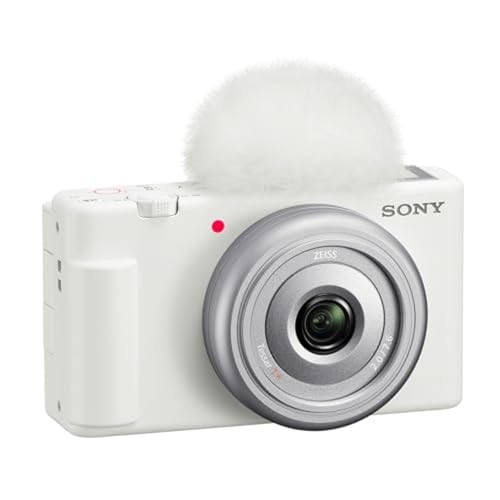
| Sony ZV-1F | Best pocket city camera | A 1-inch sensor in a jacket pocket, with painless phone sharing. |
| OM SYSTEM Tough TG-7 | Best for wet itineraries | Waterproof, freezeproof and unbothered by beaches, boats and rain. |
| DJI Osmo Pocket 3 | Best for walking films | A gimbal-stabilised 1-inch camera that turns strolls into cinema. |
| Insta360 GO 3S | Best hands-free diary | A thumb-sized 4K camera that mounts anywhere and vanishes. |
| Nikon Z50 II | Best for travelling photographers | A real mirrorless system camera that still packs like a guest. |
| GoPro HERO12 Black | Best for surf and summits | Rugged wide-angle capture for itineraries involving water and altitude. |
How did we choose travel cameras by their digital manners?
Charging came first, ahead of resolution. It is an unfashionable priority that any traveller who has rationed a dying battery through a once-a-decade journey will recognise instantly as the only honest one. A travel camera that sips power through USB-C from any power bank, laptop or seatback port integrates into a modern journey; one demanding a proprietary cradle starts every trip with a small act of faith. We checked which picks can top up during a café stop and which accessories — spare batteries, dual chargers — a traveller genuinely needs versus merely enjoys.
File flow came second. A holiday produces its evidence daily, and evidence that cannot move is a debt accumulating interest in frustration. The test was a realistic evening: shoot all day, reach a rented room, and move the best twenty frames to a phone for sharing and backup before dinner. Cameras whose apps connect politely and transfer at civilised speed passed; cameras requiring cable archaeology or desktop software were marked down, however lovely their sensors. A travel photograph that cannot leave the camera is, for many travellers, a photograph that effectively waits until the holiday ends.
We also interrogated each camera’s behaviour at borders of another kind: the boundary between shooting and sharing, between the card and the cloud, between the day’s capture and the evening’s edit. Travel compresses those boundaries into a single tired hour, and a camera whose designers respected that hour earned marks that studio-bound reviewers rarely award.
Third came the sensor’s forgiveness. Travel light is unrepeatable and uncontrollable — dawn harbours, candlelit taverns, noon deserts — so dynamic range, stabilisation and honest high-sensitivity behaviour outrank studio sharpness. Finally we weighed failure tolerance: weather sealing, lens protection, and how each camera behaves after a drop onto the cobbles that seem to wait outside every charming old town.

Sony ZV-1F — Best pocket city camera
The ZV-1F understands the city break’s arithmetic: every gram competes with a pastry, a paperback and the jumper the forecast made you carry. Into a jacket pocket it packs a 1-inch sensor — several times the area of a phone’s main sensor — behind a wide fixed lens that suits streets, interiors and the table-full-of-breakfast shot that city trips generate by the dozen. Photographs carry the depth and low-light calm that make friends ask which phone did that, followed by the small silence when you answer that a camera did.
Its digital manners are thoroughly modern. Sony’s transfer app moves selected frames to a phone with little ceremony, USB charging tops the battery from the same power bank feeding your handset, and the camera’s vlogging heritage means its microphone arrangements and product-showcase habits flatter travellers who narrate their trips. A touchscreen interface keeps settings shallow for companions who borrow the camera at a viewpoint and hand it back with three good frames and no menu damage.
The wide lens deserves a paragraph of travel logic. City photography happens at arm’s length from architecture and across café tables, where a wide view gathers context that a longer lens crops into postcards. Travellers who shoot people in places, rather than places alone, will find the framing honest. Travellers whose trips revolve around distant wildlife or stadium seats should keep reading — this list contains their cameras too, further down.
Honesty about limits: the lens does not zoom optically in the way holiday brochures imply, the battery is a day’s companion rather than a weekend’s, and the body asks to be kept from downpours. None of this dents its city brief, because city days end near cafés, chargers and awnings. Pack a slim power bank and the ZV-1F’s appetite becomes a coffee ritual rather than a constraint.
Video travellers inherit more than they expect: clean 4K, colour that flatters skin in mixed light, and a defocus switch that blurs backgrounds for market-stall monologues. A whole trip’s film can live on this camera without embarrassment, which frees the mirrorless budget for travellers who only pretend they will carry the big camera daily.
Choose the ZV-1F when the trip is urban, the bag is small and the photographs must reach people back home the same evening. It is the city break distilled into an object: light, sociable and quietly better than the phone it replaces.
- Role: the jacket-pocket city specialist
- Sensor class: 1-inch, strong in low light
- Charging: USB, power-bank friendly
- Sharing: app transfer to phone for same-day posting
- Lens character: wide and fixed, built for context
Strengths
- Sensor size transforms evening street scenes
- Truly pocketable without a camera bag
- Simple enough for companions to borrow safely
Trade-offs
- No optical zoom for distant subjects
- Battery life measured in days, not weekends
- Needs shelter from heavy rain
Best for: city breaks, food trips and social travellers. Not suited for: safari distances or storm-chasing itineraries.
Set its transfer app up before departure and send one test photograph to your phone from your own kitchen. Every camera on this page shares that advice, yet the ZV-1F’s owners benefit most, because this camera’s whole promise is the unbroken line from a Lisbon side street to a family group chat before dessert arrives.

OM SYSTEM Tough TG-7 — Best for wet itineraries
Some itineraries read like a threat assessment: kayaking at dawn, a waterfall hike by lunch, snorkelling over a reef, then a fishing boat home through spray. The TG-7 was engineered for exactly that document. It is waterproof to serious depths without a housing, freezeproof, crushproof and dustproof, which rearranges the traveller’s psychology completely — the camera comes out in the rain instead of sheltering from it, and the trip’s wettest hours stop being a photographic blank.
Underwater manners distinguish it from merely rugged rivals. Dedicated underwater modes correct the colour theft that water performs on reds, a macro system with microscope ambitions photographs reef detail and rockpool citizens, and controls remain operable with cold, wet fingers. Snorkellers who have watched a phone in a pouch fog itself into uselessness will recognise the TG-7 as the grown-up answer.
Its digital side keeps pace with the journey. GPS and sensor logging can stamp where each frame happened — a gift when reconstructing a coastline walk — and wireless transfer shares the day’s survivors once the boat docks. USB-C charging has modernised the breed’s older habits, so the same cable discipline praised throughout this guide applies here too.
Temper expectations where physics insists. The sensor is compact-camera sized, so starlit dinners will not match the 1-inch picks, and the zoom range is modest. The TG-7’s bargain is different: it trades ultimate image quality for presence — photographs that exist because the camera was there, in the water and the weather, when finer instruments were zipped inside dry bags making excuses.
Fieldcraft improves its results quickly. Rinse it in fresh water after sea days, keep the seals free of sand with an almost ceremonial respect, and learn the macro modes before the trip rather than above a reef with a turtle losing patience. Owners who rehearse at home in a sink full of coins report suspiciously better holiday footage.
Choose the TG-7 when the itinerary is wet, cold, sandy or airborne with spray. It is less a camera you protect than a companion that protects the record of the trip, and for adventure-leaning travellers that inversion is worth more than megapixels.
- Role: the all-weather expedition witness
- Protection: waterproof, freezeproof, crushproof body
- Special talents: underwater colour modes, extreme macro
- Logging: position and sensor data for route diaries
- Charging: USB-C, in line with modern kits
Strengths
- Photographs precisely where others cannot go
- Seals out sand, spray and snow alike
- Macro modes reward curious travellers
Trade-offs
- Small sensor limits night photography
- Zoom reach is modest for wildlife
- Seals demand rinsing and inspection rituals
Best for: snorkelling, kayaking, skiing and beach expeditions. Not suited for: candlelit-city perfectionists.
Buy the floating strap if your water is deep and your grip is mortal. The TG-7 sinks with the confidence of its build, and the strap is the cheapest reunion insurance in adventure photography — a detail learned by the community one lost camera at a time.

DJI Osmo Pocket 3 — Best for walking films
Walking is how travellers actually experience places, and walking footage from ordinary cameras looks like an earthquake narrated by a kettle. The Pocket 3 solves the problem mechanically: a three-axis gimbal the size of a chocolate bar floats a 1-inch sensor through crowds, staircases and vaporetto decks, producing the gliding shots that make a street feel like a film set. Travellers who return with watchable moving images, rather than stills alone, usually discover this camera was the reason.
The rotating screen is its social interface. Flip it and the camera wakes ready for landscape filming; turn it vertical and the framing suits the vertical video that family chats and social feeds now consume by default. Solo travellers gain a patient cinematographer: face tracking follows a presenter through a market monologue, and the gimbal forgives the wobble that tripods cannot attend.
Stills deserve a fair hearing too. The same sensor that flatters video takes respectable photographs, particularly in the low light of old towns at dinner hour, and panoramic stitching assembles viewpoints too wide for any single frame. Travellers who film primarily and photograph secondarily will not feel short-changed; stills-first photographers should weigh the Nikon further down before deciding.
Digital logistics are exemplary. Fast charging refills most of the battery during a lunch stop, transfers to the phone app are brisk, and the whole kit — camera, mini tripod, wrist strap — occupies less luggage than a guidebook. DJI’s microphone ecosystem extends the setup for narrators, though the built-in array already handles a walking commentary with surprising dignity.
Fragility is the honest footnote. A gimbal is a precision instrument with moving parts, and it dislikes sand, drops and being crushed in an overstuffed rucksack. The protective cover it ships with should live on it whenever it is not filming, and beach days belong to the TG-7 or the GoPro rather than to this delicate glider.
Choose the Pocket 3 when your travel memories move — when the trip deserves footage of the walk to the viewpoint, not just the viewpoint. It converts the in-between hours, which are most of any journey, into the best-looking part of the record.
- Role: the gimbal camera for travelling filmmakers
- Stabilisation: mechanical three-axis gimbal
- Sensor class: 1-inch, strong at dusk
- Screen: rotating, vertical-video friendly
- Charging: fast top-ups during short stops
Strengths
- Walking footage glides without effort
- Face tracking empowers solo presenters
- Kit packs smaller than a paperback novel
Trade-offs
- Gimbal mechanism fears sand and drops
- Stills play second fiddle to video
- Fixed lens limits distant framing
Best for: travel vloggers, walkers and solo filmmakers. Not suited for: rough adventure or stills-only purists.
Film one ordinary walk at home — the corner shop run will do — and watch it that evening. The Pocket 3 sells itself in that single experiment better than any specification can, and travellers who rehearse its gestures before departure stop fighting the gimbal by the second day abroad.

Insta360 GO 3S — Best hands-free diary
The GO 3S is the size of a thumb and behaves like a rumour: clipped to a cap, magnetised to a chest pendant, stuck to a fridge door in a rented apartment, it records 4K from viewpoints no held camera occupies. For travellers whose hands are committed — cyclists, climbers, cooks in a Tuscan class, parents carrying both a toddler and the day — it is the only camera on this page that asks for no hands at all.
Its two-part design is the cleverness. The tiny camera works alone for quick captures, then docks into its Action Pod, which adds a flip screen, controls and a battery top-up, turning the pebble into a conventional little camera for reviewing the day. Storage lives inside the camera itself in this 128GB edition, so the card-swapping ritual disappears; files leave through the app or a cable when you choose.
Stabilisation software smooths the footage after capture, and the magnetic mounting ecosystem rewards experimentation: a rental bicycle’s handlebar, a backpack strap, the metal door of a sleeper train. Travel diaries shot this way have a first-person honesty that posed footage cannot imitate, because the camera witnesses the journey from inside it rather than observing from the traditional arm’s length.
Limits are written into its size. Battery endurance suits bursts and sequences rather than hour-long recordings, low light is respectable rather than magical, and there is no card slot to expand or swap. Travellers must also mind local courtesy: a camera this discreet demands more deliberate consent from companions and strangers, not less, and several venues forbid recording regardless of size.
As a second camera it is close to perfect, accompanying a phone or a compact and harvesting the moments hands were busy. As a sole camera it suits travellers whose trips are movement itself — tours, trails, festivals — where a diary of fragments beats a gallery of monuments.
Choose the GO 3S when your hands have other jobs and your memories deserve better than the inside of a pocket. It is the smallest witness a journey can hire, and it files its report in 4K.
- Role: the wearable first-person diarist
- Mounting: magnetic, clips, pendants, straps
- Storage: internal 128GB in this edition
- Two-part design: pebble camera plus screened pod
- Capture style: bursts and sequences, hands-free
Strengths
- Viewpoints no other camera here can reach
- Disappears on the body until needed
- Pod restores screen and controls on demand
Trade-offs
- Short recording endurance per charge
- No removable storage to swap
- Discretion demands extra consent care
Best for: cyclists, climbers, cooks and busy parents. Not suited for: long continuous recording or formal stills work.
Practise the mount positions before the trip and review what each actually frames. A chest mount aimed at your own chin produces a documentary about a chin; ten minutes of home rehearsal redirects the lens toward the journey it was bought to witness.

Nikon Z50 II — Best for travelling photographers
Some travellers plan itineraries around light. For them the Z50 II is the page’s serious instrument: an APS-C mirrorless camera with interchangeable lenses, a proper viewfinder, colour presets that flatter travel scenes straight from the camera, and wireless sharing that Nikon’s ecosystem has polished into an evening routine. It is the pick for photographers who would rather carry capability and leave other luggage behind.
The sensor’s size rewrites what travel photographs can be. Dawn harbours hold their shadows, night markets keep their colour without turning to soup, and portraits of travelling companions gain the shallow-depth separation that phone portraits imitate. Paired with a compact kit zoom it covers the walk-around range; add a small prime and evenings become a speciality rather than a compromise.
Nikon aimed this generation squarely at creators who share. Picture controls tuned for skin and scenery reduce editing debt, video credentials satisfy hybrid shooters, and the SnapBridge connection can ferry images to a phone automatically as the day unfolds, so the backup habit this guide preaches happens without a ceremony. USB-C charging joins the modern consensus, letting the camera drink from the same power bank as the rest of the kit.
Weight is the tax, honestly itemised: body, lens, charger habits and a bag that announces itself. On a trekking itinerary the Z50 II must justify its grams daily, and travellers who secretly want a pocket camera will resent it by day three. The honest test is your last trip’s photographs — if you returned wishing for better files, this is your camera; if you returned wishing you had carried less, it is not.
Growth is its long argument. Lenses accumulate, skills deepen, and a camera bought for one expedition becomes the centre of a system that serves a decade of them. Among these six picks, only the Nikon offers that trajectory, and for the travelling photographer the trajectory is the purchase.
Choose the Z50 II when photography is a reason for the trip rather than its souvenir. It asks for a shoulder and repays it with the finest files in this guide, plus a sharing pipeline modern enough that serious no longer means slow.
- Role: the system camera for photography-led trips
- Sensor class: APS-C, interchangeable lenses
- Sharing: automatic phone transfer via its app
- Colour: presets tuned for travel scenes
- Charging: USB-C within a unified kit
Strengths
- Best image quality in this line-up
- Lens system grows with the photographer
- Sharing pipeline suits nightly backups
Trade-offs
- Heaviest carry of the six picks
- Lens appetite expands the budget over time
- Overkill for snapshot-only travellers
Best for: photography-first travellers and hybrid creators. Not suited for: ultralight packers or pocket-only minimalists.
Travel with one lens for the first trip, however strong the urge to pack three. A single focal range teaches composition faster, keeps the bag honest, and reveals — by the wishes it leaves unmet — exactly which second lens your style genuinely needs.

GoPro HERO12 Black — Best for surf and summits
The HERO12 is the camera that treats a capsized kayak as a filming opportunity. Waterproof from the box, voice-controlled when hands are gloved or gripping, and stabilised to a degree that makes ski descents look groomed, it owns the itineraries where weather and velocity conspire against every other pick here. Surfers, riders, climbers and sailors do not baby it, and that indifference is its entire design brief.
Its wide lens tells the adventure story in first person: handlebars, horizon and hands in one sweeping frame. Time-lapse and night modes extend the diary beyond the action — star trails above a campsite, a ferry crossing compressed into a minute — and the HERO12 generation’s improved power management stretches recording further between charges than its ancestors managed, a mercy on multi-day routes far from sockets.
Digital habits are adventure-shaped. The Quik app gathers footage, finds highlights with an editor’s ruthlessness, and backs clips toward the cloud when coverage allows, so the evening ritual at a mountain hut can be as simple as opening an app and letting it work while dinner cooks. Removable storage returns here, and expedition travellers should pack spare cards the way they pack spare socks.
Stills from a GoPro are wide, deep-focused and honest rather than artful, and its small sensor will not win a candlelit dinner against the 1-inch picks. Audio in wind needs the usual accessories and expectations managed. None of this troubles its owners, who bought a witness for conditions, not a portraitist for restaurants.
Mounts multiply its personalities — chest, helmet, board, pole, dog, in one famous genre — and the mounting ecosystem is the deepest in consumer cameras. Travellers should buy two mounts, not twelve: the one for their sport and the mini tripod for everything else, because mount collections have a way of becoming the heaviest item in the bag.
Choose the HERO12 when the itinerary involves water, speed, height or weather that would retire the rest of this list. It is the expedition’s black box and highlight reel in one small, shouty-proof brick.
- Role: the action witness for hostile itineraries
- Protection: waterproof without a housing
- Control: voice commands for gloved hands
- Footage style: ultra-wide, deeply stabilised
- Storage: removable cards, expedition-friendly
Strengths
- Survives the conditions that define adventure trips
- Stabilisation flatters speed and rough terrain
- Mount ecosystem covers every sport
Trade-offs
- Stills are documentary, not artful
- Wind audio needs accessory help
- Small sensor trails in candlelight
Best for: surfers, skiers, riders and sailors. Not suited for: portrait-led or low-light city trips.
Leash it. Every mount in the ecosystem is strong until the one wave, branch or gust that edits your camera out of the trip, and a short tether has saved more GoPros than any warranty ever written.
How do the six best digiital cameras for travel compare on the road?
| Camera | Carry style | Sensor class | Sharing route | Choose it when |
|---|---|---|---|---|
| Sony ZV-1F | Jacket pocket | 1-inch | App to phone | The trip is a city |
| OM SYSTEM Tough TG-7 | Anywhere, wet | Compact, rugged | App plus position logs | The itinerary gets soaked |
| DJI Osmo Pocket 3 | Hand or small pouch | 1-inch, gimbal | App to phone | The memories should move |
| Insta360 GO 3S | Worn on the body | Tiny, internal storage | App or cable | Hands are busy all day |
| Nikon Z50 II | Shoulder bag | APS-C system | Automatic app transfer | Photography leads the trip |
| GoPro HERO12 Black | Mounted anywhere | Action class | App highlights and backup | The trip involves velocity |
Notice what the table does not rank: there is no overall winner, because itineraries outrank instruments. A camera that triumphs on a reef becomes a paperweight at a gallery weekend, and the wise traveller shops for the trip they have booked, not the trip in the brochure.
How should you back up photographs while travelling?
Build a ladder with at least two rungs. The first rung is the evening transfer: the day’s keepers move to your phone before sleep, which puts them one bag-theft further from oblivion. The second rung, for longer trips, is a second physical home — a small drive, a spare card kept in different luggage, or cloud upload whenever generous Wi-Fi appears. Photographers on assignment add a third rung and call the ladder a workflow; holiday travellers with two rungs already outclass most professionals of the film era.
Format cards only after two copies exist, and let that rule survive tiredness, because every lost-trip story in photography begins with a format performed one step too early. Keep the routine at the same hour daily — while dinner cooks is a favourite — so the backup becomes part of the holiday’s rhythm rather than a chore competing with it.
Which travel camera mistakes ruin more trips than bad weather?
Learning the camera in the destination ranks first. Menus explored at home are reflexes abroad; menus first opened at a viewpoint are a queue of missed moments with a view. Second is the single giant card holding an entire expedition hostage to one loss, one corruption, one absent-minded format. Third is charging chaos — five devices, five proprietary cables, one forgotten — which the USB-C discipline in this guide exists to prevent.
A fourth mistake is social rather than technical: photographing so continuously that the trip becomes content production with scenery. Every camera here can record a journey; none can experience one for you. Build camera-free hours into rich days, and notice that the photographs either side of those hours improve, because attention, rested, sees better.
How do you keep cameras safe in transit and in crowds?
Carry cameras on your person or in the bag that never leaves your side, never in checked luggage where theft, cold and baggage handling form a committee against them. In crowds, a wrist strap beats a neck strap’s invitation, cross-body bags beat backpacks for awareness, and the unglamorous hotel safe exists precisely for the evenings a camera should stay home. Insure valuable kits with the serial numbers recorded somewhere your phone can reach.
At borders and checkpoints, keep cameras accessible and charged enough to power on if asked, with cards backed up before any official curiosity can become a data incident. Calm, documented, backed-up travellers pass through the world’s bureaucracy with their photographs intact; the same travellers, unprepared, star in cautionary tales.
How do trains, planes and night buses change what a camera must do?
Transit is half a journey and most of its photography. A train window at golden hour demands a camera that focuses through glass without hunting, exposes for the brighter world outside, and starts fast enough to catch the viaduct before the cutting swallows it. Window seats reward the compacts here: small enough to lift without elbowing a stranger, quick enough to be ready between tunnels.
Aircraft add their own etiquette and physics. Cabin light is dim and mixed, wing views at altitude are ultraviolet and hazy, and neighbours reasonably object to shutter theatre at 3 a.m. over an ocean. The quiet electronic shutters and modest profiles of the pocket picks suit cabins; the mirrorless should travel with its silent mode discovered at home, not during boarding.
Night buses and ferries teach the final transit lesson: vibration never sleeps. Stabilisation — gimbal, in-body or electronic — earns its keep precisely when the vehicle hums and the light fails together, which is why every pick on this page carries some form of it. Travellers who shoot their journeys, rather than only their destinations, should weigh stabilisation as heavily as sensor size.
What does a realistic one-bag camera kit look like?
Start with the camera, then audit everything that feeds it. One charging cable in the house standard, one power bank shared with the phone, two cards in a hard little case, a microfibre cloth, a mini tripod that doubles as a handle, and a pouch that keeps the whole parliament together inside a daypack. That list, complete, weighs less than the guidebook it replaces.
Resist the accessory avalanche. Filters, cages, external drives and three mounts all audition for space in the shop and defect in the field, where every extra object is a thing to charge, lose or explain at security. Travellers who pack the audited kit above report a suspicious side effect: they photograph more, because the camera is findable in four seconds and ready in six.
Leave deliberate slack in the bag. Trips acquire objects — the market print, the vineyard bottle, the jumper bought in a mountain town — and a camera kit packed to bursting on day one becomes a daily negotiation by day five. Slack is not wasted space; it is the margin that keeps the camera accessible instead of entombed beneath souvenirs.
How should you edit and share from the road without losing evenings?
Adopt the twenty-minute rule. Each evening, cull ruthlessly to the day’s best frames, apply the lightest edits that flatter them, share a handful, and stop. The rule protects the holiday from its own documentation, because travellers who process for two hours nightly return home with beautiful archives and a faint resentment of the trip that generated them.
Star-rate or favourite in the camera during the day, at the moment of shooting, whenever a frame announces itself. That tiny habit halves the evening’s work, since the cull becomes a review of candidates rather than an excavation of hundreds. Companions appreciate the system too: the shared album fills by dinner, and nobody waits three weeks for photographs of a trip they took together.
Keep captions factual while memory is fresh — place names, the restaurant, the guide’s name — because future you will forget the village and remember only the light. A photograph with a true caption is a document; without one it is merely evidence that somebody, somewhere, once saw a sunset.
Which scenes on a typical trip defeat each kind of camera?
Wildlife at distance defeats every fixed-lens pick here and humbles even the Nikon unless a telephoto lens travelled too. Travellers whose trip is a safari should treat this guide as a second-camera list and hire or carry real reach for the main event. Concerts and theatres defeat small sensors and venue rules in equal measure, and the correct camera there is often the one left respectfully in the bag.
Interiors of great buildings — cathedrals, mosques, palaces — reward wide lenses and high-sensitivity calm, which is the ZV-1F and Pocket 3’s home ground. Markets reward discretion and speed, where the GO 3S and the pocket Sony draw no crowd. Coastlines at noon defeat everybody’s dynamic range and reward the traveller who simply returns at seven in the evening, when the same scene costs no effort at all.
Knowing your camera’s losing scenes is not pessimism; it is itinerary design. Schedule the cathedral for the compact’s strengths, the reef for the Tough, the summit for the GoPro, and the day composes itself around the equipment instead of ambushing it.
How do you travel photographically with children or grandparents?
Shared trips change the camera’s job description: it becomes the family’s memory clerk, and reliability outranks artistry. The picks that thrive here are the ones a tired parent can operate one-handed and a grandparent can borrow without a tutorial — the pocket Sony for its simplicity, the Tough for its indifference to dropped ice creams and beach economics.
Hand the camera to the children for an hour a day. Their eye level is a different country, their subjects are cats, door knockers and each other’s shoes, and the resulting frames routinely become the trip’s most loved. A camera robust enough to be lent is therefore a family feature, and the TG-7’s armour earns a second salary in this role.
Grandparents deserve the reciprocal courtesy: set the camera to its kindest automatic mode, enlarge the display text where the menus allow, and disable anything that punishes an accidental button press. A travelling elder armed with a forgiving camera returns with their own account of the trip, which is a different and irreplaceable archive from yours.
What should you do on the first evening home?
Complete the backup before the suitcase is unpacked, while the cards are still where the journey left them. Copy everything to the home archive, verify the copies open, and only then let the cards rejoin the spares drawer. Trips die at this threshold more often than on any mountain — in the fortnight of good intentions between the taxi and the eventual, never-completed sort.
Then make something small and finished: an album of thirty frames, a printed handful for the fridge, a short film cut while the music of the place is still in your ears. Finished artefacts anchor memory in a way four thousand unsorted files never will, and they justify, to the person who carried the camera up every staircase, the entire enterprise of travelling with one.
How do seasons rewrite a travel camera’s job?
Winter travel is a battery exam. Cold drains cells, gloves defeat touchscreens, and condensation waits at every warm doorway for the camera that rushes inside unprotected. The Tough TG-7 treats the season as a birthplace, the GoPro answers to voice when fingers are mittened, and every traveller should carry the camera inside a sealed bag during the cold-to-warm transition, letting the bag drink the condensation instead of the lens.
Summer answers with glare, dust and sweat. Screens wash out at noon on white plazas, which rehabilitates the Nikon’s viewfinder as essential equipment rather than nostalgia. Sand infiltrates zips and dials with a patience that outlasts holidays, arguing again for the sealed designs, and for rinsing rituals performed at the apartment sink before grit becomes a grinding paste inside a focus ring.
Shoulder seasons — the travelling photographer’s favourites — combine softer light with emptier viewpoints, and they forgive nearly every camera on this page. If your calendar is flexible, let the seasons choose your dates and the equipment question relaxes by half, because gentle light is the one upgrade no shop can sell and no baggage allowance restricts.
What is the honest role of the phone beside these cameras?
The phone is the trip’s Swiss instrument: map, translator, wallet, boarding pass and a camera of real ability. Nothing in this guide requires pretending otherwise. The dedicated camera earns its luggage space in the margins where phones strain — optical quality in low light, ergonomics across a whole day of shooting, mounts and armour for hostile places, and the psychological separation between photographing and being interrupted by a message about a parcel.
Use the partnership deliberately. Let the phone handle the instant share, the menu translation held up to a lens, the snapshot of the timetable. Let the camera own the scenes you travelled for. Travellers who assign the roles at home stop carrying duplicated anxiety, and their photographs sort themselves by device into the spontaneous and the considered, which is a surprisingly useful archive structure.
There is also a resilience argument nobody enjoys: phones are the most stolen, dropped and battery-stranded objects on any journey. A camera in the daypack is a second witness when the first is at the bottom of a canal, and more than one traveller’s entire visual record of a honeymoon survives because a humble compact kept working after the handset met the sea.
How should beginners choose between these six temperaments?
Answer three questions honestly. Will the trip be wet, fast or rough? Then the armour picks — Tough or GoPro — start with an advantage no sensor can overcome. Will the memories be films of walking and talking? The gimbal and the wearable divide that world between them by whether you hold or wear your witness. Will photographs be the trip’s purpose, edited and printed afterwards? Then the Nikon’s shoulder tax is tuition, not burden.
Everyone else — the city breakers, the food travellers, the friends-on-a-train majority — should begin with the pocket Sony and stop apologising. Most travel photography is people in places at conversational distance, in light that ranges from kind to candlelit, and a 1-inch sensor in a jacket pocket serves that majority better than exotic machinery carried resentfully.
When two temperaments tie, choose by the evening test: which camera will you actually pick up after dinner, when the light turns golden and the day’s energy is spent? The camera that joins the evening walk is the camera that makes the album, and it is rarely the heaviest one in the room.
How do you photograph respectfully in places that are not yours?
Travel cameras record other people’s homes. The digital ease this guide celebrates — instant sharing, discreet wearables, silent shutters — raises the stakes on courtesy rather than lowering them, because a photograph can now circle the planet before its subject reaches the end of the street. Ask where asking is possible, accept refusal with the same grace you would want at your own front door, and remember that markets, worship and grief each carry local rules that no press pass in your imagination overrides.
Children deserve the strictest version of the rule: photograph your own freely, other people’s only with a parent’s clear blessing, and never through the camouflage of a tiny camera. The GO 3S’s discretion is a tool for your own story, not a licence to harvest strangers. Several countries also restrict photography near transport infrastructure, uniforms and borders, and the traveller’s defence is homework done before the shutter, not apologies composed after it.
Handled well, the camera becomes an ambassador rather than an extraction device. Showing subjects their portraits on the screen, offering to send copies, and learning the two local words for “may I” transform encounters that photography books describe and tourists usually miss. The best travel photographs in any album tend to be the ones where the subject is looking back, unbothered, because permission had already made friends of both sides of the lens.
What should a pre-departure camera rehearsal include?
One full pretend day. Carry the camera on an ordinary Saturday exactly as the trip will demand — same bag, same pocket, same shoes if you enjoy thoroughness — and shoot the market, the bus ride and the evening street near home. Transfer the files at a café, top the battery from the power bank, and note every friction while friction is still free to fix.
Update firmware at home, never on hotel Wi-Fi the night before a trek. Charge every battery, format every card in the camera that will use it, set the clock to the destination’s time zone on departure day, and photograph a card with your name and contact details as the first frame on each card — the digital equivalent of a luggage label, which has reunited more lost cameras with owners than any tracking gadget.
Finish the rehearsal by cleaning the lens and the sensor’s front element habits you can manage, then pack the microfibre where your hand finds it without looking. Journeys reward the prepared with a specific luxury: the first day abroad feels like the second, because the learning already happened in familiar streets.
Final Recommendation
Match the camera to the itinerary you have actually booked: the ZV-1F for cities, the TG-7 for water, the Pocket 3 for walking films, the GO 3S for busy hands, the Z50 II when photography is the pilgrimage, and the HERO12 when the trip fights back. Whichever you pack, rehearse its sharing app at home, split your cards, and back up before dinner — because the finest travel camera ever made is still only the second-best souvenir, right behind the journey it manages to bring home intact.
Frequently Asked Questions
Why does this guide keep the misspelling “digiital”?
Because searchers type it, on phones, in transit, with luggage in the other hand — and a guide’s job is to meet travellers where they are. The cameras, specifications and advice inside are spelled with full care; only the keyword keeps its double letter as a badge of the journey.
Can one of these replace a phone entirely?
For photography, several can and do — the compacts and the Nikon outclass phone sensors decisively in difficult light. For communication, maps and boarding passes the phone remains the journey’s headquarters. Most travellers carry both and let each do the work it is best at.
How many memory cards should I pack?
At least two, rotated daily, with a third spare if the trip is long or the shooting is video-heavy. Rotation caps any single loss at a day or two of images, and cards weigh so little that generosity costs nothing but a moment of packing thought.
Is USB-C charging really that important?
On the road, yes. One cable and one power bank serving camera, phone and headphones removes the commonest packing failure in modern travel. Cameras that still demand unique chargers can be excellent, but they charge rent in luggage and attention every single day of a trip.
What about travel insurance for cameras?
Valuable kits deserve named cover, with serial numbers and receipts recorded before departure. Check whether your policy covers theft from vehicles and unattended bags, the two situations travel claims actually arise from, rather than the dramatic losses policies advertise.
Should I shoot RAW while travelling?
If editing is part of your pleasure and storage is plentiful, RAW rewards difficult light with rescue room. If the trip’s joy is sharing quickly, modern JPEG colour from these cameras is genuinely good, and several picks let you shoot both — insurance and immediacy on the same card.
Related Guides
Read next with our guides to the best affordable cameras for travel in general, packing a camera kit for carry-on only and phone-free photography trips.


