reviewstook.com is reader-supported. When you buy through links on our site, we may earn an affiliate commission.
Where to buy
Sightseeing is photography conducted at walking pace, in weather you did not choose, among crowds who did not consent to be your foreground. The best cameras for sightseeing are therefore not the most powerful ones but the most present ones: light enough to be carried on the day you almost left it behind, quick enough to catch the moment before the tour group absorbs it, and discreet enough that the city does not perform for the lens. The six below range from a pocket compact to a small mirrorless system, and the argument between them is really an argument about what kind of traveller you are.
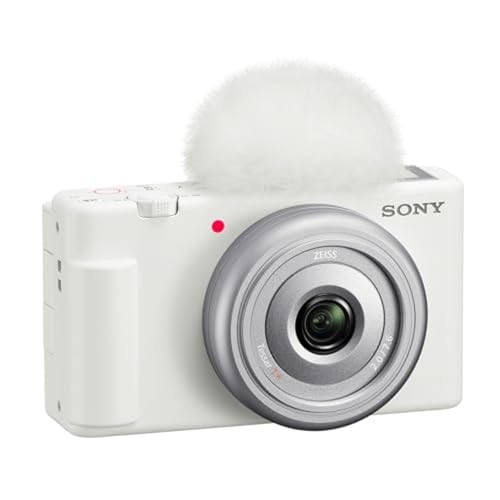
- Sony ZV-1F: check price on Amazon
- DJI Osmo Pocket 3: check price on Amazon
- Nikon Z50 II with Two Lenses: check price on Amazon
- OM SYSTEM Tough TG-7: check price on Amazon
- Insta360 GO 3S: check price on Amazon
- Ricoh GR IIIx: check price on Amazon
Two philosophies divide the list. The compacts and pocket cameras say that the best sightseeing photograph is the one you were carrying a camera for — the unplanned doorway, the light in the alley, the friend laughing at the map. The Nikon kit says that some sights deserve intention: the telephoto detail of a cathedral’s gargoyles, the dawn panorama from the viewpoint you climbed to on purpose. Most travellers, honestly examined, live in the first camp and visit the second on their best days, and the verdicts below are written with that confession in mind.
What sightseeing cameras must never be is a burden that edits the itinerary. The museum that bans big bags, the old town’s thousand steps, the afternoon rain — a sightseeing camera survives all of them by being small, sealed or cheap enough not to be worried about. Judge these picks by the trip they allow, not just the files they make.
Key Takeaways
- The Sony ZV-1F is the default sightseeing camera: pocketable, quick, and wide enough for the old town’s geometry.
- The DJI Osmo Pocket 3 turns sightseeing into a film — stabilised walking footage no stills camera can match.
- The Nikon Z50 II two-lens kit is for travellers who plan photographs, with reach for architecture and detail.
- The OM SYSTEM Tough TG-7 removes weather and worry from the equation entirely.
- The Insta360 GO 3S is the invisible camera — clipped on, forgotten, and rolling for the candid city.
- The Ricoh GR IIIx, prose-only here, is the street photographer’s beloved fixed-lens instrument.
In this guide
Quick Picks
| Camera | Badge | Why it is here |
|---|---|---|
| Sony ZV-1F | Best for sightseeing overall | One-inch sensor, wide bright lens and pocket manners for the whole trip. |
| DJI Osmo Pocket 3 | Best for sightseeing film | Gimbal-smooth walks through markets, old towns and viewpoints. |
| Nikon Z50 II with Two Lenses | Best for planned photography | Two lenses cover the square and the gargoyles in one small bag. |
| OM SYSTEM Tough TG-7 | Best for worry-free travel | Waterproof, drop-proof and unbothered by beaches, boats and storms. |
| Insta360 GO 3S | Best for candid moments | Thumb-sized and forgettable — the camera the city never notices. |
| Ricoh GR IIIx | Best for street purists, prose-only | A cult fixed-lens camera that fits a jacket pocket and a philosophy. |
How did we judge cameras for the tourist’s day?
By walking them through the itinerary in our heads, hour by hour. The morning’s viewpoint in hard light, the cathedral’s gloom at noon, the market’s chaos, the boat trip’s spray, the evening square. A sightseeing camera is used in bursts between living the trip, so we weighted the qualities that govern those bursts: how fast the camera wakes and focuses, whether it can be operated one-handed while the other hand holds a rail, a gelato or a child’s wrist, and whether its files look finished without an evening of editing.
Size was judged honestly, as a system: not the body’s brochure weight but the whole travelling fact of it — charger, case, the bag it obliges you to carry, the attention it draws. The camera that needs its own luggage changes the trip; the camera that rides in a jacket pocket merely records it.
Finally, we asked what the photographs are for. Sightseeing pictures live as phone shares, family albums, prints for the hallway and the occasional frame that outlives the trip entirely. Cameras were favoured whose colour and convenience serve the sharing now, while keeping enough quality in reserve for the print later.

Sony ZV-1F — Best for sightseeing overall
The ZV-1F understands the assignment precisely: it is a real camera — one-inch sensor, bright wide lens — that behaves like a phone’s better conscience. It wakes fast, focuses on faces without being asked, exposes a backlit piazza kindly, and fits the pocket it will spend the day in. The wide lens is the sightseeing focal length: it takes in the cathedral front, the café table and the viewpoint’s sweep without the photographer backing into traffic.
Its vlogging heritage shows in the courtesies: a screen that flips for the group selfie at the landmark, colour that flatters skin in hard noon light, and video that makes the walking tour footage look intentional. For the traveller whose album mixes stills, clips and the occasional piece to camera — “we are standing where the treaty was signed” — it is the most complete single answer here.
Its ceiling is the fixed lens: the gargoyle stays small, the distant castle stays distant. Sightseers who feel that lack keenly should read the Nikon’s verdict next. Those who mostly photograph where they stand will find the ZV-1F’s honesty about distance a fair trade for a camera that is never, ever left at the hotel.
- Format: compact, one-inch sensor
- Lens: fixed wide-angle, bright aperture
- Screen: flip-out for selfies and video
- Carry: jacket-pocket size
Strengths
- Always carried, therefore always ready
- Wide lens suits architecture and squares
- Stills and video in one pocket tool
Trade-offs
- No zoom for distant detail
- No viewfinder for the brightest glare
- Battery sized for a day, not a festival
Best for: most travellers, city breaks and family trips. Not suited for: architecture detail hunters.

DJI Osmo Pocket 3 — Best for sightseeing film
Some trips come home as albums; the Pocket 3’s trips come home as films. Its gimbal turns the walk itself into footage — the approach to the temple through the market, the climb to the viewpoint, the old town at dusk — with a smoothness that makes strangers ask what production company you are with. The one-inch sensor keeps the evening material handsome, and the rotating screen and subject tracking make solo travel filming genuinely solo: set it down, step into the frame, and be your own camera operator.
As a stills camera it is a competent companion rather than the main instrument, and its owners tend to pair it with a phone for photographs while the Pocket owns the motion. That division of labour suits the modern trip well. The sightseeing film, watched in winter, returns the place’s movement and sound in a way no album can — the market’s noise, the fountains, the bells.
It asks for a little protection and a little ritual: the gimbal is a precision instrument that prefers its case between outings, and the battery prefers a top-up at lunch. Travellers who give it those small courtesies get the trip’s definitive souvenir.
- Format: pocket gimbal camera, one-inch sensor
- Stabilisation: three-axis mechanical gimbal
- Screen: rotating, with subject tracking
- Video: high-quality 4K for travel films
Strengths
- Walking footage of professional smoothness
- Solo travellers can star in their own film
- Evening footage holds up beautifully
Trade-offs
- Stills are the supporting act
- Gimbal wants its case and a gentle life
- Fixed wide view, like all pocket tools
Best for: travellers who film, solo tourists, travel vloggers. Not suited for: stills-first photographers.

Nikon Z50 II with Two Lenses — Best for planned photography
This is the sightseeing kit for the traveller who circles sights in the guidebook with a pencil. Two lenses in one small bag — a wide zoom for the interiors and squares, a telephoto for the detail and the distance — behind a body with real autofocus, a real viewfinder and files that reward printing. The cathedral’s gargoyles, the lighthouse across the bay, the fresco’s corner that the crowd photographs as a blur: the kit exists for the traveller who came partly for the photographs.
The crop sensor works for the tourist twice over: it stretches the telephoto’s reach toward the distant detail, and it keeps the whole system — body and both lenses — at a weight a day’s walking forgives. The viewfinder matters at a sunlit viewpoint more than any specification on this page; composing through it while the compacts’ screens wash out is the difference between aiming and hoping.
The commitment is real: a bag, however small; lens changes, however occasional; a camera that asks to be carried deliberately. Sightseers should choose it when the photography is a purpose of the trip, not an apology within it — and then it will repay them at a level the pocket cameras cannot reach.
- Format: APS-C mirrorless, two-lens kit
- Reach: crop sensor extends the telephoto zoom
- Viewfinder: electronic, for bright viewpoints
- Files: raw-capable for serious printing
Strengths
- The detail and the distance, covered
- Files that print at hallway size
- A system that grows with the traveller
Trade-offs
- A bag and a decision, every day
- Lens changes in dusty, busy places
- Draws more attention than the compacts
Best for: photography-led trips, architecture lovers, print makers. Not suited for: pack-light minimalists.

OM SYSTEM Tough TG-7 — Best for worry-free travel
The TG-7 is the sightseeing camera for the trip’s wet, sandy and vertical chapters. It is waterproof to real depths, sealed against dust, rated for drops and freezing — the camera for the boat trip, the waterfall path, the beach afternoon and the mountain viewpoint in weather that empties it of everyone else. While other cameras are being sheltered, the TG-7 is taking the photograph.
Its lens is bright, its macro mode turns the trip’s small wonders — the market’s spices, the tide pool, the frost on the viewpoint rail — into subjects, and its files are honest and colourful. It will not match the Nikon’s reach or the Sony’s low-light grace, and it makes no pretence of doing so. Its proposition is simpler: it will be there, working, in the conditions where the trip’s most memorable hours often happen.
Families have a particular relationship with it: a camera that can be handed to a child at the rock pool without a briefing, dropped in the sand without a funeral, and rinsed under a tap at the hotel. Sightseeing with children is sightseeing at its most chaotic, and the TG-7 is the only camera here that treats chaos as its design brief.
- Format: rugged compact
- Rating: waterproof, dustproof, crushproof, freeze-proof
- Lens: bright zoom with macro modes
- Carry: any pocket, any weather
Strengths
- The trip’s worst weather is its best material
- Hand it to anyone, fear nothing
- Macro finds the small sights others miss
Trade-offs
- Small sensor limits dusk performance
- No viewfinder in hard glare
- Video is competent, not cinematic
Best for: adventure itineraries, beach and boat days, families. Not suited for: low-light city evenings.

Insta360 GO 3S — Best for candid moments
The GO 3S is sightseeing’s invisible ink. Clipped to a shirt, a bag strap or a hat brim, the thumb-sized camera records the day from your own eye line without ever announcing itself — the bargaining, the bus ride, the moment the square’s pigeons erupt around the children. Candid photography has always been a negotiation between presence and discretion; this little camera settles it by nearly vanishing.
Its footage is stabilised 4K with a view no other camera here can take, and its pod — charger, screen and remote in one — turns it into a miniature tripod camera for the café table and the viewpoint time-lapse. The limits are runtime and ambition: it films in episodes, not epics, and its stills are an afterthought. As the second camera of a sightseeing kit, or the only camera of a traveller who refuses to feel like a photographer, it is unmatched.
A word of manners, because the camera invites the question: film your own experience, respect the places that ask for no recording, and remember that discretion is a courtesy as well as a technique. Used with that conscience, the GO 3S collects the trip’s truest footage — the parts nobody performed.
- Format: thumb-sized modular camera
- Video: 4K, stabilised, eye-line perspective
- Mounting: magnetic clip for clothing and straps
- Pod: charger, screen and remote combined
Strengths
- The city never notices it
- Your own viewpoint, hands free
- Pod makes it a table camera anywhere
Trade-offs
- Episodes, not all-day recording
- Stills are minimal
- Easy to forget — occasionally, to lose
Best for: candid collectors, light packers, second-camera carriers. Not suited for: primary stills photography.
Ricoh GR IIIx — Best for street purists, prose-only
The GR IIIx is listed without a link, as this page’s nod to a philosophy: the fixed-lens street camera, carried by devotees who believe sightseeing photography improves when the equipment disappears. Its large sensor hides in a body smaller than most compacts, its lens is a classic street focal length, and its snap-focus discipline — pre-set distance, instant capture — has made it the connoisseur’s instrument for the unposed city.
What it refuses is as famous as what it offers: no zoom, no flip screen, no weather sealing worth bragging about, a battery that asks commitment. Its owners do not experience these as flaws. They experience them as the frame within which their sightseeing photography became a practice rather than a record — the same few streets of a foreign city worked for an hour, the light waited for, the frame composed before the moment arrived.
Include it in your thinking if the sightseeing is becoming something more — if you have started choosing the hotel for its neighbourhood’s mornings, and planning the day around one good hour. The GR IIIx is where that road leads, and its presence in this guide is the map’s honest edge.
- Format: large-sensor compact, fixed lens
- Lens: classic street focal length
- Focus: snap-focus discipline for instant capture
- Carry: the smallest serious camera here
Strengths
- Image quality far beyond its size
- Disappears into the act of looking
- A discipline that improves its owner
Trade-offs
- Fixed lens, no exceptions
- Battery life demands spares
- Not sealed for the wet chapters
Best for: street photographers and aspiring ones. Not suited for: zoom-dependent or video-first travellers.
How do you photograph a famous sight without the crowd?
Arrive when the crowd is at breakfast. The first hour of a sight’s day belongs to the cleaners, the devotees and the photographers who set an alarm, and the famous square photographed empty at seven is a different country from the same square at noon. Where early access is impossible, use the crowd instead of fighting it — a long exposure’s blur, a frame composed around one family’s wonder — or find the sight’s second face: the back street, the view from the far bank, the reflection in the café window across the road.
What is the sightseeing value of a wide lens?
Geometry. Old towns were built before photography and their streets do not step back for your composition; the cathedral fills the square, the alley turns at six metres, the interior’s vault begins above your head. A wide lens — the ZV-1F’s fixed view, the Nikon’s wide zoom — is how those spaces enter a frame whole. It also changes the photograph’s social contract: wide means close, and close means you were part of the scene rather than observing it from a telephoto’s diplomatic distance. Sightseeing is participation; the wide lens is its native grammar.
How do you handle a rainy sightseeing day?
Rejoice quietly, then dress the camera for it. Rain empties the sights, doubles the lights in the wet streets and gives every postcard view a mood the sunny version cannot buy. The TG-7 simply goes out in it; the other cameras work under an umbrella, a doorway’s shelter, a plastic sleeve in the worst of it, with a cloth for the front element kept dry in an inner pocket. Photograph the reflections, the umbrellas, the steam from the café doors — and notice that the locals never stopped their day for the weather, which is the trip’s real subject anyway.
Why do viewpoints disappoint, and how do you fix them?
Because the eye reads a panorama in layers and the camera flattens them into wallpaper. The fix is a foreground with a job: the viewpoint’s own railing curving in, a figure at the parapet for scale, the near rooftops leading the eye to the far hills. Shoot the panorama in the day’s edge light when the layers separate into tones, and consider the telephoto’s compressed slice — the Nikon kit’s party trick — which stacks a city’s roofs and towers into the dense image the wide shot keeps promising. A viewpoint is a composition problem wearing a view’s clothing.
How do you photograph street life without exploiting it?
Participate first, photograph second. Buy the coffee, watch the game, learn the vendor’s name — the camera that arrives after the relationship reads as a guest’s, and guests are shown things tourists never see. Where a portrait is wanted, ask; where the answer is no, the photograph was not yours. Keep the camera small and unthreatening — the GR IIIx’s whole cult rests on this courtesy — and send the pictures back when you promised to. Sightseeing photography’s ethics are not a constraint on the album; they are the reason the album has faces in it.
What should you do at the blue hour in a beautiful city?
Be somewhere chosen, with the camera ready, doing nothing else. The twenty minutes when the sky balances the street lamps are the sightseeing day’s dividend — facades glow, windows light one by one, and every camera in this guide makes its most expensive-looking frames. The discipline is logistical: scout the spot at five, eat after, and let the Pocket 3 or the ZV-1F drink the light while it lasts. Travellers who plan one blue hour per city come home with the photographs their friends assume were professional.
How do you photograph food and markets while sightseeing?
Close, quickly and with permission bought by custom. The market stall is a still life that resents delay — shoot the arrangement, the vendor’s hands, the steam, then buy the thing and eat it while the light is still on it. The compacts’ close focus and the TG-7’s macro mode were made for this; the trick is exposure, because market light is a war between shade and glare. Expose for the produce in the stall’s own light and let the aisle fall dark. And photograph your own meals before the first bite, in the window light you chose the table for — future you is the audience, and future you is hungry for evidence.
Why does every sightseeing album need people in it?
Because places without people are estate agents’ photographs. The sight’s meaning is what humans do there — the pilgrim, the busker, the couple reading one map with two opinions — and a generation later, the family will look for the travellers, not the tower. Put your companions in the frames deliberately: at the doorway for scale, in the square for life, small against the famous facade so the photograph says both things at once. The cameras’ face-friendly autofocus across this list exists for exactly this duty; use it on the people you travelled with before you use it on the architecture.
How do you shoot interiors that ban flash?
Brace, breathe and borrow the architecture. A column, a pew’s end, the wall itself — the old buildings are full of camera rests placed there by centuries of design. Open the lens wide, let the sensitivity climb, and expose for the lit altar or the window’s pool rather than the gloom’s average. The one-inch sensors earn their size here over any phone, and the Nikon’s wider zoom at its fastest is the kit’s interior setting. Take three frames where one would do in daylight; the sharpest of the trio is the keeper, and the discipline costs nothing but card space.
What is the one lens or mode a sightseer underuses?
The panorama, in its unglamorous in-camera form. Travellers either ignore it or produce a curved horizon and never try again — but a slow, level sweep from a viewpoint, with the exposure locked on the scene’s heart, yields the wide print that actually resembles standing there. The compacts and the Nikon all stitch competently; the craft is in the level sweep and the patience to redo it once. For the hallway wall, one good panorama of the trip’s great view beats forty frames of its details, and it is the photograph guests will ask about.
How do you photograph a river city, a harbour or a coast?
From the water, if the trip allows it. The boat’s view is the city’s intended portrait — harbours were composed from the deck for centuries before the postcard — and the sightseeing boat, however touristy, is a photographer’s platform with the best seat in town. The TG-7 owns the spray and the rail; the others work from the boat’s sheltered side with a cloth for the lens. Back ashore, shoot the city across the water at the blue hour, when the lights double themselves in the harbour and the composition makes itself.
Why keep a camera ready on the journey itself?
Because travel’s in-between hours are its most honest ones. The train window’s changing country, the ferry’s wake, the night bus’s lit faces, the airport’s strange dawn — the journey is the trip’s connective tissue, and albums without it feel like a slideshow of destinations rather than a story of going. The pocket cameras earn their carry here: the ZV-1F from a coat pocket at a border-town platform, the GO 3S clipped through a mountain pass. Keep one camera awake while the big kit sleeps in the overhead rack; the road is a sight too.
How do you photograph gardens and parks in a city break?
Go when the gardeners go: early, when the light is low, the paths are empty and the city’s green rooms are still arranging themselves. Gardens reward the macro eye — the TG-7’s close modes again — as much as the vista: dew on the rose, the bee at work, the gravel pattern raked an hour ago. Expose for the shade’s richness rather than the lawn’s glare, and use the garden’s own frames — gates, avenues, the bench’s view — which were composed by professionals centuries before your camera arrived.
What is the etiquette of photographing religious sights?
The house rules are the whole answer, read at the door and kept without negotiation: no photography means none, silence means the camera’s sounds off, and worship in progress means the camera down unless the community plainly welcomes otherwise. Where photography is allowed, be the guest the welcome imagines — no flash, no blocking the aisle, no photographing devotion at telephoto range like wildlife. The GR IIIx’s discretion is a technology; the respect is a practice, and the practice is what the sights remember of photographers.
How do you make a rainy-evening city look like the film it feels like?
Expose for the lights and let the wet street do the cinematography. Neon doubling in the pavement, headlights smearing through the drizzle, umbrellas crossing the lit shopfronts — the rainy evening is the one sightseeing scene that asks only for a camera that can see in the dark and an operator willing to be damp. The one-inch compacts and the Pocket 3 are in their element; protect the lens, wipe it often, and shoot from doorways like a detective in an old film. The album’s rainy chapter is usually its most loved, because it is the one that looks like memory feels.
How do you photograph a mountain town or a viewpoint road?
Stop at the unmarked bend. The official viewpoint has the rail, the plaque and the crowd; the bend two hundred metres earlier has the same valley with nobody’s coach in it and the road itself curving through the frame as a leading line. Mountain light also changes by the hour and the altitude — the town photographed from above at breakfast is a model village, at dusk a scattering of lit windows with a story. The Nikon’s telephoto compresses the switchbacks beautifully; the compacts take the wide establishing shot. Take both, then drive on before the tour bus finds your bend.
What do you do when a sight is smaller than its reputation?
Photograph the reputation. Some famous sights are modest objects with enormous queues, and the honest photograph is the relationship between the two — the small painting and the forest of phones, the tiny statue and the crowd’s delight. Step back, include the context, and let the picture be about fame rather than size. It is a better photograph and a truer souvenir, and it is the shot the sightseers who only aimed at the object will wish they had taken when they show their albums side by side.
How do you keep a sightseeing camera charged across a long day?
Treat power as part of the itinerary. A top-up during the long lunch, the power bank shared with the phone in the day bag, the battery swapped at the viewpoint rather than discovered dead at it. The pocket cameras sip; the Nikon and the Pocket 3 drink more honestly; all of them outlast a day more easily when the screens are dimmed and the reviewing is saved for the café. The traveller who builds the charging pause into the day’s rhythm never misses the blue hour to a battery, which is the only unforgivable way to miss it.
Why does the second visit to a sight photograph better?
Because the first visit was reconnaissance wearing a holiday’s clothes. You return knowing where the light falls, which doorway frames the tower, when the crowd thins — and the camera can stop reacting and start composing. Serious travel photographers build returns into itineraries on purpose: the famous sight on the first morning for the record, and again on the last evening for the photograph. Even within one day, the discipline scales — walk the sight once with the camera down, then circle back with it up. Sightseeing rewards the second look in every sense.
How do you photograph children at the sights?
At their height, at their moments, and briefly. The child’s sightseeing is not the adult’s — it is pigeons, ice cream, the gargoyle at eye level, the enormous staircase — and the photographs that survive are the ones taken from inside that world: camera low, bursts short, the landmark as backdrop rather than taskmaster. The TG-7 can be handed over for the child’s own view, which will include more knees and more joy than yours. Keep the sessions seconds long; a sight is not improved for a six-year-old by being photographed thoroughly, and neither is the six-year-old.
What is the album test for a sightseeing camera?
Whether the trip, assembled, looks like the trip felt. Spread the album out: the arrivals and the weather, the food and the faces, the famous facade and the alley that surprised you, one panorama, one rainy evening, one blue hour. A camera system passes when nothing in that spread is missing for a technical reason — no evening abandoned to a dead battery, no boat day lost to fear of spray, no interior surrendered to gloom. Judge the six picks here by the album they would have made of your last trip, and the choice usually names itself.
Where do you stand when the festival parade comes through?
Choose your corner before the crowd chooses it for you. Parades reward the bend, where the procession turns toward you and compresses; festivals reward the edges, where the participants prepare and relax. The ZV-1F and Pocket 3 work the crowd’s own level without a rig’s intimidation, and the Nikon from a first-floor café window — bought with a coffee and the management’s blessing — takes the establishing shot of the whole river of people. Arrive early, leave your exit open, and let the event’s own colour do the work your settings cannot.
Why should a sightseer learn three compositions and stop?
Because the album’s variety should come from the place, not from gymnastics. The establishing wide, the human middle distance, the telling detail — a sight rendered in those three frames is understood, and the discipline of seeking the trio at every stop builds an album with a rhythm a reader can follow. Every camera here can shoot all three, the fixed-lens compacts by walking, the Nikon by zooming. Beyond the trio, experiment freely; but the trio is the homework that guarantees no sight comes home unphotographed in the only sense that matters — unexplained.
How do you handle photographing at altitude or in the cold?
With the mountain rules from colder guides in this series: batteries warm against the body, the camera acclimatised before it meets warm indoor air, and gloves tested against the controls before the trip rather than at the pass. Sightseeing reaches altitude more often than it expects — the viewpoint road, the alpine town, the volcano’s rim — and the TG-7’s freeze rating stops being a specification and becomes the reason it is along. The others manage with the warm-pocket discipline; what none of them survives is condensation ignored, so let a cold camera warm up slowly in its bag.
What is the last photograph of every trip?
The departure, taken deliberately. The platform, the harbour wall receding, the city’s skyline from the airport road — a closing frame that tells the album the journey is complete and the looking can rest. It is a small ritual with an outsized effect on how the trip is remembered, and it asks only that one camera still be awake and charged when the holiday’s machinery starts carrying you home. Keep the pocket camera out of the packed bag until the door closes. The trip ends when the last photograph says so.
How do you photograph a desert, a steppe or a big-sky landscape?
Give the emptiness a witness. Vast landscapes fail in photographs because they are all middle distance — the fix is a near object with scale: the road’s edge, a lone tree, your companion small in the frame’s lower third, the vehicle’s shadow. Shoot at the day’s edges when the low light rakes texture out of the ground, and let the sky earn its two-thirds of the frame only when it is doing something. The Nikon’s panorama and the compacts’ wide views divide the work; the discipline — one honest foreground — is the same for both.
What is the case for printing sightseeing photographs?
Prints are the album’s pension: they survive the platforms, the passwords and the phones. A trip that yields one wall print — the panorama, the blue-hour facade, the harbour at dusk — has been edited by its own best standard, and the cameras here were partly judged on whether their files can carry that honour: the Nikon’s and the GR IIIx’s comfortably, the one-inch compacts’ at sensible sizes, the TG-7’s for the memories that matter more than resolution. Print the best frame of every trip within a month of coming home, while you still remember which one it is.
How do you photograph a night market or an evening old town?
As the locals’ living room, lit by its own lamps. Expose for the lit faces and stalls, let the lanes fall dark between them, and keep the camera small enough that the evening does not notice it — the ZV-1F’s and Pocket 3’s natural shift. The one-inch sensors were chosen for this hour; a phone would be metering its courage by now. Eat first or photograph first, but not both with the same hands — the camera that survives the night market is the one that was put away for the dumplings.
Why do travel companions make or break the album?
Because they are its cast, its scale and its patience budget. The companion who will stop for the light, hold the bag during the panorama and appear in the frame for scale is a production asset; the album’s quality often says more about their generosity than about the camera. Reciprocate: photograph them as carefully as the sights, hand over the camera so you exist in the record too, and let some wonders pass unphotographed because the moment belonged to the two of you. The best sightseeing camera is partly a social contract, and all six picks here are small enough to honour it.
How do you start a sightseeing day like a photographer?
With the light, a plan and a charged camera. Check the day’s first hour the night before — which facade faces the sunrise, which viewpoint the evening will reward — and let the itinerary bend around one or two of those appointments. The rest of the day can wander as sightseeing should; the appointments guarantee the album its anchors. It is the lightest form of professionalism there is, available to every traveller in this guide, and it separates the trips that come home with photographs from the trips that come home with snapshots by exactly those two kept appointments.
What should you do with a trip’s photographs in the first week home?
Edit while the journey is still warm. Cull ruthlessly to the story — the trio for each sight, the journey’s connective tissue, the faces — and assemble the album before the files become an archive you intend to visit someday. Share the small version generously, print the one great frame, and back the whole set up twice. Sightseeing photographs decay in value when they are hoarded unviewed; their purpose is to be looked at until the trip becomes a story the family tells. The cameras did their part on the road. The first week home is yours.
What is the two-visit rule for a castle or a grand house?
In two visits at once: the state’s and the servants’. The grand approach, the staircase, the portrait gallery — the house as it wished to be seen — and then the kitchen yard, the laundry, the view from the attic window where the staff watched the weather. The second set is always the more loved, because it is the one the guidebook could not take for you. The wide compacts own the state rooms’ geometry; the Nikon’s telephoto picks the detail out of the long gallery; and the house’s own rule — usually no flash, sometimes no photographs in the fragile rooms — is the frame both must work within.
What is the souvenir photograph, defended?
The one of yourselves, grinning, at the famous place — mocked by purists, treasured by everyone else at eighty. Take it properly: the camera at a kind distance, the landmark placed rather than merely included, the light considered for ten seconds, and a stranger recruited with the courtesy of offering the same service back. The flip screens and face detection across this list exist in large part for this photograph, and there is no shame in the engineering. In fifty years the facade will look exactly as it does in the postcard; the faces will be the news.
How do you know a sightseeing photograph has earned its place?
When it explains the place to someone who will never go, and reminds someone who went of more than the view. The first test is information — could a stranger understand what this place is and why it matters? The second is temperature — does the frame hold the day’s weather, the crowd’s mood, the traveller’s tired happiness? Photographs that pass both are rarer than sharp ones, and every camera in this guide can make them in the hands of a sightseer who has learned to look before lifting. That, in the end, is the whole syllabus: the sights are given; the seeing is the work.
Why does a skyline belong to the last boat home?
Take the last boat, not the first viewpoint. A skyline’s portrait was composed by its harbour, and the evening crossing gives you the lights coming on in sequence, the reflections lengthening, and the whole city arranged at the distance it designed for itself. The Pocket 3 steadies the crossing into a film; the stills cameras take the frame as the boat turns for home. It is the one sightseeing appointment where the transport is the tripod, and it rewards the traveller who saved battery and appetite for the day’s final hour.
Comparison: all six picks at a glance
| Camera | Form | Character | Choose it if… |
|---|---|---|---|
| Sony ZV-1F | Compact | The default | You want one pocket camera for everything |
| DJI Osmo Pocket 3 | Gimbal camera | The filmmaker | The trip should come home moving |
| Nikon Z50 II with Two Lenses | Mirrorless kit | The planner | Photographs are a purpose of the trip |
| OM SYSTEM Tough TG-7 | Rugged compact | The survivor | Weather and children are on the itinerary |
| Insta360 GO 3S | Mini camera | The ghost | You want the day as you saw it, unposed |
| Ricoh GR IIIx | Compact | The purist | Sightseeing is becoming street photography |
What are the most common mistakes in sightseeing photography?
Photographing only the postcard angle
Every famous sight has a spot where the crowd stands, and the photograph taken there is the one the sight has already taken of itself a million times. Walk fifty metres. Photograph the landmark with the city living in front of it, from the side street, in the rain, at the hour the tours have left. Every camera recommended here is small enough to wander with; the postcard is free at the gift shop, and your camera owes the trip something the gift shop does not sell.
Letting the camera eat the visit
The sightseer who experiences a cathedral entirely through a screen has paid for a trip and taken home a file. Set the camera’s shifts: photograph the arrival and the detail that surprised you, then put it away and look with the slower instrument. The album will be shorter and better, and the memory it illustrates will be yours rather than the viewfinder’s. Every camera here was chosen partly for how quickly it can be used and put away — that speed is a feature of the holiday, not just the hardware.
Ignoring the light’s timetable
Sights have hours the way theatres have performances. The facade lit at nine is flat at noon; the viewpoint’s panorama is grey at lunch and gold at seven. A sightseeing day planned with one eye on the sun — the cathedral in the morning, the viewpoint for the evening — produces photographs that look like a different, more expensive trip. The camera cannot fix the hour you chose; the itinerary can, and it costs nothing but a glance at the map the night before.
Final Recommendation
For most travellers, the Sony ZV-1F is the sightseeing camera: present, quick, wide and kind to faces, with video good enough that the trip’s film is covered by the same pocket. Choose the Pocket 3 if your souvenirs move, the Nikon kit if the photographs are a purpose of the journey, and the TG-7 if the journey includes weather, water or children. Add the GO 3S when you want the day unposed, and study the GR IIIx when the sightseeing starts turning into a practice. Then do the thing that improves sightseeing photographs more than any purchase: arrive early, stay for the evening light, and put the camera away for the best hour. The sights will still be there. So, finally, will you.
Related guides
Frequently Asked Questions
Can my phone replace a sightseeing camera?
For sharing the day, largely yes — and this guide’s picks exist for what the phone does badly: a real wide lens with a bigger sensor for the evening square, stabilised film of the walk, zoom reach for the detail, a body that survives the boat trip, and files that print. The honest division is that the phone documents the trip while these cameras photograph it. Many travellers carry both and let each do its half.
Is a zoom or a fixed lens better for sightseeing?
They serve different temperaments. The zoom — the Nikon’s kit — answers the traveller who composes by choosing distance: the whole facade, then the gargoyle. The fixed lens answers the traveller who composes by walking, and its discipline often produces the stronger album. If you are unsure which traveller you are, the ZV-1F’s wide fixed lens with the option to crop is the forgiving middle: it teaches the walker’s habit while keeping the wide view the old towns demand.
How do I photograph inside museums and churches?
First, check the rules — many allow photography without flash, some forbid it entirely, and the camera that respects the house keeps the welcome for everyone. Where it is allowed: no flash, a fast lens and a steady hand, high sensitivity accepted as the price of the gloom. The one-inch compacts and the Nikon with its wider zoom opened up will manage; the TG-7’s bright lens surprises people in chapels. Photograph the detail that explains why you stopped, not the whole altar the guidebook already owns.
What is the best camera for a once-in-a-lifetime trip?
The one you have practised with. A fortnight before the big trip is the wrong time to learn a new system; it is the right time to shoot a weekend in your own town with the camera you will carry, until its buttons are boring. If you are buying for the occasion, the ZV-1F’s simplicity or the Nikon’s completeness are the poles — choose by whether the trip’s photographs are souvenirs or a project, buy early, and let familiarity, not novelty, travel with you.
How do I keep sightseeing photos safe on the road?
Back up in small daily doses: the evening transfer to a phone or a small drive at the hotel, cards rotated rather than filled to the brim, and the camera’s card never the only copy of a day you cannot repeat. Cloud upload where the connection allows is the belt to the drive’s braces. It takes ten minutes with a drink in hand, and it converts the trip’s worst accident — a lost camera — from a catastrophe into an insurance claim.
Related Guides
Keep exploring with our companion reading: best cameras for travel beginners, best compact cameras for travel photography and best cameras for a cruise.


