reviewstook.com is reader-supported. When you buy through links on our site, we may earn an affiliate commission.
Where to buy
Travel photography is the art of being ready in a place you will never stand again, and the best compact cameras for travel photography are the ones that are actually on your body when the light breaks over the harbour, the market erupts, or the mountain road turns into a viewpoint. That sounds like a slogan; it is really an engineering brief. The travel camera must vanish into a day bag or a coat, survive the knocks and weather of transit, start before the moment finishes, and cover — alone — the whole grammar of a trip: the wide establishing street, the portrait at the café, the detail in the cathedral gloom, the telephoto compression of a distant skyline. Six cameras below meet that brief in six different dialects, and this guide’s job is to match the dialect to the traveller.
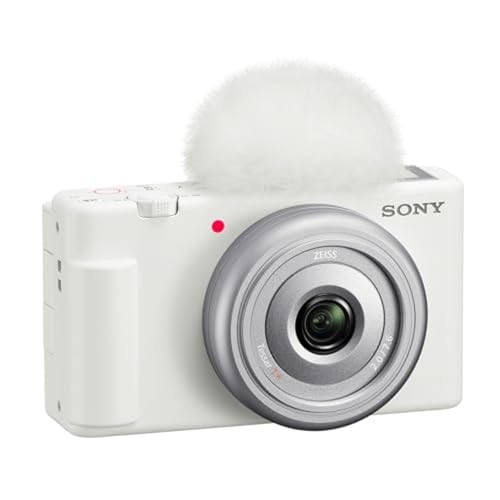
- Sony ZV-1F: check price on Amazon
- Sony RX100 VII: check current listings and availability
- Ricoh GR IIIx: check current listings and availability
- OM SYSTEM Olympus Tough TG-7: check price on Amazon
- DJI Osmo Pocket 3: check price on Amazon
- Nikon Z50 II: check price on Amazon
The traveller’s enemies are rarely optical. They are the camera left in the hotel because the bag was heavy, the battery that died on the one irreplaceable evening, the memory card that became the trip’s single point of failure, and the beautiful system that made its owner feel like a photography expedition in a town that rewards wanderers. Every judgement in this guide is filtered through those enemies first and through image quality second — because a trip’s archive is built from the photographs that exist.
Three picks link to listings verified in this site’s pool; three are recommended without a link because they fall outside it, and they are flagged in the notes that accompany this guide. Rankings were made on merit alone, and the prose-only picks include the two cameras many travel photographers would name first — which is exactly why they are here.
Key Takeaways
- The best travel camera is the one carried all day; weight and readiness outrank every specification.
- The RX100 VII remains the one-pocket answer to almost every scene a trip invents.
- The GR IIIx is the minimalist’s instrument: one lens, total discretion, files with depth.
- The Tough TG-7 owns the trips with water in them — boats, beaches, monsoons, winter cities.
- Video travellers should start with the Pocket 3 and treat its stills as a capable bonus.
- The Z50 II is the deliberate trip camera: still portable, with quality headroom for printing the journey.
In this guide
Quick Picks
| Camera | Badge | Why it is here |
|---|---|---|
| Sony ZV-1F | Best simple travel companion | Wide fast lens, one-inch sensor and nothing to learn before the first morning. |
| Sony RX100 VII | Best all-in-one pocket travel camera | A serious zoom and autofocus in a body that never needs a bag. |
| Ricoh GR IIIx | Best for minimalist street travel | APS-C files from a shirt pocket, with a lens that suits cities and people. |
| OM SYSTEM Olympus Tough TG-7 | Best for wet and wild trips | Waterproof, freeze-proof and raw-shooting — the adventure leg’s camera. |
| DJI Osmo Pocket 3 | Best for travel film | Gimbal-smooth walking footage and strong stills from a one-inch sensor. |
| Nikon Z50 II | Best for the dedicated photo trip | APS-C quality and lens choice in the smallest serious system here. |
How were these six chosen for the road rather than the studio?
Carry was the first test, applied brutally. Each candidate was imagined at hour nine of a sightseeing day, in heat, in a crowd, at the top of a bell tower. Cameras that demand a dedicated bag had to repay the demand with quality the pocket picks cannot touch — a test only the little Nikon system passes here — while everything else had to earn a coat pocket, a crossbody pouch or a day bag’s top compartment without negotiation.
Coverage came second. A trip cannot be re-shot, so the lone camera must improvise across focal lengths and light levels: the dawn wide, the noon detail, the dusk portrait, the night street. Zooms were favoured for that improvisation; fixed lenses were admitted only where their discipline is itself a travel method — the Ricoh’s single-viewpoint wandering, the Sony’s wide diary framing — and where their sensors compensate in the dark.
Stamina formed the third test: battery behaviour across a long day, charging convenience in a hotel room, cards and backups that do not require a laptop’s worth of infrastructure. A travel camera’s specification sheet should be read as a logistics document, and the picks below were ranked partly on how little logistics they impose.
Finally, inconspicuousness. Travel photography happens among strangers, in markets and places of worship and neighbourhoods where a large camera changes the room. Small cameras keep the traveller a guest rather than a production, and in much of the world that is the difference between photographing a place and merely visiting its monuments.

Sony ZV-1F — Best simple travel companion
The ZV-1F is the travel camera for people who refuse to let photography administer their holiday. Its lens is wide and fast, its sensor is the serious one-inch class, its controls have been ruthlessly simplified by its creator-camera origins, and the result is an instrument that a traveller can master on the flight out and forget about for the rest of the trip — while it quietly produces the wide, bright, immediate diary that most trips actually deserve.
The wide lens is a travel philosophy in glass. Cities, interiors, markets, mountain lookouts with the travelling party in the foreground: the ZV-1F’s framing takes in the place and the people in one gesture, which is the composition travel albums are made of. Travellers who shoot it for a fortnight return with a consistent, immersive record — the trip as it felt from inside — rather than a catalogue of distant monuments shrunk by a zoom they never needed.
Its face-priority systems earn their keep at every café table. Exposure, focus and skin rendering organise themselves around the travellers’ faces while the background — the piazza, the harbour — is left to be glorious. Group selfies at arm’s length are its home address, and the flip screen makes the whole party the photographers of their own trip, in rotation, without a stranger being handed an expensive puzzle.
Evenings are its second shift. The fast aperture and the sensor’s low-light composure handle restaurant light, night markets and old-town streets with a grace that phone cameras still rent from computation; the files hold their colour, and the video — its native language — turns a walk through a lit bazaar into footage with genuine atmosphere. A small microphone, if the trip’s sounds matter, completes a travel-film kit that fits a jacket.
The boundaries are the wide lens’s own, stated for the last time in this guide’s family of reviews: no reach. The castle across the valley stays across the valley; the wildlife on the safari leg is a rumour. Travellers whose itineraries are built from viewpoints and distances should take the zooming Sony below. Travellers whose trips are built from streets, tables and people will never miss what this camera does not do.
Its price and simplicity add a final travel virtue: it is the camera you can lend. To the teenager, to the partner, to the new friend driving the coast road — a camera that circulates multiplies the trip’s perspectives, and the ZV-1F is the only pick here that a stranger can operate well within ninety seconds of holding it.
- Type: fixed-lens compact, one-inch sensor
- Lens: wide and fast; the diary framing
- Face systems: focus, exposure and skin handled together
- Carry: any pocket, lendable to anyone
Strengths
- Zero learning curve before the first morning
- Immersive wide record of people and places
- Evening streets and interiors stay graceful
Trade-offs
- No telephoto reach for distant subjects
- Video-first layout trims stills refinements
- Cropping spends resolution quickly
Best for: city breaks, family trips and travellers who shoot from inside the moment. Not suited for: safaris, distant viewpoints or zoom-dependent itineraries.
Charge it by the bed, pocket it at breakfast, and let the trip happen. The ZV-1F’s entire design is a bet that readiness beats reach — and on most holidays, it wins that bet daily.
Sony RX100 VII — Best all-in-one pocket travel camera
Every travel guide eventually confronts the question of what one camera does everything, and the RX100 VII is the answer that has survived a decade of challengers. A zoom that runs from wide streets to compressed skylines, a one-inch sensor with raw files that edit like a bigger camera’s, autofocus that handles the grandchild, the gull and the gondola with the same tenacity, and a pop-up viewfinder for the glare of white towns and snowfields — all in a body that has never once needed its own bag. It is not the best at any single travel task in this guide; it is second at nearly all of them, and the trip rewards exactly that profile.
The zoom is the argument, so let it be examined as travellers use it. Wide for the cathedral interior and the old-town canyon; mid-range for the portrait at the viewpoint and the market detail; long for the castle across the gorge, the lighthouse from the boat, the layers of a mountain range at dusk. A fixed-lens traveller composes with their feet and their cropping; the RX100 traveller composes with the lens, from where they stand, in the light that exists now. On a schedule-bound trip, that difference is measured in photographs that exist versus photographs that were walked toward.
Its files travel well through the edit. Raw captures from the one-inch sensor hold highlight discipline in harsh noon contrast and shadow detail in alley gloom, and the lens’s consistency across the range means the trip’s gallery hangs together visually. Print the best at album and wall sizes and they hold; the camera’s smallness never appears in the results, which is the definition of the premium compact idea.
The costs are ergonomic and financial. The body is dense and smooth, its controls miniature, its battery small enough that a spare is a genuine necessity rather than a precaution — budget for two batteries and a fast card as part of the camera. Menus reward an evening’s study before departure. None of this diminishes the instrument; it merely prices it, in money and in preparation, above the simpler picks.
Durability in transit is a matter of habit rather than sealing: a padded pouch, a wrist strap in crowds, a cloth for sea spray. Treated as the precision instrument it is, it will out-travel its owner; treated as a beach toy, it will not, and the TG-7 exists for travellers who know themselves on that point.
For the one-camera trip — honeymoon, sabbatical, the long-planned journey — this remains the recommendation against which the others are exceptions. Buy it, learn it at home, and spend the trip looking at the place instead of the equipment.
- Type: premium compact, one-inch sensor
- Lens: wide-to-telephoto zoom for every scene
- Focus: fast, tenacious, subject-agnostic
- Finder: pop-up electronic viewfinder for glare
Strengths
- Covers the whole trip from one pocket
- Raw files edit and print like a bigger camera’s
- Viewfinder rescues bright-day composition
Trade-offs
- Spare battery is a necessity, not an option
- Miniature controls and deep menus
- No weather sealing for careless climates
Best for: one-camera trips of every kind, from honeymoon to sabbatical. Not suited for: rough adventure legs or travellers who hate menus.
Learn its three sport-and-street settings before departure and store them; a travel camera configured at home is a camera that never delays a moment abroad.
Ricoh GR IIIx — Best for minimalist street travel
The GR IIIx is the anti-suitcase: an APS-C sensor and a portrait-friendly fixed lens inside a body smaller than most phones are thick, carried not in a bag but in a pocket, a hand, a life. Its travel method is subtraction. One focal length, one camera, no decisions about kit — and in exchange, a way of seeing a city that zoom travellers never access, because the GR’s owner is always ready, always discreet, and always composing with their feet in the streets rather than their fingers on a zoom ring.
Street photography is its parish and travel is mostly street photography with luggage. The snap-focus system — a preset distance, instantly available — catches the market moment before it knows it is one; the lens renders faces and facades with a character its owners describe in almost affectionate terms; and the files, from that large sensor, carry shadow detail through the old town’s alleys and highlight grace through its piazzas. Monochrome conversions from its raw files have a grain-like gravity that suits ancient cities particularly.
The focal length deserves its sentence: a moderate step wider than a classic portrait lens, it frames a person in their place — the baker in his doorway, the musician in her square — which is the travel portrait’s truest form. Environmental storytelling is not a compromise here; it is the aesthetic, and travellers who adopt it return with galleries that feel authored rather than collected.
Its terms of service are known and non-negotiable. No viewfinder, so bright glare means a shaded screen and a practised guess; a small battery that asks for a pocket spare on long days; no zoom, no weather sealing, autofocus that in dim interiors takes a breath before it answers. The GR faithful accept the list the way sailors accept weather — as the price of the vessel’s virtues — and prospective owners should interrogate themselves honestly about whether they are faithful material.
As a second camera it has no equal in this guide: the system traveller’s evening camera, the zoom owner’s street instrument, the film photographer’s digital scout. Many copies of this camera have been bought as supplements and promoted themselves to primaries within a single trip, which tells you where its centre of gravity lies.
Choose it if your travel is urban, pedestrian and contemplative — if the trip’s photographs you dream about are moments rather than monuments — and if you suspect, correctly, that carrying less might make you see more.
- Type: pocket compact, APS-C sensor
- Lens: fixed moderate; environmental storytelling
- Operation: snap focus, one-handed, instant
- Character: discreet to the point of invisibility
Strengths
- Large-sensor files from a shirt pocket
- Always present, never a production
- Street moments caught before they vanish
Trade-offs
- No viewfinder, zoom or weather sealing
- Small battery needs a pocket spare
- Low-light focus takes its time
Best for: city travellers, street photographers and minimalists. Not suited for: varied-distance itineraries or adventure weather.
Give it the first evening of the trip, unaccompanied by any other camera. By the second evening, most owners understand — the GR does not document wandering; it is a way of wandering.

OM SYSTEM Olympus Tough TG-7 — Best for wet and wild trips
Some trips are itineraries; others are exposures — to salt water, river crossings, monsoon afternoons, ski lifts, desert grit and the decks of small boats. The TG-7 is the travel camera for the second kind. Waterproof, freeze-proof, crush-resistant and shockproof, recording raw files through a bright lens, it converts the legs of a journey that other cameras spend in dry bags into the legs the photographs come from. The snorkelling morning, the waterfall detour, the storm-lit coastal walk: the TG-7 does not merely survive the adventure portions of a trip, it is the only camera in this guide that can attend all of them.
Underwater is its headline and its honesty check. In bright tropical shallows its files are vivid and its operation — big, positive controls designed for wet hands — is a pleasure; the traveller who has watched a phone in a pouch fog and fail will understand the luxury of a camera that simply goes in the water. Its close-focus microscope modes add the reef’s small print: coral polyps, anemone detail, the frogfish’s portrait. No other pick here can file a report from beneath the surface at all.
Above water, the same sealing rewrites the weather rules of travel photography. Rain in a mountain town is a photographic gift — washed streets, reflections, emptied viewpoints — available only to the camera that can stand in it. The TG-7’s owner shoots the monsoon afternoon while the rest of the tour photographs the hotel. Across a wet season of travel, that asymmetry compounds into a different archive.
The sensor is the standing compromise, smallest in this guide, and its consequences are the familiar ones: dusk in a dark old town taxes it, distant wildlife defeats its zoom, and large prints from shadow-heavy files show their origins. Adventure itineraries are usually daylight-rich and subject-close, which is why the trade is so often worth it — but a traveller whose trip is mostly evenings and distances should choose accordingly.
Its travel logistics are the lightest here: no dry bag, no rain cover, no anxiety at security trays or beach towels, a body that can be rinsed under the hotel tap and charged for tomorrow. For families, that indestructibility has a social dimension — it is the camera that can be handed to the children for their own expedition record, and survive the handing.
Buy it as the trip’s insurance and its adventure instrument in one. Many owners carry it beside a larger-sensor compact, and report that the Tough camera’s frames — taken where the other could not go — dominate the final album out of all proportion to their number.
- Type: rugged compact, sealed against the elements
- Files: raw capture, unique in its class
- Lens: bright zoom, close-focus microscope modes
- Element: underwater, frost, grit and drops
Strengths
- Attends every leg of an adventure trip
- Rain becomes a photographic asset
- Survives children, decks and dry bags’ failures
Trade-offs
- Small sensor limits dusk and distance
- Modest zoom for viewpoints and wildlife
- Files cap out at moderate print sizes
Best for: island, mountain, winter and water-based itineraries. Not suited for: evening-city specialists or distant-subject trips.
Take it swimming on the first morning, not the last. Travellers who discover mid-trip what the TG-7 can attend spend the remaining days re-planning around it — happily.

DJI Osmo Pocket 3 — Best for travel film
The Pocket 3 is how a trip becomes a film without a film crew. Its one-inch sensor rides a three-axis gimbal, so the walk through the medina, the descent of the temple steps, the boat’s approach to the island all arrive as floating, deliberate footage; its stills, from the same sensor, are strong enough that many travellers now carry it as their only camera and return with both media covered. For the generation whose travel archive is watched rather than printed, it is not the video option in this guide — it is the default, and the stills cameras are the specialists.
The gimbal’s travel value compounds across a day. Handheld footage degrades as arms tire and crowds jostle; the Pocket’s hundredth clip of the evening is as smooth as its first at dawn. Walking shots — the traveller’s signature move, the approach, the reveal — are its native language, and subject tracking lets a companion walk ahead through a market while the camera holds them in frame like a documentary crew of one.
Low light extends the filming day into the hours travellers love most: the blue hour in the old town, the night market’s lanterns, the restaurant’s candlelit theatre. The sensor holds faces and colour where smaller action cameras dissolve, and the footage grades into a consistent evening look across a whole trip. Pair a wireless microphone for the guide’s commentary, the street musician’s set, the family’s running narration — travel film lives on its sound as much as its images.
Stills deserve their honest paragraph. The sensor and lens produce genuinely good photographs, the gimbal steadies slow dusk exposures no handheld compact can match, and motorised panoramas sweep a viewpoint too wide for any frame. What it will not do is burst-hunt a fleeting expression or reach across a valley; its stills are composed, not harvested. Travellers who know their archive is eighty percent motion will never feel the lack.
Logistics are the lightest in the guide after the Ricoh’s: it charges quickly, lives in a coat, starts in a breath, and its case protects the one delicate thing it owns — the gimbal head — from the rucksack’s casual violence. Rain is tolerated as a splash rather than a soak; the storm day belongs to the TG-7, and the two cameras together cover a trip’s whole weather with room to spare.
Choose it if the trip will be rewatched. Choose it, especially, if it will be rewatched by the people who were on it, in the years when the walking shots — the approach to the viewpoint, the lane to the restaurant — turn out to hold more of the journey than the monuments did.
- Type: gimbal camera, one-inch sensor
- Stabilisation: three-axis mechanical, all day
- Tracking: subject follow for walking shots
- Stills: composed frames and motorised panoramas
Strengths
- Travel film with a floating, professional calm
- Evening footage keeps faces and colour
- Whole kit is smaller than a guidebook
Trade-offs
- Stills are composed, not harvested
- No zoom for distant subjects
- Gimbal wants its case and a dry pocket
Best for: travel filmmakers, vloggers and motion-first archives. Not suited for: stills hunters or storm-soaked itineraries.
Film the journeys between the sights — the train window, the ferry rail, the lane at dawn. The Pocket 3 understands what stills cameras forget: a trip is mostly the moving between.

Nikon Z50 II — Best for the dedicated photo trip
Some trips are holidays with photographs; others are photography expeditions with accommodation, and the Z50 II is for the second kind. A compact mirrorless system with an APS-C sensor and interchangeable lenses, it packs into a small bag rather than a pocket — the one pick here that asks for luggage — and repays the ask with the finest files, the most flexible lens choices and the most complete low-light performance in the guide. On a trip planned around dawn alarms and gallery intentions, it is not the heavy option; it is the point.
Lens choice is how the dedicated traveller tunes a trip before leaving. The collapsible kit zoom for a general journey; a fast wide lens for a night-sky and old-town expedition; a modest telephoto for a coastal or wildlife-leaning route. Each decision is made once, at home, with the itinerary open — and the camera that arrives is already the right camera, rather than a compromise hoping to improvise. The electronic viewfinder, a full one, serves the bright places — altitude, snow, white islands — where screens surrender.
The files justify the bag on the wall. Shadow recovery in a gorge at noon, highlight grace in a desert dawn, prints that hold at sizes the pocket picks decline: the APS-C sensor’s headroom is the dedicated trip’s raw material, and photographers who bracket, blend and print will extract value from it every evening of the journey. Its modern autofocus and video are surplus for the landscape-and-city brief and essential the day the trip produces a festival, a match or a grandchild.
Discipline is the price of admission, and it is mostly about resisting the system’s growth. One body, two lenses at most, a bag that still qualifies as personal luggage: inside those lines, the Z50 II is a travel camera; outside them it becomes the expedition equipment this guide exists to help you avoid. Buy the discipline with the camera, in the form of a small bag that physically refuses a third lens.
Travel manners are better than its silhouette suggests. It reads as an enthusiast’s camera rather than a professional’s, passes where larger systems get questioned, and its quiet operation suits sacred and civic interiors. In markets it asks the usual courtesies a little more formally than the Ricoh does — that is the honest difference between a bag camera and a pocket one — and receives them at the usual rate.
Pair it, if the budget stretches, with any pocket pick here as the evening-and-everyday camera, and the two together describe the complete travel outfit of the serious amateur: the system for the planned photographs, the compact for the found ones, and no moment of the trip outside one lens or the other.
- Type: compact mirrorless system, APS-C sensor
- Lenses: interchangeable, chosen per itinerary
- Files: the strongest raw headroom in this guide
- Finder: full electronic viewfinder for bright places
Strengths
- Print-worthy files from a small bag
- Lens choice tunes the trip in advance
- Low-light performance leads the list
Trade-offs
- Needs a bag; never a pocket camera
- System discipline is the owner’s duty
- More visible in sensitive places
Best for: photography-led trips, printing ambitions and dawn-alarm travellers. Not suited for: ultralight packing or pure spontaneity.
Decide the two lenses at home and leave the rest. The Z50 II traveller’s creed is that the trip is for photographs, not for options.
How do the six compare side by side?
| Camera | Carry | Coverage | Weather stance | Travel identity |
|---|---|---|---|---|
| Sony ZV-1F | Any pocket | Wide diary framing | None stated | Effortless companion |
| Sony RX100 VII | Jacket pocket | Wide to telephoto | None stated | All-in-one answer |
| Ricoh GR IIIx | Shirt pocket | One fixed view | None | Minimalist wanderer |
| OM SYSTEM TG-7 | Anywhere, unprotected | Near and wide | Fully sealed | Adventure camera |
| DJI Osmo Pocket 3 | Palm-sized | Wide, moving | Light tolerance | Travel film crew |
| Nikon Z50 II | Small bag | Per-lens, widest range | Body-dependent | Expedition in miniature |
Choose by itinerary before image quality. A city break, an island month, a film-first sabbatical and a photography expedition are four different trips wearing one word, and the table’s rows are those trips’ respective cameras. The wrong pick here is rarely a bad camera; it is a good camera on the wrong journey.
How do you keep a trip’s photographs safe?
Assume every single device you carry can be lost, soaked or stolen on the same unlucky day, and build the archive so that day is an annoyance rather than an obituary. The working system is unglamorous: copy each evening’s card to a second place — a tablet, a small drive, a phone with room — before the card returns to the camera; keep the copies in different bags; and let a cloud upload happen whenever the connection allows, as the third copy that geography cannot take. Ten minutes a night is the premium; the trip is the insured value.
Cards themselves deserve a doctrine. Several modest cards, rotated, beat one enormous card that holds the whole journey in a single point of failure — and a lost day, while painful, is a survivable story. Label them, keep the shot ones separate from the fresh, and never format in a hurry at a viewpoint; formatting belongs to the evening ritual, after the copies verify.
Theft-proofing is mostly about dullness. A camera that lives in an anonymous pouch rather than a branded bag, a strap that keeps it against the body in crowds, hotel safes used without embarrassment — travel photography’s security is a set of habits, and the compact format is itself the largest one, since nothing in this guide advertises its value across a plaza.
What is the one-camera travel kit around the camera?
Less than the industry hopes. A spare battery — two for the hungrier picks — because evenings are long and charging is shared; a fast card and its understudy; a cloth and a small dry bag; a wrist or neck strap you actually like, because the disliked strap stays in the room; and the charger that shares the phone’s cable if the camera allows it, halving the cable tangle at a stroke. That is the kit. Everything else must argue its way in against the trip’s actual itinerary.
The argument most accessories lose is the tripod. A mini tripod earns its grams for the night-sky and long-exposure specialists, and the gimbal pick makes even that case narrow; for everyone else, walls, rails and beanbag improvisations cover the rare slow frame, and the weight saved is spent on the walking that produces photographs. Pack for the trip you have, not the portfolio you fantasise about, and the bag stays light enough to forget — which is the state in which travel photography happens.
How do you photograph people in places you are a guest?
With the same courtesies you would want extended at home, upgraded for the power a camera carries. Ask where asking is possible — a gesture toward the camera and a smile cross most language barriers — and accept a refusal as completely as a welcome, because the next traveller inherits your reputation. Buy the tea, admire the craft, learn the name: the portrait that follows a conversation is better than the one stolen before it, in every way that survives inspection years later.
Small cameras are diplomatic instruments here, which is a thread running through this whole guide. The Ricoh in a palm, the Sony in a pocket, the Pocket’s unassuming wand — none of them announce a production, and people respond to the scale of the intrusion rather than to the fact of it. Match the camera’s footprint to the place’s intimacy, photograph children only through their parents’ clear welcome, and leave every subject glad the camera came. The archive of a courteous traveller is recognisably different: faces open, places unguarded, a journey among people rather than past them.
How do you photograph a city after dark on the road?
The travelling day has a second shift, and for many photographers it is the better one: the hour when the day-trippers leave, the lamps come on, and the old town belongs to its residents and its cats. Compact cameras earn their keep here in a specific way — they are already on your body, because the evening began as dinner rather than as a photo expedition. The fast lenses and one-inch sensors in this guide hold restaurant light, wet-cobble reflections and the blue remnant in the sky with a composure that makes the night street a genre rather than a challenge.
Work the transitions. The twenty minutes when daylight and lamplight balance — shop windows glowing against a still-blue street — are the city’s most generous light of the whole twenty-four hours, and they are missed by every traveller who treats dinner as the day’s end. Carry the camera to the table; the walk home is the session. Brace on walls and café tables for the slow frames, let the Pocket’s gimbal or the sensor’s grace handle the walking ones, and expose for the lit windows rather than the street’s average, because the night photograph is about pools of light, not about defeating darkness.
Safety and welcome are part of the craft after dark: the camera stays close, the wandering stays in lit and peopled streets, and the photographer in an unfamiliar neighbourhood is a guest with extra duties of discretion. The small cameras here are again the diplomatic choice — a pocket instrument at midnight reads as a tourist’s souvenir-keeper, where a large rig reads as a statement somebody might wish to argue with.
What should you photograph in museums, churches and quiet places?
The interiors are where travel photography slows down and the compact’s manners are tested. Rules come first and are not negotiable: many sacred and museum spaces forbid photography entirely, more forbid flash, and the traveller who treats a prohibition as a challenge poisons the well for every photographer behind them. Where photography is welcome, the quiet camera wins — the leaf-shuttered hush is not in this guide’s travel six, but every pick here can be silenced or near enough, screens dimmed, presence minimised.
Technically, interiors are a light famine with masterpieces in it: the fast apertures and larger sensors earn their passage, stabilisation substitutes for the forbidden tripod, and the discipline is to expose for the lit subject — the altar, the canvas, the shaft of window light — and let the surrounding gloom be gloom. Travellers who try to brighten the whole cathedral produce a souvenir; travellers who photograph its darkness produce the visit.
Compose for the detail when the whole is unphotographable. A cathedral defeats every lens in this guide at the level of totality; its capital, its worn step, its candle rank and its window’s coloured fall across a pew are all compact-sized subjects, and the album built from them remembers the building more truthfully than the postcard panorama at the door. Travel photography’s recurring lesson — the part for the whole — is taught by every great interior.
How do you bring the trip home in the photographs?
Edit on the road, lightly, or not at all — but select. The traveller who returns with three thousand un culled frames owns a chore, and chores get postponed until the trip’s emotional detail has faded; the traveller who spends the train ride choosing the day’s dozen owns a story. Every pick here makes the choosing pleasant enough on its screen or a tablet, and the discipline of the daily dozen — the establishing shot, the portrait, the detail, the absurdity — is the closest thing travel photography has to a professional method available to amateurs.
Sequence the final gallery as the journey went, not as the camera’s folder insists: the departure, the arrival’s confusion, the place opening up, the people, the weather event, the farewell. Captions written within the month — names, places, the joke that explains the photograph — are worth more to the future than any upgrade in resolution, because a travel archive’s value decays through forgotten context far faster than through technical limits.
Then print the book. Not the archive, the book: sixty photographs, sequenced, bound, and placed where life happens. The printed trip is revisited at every family gathering; the folder is revisited at hard-drive failures. Every camera in this guide was chosen partly on whether its files survive that printing with honour, and the traveller who finishes the book has completed the only workflow that justifies carrying a dedicated camera in the age of the phone.
Which mistakes do travellers make with good cameras?
The founding mistake is itinerary-blindness: buying the camera for the trip’s postcard — the distant castle, the safari — and discovering it is wrong for the trip’s substance, which was streets, evenings and people. The second is the new-camera debut: travelling with an unlearned instrument, so the journey doubles as a tutorial and the photographs pay the tuition. Every pick here should be boring in its owner’s hands a month before departure.
The third is shooting only the monuments, from the postcard’s own viewpoint, at the postcard’s own hour. The compact camera’s whole promise is the unscripted frame — the dawn lane before the crowds, the workshop behind the attraction, the storm over the harbour — and travellers who schedule one unplanned hour a day, camera in pocket and no destination, reliably return with the photographs the group chat envies. The monuments will keep; the light will not.
How do different trips change the right answer?
Read itineraries the way cameras do. A rail journey through old cities is a street photographer’s trip — walking pace, café light, strangers at conversational distance — and it nominates the Ricoh or the little Sony before any zoom is missed. A self-drive route through mountains and coast is a viewpoint trip, where distances open and weather turns, and it nominates the zooming Sony or the Tough camera depending on the season’s temper. A resort-and-reef holiday is two trips sharing a suitcase — the diary camera for the evenings, the sealed camera for the water — and it is the itinerary where carrying two small picks beats compromising on one.
The expedition shapes — trekking, sailing, overlanding — add the variables of dust, vibration and charging scarcity, and they reward the cameras whose stamina and sealing were ranked as logistics rather than features. A festival trip inverts everything again: crowds, nights, music and mud, where the diary framing, the evening sensor and the lendable camera dominate, and the telephoto stays home unmissed. Naming your trip’s true shape, in camera language, before shopping is the single most valuable exercise in this guide — it converts a comparison of specifications into a description of your own journey, and the right camera is usually obvious the moment the description is honest.
And the multi-generational trip — grandparents, children, one camera passed among them — deserves its own nomination, because it is the journey most readers are actually taking. There the borrowable handling and forgiving automation of the simpler picks outrank every specialist virtue, and the archive that results, shot by six authors of three generations, is the one the family will keep. Choose for the trip you have, in the company you keep, and the camera question answers itself.
What does a month of practice before departure actually look like?
It looks like your own town, photographed as if it were foreign. Walk its market with the new camera and only the new camera; shoot its evening streets; take its portraits; discover, at home, where the battery fades, which pocket the camera truly fits, which settings your fingers cannot yet find blind. Every one of those discoveries is a small tuition fee, and the entire point of the month is to pay them in a currency of replaceable photographs rather than in the trip’s unrepeatable ones.
End the month with an honest review of the practice archive, because it will tell you which camera you actually bought, as opposed to which one the specifications described. If the practice frames are all wide and social, the diary picks were right about you. If they are all distant details and compressed skylines, the zoom earned its premium. If half of them were taken in the rain because you could not resist it, the Tough camera is your primary and always was. Photographers lie to themselves cheerfully in shops; the practice month is where the truth is filed, in evidence, before the journey begins.
Final Recommendation
Match the camera to the trip’s true centre of gravity. The one-camera traveller should take the RX100 VII and two batteries. The minimalist and the street wanderer should pocket the GR IIIx. The simple, social holiday belongs to the ZV-1F; the wet, wild itinerary to the TG-7; the film-first journey to the Pocket 3; and the photography expedition, honestly declared, to the Z50 II and a small, disciplined bag. Whichever you choose, learn it at home, back up nightly, and carry it everywhere — a travel camera’s specifications matter far less than its attendance record.
A final word on renting and borrowing, because travel tempts both. Renting a specialist — the sealed camera for the sailing week, the system for the safari extension — can be wiser than buying a compromise for a trip that happens once, and several picks here are common rental stock precisely because travellers keep asking for them. Borrowing carries the opposite warning: a borrowed camera’s unfamiliarity is paid for in the trip’s photographs, and its loss is paid for in friendship. If you borrow, borrow early enough to complete the practice month, insure it like your own, and return it with the trip’s best print inside the case. That print, more than any rental fee, is how travel cameras have always really been paid for.
Insurance, the dullest paragraph in this guide, may be the one that saves a trip’s second half. Cameras travel badly in statistics even when they travel well in pockets: check that your household or travel policy actually names photographic equipment, photograph the serial numbers before departure, and keep the receipts somewhere the theft of the bag cannot reach. The traveller who has done this replaces a stolen camera in the next city and keeps shooting; the traveller who has not spends the journey’s best light in a police station queue, composing statements instead of photographs.
Related guides
- Best Digital Cameras for Blogging: Still-Photo Blogs, Flat-Lays, Food and Travel Journals
- Best Digiital Cameras for Travel: Pocket, Rugged and Mirrorless Picks for the Road
Frequently Asked Questions
Is one compact really enough for a whole trip?
For most trips, yes — that is the premise the RX100 VII was built to prove, with its zoom covering wide streets to distant skylines and its sensor handling evenings. The exceptions are honest ones: wildlife at distance, professional printing ambitions, or an itinerary dominated by water, each of which points to a specialist pick in this guide.
How many batteries does a travel day need?
Plan on two for the pocket picks — one in the camera, one in the coat — and rotate them through the charger nightly. Filming travellers and burst shooters should treat the spare as part of the camera’s price. Nothing in travel photography is sadder than the irreplaceable evening watched through a dead camera.
Can these cameras replace a phone entirely?
For photography, the serious picks out-shoot phones in reach, low light, raw editing and printing — while the phone keeps the map, the tickets and the sharing. Most travellers run both: the compact for the archive, the phone for the logistics and the instant postcard. The cameras here were chosen to earn their pocket against exactly that competition.
Which pick is best for a honeymoon or once-a-decade trip?
The RX100 VII for its coverage of everything, or the Z50 II if the photographs are a planned legacy of the trip and printing large is intended. Either should be bought a month early and learned at home — a once-a-decade trip deserves a boring camera and an interesting journey, not the reverse.
What about theft and rough handling abroad?
Small is the first defence: nothing here looks like a professional’s income. Add the habits — anonymous pouch, body-side strap, hotel safe, nightly backups in separate bags — and the residual risk is the ordinary risk of travel itself. The TG-7 removes the handling half of the worry entirely.
Should I shoot raw on holiday?
Yes if you edit at all, because travel light is unrepeatable and raw preserves your options against it — the noon contrast, the cathedral gloom, the sunset that fooled the meter. Every serious pick here records it. If you never edit, shoot JPEG without guilt and spend the saved evenings at the table instead; the trip outranks the file format.
Related Guides
Continue with our guides to compact cameras for landscape photography, the best compact cameras for portraits and compact cameras for concerts and nightlife.


