reviewstook.com is reader-supported. When you buy through links on our site, we may earn an affiliate commission.
Where to buy
Night sport outdoors is a geometry problem wearing a lighting problem as a coat. The best compact cameras for sports low light are judged from the touchline of a floodlit pitch — football under lights on a wet Tuesday, rugby in November drizzle, athletics at a twilight meeting, American football beneath a small stadium’s glare — where the action may be sixty metres away, the rain is a participant, and the floodlights, for all their drama, deliver less usable light at ground level than a modest gym ceiling. If your sport is indoors, stop here and read this site’s companion guide to low light sports in halls and arenas instead: that guide assumes close distances and artificial ceilings, while everything below assumes distance, weather and reach, and the two problems select for genuinely different cameras.
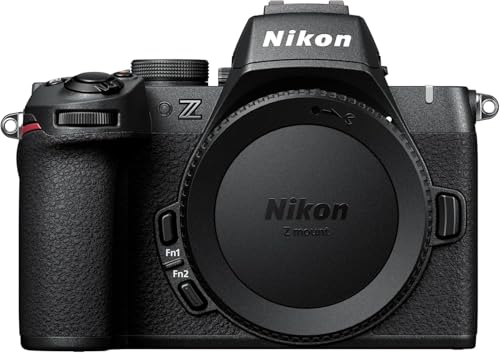
- Nikon Z50 II: check price on Amazon
- Sony RX100 VII: check current listings and availability
- Panasonic Lumix ZS200: check current listings and availability
- OM SYSTEM Olympus Tough TG-7: check price on Amazon
- GoPro HERO12 Black: check price on Amazon
- DJI Osmo Pocket 3: check price on Amazon
Three facts govern every recommendation that follows. First, distance devours light: the far side of a pitch is dimmer in every sense, and the lens must reach it before the sensor can judge it. Second, floodlights lie — they look fierce from the stands and meter modestly at the grass, especially at the corners where the drama congregates. Third, the weather is not an edge case but the genre’s home climate; a camera that must be bagged when the rain arrives will miss the exact matches — muddy, steaming, floodlit — that produce the season’s defining photographs.
The compact format’s promise here is portability to the fence: cameras that ride in a coat through the turnstile, work gloved and one-handed, and never trigger a steward’s conversation about professional equipment. Two picks are small system or specialist tools that stretch the category; both declare the stretch openly. Two others are recommended without a shop link because they sit outside the verified pool, and they are flagged in the notes accompanying this guide.
Key Takeaways
- Outdoor night sport is ruled by reach and weather before sensor size — the far touchline decides the shortlist.
- The Nikon Z50 II with a telephoto is the only pick that truly solves the far side of a full-size pitch.
- The RX100 VII is the strongest true compact for floodlit action from the fence.
- Rain is this genre’s home weather; the TG-7 keeps shooting when everything else is bagged.
- Floodlights meter dimmer than they look — expect indoor-level sensitivities at outdoor distances.
- Film the night match on the Pocket 3 and it looks like a broadcast; photograph the far winger and you need a telephoto.
In this guide
Quick Picks
| Camera | Badge | Why it is here |
|---|---|---|
| Nikon Z50 II | Best for full-size pitches | Subject tracking plus interchangeable telephotos for the far touchline. |
| Sony RX100 VII | Best true compact for floodlights | Long zoom, sticky tracking and a one-inch sensor in a coat pocket. |
| Panasonic Lumix ZS200 | Best reach per pocket | A travel zoom with serious telephoto reach and a viewfinder for night glare. |
| OM SYSTEM Olympus Tough TG-7 | Best for rain matches | Fully sealed, raw-shooting and unbothered by the weather that defines the genre. |
| GoPro HERO12 Black | Best for goalmouth and trackside | Waterproof, mountable at the action’s address, stabilised in the wet. |
| DJI Osmo Pocket 3 | Best for filming night matches | Gimbal-smooth floodlit footage with subject tracking from the fence. |
How were these six chosen for floodlights and distance?
Reach was the first filter, applied without sentiment. A compact whose lens cannot frame a player at forty metres is a spectator accessory at a night match, whatever its sensor, so candidates were sorted by their honest working distance under floodlights — the distance at which a frame is both filled and clean — rather than by their brochure focal lengths. That test is why a small system camera leads this guide: interchangeable telephotos remain the only complete answer to a full-size pitch, and honesty outranks category purity.
Weather behaviour came second, because the genre’s calendar is written in rain. Sealing, grip with gloves, controls that can be found by touch, and a lens that can be wiped and returned to work in seconds all counted. The TG-7’s inclusion is this test’s purest result: its sensor is the smallest here, and it still earns a place that larger cameras lose the moment the forecast turns.
Tracking through distance and murk formed the third test. Floodlit sport adds veiling glare, rain streaks and breath-fog to the autofocus’s problems, and systems were favoured for holding a subject through that interference rather than for acquiring one in a bright showroom. Burst depth mattered alongside, because night plays resolve in clusters — the tackle, the spill, the scramble — and a shallow buffer spends the story’s best frames waiting to write.
Finally, the turnstile test: every pick had to plausibly enter a ground in a coat, work from a fence or a seat, and attract no official attention. Night sport at community and semi-professional level runs on goodwill, and the camera that respects the venue’s scale gets to document it.

Nikon Z50 II — Best for full-size pitches
Stand at the fence of a floodlit football pitch and pace the problem: the near winger is a gift at fifteen metres, the far full-back is a rumour at seventy. The Z50 II is the pick that treats both as assignments. Fit a telephoto and its APS-C sensor, subject-detecting autofocus and confident bursts cover the pitch’s whole geography; fit the compact kit zoom and it covers the near half with quality to spare. It is a system camera in a guide of compacts, included because the far touchline is a real place where real matches are decided, and no fixed lens in this list can honestly serve it.
The tracking earns its keep in the genre’s specific murk. Floodlit rain puts a sparkling curtain between lens and player; breath fogs a cold viewfinder; a striker’s run crosses three defenders and a referee. The Nikon’s subject detection holds its athlete through that interference with a calm that lesser systems spend in hunting, and the frames that result — the winger isolated at the far post, floodlights rimming the rain — are the ones that make a season’s archive.
High-sensitivity behaviour is the second pillar. Floodlights that look theatrical meter like a corridor, and the far side of the pitch at a freezing shutter speed asks the sensor to work where smaller chips smear detail into watercolour. The APS-C files hold jersey texture, faces and the ball’s panel pattern at those settings, and they survive the cropping that even a telephoto’s framing sometimes needs when the play breaks beyond it.
Weather discipline is the owner’s share of the bargain. The body and a sensibly chosen lens tolerate drizzle and touchline spray; a proper downpour asks for a cover, which is a small rucksack item rather than a character flaw. Gloved operation is genuinely considered — the grip, the dials, the buttons all scale to cold hands — and the viewfinder, essential when rain makes screens a smeared guess, shows the exposure the sensor will actually record.
The costs are the system’s own: a bag rather than a pocket, a lens budget that grows with ambition, and a presence at the fence that asks the photographer to behave like the near-professional the kit resembles. Grounds with strict equipment policies deserve a cheerful enquiry in advance. For the club photographer, the committed supporter, the local paper’s stringer — the people for whom the far touchline is a workplace — these are fair prices, and this is the guide’s unambiguous summit.
Buy the telephoto before the second body, the monopod before the telephoto’s faster sibling, and learn the pitch’s dark corners in the first month. The Z50 II rewards system thinking; treat it as one and it returns professional-looking night work from a kit a bicycle can carry.
- Type: compact mirrorless system, APS-C sensor
- Lenses: interchangeable telephotos reach the far touchline
- Focus: subject detection that holds through rain and traffic
- Handling: glove-scaled controls, true viewfinder
Strengths
- The only complete answer to a full-size pitch at night
- Files stay detailed at floodlight sensitivities
- Tracking persists through murk and obstruction
Trade-offs
- A bag and a lens budget, not a pocket
- Downpours still ask for a rain cover
- Presence may need a word with the club first
Best for: club photographers and serious supporters covering whole pitches. Not suited for: pocket-only spectators or grounds with strict kit rules.
Photograph the warm-up from both ends before the season’s first match. The Z50 II will show you exactly where your lens runs out — and it is better to learn that geography in October than in a cup tie.
Sony RX100 VII — Best true compact for floodlights
If the camera must live in a coat, the RX100 VII is where floodlit sport photography tops out. Its zoom reaches across a pitch’s near two-thirds, its autofocus has a documented stubbornness about letting go of a moving subject, and its one-inch sensor produces files that respect the night. Supporters who photograph their own club — the striker’s finish, the keeper’s stretch, the away end’s delirium — will find it the strongest instrument that still passes the turnstile as an innocent pocket object.
The tracking story deserves its specifics. Night plays cross floodlight pools and shadow bands, brightness swinging as the runner moves; the Sony’s focus rides those swings without the panic that ruins sequences on lesser compacts, and its burst speed means the tackle’s peak is a choice among frames rather than a single hopeful press. Set it up for sport once — tracking on, burst ready, a sensitivity ceiling you have tested under your own ground’s lights — and it becomes a point-and-trust instrument.
Reach is its honest frontier. At full stretch across a big pitch, the far action fills enough of the frame for the club’s channels and a supporter’s wall, with cropping as a tax the sensor pays willingly at moderate sizes. The aperture narrows at that stretch, the sensitivity climbs to compensate, and the files — judged at the sizes they will actually live — hold together with a composure that smaller-sensor rivals cannot approach in the same light.
Rain asks respect rather than retreat. The body is not sealed, so the working method is the veteran supporter’s: camera inside the coat between plays, out for the attack, a cloth for the lens, a hood or cap brim as a drip shield. In drizzle this rhythm costs nothing; in a deluge it concedes the evening to the TG-7 below, and the guide says so without embarrassment — different picks for different weather is the list working as designed.
The pop-up viewfinder is a night-match asset beyond its size. Floodlight glare blooms across a rear screen; the finder shuts the glare out, steadies the camera against the face at full zoom, and shows a clean frame in the rain’s sparkle. Supporters who discover it mid-season describe the improvement as unfair.
Battery and cards are the standing orders: bursts at night are hungry, a spare of each turns anxiety into coverage, and both fit the same coat as the camera. Total system weight remains less than a programme and a pie, which is the compact promise kept.
- Type: premium compact, one-inch sensor
- Lens: long zoom for the near two-thirds of a pitch
- Focus: stubborn tracking with fast bursts
- Finder: pop-up electronic viewfinder against glare
Strengths
- Strongest floodlit stills from a true pocket camera
- Focus holds players through light and shadow bands
- Enters any ground without a conversation
Trade-offs
- Far touchline still taxes reach and cropping
- Unsealed body needs a rain routine
- Night bursts demand spare batteries
Best for: supporters and club volunteers shooting from the fence. Not suited for: full-pitch professional coverage or storm-proof duty.
Learn your own ground’s light with it — which corner falls dark, which end the lamps flatter — and the RX100 VII becomes a home-ground advantage in a coat pocket.
Panasonic Lumix ZS200 — Best reach per pocket
The ZS200 is the connoisseur’s answer to a specific frustration: the travel-zoom compact that reaches everywhere and resolves nothing. Panasonic built it around a one-inch sensor — large for its class — behind a zoom with genuinely long reach, then added the thing night sport quietly requires and travel zooms usually omit: a proper electronic viewfinder. From the fence of a floodlit ground, it frames distant play with more magnification than the Sony above, and its files, while a step behind at the sensitivity ceiling, arrive from distances the Sony cannot frame at all.
The viewfinder changes the night-match experience. Floodlights bloom, rain spots a screen, and a long zoom held at arm’s length wobbles like a flag; braced to the eye, the ZS200 settles, the glare is excluded, and the far winger becomes a subject rather than a rumour. Supporters migrating from phone photography — the fence’s majority — find this the pick that first makes distant action feel photographable.
Its autofocus is the honest compromise in the design. It acquires willingly and tracks respectably in the near game, but sustained pursuit of a sprinting player through traffic belongs to the two picks above it; the ZS200’s photographer works more by anticipation, pre-framing the zones where play will arrive — the penalty spot, the far post, the finishing straight — and harvesting what enters them. Athletics and set-piece-heavy sports flatter this method; end-to-end basketball of the outdoor kind would not, if it existed under lights.
The lens’s aperture narrows with reach, as physics insists, so its night work lives at sensitivities where the one-inch sensor remains composed but not luxurious. Judge its files at supporters’ sizes and they are handsome; ask them for a billboard and the flagship picks pull away. This is the arithmetic of reach per pocket, and the ZS200’s side of the bargain — distance, from a jacket — is one no other true compact offers on the same terms.
Handling is traveller-friendly: a control ring, a sensible grip for its size, menus that stay out of the way once sport settings are stored. It is also, quietly, the pick most likely to be owned already by the travelling supporter, bought for holidays and discoverable — with this guide’s settings — as a night-sport instrument in the same coat.
Weather manners are middling: no sealing, a lens that extends into the rain, a body that wants the coat-between-plays routine the Sony uses. Within that discipline it covers a season; outside it, the Tough camera below is waiting.
- Type: travel-zoom compact, one-inch sensor
- Lens: the longest reach in a jacket here
- Finder: built-in electronic viewfinder
- Method: anticipation and pre-framed zones
Strengths
- Frames distant play other pockets cannot reach
- Viewfinder steadies long-zoom night work
- Doubles as a serious travel camera
Trade-offs
- Tracking a step behind the flagship picks
- Aperture narrows quickly with reach
- No weather sealing
Best for: travelling supporters and athletics at known distances. Not suited for: relentless end-to-end tracking or wet-weather guarantees.
Pre-frame the far post at the next set piece and wait. The ZS200’s finest night frames come to the patient like deliveries to an address.

OM SYSTEM Olympus Tough TG-7 — Best for rain matches
Every night-sport photographer owns a memory of the match they could not shoot: the cup tie in horizontal rain, the derby under a storm that emptied the uncovered stand. The TG-7 is the camera that refuses to sit those matches out. Sealed against water, frost and being dropped on concrete, shooting raw through a bright lens, it works on the fence in weather that has every other camera in this guide zipped into a bag — and the photographs from such nights, mud and steam and floodlit rain, are routinely the season’s best, because drama and weather are the same thing wearing different names.
Its working distance is the near game, and the near game at night is richer than spectators remember. Within its zoom’s honest range — the touchline tussle, the scrum’s front row, the track’s home straight from the infield fence — the bright lens keeps sensitivities lower than the spec sheet’s pessimists predict, and the raw files grade into moody, grain-flecked frames that suit the subject. This is a camera whose limitations read as a style.
The macro party trick from its landscape life reappears in kit form: frost on the corner flag, rain beading a match ball, studs in wet turf at dawn — the TG-7’s close-focus gifts give the club photographer a texture library no telephoto can gather, the connective images that turn a match gallery into a story about a place and a season.
Cold is its second home climate. Sealed bodies insulate their batteries, the camera wakes fast between plays, and its controls — while small — are positive under gloves in a way touchscreens never are. Winter athletics meetings, Boxing Day fixtures, the January replay: the TG-7 treats the fixture list’s cruellest pages as its natural fixture list.
The sensor’s ceiling is stated once more without varnish: it is the smallest here, distant action in dim light is beyond its brief, and cropping is a currency it cannot spend. Photographers whose grounds are large and whose seats are far should take the zoom picks and a rain routine. Photographers whose sport is near, wet and wintery have found the only camera in the guide that thanks them for the forecast.
There is a club-economics footnote: a TG-7 can be the shared touchline camera, passed between volunteers, dropped, rinsed and reissued for years. Institutions insure delicate cameras or lose them; this one they merely rinse.
- Type: rugged compact, fully sealed
- Files: raw capture, rare in the tough class
- Lens: bright, strongest in the near game
- Climate: rain, frost and spray are working conditions
Strengths
- Shoots the storm matches everyone else misses
- Survives touchline life and shared club duty
- Close-focus textures enrich a match gallery
Trade-offs
- Small sensor caps distant, dim work
- Reach is for the near game only
- No cropping headroom to rescue framing
Best for: wet-weather fixtures, near touchlines, winter sport. Not suited for: distant action or large-pitch coverage.
When the forecast turns and the group chat fills with doubts, the TG-7 owner is the one who goes. The season’s defining photographs are waiting at exactly that match.

GoPro HERO12 Black — Best for goalmouth and trackside
The HERO12 Black covers night sport from addresses no photographer may stand: clamped at the goalmouth for the scramble, fixed at the track’s bend for the finishing lean, mounted at the scrum’s edge where the steam rises. It is waterproof in the rain that defines the genre, stabilised against the fence’s vibration and the crowd’s surge, and wide enough at those close addresses to take in the whole theatre of a set piece. Its footage and frame-grabs put the viewer inside passages of play that touchline cameras only observe.
Night is where this generation of the line earns its review. The larger sensor class and mature stabilisation hold floodlit footage together with a steadiness that older action cameras surrendered to noise and shake, and the low-light modes stretch a community ground’s modest lamps into watchable, shareable film. It will not out-resolve the system pick at distance — distance is not its parish — but at three metres in the rain it is untouchable.
The working method is placement and patience. Mount it before the match where the sport’s geometry guarantees traffic — behind the goal, at the bend, beside the posts — set it running, and let the game come to it. Reviewing afterwards is a treasure hunt through real time, and the keepers have a quality no directed camera achieves: the play was not performing for a lens it could see, because it never saw one.
Stills from its stream serve the club’s channels well — the goalmouth pile-up, the sprinter’s lean — while fine stills photography remains the other picks’ craft. Battery rotation across a match is a known ritual, spares are small and cheap, and the camera’s indifference to being knocked off its mount by a stray ball is, at a goalmouth, a genuine specification.
Permissions deserve a sentence: a fixed camera at the action’s edge is a conversation to have with the club in advance, and community sport usually says yes to the volunteer who asks properly and shares the footage. Granted that yes, the HERO12 becomes the second pair of eyes every one-person media team dreams about.
Pair it with any stills pick in this guide and the night match is covered in both media, from both geographies — the fence and the furnace — for less total weight than a single old-fashioned sports kit.
- Type: action camera, waterproof by design
- Placement: mounts at goalmouth, bend and posts
- Stabilisation: mature smoothing for crowd and fence vibration
- Role: the inside view of set pieces
Strengths
- Works where no photographer may stand
- Rain and knocks are non-events
- Floodlit footage holds together at close range
Trade-offs
- Distance is outside its brief entirely
- Stills are frame-grabs, not a stills craft
- Needs the club’s blessing for its postings
Best for: goalmouths, track bends, scrums and second-angle coverage. Not suited for: touchline stills or distant framing.
Mount it, bless it, and go back to watching the match. The HERO12’s finest frames are the ones nobody was operating when they happened.

DJI Osmo Pocket 3 — Best for filming night matches
For the supporter whose archive is film, the Pocket 3 turns a floodlit night match into something that looks broadcast-adjacent from a coat pocket. Its one-inch sensor is the largest light-gatherer among the filming picks, its gimbal erases the fence-lean and the crowd’s jostle, and its subject tracking will follow a winger’s run with a smoothness that makes handheld camcorder footage look seasick. Night footage is where its sensor advantage shouts: colours hold, faces survive, and the floodlights’ glare is rendered as atmosphere rather than fog.
The tracking workflow suits the supporter’s reality. Designate your player — your child, your club’s striker, your own position’s opposite number — and the camera works to keep them framed as the match flows, within the wide lens’s honest geography. From the fence that geography covers the near half of the pitch in a flowing, tactical frame; the film reads like a coach’s wide shot with a favourite’s thread running through it, which is exactly the film families rewatch.
Sound design is the upgrade path. The Pocket pairs with wireless microphones, so the touchline’s audio — the manager’s instructions, the crowd’s intake of breath, boots on wet turf — can be captured from a better position than the camera’s, and a night match film with real sound is a different artefact from the muted surveillance style that phone footage defaults to. Clubs building a channel will feel this difference in their viewing figures.
Its stills are a respectable emergency service rather than a reason to buy: the sensor is willing, the gimbal steadies dusk exposures, but burst-driven action harvesting belongs to the cameras above. The Pocket’s owner accepts the division gladly, because what it does instead — an entire match, filmed steadily, in the wet, from a pocket — no stills pick here can do at all.
Rain manners are the standing caution: the gimbal head is a precision instrument, happier under a cap brim or a small shelter than in a downpour, and in the worst weather its role passes to the GoPro while it films the covered stand’s celebrations. Knowing which camera owns which weather is the mark of the two-camera supporter this guide quietly recommends becoming.
Battery across a full match, plus the ceremonies after, is comfortably planned with its charging options, and the whole kit — camera, microphone, spare card — still weighs less than the programme seller’s float. Portability this complete changes behaviour: the camera comes to every match, and the season films itself.
- Type: gimbal camera, one-inch sensor
- Tracking: subject follow for a chosen player
- Audio: wireless microphone pairing for touchline sound
- Footage: floodlit colour that holds together
Strengths
- Night match film with a broadcast calm
- Sensor keeps faces and colour alive under lights
- Whole kit vanishes into coat pockets
Trade-offs
- Wide lens frames the near game, not the far
- Gimbal dislikes downpours and drops
- Stills are a sideline by design
Best for: filming supporters, club channels and family match archives. Not suited for: stills-first photographers or storm filming.
Film the walk out of the tunnel as well as the match. The Pocket 3’s gift is continuity — the night as it unfolded — and the tunnel, the handshakes and the floodlights’ first bloom are the footage the future will prize.
How do the six compare side by side?
| Camera | Honest working distance | Weather stance | Tracking | Night identity |
|---|---|---|---|---|
| Nikon Z50 II | Full pitch with telephoto | Cover in downpours | Subject detection | The professional answer |
| Sony RX100 VII | Near two-thirds of a pitch | Coat routine in rain | Tenacious | Pocket flagship |
| Panasonic ZS200 | Longest pocket reach | Coat routine in rain | Anticipation-led | Reach specialist |
| OM SYSTEM TG-7 | Near game | Fully sealed | Simple, close-range | Storm camera |
| GoPro HERO12 Black | Mounted at the action | Waterproof | Placed, not tracked | Inside view |
| DJI Osmo Pocket 3 | Near half, for film | Shelter in downpours | Subject follow | Broadcast pocket |
Choose by your ground’s geography first: pace your fence-to-far-touchline distance honestly, then check the forecast’s personality, then pick. The table’s first column eliminates more cameras than any other, and it should — a night-sport camera that cannot reach your sport is a souvenir.
Why do floodlights fool photographers so completely?
Because the eye adapts and the meter does not lie. Standing under lights that feel theatrical, the photographer’s vision adjusts until the scene seems bright; the camera, asked to freeze a sprint, reports the truth in sensitivities that belong to a dim interior. The corners of the pitch — where the lamp arrays overlap least and the goals, cruelly, are — can be several stops darker than the centre circle where the photographer tested the light during the warm-up. Every regular learns to meter at the goalmouth, not the halfway line.
Colour plays its own trick. Mixed lamp generations across a ground — one stand relamped, one original — tint different ends differently, and a white balance set at one end betrays the other. Shoot raw, correct by location in batches, and treat the greenish cast of ageing lamps as the genre’s native palette rather than a fault: the supporters remember the night that colour.
Flicker completes the trio of deceptions. Some floodlight rigs pulse with the mains, banding bursts and shifting exposure frame to frame. Anti-flicker settings exist for this; where they are absent, shutter choices that sit kindly with the cycle reduce the striping. If your sequences alternate like a zebra, suspect the lamps before the lens.
How do you dress the camera for a wet fixture?
Start with the photographer’s own kit, because a cold operator makes warm mistakes: gloves that expose the fingertip or grip surely, a hood that keeps rain off the neck without muffling the game’s sound, and pockets arranged so the cloth, the spare battery and the lens wipe each have an address findable without looking. Then the camera’s routine: inside the coat between plays for the unsealed picks, a microfibre cloth sacrificed to the evening, and the discipline of wiping the front element in the second before the attack rather than the second after the goal.
Condensation is the wet night’s quiet sequel. A cold camera brought into a warm car or clubhouse fogs inside and out; the cure is patience and a sealed bag with the camera inside it before entering the warmth, letting temperatures equalise slowly. Photographers who learn this once stop losing the post-match celebrations to a misted lens.
The TG-7 and the GoPro exempt their owners from most of this liturgy, which is precisely their value on the worst nights: when the routine would consume the attention the match deserves, the sealed cameras simply work, and the photographer’s whole mind is free for the game.
Where should you stand at a ground you do not know?
Walk the fence during the warm-up and read the ground like a text. Find where the light pools and where it dies; note which end attacks toward you in the second half, because that is where your best frames will live after the break; check the backgrounds behind each goal for the clutter — the parked ambulance, the glowing clubhouse window — that will photobomb a celebration. Two minutes of this reconnaissance is worth a stop of aperture.
Then ask the ground’s people. The steward, the programme seller, the club photographer if one exists: each knows the tolerated spots, the forbidden sightlines, the gate that opens for the teams. Community sport runs on these small diplomacies, and the visiting photographer who asks becomes a guest; the one who assumes becomes a problem the next photographer inherits.
Settle before kick-off and commit. Wandering the fence mid-match misses plays, blocks views and frays goodwill; the settled photographer, known to the crowd around them, gets warned about the substitutes warming up behind them and tipped off about which winger is having a night. Position is a relationship, not a coordinate.
How does the brief change between football, rugby and athletics?
Football is the geometry of the long rectangle: play flows end to end, the far action matters, and the photographer’s season is a negotiation with distance — hence this guide’s telephoto emphasis. Rugby compresses and slows the same rectangle into phases, with the decisive collisions happening at predictable addresses after each set piece; the near-game picks, the Tough camera above all in winter, harvest more of a rugby match than their football returns suggest, because the sport keeps coming to the fence and staying there, steaming, in the mud it makes.
Athletics at twilight is the connoisseur’s fixture: fixed venues, rehearsed paths, finishes at a known line. Reach matters less than position and timing, and the anticipation-led picks — the ZS200 pre-framed on the line, the GoPro mounted at the bend — punch far above their specifications. The finishing straight at dusk, sky still coloured behind the floodlights, is also the night-sport photograph most likely to be beautiful rather than merely dramatic, and it forgives smaller sensors their noise in exchange for the colours.
American football and hockey on outdoor rinks split the difference: stop-start phases that reward pre-framing, bursts that must survive long pauses, and — on the rink — reflected light that flatters exposure while it punishes white balance. The lesson generalises: night sport is a family of geometries, not a single problem, and the pick that matches your sport’s map will outperform a nominally superior camera matched to a different one.
What does the one-person club media kit actually look like?
At community level, one volunteer increasingly is the media department: photographer, filmmaker, archivist and social feed. The kit that serves that person is not the biggest but the most divisible — a stills pick that lives at the fence, a mounted or gimbal camera that works unattended, and a workflow that ends with the files backed up and the best dozen posted before the clubhouse empties. Several pairings in this guide were chosen with that volunteer in mind: the Sony or Nikon at the fence, the GoPro at the goal, the Pocket for the walk-on and the celebrations.
The unglamorous half of the kit decides whether the glamorous half gets used: charged spares in a labelled pouch, cards formatted the night before, a cloth that lives in the coat rather than the bag, and a standing arrangement with the club about where the cameras may be. Volunteers burn out on logistics, not on photography, and a kit that removes the logistics extends the volunteer’s seasons — which is the real archive a club accumulates.
Grow the kit in the order the failures arrive. First the spare battery, because a dead camera is a total failure; then the second angle, because one viewpoint tells half the story; then the audio, because film without the crowd sounds like a rumour. The cameras in this guide were sequenced so that each addition multiplies the last rather than replacing it.
How should floodlit files be edited to keep their night?
Gently, and in defence of the dark. The beginner’s floodlit edit lifts everything toward daylight and produces a grey, noisy noon that never happened; the experienced edit protects the night — blacks stay black, the lamps keep their bloom, and the exposure work concentrates on faces and the ball. Noise, honestly rendered as fine grain, reads as atmosphere in this genre; noise smeared by aggressive reduction reads as wax. Every serious pick here records raw, and the edit should spend that latitude on the subjects rather than on the sky.
Correct colour by end of the ground, as the lighting section advised, and resist unifying the whole match into one temperature: the two ends genuinely were different colours, and the supporters’ memory knows it. Crop with a conscience — the telephoto picks leave little to crop, the pocket picks invite it — and stop at the size the file defends, because a smaller true frame beats a larger invented one on any wall.
Sequence the gallery like the match: the walk-out, the early sparring, the turning point, the celebration, the emptying ground under lights. Night sport photography’s final product is rarely a single frame; it is the story of an evening in a place, and the editing desk is where that story is either told or filed.
Which mistakes define the beginner’s first night match?
Testing the light at the centre circle and trusting it at the goals is the founding error, followed closely by its twin: arriving with daylight settings and discovering the sensitivity ladder during the first attack. The third is geographical greed — trying to cover the whole pitch with a lens that honestly covers half, and harvesting a card of distant, dim, unusable almosts instead of a tight set of near-game keepers.
The fourth is meteorological optimism. The forecast said showers; the photographer dressed for the forecast’s best case, the camera stayed bagged from the twentieth minute, and the storm-lit second half — the match of the season — exists only in memory. In this genre, dressing and equipping for the worst plausible weather is not pessimism; it is the entry ticket to the genre’s finest photographs.
How do you keep shooting through a long night fixture list?
Night sport rarely travels alone: the calendar stacks a wet November of Tuesdays and Saturdays, and the photographer’s systems matter as much as the camera’s. Batteries rotate through a charger at home so that no fixture begins with a half-remembered charge; cards are cleared the same night, while the match’s story is fresh enough to caption honestly; and the kit lives assembled — lens fitted, settings at their sport defaults — because the volunteer who must build the camera at the fence in the rain will, some Tuesday, simply not go.
Physical stamina is a photographic variable nobody lists. Standing at a fence for ninety minutes in February cold degrades hands, attention and judgement in that order; the picks with glove-scaled controls and viewfinders postpone the decay, and the photographer’s own layers, flask and halftime walk postpone the rest. The best fourth-quarter frames in any archive belong to photographers who were still warm and interested in the fourth quarter.
Finally, keep a season log, however rough: ground, light, settings that worked, the corner that stayed dark. Grounds repeat; lamps get replaced; your own notes turn each return visit into a home fixture. By spring, the log is worth more than any single upgrade this guide could sell you, because it converts experience — the one input no camera ships with — into a written asset.
What should you do with a season of night photographs?
Give them back. The club’s channels, the players’ families, the local paper’s inbox: night-sport photographs earn their keep in circulation, and the photographer who shares generously becomes the fixture list’s welcome guest, with the access and the tip-offs that follow welcome. Print the season’s best dozen for the clubhouse wall, where they will recruit next season’s volunteers more eloquently than any appeal.
Archive with the future’s ignorance in mind. Folder names with dates and fixtures, captions with names while names are known, a backup in a second building — because in twenty years the under-sixteen cup final under lights will be somebody’s treasured evidence, and its value depends entirely on whether the files survived and can still say who is in them. The cameras in this guide start that archive; the photographer’s housekeeping finishes it.
How do you photograph the crowd and the celebrations under lights?
The night match’s second archive lives in the stands: the away end’s scarves under the lamps, the children’s faces lit by the pitch’s glow, the eruption when the late goal lands. Photographing it well asks for the opposite technique from the action — wider frames, slower moments, an eye for the tableau rather than the peak — and the pocket picks, discreet and quick, serve it better than the system camera pointed the other way. Turn around, deliberately, at the moments everyone else watches the pitch: the crowd’s face at a penalty is the supporter’s portrait of the season.
Permission and kindness govern here as they do everywhere in community sport. A camera turned on neighbours is a social act; the photographer known to the stand, sharing the frames afterwards, is welcomed as its historian, while the stranger harvesting faces for unknown purposes is not. The compact format helps — nothing in this guide looks like surveillance — and the photographer’s own conduct does the rest.
Technically, the crowd is a gift of the floodlights’ spill: faces lit by bounce and glow rather than by the lamps directly, softer than the pitch’s glare and kinder to every sensor here. Expose for the faces, let the background fall toward darkness, and the night does the vignetting for you. The season’s most shared photograph is rarely the winning goal; it is the stand in the second after it, and it is taken by the photographer who remembered to turn around.
Final Recommendation
If you cover a club seriously, the Nikon Z50 II and a telephoto are the honest purchase — the far touchline is real, and it is the only pick that serves it. If you are a supporter in a coat, choose between the RX100 VII’s tracking and the ZS200’s reach by pacing your ground’s distances. If your season is defined by weather, the TG-7 will be working on the nights that make the archive. Add the GoPro for the inside view or the Pocket 3 for the film, and the night game — floodlit, wet, distant — stops being photography’s hard mode and becomes your home fixture. And if your sport turns out to be indoors after all, this guide’s gym-bound sibling is the one to open; the two problems only sound alike.
One last encouragement for the fence-line beginner, because this genre’s learning curve is kinder than its reputation. Your first night match will produce a handful of keepers and a card of education; your fifth will produce a gallery. The variables are all learnable — your ground’s dark corners, your sport’s peak addresses, your camera’s honest ceiling — and every pick in this guide is capable of travelling that curve with you. What the genre asks in return is attendance in bad weather, which is, not coincidentally, exactly what the sport itself asks of its supporters. Dress for the second half, charge everything, and go.
Bring a friend the first time, if the ground allows it — not as an assistant but as a witness. Night sport at community level is a social world, and the photographer who arrives as part of a pair is absorbed into it faster, warned about the sightlines sooner, and forgiven the early mistakes more warmly. The cameras will do their work either way; the welcome is what compounds across a season.
Related guides
Frequently Asked Questions
How is this different from photographing indoor sport?
Distance and weather. Indoors, the action is close, the ceiling holds the light, and tracking at high sensitivity is the whole game. Outdoors at night, the far side of the pitch may be sixty metres away in rain, so lens reach and sealing join the brief. The two guides on this site divide exactly along that line.
Can a compact really photograph the far side of a football pitch?
A true pocket compact, honestly, frames the near two-thirds well and the far side adequately for supporters’ uses — the RX100 VII and ZS200 divide that territory between tracking and reach. The full professional answer to the far touchline is the system pick with a telephoto, which is why it leads this guide despite stretching the category.
Why do my floodlit photos look dimmer than the scene felt?
Your eyes adapted; the camera metered. Floodlit grounds deliver modest light at grass level, especially near the goals, and freezing motion forces sensitivities that reveal it. Meter at the goalmouth during the warm-up, set a tested ceiling, and judge the lamps by the camera’s report rather than your impression.
Which pick handles rain without any routine?
The TG-7 for stills and the HERO12 for mounted footage — both are sealed by design and treat a downpour as a working condition. Every other pick here can work a wet match with the coat-and-cloth routine described above, but on the season’s worst night the sealed pair are simply elsewhere in kind.
Do I need a monopod for night sport?
With the system pick and a telephoto, it earns its carry quickly: it steadies the long lens, rests the arms across ninety minutes, and keeps the kit ready at the fence. With the pocket picks it is unnecessary weight. Match the support to the lens, not to the genre’s image.
What shutter speed freezes a footballer at night?
The same speed as in daylight — the ball and the striking foot set the threshold, and both move as fast at night as at noon. What changes is the cost: the speed is bought with sensitivity under floodlights, which is why sensor size and lens aperture dominate this guide’s judgements.
Related Guides
Read next: our guides to compact cameras for indoor low light sports, action cameras for wet-weather adventures and compact cameras for landscape photography in harsh weather.


