reviewstook.com is reader-supported. When you buy through links on our site, we may earn an affiliate commission.
Where to buy
Concert photography begins with a rule that has nothing to do with cameras: the venue decides what you may carry. Many halls, arenas and theatres prohibit interchangeable-lens cameras for ordinary ticket holders — the “no professional cameras” line in the terms usually means no detachable lenses — which makes the compact camera not the budget option for concerts but frequently the only camera allowed through the door. The best compact cameras for concerts are therefore judged by a triple test no other guide in this series applies: will security wave it in, will its sensor survive stage lighting that swings from near-darkness to strobe in a chorus, and can it reach the stage from a real seat — because most concert photographs are taken from where the ticket put you, not from the photo pit you do not have a pass for.
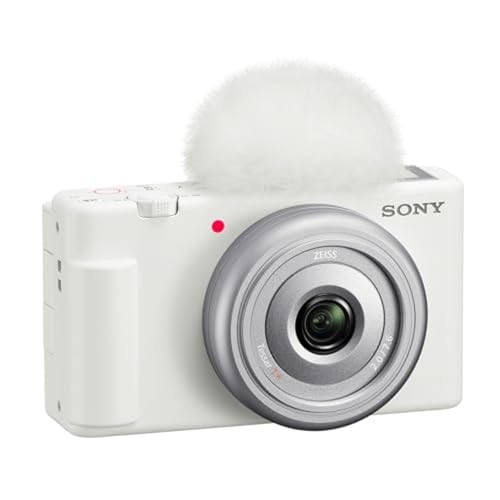
- Sony ZV-1F: check price on Amazon
- DJI Osmo Pocket 3: check price on Amazon
- Insta360 GO 3S: check price on Amazon
- GoPro HERO: check price on Amazon
- Nikon Z50 II: check price on Amazon
- Panasonic LUMIX S5IIX: check price on Amazon
Readers arriving from the bokeh guide should adjust their expectations along one axis: there, the game was separating a near subject from its background; here, the subject is thirty metres away, lit like a lighthouse in a storm, and moving. Separation is the stage designer’s problem, already solved with haze and backlight. Your problems are darkness, distance and permission — and the picks below divide by how honestly they address each. Two of them are mirrorless cameras that many venues will refuse; they are included, clearly labelled, for the substantial world of shows where they are welcome — clubs, festivals with relaxed policies, venues where you hold a pass — because a concert guide that ignored them would fail the readers who shoot there.
One more piece of honesty belongs up front, about sound and rights. Recording a performance for your own archive sits in a different moral and legal neighbourhood from publishing or selling that recording, and venues’ policies draw the line in different places. This guide’s business is the camera choice; the reader’s business is reading the ticket’s terms with the same care as the camera’s manual, and treating the artist’s work with the respect that got cameras welcomed into the room in the first place. The photographers who keep their welcome longest are invariably the ones who never gave a venue a reason to reconsider it.
Stage light deserves a paragraph of respect before any camera is discussed, because it is the most dishonest light in photography. It is dim overall yet blinding in spots, coloured in saturated washes that rewrite skin and costume, and it changes faster than any metering system was designed to follow. Cameras for this work are judged by how their files behave when pushed: whether shadow detail survives lifting, whether highlights on a singer’s face roll off gracefully or clip to white, whether colour holds together when the rig turns everything magenta. Sensor size matters here not for bokeh but for forgiveness — the larger sensors below simply have more to give when the light misbehaves.
The same logic explains why this list contains no telephoto compacts from outside the verified pool: where a long-zoom compact cannot be verified, this guide will not invent one, and readers needing verified reach should use the permitted-system picks below.
Budget enters the conversation in an unusual place at concerts, because the ticket is part of the camera system. A modest camera in the fifth row will out-photograph a flagship in the fiftieth every night of the tour, which means the concert photographer’s wisest equipment purchase is frequently a better seat bought earlier. Readers dividing a fixed sum between gear and tickets should hear that plainly before the picks: geometry is purchasable, and at concerts it is often the cheapest image quality on sale.
Reach is the uncomfortable topic this guide will not dodge. Most true compacts in the pool — including the two excellent one-inch picks at the top of this list — carry wide lenses made for arm’s-length subjects, and no crop of decency turns a wide lens into a telephoto. From the front rows and in small venues they are superb; from the back of an arena they will render the band as a bright diorama, which may honestly be the photograph the evening offers. Readers whose seats are far and whose venues allow systems should read the mirrorless picks as the real answer to their geometry, and readers committed to compacts should buy their tickets closer rather than their cameras longer.
Key Takeaways
- Venue rules rule first: many halls ban detachable lenses, making compacts the only way in.
- Stage light is dim, saturated and fast-changing; sensor forgiveness matters more than resolution.
- The one-inch Sony and DJI picks own small venues and front rows.
- Wide lenses cannot be cropped into telephotos — buy closer seats or a permitted system.
- Tiny wearables like the GO 3S film the crowd’s experience no security guard objects to.
- Where systems are allowed, the Z50 II with a telephoto and the S5IIX own the night.
In this guide
Quick Picks
| Camera | Badge | Why it is here |
|---|---|---|
| Sony ZV-1F | Best compact for small venues | One-inch sensor and fast wide lens for clubs, bars and front rows. |
| DJI Osmo Pocket 3 | Best for discreet filming | Gimbal-smooth, palm-sized, with low-light quality that shames bigger rigs. |
| Insta360 GO 3S | Best wearable | A thumb-sized camera that films the night from inside the crowd, unnoticed. |
| GoPro HERO | Best for festivals | Compact, waterproof and unbothered by weather, mud or the crush at the barrier. |
| Nikon Z50 II | Best where systems are allowed | An APS-C body that takes the telephoto the seat distance demands. |
| Panasonic LUMIX S5IIX | Best for filming whole shows | Full-frame low-light video pedigree for permitted venues and pass holders. |
How were these six chosen for the dark rather than the daylight?
Permission gated the list’s shape. Picks were sorted by the doors they can walk through: true compacts and wearables that no reasonable door policy refuses, then mirrorless bodies included only with their permission status stated in plain language. A concert guide that recommends a camera the reader must smuggle has failed before the first note, and this one refuses the genre’s usual wink — check your venue’s published policy, because policies vary from a shrug to a search, and the camera bag check is the wrong place to discover which.
Low-light forgiveness came next, judged by the stage’s actual cruelties: saturated colour washes that stress sensors differently from dim neutral light, followspots that blow highlights on faces, and darkness between songs where focus must hunt and find. One-inch sensors were treated as the compact class’s serious floor for this work; smaller sensors were required to justify themselves through role — wearability, toughness — rather than image quality, which is how the GO 3S and the little GoPro earned their places honestly.
Audio reality was weighed without romance. No camera in this guide records a concert the way the mixing desk hears it, and loud venues punish small microphones with distortion that no editing forgives. Picks were credited for microphone inputs and sensible gain behaviour — the tools that let a filmer attach better ears — and the guide’s advice section treats venue sound as its own craft. Buyers whose priority is the recording’s sound should know the camera is the smaller half of that purchase.
Finally, the crowd test: every pick had to be operable one-handed, in the dark, in a press of people, without a glowing screen announcing itself to the entire row. Concerts are social events before they are photo opportunities, and the cameras that respect the room — dim screens, quiet shutters where relevant, small footprints — are the ones their owners get to use for the whole show rather than the first three songs.

Sony ZV-1F — Best compact for small venues
In a club, a bar venue or the front rows of a theatre, the ZV-1F is close to the perfect concert compact, and the reasons start with arithmetic. Its one-inch sensor gathers several times the light of the ordinary compact’s, its lens is fast and wide, and small-venue geometry puts the performer within the reach of both. Faces hold together under coloured washes that turn lesser cameras’ files to watercolour; the between-song darkness remains a mood rather than a noise festival; and the camera does all of it from a body that no door policy on earth describes as professional equipment.
The wide lens, a limitation in the arena, is a virtue at this scale. Club stages are wide relative to their rooms, and the ZV-1F’s framing takes in the whole band, the singer’s gesture and the room’s atmosphere in one honest composition — the photograph that says where the music happened, not merely who made it. Front-row ticket holders at larger shows inherit the same virtue: from the barrier, wide is not a compromise but the correct focal length, and the one-inch sensor behind it is the best light-gatherer the compact class offers.
Autofocus built for creators serves the stage surprisingly well. Eye detection finds the singer’s face through haze and coloured light with a persistence designed for exactly one face against a complicated background, and the camera’s colour science — tuned for skin under mixed light — survives the lighting rig’s attempts to repaint everyone magenta. Photographers should still shoot with the expectation of correcting colour at home; stage light defeats every camera’s intentions eventually. The Sony simply starts the correction from further ahead.
Video is this camera’s native tongue, and concert filming within the venue’s rules — many allow phone-style filming while restricting stills bursts, policies worth reading precisely — plays to its strengths: 4K from the big sensor, stabilisation adequate for a swaying crowd, and a microphone input for the filmer who upgrades the sound. The flip screen lets the camera ride high above the crowd on an extended arm while the filmer still sees the frame, the oldest trick in concert filming, executed without a phone’s compromises.
Reach is the stated boundary, repeated without apology: from row thirty, this camera photographs the concert as an event rather than the performers as people. Owners should embrace that as a genre — the wide shot, the crowd’s hands, the light show’s architecture — or sit closer. Within its geometry, though, nothing in the compact class films a gig better.
Choose the ZV-1F when your concerts are small rooms, front rows and club nights, and when one camera must also serve your daylight creative life. It is the compact the door staff wave through and the stage light respects.
- Type: creator compact, one-inch sensor
- Lens: fast and wide for small-room geometry
- Focus: eye detection through haze and colour washes
- Audio: microphone input for upgraded sound
Strengths
- Best light-gathering in the true compact class
- Faces survive saturated stage colour
- Passes every door policy as a compact
Trade-offs
- Wide lens cannot reach distant stages
- Stabilisation sized for crowds, not choreography
- Stage colour still needs correction at home
Best for: clubs, bars, theatres and front-row seats. Not suited for: arena seats at the back or telephoto ambitions.
Acoustic and unplugged sets are this camera’s sweetest assignment: quiet rooms where a shutter’s click would be an intrusion, faces lit by little more than the stage’s warmth, audiences close enough that the wide lens becomes intimacy rather than limitation. The ZV-1F films those evenings the way they felt, which is the highest praise concert equipment can earn.

DJI Osmo Pocket 3 — Best for discreet filming
The Pocket 3’s concert case rests on a quality no specification sheet lists: it does not look like filming. Palm-sized, silent, its little gimbal head turning like a curious eye, it records a show from within the audience without the raised-rig silhouette that draws stewards, blocks views and changes the room’s mood. For the growing world of venues that permit casual filming but flinch at equipment, that social invisibility is a capability — and the image it protects is no compromise, because the one-inch sensor behind the gimbal matches the best compact class for low light.
Stabilisation is the second gift, and concerts need it in a specific way. Crowds move their filmers: swaying, jostling, the slow surge toward the front, arms tiring across a two-hour set. The three-axis gimbal erases that entire category of motion, delivering footage that glides while the filmer is being gently kneaded by strangers. Performances filmed on the Pocket look produced — the camera drifting across the stage’s width, settling on the singer, rising with the lights — where handheld footage of the same show looks survived.
Low-light behaviour completes the trio. The sensor and wide aperture hold faces and costumes together under washes and strobes, and the gimbal’s steadiness permits slower, cleaner exposures than a shaking hand could risk. Subject tracking will hold a performer as they work the stage, within the honest limits of a wide lens’s reach — the Pocket shares the compact class’s geometry, and from distant seats it films the show as spectacle, a limitation it shares with the Sony above and states as plainly.
Audio pairs naturally with DJI’s wireless microphones for the filmer recording acoustic sets, support acts in quiet rooms, or the busker-to-small-stage world where the camera’s discretion and the sound’s intimacy are the whole aesthetic. In loud halls the body microphones face the physics described earlier; placement and modest expectations remain the filmer’s duties.
The gimbal’s delicacy is the standing caution, amplified by crowds: a crushed Pocket is a broken Pocket, and the camera wants its case the moment the encore ends. Battery sessions suit a concert’s length comfortably, with the charging handle accessories extending festival days.
Choose the Pocket 3 when the filming must be invisible, the footage must glide, and the show is close enough for a wide lens to love. It is the concert camera for people who want to remember being in the audience, filmed by someone who never left it.
- Type: gimbal camera, one-inch sensor
- Stabilisation: three-axis mechanical gimbal
- Profile: palm-sized and socially invisible
- Audio: direct wireless microphone pairing
Strengths
- Films without looking like filming
- Gimbal erases crowd motion entirely
- Low-light quality of the best compacts
Trade-offs
- Gimbal head vulnerable in the crush
- Wide lens shares the class’s reach limit
- Session battery on festival-length days
Best for: discreet filming in clubs and seated venues. Not suited for: mosh pits, crush barriers or distant seats.
Theatre and classical audiences are this camera’s natural congregation: rooms where a raised phone draws glares and a glowing rig draws ushers, but a palm-sized instrument at chest height passes unnoticed while capturing the stage with a steadiness the phone cannot approach. Discretion, in those rooms, is not a preference; it is the difference between filming and being asked to stop.

Insta360 GO 3S — Best wearable
The GO 3S redefines the concert camera as something worn rather than held: a thumb-sized 4K camera that clips to a shirt, a cap, a necklace pendant or a guitar strap, and films the night from the audience’s own eye level. Its concert argument is not image supremacy — its small sensor is the most modest in this guide, and this guide will not pretend otherwise — but presence. It captures what the other cameras cannot: the show as the crowd experiences it, your own hands in the air, your friends’ faces lit by the stage, the singer pointing at your section, all without a device ever rising between you and the music.
Door policies treat it as jewellery, because it effectively is. The fan who would be turned away with a mirrorless rig walks in wearing the GO 3S, and at festivals — where it rides through rain, dust and the general weather of humanity with its splash-proof build and stabilisation smoothing the dancing — it becomes the diary camera of the entire weekend, catching the sets, the campsite and the journey in one continuous first-person archive.
Stabilisation deserves its sentence, because a camera mounted on a dancing human is a camera in an earthquake, and the GO 3S’s flow-state smoothing turns that earthquake into watchable footage with a discipline far beyond its size. The magnetic mounting system lets it hop from chest to cap to a fence rail for a static wide shot of the whole stage — the one framing where its wide lens and the crowd’s energy compose the classic festival postcard.
Honesty about the limits completes the portrait. Stage light at distance will tax the small sensor; faces on a far stage are impressions rather than portraits; battery life is measured in the short sessions of a wearable, extended by its charging case between sets. The GO 3S is the second camera of the concert kit, or the only camera of the fan who values the night over the files — and judged as either, it is unmatched in this guide.
Choose it when the memory matters more than the magnification: when you want the night as it felt from inside it, filmed by a camera you will forget you are wearing until the encore reminds you to stop it.
- Type: thumb-sized wearable 4K camera
- Mounting: magnetic clips, pendants and caps
- Stabilisation: flow-state smoothing for dancing crowds
- Role: the crowd’s own point of view
Strengths
- Films the experience from inside it
- Passes every door as an accessory
- Stabilisation far beyond its size
Trade-offs
- Small sensor taxes distant stage light
- Short sessions between case charges
- Impressions, not portraits, at range
Best for: festival diaries and fans filming their own night. Not suited for: anyone needing the singer’s face from row forty.
Support acts and discovery stages are where the GO 3S quietly builds the best archives: small crowds, close stages, the band nobody knew at four in the afternoon becoming the story of the weekend. A wearable camera that is always ready catches the discovery as it happens, rather than being fetched from a bag after the moment has introduced itself.

GoPro HERO — Best for festivals
GoPro’s compact HERO — the small, simple member of the family — earns the festival slot by understanding what festivals do to equipment. Rain arrives sideways, mud becomes a building material, the barrier crush is a contact sport, and anything delicate or expensive lives in a state of low-grade peril for three days. The little HERO is waterproof, tough, light enough to ride a chest mount or a cap through all of it, and priced so that its loss would ruin an hour rather than the summer. At a festival, those are not secondary virtues; they are the specification.
Its ultra-wide view composes the festival’s natural photograph: the whole stage, the light rig, the crowd’s hands and weather in one frame — the postcard shot that establishes where the music lived. From the barrier or a good crowd position, that width is the correct storytelling choice, and the camera’s simplicity — point, record, trust the stabilisation — suits an environment where menu-diving means missing the chorus while standing in weather.
Image quality sits honestly below the one-inch picks: stage light at distance will find the small sensor’s limits, and night sets will look like night sets filmed on a small camera. What the HERO returns for that concession is presence across the whole weekend — mounted for the muddy afternoon set, pocketed through the downpour, filming the headline set from inside a crowd that would have endangered dearer equipment — where the finer cameras were sensibly left in the tent. The best festival footage is the footage that exists, and existence is this camera’s engineering brief.
Battery and card discipline follow festival arithmetic: spares are small and cheap, USB charging shares the power bank economy of the campsite, and the camera’s modest files are kind to the cards a weekend consumes. Riders of the adventure guide will recognise the philosophy; festivals are adventure riding without the motorcycle, and the same survival-first logic applies.
Choose the HERO when the event is outdoors, multi-day and physically honest — when the camera must be a companion rather than a responsibility. It will not win a low-light contest against the Sonys of this list, and it will still be filming on Sunday, in the rain, which is its own category of winning.
- Type: compact waterproof action camera
- View: ultra-wide for stage-and-crowd postcards
- Build: festival-proof, light and replaceable
- Power: USB charging, cheap spares
Strengths
- Survives the full festival weekend
- Wide framing suits stages and crowds
- Loss would sting, not ruin
Trade-offs
- Small sensor trails in stage darkness
- No reach for distant performers
- Simplicity limits manual control
Best for: outdoor festivals, barrier crowds and wet weekends. Not suited for: club photographers chasing low-light finesse.
Daytime festival sets flatter this camera into a different league: bright stages, blue skies, the crowd as colour and movement — footage with an energy that needs no low-light heroics. Festival films are mostly daylight and dusk, and owners who judge the HERO by its midnight performance alone misread the weekend’s actual distribution of light.

Nikon Z50 II — Best where systems are allowed
Permission changes everything, and where a venue allows interchangeable lenses — many clubs, independent venues, festivals with photographer-friendly policies, any show where you hold a pass — the Z50 II becomes the concert answer the compacts cannot be, for one reason: it accepts a telephoto. The seat-distance problem that caps every other pick in this guide dissolves when a fast telephoto zoom or prime mounts in front of the APS-C sensor, and the performer at thirty metres becomes a portrait subject rather than a diorama. This body-only listing is the platform for that transformation, and buyers should budget the lens as part of the same decision, because the body alone photographs nothing.
The APS-C sensor’s low-light behaviour suits club and theatre light respectably — a decisive step beyond compact sensors, a step below the full-frame pick that follows — and Nikon’s colour renders stage washes with a restraint that correction at home appreciates. Eye-detection autofocus hunts the singer through haze and motion, and the viewfinder matters more at concerts than spec sheets admit: bracing the camera against the face steadies it in a crowd, and the dark-adapted eye works better through an eyepiece than off a glowing screen the whole row can read.
Ergonomics serve the working reality of gigs: controls findable by touch in the dark, a body small enough — by system standards — to carry through a festival day without becoming the day’s burden, and a mount whose lens catalogue includes the affordable fast glass that makes club photography viable on a mortal budget. The Z50 II with a fast prime is, for many working music photographers at the local level, the entire professional kit, and its results cover walls and social feeds across the live-music world.
The permission caveat must be printed in the same size as the praise: this camera will be refused at venues whose policies ban detachable lenses, and no argument at the door has ever amended a policy. Owners live a dual life — the Z50 II for the permissive circuit, a compact from this list for the arenas — and should buy it with that geography understood rather than discovered.
Choose the Z50 II when your concert world is clubs, local venues and pass-holding work, and when one system must also serve your daylight photography. It is the working local photographer’s concert camera, priced like a hobby and built like a job.
- Type: APS-C mirrorless body
- Mount: Nikon Z — telephotos solve seat distance
- Focus: eye detection through stage haze
- Permission: only where detachable lenses are allowed
Strengths
- Real reach from real seats
- Sensor forgiveness beyond any compact
- Affordable fast glass in the system
Trade-offs
- Refused where venues ban detachable lenses
- Lens budget is part of the purchase
- Low light a step below full frame
Best for: club circuits, local venues and pass holders. Not suited for: arena policies or pocket-only carry.
Rehearsal and soundcheck access — the unglamorous privilege local photographers earn by showing up for the scene — is where this system quietly produces its best work: empty rooms, working light, musicians relaxed, and a telephoto’s intimacy without the crowd’s physics. Concert careers are built at soundchecks as much as at shows, and a body this capable at this price is how they start.

Panasonic LUMIX S5IIX — Best for filming whole shows
The S5IIX closes the list as the filming specialist for the permitted world: a full-frame body whose low-light video pedigree comes from Panasonic’s cinema-leaning line, built for the person recording entire performances — the livestreamer with a venue partnership, the pass-holding videographer, the band’s own documentarian. Where the compacts film songs, this camera films shows: hours of stage light, heat, colour chaos and dynamics, recorded with the monitoring tools and endurance thinking of equipment designed for production rather than attendance.
Full-frame low-light behaviour is the foundation. The large sensor’s forgiveness under stage washes — highlights that roll rather than clip, shadows that lift without disintegrating, colour that remains colour when the rig turns everything red — gives filmed concerts the polished, produced look that distinguishes a release from a souvenir. Phase hybrid autofocus holds performers through haze and motion, ending the focus hunting that once disqualified Panasonic from this exact work.
The X variant’s production features serve the whole-show mission specifically: direct recording and streaming workflows, professional monitoring aids, and the codec depth that lets a two-hour performance be graded into a film rather than merely uploaded. Paired with L-Mount fast glass — including the telephotos that solve distance — the S5IIX is less a camera recommendation than a small production company in a bag, and its natural buyer knows who they are: the person the venue expects, whose name is on a list, whose camera no door will ever question because the door was told to expect it.
For the ordinary ticket holder, this entire pick is a postcard from a country they cannot visit, and the guide includes it deliberately as such: to mark where the permission road leads, and to serve the readers — more numerous than the industry admits — who film concerts semi-professionally from the permissive circuit of clubs, churches, school halls and festival stages where systems are welcome.
Choose the S5IIX when filming concerts is work, the venues are arranged, and the deliverable is the whole show at production quality. Everyone else should admire it the way one admires a tour bus from a bicycle — accurately, and without confusion about which vehicle is theirs.
- Type: full-frame mirrorless, production video
- Mount: L-Mount fast glass and telephotos
- Focus: phase hybrid for stage conditions
- Role: whole-show filming for permitted venues
Strengths
- Full-frame forgiveness under stage light
- Production tools for entire performances
- Telephoto reach through the lens system
Trade-offs
- Requires permission, passes or permissive venues
- Size and presence end all discretion
- Overkill, honestly, for souvenirs
Best for: livestreamers, documentarians and working videographers. Not suited for: ordinary ticket holders at policy-strict arenas.
House-of-worship and school-hall filming is this camera’s unglamorous empire: weekly performances, family audiences, light that never improves and expectations that always rise. A body that makes those rooms look produced — faces clean under mixed washes, the choir separated from the darkness — earns its place in communities that will never call it concert equipment and rely on it as exactly that.
How do the six compare side by side?
| Camera | Home ground | Signature strength | Watch out for |
|---|---|---|---|
| Sony ZV-1F | Clubs and front rows | One-inch light gathering | No reach from the back |
| DJI Osmo Pocket 3 | Discreet filming | Gimbal glide, invisible profile | Delicate in the crush |
| Insta360 GO 3S | Inside the crowd | Wearable point of view | Small sensor at distance |
| GoPro HERO | Festival weekends | Survival and simplicity | Night sets stretch it |
| Nikon Z50 II | Permissive venues | Telephoto reach | Door policies at arenas |
| Panasonic LUMIX S5IIX | Whole-show filming | Production-grade low light | Permission is the price |
What should you check before the show, not during it?
The venue’s camera policy, in its current written form, because policies drift between tours and a forum post from three years ago is not a policy. Look for the detachable-lens line, the recording line — some venues permit stills and forbid video, others the reverse — and the bag-size line that quietly decides what “compact” means at that door. Arrive with the policy’s answer already known and the kit chosen to match it; the fan who argues photography law with a steward has misunderstood both law and stewards.
Your seat’s geometry comes second. A seat map and the stage’s layout tell you the distance your lens must honestly cover, and therefore which pick in this guide is even eligible. Front-half seats make the one-inch compacts heroes; the back of an arena makes them diarists of the light show — a legitimate genre, chosen knowingly — while the permitted-system owners should match their telephoto to the same arithmetic rather than discovering it during the support act.
Power and storage close the pre-show list with festival arithmetic in miniature: a full show’s filming, the encore, and the journey home, on batteries and cards that were charged and emptied before the doors opened. Concerts offer no intermission for logistics, and the camera that dies during the finale has failed at the only moment the evening was building toward.
Which mistakes do concert photographers make?
Flash leads the list, and it is not close. A compact’s flash at concert distance illuminates the heads directly in front of you, enrages the room, contributes nothing to the stage thirty metres away, and announces its owner as the evening’s amateur. Disable it before the house lights fall — permanently, in the camera’s settings, so excitement cannot re-enable it — and let the stage’s own light, which professionals are operating for exactly this purpose, do the work.
Chasing the stage with digital zoom runs second. Cropping a wide compact’s file in-camera discards the resolution the file needed to survive stage noise, producing the smeared, watercolour performers that fill social feeds after every arena show. The honest alternatives are the ones this guide repeats: sit closer, use a permitted system, or compose the wide shot the seat actually offers — crowd, lights, atmosphere, the concert as an event — which ages far better than a zoomed smear of the singer.
The third mistake is forgetting the room. A screen at full brightness, a camera raised for entire songs, filming that treats the audience as an obstacle rather than a community — these purchase photographs at the price of the evening, for the photographer and for everyone behind them. Shoot in bursts of attention, lower the camera between them, and be at the concert. The picks above were chosen partly for how little of the show they ask their owners to miss.
How do you handle concert sound honestly?
Accept the physics first: a concert’s sound pressure overwhelms small microphones designed for speech, and the distortion that results is baked into the recording beyond editing’s reach. The mitigations are placement and tools. Keep the camera’s microphones out of the direct blast of the PA stacks where geometry allows; use the microphone inputs the better picks provide, with external microphones whose gain can be set conservatively; and test at the support act, whose set is the evening’s free rehearsal for every setting the headline set will punish.
For many fans the honest answer is a division of labour: the camera for the picture, a dedicated audio recorder — where the venue permits — for the sound, married in editing. That is production thinking, and it belongs to the S5IIX end of this guide. At the compact end, the realistic goal is sound that evokes the night truthfully rather than reproducing it: the crowd, the room, the voice from where you stood. Judged by that standard, the picks above serve well; judged by the mixing desk’s standard, nothing worn or pocketed ever will.
How do different genres change what the camera must do?
A rock show and a string quartet are both concerts, and they make almost opposite demands. Rock and pop bring the full lighting arsenal — strobes, moving washes, haze, video walls bright enough to expose by — and a crowd whose motion is part of the photograph. The camera’s work there is highlight discipline and timing: faces under followspots, silhouettes against the wall of light, the confetti moment anticipated rather than reacted to. Electronic sets add lasers, which deserve a specific and serious warning: a laser striking a sensor directly can damage it permanently, a risk documented across camera types, and the filmer’s rule at laser shows is to keep the lens out of the beams’ paths and accept the compositions that safety leaves available.
Classical and acoustic concerts invert everything: the light is steady, warm and comparatively dim; the audience is silent; the performers barely move; and the camera’s noise — a shutter’s click, a screen’s glow, a focus motor’s whir — becomes part of the room’s experience in a way no rock crowd would ever notice. Electronic shutters, dimmed screens and the discreet picks at this guide’s top earn their keep precisely here, and the photographer’s etiquette is a technical specification: the best classical concert camera is the one the row behind never learns was present.
Jazz and folk sit between the poles and reward the versatile middle: small rooms, mixed light, audiences close enough that the wide one-inch compacts are in their element, musicians whose expressions are the show. Buyers whose concert life spans genres should weight the picks by their most frequent room rather than their most prestigious one, because the camera that serves forty club nights a year outearns the camera optimised for one arena spectacular — a sentence that applies to concert budgets exactly as it applied to every budget in this series.
What is the etiquette that keeps cameras welcome at shows?
Venues permit cameras at the audience’s pleasure, and the permission is renewed or revoked by behaviour. The rules are simple enough to list and important enough to print: keep the screen dim and low, raise the camera for shots rather than songs, never let your recording become the row behind’s view of the show, silence every beep and disable every light the camera owns, and put the device away entirely when the room asks — some artists request phone-free shows, and the request deserves the same respect as the music. Photographers who behave this way are why the next audience still gets to bring cameras.
There is also the performer’s side of the lens to consider. A camera pointed with obvious respect — lowered during the quiet passages, present rather than predatory — draws a different performance than one wielded like a surveillance device, and musicians at small venues will sometimes play to the respectful camera in ways that make the evening’s best frames. Concert photography at the amateur level is a social art conducted with optical tools, and the social half decides how much of the art the room allows.
Finally, share with restraint. The clip posted before the show ends, tagged from the front row, is the modern souvenir; the full set uploaded by morning is, in many venues’ and artists’ terms, a breach of the evening’s contract whether or not a lawyer could find it in the small print. Enjoy the asymmetry: your photographs are yours because you were there, and their value to everyone who was not there is precisely that they are glimpses rather than broadcasts.
How should a beginner build a concert kit across a season?
Start with the door-proof compact and the seats it rewards. A season of club nights and front-half tickets on the ZV-1F or the Pocket teaches the beginner the genre’s real curriculum — stage light’s behaviour, the support act as rehearsal, the etiquette that keeps cameras welcome — at a cost per lesson no other route matches. Most concert photographers who last are made in this season, because it teaches seeing before it teaches shopping.
Add the wearable when the festivals arrive, because the diary layer — the crowd, the campsite, the journey — is the part of the archive beginners most regret missing and the part no stage-facing camera can supply. The GO 3S or the little HERO costs less than the season’s ticket total and returns the summer’s connective tissue, the footage future birthdays will actually watch.
Graduate to the system only when the circuit invites it: when a venue’s policy, a local band’s friendship or a publication’s pass makes the telephoto’s reach a working tool rather than a door argument. Bought in that order, every piece of the kit has a job from its first night, nothing was purchased to be argued with by a steward, and the photographer arrives at the professional tier having been welcomed at every door on the way — which, in live music, is the only road there is.
What do you do with the files when the house lights come up?
Concert files arrive home exhausted and saturated — hundreds of frames in magenta, video clips whose audio peaks like a mountain range — and the evening’s second performance is the edit. Work it while the show is still in your ears, because memory is the best colour reference you own: you know what the singer’s jacket actually looked like under that wash, and next week you will have forgotten. Correct colour against that memory first, lift the shadows the stage kept honest, and let the files that failed fail quickly — concert photography produces keepers at a lower rate than any genre in this series, and the discipline of deleting bravely is what makes the survivors look like a body of work.
Back the night up before sleep, in the unglamorous liturgy every photographer in this series has been prescribed: the card is a rumour until the files exist in two places. Festival weekends multiply the rule by the days, and the GO 3S and HERO owners with their pockets full of small cards should treat the nightly offload as part of the campsite ritual, between the tent pegs and the weather check.
Tag the night properly while it is still a night and not yet an archive: artist, venue, date, and the seat or position the photographs were taken from. That last detail sounds fussy and becomes gold within a year, when you are buying tickets for the same venue and trying to remember whether row K was inside the wide compact’s reach or beyond it. Concert photographers accumulate venue knowledge the way sailors accumulate harbour knowledge, and the file notes are where the knowledge lives.
Final Recommendation
Let the venue and the seat decide, in that order. Small rooms and front rows belong to the ZV-1F; discreet filming belongs to the Pocket 3; the fan’s own night belongs to the GO 3S; the festival weekend belongs to the little HERO; the permissive club circuit belongs to the Z50 II and a fast telephoto; and whole-show production belongs to the S5IIX. The best compact cameras for concerts are the ones still in your hand after the door, still clean after the lighting rig’s worst chorus, and still honest about the distance between your seat and the stage — because in this category, permission, light and geometry outrank every specification ever printed.
Related guides
Frequently Asked Questions
Are compact cameras really allowed where mirrorless cameras are banned?
Usually, yes — the common policy line prohibits detachable or interchangeable lenses, which fixed-lens compacts do not have. Policies vary by venue and tour, and some restrict all dedicated cameras, so the current written policy for your specific show is the only authority. When in doubt, the wearable and pocket picks in this guide attract the least attention at any door.
How do I photograph a stage from far back with a compact?
Honestly: by changing the subject. From distant seats the compelling photographs are the wide ones — the stage as architecture, the light show, the crowd’s response — composed with the lens you have rather than cropped from it. If the performers’ faces are the requirement, the answers are closer tickets or a permitted system with a telephoto; no setting on a wide compact repeals geometry.
Which settings matter most for stage light?
Exposure compensation against the darkness is the working photographer’s main control: the camera wants to brighten the black room and will bleach the performers doing it, so dialling exposure down keeps faces intact. Shoot the camera’s raw format where offered, because stage colour will need correcting and raw files forgive what compressed files will not. And disable the flash before the show, permanently.
Is video or stills better for concerts?
They answer different hungers. Video keeps the performance — movement, light changes, the crowd’s sound — and suits the one-inch compacts whose video is their native art. Stills isolate the instant: the leap, the expression, the guitarist’s hand. Venue policies sometimes permit one and not the other, so read yours; kit-wise, this guide’s top picks were chosen to serve whichever your ticket allows.
Can I film a whole concert on these cameras?
Technically, several picks can; practically, check three things — the venue’s recording policy, your battery and card arithmetic for two uninterrupted hours, and whether filming the whole show is compatible with attending it. The S5IIX exists for whole-show work as a job. For fans, filming the songs that matter and watching the rest is the balance this guide recommends without hesitation.
What about phone cameras — why buy a compact for concerts?
Phones are formidable and welcome almost everywhere, but the compacts here beat them where concerts are hardest: larger sensors gathering stage light with less computational smearing, optical character instead of processed sharpness, physical controls in a dark crowd, microphone inputs, and batteries that are not also your ticket, your map and your ride home. The compact is the concert camera for people who have felt the phone’s limits in a dark room.
Related Guides
Musicians filming their own performances should read the best cameras for recording live music guide, while low-light work beyond the stage is covered in the best compact cameras for low light roundup. Readers whose seats are usually closer to a pitch than a stage will find the same permission questions answered for sport in the best cameras for stadium events guide.


