reviewstook.com is reader-supported. When you buy through links on our site, we may earn an affiliate commission.
Where to buy
A school gym on a Friday night is one of the most hostile lighting environments in amateur photography: dim, yellow-green, flickering at frequencies the eye forgives and the sensor does not, with athletes crossing it at full sprint. The best compact cameras for low light sports are judged inside that gym — and inside basketball arenas, indoor pools, ice rinks and martial-arts halls — where the light is artificial, the ceiling is low, the action is close, and the photographer’s problems are autofocus that must cling to a moving face and a sensor that must stay clean at sensitivities that would ruin a daylight snapshot. This guide is deliberately about the indoor game. Its sibling guide to outdoor night matches under floodlights starts from different assumptions — longer distances, weather, reach — and readers heading to a stadium after dark should read that one instead, because a camera chosen for a gym’s ten-metre throws is not automatically the camera for a touchline sixty metres away.
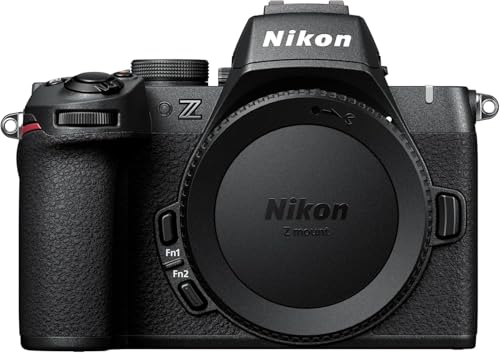
- Nikon Z50 II: check price on Amazon
- Sony RX100 VII: check current listings and availability
- Sony ZV-1F: check price on Amazon
- Canon PowerShot G7 X Mark III: check current listings and availability
- DJI Osmo Pocket 3: check price on Amazon
- GoPro HERO: check price on Amazon
Indoor sport compresses every photographic difficulty into one room. The shutter speed must freeze a badminton smash or a gymnast’s tumble, which forces sensitivity upward; the upward sensitivity tests the sensor; the sensor’s noise tests the lens’s aperture, because a faster lens is the only honest way to buy the sensitivity back down. Meanwhile the autofocus system plays a tracking match of its own against players who feint, spin and disappear behind each other. A compact that survives this room has earned its specification sheet.
Parents and club volunteers — the majority of this guide’s readers — shoot under extra constraints no review usually mentions: no flash, because it distracts players and is often banned; no wandering the sideline, because officials own the floor; and a seat or standing spot chosen by the venue, not by the light. The picks below are assessed from that real position, at real indoor distances, with the etiquette of the hall treated as a specification like any other.
Two picks carry no shop link because they fall outside this site’s verified pool; they are recommended, described and ranked on merit alone, and flagged in the accompanying notes. Every other pick links to a pool-verified listing.
Key Takeaways
- Indoor sport is a tracking-and-sensitivity contest: autofocus that holds a moving face matters as much as sensor size.
- Fast lenses are the honest currency here — aperture buys back the shutter speed the action demands.
- The Nikon Z50 II is the serious indoor answer, with subject detection and interchangeable fast glass.
- The RX100 VII’s zoom frames a whole court from the bleachers no parent is allowed to leave.
- Flash is banned or unwelcome in most halls; every pick here earns its frames without it.
- For filming rather than stills, the Pocket 3’s gimbal turns shaky bleacher video into watchable match footage.
In this guide
Quick Picks
| Camera | Badge | Why it is here |
|---|---|---|
| Nikon Z50 II | Best for serious indoor sport | Subject-detect autofocus and fast interchangeable lenses on an APS-C sensor. |
| Sony RX100 VII | Best from the bleachers | A long zoom and famously sticky tracking focus in a jacket-pocket body. |
| Sony ZV-1F | Best courtside and simple | Fast wide lens and face-priority focus for close indoor action and team benches. |
| Canon PowerShot G7 X Mark III | Best all-round gym compact | A bright zoom, strong bursts and a tilting screen for low shooting positions. |
| DJI Osmo Pocket 3 | Best for match filming | Gimbal-smooth video and subject tracking that follows a player across the court. |
| GoPro HERO | Best for poolside and mats | Waterproof, unbreakable-feeling and wide enough for close combat sports. |
How were these six chosen for arena light rather than daylight?
Tracking came first, because indoor sport is lost at the focus point more often than at the sensor. Candidates were favoured for subject or eye detection that persists through a play — through the screen of a defender, the spin of a skater, the moment a swimmer’s head turns for breath. Systems that acquire beautifully and then wander were marked down harder than systems that acquire plainly and hold on, because a slightly soft frame of the decisive moment beats a razor-sharp frame of the moment after it.
The sensitivity ladder came second. In a typical hall, freezing a sprint means living several stops above base sensitivity, so picks were weighed by how their files behave up there: whether noise stays fine-grained and correctable, whether colour survives the climb, whether skin tones under mixed gym lighting remain plausible after a white-balance correction. Sensor size predicts much of this, which is why the list leans on one-inch and APS-C hardware and admits smaller sensors only where a role — the GoPro’s poolside toughness — justifies the trade.
Aperture was read as a system property, not a headline. A zoom that is fast at the wide end but slow where the court actually gets framed helps less than its brochure suggests, so the picks’ useful apertures at working focal lengths shaped the ranking as much as their maximum figures. The Z50 II escapes the trap entirely by accepting fast primes, which is the single largest structural advantage it holds over every fixed-lens rival here.
Hall manners closed the assessment. Silent or near-silent shooting for the quiet sports, screens that tilt for the low angles officials permit, controls that can be set before the match and left alone, and no dependence on flash. A camera that behaves well in a hall gets invited back to it, by officials and by the parents in the next seat alike.

Nikon Z50 II — Best for serious indoor sport
The Z50 II is the pick for the photographer who has stopped asking whether a compact-class camera can shoot indoor sport and started asking how well. Its autofocus inherits Nikon’s subject-detection thinking — people, eyes, and the sporting-relevant promise that once it takes hold of an athlete it keeps hold through traffic — and behind that focus sits an APS-C sensor whose high-sensitivity files stay composed long after smaller chips have dissolved into grain. In a dim gym, those two virtues are not separate features; they are the whole photograph.
The decisive advantage, though, is glass. Bolt on a fast prime and the sensitivity ladder shortens dramatically: shutter speeds that froze the point guard stay the same, but the sensor works several stops lower, with colour and detail intact. Fixed-lens rivals cannot make this trade at any price, because their apertures at working distances are what they are. A parent who photographs a full season indoors will feel this difference in every single match, in the form of files that edit gently instead of heroically.
Burst behaviour suits the way indoor plays actually resolve. A layup, a spike, a vault — each has a peak instant measured in fractions of a second, and the camera’s continuous shooting with tracking gives the photographer a sequence to choose the peak from rather than a prayer timed at the button. The electronic viewfinder earns its place here too: in halls where one end is bright and the other gloomy, the finder shows the exposure the sensor will record, sparing the chimping that misses the next play.
Handling under pressure is calm. The grip fills the hand properly when a telephoto is fitted, the important dials sit where thumbs expect them, and the menus for focus modes — the settings this genre lives in — can be assigned and reached without a mid-match excavation. It is a camera that can be configured at home, in daylight, by a calm person, and then simply used in the noise.
The conditions of its inclusion deserve repeating: it is a small system camera, not a pocket compact, and its advantage depends on owning or buying at least one fast lens. Shooters who want the camera to vanish into a coat should read on. Shooters who want the indoor problem actually solved — the club photographer, the dedicated parent, the student journalist — have found their answer, and the rest of this guide is about how close the true compacts can approach it.
Season-long ownership adds one more quiet virtue: the same body that shoots the winter basketball season shoots the spring athletics and the family holiday, so the investment in its lenses is amortised across a life rather than a single sport. Indoor specialists who shoot one venue all year will not care; everyone else will.
- Type: compact mirrorless system, APS-C sensor
- Focus: subject and eye detection with persistent tracking
- Lenses: interchangeable; fast primes transform its low-light reach
- Shooting: confident bursts for peak-action selection
Strengths
- Tracking focus that holds athletes through traffic
- Fast prime lenses cut working sensitivity dramatically
- High-sensitivity files keep colour and detail
Trade-offs
- Needs a bag, not a pocket, once lenses join
- Full advantage depends on buying fast glass
- More camera than casual spectators will carry
Best for: club photographers and committed parents shooting full indoor seasons. Not suited for: pocket-only carry or one-off spectators.
Set it up once for the hall — focus mode, burst, a sensitivity ceiling you have tested and trust — and the Z50 II rewards the preparation by disappearing. The best sports cameras are the ones the photographer stops thinking about somewhere in the first quarter.
Sony RX100 VII — Best from the bleachers
Most indoor sport is photographed from where the public is put: the bleachers, the balcony, the far side of a rope. The RX100 VII is engineered for precisely that exile. Its zoom reaches far enough to frame a basketball play from the stands, its autofocus — a system with a genuine reputation for clinging to moving subjects — tracks across the court, and its one-inch sensor holds together at the sensitivities gym light imposes. It is the strongest argument that a pocket camera can cover a match it is not allowed to approach.
The tracking deserves its reputation examined rather than repeated. What parents actually need is not a camera that follows a Formula One car but one that re-finds their child after the child disappears behind a referee, emerges the other side, and sprints. The Sony’s subject persistence does this with a tenacity that still surprises owners of older compacts, and its burst rate turns a fast break into a strip of frames from which the one decisive, sharp, well-composed image can be lifted.
At the long end of the zoom the aperture narrows, as all such zooms do, and the sensitivity climbs to compensate — the honest physics of the format. The files bear it well enough for the uses bleacher photography actually serves: the family archive, the club newsletter, the framed print at modest size. Photographers should resist pixel-peeping a frame shot across a gym at full stretch and judge it at the size it will live, where it looks like the sharp, present photograph it is.
The pop-up viewfinder matters indoors more than its size suggests. Halls glare: windows at one end, scoreboards, glossy floors. Bracing the camera to the eye steadies it, blocks the glare, and — a subtle social point — looks like photography rather than phone-filming, which some venues still treat differently. The tilting screen serves the opposite posture, held low for a child’s-eye view of a martial-arts grading.
Battery and buffer discipline are the ownership notes. Long bursts at high sensitivity are the hungriest work a small camera does; a spare battery and a fast card are not accessories here but part of the instrument. With them, the RX100 VII covers a tournament day from a seat it never has to leave.
There is a final bleacher-specific pleasure: the camera’s discretion. It attracts no official attention, no requests to see a permit, no suspicion that its owner is working commercially. In the permission economy of school and club sport, invisibility is a feature with real exchange value.
- Type: premium compact, one-inch sensor
- Lens: long zoom for stand-to-court distances
- Focus: tenacious subject tracking with fast bursts
- Finder: pop-up electronic viewfinder for glare
Strengths
- Frames court action from public seating
- Tracking re-finds athletes after obstructions
- Discreet enough to avoid official attention
Trade-offs
- Aperture narrows at the long end, raising sensitivity
- Bursts demand spare batteries and fast cards
- Small controls are fiddly in a cold hall
Best for: parents and supporters confined to the stands at indoor fixtures. Not suited for: courtside professionals or print-at-any-size perfectionists.
Learn its focus modes before the season, not during the first match: the difference between its tracking configurations is the difference between a camera that follows your player and one that follows the ball, the referee, and the crowd’s hopes in turn.

Sony ZV-1F — Best courtside and simple
Move from the bleachers to the bench and the photographic problem inverts: now everything is close, wide and fast, and the ZV-1F — a creator compact with a fast, very wide fixed lens and a one-inch sensor — is suddenly in its element. Team huddles, a fencer’s advance down the piste, the celebration at the net: at arm’s-length distances its lens gathers the generous light its aperture promises, its face-priority focus understands exactly what the frame is about, and its simplicity means a coach, captain or parent can operate it without a briefing.
The wide lens at close range does something telephotos cannot: it puts the viewer inside the sport. A photograph of a huddle taken from within it, arms and shoulders at the frame’s edges, carries the temperature of the match in a way a compressed long shot never will. Indoor venues, with their low ceilings and close walls, suit this immersive framing; the whole room becomes the backdrop, banners, scoreboard and all, and the photograph says where the sport lives.
Focus behaviour at these distances is the camera’s home turf. Its eye and face detection was built for a presenter moving toward and away from the lens, which translates directly to athletes approaching the camera position — the breakaway run toward your end of the court, the gymnast’s run-up. It will not track a distant play like the two picks above, and pretending otherwise would be dishonest; within its geometry, it is quick, confident and rarely fooled.
Video is a genuine half of its indoor case. Short clips of a routine, a rally or a winning point, shot from the bench with its stabilisation smoothing the excitement in the photographer’s hands, are exactly the content clubs and families actually share. The microphone input lets a volunteer add a better ear for the hall’s announcements and atmosphere, and the flip screen frames a selfie-style piece to camera for the club’s social feed without a second device.
The boundaries are the wide lens’s own: from the stands it is the wrong tool, full stop, and its burst and buffer are sized for moments rather than sustained sequences. Buy it for the bench, the warm-up, the training session and the celebration — the connective tissue of a sporting season — and it will be used constantly; buy it to cover matches from row twelve and it will disappoint honestly and immediately.
Its price class and simplicity make it the pick most likely to be handed around a team, which is a real form of value: the camera that three people can use documents three times as much of the season as the camera only its owner dares touch.
- Type: fixed-lens creator compact, one-inch sensor
- Lens: fast and very wide; a close-range instrument
- Focus: face and eye priority for near subjects
- Video: stabilised clips with microphone input
Strengths
- Immersive courtside framing no zoom replicates
- Fast lens keeps sensitivity civilised indoors
- Simple enough to hand to any volunteer
Trade-offs
- Useless for action across the hall
- Bursts sized for moments, not sequences
- Tracking is a close-range skill only
Best for: benches, training sessions, warm-ups and team storytelling. Not suited for: covering matches from spectator seating.
Keep it on the team bench for a month and a different archive emerges: not the match the crowd saw, but the season the players remember. That is a legitimate sporting document, and this is its natural camera.
Canon PowerShot G7 X Mark III — Best all-round gym compact
The G7 X Mark III is the compact a generalist reaches for when the fixture list mixes basketball on Tuesday, a swimming gala on Thursday and a school play — lights down, same problem — on Friday. Its zoom is bright at the wide end and useful across a court, its one-inch sensor is a known quantity in poor light, and its burst shooting with a stacked-sensor readout gives it a turn of speed that belies its friendly, almost casual design. It asks little and covers much, which is the definition of an all-rounder.
Its handling suits the way volunteers actually shoot. The tilting touchscreen lets a parent at the front of the balcony shoot low over the rail without contorting; tap-to-focus on a player is intuitive in a way menu-driven tracking is not for occasional users; and the control ring around the lens gives the more committed owner a direct hand on exposure when the hall’s lighting lies to the meter, as hall lighting reliably does.
Colour under artificial light is a quiet strength. Gym lighting — a cocktail of fluorescent, LED and window daylight — defeats lazy white balance, and Canon’s rendering of skin tones under correction has a forgiving quality that flatters young athletes rather than turning them the colour of the floor. Files from the G7 X need less rescue work in the edit than most, which matters to the volunteer processing two hundred frames on a Sunday night.
The compromises are the familiar compact ones, honestly distributed. There is no viewfinder, so bright halls mean composing on a screen that can wash out; the autofocus, while capable, does not have the flagship tracking persistence of the Sony above; and the lens’s aperture advantage fades as the zoom reaches across the court. None of these is a defect so much as a price list, and the price is lower — in money and in learning curve — than the specialists charge.
Its video credentials, including live-streaming friendliness, serve the modern club reality where a match might be broadcast to grandparents from a phone-free camera. A compact that stills the match and streams the rematch ceremony from the same pocket is a genuinely practical club asset.
Longevity is the closing argument. This is a mature, widely owned design whose quirks are known, whose batteries and cases are everywhere, and whose resale and repair ecosystem a school or club can rely on. For an institution buying one camera to serve many sports and many hands, boring reliability is a feature, and this camera has it.
- Type: all-round compact, one-inch stacked sensor
- Lens: bright zoom covering a court’s working range
- Handling: tilting touchscreen, lens control ring
- Colour: forgiving skin tones under mixed hall light
Strengths
- Covers many indoor sports without specialisation
- Friendly handling for occasional users
- Files need little rescue after mixed lighting
Trade-offs
- No viewfinder for glaring halls
- Tracking a step behind the flagship Sony
- Aperture advantage fades across the zoom
Best for: schools, clubs and families covering a mixed fixture list. Not suited for: dedicated single-sport specialists chasing the last stop of quality.
Buy it as the club camera and label it as such; shared instruments survive when everyone knows whose shelf they live on. It will repay the small bureaucracy with years of unglamorous, dependable coverage.

DJI Osmo Pocket 3 — Best for match filming
Not every indoor record should be a still. The Pocket 3 covers the match as it is increasingly consumed — as motion — with a one-inch sensor on a three-axis gimbal that erases the two enemies of spectator video: the shake of an excited hand and the dimness of the hall. Its subject tracking will hold a player as they cross the court, its low-light footage stays watchable where phone video dissolves, and its size means it films from a seat without becoming the tall spectator’s obstruction everyone behind resents.
The gimbal’s gift indoors is specific. Spectator filming is a long-duration act: a whole match, arms raised or propped, attention split between the game and the screen. Mechanical stabilisation removes the accumulating tremor of tired arms, so the fourth quarter looks as steady as the first — a difference viewers feel without naming. Slow pans following play become deliberate rather than desperate, and the footage cuts together afterwards like it was planned.
Tracking a single athlete is the feature families will actually use: designate the player, and the camera works to keep them framed as the game flows around them, within the honest limits of its wide lens. From the stands that lens frames the court’s geography more than the individual’s expression — the film becomes a tactical, whole-play record, which coaches reviewing positioning may value above the close-up. Courtside, the same lens turns intimate and immediate.
Sound is the hall’s other half, and the Pocket’s pairing with wireless microphones lets a filmer place an ear near the bench or the commentary position while the camera stays at the seat. Whistles, calls, the squeak of trainers on varnish — recorded cleanly, these are what separate a match film from a silent surveillance tape.
As a stills camera it is a capable stand-in rather than a lead: the sensor is serious, the lens wide, but the format serves motion first, and burst-driven peak-action hunting belongs to the cameras above. Buy it knowing which medium your household actually watches. For a growing number, the answer is the film, and for them this is not the compromise pick but the correct one.
Battery and card planning for a full match is straightforward, and the camera’s quick start catches the unscripted moments — the mascot’s fall, the crowd’s Mexican wave — that a slower instrument misses while booting.
- Type: gimbal camera, one-inch sensor
- Stabilisation: three-axis mechanical for long handheld filming
- Tracking: subject follow for a designated player
- Audio: wireless microphone pairing for hall sound
Strengths
- Fourth-quarter footage as steady as the first
- Low-light video that survives gym lighting
- Films discreetly from any seat
Trade-offs
- Wide lens frames plays, not faces, from distance
- Stills play second to video by design
- Gimbal head dislikes knocks and crowded bags
Best for: families and clubs whose archive is moving footage. Not suited for: stills-first sports photographers.
Film one full match before judging it. The Pocket 3’s virtues are cumulative and temporal — steadiness, stamina, discretion — and a two-minute test in a shop demonstrates none of them.

GoPro HERO — Best for poolside and mats
Some indoor sports happen in places cameras fear: the splash zone of a swimming gala, the edge of a judo mat, a climbing wall’s fall zone, the goalmouth of a water polo match. The little GoPro HERO is the pick for those postings. It is waterproof without a case, shrugs off knocks that would retire a conventional compact, mounts almost anywhere officials allow, and shoots a wide, stabilised view of close action that no photographer has to stand behind — which, at poolside, is often the entire point.
Its photographic method is different and should be embraced rather than apologised for. The GoPro is placed, not aimed: clipped to the starting-block end of the pool, fixed at the corner of the mat, held on a short grip at the wall. From those fixed vantage points its very wide lens takes in the whole theatre of the sport, and its stabilisation smooths the vibration of a poolside railing or a bouncing climbing frame into calm footage and usable stills.
Low light is its honest weakness, and this guide will not dress it up. The small sensor works harder in a dim hall than any other pick here, and its files are the first to show noise when the sensitivity climbs. What rescues its place is that its venues are frequently the bright ones — pools are lit like operating theatres, climbing gyms blaze — and that its alternative is not a better camera but no camera, because nothing else on this list may be mounted where it goes.
For stills, its role is the wide establishing frame and the impossible angle: the underwater-adjacent shot at the turn, the mat-level view of a throw. Bursts from the video stream or its photo mode give a parent the dive, the catch, the landing as a sequence. Detail at distance is not its language; presence is.
Durability economics complete the case for clubs. A shared GoPro passed between the swimming coach and the climbing instructor, dropped monthly and rinsed weekly, will outlast a delicate compact in the same duty by years. Institutional buyers price cameras per season survived, and by that measure this is the cheapest camera in the guide.
Set expectations before the first gala and it will delight: this is the camera of the splash, the mat and the wall, speaking in wide frames and short clips, immune to the accidents that define its workplaces.
- Type: compact action camera, waterproof by design
- Mounting: clips, grips and fixtures for poolside and mats
- View: very wide, stabilised, placed rather than aimed
- Build: survives drops, splashes and shared club duty
Strengths
- Works where no other pick may be placed
- Indifferent to water, knocks and grit
- Wide frames capture whole plays and venues
Trade-offs
- Small sensor shows noise first in dim halls
- No reach for distant action
- Stills are a supporting skill
Best for: swimming, martial arts, climbing and other close, wet or impact-prone sports. Not suited for: dim-court telephoto work or fine-detail stills.
Mount it, start it, and then go and watch the sport with your own eyes. The GoPro is the rare camera that improves its owner’s evening by making itself unnecessary to attend to.
How do the six compare side by side?
| Camera | Sensor class | Focus character | Best indoor posting | Carry |
|---|---|---|---|---|
| Nikon Z50 II | APS-C | Subject detection, fast lenses | Anywhere; the ceiling | Small bag |
| Sony RX100 VII | One-inch | Tenacious tracking, long zoom | Bleachers and balcony | Jacket pocket |
| Sony ZV-1F | One-inch | Face priority at close range | Bench and warm-up | Any pocket |
| Canon G7 X Mark III | One-inch | Capable, tap-friendly | Mixed fixtures, front rows | Coat pocket |
| DJI Osmo Pocket 3 | One-inch | Subject tracking for video | Filming from any seat | Palm-sized |
| GoPro HERO | Small | Fixed wide, placed camera | Poolside, mats, walls | Mounts anywhere |
Choose by posting before choosing by specification. The stands point to the Sony zoom or the filming DJI; the bench points to the ZV-1F; the pool deck points to the GoPro; the whole season, seriously pursued, points to the Nikon. The Canon is the answer when the posting changes every week and the camera must simply cope.
What shutter speed actually freezes indoor action?
Faster than instinct suggests, and the number depends on the sport’s fastest moving part rather than its players’ bodies. A running athlete’s torso is respectably frozen at moderate speeds, but the badminton shuttle, the table-tennis ball, the tip of a fencing blade and the gymnast’s hands at the end of a swing all travel far quicker, and they are usually the subject. Photographers learn their own sport’s threshold by experiment: shoot a sequence at rising speeds, inspect at full size, and note where the decisive element — ball, blade, hand — stops smearing. That personal number, for your hall and your sport, is worth more than any chart.
The cost of speed is sensitivity, and the negotiation between them is the indoor photographer’s permanent condition. This is why the guide weighs aperture so heavily: every stop the lens opens is a stop of shutter bought without touching the sensitivity ladder. It is also why pre-setting a sensible sensitivity ceiling at home — tested, tolerated, trusted — beats discovering the camera’s own optimistic choices mid-match.
How do you handle the colour of gym lighting?
Expect betrayal and plan for it. Halls mix light sources the way cocktails mix spirits: fluorescent tubes ageing at different rates, a wall of windows admitting blue daylight, LED scoreboards washing one end magenta. No single white balance is true everywhere in such a room, so the craft lies in choosing which truth matters — usually the skin of the athletes at the end where most of your frames will be taken — and setting a manual balance there during the warm-up, when nobody minds a grey card or a test frame of the programme’s white page.
Shooting raw, which every serious pick here supports, converts white balance from a decision into a draft: the balance can be rebuilt at home per sequence, and sequences shot at different ends of the hall can each receive their own correction. Volunteers processing a whole match should batch by location rather than by time; the light changes when the play crosses the centre line, not when the clock does.
Flicker is the colour problem’s sneakier sibling. Some hall lighting pulses with the mains cycle, so successive frames in a burst can alternate in brightness and tint. Slower, deliberate shutter choices sometimes dodge it; anti-flicker settings, where a camera offers them, exist precisely for this room. If your bursts come back striped like a zebra crossing, the light — not the camera — is the first suspect.
Where are you actually allowed to stand?
Ask, early and cheerfully. Officials, coaches and venue staff decide the photographer’s geography, and the conversation goes better before the match than during it. Common settlements: behind the baseline but not the bench, the balcony but not the stairwell, poolside for the warm-up but not the races. Each venue’s logic is safety and sightlines, and a photographer who visibly respects both is usually granted the better side of every grey area.
Flash deserves its own sentence because it ends negotiations: assume it is forbidden, because in most halls it is, for the players’ sake. Every pick in this guide was chosen to work without it. If a venue surprises you by permitting it, treat the permission as a reason to be more restrained, not less — the next photographer inherits the welcome you leave behind.
Children’s sport adds the safeguarding layer, and it is not bureaucracy to resent but a duty to model: photograph through the club’s known channels, follow its consent rules, and let the designated club camera — several picks here serve exactly that role — be visibly official. Good practice protects the photographer as much as the photographed.
How do you shoot a whole season without drowning in files?
A match produces hundreds of frames; a season produces an archive problem. The working photographer’s answer is ruthless curation at two gates. At the first gate, the evening of the match, delete only the hopeless — the missed focus, the referee’s back, the burst’s duplicates — while the memory of the game is fresh enough to judge. At the second gate, a week later, choose the small set that tells the season’s story: the portraits, the turning points, the celebrations. Everything else is evidence; those few dozen are the archive.
Rate generously and keyword cheaply. A simple system — player names on the keepers, fixture and date in the folder name — survives years of growth, while elaborate cataloguing schemes collapse by October. Back the keepers up in two places, because the season’s photographs are, to the families in them, irreplaceable in the strict sense: the under-fourteen final happens once.
How do you set up the camera before the first whistle?
The warm-up is the photographer’s rehearsal, and the professionals in miniature — the club volunteers who produce good frames weekly — all use it the same way. Arrive while the teams are stretching and shoot the warm-up as if it were the match: the light will not change, the speeds are close to real, and every mistake made here is free. Test the tracking on a sprinting player, check the files at full magnification for the noise level your chosen ceiling produces, and set the white balance against something neutral at the end you will shoot from. By the first whistle the camera should be a solved problem.
Decide the sensitivity ceiling by evidence, not hope. Photograph the warm-up at rising sensitivities and inspect the results on the spot; the highest setting whose files you would happily print becomes the cap you lock into the camera’s auto range. This one experiment, repeated for each new hall, replaces a season of vague anxiety with a number you trust, and it differs honestly between the picks in this guide — the Nikon’s ceiling sits higher than the GoPro’s, and knowing your own camera’s figure is the beginning of indoor competence.
Configure the boring things too. Format the card in the camera, not the computer. Set the clock. Choose the burst mode you intend and the focus mode you tested, then put the camera down and watch some sport with unaided eyes, because a photographer who has read the game’s rhythm in the first quarter anticipates plays in the fourth that no autofocus can rescue after the fact. Anticipation is the real tracking system; the camera’s is merely its assistant.
Finally, plan the quiet logistics: where the spare battery lives, which pocket takes the full card, where you will stand for the second half when the teams change ends. Indoor photography fails logistically more often than optically, and every one of these small decisions made early is attention freed for the plays that matter.
What changes from one indoor sport to another?
More than the shared ceiling suggests. Basketball is a game of vertical peaks and constant traffic at close range, rewarding the tracking picks and punishing slow buffers at the basket. Volleyball concentrates its decisive instant at the net, in the air, at a predictable address — the photographer can pre-aim, pre-focus and treat each rally as a scheduled appointment, which flatters even modest autofocus if the shutter speed is honest. Gymnastics inverts the problem: the apparatus is fixed, the athlete’s path rehearsed, and the challenge is purely exposure — a dark hall, a fast tumble, a still photographer’s nerve.
Swimming divides by water. The start and the turn are the frames, both at known locations, both violent and brief; the stroke in between is rhythm and splash, better served by the placed, waterproof camera than by tracking from the gallery. Martial arts reward proximity and patience — long quiet grappling punctuated by a throw that occupies half a second — which is why the bench-level, wide, close cameras earn their keep there while telephotos wait for a moment that happens too near to frame.
Ice sports add the rink’s peculiar light: bright, cold and reflected upward off the surface, flattering to exposure and treacherous to white balance, with speed that carries players across the frame faster than court sports do. Fencing is the extreme of the family — the smallest subject, the fastest decisive element, the darkest halls — and the honest advice is that it rewards the system’s fast prime and the photographer’s anticipation above every other virtue in this guide.
The lesson across the family is that “indoor sport” is a lighting condition wearing many costumes. Choose the pick whose strengths match your sport’s specific geometry — its distances, its peak locations, its permissions — rather than a generic promise about low light, and the hall becomes a workplace instead of an adversary.
Which mistakes empty a gym photographer’s card?
The first is shooting the whole match at the settings the camera suggested in the car park: auto everything, in a hall whose light fools every automatic assumption. The second is camping at one end; play has two directions, and the photographer who never moves frames half the story with the wrong background. Third is the chimping spiral — reviewing each burst while the next play develops unseen — cured by trusting the tracking you tested in the warm-up and reviewing at the breaks.
A fourth, sadder mistake is forgetting the room: standing in a sightline, drifting onto the floor, letting a celebration shot become an obstruction. Indoor sport photography is a guest’s art. The photographers who are welcomed back season after season are remembered by officials as part of the furniture, and their pictures are better for the access that welcome quietly buys.
What separates a sharp frame from a memorable one?
Sharpness is the entry fee, not the prize. The indoor photographs that families keep for decades share three ingredients beyond focus: a face, a feeling, and a clean background. The face is why tracking autofocus matters — the decisive frame is the one where the athlete’s expression is visible at the effort’s peak, eyes open, intent readable. A perfectly frozen back is a diagram; a slightly less frozen face is a portrait of endeavour, and it wins every time the two are compared on a wall.
Backgrounds are the photographer’s quiet craft in a hall full of distractions: exit signs, stacked chairs, a fluorescent noticeboard directly behind the basket. Moving two steps sideways often relocates the play against a plain wall or the dark of the far end, and that small repositioning — done between plays, unnoticed — is worth more than any editing rescue afterwards. The wide-aperture picks help here too, softening what cannot be avoided, but position beats blur as a first resort.
Feeling is the ingredient nobody can set in a menu. It lives in the frames around the action as much as in it: the substitute’s face during a penalty, the coach’s hands, the handshake line, the empty hall after the crowd leaves and one player shoots alone. Photographers who only hunt the peak miss the story the peak belongs to. The season’s most loved photograph is as often the bench at a tense moment as the winning basket, and the cameras in this guide — the bench-friendly Sony, the discreet DJI, the placed GoPro — were partly chosen for their access to those margins.
So the working rule is layered: let the tracking earn the sharp frames, let your feet earn the clean ones, and let your attention — on the room, the people, the stakes — earn the memorable ones. Equipment decides the first layer. The other two are why the same camera produces a forgettable archive in one volunteer’s hands and a treasured one in another’s.
Final Recommendation
If indoor sport is a season-long commitment, buy the Nikon Z50 II and one fast lens, and stop shopping: its tracking and its glass solve the room. If you are a parent in the stands, the RX100 VII is the pocket answer, with the Canon G7 X Mark III as the friendlier all-rounder for mixed fixtures. Take the ZV-1F for the bench and the storytelling around the game, the Pocket 3 when the family archive is film rather than photographs, and the GoPro when the sport is wet, close or breakable. And if your matches are outdoors at night rather than in a hall, close this guide and open its floodlit sibling — the geometry there is a different sport entirely.
Whichever route you take, spend the first fixture learning rather than judging. Every hall has its own light, its own permissions and its own geography, and the photographer who treats the opening match as reconnaissance — testing the ceiling, finding the clean backgrounds, learning where the officials smile on a camera — will out-produce the photographer who arrives expecting the equipment to improvise. The six picks here were chosen so that, once that learning is done, the camera stops being the limiting factor in the room. What remains is the sport itself, which was the point all along.
There is a budget logic worth stating before the questions, because indoor sport tempts people to buy in the wrong order. Spend first on the lens’s light — the faster aperture, whether built into the compact or fitted to the system — because no later purchase repays it; spend second on the spare battery and the fast card that keep the camera working through a tournament day; spend last, if at all, on reach you have not paced out in your own hall. The volunteer who follows that order owns a kit that fails rarely and explains itself clearly, which is more than most equipment collections manage.
Frequently Asked Questions
Can a compact really freeze a badminton smash or a vault?
Yes, with the shutter speed the sport demands and the sensitivity that speed costs — which is why lens aperture and sensor size dominate this guide’s rankings. The cameras differ not in whether they can set a fast shutter but in how clean the resulting file looks, and that is a sensor-and-lens question, answered pick by pick above.
Why do my indoor photos come out yellow or green?
Because hall lighting is a mixture no automatic white balance fully understands. Set a manual balance during the warm-up at the end you will shoot most, or shoot raw and correct in batches at home, grouping frames by which end of the hall they were taken at — the light changes with location more than with time.
Is flash ever acceptable at indoor sport?
Assume no. It distracts players, endangers the fast-moving ones, and is prohibited in most venues. Every pick here was selected to work on available light alone. If a venue explicitly allows it, restraint is still the professional choice.
Which pick is best for a parent who knows nothing about cameras?
The Canon G7 X Mark III for stills from the front rows, or the RX100 VII if your seat is far from the action and you are willing to learn its tracking modes once, properly, before the season. The ZV-1F is the simplest of all, but only if you can shoot from close range.
How do I stop my bursts alternating bright and dark?
That striping is usually the hall lighting flickering with the mains supply. Use the camera’s anti-flicker setting if it offers one, or choose shutter speeds that sit more comfortably with the lighting cycle. It is a property of the room, not a fault in your camera.
Should I film the match or photograph it?
Decide by what your family actually replays. Film preserves the play and the atmosphere, and the Pocket 3 exists for exactly that; stills preserve the instant and print beautifully. Trying to do both with one camera in one match usually produces a mediocre version of each — alternate by fixture instead.
Related Guides
Continue with our guides to compact cameras for outdoor night sports under floodlights, the best compact cameras for concerts and stage light and action cameras for swimming and watersports.


