reviewstook.com is reader-supported. When you buy through links on our site, we may earn an affiliate commission.
Where to buy
Some cameras you own. Others you borrow from a hire counter for four days, work hard, and hand back with the card still warm. This guide interprets the search for the best canon cameras for photography for rent in the way most readers mean it: which Canon bodies are worth renting — for a wedding you have been asked to shoot, a trip of a lifetime, a paid job beyond your own kit, or a serious trial before a purchase — and, woven through it, which bodies a small rental business should stock because customers keep asking for them by name. Both readings point at the same shortlist, because a camera worth hiring is a camera worth holding in a fleet.
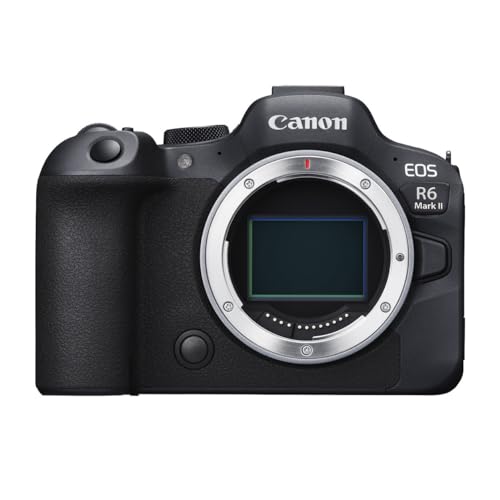
- Canon EOS R6 Mark II: check price on Amazon
- Canon EOS R6 Mark III: check price on Amazon
- Canon EOS R5: widely stocked by camera rental houses and local hire counters
- Canon EOS R5 C: stocked by rental houses serving video and hybrid productions
- Canon EOS R50: stocked by rental services aimed at learners, travellers and events
- Canon EOS R3: stocked by professional rental departments for major assignments
Renting inverts the usual buying logic, and the inversion is liberating. Ownership punishes a wrong choice for years; a rental punishes it for a weekend, and rewards curiosity extravagantly — the flagship you could never justify buying becomes a rational hire for the one assignment that needs it. Smart photographers exploit that asymmetry deliberately, owning a sensible everyday body and renting upward for weddings, wildlife trips and commercial days. The picks below are ranked by how well they serve that pattern: availability on hire shelves, forgiveness for an unfamiliar user, and capability that justifies the paperwork.
Practicalities shape the shortlist as much as sensors do. A rental body must pair with lenses the same counter can supply, survive being handed to a stranger, and produce professional files in the hands of someone who configured it in a hotel room the night before. Deposit levels, insurance terms and weekend pricing all enter the real decision, and the sections after the reviews take those seriously. A camera that is magnificent but never in stock, or brilliant but baffling to set up under time pressure, fails the rental test no matter what it scores in a studio.
Key Takeaways
- Canon’s R6 Mark II is the rental counter’s universal answer: capable at everything, forgiving of unfamiliar hands, stocked almost everywhere.
- The R6 Mark III serves renters whose weekend mixes demanding video with stills and who want the newest hybrid ceiling.
- Canon’s R5 is the classic specialist hire for resolution-led jobs — product, landscape and commercial work on a deadline.
- The R5 C rents to productions that need a cinema-leaning Canon body without a full cinema camera’s crew.
- Canon’s little R50 is the learner’s rental: an inexpensive way to spend a trip on a real camera before buying anything.
- The R3 is the big-day hire — professional speed and focus rented precisely because owning it makes no sense for most.
In this guide
Quick Picks
| Camera | Badge | Why it is here |
|---|---|---|
| Canon EOS R6 Mark II | Best all-round rental | The body hire counters recommend when the job is weddings, events or travel and failure is not an option. |
| Canon EOS R6 Mark III | Best premium hybrid hire | Newest R6 for renters filming a production and shooting its stills on one body. |
| Canon EOS R5 | Best specialist resolution hire | High-resolution files for commercial and landscape assignments that outgrow an owned camera. |
| Canon EOS R5 C | Best video-led rental | Cinema features in a stills body shape, hired by productions that travel light. |
| Canon EOS R50 | Best first rental | Friendly, compact and inexpensive to hire for a trip, a course or a first paid shoot. |
| Canon EOS R3 | Best big-assignment hire | Professional speed and tracking for the championship final or the flagship wedding. |
How did we shortlist the best canon cameras for photography for rent?
Availability came first, because a recommendation nobody can actually hire is a daydream. Bodies were favoured if rental houses — national chains and the independent counters in most cities — genuinely stock them in depth, with the lenses and spare batteries to match. Niche bodies with thin hire presence were excluded however lovely, since the reader searching this guide wants a camera on Friday, not a waiting list.
Forgiveness came second. A rented camera is operated by someone whose muscle memory belongs to another body, often under deadline, frequently at an event that will not repeat. Menus that make sense at midnight, custom modes that can be set once and trusted, focus systems that default to competence — these traits decide whether a rental weekend produces a portfolio or a cautionary tale. Each review below therefore discusses the first evening with the camera, not the fiftieth.
Capability-per-occasion completed the test. Renting makes sense when the occasion outruns the owned kit: more resolution, faster tracking, deeper video, a second body for a two-camera job. Bodies whose talents duplicate what most photographers already own ranked lower than bodies offering a clear step up for a named kind of assignment. Fleet owners reading along should invert that lens: the bodies below are ranked by the demand they attract, which is the same list viewed from behind the counter.

Canon EOS R6 Mark II — Best all-round rental
Ask a rental counter what leaves the shelf every single weekend and the answer, in Canon’s system, is this body. Weddings take it in pairs. Event photographers take it when their own camera is in for repair. Travellers take it because it promises professional files without a professional learning curve. The R6 Mark II has become the hire fleet’s default because it fails at almost nothing: full-frame image quality that flatters every assignment, autofocus that finds faces in reception-hall gloom, stabilisation that rescues handheld frames, and video strong enough to cover a ceremony’s motion without a second body.
Forgiveness is the quality renters feel first. Someone whose own camera is a five-year-old DSLR, or a rival brand entirely, can be producing confident work on the R6 Mark II within an hour of picking it up. Subject detection defaults do the heavy lifting — set the camera to recognise people, choose a sensible focus area, and the body handles the rest while the renter thinks about composition and courage. Hire counters love handing it out for exactly this reason: their weekend phone calls are about logistics, not about a panicked photographer defeated by a menu at a wedding.
As a second body it performs the rental market’s most honourable service. A photographer who owns an R5 hires the R6 Mark II for the reception, gaining the low-light specialist beside the resolution specialist. An R8 owner hires it for the paid job that demands dual card slots. A video shooter hires it as the stills camera the client suddenly requested. In each case the rental is not an admission of inadequate kit but a professional completing a team for one occasion — precisely the behaviour this guide exists to encourage.
Fleet economics explain the counter’s enthusiasm from the other side. The body is durable, its batteries and chargers are shared across the R system, its files satisfy commercial clients, and its resale value when a fleet refreshes stays healthy because demand never dips. A rental business stocking six bodies will keep five of them earning; the sixth is the spare that saves a customer’s weekend when a return runs late. Any hire shop building a Canon fleet starts its spreadsheet here.
Rental pairings deserve a renter’s attention at the counter. The body alone is half the hire: match it with the fast standard zoom for events, a wide-aperture prime for low-light venues, or the long zoom for the school sports day, and confirm the counter includes two batteries and a charger as standard rather than as extras. The photographers who get the most from an R6 Mark II weekend are the ones who treated the lens conversation as seriously as the body conversation — a theme this guide repeats because counters confirm it weekly.
Who should skip it? Owners of this exact body, obviously, and renters whose occasion demands a specialism it lacks — the resolution of the R5, the cinema depth of the R5 C, the tracking of the R3. For the broad middle of photographic life, though, the R6 Mark II is the rental against which the others are measured, and it tops this list the way it tops hire ledgers: without drama, every weekend.
- Type: full-frame mirrorless, 24.2 megapixel sensor
- Stabilisation: in-body, coordinated with stabilised RF lenses
- Cards: dual slots for paid-work security
- Video: 4K recording up to 60p
Strengths
- Stocked in depth by hire counters almost everywhere
- Confident results within an hour for unfamiliar users
- Plays second body to any Canon specialist
Trade-offs
- Weekend demand means booking ahead in wedding season
- Resolution trails the R5 for commercial detail work
- Deposit reflects its value; budget for the hold
Best for: weddings, events, travel and second-body duty of every kind. Not suited for: renters needing cinema depth or maximum resolution.

Canon EOS R6 Mark III — Best premium hybrid hire
New bodies enter rental fleets slowly, and the Mark III’s early hire presence concentrates in the larger city counters and national services — which suits its renter perfectly. The photographer hiring this camera is typically shooting a production: a brand film with stills on the side, a wedding package that now includes a highlight reel, a travel commission where one body must do everything at the newest standard. For that reader, renting the latest R6 is how the production gets flagship hybrid capability without the production company buying a body it needs four weekends a year.
Video is the headline the rental buys. The Mark III’s recording specification reaches beyond its predecessor’s in the directions working filmmakers actually request — more demanding formats, more headroom for grading, focus behaviour refined for subjects moving through real spaces. A renter can shoot a client’s launch film on Friday, grade it over the weekend and return the body on Monday having never worried whether their owned camera’s video ceiling would embarrass the deliverable. That is the rental proposition in its purest form: capability rented by the occasion, owned by nobody’s shelf.
Stills shooters renting upward will find the familiar R6 virtues carried forward — full-frame files with generous low-light manners, stabilisation for handheld work, subject recognition that keeps a moving brief honest. Photographers trialling the body before purchase should note that a weekend hire is the finest review unit money can arrange: your lenses, your subjects, your deadlines, none of a showroom’s fluorescent mercy. Counters report that a meaningful share of Mark III hires are exactly these extended auditions, and makers quietly approve.
Fleet owners should read the demand signals carefully. Early adopters and hybrid creators ask for the newest body by name; general event renters remain content with the Mark II. A small fleet therefore stocks the Mark III thinly at first — one or two bodies for the premium shelf — and watches the booking diary before deepening. The body’s compatibility with the fleet’s existing batteries, chargers and cages keeps the experiment cheap to run, which is how sensible hire businesses test a generation.
Practical rental notes mirror its predecessor’s with one addition. Book earlier than you think: new-body stock is thinner, and production weekends cluster. Confirm the counter’s firmware is current, since hybrid features evolve through updates a small fleet may lag. And rent the cage, monitor or microphone the production needs in the same transaction — the Mark III’s video talents assume a small ecosystem around it, and discovering a missing bracket on location is a renter’s oldest sorrow.
Value judgement, stated plainly: if the weekend is stills alone, hire the Mark II and spend the saving on glass. If motion matters, or the purchase audition is the real purpose, the Mark III is the correct body on the form. Rental exists to make exactly that distinction affordable, and no body in this guide illustrates it more cleanly.
- Type: full-frame mirrorless, latest-generation R6 line
- Stabilisation: in-body system for handheld stills and video
- Focus: current subject recognition for hybrid work
- Video: high-end recording options for production rental
Strengths
- Newest hybrid ceiling available on a hire form
- Ideal extended audition before a major purchase
- Shares fleet batteries, chargers and accessories
Trade-offs
- Thinner hire stock outside major cities
- Premium hire rate over the Mark II
- Stills-only renters pay for unused video depth
Best for: productions and purchase auditions needing the newest hybrid Canon. Not suited for: stills-only weekends where the Mark II saves money for lenses.
Canon EOS R5 — Best specialist resolution hire
Certain assignments announce their camera requirement in the brief itself. The product shoot destined for packaging. The landscape commission printing across a boardroom. The architecture job where the client will zoom into the delivered file looking for the brickwork. For those days, photographers rent resolution, and in Canon’s system the R5 is the body the counter reaches for. Its high-resolution sensor produces files with a density that owned all-rounders cannot imitate, and a weekend hire converts that density from a capital purchase into a line item on the job’s invoice.
Renters should understand the body’s working rhythm before the assignment, ideally by collecting it the evening before. Files are large, so cards and backup drives must be sized generously; burst shooting fills buffers with a weight unfamiliar to R6 owners; and the high-resolution video modes carry thermal limits that a stills-led day will never meet but a filming schedule must respect. None of this is hidden behaviour — counters will brief a first-time R5 renter on all of it — yet the professional pattern is to rehearse at home rather than discover on the client’s clock.
Commercial photographers form the core of R5 rental demand, joined by landscape shooters travelling to a once-a-decade location. That second group teaches the guide’s favourite rental lesson: the Iceland trip, the Patagonia trek, the one clear week in the Dolomites — these are precisely the occasions where renting the best body you can carry beats owning the body you could afford. The photographs hang on walls for thirty years. The hire lasted nine days. Arithmetic rarely argues so eloquently.
For fleet owners, the R5 is the prestige shelf’s anchor: lower booking frequency than the R6 bodies, higher rate per day, and a clientele of professionals who return bodies clean, charged and on time. Its lens pairings rent alongside it — the sharp standard zooms and tilt-shift glass for architecture — making the R5 the centre of a small, profitable ecosystem within the fleet. Counters in cities with design, property and advertising industries report the steadiest demand.
Second-body logic applies here in reverse. An R6 Mark II owner facing a resolution-led job hires the R5 as the primary and drops their own body to second position for candids and low light. Wedding photographers borrow the pattern for the album’s hero frames: formals and details on the hired resolution, the day itself on the owned all-rounder. Rental’s gift is not any single body; it is the temporary team assembled per assignment, and the R5 is the most hired specialist in Canon’s team.
Skip it when the job is speed, darkness or discretion — the R3 tracks, the R6 bodies gather low light with less fuss, and a 45-megapixel file is a burden a news deadline does not need. Hire it when the delivered image will be examined closely and forever. That is a narrower brief than the bodies above it serve, and within the brief, nothing else on the counter competes.
- Type: full-frame mirrorless, high-resolution 45 megapixel class sensor
- Stabilisation: in-body, coordinated with stabilised RF lenses
- Cards: dual slots including a high-speed slot for large files
- Video: high-resolution recording including 8K on this line
Strengths
- Resolution that satisfies commercial scrutiny
- Perfect audition for landscape and product specialists
- Anchors a profitable prestige tier in a hire fleet
Trade-offs
- Large files demand cards, storage and rehearsal
- High-end video modes need thermal planning
- Over-specified for events and general travel
Best for: commercial, product, architecture and once-a-decade landscape trips. Not suited for: fast-turnaround events or renters with modest storage.
Canon EOS R5 C — Best video-led rental
Productions rent the R5 C for a sentence they say at counters everywhere: we need a cinema camera that behaves like the stills camera our photographer already knows. Canon built this body as a genuine hybrid of two cultures — a full stills camera on one side of its menu system, a compact cinema camera on the other, with the cooling to sustain long takes that ordinary hybrids must ration. Small crews hire it for interviews, brand films, wedding cinema and documentary days where a full cinema rig’s size would slow the work or frighten the subjects.
The cinema side is the rental’s substance. Recording formats and controls follow Canon’s cinema line rather than its stills line, which means a hired cinematographer finds professional tools — waveforms, cinema colour options, timecode thinking — in a body that mounts on a small gimbal and travels in a photographer’s bag. Long interviews that would cook a conventional mirrorless body run comfortably here, and that reliability is what a producer is actually renting: the take that does not stop.
Stills capability is no token. The same high-resolution sensor serves the production’s photography — behind-the-scenes frames, poster images, the client’s sudden request for portraits — without a second body on the call sheet. Hybrid demand defines modern small productions, and hire counters report the R5 C leaving with exactly the customers who phrase their need as one camera, both crafts, no drama.
Renters must respect the body’s two personalities when planning the weekend. Menus, media and power arrangements follow cinema habits on the video side; batteries drain faster than a stills shooter expects, and cards fill at cinema rates. The professional pattern is a prep session: collect early, build the rig at the counter or the studio, record test footage in the actual location’s light, and only then call the kit ready. Rental houses happily support that pattern because it returns to them as fewer emergency phone calls.
Fleet logic differs from the stills bodies. The R5 C rents less often and for longer — productions book weeks, not weekends — and it travels with an entourage of hired support: cages, monitors, audio kits, cinema glass. A rental business serving local film and wedding-cinema demand finds it a strong earner per day; a general stills counter may watch it gather dust between the rare video enquiry. Stock follows clientele, as always behind the counter.
Choose it when the deliverable is a film with photographs attached. Choose the R6 Mark III when the deliverable is photographs with a film attached. That single sentence, honestly applied, routes almost every hybrid renter to the right body, and it is the sentence counters themselves use when both bodies sit on the shelf.
- Type: full-frame hybrid with a dedicated cinema mode
- Cooling: active system for sustained recording
- Stills: high-resolution sensor shared with the R5 concept
- Video: cinema-line formats and monitoring tools
Strengths
- Long takes without a hybrid’s thermal anxiety
- Cinema tools in a photographer’s form factor
- One hired body covers a production’s stills too
Trade-offs
- Cinema-side habits need a prep session
- Power and media appetites exceed stills bodies
- Stills-only renters should hire elsewhere
Best for: small productions, wedding cinema and documentary crews. Not suited for: photographers who only need stills for a weekend.
Canon EOS R50 — Best first rental
Every rental counter keeps a friendly body for the customer who arrives apologising — the parent whose phone died before the school play, the student whose course suddenly requires a real camera, the traveller who wants one proper photographic trip before deciding whether photography is for them. In Canon’s current line that body is the R50: compact, cheerful, genuinely capable, and priced at the hire tier where saying yes costs less than the deposit on anything above it in this guide.
Capability surprises first-time renters, which is rather the point. The crop sensor delivers sharp, colourful files that shame the phone they replace; subject detection finds children, animals and faces with a competence that lets a nervous beginner concentrate on being present; the guided modes and clear menus teach as they go. A weekend with an R50 has started more photographic lives than any flagship, because it lets a newcomer succeed publicly — at the family event, on the trip — rather than fail privately in a menu.
Travel is its natural rental habitat. The body and its compact kit zoom slip into a day bag, the battery sips rather than gulps, and the whole kit’s modest value lowers both the deposit and the traveller’s anxiety about carrying it through the world. Counters pair it with a small fast prime for evenings and report the combination returning with the weekend’s most delighted customers — and, not coincidentally, with enquiries about buying a first camera, which many hire businesses also happily serve.
Honest limits frame the recommendation. Low-light files trail the full-frame bodies above; the single card slot and modest controls mark it as a learner’s tool rather than a professional’s; paid work beyond a first portrait session should rent upward. None of that diminishes the R50’s rental genius, which is calibration: it is exactly as much camera as a first hire should be, and its price leaves the renter’s budget for the experiences the camera exists to record.
Fleet owners treat it as the volume-and-goodwill shelf. Schools hire them in class sets; driving-tour companies keep them for guests; the counter lends them as courtesy bodies when a customer’s own camera fails mid-trip. Utilisation stays high because the occasions that suit it never stop occurring, and its modest replacement cost makes the business case forgiving even in clumsy hands.
Graduation is the happiest outcome this pick produces. A renter who returns the R50 having outgrown it — who felt the low-light ceiling at the concert, who wanted the second card slot at the christening — has learned precisely which body to hire next, and eventually which to buy. Rental’s ladder starts here, and starting here costs less than a family dinner out.
- Type: compact mirrorless with APS-C sensor
- Guidance: beginner-friendly modes and clear menus
- Focus: subject detection for people, animals and vehicles
- Video: 4K recording for travel and family filming
Strengths
- Lowest hire cost and deposit in this guide
- Beginners succeed within the first hour
- Travel-light body that pairs with tiny lenses
Trade-offs
- Crop sensor trails full frame after dark
- Single card slot and simplified controls
- Paid work quickly outgrows it
Best for: first hires, school trips, courses and family events. Not suited for: professional assignments or low-light-led work.
Canon EOS R3 — Best big-assignment hire
Nobody sensible buys an R3 for three weekends a year, and nobody sensible photographs a cup final on a camera that cannot track a winger. The R3 is therefore the purest rental proposition in Canon’s catalogue: a professional instrument whose natural home is the hire department, collected on Friday by accredited sports, news and event photographers whose own bodies are older, fewer or simply elsewhere. Its stacked sensor, extraordinary focus tracking and integrated-grip endurance exist for assignments where the moment happens once and the client expects it captured.
Eye-controlled focus turns a rental weekend into a glimpse of the profession’s future. The photographer looks at the subject and the focus point obeys — a system that sounds theatrical until a night match under floodlights, where it keeps the decisive player selected through a thicket of crossing bodies. Renters should budget an hour of practice before the assignment; the interface rewards rehearsal and punishes first contact under pressure. Counters who brief that hour earn their customers’ loyalty for entire careers.
Weddings form the second great R3 rental constituency. Lead shooters hire it for the flagship dates — the cathedral, the five-hundred-guest ballroom — where its low-light tracking, silent stacked-sensor shutter and dual slots protect an unrepeatable day, then return to their R6 bodies for ordinary Saturdays. The hire fee folds into the package price invisibly, the couple receives flagship files, and the photographer’s capital stays uncommitted. This is rental as the profession’s quiet infrastructure, repeated in every city every weekend of the season.
Fleet owners stock the R3 with clear eyes. Rates are the highest on the Canon shelf; bookings are fewer, longer in the planning and almost exclusively professional, which means bodies return inspected-ready and deposits are a formality among colleagues. Accreditation requirements at major venues do part of the counter’s marketing for it — when the venue demands professional bodies, the hire form follows. In sports cities the R3 shelf empties on fixture weekends with metronome reliability.
Renters stepping up should plan the whole system, not just the body. The R3’s talents assume fast professional glass, and the long lenses it loves are themselves classic rentals — hire the pairing together, confirm the monopod and rain covers join the bag, and check the venue’s credential rules before the deposit rather than after. The body also rewards a configured setup session: customised tracking cases and button layouts, saved and rehearsed, separate the renter who merely possesses the R3 for a weekend from the one who wields it.
Verdict from behind the counter and in front of it agree. For the assignment of the season, hire the flagship. For the other fifty weekends, own something sensible and let the rental department carry the capital cost of greatness. The R3 closes this list as the strongest argument for the entire rental idea.
- Type: full-frame professional mirrorless, integrated grip
- Sensor: stacked design for speed and silent shooting
- Focus: eye-controlled selection with deep tracking
- Cards: dual slots for professional security
Strengths
- Flagship tracking hired by the occasion
- Silent shutter protects ceremonies and wildlife
- Professional build, battery and weather sealing
Trade-offs
- Highest hire rate and deposit in this guide
- Eye-control interface needs rehearsal time
- Stock concentrates in professional rental departments
Best for: sport, news, flagship weddings and accredited venue work. Not suited for: casual weekends or first-time renters.
How does renting a Canon actually work, step by step?
The rhythm is consistent from national chains to the independent counter above a camera shop. Choose the body and lenses for the dates — weekend rates commonly run from Friday afternoon to Monday morning as a single hire period, which suits event work beautifully. Reserve ahead in peak season, because the R6 bodies leave in pairs for weddings. At collection, expect identity checks, a deposit held against a card, and a counter inspection where existing marks on the body are noted on the form; photograph that inspection with your phone, a thirty-second habit that settles every later disagreement before it starts.
Insurance deserves a paragraph of its own because renters skim it and regret it in one direction or the other. Counters offer damage waivers that cap your liability; some photographers are already covered through household or professional policies and should verify that cover extends to hired equipment before declining the waiver. Theft terms differ sharply — equipment left visible in a car is the classic exclusion — so read the line that applies to how you will actually carry the camera. None of this is fine-print pedantry; it is the difference between a ruined weekend and a ruined quarter.
Returns close the contract. Bring the body back charged-down is fine, but bring it back complete — caps, charger, strap, the card you were lent if one was included — and on time, because the next customer’s wedding depends on your punctuality exactly as yours depended on the stranger before you. Late fees exist to protect that chain. Counters remember reliable renters and quietly prioritise them in August; the rental relationship, cultivated, becomes one of a working photographer’s real assets.
How do the six compare on the hire shelf?
| Camera | Rental role | Signature strength | Watch out for |
|---|---|---|---|
| Canon EOS R6 Mark II | Universal hire | Everything, for everyone, every weekend | Books out in wedding season |
| Canon EOS R6 Mark III | Premium hybrid hire | Newest video and stills ceiling | Thin stock, premium rate |
| Canon EOS R5 | Resolution specialist | Commercial-grade detail | File sizes and rehearsal needs |
| Canon EOS R5 C | Production hire | Cinema endurance in a small body | Cinema workflow learning curve |
| Canon EOS R50 | First hire | Friendliness and low cost | Crop sensor, single slot |
| Canon EOS R3 | Flagship hire | Tracking and professional speed | Rate, deposit, rehearsal |
Rent or buy: how should a photographer decide?
Frequency decides first. A body needed thirty weekends a year is a purchase wearing a rental costume; a body needed four weekends a year is a rental that buying would turn into an expensive ornament. Between those poles sits the honest grey zone, resolved by two further questions. Does the assignment pay? A hire fee billed to a client is a business cost, while a purchase is capital locked against future work that may change shape. And is the technology moving? Hybrid video capability evolves quickly enough that renting the newest body per production can beat owning last year’s flagship outright.
Second bodies follow their own arithmetic. Weddings and events demand a backup, yet many photographers shoot solo work all year where one body suffices. Renting the second body only for the unrepeatable days converts a large standing cost into a small per-job one, and the hired body can be a better specialist than an owned compromise would be. The pattern scales: own the camera your ordinary life needs, rent the team your extraordinary days need.
Trial value closes the case for the undecided buyer. A long weekend with a body — your lenses, your subjects, your editing machine — answers questions no review can: the grip at hour six, the menu at midnight, the files in your software. Rental fees spent on that audition are the cheapest insurance against a purchase regretted for years, and some counters credit hire fees toward a later purchase. Ask; the answer is often yes.
Which lenses should be hired alongside the body?
Glass decides the weekend more often than the body does, so book lenses with the same care. Events and weddings live on the fast standard zoom paired with a wide prime for the evening; travel hires favour the compact all-in-one zoom plus one fast prime for restaurants and streets after dark; wildlife and sport renters reserve the long telephoto first and choose the body around it. Counters bundle sensibly and will say so when a pairing makes no sense — listen to them, because they watch a thousand weekends a year and know which combinations come back happy.
Adapters widen the shelf usefully. Canon’s EF-to-RF adapters let a renter pair a hired mirrorless body with owned EF glass, or hire celebrated EF lenses at gentle rates for an RF body. Confirm adapter availability when reserving, since the small ring is the easiest item in the building to overlook and the hardest to improvise on location.
What do rental customers most often get wrong?
Collecting the camera on the morning of the event leads the list — no rehearsal, no configuration, batteries at whatever charge the shelf left, and a menu system meeting its operator in a church doorway. Second is hiring the body and forgetting the ecosystem: one battery, no spare cards, a lens a stop too slow for the venue. Third is insurance by optimism, declining cover while planning to leave the kit in a car. Fourth is the deposit surprise — the hold is real money against a card limit, and it lands hardest on the young photographer who budgeted only the hire fee. Every one of these is prevented by collecting a day early and reading one page of terms.
How should a small rental fleet stock Canon bodies?
Depth before breadth. A new fleet earns its reputation on the R6 Mark II shelf — several bodies, the standard zooms, spare batteries — because that is where weekly demand lives. Add the R50 tier for volume and goodwill, one R5 for the prestige shelf, and grow toward the R5 C or R3 only when the local clientele — productions, venues, clubs — demonstrably asks. Track which bodies return with waiting lists and let the booking diary, not enthusiasm, authorise each expansion. Fleets fail by owning the cameras their owners admired; they prosper by owning the cameras their town hires.
What should you check at the counter before signing?
Ten unhurried minutes at collection protect the entire hire, and experienced renters treat them as part of the craft rather than a delay. Begin with the sensor: photograph a plain bright surface at a narrow aperture and inspect the frame at magnification for marks that would haunt every file. Counters clean sensors constantly, yet the renter who checks is the renter who never argues about dust at return. Move to the mount and contacts, the card slots and their doors, the hot shoe, and every dial through its full travel — a control that misbehaves on the counter is a five-minute swap; the same control discovered at a venue is a ruined assignment.
Fire test frames with your own card and your own lens if you brought one, then with the hired lens, listening to the shutter and watching focus behave at near and far distances. Confirm the battery’s reported health, that the charger matches your region if you are travelling onward, and that firmware-sensitive features you came for — a particular video format, a focus mode — are present in the menus. Counters expect this ritual from professionals and respect it; the customer who performs it is quietly reclassified as someone whose returns will also be careful, and that reputation compounds across years of hires.
Paperwork closes the ritual. Read the damage notes against the body in your hand and add anything the form missed, initialled by the counter. Confirm the return deadline in hours rather than days, the after-hours procedure if one exists, and the emergency number for failures. Photograph the signed form. Then leave, with a camera you have already operated for ten minutes — which means the assignment’s first frames will not also be the camera’s first frames in your hands, and that difference is worth more than most accessories.
How does long-term rental change the maths?
Weekly and monthly hires serve a different reader from the weekend crowd: the photographer covering a season, the studio bridging a repair or a growth spurt, the traveller on a two-month assignment, the content team piloting a format before committing capital. Counters price long hires far below the daily rate multiplied out, and at some duration the conversation honestly shifts toward leasing or buying — a good counter will say so when the crossover approaches, because a customer advised against over-renting becomes a customer for a decade.
Long hires reward a different diligence. Wear accumulates on the renter’s watch: keep the counter informed of heavy use, insure for the full period rather than the first weekend, and schedule a mid-hire inspection if the body is working in harsh conditions — dust seasons, coastal salt, festival mud. Studios bridging a growth spurt should treat the long hire as the audition it is, logging which bodies their assistants reach for and which return with complaints; that diary, kept honestly for a quarter, writes the purchase list better than any catalogue.
For rental businesses, long-term contracts are the fleet’s ballast: lower yield per day, near-total utilisation, and clients whose own reputations ride on the equipment. Stocking one tier deeper in the universal bodies — the R6 shelf again — is usually what long-hire demand consumes, which is why the fleet section above insists on depth before breadth. The weekend fireworks get the photographs; the season-long contracts pay the rent on the building the counter stands in.
Why do professionals rent cameras they could afford to buy?
Because ownership and access solve different problems. Capital parked in a flagship body is capital unavailable for the lenses, lighting and assistance that clients actually notice, while a hire fee arrives as a cost attached to the job that needed it and leaves with the job. Insurance, maintenance and obsolescence transfer to the counter with the equipment. There is also a subtler professional reason: renting keeps a photographer’s kit honest. Every hire is a fresh comparison against the market, and photographers who handle the newest bodies four times a year choose their rare purchases with an evidence base that ownership alone never provides. The pattern visible throughout this guide — own the universal body, rent the specialists, audition before buying — is not a compromise for those who cannot afford more. It is how the photographers who can afford anything actually behave, and the counters who serve them built an industry on the observation.
What should a renter do on the first evening with the camera?
Treat it as a rehearsal, not a rest. Set the date, time and copyright fields so the files arrive home properly stamped. Walk the menus once with the manual open, not hunting for everything — only for the controls the assignment will touch under pressure: focus modes and how to override them, exposure compensation, card formatting, the custom mode you will save before sleeping. Photograph the household in the worst light it offers, because venues are rarely kinder, and review the files on the largest screen available rather than trusting the rear display’s optimism.
Configure for failure’s sake as much as for success. Set the second card slot to backup for paid work, confirm what the camera does when a card fills, and practise the battery change until it is a one-handed, eyes-up operation. Charge everything overnight, including the spares you hope are unnecessary. Photographers who run this rehearsal describe the assignment day itself as strangely calm: the camera has already been a stranger and become a colleague, and the only surprises left are the ones the event itself provides — which is the correct distribution of surprises, and the whole reason the day-early collection rule runs through this guide like a refrain.
Final Recommendation
For most readers the answer is the R6 Mark II: hire it for the wedding, the trip and the second-body days, and let its universality carry the weekend. Step to the Mark III when the production films seriously, to the R5 when the files will be examined, to the R5 C when a film leads and stills follow, to the R50 when the hire is a beginning, and to the R3 when the assignment is the biggest of the year. Own the ordinary; rent the extraordinary — and collect it the day before.
Frequently Asked Questions
How far ahead should I book a rental camera?
For ordinary weekends, a week is comfortable outside peak season. For wedding season, major sporting fixtures and holiday periods, book the R6-class bodies and flagship glass several weeks ahead — hire stock is finite and the best weekends empty first. A day-early collection, where the counter allows it, is worth more than any other single rental habit.
What does the deposit actually cover, and when is it released?
The deposit is a hold against damage, loss and late return, sized to the equipment’s value. It is released when the kit returns complete and inspected, typically within a few working days depending on the card issuer. Photographing the collection inspection and returning everything on time keeps the process boring, which is exactly what both parties want.
Can I rent a Canon camera to try before buying it?
Absolutely — it is one of rental’s best uses, and this guide recommends it for any body above the entry tier. A long weekend with your own lenses and subjects answers ergonomic and workflow questions no specification can. Ask whether the counter credits hire fees toward purchase; many do, which makes the audition close to free for a decided buyer.
Are lenses and batteries included in a body rental?
Usually the body hire includes a battery, charger, strap and caps, while lenses are hired separately — which is an advantage, since the lens pairing should be chosen per assignment. Confirm the battery count and card arrangements when reserving, and hire a spare battery for any full-day event as a matter of routine.
What happens if a rented camera fails during my event?
Reputable counters swap or support failed equipment as fast as geography allows, which is one reason professionals hire locally for unrepeatable days. For weddings and major events, the professional defence remains a second body — hired or owned — because no swap service outruns a ceremony. Report problems immediately rather than at return; counters can often solve by phone what silence turns into disaster.
Is renting sensible for a small business’s own fleet?
For overflow and specialisms, yes: hire businesses themselves sub-hire flagship bodies and rare lenses for peak weekends rather than owning capital that idles. The fleet guidance in this guide — depth in the universal bodies, breadth only where demand is proven — applies to any operation that must make Canon bodies pay their way.
A closing word on courtesy, because fleets run on it. Return the camera as you would wish to receive it: sensor cap on, cards removed and your files safely copied twice, strap coiled rather than knotted, and any quirk you noticed mentioned at the desk rather than left as the next renter’s surprise. Counters track these kindnesses in the only ledger that matters — memory — and the renter known for them finds the flagship available on the weekend the diary said it was not. In an industry built on trust between strangers, reputation is a currency, and it spends beautifully.
One practical footnote belongs in every renter’s notebook: hired bodies come home with other people’s settings. White balance scenes, custom buttons, focus behaviours and file numbering may all reflect the previous customer’s habits, so the factory-reset conversation — what to reset, what the counter prefers you to leave alone — belongs in the collection ritual too. Two minutes of honesty at the desk saves the slow discovery, mid-assignment, that the camera has been numbering your wedding files from somebody else’s safari.
Related Guides
Renters planning a low-light weekend will find the bodies above judged purely as cameras in the best canon cameras for night shots roundup. Those whose hire is really a film production should compare the hybrid options in the best canon cameras for videos guide. And if the rental weekend is an audition for a purchase within a firm ceiling, the best canon cameras under 1500 guide maps what that budget buys outright.


