reviewstook.com is reader-supported. When you buy through links on our site, we may earn an affiliate commission.
Where to buy
Outdoor events are photography’s contact sport: the village fete in horizontal rain, the marathon in blinding sun, the festival that ends in mud and fireworks. The best cameras for shooting outdoor events share a temperament before they share any specification — they start instantly, survive weather, focus on moving people without negotiation, and keep working for as many hours as the event does. The six below divide the outdoor calendar between them: action cameras that treat weather as a venue, a tough compact that laughs at the forecast, a gimbal for the moving story, a 360 camera that captures the whole crowd at once, and a full-frame body for the events whose photographs must be flawless.
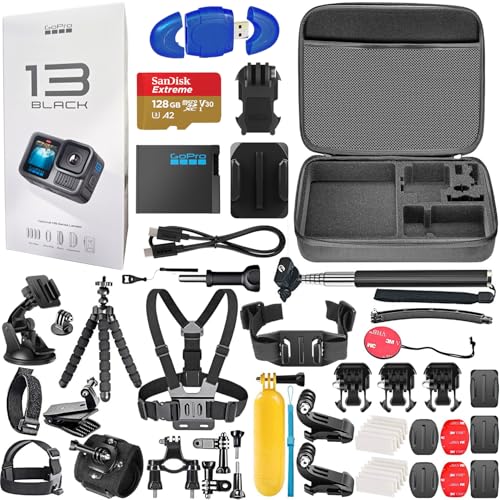
- GoPro HERO13 Black: check price on Amazon
- DJI Osmo Action 5 Pro: check price on Amazon
- OM SYSTEM Tough TG-7: check price on Amazon
- DJI Osmo Pocket 3: check price on Amazon
- Insta360 X4: check price on Amazon
- Sony Alpha 7 IV: check price on Amazon
Match the pick to the event’s physics. Events you participate in — the race, the ride, the swim — belong to the wearable action cameras. Events you attend — the fete, the match, the carnival — belong to the TG-7’s pocketable toughness or the Pocket 3’s glide. Events you are hired, or volunteered, to document properly belong to the Alpha 7 IV, with the X4 as the crowd’s own eye when one position must see everything. The verdicts keep those lanes honest.
One discipline runs through the guide: the outdoor event will not repeat itself for your convenience. The finish-line embrace, the goal, the gust that takes the marquee — the camera that is charged, present and instant is the camera that gets them, and every pick here was chosen for readiness as much as for quality.
Key Takeaways
- The GoPro HERO13 is the participant’s event camera: waterproof, stabilised, mounted anywhere.
- DJI’s Action 5 Pro owns the dawn starts and evening finishes with its low-light strength.
- The OM SYSTEM Tough TG-7 is the spectator’s insurance against any forecast.
- The Pocket 3 films the event’s story — arrivals, atmosphere, the walk through — with cinema calm.
- The Insta360 X4 captures the whole scene from one position and reframes it later.
- Sony’s Alpha 7 IV is the official photographer’s event body: focus, files and stamina.
In this guide
Quick Picks
| Camera | Badge | Why it is here |
|---|---|---|
| GoPro HERO13 Black | Best for participating | Wear it, mount it, swim with it — the event from inside the event. |
| DJI Osmo Action 5 Pro | Best for low-light events | A bigger action sensor for dawn races, night markets and fireworks finales. |
| OM SYSTEM Tough TG-7 | Best for any weather | Waterproof, freeze-proof and pocketable; the forecast stops mattering. |
| DJI Osmo Pocket 3 | Best for event stories | Gimbal-smooth films of the day as it felt, faces tracked throughout. |
| Insta360 X4 | Best for crowds | One position captures every direction; choose the angles in the edit. |
| Sony Alpha 7 IV | Best for official coverage | Professional stills and film for the events that will be published and printed. |
How did we judge cameras for days that cannot be rescheduled?
Readiness first: power-on speed, battery honesty across a long day, and controls that work with cold, wet or gloved hands. An outdoor event’s decisive moments queue for nobody, and a camera that needs waking, pairing or sheltering has already missed the photograph that justified its purchase. Weather resistance was scored as a readiness feature, not a luxury — the difference between shooting through the shower and watching the event’s best light from under a gazebo.
Focus on moving people came second. Parades, races, matches and crowds are faces in motion at unpredictable distances, so subject and eye detection, burst manners and exposure that tracks changing light all counted heavily. The Alpha 7 IV leads that class professionally; the action cameras answer it with depth of field and width; the Pocket 3 with tracking; each pick’s verdict names its method honestly.
Finally, the whole-day test: cards, batteries, carry, and the footage’s destination — the club’s page, the family’s album, the local paper, the sponsor’s report. Outdoor events generate archives that communities live on for years, and the cameras here were chosen to make those archives complete rather than merely possible.

GoPro HERO13 Black — Best for participating
The HERO13 photographs the events you are in. Chest-mounted for the marathon, bar-mounted for the sportive, in hand for the beach games, waterproof for the swim and the colour run’s aftermath — it records the participant’s truth with stabilisation that turns chaos into watchable film and a lens wide enough to hold the scene and your place in it. Its higher-resolution capture lets the edit crop a vertical for the club’s socials without losing the moment’s quality.
Event participants value its thoughtlessness: one button, no settings anxiety, a body that treats being dropped in the mud as a filming condition. The footage’s destination is the memory and the share — the finish line from the finisher’s chest, the summit from the climber’s helmet — perspectives no spectator camera can buy at any price.
Its limits are the spectator’s virtues: it will not isolate the distant winner with a telephoto’s intimacy, and dusk softens it sooner than the DJI rival. As the camera of the person inside the event, though, it remains the reference — the reason a generation’s personal archives look like films instead of evidence.
- Video: up to 5.3K with elite stabilisation
- Body: waterproof without a housing
- Mounts: the deepest accessory system available
- Start: single-button instant recording
Strengths
- The event from the participant’s eyes
- Survives weather, water and drops
- Footage that edits into films, not clips
Trade-offs
- No telephoto intimacy for distant action
- Dusk is its weaker hour
- Ultra-wide look is a strong flavour
Best for: races, rides, swims and adventure events. Not suited for: official coverage from the sidelines.

DJI Osmo Action 5 Pro — Best for low-light events
Outdoor events bookend the day — the dawn start, the evening final, the fireworks that close the fete — and the Action 5 Pro is the action camera built for those bookends. Its larger sensor holds colour and detail in the dim hours where its rivals dissolve, its subject tracking keeps a runner or a performer framed hands-free, and its endurance suits events that run from first light to the finale’s last rocket.
For the spectator-participant hybrid — the parent filming a child’s evening match, the volunteer capturing the night ride — it offers the action format’s toughness with a low-light conscience, plus a front screen for the presenter pieces that event coverage increasingly demands. Its footage grades willingly, which matters when the event’s film must match a channel’s look.
It shares the action format’s fixed wide view and small-sensor physics at the extremes, and its ecosystem is younger than GoPro’s. For events that live at the day’s edges, though, it is currently the small camera to beat — the one whose footage of the finale still looks like the finale felt.
- Sensor: larger 1/1.3-inch class
- Video: 4K with subject tracking
- Screens: front and rear displays
- Endurance: long battery life for the class
Strengths
- Dawn and dusk events stay detailed
- Tracking for solo coverage
- Grades well for channels and clubs
Trade-offs
- Fixed wide perspective
- Ecosystem still maturing
- Not a telephoto or stills specialist
Best for: dawn races, evening matches, night festivals. Not suited for: distant sideline coverage.

OM SYSTEM Tough TG-7 — Best for any weather
The TG-7 is the camera the forecast cannot intimidate. Waterproof, freeze-proof, shockproof and small enough for a coat pocket, it attends the fete in the downpour, the winter match in the sleet and the beach games in the spray, producing bright, honest photographs while delicate cameras shelter. For the family recorder and the club volunteer — the people who actually document most outdoor events — that indifference to weather is worth more than any specification in this guide.
Its talents suit the event’s small print too: a macro mode for the prize marrow and the rosette’s detail, GPS logging for the sponsored walk’s route, controls that work in gloves at the January fixture. Its video is serviceable and its stills are cheerful, and both arrive from places — the touchline in the rain, the kayak at the regatta — where it was the only camera present.
The sensor’s size caps its ambition: night finales soften, big prints stretch it, and the professional’s crowd work belongs to the Sony. As the event camera that is simply always there, in every weather, it has no peer here — and outdoor events are, above all, a test of being there.
- Body: waterproof, freeze-proof, shockproof
- Modes: macro for the event’s details
- Logging: GPS for routes and places
- Controls: glove-friendly
Strengths
- Weather stops being a decision
- Pocketable enough for every event
- Details and routes documented too
Trade-offs
- Night events soften sooner
- Small sensor limits big prints
- No interchangeable lenses
Best for: families, clubs and all-weather volunteers. Not suited for: professional publication at large sizes.

DJI Osmo Pocket 3 — Best for event stories
Events are stories with a beginning (the gates, the bunting, the first arrivals), a middle (the races, the stalls, the music) and an end (the prizes, the dusk, the fireworks) — and the Pocket 3 is the camera that films stories. Its gimbal walks the fairground like a dolly, its face tracking keeps the interview with the champion marrow-grower framed while both your hands hold the microphone and the programme, and its 1-inch sensor renders the golden last hour the way memory will insist it looked.
For organisers and community film-makers it has become the default: unobtrusive enough that people behave like themselves, quick enough to catch the unrepeatable, and vertical-ready for the social cuts that now carry an event’s fame to next year’s crowd. Its stills cover the newsletter; its films cover the heart.
Weather and rough handling are its limits — a gimbal wants a case and a dry pocket when the storm arrives — and distant action needs a longer lens than it owns. As the event’s storyteller, moving through the day at walking pace, it is the most watchable camera in this guide.
- Sensor: 1-inch on a three-axis gimbal
- Video: 4K with face tracking
- Screen: rotates for vertical stories
- Carry: pocket-sized, instant start
Strengths
- The event film that feels like being there
- Interviews framed by the camera itself
- Unobtrusive among crowds
Trade-offs
- Rain needs shelter and care
- No reach for distant action
- Gimbal fragility in rough crowds
Best for: organisers, community film-makers, family historians. Not suited for: storms and sideline telephoto work.

Insta360 X4 — Best for crowds
The X4 solves the event photographer’s oldest heartbreak: the moment that happened behind you. Its twin lenses record the entire sphere in 8K — the parade approaching and the crowd’s reaction, the stage and the sea of faces, the finish line and the family screaming at it — from one position, on one pole, while the operator watches the event with human eyes. The angles are chosen later, in the edit, where the day can be re-lived and re-framed into films, verticals and stills.
For organisers it is a coverage multiplier: one X4 on a discreet pole at the main arena produces the crowd film, the atmosphere cut and the sponsor’s sizzle from a single recording, and its invisible-stick mounting floats the camera through processions like a drone that never leaves the ground. Crowd events — festivals, carnivals, rallies, matches’ fan zones — are its native parish.
The costs are workflow and light: reframing is editing time, and evening crowds soften sooner than the big-sensor picks. As the event’s omnipresent eye, though, it captures what no other single camera can — everything, once, from where you stood — and for the events whose scale defeats a single viewpoint, that is the whole argument.
- Capture: 8K 360-degree video
- Reframing: angles chosen after the event
- Mounting: invisible selfie-stick effect
- Modes: single-lens action camera fallback
Strengths
- Nothing at the event escapes it
- One recording, many films
- Crowd scale from a single position
Trade-offs
- Reframing costs edit time
- Low light softens earlier
- Not a portrait or telephoto tool
Best for: festivals, carnivals, rallies and crowd scenes. Not suited for: intimate event portraiture.

Sony Alpha 7 IV — Best for official coverage
When the event has an official record — the county show’s archive, the tournament’s press file, the festival’s sponsor report — the Alpha 7 IV is the body that produces it. Full-frame files for print and publication, eye autofocus that holds a moving winner’s face through the crowd’s chaos, a lens library from the wide establishing shot to the telephoto that isolates the champion from the far side of the arena, and video that covers the film the organisers will commission next year. It is the professional’s event instrument, complete.
Its working virtues are the unglamorous ones events reward: dual-purpose competence across a twelve-hour day, customisable controls that become reflexes, weather-sealed company among lenses that share its indifference to a shower, and files every picture desk already knows how to receive. The official photographer is invisible when the kit works; this kit works.
It is also the heaviest, costliest and most demanding pick here, and for the family fete it is a sledgehammer at a picnic. Events, though, are where reputations and archives are made — and where the event matters beyond the day, this is the camera that honours it.
- Sensor: full-frame, high-resolution class
- Autofocus: real-time eye detection
- Mount: Sony E, wide to telephoto
- Video: professional 4K for event films
Strengths
- Publication-grade stills and film
- Focus that survives crowd chaos
- A lens for every event distance
Trade-offs
- Weight and cost for casual events
- Needs care in the worst weather
- Demands an operator’s skill
Best for: official, press and sponsor coverage. Not suited for: participating in the event.
How do you prepare for an event you cannot repeat?
Like a pilot: checklist, spares, rehearsal of the failures. Batteries charged and counted, cards formatted in camera, the weather read and dressed for, the event’s timetable studied for its decisive moments — the finish, the final, the fireworks’ first shell — and a position chosen for each before the crowd makes choosing impossible. Scout the ground if it is new: where the light falls at the final’s hour, where the crowd will surge, where you may stand. Outdoor events reward the prepared with a calm no talent can imitate, because the day itself supplies all the improvisation anyone needs.
What settings serve a whole day of changing light?
Automation you trust, supervised. Aperture priority with a floor under the shutter speed for moving subjects, auto sensitivity with a ceiling your sensor tolerates, continuous autofocus with subject detection, and exposure compensation on a dial your thumb knows — that quartet carries a camera from dawn’s gold through noon’s glare to the floodlit final without a menu visit. The picks here all support it at their levels. Set it at the gate, review the first frames at full size, and then spend the day watching the event instead of the camera.
How do you photograph people who are moving?
Track, burst and forgive. Continuous autofocus with the subject-detection engaged, short bursts at the decisive gestures rather than machine-gun hope, and a shutter speed chosen for the story — frozen for the finish line’s fact, slower with a pan for the race’s feeling. Faces matter most: the eye detection in the Sony and the tracking in the DJI pair exist because an event’s meaning lives in its expressions. Review for the frame where the gesture and the face agree; it is rarer than the beginners expect and more common than the pessimists fear.
What is the crowd photograph’s secret?
Height and patience. A small elevation — the stand’s steps, the wall, the organisers’ platform by permission — turns a crowd from a wall of heads into a pattern of faces, and waiting for the crowd’s own moment (the roar, the laugh, the Mexican wave’s arrival) turns the pattern into a story. The X4 cheats the height problem by seeing everything; the rest of the guide climbs. Either way, photograph the crowd as the event’s second subject, because for the community’s memory, the crowd is the event.
How do you handle the event’s weather, whatever it does?
Dress the camera as you dress yourself, and keep shooting the weather as content. Rain makes colours saturate and crowds huddle into stories; wind gives flags, hair and marquees their drama; the storm’s edge gives light no studio rents. The tough picks work through it natively, the gimbal and the Sony want shelter and a cloth, and every camera wants its lens wiped more often than pride suggests. The events people remember are disproportionately the weather-beaten ones — be the photographer who stayed.
What should the event film include besides the action?
The connective tissue: arrivals and queues, the volunteer’s hands, the food stalls’ steam, the old hands meeting, the children asleep on shoulders at the end. Action is the event’s headline; atmosphere is its memory, and the Pocket 3’s walking grammar was made for gathering it between the set pieces. Organisers renew events on the strength of atmosphere films, because atmosphere is what the absent majority missed and what next year’s crowd is buying. Shoot the day as a place being happy, and the action will take care of its own legend.
How do you cover an event alone?
By positions, not by running. Choose the two or three stations the day’s story passes through — the start, the heart, the finish — and work them in the timetable’s order, letting the X4 hold one station’s fort while you work another. A solo operator who runs everywhere films everything breathlessly and nothing well; a solo operator who holds positions with patience owns the day’s decisive geography. The small cameras multiply a solo operator honestly: one planted, one carried, one in reserve against the weather’s opinion.
What are the ethics of photographing other people’s events?
Be visible, be kind, and know the event’s own rules. Public events carry a reasonable expectation of cameras, and organisers’ signage usually says so; children, distress and private grief redraw the line instantly, and the photographer who respects it is welcomed back. Offer the good frames to the organisers and the subjects — the community archive grows by generosity, and so does the photographer’s access. The cameras here are unobtrusive enough to be polite; the politeness itself remains the operator’s department.
How do you deliver event photographs while they still matter?
Same evening, selected hard. An event’s photographs have a half-life measured in hours — the community wants to re-live the day tonight, not next week — so the professional workflow is a ruthless edit of the best frames, lightly finished, delivered through the channels the organisers actually use, with the full archive following within days. The cameras’ clean straight-from-camera colour (the TG-7’s cheerfulness, the Sony’s discipline) serves the deadline; the photographer’s culling serves the audience. Shoot for the evening’s edit all day: fewer, better, ready.
What does the night finale demand?
Sensitivity, steadiness and a position chosen before dark. Fireworks, floodlit finals and lantern parades punish small sensors and reward the prepared: the Action 5 Pro among the small bodies, the Alpha 7 IV outright, a tripod or a braced position, and exposure set for the highlights that must not blow. Scout the finale’s viewpoint during daylight, because the crowd will own every good spot by the time the sky does. The finale is the event’s signature image; treat its planning with the seriousness of a signature.
How do you photograph a parade or carnival?
Pick your corner and let the parade perform. A bend in the route gives you faces turning toward you and depth behind them; a slight elevation cleans the background into sky and bunting. The procession’s grammar is repetition with variation — every float, band and troupe passes the same point differently — so hold the position, work the light as it changes, and let the event edit itself in front of you. The Pocket 3 walks the route’s story before the start; the X4 owns the crowd’s reaction at the square; the Sony isolates the portraits the local paper will print.
What is the sports day and athletics brief?
Finish lines and faces. The race itself is a few seconds of geometry — position at the line, focus pre-set on the ground the winner will cross, burst held with discipline — while the day’s emotional archive is the waiting, the warm-ups, the parents’ fence-line, the medal’s disbelief. The action cameras ride with the participants where rules allow; the TG-7 covers the family album from the touchline’s weather; the Sony serves the official record. Photograph the anticipation as seriously as the result and your sports day set will be the one the school keeps.
How do you film a festival’s music?
Close for the hands, wide for the belonging. Stage sound defeats camera microphones at distance, so the film-maker’s music coverage is visual: the fiddler’s fingers, the drummer’s joy, the crowd becoming one organism in the wide shot. The Pocket 3’s glide through a dancing crowd and the X4’s spherical witness are the festival film’s grammar; the action cameras join from the participants’ shoulders. Where the event permits a feed from the desk, take it — music films live or die on their audio, and the honest guide says so even in a camera article.
What should a volunteer’s event kit contain?
The camera, its power for a day and a half, a cloth, a notebook, and the organiser’s phone number. The volunteer photographer is the community’s memory department, and the kit’s virtue is reliability over reach — the TG-7 or the Pocket 3, a spare card, a pocket for the programme with its timetable of decisive moments. Add a hi-vis where the event provides one and the crowd will make way for the record. Communities run on such volunteers; their archives are the local history, kept in shoeboxes that became hard drives.
How do you photograph fireworks and night finales?
Tripod, patience and the crowd in the frame. The sky’s performance is only half the photograph; the upturned faces below are the event’s signature, so compose for both — a position with the crowd’s silhouettes in the foreground and the bursting sky above. Longer exposures paint the fireworks’ trails; the Action 5 Pro and the Sony hold the handheld versions with the most grace. Set up before dark, focus while there is still light to focus by, and then put the camera down for the last shell and watch one with your own eyes. Some of the finale belongs to the photographer.
What is the agricultural show and county fair brief?
Animals, patience and mud. Livestock photograph like royalty and behave like weather — the official camera needs the Sony’s focus discipline and a lens that keeps a respectful distance, while the TG-7 handles the pens’ close world and whatever the sky delivers. The show’s story is the year’s work judged in a day: the preparation at dawn, the ring’s theatre, the rosette’s pride. Arrive for the preparation, because the show’s heart is backstage, and the community’s archive will thank you for the parts the crowd never saw.
How do you cover a charity run or sponsored walk?
At the emotional coordinates: the start’s nerves, the hill’s honesty, the finish’s release. Position for the finish first — it is the image every participant’s family wants — then work backward through the day as time allows. The participants’ own action cameras supply the inside story; the official and family cameras owe the outside one: faces at the line, medals, embraces, the total on the board. Deliver fast and tag generously, because charity events multiply their fundraising through shared photographs, and your archive is part of the cause.
What does the beach and water event demand?
Sand discipline and salt honesty. Sand is the camera world’s grit and salt its slow poison, so the waterproof picks own this parish outright — the HERO13 in the surf, the TG-7 on the towel, the Action 5 Pro at the evening swim. Keep the delicate bodies for the promenade, change nothing with sandy hands, and rinse the tough cameras in fresh water at the day’s end as their makers instruct. Water events produce the year’s most joyful archives precisely because most cameras stayed home; be the one that went in.
How do you photograph in harsh midday sun?
Expose for the faces and let the sky be bright. Midday is the event photographer’s assigned hour whether it flatters or not, so the craft is mitigation: shade for portraits wherever a marquee’s edge provides it, hats forgiven, exposure compensation watching the highlights, and the cameras’ dynamic range — the Sony’s above all — holding the contrast the hour insists on. Fill flash has its professionals’ place; for most, positioning the subject with the sun behind a shoulder and the face in open shade rescues more frames than any setting. The event will not move to golden hour for you; meet it where it lives.
What is the event archive’s long-term value?
It becomes the community’s memory of itself. The fete’s fortieth year is celebrated with the photographs of its tenth; the club’s centenary book is built from volunteers’ hard drives; the family’s wall is the finish line of a race a decade gone. Photograph outdoor events as an archivist, not merely as a spectator — names, dates, the whole day’s texture — and store the files like the local history they are. Each pick in this guide is good enough for that duty, which is the highest duty a community camera can be given.
How do you improve as an event photographer?
Shoot the same event next year, and compare without mercy. The annual fixture is the genre’s masterclass: same light, same geography, your own previous archive as the tutor. Notice where you stood, what you missed, which camera behaviour cost you the moment — and let the comparison set one intention for the year: a position claimed earlier, a spare battery’s discipline, the atmosphere gathered as faithfully as the action. Event photography compounds like the communities it serves, one kept appointment at a time.
How do you photograph children at outdoor events?
At their height, with their adults’ blessing, and in the middle of their joy rather than at its edges. Kneel for the sack race, sit for the picnic, let the camera be a fellow guest instead of a hovering official — children’s event photographs live on unselfconsciousness, which evaporates under a standing adult’s lens. The TG-7’s toughness suits the splash zone of their games; the Pocket 3’s tracking follows a small dancer without a cameraman’s choreography. Follow the event’s own safeguarding norms absolutely, share through the organisers’ channels, and delete with generosity. The community’s trust is the child photographer’s real credential.
What is the food and market event’s brief?
Steam, colour and hands. Markets and food festivals photograph through their details — the stallholder’s practised hands, the produce’s impossible colours, the queue’s anticipation — interleaved with the wide shots that prove the crowd came. The TG-7’s macro and the Pocket 3’s glide divide the detail work; the Sony covers the official story. Eat after the golden light, photograph before it, and ask before the close portrait of a stallholder’s work — the asked permission produces the better photograph nine times in ten, because the subject joins the conspiracy.
How do you handle backlight at evening events?
Choose whether the subject is a silhouette or a face, and commit. The evening event’s glory — crowds rimmed in gold, the stage against the sunset — tempts cameras into a muddled middle where faces are grey and skies are white. Expose for the sky and embrace the silhouettes for the wide shots; move in, shade the lens, and expose for the face for the portraits. The dynamic range of the Sony and the Action 5 Pro’s sensor forgive more indecision than most, but the committed frame always beats the rescued one. Decide per shot, out loud if it helps.
What role does video play beside stills at modern events?
The roles have merged, and the cameras here are the merger’s instruments. The organiser wants the photograph for the record and the film for the invitation — next year’s crowd is recruited by this year’s atmosphere — and a single operator now supplies both, switching modes as the day turns. The hybrid bodies were chosen for exactly this double duty, and the small cameras specialise in the half the big body is not doing. Plan the day in both media from the timetable up, and the event’s coverage stops being two jobs competing and becomes one story told twice.
How do you protect your kit in a crowd?
Keep it on your body, under your attention, and insured like the tools they are. A strap that cannot slip, a bag that closes, the camera in hand or against the chest rather than dangling at the hip in a dense crowd — the disciplines are dull and total. Weather covers double as crowd covers, spares live in inside pockets, and the day’s cards, once full, leave the camera for a pocket on your person rather than the bag’s outer sleeve. Events concentrate joy and opportunism in the same fields; the prepared photographer enjoys the first and declines the second.
What is the photographer’s relationship with the organisers?
An alliance, renewed annually. The organiser who is asked early — where may I stand, what must the record include, whom do I deliver to — becomes the photographer’s access, timetable and champion; the photographer who delivers fast, shares generously and credits the volunteers becomes the event’s institution. Most outdoor events are run by the same exhausted saints every year, and the camera that serves their memory becomes part of the event’s furniture. Be that camera’s operator, and the best positions in the county will quietly be kept for you.
How do you know an event photograph will last?
It contains a face, a place and a feeling that identify each other. The pure action shot dates with the kit and the hairstyles; the photograph of a known face in a known field at the moment the day peaked becomes the community’s shorthand for the event itself. Shoot for that triangle when the day offers it — it offers it oftener than the schedule suggests, usually at the edges: the warm-up, the wait, the walk home in the last light. The cameras here can all recognise it. The photographer must be looking up when it happens.
What is the journey home part of event photography?
The edit begins there, in the head, while the day is still warm: the three frames you already know, the film’s shape, the gaps you will admit to. Resist reviewing on the camera’s screen in the car park’s bad light and deleting in fatigue — culling belongs to the desk, the big screen and the evening’s honesty. Back the cards up before the kettle, because the archive’s most dangerous hour is the one between the event and the copy. Then edit hard, deliver fast, and let the community re-live its day while it is still, just, today.
Why do outdoor events make photographers?
Because they teach everything, annually, in public: light that will not wait, people who will not pose, weather that will not consult you, and a community that will tell you kindly whether the record served. A photographer formed by a decade of fetes, fixtures and festivals can walk into any assignment in this entire series of guides — portraits, products, even films — carrying reflexes the studio never teaches. Bring the camera that survives the apprenticeship, from this list or any honest one, and keep the appointments. The events will do the rest.
What is the winter event’s special demand?
Batteries and fingers. Cold halves a battery’s patience and slows the photographer’s hands to the speed of the gloves the cameras must forgive — the TG-7 was practically designed in a January, and its controls remain the guide’s winter benchmark. Keep spares warm against your body, rotate them like the professionals do, and plan the shooting around the light’s brevity: winter events live in a golden afternoon that ends at four. The archives of winter fixtures — breath, frost, floodlights against a navy sky — are among the most loved in any club’s collection, earned by the photographers who dressed for them.
How do you photograph the same event for the tenth year?
By assigning yourself the photograph you have never taken. The tenth fete cannot be covered by the first fete’s habits without the archive going stale, so veterans set a brief: this year the volunteers only, this year the dawn setup, this year the view from the tower, this year the Pocket 3 never leaves the children’s games. The constraint renews the eye the way a new camera falsely promises to. Communities deserve the renewal — their event is not the same event, and the record should notice.
What is the smallest event kit that still honours the day?
One ready camera, one day’s power, one cloth, and your whole attention. The TG-7 in a coat pocket has honoured more village events than many a car boot of equipment, because honouring an event is a function of presence and seeing rather than of inventory. Add the second camera when the day has two geographies at once; add the big body when the record must be printed. Until then, the small kit’s freedom — to move, to join, to stay to the end — is itself a photographic advantage, and the archive it produces smells of the day rather than of the car park.
What do you owe the event when it is over?
The photographs, promptly, and the thanks, personally. Deliver while the day is warm, credit the organisers and the volunteers in the sharing, and offer the archive’s best to the people whose faces made it — the champion, the retiring steward, the child whose race it was. Outdoor events are a community lending the photographer its best day; the photographs are the interest on the loan. Pay it gladly and in full, and next year’s gate will open a little wider when you arrive, camera ready, at the hour the light is kind.
How do you start an event day?
Before the event does. Arrive while the bunting is still being tied and the marshals are still drinking tea, because the setup is the story’s first chapter and the light will never be this empty again. Photograph the ground becoming an event — the lines painted, the stalls rising, the first families at the gate — and the archive gains the before that makes its during meaningful. The cameras here start as fast as you do; the discipline of the early arrival is the photographer’s own, and it is the cheapest production value in the entire event calendar.
What is the sound of an event film?
The event itself, recorded honestly. Crowd murmur, the band’s distance, the starter’s whistle, the rain on the marquee — an event film’s audio is its documentary soul, and even a camera article must insist the microphones be thought about: close for interviews, protected from wind, allowed to gather atmosphere in deliberate pockets of recording where nobody speaks. The films communities re-watch are the ones that sound like the day. Shoot the silences between the action as carefully as the action, because that is where the sound lives.
How do you say goodbye to an event you have covered for years?
Hand the archive over whole. When the volunteer’s knees or the professional’s career finally retire them from a fixture, the photographs stay with the community — copied, labelled, delivered to the organisers with the names and dates a stranger would need. It is the last discipline in this guide and the one that turns a hobby into a legacy. The cameras will be replaced; the record, properly handed over, becomes permanent. Cover your events as if you will one day give them away, because you will, and it will be the best day’s work of all.
What is the one frame every event deserves?
The wide one, taken at the day’s peak, from the best height you can honestly reach — the frame that says all of this happened, at once, in this place, under this sky. It is the archive’s anchor and the organisers’ poster, and it is embarrassingly easy to forget in the rush of details and finishes. Schedule it like an appointment: when the crowd is fullest and the light is kindest, stop, climb, and take the parish portrait. Every camera in this guide can make it, from the X4’s sphere to the TG-7 on a wall. Make it, and the day is never lost.
Comparison: all six picks at a glance
| Camera | Form | Character | Choose it if… |
|---|---|---|---|
| GoPro HERO13 Black | Action camera | The participant | You are in the event |
| DJI Osmo Action 5 Pro | Action camera | The edge-of-day specialist | Your events start dawn and end dark |
| OM SYSTEM Tough TG-7 | Tough compact | The all-weather friend | The forecast is always wrong |
| DJI Osmo Pocket 3 | Pocket gimbal | The storyteller | The event deserves a film |
| Insta360 X4 | 360 camera | The omnipresent eye | Crowds defeat single viewpoints |
| Sony Alpha 7 IV | Full-frame mirrorless | The official record | The event will be published and kept |
What are the most common mistakes at outdoor events?
Arriving with one battery and optimism
Events run longer than their programmes and colder than their forecasts, and both facts eat batteries. The camera that dies at the finale has not had bad luck; it has had bad logistics. Carry power for the day and a half, keep spares warm in winter, and treat the battery gauge as the event’s second timetable. Every pick here rewards the discipline equally, because readiness was the first criterion they were chosen by.
Standing where the crowd put you
The spectator’s position gives the spectator’s photograph — the backs of nearer heads, the action at postcard distance. Event photography is positional: arrive early for the finish line’s angle, ask the organisers for the photographer’s spot, climb the permitted height for the crowd. Ten minutes of positioning outperforms any lens in this guide, and it is free to everyone who plans it before the gates open.
Shooting only the action
An archive of nothing but races and goals reads like a results service; the event itself — its weather, its faces, its food, its volunteers — evaporates. Divide the day deliberately: action for the record, atmosphere for the memory, people for the heart. The community that re-lives the event through your photographs is judging the whole day, and the cameras here were chosen to cover all of it, not merely its loudest minutes.
Final Recommendation
Decide your relationship to the event. Participants should wear the HERO13, or the Action 5 Pro when the hours are dark. Spectators and volunteers should pocket the TG-7 and stop reading forecasts. Storytellers should carry the Pocket 3, crowd-keepers the X4, and official photographers the Alpha 7 IV with the lenses the day demands. Then prepare like a pilot — power, cards, positions, weather — and spend the event itself watching, because the decisive moment will not wait while you consult a menu. Outdoor events are life’s unrepeatable afternoons; bring the camera that treats them that way.
Finally, a word about the photographer these events deserve. The best event camera in this guide will spend its life in the hands of someone who arrived early, stayed late, wiped the lens in the rain and delivered before midnight — and it is that person, far more than any sensor, whom the community will remember as the record’s author. Choose the camera that fits your hand and your weather, then become the person it deserves. The events are already on the calendar.
Related guides
Frequently Asked Questions
What is the best all-round camera for family outdoor events?
The TG-7, for most families: it survives the weather and the beach bag, starts instantly, photographs the children’s races and the prize vegetables with equal cheer, and films enough video for the family’s archive. Families who film more than they photograph should take the Pocket 3 instead. Either will be present at ten times as many events as a delicate camera, which is the statistic that decides family archives.
Can one camera cover a whole festival?
One camera can cover a festival’s story honestly — the Pocket 3 for film-led coverage, the Alpha 7 IV for publication-led — but crowds reward a second viewpoint, which is why the X4 exists in this guide. A solo operator with a carried camera and a planted 360 covers a festival’s geography more completely than a crew of two with identical bodies. Think in viewpoints, not in cameras.
How do I photograph a race I am also running in?
Wear the camera and forget it: chest or head mounting on the HERO13 or Action 5 Pro, started before the start, with the widest view and the stabilisation doing the remembering. Your footage will be the race as it felt — the crowd’s noise, the hill’s length, the finish’s relief — which no sideline photograph can give you. Set it, run your race, and let the edit find the story afterwards.
What if it rains on the event day?
Then you get the photographs the fair-weather photographers missed — if your camera can stay out. The TG-7, HERO13 and Action 5 Pro work through rain natively; the Pocket 3 and the Sony want shelter, a cloth and a position under cover with a view. Dress yourself as seriously as the camera, keep the lens wiped, and remember that rain saturates colours and empties the casual competition. Some of the finest event archives in any community were shot in weather the crowd still talks about.
How many photos should I take at an event?
Enough to tell the day’s story and no more than you can edit that evening. Bursts at the decisive moments, singles for the atmosphere, discipline everywhere else — a few hundred considered frames beat a few thousand hopeful ones, because the archive’s value is set at the edit, and the edit is set by your stamina. Shoot like the person who must cull it tonight, because that person is you.
Related Guides
Keep exploring with our companion reading: best cameras for recording events and celebrations, best action cameras for outdoor adventures and best cameras for travel and festivals.


