reviewstook.com is reader-supported. When you buy through links on our site, we may earn an affiliate commission.
Where to buy
Events share one brutal property: they happen once, in real time, indifferent to your battery level. The best cameras for recording events are therefore not the cameras with the prettiest footage but the ones still recording — in focus, in exposure, with sound — at the moment the vows crack, the keynote lands or the encore begins. This guide covers the whole event landscape a working camera actually meets: weddings, conferences, school performances, community celebrations and the livestreamed hybrid of all four, and it ranks reliability alongside image quality in every verdict, because an event camera’s first specification is trustworthiness.
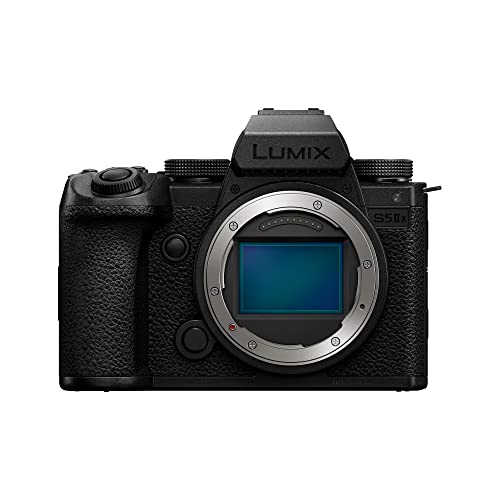
- Panasonic LUMIX S5IIX: check price on Amazon
- Sony Alpha 7 IV: check price on Amazon
- Canon EOS R6 Mark III: check price on Amazon
- DJI Osmo Pocket 3: check price on Amazon
- OBSBOT Tiny 2: check price on Amazon
- Insta360 X4: check price on Amazon
Picture the working situations honestly. A wedding videographer is a guest with a job, moving through other people’s happiest day without becoming part of its story. A conference recorder is furniture with a lens, expected to capture six hours of talks and produce files an organiser can publish by Monday. A parent at a school concert is an archivist in a folding chair, filming a violin at forty metres through a forest of phones. Each situation punishes a different weakness — heat, light, distance, sound — and the six picks below were chosen so that every one of those situations has a camera that treats it as home ground.
The kit logic is layered. Two full-frame hybrids anchor the professional end, where long recording, serious audio inputs and low-light grace decide contracts. A flagship Canon covers the event that must also be beautiful. Then three specialists widen the net: a gimbal camera for the moving, mingling coverage no tripod can make; an AI-tracking webcam that turns a lecture or ceremony into a tracked broadcast from a tabletop; and a 360 camera that records the whole room and lets the edit choose the angle after the moment has passed. Events reward redundancy, and this guide is built like it.
Key Takeaways
- Event recording is a reliability contest first: heat management, recording limits and audio inputs outrank headline resolution.
- The Panasonic LUMIX S5IIX is the professional event workhorse — built for long takes, streaming and serious sound.
- Always run a second angle or a second recorder; the unrepeatable moment does not accept apologies.
- The DJI Osmo Pocket 3 covers the moving, social half of an event that tripod cameras cannot reach.
- The OBSBOT Tiny 2 turns lectures and panels into tracked broadcasts with no camera operator at all.
- Audio decides whether event footage is watchable: budget for microphones and a backup recorder before a second lens.
In this guide
Quick Picks
| Camera | Badge | Why it is here |
|---|---|---|
| Panasonic LUMIX S5IIX | Best professional event camera | Long-form video pedigree, streaming features and stabilisation for all-day handheld work. |
| Sony Alpha 7 IV | Best all-round hybrid | Autofocus you can trust with a once-only moment, in a lens system built for events. |
| Canon EOS R6 Mark III | Best for beautiful events | Flagship colour and subject detection for weddings and performances that must glow. |
| DJI Osmo Pocket 3 | Best roaming camera | Gimbal-smooth mingling footage and reactions from a device no guest notices. |
| OBSBOT Tiny 2 | Best unattended speaker camera | AI tracking follows a lecturer or celebrant so nobody has to operate it. |
| Insta360 X4 | Best whole-room insurance | Captures every direction at once; choose the angle in the edit, miss nothing live. |
How did we evaluate cameras for one-chance recording?
By staging the failures events actually produce. Each candidate faced a long continuous take in a warm room, to learn its thermal manners. Each faced a procession — subjects moving toward, past and away from the lens under mixed light — to test whether autofocus could be trusted with a moment that would not repeat. Each recorded a speaker at distance through a hall’s own sound, and each was asked to start, from a bag, in the time a best man’s speech allows between the chair scrape and the first line. Cameras that needed nursing were marked down no matter how lovely their best frame was.
Audio architecture carried unusual weight in the scoring. An event camera is half a sound recorder: microphone inputs, headphone monitoring, and the ability to take a feed from a venue’s desk separate the professional tools from the talented amateurs more reliably than any video specification. Recording media mattered similarly — dual slots and relay recording are insurance written in hardware. Finally, discretion was scored as a feature. The camera that changes the event by its presence has failed the event, whatever it records.
Stills were treated as a supporting duty: the hybrid bodies here all photograph an event handsomely between film clips, and for many working shooters that dual role is the business model. But the rankings are film-first, because the keyword is recording, and because a missed still is a gap while a missed vow is a catastrophe. The verdicts keep that hierarchy visible throughout.

Panasonic LUMIX S5IIX — Best professional event camera
The S5IIX is what happens when a camera is designed by people who record events for a living. Its video specification runs deep where events need depth — long-form recording with active cooling manners, direct streaming capability, professional audio options, and codecs that suit both fast turnarounds and careful grades. Panasonic’s stabilisation keeps a handheld ceremony shot calm through a photographer’s shifting weight, and the phase-hybrid autofocus, the feature that completed this camera line’s transformation, holds a moving subject with the confidence a once-only moment demands. It is the body working event shooters reach for when the client is paying and the day cannot be reshot.
Its personality is professional rather than glamorous. The menus assume a user who configures deliberately; the L-mount lens range is strong and sensibly priced without matching the two bigger systems’ sprawl; and its stills, while excellent, play second chair to its film craft in a way the Sony reverses. For the shooter whose income is ceremonies, conferences and performances, those are the right priorities in the right order. The S5IIX does not try to be the family’s camera. It is the event’s camera, and on a twelve-hour wedding day that focus is a form of reliability in itself.
- Sensor: full-frame, roughly 24 megapixels
- Video: long-form, streaming-ready specification
- Stabilisation: strong in-body system
- Audio: professional input and monitoring options
Strengths
- Built for hours-long recording days
- Streaming and audio features events demand
- Handheld ceremony footage stays calm
Trade-offs
- Menus assume a deliberate professional
- Lens range trails Canon and Sony sprawl
- Stills play second to its film craft
Best for: working wedding, conference and stage shooters. Not suited for: casual family filming.

Sony Alpha 7 IV — Best all-round hybrid
If one camera must record the event and photograph it, present at it and stream it, the Alpha 7 IV is the safest pair of hands in this guide. Sony’s autofocus is the headline: eye detection that finds the speaker, the bride, the graduate crossing the stage, and stays with them through confetti, crowds and failing light with a reliability that lets the operator compose rather than pray. The E-mount’s lens catalogue covers every event geometry — the fast wide zoom for the room, the telephoto for the stage at distance, the compact prime for discretion — at every budget a working shooter actually has.
Its event manners are proven rather than promised: this body has been the hybrid workhorse of the wedding industry through several seasons, which means its quirks are known, its accessories are everywhere, and its files behave in every editor. The honest cautions are thermal planning on the longest, hottest continuous takes and a menu system that rewards an initial afternoon of customisation. Neither has stopped it becoming the default recommendation for the shooter who can own only one serious camera — a title it holds in this guide against strong competition.
- Sensor: full-frame, roughly 33 megapixels
- Autofocus: real-time eye and subject tracking
- Mount: Sony E, the deepest event lens pool
- Media: dual slots for recording insurance
Strengths
- Focus trustworthy with unrepeatable moments
- Every event lens exists for it
- Stills and film at professional level together
Trade-offs
- Long hot takes need thermal planning
- Menus reward setup before speed
- Rolling shutter in the fastest pans
Best for: hybrid shooters who film and photograph events. Not suited for: set-and-forget unattended recording.

Canon EOS R6 Mark III — Best for beautiful events
Some events are remembered by how they felt, and the R6 Mark III records feeling with unusual fidelity. Canon’s colour science — the rendering of skin under candlelight, of a dress against a dark hall, of faces in the mixed light of a marquee at dusk — gives its footage a warmth clients describe as “like being there” without knowing why. Add subject-detection autofocus that treats a procession as a formality, in-body stabilisation for the handheld mingling coverage, and the RF system’s fast primes for genuine low-light grace, and you have the camera for weddings and performances where beauty is the deliverable.
Flagship beauty comes with flagship obligations: configure it properly, feed it the lenses its sensor deserves, and plan power and media for a full day rather than a highlight. It is also, frankly, more camera than a quarterly school concert requires — the parent in the folding chair should look at the roaming and insurance picks below with equal seriousness. But for the shooter whose portfolio is their pitch, whose couples book on the glow of previous films, the R6 Mark III is the instrument that makes the glow repeatable.
- Sensor: full-frame, Canon’s latest generation
- Autofocus: deep subject and eye detection
- Colour: renowned skin and candlelight rendering
- Mount: Canon RF fast primes and zooms
Strengths
- Footage with an unmistakable warmth
- Processions and entrances tracked calmly
- Low-light primes unlock dark venues
Trade-offs
- Demands configuration and lens investment
- Overkill for occasional family events
- Full-day power planning required
Best for: wedding and performance filmmakers selling beauty. Not suited for: one-event-a-year recorders.

DJI Osmo Pocket 3 — Best roaming camera
Every event has two geographies: the stage, where the programme happens, and the room, where the event actually lives — the grandmother’s reaction, the colleagues reuniting, the dance floor’s first brave couple. Tripod cameras own the stage. The Pocket 3 owns the room. Its gimbal turns a walk through a reception into gliding footage, its face tracking holds an interview subject while the operator chats naturally, and its size makes it socially invisible: guests talk to it the way they talk to a person, not a production. The rotating screen flips between the roaming film and the vertical social cut without breaking stride.
It is the second camera in most professional kits and the only camera in many happy amateurs’ — and both judgements are correct. Its stills serve social posts rather than albums, its zoom is a walk closer, and a full-day event will cycle its battery. But the footage it uniquely captures — moving, social, unposed — is the footage clients and families rewatch most, because it contains the event’s weather rather than merely its schedule. No event kit in this guide is complete without a roaming layer; this is the finest roaming layer that fits in a pocket.
- Sensor: 1-inch, on a 3-axis gimbal
- Video: 4K with face tracking
- Screen: rotating for vertical formats
- Audio: wireless microphone pairing
Strengths
- Reactions and mingling in smooth motion
- Guests ignore it; interviews stay natural
- Ready from a pocket in seconds
Trade-offs
- Not a stage-at-distance camera
- Battery cycles across a long day
- Stills are a social bonus only
Best for: receptions, networking, behind-the-scenes coverage. Not suited for: sole camera at a staged ceremony.

OBSBOT Tiny 2 — Best unattended speaker camera
The Tiny 2 solves the event problem nobody budgets for: the speaker who moves. A lecturer pacing a stage, a celebrant circling a couple, a panel’s conversation passing the focus from face to face — a fixed webcam frames these badly and a human operator costs money. The Tiny 2’s AI tracking pans, tilts and zooms its 4K image to follow the subject with a camera operator’s instincts, takes voice commands from across the room, and streams or records the result as a polished, framed broadcast. Set it on its tripod at the venue’s edge and the lecture records itself, competently, for hours.
Its stage is the podium and the panel table; it is not a camera for processions or dance floors, and it partners with a computer rather than replacing one. Within its territory it changes the economics of event recording for schools, churches, training companies and conference organisers: the tracked, watchable speaker film that used to require a crew now requires a tabletop and ten minutes of setup. For hybrid events — a room audience and a remote one — it may be the highest-value object in this entire guide.
- Sensor: large-for-class 4K webcam sensor
- Tracking: AI pan, tilt and zoom follow
- Control: voice and gesture commands
- Role: lectures, panels, ceremonies at a podium
Strengths
- Follows a moving speaker unattended
- Broadcast framing from a tabletop
- Hybrid events gain a remote-friendly feed
Trade-offs
- Podium-bound; no roaming coverage
- Needs its computer partner
- Wide-room context is not its gift
Best for: lectures, panels, training and hybrid events. Not suited for: weddings’ moving coverage.

Insta360 X4 — Best whole-room insurance
The X4 is the camera you place when you cannot know where the moment will happen. Its twin lenses record the entire room in 8K 360 video; the edit afterwards chooses the framing, which means the toast’s reaction, the bouquet’s arc and the speaker’s entrance are all in the file even if nobody was looking at them live. As an insurance layer beneath a primary camera — on a stand at the room’s heart, quietly capturing everything — it has saved more event films than any accessory ever made, because event disasters are usually a primary camera’s battery, card or operator failing at the decisive minute.
Insurance has a premium, paid in editing time: reframing a 360 recording is a desk task, and its per-frame resolution, while strong, sits below a dedicated camera aimed deliberately. Low light softens it sooner than the full-frame picks. None of that argues against its role; it argues for using it as the safety net and the surprise-catcher rather than the main instrument. Events are unrepeatable. A camera that records all of them, all the time, in every direction, is not a gimmick — it is the professional’s answer to mortality.
- Capture: 8K 360-degree video
- Reframing: angles selected in the edit
- Placement: stand-mounted, whole-room view
- Modes: single-lens standard video fallback
Strengths
- Nothing in the room escapes the file
- Rescues films when the main camera fails
- Reactions captured without an operator
Trade-offs
- Reframing costs desk time afterwards
- Dim rooms soften its footage sooner
- Not the primary camera for beauty
Best for: insurance coverage at weddings and ceremonies. Not suited for: users who never edit.
Why does every professional record the same moment twice?
Because the failure modes of recording are silent. A card corrupts without smoke; a cable loosens without a sound; a battery’s last ten percent evaporates in the cold. The professional’s answer is structural, not hopeful: two cameras on the ceremony from different angles, an audio recorder independent of both, media that writes to two slots where the body allows it. When one layer fails — and across a career, each layer fails — the moment survives in the other, and the client never learns how close the day came to a gap.
The layered logic scales down gracefully to amateur events. A parent filming a graduation can run the Pocket 3 as the roaming layer while a phone on a tripod holds the wide shot; a school can pair the Tiny 2’s tracked speaker with the X4’s whole-room net. Redundancy is not paranoia but arithmetic: the cost of the second recording is small, the cost of the missing moment is total, and the moment — this is the entire premise of events — does not come back.
How do you record a speaker so people actually watch?
Frame the person, feed the voice. A watchable speaker film is a medium shot with headroom that breathes, the subject placed where the room’s best light already lives, and — decisively — audio taken from the person or the desk rather than from the camera’s position at the back. A lavalier on the speaker, a feed from the venue’s mixer, or a small recorder on the lectern each transform a distant murmur into a voice with presence. The Tiny 2 automates the framing half of this; the audio half remains a human’s five-minute kindness to the audience.
Then respect the edit. Talks are watched at the length their content earns: chapter the long ones, cut the applause that separates ideas rather than punctuating them, and publish while the event is still news to its audience. Conference organisers consistently find the recorded talks outlive the conference — they become the institution’s library and its marketing. A camera chosen for speaker work should be judged by the library it builds, which is why unattended reliability outranks cinematic flair in this guide’s lecture verdicts.
What does a wedding actually demand from a camera?
Everything, in sequence, at speed. Preparations in a dim hotel room want low-light grace and discretion. The ceremony wants silent operation, autofocus that survives a procession, and recording that never interrupts itself at the vows. Portraits want the hybrid bodies’ stills at full quality. The reception wants stabilisation, roaming freedom and audio from speeches recorded in a room full of cutlery and joy. A wedding is five different shoots wearing one outfit, which is why its professionals build kits in layers — a full-frame anchor, a roaming gimbal, a safety 360 — rather than searching for one camera that is merely good at all five.
The couple’s experience is also a specification. The right event camera is quiet, unflashy and operated by someone who understands that the day is not a production. Every pick here was weighed for social footprint as well as image: the Pocket 3 disappears, the mirrorless bodies work silently, the X4 watches without staring. Footage of a wedding where the camera was a guest ages kindly. Footage where it was a film set ages into an apology.
How long can these cameras really record?
Longer than the event, if the day is planned like a professional plans it. The S5IIX was designed for extended video work; the Sony and Canon hybrids record long takes with the thermal awareness their manuals describe; the specialists cycle batteries by design. The practical limits are rarely the cameras — they are power, media and heat management: batteries rotated before they are empty, cards swapped at natural breaks, a body given airflow rather than a sunny windowsill during the speeches. Events punish the assumption that equipment will simply cope.
Build the plan into the run sheet. Note the ceremony’s length, the speeches’ slot, the first dance’s timing, and place the media changes in the day’s dead minutes — during photographs, during the meal’s courses, while the room turns around. A shooter who swaps a card during dinner never swaps one during a vow. This choreography, invisible to everyone else at the event, is the actual craft the cameras in this guide are chosen to serve.
How do you light an event you are not allowed to light?
Most events forbid the obvious answer: the ceremony’s mood, the concert’s design and the dinner’s candles are the light, and adding yours is vandalism. The craft is therefore positional and optical. Choose the seat or standing position where the venue’s own light models faces kindly. Use the fastest lens the geometry allows — the full-frame picks with a bright prime see in candlelight that defeats lesser sensors. Accept a higher ISO with the grace the modern bodies here offer, and expose for the faces that matter rather than the room’s average.
Where light may be added, add it like a guest: a small panel bounced off a ceiling for the speeches’ corner, nothing that stares. The Pocket 3 and the full-frame bodies share a philosophy here — sensitivity over illumination. Event footage that preserves the room’s actual atmosphere will be treasured; footage that documents the room under television lighting will be endured. Top-ranked here are the bodies whose sensors let you leave the lights alone.
What should the second camera at an event be doing?
The opposite of the first. If the primary holds the wide ceremony, the second roams for reactions; if the primary tracks the speaker, the second holds the room and the audience’s faces; if the primary is the beauty camera on the couple, the second is the X4’s indifferent, total witness. Two cameras doing the same job are one camera with a spare battery. Two cameras doing complementary jobs are a film. Plan the pairing when you plan the event, assign each its territory, and let the edit discover the conversation between them.
The amateur version of this wisdom is just as powerful. A family christening filmed by a Pocket 3 in a parent’s hand and a phone fixed wide at the back produces, with no skill beyond placement, a film with a grammar — context and intimacy alternating — that a single better camera cannot match. Events are stories told by more than one witness. Combination was a selection principle throughout: the pairings matter more than any individual ranking.
How do you record a school concert from the folding chairs?
Accept the geometry and arm yourself for distance. From the audience, the stage is far, the light is theatrical and uneven, and your child’s solo is ninety seconds inside two hours. The honest tools are a seat chosen early — aisle, elevated if the hall allows — and a camera whose crop or lens reaches the stage: the mirrorless pair on a telephoto, steadied on a monopod or a knee, or the Pocket 3 held high and steady for the wide truth of the evening. Record the whole concert rather than hunting solos, because the solo you miss while fiddling is the one the archive needed, and because the full film is the one the school community shares.
Manners are part of the specification. Screens dimmed, no flash, no standing — the recording parent is a guest in a room full of other recording parents. The footage that results will not be broadcast; it will be better than broadcast, because it contains the particular squeak of the hall’s chairs and the applause of people who know the performers’ names. Judge your concert film by whether it returns you to the evening, not by whether it could sell the orchestra.
What changes when the event is also a livestream?
The audience doubles and so does the failure surface. A hybrid event must serve the room’s experience and the remote viewer’s frame simultaneously, which usually means a dedicated stream camera — the Tiny 2 tracking the speaker, or an S5IIX feeding the platform directly — operated as its own production rather than as a by-product of the room’s recording. Test the venue’s upload connection at the event’s actual hour, hardwire where possible, and keep the local recording independent: the archive must never depend on the stream’s survival.
Remote audiences reward small courtesies: a title card before the start, the speaker’s name spelled correctly in the overlay, audio taken from the desk rather than the room. They punish one thing absolutely — silence where the event should be — so a stream minder with a phone, checking the feed as a viewer, is as essential as the camera. Hybrid is now the default shape of conferences, graduations and worship alike; the picks in this guide were chosen knowing the second audience is always present.
How do you stay invisible while filming a ceremony?
Dress like a guest, move like staff, and decide your positions before the room fills. The ceremony shooter’s map is drawn in advance: the two or three standing places that cover the procession, the vows and the register without crossing sightlines or approaching the couple’s space. Between those places, move only when the room itself moves — during music, during a reading — and let the cameras’ stabilisation and the X4’s patience cover the rest. Silence is equipment too: electronic shutters, silenced beeps, taped-down anything that clicks.
Invisibility is also editorial. The film should feel remembered rather than produced: no camera-aware glances, no staged repetitions, the day’s own sequence respected. Couples reviewing their film should meet their wedding, not their videographer’s showreel. Every camera in this guide supports that ethic at its level — the Pocket 3 by size, the mirrorless bodies by silence, the X4 by simply watching everything without wanting anything. Choose the combination whose presence you would forgive at your own ceremony.
What is the event shooter’s run sheet, minute by minute?
It begins the day before: batteries on charge, cards formatted in their cameras, the bag packed against a written list, the venue’s address and the organiser’s phone number in the same notebook as the timings. On the day: arrive early enough to scout positions in the empty room, set the insurance camera while the chairs are still stacked, test audio with the venue’s desk or your own recorder at the lectern, and film thirty seconds of the empty room to verify everything before the first guest makes verification impossible.
During the event, the run sheet is a rhythm of glances — recording lights, battery states, the audio recorder’s counter — timed to the programme’s natural breaths. After it: downloads begun before the drive home, verified against the cards, backed up in two places before the cards are even considered for formatting. The glamour of event filming is entirely in the footage; the profession is entirely in this sheet. New shooters should steal the structure and personalise the details, because every veteran’s run sheet is a scar from a specific, unforgettable failure.
How do you handle an event in a venue with terrible light?
Reframe what the film is for. A candlelit dinner, a club performance, a hall lit by two practical lamps — these venues defeat cameras that need light and reward cameras that sip it. The full-frame picks with fast lenses are the serious answer, their sensors turning atmosphere from an obstacle into the film’s visual signature. The working technique is exposure honesty: protect the faces, let the backgrounds fall into the darkness they actually had, and resist the editing urge to lift everything into a grey simulation of daylight.
Practically, terrible light also argues for the layered kit. The roaming Pocket 3 gets close, where light is stronger and faces fill the frame; the X4’s wide witness matters less in the dark, while a mirrorless body on a fast prime becomes the event’s memory. Tell the client — or yourself — the truth in advance: the film will look like the evening felt, grain and glow included. Audiences consistently prefer that truth to a brightly lit fiction of an event they attended.
Why do event films fail in the edit more than in the shoot?
Because shooting collects moments and editing must build time. The common ruins are all editorial: the ceremony film that keeps every second except the ones that breathe, the conference set published a month late to an audience that has forgotten the questions, the highlights reel cut to the editor’s favourite song rather than the day’s actual sound. The cameras’ contribution to a good edit is unglamorous — consistent colour between angles, audio that syncs, files named and organised by a human who labelled cards at the event rather than archaeology afterwards.
Set the edit’s shape while shooting. Know whether the deliverable is a three-minute story, a full-length record or a library of talks, and shoot the connective tissue that shape needs: arrivals, room details, the audience arriving and leaving, the empty stage before and the full one after. Event editors call these the grace shots, and their absence is what makes technically fine footage feel unfinishable. The picks in this guide all reward the shooter who collects grace deliberately — especially the roaming and 360 layers, whose entire purpose is the connective tissue.
How should a beginner record their first paid event?
Small, honest and over-prepared. Take the community concert, the small ceremony, the training day — events whose scale forgives learning — and bring the layered discipline of the professionals at miniature size: a primary camera you know deeply, a second recording of the important audio, a run sheet, a scouted position. Decline, kindly, the first wedding that arrives before the first ten events are behind you; the couple deserves a shooter whose failures are already behind them, and your portfolio will earn weddings soon enough by showing smaller events filmed beautifully.
Price the learning into the work rather than into apologies. Deliver slightly more than promised — the extra angle, the same-week highlight, the files organised like a librarian’s — because an event shooter’s reputation is built from organisers’ group chats, where reliability is reviewed more enthusiastically than artistry. The camera progression in this guide maps the career: Pocket 3 and a hybrid to begin, the S5IIX class as the work professionalises, the flagship when beauty becomes the brand. Grow the kit as the diary grows, and let each event pay for the next layer.
How do you film a panel so the conversation stays alive?
Panels die on camera when the film stares at whoever is speaking and forgets that conversation is reaction. The watchable panel film cuts — or in a single-camera recording, pans with intent — between the speaker and the listeners whose faces are answering. The Tiny 2’s tracking handles the speaker’s geography automatically, which frees the organiser’s one human camera, if there is one, to hold the wide context. In the edit, keep the exchanges whole: a panel’s value is the collision of views, and chopping it into isolated statements destroys the very thing the format exists to capture.
Audio decides the panel’s fate more than framing does. Each panellist needs a voice with presence — table microphones, a shared handheld passed with discipline, or a recorder at the table’s centre as the honest minimum. Test with the quietest speaker, not the loudest; panels are ruined by the soft voice the back row never heard and the recording never rescued. Institutions that record panels regularly should treat the Tiny 2 plus proper table audio as a standard room fit-out, because the combination turns a meeting room into a studio that nobody has to operate.
What do outdoor events ask of a camera?
Weather manners and glare discipline. The summer fête, the outdoor ceremony and the stadium celebration subject cameras to heat that tests thermal limits, light that swings between glare and storm shade, and the occasional shower that separates the weather-sealed from the worried. Plan shade for the fixed cameras, keep the roaming layer under a hat’s protection until needed, and set exposure for the faces in the shade rather than the sky’s ambitions. The mirrorless bodies’ weather sealing and the action-class toughness of the roaming picks were weighed in these rankings with outdoor work in mind.
Sound outdoors is its own campaign: wind defeats more outdoor event films than rain ever has. Microphones need their wind protection fitted even on a calm morning, because the gust arrives during the vows with a comedian’s timing. A recorder sheltered at the lectern and a lavalier under a collar survive weather that a camera-top microphone surrenders to. Outdoor events reward the shooter who packs for the forecast’s worse half and then enjoys being wrong.
How do you deliver event footage while it still matters?
Decide the delivery ladder before the event: the same-night highlight, the week’s full film, the archive set. The same-night piece is a discipline of restraint — ninety seconds, the day’s spine, exported from the roaming camera’s best minutes and the primary’s hero shots, published while the guests are still describing the day to each other. It exists because event footage has a half-life; the film that arrives during the conversation becomes part of the event’s memory, while the perfect film delivered in a month is an artefact.
The cameras here were partly judged on this ladder’s feasibility: wireless transfer that works in a venue’s corner, files that edit kindly on a laptop at a kitchen table, vertical versions that do not require a second shoot. Professionals build the ladder into the contract; families can adopt its spirit with a shared album updated on the night. Either way, the principle is the same — an event film’s value peaks early, and the kit should be chosen to catch the peak.
What is the etiquette of filming other people’s milestones?
Ask, position, and publish with the hosts’ blessing. The celebrants own the day; the camera is a licensed guest. At private events, the shooter’s permissions come from the couple, the family or the organiser — including the permission to share, which is separate from the permission to record and should never be assumed from it. Children at events deserve a particular care: film your own freely, feature others’ as the hosts direct, and let any parent’s quiet word remove a child from the frame without discussion.
Within those permissions, film generously. The footage of a milestone becomes, decades later, the voices of people no longer present and the room as it truly was — an inheritance disguised as a file. The shooters who understand this treat every event, paid or family, with the same layered seriousness this guide recommends. It is the reason the insurance camera and the backup recorder matter morally as well as technically: some moments are not yours to lose.
How do graduation ceremonies test a camera differently?
Repetition at distance, under time pressure, with one irreplaceable second per family. Two hundred graduates cross a stage; each crossing is somebody’s entire event. The working setup is a fixed, well-framed stage camera that never stops — the insurance logic again — plus the operated mirrorless for the family’s own graduate, rehearsed against the programme order so the moment is anticipated rather than chased. Focus must survive a moving subject at telephoto distance in hall light, which is precisely the test the Sony and Canon autofocus systems were scored on for this guide.
Afterwards, the footage’s value concentrates strangely: three seconds per family, treasured for generations, inside three hours nobody will ever watch whole. Shoot the whole, deliver the seconds generously — a clip per graduate is the school’s gift that keeps arriving in family chats for years — and keep the master archive intact. Graduation is the purest case of event recording’s strange economics, and the layered kit serves it perfectly: total capture, personal extraction.
What should a venue or institution buy to record everything it hosts?
A room system rather than a camera: the Tiny 2’s tracked speaker view as the house standard, a full-frame hybrid for the flagship occasions, the X4 for ceremonies where coverage must be total, and a labelled, boring, well-maintained kit cupboard with a booking sheet. Institutions fail at event recording through orphaned equipment — the good camera nobody can find the charger for — far more often than through inadequate cameras. Assign the kit an owner, a home and a checklist, and a school, church or arts centre gains a recording capability that outlasts any individual enthusiast.
Buy in the order events actually fail: audio first, because bad sound ruins more institutional recordings than every other cause combined; the tracked speaker camera second, because it removes the operator problem that defeats most volunteer rotas; the beauty camera last, when the basics have survived a season. This guide’s rankings, read institutionally, are a purchasing sequence disguised as a comparison — which is, in the end, what an honest buying guide for unrepeatable moments ought to be.
What is the five-minute venue scout?
Walk the empty room with the programme in hand and answer five questions before a single guest arrives. Where does the light fall at the event’s hour, and where will it fall when the hour changes? Where are the power sockets, and do they reach the positions the cameras need? Where does the sound live — which desk, which lectern, whose microphone? Where can a camera stand without owning a sightline or a fire exit? And where will you sit, with the spare batteries, at the moment everything happens at once? Five answers, written on the run sheet, convert an unfamiliar venue from a threat into a set of decisions already made. Every recommendation in this guide assumes the scout; no camera yet made can substitute for it.
How do you thank an event with your camera?
By giving the film back. The organiser receives the highlight while the event is still being talked about; the couple receives the ceremony’s quiet minutes they never saw; the school receives the concert whole. Event footage hoarded on a private drive helps no one’s memory, and the shooters — professional or family — who deliver promptly and generously are the ones invited back to record the next milestone. Build delivery into the plan the way you build in the battery swaps: same-night highlight, week’s full film, archive verified twice. The cameras gathered here make the recording possible; generosity makes it matter.
Comparison: all six picks at a glance
| Camera | Sensor | Character | Choose it if… |
|---|---|---|---|
| Panasonic LUMIX S5IIX | Full-frame | Professional workhorse | Events are your income |
| Sony Alpha 7 IV | Full-frame | Trusted hybrid | One camera must do everything well |
| Canon EOS R6 Mark III | Full-frame | Beauty flagship | The film’s glow is your pitch |
| DJI Osmo Pocket 3 | 1-inch gimbal | Roaming witness | The room matters as much as the stage |
| OBSBOT Tiny 2 | 4K webcam | Unattended tracker | Speakers and panels are your events |
| Insta360 X4 | 360 dual-lens | Total insurance | Missing the moment is not an option |
What are the most common mistakes in event recording?
Trusting the camera’s microphone from the back of the hall
Distance is echo, and echo is unwatchable. The vows, the speech and the keynote all live at the front of the room while the camera sits at the back, recording the hall’s acoustics with the voices somewhere inside them. Put a microphone or a recorder where the sound is — on the person, at the lectern, out of the venue’s desk — and let the camera’s own audio serve as the safety track it should always have been.
Recording one angle of an unrepeatable moment
A single camera is a single point of failure aimed at the day’s most important minute. The layered habit — primary plus insurance, stage plus room — costs little and is the entire difference between professionals and hopefuls. If budget forces one camera, make it the one whose failure modes you have rehearsed, and place a phone somewhere as the witness of last resort.
Arriving without a power and media plan
Events do not pause for a flashing battery icon. The shooters whose films survive whole days are the ones whose run sheet includes the swaps: fresh card for the ceremony, battery change during dinner, downloads verified before the drive home. Equipment from this guide will happily record all day; it asks only that the human feed it on schedule.
Final Recommendation
Professionals should anchor on the Panasonic LUMIX S5IIX for its long-day, streaming-ready craft, or the Sony Alpha 7 IV when stills share the contract; the Canon EOS R6 Mark III is the beauty flagship for weddings sold on glow. Every kit, at every level, gains a roaming layer from the DJI Osmo Pocket 3 and an insurance layer from the Insta360 X4, while lectures and hybrid events belong to the OBSBOT Tiny 2. Whichever layer you buy first, buy the second recording of every important moment soon after — because events, uniquely among subjects, grade your equipment on the one take that mattered.
Frequently Asked Questions
What is the best single camera for a wedding?
For a working shooter, the S5IIX or the Alpha 7 IV, chosen by whether film or hybrid stills lead the business; for a guest asked to film a family wedding, the Pocket 3, whose steadiness and discretion forgive inexperience. No single camera covers a wedding’s five different shoots perfectly — professionals layer at least two — but these are the honest starting points at each level.
Do event cameras have recording time limits?
Modern hybrids have largely outgrown the old short clip limits, but heat, battery and card capacity impose practical ones that vary with settings and venue temperature. The professional answer is a plan: test your exact configuration for the length of your longest expected take, in a warm room, before the event that matters — and rotate power and media at the day’s natural breaks regardless.
How important is a second camera, really?
It is the difference between a film and a gamble. A second angle covers failures, supplies reactions, and gives the edit a grammar. The second camera need not be expensive — the X4 as a silent witness or a Pocket 3 in a trusted hand transforms the primary camera’s footage from a record into a story. For unrepeatable events, this guide treats the second recording as standard practice, not luxury.
Can a webcam really record an event?
A tracking webcam like the Tiny 2 records the speaker-centred events — lectures, panels, training, hybrid ceremonies — with a competence that surprises people, precisely because it automates the operator’s framing job. It will not roam a reception or film a procession. Matched to its territory, it is not a compromise but the specialist tool, and institutions buy it for exactly that reason.
What audio gear should accompany these cameras?
A wireless lavalier set for the principal voice, a small standalone recorder for the lectern or the couple’s table, and headphones to verify what is actually being captured. Take a feed from the venue’s sound desk whenever one exists. Audio is half the event film and nearly all of its watchability; the cameras here all accept proper audio gracefully, and none of them excuse recording a speech from forty metres.
Related Guides
Further reading from the events desk: best cameras for recording basketball games and school sports, best cameras for rock concerts and live music and best cameras for recording a house and home events.


