reviewstook.com is reader-supported. When you buy through links on our site, we may earn an affiliate commission.
Where to buy
An agent’s camera earns its keep in the ninety minutes between signing a listing agreement and the photos going live, which is why the best cameras for real estate agents are judged here as business tools rather than as photographic instruments. The work is unglamorous and specific: a small kitchen that must look honest but not cramped, a living room shot from a doorway at chest height, a twilight exterior taken in the eleven minutes when the sky and the house lights agree with each other. Speed matters, but so does mercy — the camera has to forgive a rushed Tuesday and still hand the MLS photographs that make a phone ring.
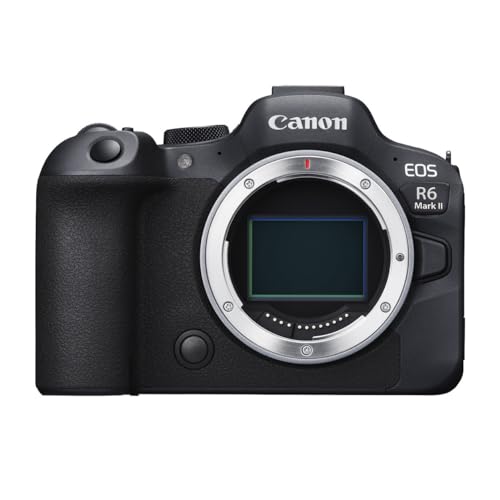
- Canon EOS R6 Mark II: check price on Amazon
- Sony Alpha 7 IV: check price on Amazon
- Nikon Z50 II with Two Lenses: check price on Amazon
- Panasonic LUMIX S5II: check price on Amazon
- Sony ZV-1F: check price on Amazon
- DJI Osmo Pocket 3: check price on Amazon
Notice what this guide assumes about its reader. You are not hiring a photographer for every listing; you are the photographer, squeezed between a lockbox and a showing schedule, shooting homes you also have to price, stage and sell. Your budget comes out of the same pocket as your signage and your fuel. Your editing suite is a laptop on a kitchen counter, and your deadline is a seller refreshing the portal. Everything below is weighted for that reality: wide coverage, exposure bracketing that rescues bright windows, files that transfer to a phone without a fight, and video good enough for the walkthrough clip the listing sites now reward.
Six cameras survived the cut, and they split into three honest tiers. At the top sit two full-frame bodies that could carry a luxury practice. In the middle, a two-lens Nikon kit and a Panasonic hybrid cover the working agent’s whole week for a saner outlay. At the pocket end, a fixed-lens Sony and a gimbal camera handle the fast social walkthrough and the quick re-shoot when a room gets restaged. None of them is a toy, and none requires a photography hobby to operate — though two of them will quietly reward the agent who develops one.
Key Takeaways
- Width is the listing photograph’s first language: a room is sold by its corners, so wide coverage outranks resolution for this job.
- Exposure bracketing is the agent’s insurance policy against blown-out windows, the single most common amateur listing flaw.
- The Canon EOS R6 Mark II and Sony Alpha 7 IV are the full-frame ceiling; the Nikon two-lens kit is the value route to the same coverage.
- Video is no longer optional garnish — a stabilised walkthrough lifts a listing, and the Pocket 3 exists precisely for agents who shoot alone.
- Your phone stays in the kit as the transfer hub and backup, but listings shot on a real camera with a real wide lens read as professional at thumbnail size.
In this guide
Quick Picks
| Camera | Badge | Why it is here |
|---|---|---|
| Canon EOS R6 Mark II | Best overall for listings | Forgiving files, confident autofocus and bracketing that makes window light behave on a deadline. |
| Sony Alpha 7 IV | Best for photo-video hybrids | A stills heavyweight whose video side carries listing films and agent pieces to camera equally well. |
| Nikon Z50 II with Two Lenses | Best value kit | Wide and standard zooms in the box — the whole listing covered without a second purchase. |
| Panasonic LUMIX S5II | Best stabilisation value | Full-frame quality with in-body stabilisation that keeps handheld interiors calm and level. |
| Sony ZV-1F | Best pocket backup | An ultra-wide fixed lens for instant room grabs, re-shoots and quick listing teasers. |
| DJI Osmo Pocket 3 | Best walkthrough camera | A gimbal in a coat pocket that turns a solo agent’s walkthrough into smooth, watchable footage. |
How did we choose these cameras for working agents?
Each candidate was run through a mock listing day rather than a studio test. The course: a two-bed terrace with a north-facing kitchen, a show home with floor-to-ceiling glass, a rental flat photographed between tenants with the power of prayer and a tripod, and a twilight exterior scheduled against a sunset that refused to wait. Cameras scored on the photographs a portal visitor would actually see — the wide shot, the detail shot, the exterior — and on the clock: setup to delivered files, because an agent’s camera that shoots beautifully but edits slowly is a cost wearing a compliment.
Wide coverage was the first gate. Interiors punish narrow lenses; a camera system earns its place here by how it handles the small bathroom and the long thin kitchen, whether through a genuinely wide zoom, a fixed ultra-wide, or a kit that includes the wide option from day one. The second gate was exposure mercy: bracketing depth, highlight behaviour, and how gracefully each camera’s files tolerate the contrast between a shaded room and a sunlit garden through the window. The third gate was transfer speed — Wi-Fi that actually pairs, apps that do not demand a ritual — because the listing goes live from the driveway more often than from a desk.
Video was weighed as a listing feature, not a filmmaker’s hobby. The question was narrow: can one person, alone in an empty house, produce a ninety-second walkthrough that looks steady and sounds intelligible? Stabilisation, flip screens and microphone options decided that score. Finally, total cost of working ownership was counted honestly — the second lens, the tripod plate, the spare battery — because an agent compares cameras against a photographer’s day rate, and the camera wins only when the arithmetic wins across a year of listings.

Canon EOS R6 Mark II — Best overall for listings
Canon’s R6 Mark II suits the agent who shoots their own listings and wants the photographs to stop looking like an apology. Its full-frame sensor drinks in the light of dim hallways without the files falling apart, its autofocus locks onto a room’s geometry without hunting, and its exposure bracketing is deep and quick — three, five or more frames across a window-lit lounge, merged later into the balanced image the portals reward. Paired with a wide zoom, it covers the whole house from the doorstep establishing shot to the bathroom that defeats lesser cameras, and its colours come out of the camera close to how a buyer remembers a room feeling.
What lifts it above the other full-frame option here, for this specific trade, is temperament. The menus forgive a hurried operator, the grip suits one-handed doorway shots while the other hand holds a door, and the wireless transfer to a phone is reliable enough to send a hero shot to a seller from the car. It is more camera than a rental-only practice needs, and the honest agent should admit the lens, not the body, will consume the next slice of budget. But as a five-year listing machine that also shoots the office’s events and the agent’s own family, it justifies itself the way good tools do: quietly, weekly, without drama.
- Sensor: full-frame, roughly 24 megapixels
- Bracketing: multi-frame exposure sequences for window light
- Stabilisation: in-body, for handheld interiors
- Transfer: Wi-Fi and Bluetooth to phone apps
Strengths
- Files that forgive rushed exposure in mixed light
- Bracketing deep enough for glass-walled rooms
- Handling that suits solo, hurried shooting
Trade-offs
- Wide lens is a separate, serious purchase
- Overqualified for agents who list twice a year
- Full-frame kit draws a photographer’s care
Best for: full-time listing agents shooting their own portfolio. Not suited for: occasional sellers who would rather hire a photographer.

Sony Alpha 7 IV — Best for photo-video hybrids
The Alpha 7 IV is the pick for the agent whose listing package has quietly become a media package: stills for the portal, a filmed tour for the listing site, a short piece to camera on the doorstep. Sony built it as a true hybrid, and it shows in the balance — stills with generous resolution for cropping a vertical social cut from a horizontal master, video with reliable eye autofocus when the agent walks and talks, and a lens catalogue deep enough that the wide zoom, the fast prime and the bargain third-party option all exist. Its files also grade kindly, which matters when a grey November exterior needs coaxing back to the golden hour the seller remembers.
Against the Canon, the Sony asks slightly more of its operator. The menu system rewards an afternoon of setup — after which the custom buttons make it fast — and its colours for interiors sometimes want a nudge toward warmth in editing. Neither is a flaw so much as a personality: this is the camera for the agent who treats the listing shoot as a craft session rather than a chore. If your practice films as much as it photographs, the Sony’s hybrid depth wins. If you only ever shoot stills against the clock, its rival’s forgiveness may serve you better.
- Sensor: full-frame, roughly 33 megapixels
- Video: 4K with eye autofocus for presenters
- Mount: Sony E, the deepest lens catalogue here
- Cropping: resolution headroom for vertical cuts
Strengths
- Genuine hybrid strength in stills and film
- Resolution that rescues reframed shots
- Lens choice at every budget level
Trade-offs
- Menus reward setup time before speed
- Interior colour sometimes needs warming
- Rolling video demands a steady hand
Best for: agents producing listing films alongside stills. Not suited for: shoot-and-upload minimalists.

Nikon Z50 II with Two Lenses — Best value kit
Most agents do not need full-frame; they need coverage, and this kit is coverage in a box. The two-lens bundle pairs a wide-to-standard zoom — the listing lens, the one that makes a three-metre kitchen read as a kitchen — with a longer zoom for exteriors, street context and the detail shots of gardens and period features that listings use as seasoning. The Z50 II body brings Nikon’s modern subject-detection autofocus and colour presets that flatter interiors straight out of camera, which shortens the edit for an agent whose Lightroom is a phone app and a deadline.
The honest compromises are sensor size and low light. An APS-C sensor in a lamplit evening viewing will work harder than the full-frame picks, and twilight exteriors ask for a tripod rather than bravado. In daylight and normal interiors — which is to say, ninety percent of listing work — the gap narrows to something a portal thumbnail cannot see. For a new agent building a practice, or a rental operation shooting volume, this kit is the arithmetic winner: the whole house covered, the video respectable, the money left over for the tripod and the wide-angle discipline that actually improve listings.
- Sensor: APS-C, roughly 21 megapixels
- Kit: wide-standard zoom plus telephoto zoom included
- Presets: colour looks that flatter rooms directly
- Video: 4K for walkthrough clips
Strengths
- Whole-house coverage without a second purchase
- Straight-from-camera colour suits fast edits
- Light enough for a full day of viewings
Trade-offs
- Twilight work wants a tripod’s patience
- Smaller sensor, less cropping headroom
- Kit lenses are working tools, not luxury glass
Best for: new agents and rental-volume practices. Not suited for: prestige listings competing on pure image luxury.

Panasonic LUMIX S5II — Best stabilisation value
The S5II earns its place on a single listing-day virtue: calm. Panasonic’s in-body stabilisation is among the steadiest here, and for the agent shooting handheld interiors — tripod forgotten, viewing in twenty minutes, cat asleep on the only flat surface — that steadiness converts directly into sharper rooms at slower shutter speeds. It is a full-frame camera with phase-detection autofocus that ended Panasonic’s old contrast-hunting reputation, a strong video specification for filmed tours, and a price of entry that undercuts the other full-frame bodies while asking for no apology in image quality.
Its ecosystem is the consideration. The L-mount’s lens range is healthy and growing, with affordable wide options from several makers, but the second-hand shelves are thinner than Canon’s or Sony’s, and an agent who loves borrowing the office’s spare lens may find the cupboard bare. The body also runs a little larger in the hand than its rivals. Neither point dents the core offer: for the agent who shoots alone, handheld, in real houses with real light, the S5II’s steadiness and value make it the thinking person’s full-frame.
- Sensor: full-frame, roughly 24 megapixels
- Autofocus: phase hybrid, decisive in rooms
- Stabilisation: strong in-body system for handheld work
- Mount: L-mount, shared across three brands
Strengths
- Handheld interiors stay sharp at slow speeds
- Full-frame quality at a gentler entry price
- Video specification beyond listing needs
Trade-offs
- Thinner second-hand lens market
- Slightly bulkier in a day bag
- Fewer colleagues share its lens mount
Best for: solo agents shooting handheld in mixed light. Not suited for: teams standardised on Canon or Sony glass.

Sony ZV-1F — Best pocket backup
Every listing agent knows the re-shoot: the room restaged, the skip finally emptied, the sun doing something generous at 4 p.m. on a house already photographed. The ZV-1F is the camera for that errand. Its fixed ultra-wide lens sees a room the way listing photography wants — corners in, ceiling honest — its 1-inch sensor outclasses any phone in a dim interior, and it lives in a jacket pocket so the re-shoot costs minutes instead of a second appointment with the big kit. Its face-priority autofocus, built for vloggers, also makes it the office’s default for quick market-update clips recorded on a doorstep.
Nobody should mistake it for a main listing camera. There is no zoom to compose a detail, no bracketing depth for the glass-wall problem, and the fixed lens means your feet do the framing — in a small bathroom, your feet have opinions forced on them. But as the second camera in an agent’s life — the one that is present when the main camera is at home — it produces more usable listing photographs per gram than anything else in this guide, and presence, in the re-shoot game, is the entire sport.
- Sensor: 1-inch, roughly 20 megapixels
- Lens: fixed ultra-wide, bright for interiors
- Autofocus: face-priority, creator-tuned
- Carry: jacket-pocket size, instant start
Strengths
- Ultra-wide view made for small rooms
- Present for re-shoots the big kit misses
- Doorstep video clips without setup
Trade-offs
- No zoom for details or exteriors
- Bracketing too shallow for glass walls
- Not a prestige listing’s main camera
Best for: re-shoots, teasers and pocket backup duty. Not suited for: sole-camera prestige listings.

DJI Osmo Pocket 3 — Best walkthrough camera
The walkthrough is where solo agents used to surrender: a phone on a cheap gimbal, a wobbling corridor, a buyer seasick by the second bedroom. The Pocket 3 ends the surrender. It is a 1-inch sensor on a proper three-axis gimbal in a device the size of a chocolate bar; unfold it and it is level, stabilised and tracking before you reach the front door. Walk a house at natural pace and the footage glides — through doorways, up stairs, across the garden — with a steadiness that makes modest homes look considered and good homes look cinematic. Its screen rotates for vertical social cuts without re-shooting.
It is a video specialist, and the guide lists it as one honestly. Its stills are fine for a teaser frame, but no agent should shoot a listing’s photo set on it when any other pick here is available; there is no optical zoom, and the gimbal, while tougher than it looks, prefers not to be dropped on a driveway. Within its brief, though, it has no rival at this size: the solo agent’s filmed tour, once a photographer’s invoice, is now a pocket errand. Practices that add one filmed tour per listing will feel the enquiry difference before they can prove it.
- Sensor: 1-inch, on a 3-axis gimbal
- Video: 4K, mechanically stabilised
- Screen: rotating, for vertical social formats
- Audio: pairs with wireless microphones
Strengths
- Walkthroughs that glide instead of wobble
- Ready in seconds, carried in a pocket
- Vertical video without a second shoot
Trade-offs
- Stills are a bonus, not its profession
- No zoom; your walk does the framing
- Gimbal prefers care on hard floors
Best for: solo agents filming their own walkthroughs. Not suited for: the listing photo set itself.
Why does width matter more than resolution in a listing?
Because buyers read rooms spatially before they read them aesthetically. A listing photograph’s first job is to answer “how big, how connected, how does the light move through it” — and those answers live at the edges of the frame, in the second doorway, the window’s far jamb, the kitchen’s run of units continuing out of shot. A wide lens includes the edges; a narrow one amputates them and makes honest rooms feel like evidence photos. Resolution, by contrast, is spent on a portal image displayed at a few hundred pixels across. The twenty-four honest megapixels of the full-frame picks here are already surplus; width is the currency that is actually scarce.
Width has a dishonesty problem the professional agent must police in themselves. Ultra-wide lenses stretch near corners and can make a modest lounge look like a ballroom — briefly pleasurable, ultimately corrosive, because the viewing then disappoints and disappointed viewers do not offer. The craft standard is to shoot wide enough to include the room’s truth and no wider: stand in the doorway, keep the camera level so verticals stay vertical, and let a small room be a small, bright, well-kept room. Buyers forgive small. They do not forgive feeling tricked.
How do you photograph a room with blazing windows?
With bracketing, which is simply the camera taking the same frame at several exposures so the editor — human or software — can keep the room from one and the garden from another. Set the camera on a tripod or a steady surface, level it, and let it fire its sequence; the R6 Mark II and its peers make this a menu choice rather than a ritual. Shoot the sequence for every room where a window matters, and merge with a light hand: the goal is a room that looks the way your eyes saw it, not a aquarium diorama where the garden glows like a television.
Timing is bracketing’s cheaper cousin. The same lounge photographed at noon fights a white furnace of a window; at four o’clock the light has angled, softened and started collaborating. Agents who schedule shoots around light rather than around convenience need less bracketing heroics and deliver warmer files. Combine the two — sensible scheduling first, bracketed insurance second — and the window problem, which separates amateur listings from professional ones at a glance, quietly stops appearing in your work.
What does a listing shoot workflow look like, door to portal?
It starts before the house: batteries charged the night before, cards formatted in camera, the wide lens mounted, a microfibre cloth in the pocket for the fingerprint that will be on something. At the house, work in a fixed order — exterior first while the light is assessed, then the principal rooms in a circuit, details last — because a fixed order is what makes a shoot take forty minutes instead of ninety and ensures the downstairs cloakroom is never discovered missing at upload time. Shoot each room from its doorways, level, at chest height, verticals true.
The edit is a discipline of restraint. Straighten, lift shadows modestly, warm nothing that was not warm, and export at the portal’s specification rather than your camera’s maximum. Then the transfer: the picks here all speak to a phone or laptop wirelessly, and the agent who masters that chain can have a seller approving photographs before the drive home. Finally, file discipline — one folder per property, masters untouched, exports named by room — because the agent with six hundred listings behind them is really an archivist who also sells houses.
Should an agent learn manual settings, or trust the camera?
Trust the camera for exposure, and learn exactly three manual interventions. The first is exposure compensation, the dial that says “brighter than you think” to a camera fooled by a white kitchen or a dark-panelled study. The second is white balance discipline: mixed tungsten and daylight is where interiors turn the colour of soup, and knowing when to fix a setting rather than accept auto is the difference between a cosy room and a jaundiced one. The third is the level — the electronic horizon in the viewfinder — because a tilted room reads as carelessness no sharpness can redeem.
Beyond those three, the modern cameras in this guide automate better than a busy agent manualises. Aperture priority with a sensible floor, auto ISO bounded, autofocus on its widest tracking — that configuration shoots ninety-five percent of listing work at professional standard, and the remaining five percent is scheduling and bracketing rather than dial virtuosity. Spend your learning hours on composition and light, which no camera automates, and let the machine do the arithmetic it was built for.
How important is the twilight exterior, really?
Disproportionately. Portal data across the industry keeps rediscovering the same fact: the listing whose lead image is a home glowing at dusk — windows warm, sky deep blue, garden lights on — stops thumbs that scroll past its daylight neighbours. The shot is a scheduling act more than a photographic one. Arrive twenty minutes before sunset, turn on every light in the house including the ones nobody uses, set the camera low on a tripod, and shoot through the brief window when sky and interior balance. Every pick here with a tripod thread and a timer can do it; the full-frame picks do it with the least noise and the most grace.
Manage the seller’s expectations while you work: the twilight shot is the one piece of theatre listing photography permits itself, and it sells the viewing rather than the house. That is legitimate. The interior set must then honour the promise with honest, bright, truthful rooms, or the viewing curdles. Agents who pair a theatrical dusk lead with honest interiors report the pattern agents everywhere report: more clicks, more viewings, and viewers who arrive already half in love with a house they have not yet stood in.
How do you make a small room look honest but generous?
Start by accepting the room’s actual dimensions and photographing its virtues instead of its square footage. Shoot from the doorway corner that shows two walls and the window, keep the lens at the wide end but step back rather than zooming wider when distortion curls the door frame, and include a piece of foreground — the edge of a bed, a chair’s shoulder — because foreground gives the eye a scale to measure the room against. Rooms photographed with nothing near the lens read as voids; rooms with a near object read as places.
Light does the generosity. A small room shot at its brightest hour, lamps lit for warmth, curtains fully open, gains perceived size that no lens trick matches, because buyers read brightness as space. Declutter to the level of a guest room in a good hotel: surfaces clear, bed made with intent, one plant rather than a windowsill jungle. Then take the shot twice — once as composed, once a step wider — and choose in the edit, when the pressure is off. The honest-generous balance is a judgement, and judgements improve when they are made at a desk instead of in a doorway with a seller watching.
What should an agent’s camera bag contain on shoot day?
Less than photographers carry, and more deliberately. The body with the wide zoom mounted, because changing lenses in a stranger’s hallway wastes the light and the schedule. A charged spare battery, because listing shoots die quietly at house three of four. The modest tripod, riding in the car boot for brackets and twilight. A lens cloth, a rocket blower for the dust spot that appears exactly on a white ceiling, and a small level of paranoia about memory cards: two, formatted, in the bag rather than in the camera at home.
Beyond the camera kit, the agent’s bag holds the room kit: blue tape for cable tidying, a microfibre for taps and mirrors, spare bulbs in the two common fittings because one dead bulb reads as neglect in every frame it haunts, and a doorstop for the door that will not stay at its photogenic angle. None of this is photographic equipment, and all of it improves photographs more reliably than an upgraded sensor. The professional’s secret is that listing photography is twenty percent camera and eighty percent carrying the right small things.
How do you shoot a rental property differently from a sale listing?
Volume and honesty change places. A rental set is a screening document as much as a sales one: prospective tenants want to know the state of the bathroom sealant and whether the second bedroom fits a double bed, so shoot wider context, more rooms, and the unglamorous evidence — boiler, windows, the view from the landing — that a sale set might crop away. Speed matters more, because rental margins fund minutes rather than hours, which is where the Nikon kit and the ZV-1F earn their keep: fast coverage, honest files, uploaded the same hour.
Condition photography also protects the landlord and the agent. A dated, thorough set at tenancy start is the deposit dispute’s best witness, and the same camera that markets the property documents it. Shoot the rental circuit in a fixed order, include the meter readings and the garden’s far fence, and archive the set with the tenancy file. Agents who build this habit discover the camera pays for itself twice: once in faster lets, and once in the dispute that never happens because the photographs exist.
Why do some listings look professional before you can say why?
Consistency. Open a polished agent’s last ten listings and the photographs share a grammar: same doorway height, same level horizon, same bright-but-believable exposure, exteriors shot in the same quality of light. The viewer’s eye registers the pattern as professionalism before any single image is judged, the way a firm’s letterhead registers before its letter is read. Consistency is a workflow achievement, not a talent: one camera, one wide lens, one fixed circuit of each house, one export preset, repeated until it is boring.
This is also the argument for an agent settling on one system from this guide rather than rotating gadgets. The R6 Mark II shot the same way for a year produces a portfolio with a signature; three cameras rotated monthly produce three portfolios arguing with each other. Sellers notice. A consistent photographic voice across a practice’s listings quietly advertises the same quality sellers are actually buying: this agent does things properly, the same way, every time, including the things you cannot see.
How do you handle a seller who wants to art-direct the shoot?
Welcome the knowledge, keep the camera. A seller knows which corner the evening light loves and where the garden performs in June; that intelligence is genuinely valuable and costs nothing to gather on a pre-shoot walk. What the seller cannot judge — because nobody judges their own home neutrally — is which of the forty candidate frames a stranger scrolling at speed will stop for. Agree the shot list together, shoot their beloved angle as well as yours, and let the edit, done alone, decide. Showing a seller both frames later converts most art directors into allies.
Set one boundary kindly and early: the camera does not remove the neighbour’s extension, the parked caravan or the telegraph pole, and editing stops at honesty — light balanced, clutter carried out physically, nothing invented and nothing erased that a buyer would rely on. Agents who state that line before the shoot rarely have to defend it after. The photographs are marketing, and marketing may flatter light and timing; the house itself must be the house that gets viewed, or the viewing is wasted for everyone.
What is the fastest way to improve: a better camera or a better hour?
The hour, almost every time — and this guide sells cameras, so weigh that admission accordingly. The same house shot at eleven on a grey morning and at four on a bright afternoon produces two different listings, and no body in this guide can retrofit sunlight into a shaded north-facing kitchen. Agents with ordinary cameras and disciplined scheduling out-photograph agents with flagships shot at whatever hour the diary allowed. Book the shoot for the house’s light: east gardens in the morning, west gardens late, south-facing fronts whenever the sun is kind.
The camera upgrade matters at the margins the hour cannot fix: the interior with one small window, the winter listing that must be shot in December gloom, the twilight exterior that is the campaign’s lead image. That is the honest division of labour. Schedule like a photographer first, and the camera you need becomes the one that rescues the unschedulable remainder — which is precisely how the picks above were ranked, and why forgiveness in mixed light outranked resolution in every verdict in this guide.
How should an agent photograph gardens and outdoor space?
As a room with weather. The garden shot that sells is taken from the house looking out at its most private angle and from the bottom of the garden looking back, because buyers are purchasing the relationship between house and plot as much as either alone. Shoot when the garden’s own light flatters it — a west-facing garden at eleven in the morning is a strip of shade with regrets — and include the boundaries honestly: fences, neighbouring roofs, the tree that will drop leaves on the buyer’s October. A garden photographed only in its flattering corner generates viewings; a garden photographed truthfully generates offers.
Details carry the outdoor set the way they carry interiors. The patio’s condition, the shed that counts as storage, the side return that might take an extension — these are decision photographs, and the longer lens in the Nikon kit or a step closer with the full-frame picks handles them. In winter, shoot the garden’s structure rather than its planting: paths, levels, evergreen bones, the sun’s actual reach into the plot. Buyers of gardens in February are buying a promise, and structure is the only part of the promise a camera can keep honestly.
What file settings keep a listing workflow fast?
Shoot raw plus JPEG if your edit is real, JPEG alone if it is honest. The agent who opens every file in a raw editor should capture the full data the full-frame picks offer, because bracket merging and window rescue live there. The agent whose edit is a phone app and ten minutes should let the camera’s JPEG engine — Nikon’s presets and Canon’s colour are both flattering to rooms — do the work, and spend the saved hour on a second viewing instead. Neither choice is a moral position; both are scheduling decisions wearing technical clothes.
Standardise everything that can be standardised. One picture profile for interiors, auto white balance with a known correction for tungsten, a fixed export size matched to the portal’s specification, and a file-naming scheme by property and room that a colleague could decode at midnight. Speed in listing photography is rarely about the camera’s processor; it is about the absence of decisions. Every setting you freeze in advance is a minute returned at upload time, multiplied by every listing you will shoot this year.
When should an agent still hire a professional photographer?
When the listing’s value makes photography a rounding error and its difficulty makes it a specialism: the architect-designed house whose lines punish an amateur’s verticals, the period property with cave-dark rooms and jewel-bright windows, the development launch where one set of images must carry a whole campaign. A professional brings lighting an agent’s bag does not hold and an eye trained on exactly the failures this guide has catalogued. Hiring one for the flagship listings while shooting the everyday stock yourself is not inconsistency; it is the portfolio logic this whole guide runs on.
There is also the calendar argument. In a month with fourteen new listings, the agent’s hours are worth more at negotiation than behind a tripod, and the camera’s role shrinks to re-shoots, rentals and the social content no photographer is hired for. Know your crossover point — the listing value and weekly volume at which your own shooting stops being thrift and starts being vanity — and let the kit in this guide handle everything below it superbly rather than everything at all costs.
How do you keep listing photos consistent across a whole team?
Write the house style down and make it physical. One page: camera height, doorway positions, the exposure approach for window rooms, the export preset, the twilight rule. Then remove the variables that break it — issue the same wide lens to whoever shoots, lock the picture profile, and keep the shared preset on every machine the practice owns. Teams drift photographically the way they drift in any craft: each person quietly optimising for their own taste until the firm’s listings look like a coalition. The one-page style and the shared kit are how a practice of six shoots like a practice of one.
Audit monthly, kindly and with examples. Put two listings from different shooters side by side and ask whether a buyer would know the same firm made both. Where the grammar has wandered — horizons, warmth, how much garden appears in the lead exterior — correct the workflow rather than the person, because most drift is a setting or a habit, not a philosophy. Every body shortlisted here supports the discipline: custom modes that store the house configuration, so the style survives a borrowed body or a new starter’s first solo shoot.
What does the first month with a real listing camera change?
Week one is humbling: the camera reveals every tilted horizon and murky corner a phone’s processing used to hide, and the agent wonders what they have bought. Week two, the doorway position and the level become reflexes, bracketing rescues its first window, and a seller remarks on the photographs unprompted — the moment the purchase justifies itself socially. By week four the shoot has a rhythm, the edit has a preset, and the portal thumbnails from the new camera sit visibly brighter among the month’s older listings like a before-and-after the agent did not have to stage.
The durable change is not technical but commercial. An agent who shoots well starts seeing houses photographically during valuations — which room will lead, which hour will flatter, what ten minutes of carrying clutter will earn — and that foresight leaks into advice sellers can act on before the shoot. The camera becomes a valuation tool as much as a marketing one. That, more than any specification in this guide, is why practices that make the jump rarely go back to the phone in the agent’s pocket.
How should agents use vertical video without reshooting the house?
Plan the vertical cut during the stills shoot rather than after it. The listing’s hero rooms get one extra pass: a slow, level walk from doorway to window shot on the Pocket 3 or the hybrid bodies with the screen rotated, framed with headroom for the platform’s captions and the agency’s branding band. Ninety seconds of deliberate vertical footage per house, captured while the tripod is already out and the rooms are already dressed, becomes a week of social posts without a second visit. The mistake is treating vertical as an afterthought cropped from horizontal footage, which amputates ceilings and doorways exactly where property video needs them.
Keep the vertical grammar simpler than the horizontal one. One continuous move per room, no pans that outrun the gimbal, the agent’s voice recorded in the quietest room for the tour’s narration or a doorstep piece to camera at the end. Buyers scrolling a feed grant a listing three seconds; the vertical cut’s job is to spend them on the house’s single best spatial surprise — the double-height hall, the garden’s reveal — and earn the tap through to the full set. Shot this way, the vertical clip is not a shrunken listing film. It is the trailer, and trailers are a respectable craft.
What about drone shots and floor plans — do they change the camera choice?
They change the package, not the body. Aerial context and measured floor plans answer questions stills cannot, and sellers increasingly expect both; but neither alters which camera should shoot the rooms, because the drone’s camera and the plan’s laser are separate instruments with separate budgets. What they do alter is the shoot’s choreography: aerials in the same visit while the light is assessed, the plan measured while rooms are dressed, the whole evidence package captured in one attendance. The agent building a premium service should sequence these around the stills rather than buying a camera body in the hope that it somehow covers them.
Comparison: all six picks at a glance
| Camera | Sensor | Character | Choose it if… |
|---|---|---|---|
| Canon EOS R6 Mark II | Full-frame | Forgiving flagship | You want one body for every listing tier |
| Sony Alpha 7 IV | Full-frame | Hybrid producer | Your listings include filmed tours weekly |
| Nikon Z50 II with Two Lenses | APS-C kit | Coverage in a box | You are equipping a practice from zero |
| Panasonic LUMIX S5II | Full-frame | Steady value | You shoot handheld, alone, in dim houses |
| Sony ZV-1F | 1-inch compact | Pocket re-shooter | Your main kit exists but is never present |
| DJI Osmo Pocket 3 | 1-inch gimbal | Walkthrough specialist | Filmed tours are your listing’s weak point |
What are the most common mistakes agents make with a camera?
Shooting from standing eye height in the middle of the room
The doorway, at chest height, is the listing photograph’s natural home: it shows the room as a person entering it, keeps verticals honest and includes the floor that sells space. The mid-room standing shot — all ceiling, converging walls, a lampshade in the foreground — is the amateur’s signature. Move to the corner, lower the camera, level it, and the same room gains a foot of perceived size and all of its dignity.
Letting the flash flatten everything
On-camera flash in a small room produces the police-photo look: nuclear foreground, cave background, every surface the same grey enthusiasm. The cameras here gather real light well enough that flash is a last resort; open the curtains, turn on the lamps for warmth, bracket the window rooms, and let the house light itself. A listing should look like a home at its best hour, not a premises search.
Photographing the house as found, clutter and all
The camera is merciless about what the eye edits out: the bin, the cables, the fridge magnets, the toilet brush. Ten minutes of carrying things into the garage improves photographs more than any lens in this guide. Agents are not stagers, but the camera bag should travel with a simple rule — if it would not be in the brochure of the life the buyer wants, it leaves the frame.
Final Recommendation
Equip for the listings you actually shoot. The full-time agent photographing their own portfolio should start at the Canon EOS R6 Mark II for its forgiveness, or the Sony Alpha 7 IV if filmed tours share the workload; the Panasonic S5II is the value route to the same full-frame calm, and the Nikon two-lens kit equips a new practice completely for less. Add the Pocket 3 when your walkthroughs embarrass you, and the ZV-1F when re-shoots keep costing you appointments. Then learn the doorway position, the bracket and the twilight appointment — because in listing photography the camera is the smaller half of the craft, and the other half is showing up at the right hour with the lights on. Do those things for one season of listings and the photographs will start winning instructions before your valuation patter gets a chance to, which is the quiet commercial truth underneath every recommendation in this guide: sellers list with the agent whose previous listings looked like the future they want for their own home.
Frequently Asked Questions
Can I just use my phone for listing photos?
You can, and many agents do — modern phones are respectable in bright, simple rooms. The gap appears exactly where listings are won: small dark interiors, window contrast, twilight exteriors and the wide, level, honest frame a dedicated wide lens delivers. A phone listing and a camera listing are distinguishable at thumbnail size by portal visitors who could not name a single specification. If photography is part of your fee’s justification, the camera is the justification made visible.
Which single lens matters most for interiors?
The wide zoom, without a contest. It covers the establishing exterior at its long end and the small bathroom at its wide end, and it will shoot ninety percent of a listing set without leaving the body. Buy the body you like from this guide, but budget for the wide zoom first and the fast prime later; agents who reverse that order spend a year photographing rooms in slices and stitching their regrets.
Do I need a tripod for listing work?
For bracketing sequences and twilight exteriors, yes — a modest tripod is the cheapest image-quality upgrade in this entire guide, because it lets the camera use slow shutter speeds and aligned bracket frames. Handheld with stabilisation covers daylight interiors respectably, which is why the S5II scores well here, but the tripod turns the two hardest listing shots into routines. Buy one light enough that it actually travels.
How many photos should a listing set include?
Enough to walk a buyer through the house in order — typically the exterior, every principal room from its best doorway, the garden, and a few details — and no more. Bloated sets of near-duplicate angles dilute the strong frames and exhaust the click. Shoot generously, publish selectively: the edit is where a set becomes a story about a life the buyer could live in the house.
Is video worth it for ordinary listings, not just luxury ones?
Increasingly, yes. Portals surface filmed tours, buyers share them, and a steady ninety-second walkthrough answers the spatial questions stills cannot — how the rooms connect, where the light falls at midday. The Pocket 3 collapsed the cost of doing it well to a pocket device and ten minutes. Luxury listings needed video first; ordinary listings are where it now differentiates, precisely because fewer competitors bother.
Related Guides
Keep exploring with our companion reading: best cameras for realtors building a personal brand on video, best cameras for recording events and walkthrough tours and best cameras for vlogging and property content.


