reviewstook.com is reader-supported. When you buy through links on our site, we may earn an affiliate commission.
Where to buy
This is the companion guide to our landscape-systems article, written for the opposite reader: the walker, the parent, the holidaymaker who wants lovely nature pictures without a tripod, a system or a second mortgage. Every pick below is light enough to be carried on the days when nature actually happens — the unplanned kingfisher, the unexpected rainbow over the campsite — and every linked model is sold through Amazon. If a camera is too heavy to take, its image quality is a rumour, and this guide ranks by what gets carried.
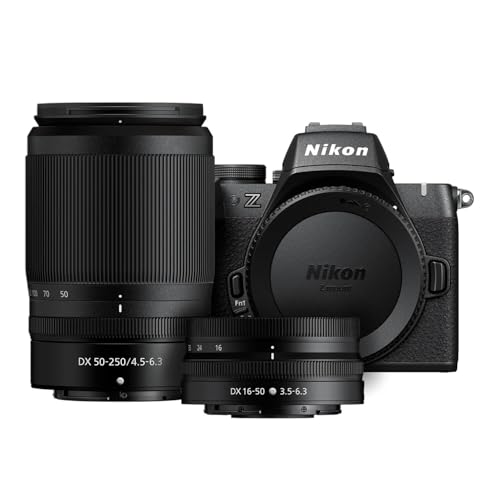
- Nikon Z50 II with Two Lenses: check price on Amazon
- Sony ZV-1F: see the current price on Amazon
- OM SYSTEM Tough TG-7: view this camera on Amazon
- DJI Osmo Pocket 3: check availability on Amazon
- Insta360 GO 3S: see it on Amazon
- Nikon Z50 II: look at it on Amazon
The best cameras for nature pictures are the ones present when nature does something worth picturing, and presence is a specification no laboratory measures. The deer at the wood’s edge allows perhaps twenty seconds. The rainbow over the estuary is already fading while a complicated camera boots and asks questions. The child’s first frog, held in cupped hands at the pond, will be released back into the reeds long before a menu has been navigated. So this guide begins where the landscape-systems guide ended: with weight, speed and simplicity, and with a cheerful indifference to the last few percent of file quality that only a metre-wide print could detect.
Nature pictures, as most people mean the phrase, are a mixture no specialist camera serves perfectly: the view across the valley, the flower at the path’s edge, the bird that might be a rarity, the family arranged against the waterfall, the dog mid-leap into the lake. The picks below are generalists chosen for that mixture — zoom ranges that reach from the group photo to the heron, close-focus modes that turn a beetle into a portrait, and automatic modes honest enough that a borrowed camera in a partner’s hands still comes home with the picture.
Two philosophies divide the list, and both are respectable. The small mirrorless kits — Nikon’s pair here — are for the walker who suspects nature pictures might become a hobby and wants a camera that can grow: interchangeable lenses, real controls, files that reward learning. The fixed-lens and pocket cameras are for the walker who knows themselves: one device, no decisions, small enough for a jacket pocket, ready before the moment has finished happening. Neither philosophy is the consolation prize. They are answers to different honesties about what happens after the purchase.
A word on what this guide is not. It is not the guide for printing exhibition landscapes — its sibling article covers those systems — nor for serious bird photography, which demands long lenses and patience in quantities no pocket camera survives. It is the guide for the ninety percent of nature pictures actually taken: on walks, holidays, garden days and school trips, by people whose first love is the being there. The camera’s job is to keep up with the day, and these six keep up best.
A note on phones, since every reader owns the comparison: a phone is a fine nature camera for the view in good light, and this guide is not an argument against it. The argument begins where phones end — the zoom that dissolves the heron into watercolour, the dusk that smears the owl, the rain that stops the touchscreen, the battery shared with the map and the emergency call. A dedicated camera, even the smallest here, is the tool that takes over at exactly those moments, which are, not coincidentally, the moments nature photography is made of.
Key Takeaways
- Presence beats perfection: the carried camera takes the picture the flagship at home only hears about.
- The Nikon Z50 II two-lens kit is the complete nature-walk system in one box.
- Fixed-lens cameras win for pocketability — the ZV-1F and Pocket 3 are ready before the moment ends.
- The TG-7 is the nature camera for weather, water and children: effectively unkillable.
- Zoom reach matters more than megapixels for nature: the bird is always further away than it looks.
- Buy for the mixture — views, flowers, wildlife, family — not for one specialty.
In this guide
Quick Picks
| Camera | Badge | Why it is here |
|---|---|---|
| Nikon Z50 II with Two Lenses | Best complete nature-walk kit | A compact mirrorless body with wide and telephoto kit lenses — views and wildlife in one bag. |
| Sony ZV-1F | Best pocket camera for nature walks | A truly pocketable camera with a wide lens and simple manners — ready before the moment finishes. |
| OM SYSTEM Tough TG-7 | Best nature camera for weather and water | Waterproof, freeze-proof and drop-proof, with macro modes that turn rockpools into studios. |
| DJI Osmo Pocket 3 | Best for nature video and walking films | A gimbal camera that films walks with impossible smoothness and photographs respectably. |
| Insta360 GO 3S | Best tiny camera for candid nature moments | A thumb-sized camera that mounts anywhere — hats, dogs, bikes — for nature seen from new angles. |
| Nikon Z50 II | Best body-only buy for lens collectors | The same excellent body without kit lenses — for buyers who already own Nikon glass or want one special lens. |
How did we judge cameras for the nature pictures people actually take?
We tested these cameras the way their owners will use them: on a family walk with no photographic plan, at a nature reserve with a heron keeping its distance, in a garden after rain, and on a beach where the light changed every ten minutes. We scored the time from pocket to picture, because nature’s appointments are brief; the usefulness of the zoom at both ends, because the same hour asks for a valley and a butterfly; and the quality of the automatic modes, because these cameras will spend much of their lives in the hands of whoever in the family is not the photographer.
Close focus turned out to matter enormously and is scandalously under-reviewed. Nature at walking scale is mostly small — fungi, frogs, feathers, frost patterns — and a camera that focuses at a few centimetres turns a path into a gallery. Battery honesty across a long day, screens readable in sunshine, and the ability to send a picture to a phone before the walk ends completed the scoring, because the modern nature picture’s first audience is the family chat, and it is not patient.

Nikon Z50 II with Two Lenses — Best complete nature-walk kit
The two-lens Z50 II kit is the most complete answer to the nature walk ever boxed. The wide zoom takes the valley, the waterfall group photo and the woodland interior; the telephoto zoom — which the crop sensor stretches into genuine wildlife reach — takes the heron, the deer and the moon rising over the ridge. Between them, a walker carries the whole vocabulary of a nature day in a bag that still leaves room for sandwiches, and that completeness is why this kit tops a guide about pictures rather than about cameras.
Nikons’s colour presets deserve their place in a family guide. The Z50 II’s easy, attractive picture controls produce the photograph a phone user recognises as finished — bright, warm, ready to share — while the raw file waits underneath for the day the walker becomes an editor. That dual personality is the kit’s kindness: it flatters the beginner on day one and respects the enthusiast on day three hundred, without a mode dial labelled with anyone’s inadequacy.
Animal subject detection changes the wildlife half of the walk from luck to likelihood. The camera recognises birds and animals and holds focus on them while the photographer composes — a capability that, a generation ago, separated professionals from everyone else at the reserve. Children handed this camera at the hide come home with a recognisable kingfisher, and the effect on a child’s interest in the natural world is worth more than the camera: they saw it, they caught it, they can show it.
Buy this kit as the walk’s foundation and add nothing for a year. The two lenses teach focal length by use; the body’s controls teach exposure by touch; and the pictures teach their owner which corner of nature — the birds, the flowers, the views — is quietly becoming theirs. The next purchase, if any, will be obvious by then, and it will be bought from knowledge rather than from a list like this one.
- Format: APS-C mirrorless, two-lens kit
- Lenses: wide zoom plus telephoto zoom
- Focus: subject detection for animals and birds
- Colour: easy presets for sharing
- Carry: one small bag, all day
Strengths
- Both ends of the nature mixture covered
- Animal detection finds the heron for you
- A system that grows if the hobby does
Trade-offs
- Two lenses means occasional lens changes outdoors
- Bigger than any pocket camera here
- Spares and filters add small ongoing costs
Best for: walkers ready for a real camera system without bulk or intimidation. Not suited for: pocket-only photographers who will never change a lens

Sony ZV-1F — Best pocket camera for nature walks
The ZV-1F’s argument is a single sentence: it fits in a jacket pocket, and therefore it attends the moments the bigger cameras miss. Its wide fixed lens is chosen for the views and the company — the valley panorama, the family against the falls, the vlogger’s piece to camera on the summit — and its 1-inch sensor lifts those pictures clearly above phone quality in the low, golden light when nature does its best work and phones begin to smear.
Simplicity is engineered rather than accidental here. The camera wakes fast, its touchscreen-led operation asks few questions, and its video is as immediate as its stills — press, record the stream’s voice and the skylarks over it, stop. Nature pictures increasingly include these short moving records, the thirty seconds of river that a still cannot hold, and the ZV-1F treats them as first-class citizens rather than a mode buried three menus deep.
Its limits are the honest price of the pocket: no zoom reach for the distant bird, a small battery that appreciates a spare in the other pocket, and controls that will eventually frustrate a photographer who has caught the serious bug. Within its station it is close to perfect, and its station is enormous — the daily walk, the holiday, the school trip, the garden — which is why it sits second in a guide that ranks by presence.
Give it to the family’s least technical member without a lecture and it will justify the policy within the hour. Cameras that need teaching get left; cameras that explain themselves in one button-press get borrowed, and borrowed cameras take the pictures the owner would never have seen. The ZV-1F’s photographs of your own walks, taken by other people, may become its most treasured contribution.
- Format: compact camera, fixed wide lens
- Sensor: 1-inch class sensor
- Video: 4K for nature clips
- Operation: simple, touchscreen-led
- Carry: jacket pocket, negligible weight
Strengths
- Genuinely pocketable — it will be there
- Wide lens suits views and group shots
- Video as easy as stills for moving nature
Trade-offs
- Fixed lens: no reach for distant wildlife
- Small body, small battery — carry a spare
- Enthusiasts will outgrow its simplicity
Best for: walkers and travellers who want one pocket camera for views, people and clips. Not suited for: bird photographers or anyone needing zoom reach

OM SYSTEM Tough TG-7 — Best nature camera for weather and water
Half of nature is wet, cold or dropping-prone, and the TG-7 is the camera built for that half. It goes into the rockpool’s shallows for the anemones, under the waterfall’s spray for the rainbow, onto the frosty summit cairn and into the kayak’s day hatch, and it treats each as a normal Tuesday. For families it removes the low-grade anxiety that follows a delicate camera around children and water — the two constants of the best nature days — and replaces it with a camera that can simply be handed over.
Its macro modes are the sleeper feature that converts casual owners. The TG-7 focuses at distances that turn a ladybird into a portrait subject and a snowflake into architecture, and its dedicated close-up modes handle the lighting and focus stacking that macro usually demands a laboratory for. Owners discover the miniature landscape at their feet — the fungi forest after rain, the frost garden on the car roof — and many find it becomes their favourite nature photography of all, precisely because it requires no travel and no luck, only attention.
The field-sensor logging suits the naturalist’s temperament: altitude, temperature and location recorded with the pictures turn a walk’s photographs into a diary that a nature journal can be built from. Where was that orchid, exactly, and in what week? The TG-7 remembers, and the returning photographer can find the colony again next June. It is the notebook as much as the camera, and naturalists have carried worse bargains up hills.
Accept its sensor’s limits with the same clarity as its virtues: at dusk its files soften where the mirrorless kit’s hold firm, and wary wildlife stays out of its modest zoom’s reach. But nature pictures are taken in weather, and on the days when the weather is the story — the storm beach, the frozen tarn, the river in spate — the TG-7 is frequently the only camera in this guide still working. Presence, again, is the specification that matters.
- Format: rugged compact camera
- Build: waterproof, freeze-proof, crush-proof
- Close focus: microscope-style macro modes
- Logging: GPS and field sensors
- Carry: pocketable, worry-free
Strengths
- Nature in rain, rivers and rockpools
- Macro modes reveal the miniature world
- Survives children, boats and beaches
Trade-offs
- Small sensor limits dusk quality
- No zoom reach for wary wildlife
- Menus reward a rainy evening of study
Best for: families, anglers, kayakers and anyone whose nature is wet. Not suited for: photographers chasing fine detail in large prints

DJI Osmo Pocket 3 — Best for nature video and walking films
The Pocket 3 films the walk itself. Its mechanical gimbal erases the bounce and sway that make walking footage unwatchable, so the path through the bluebell wood, the approach to the waterfall and the ridge traverse arrive home as smooth, floating records that feel like memory rather than evidence. For the growing tribe who keep nature journals in video — the walk film, the reserve visit, the seasonal return to a favourite valley — it is the most capable small camera in this guide by a distance.
Its stills are respectable and its start-up is instant, which earns it a place in a stills-led list on presence grounds: the deer that crosses the path is filmed, beautifully, before a stills camera has finished waking, and a filmed deer outranks a missed photograph. The rotating screen and subject tracking make it the natural summit vlogger’s tool, and its low-light manners from the larger sensor keep dawn starts and dusk returns usable.
Treat it as the specialist it is. It is a gimbal — a precision instrument with moving parts — and it deserves a case, a dry pocket and a moment’s care that the TG-7 laughs at. It has no zoom to reach the bird and no ambition to survive the rockpool. Within the walking-film role it is untouchable; the household that walks and films will find it becomes the most-used camera they own, because the walk is the content and this is the walk’s camera.
Pair it in the mind with the stills picks rather than against them: the Pocket 3 for the journey, the Nikon or the Sony for the moments. Many nature diarists now carry exactly that partnership, one in each pocket, lighter together than a single serious camera — and the record they bring home, moving and still interleaved, is richer than either tradition produced alone.
- Format: gimbal-stabilised pocket camera
- Sensor: 1-inch class sensor
- Video: 4K at high frame rates
- Screen: rotating touchscreen
- Carry: pocket-sized, instant start
Strengths
- Walking footage without a trace of shake
- Starts in a second, films the moment
- Superb for rivers, paths and viewpoints
Trade-offs
- Stills are a side dish, not the meal
- Fragile compared with the TG-7
- Fixed view — no optical zoom for wildlife
Best for: walkers who film their nature days and vlog their journeys. Not suited for: stills-first photographers or rough-weather users

Insta360 GO 3S — Best tiny camera for candid nature moments
The GO 3S is nature photography’s novelty act that turns out to be a serious instrument. Thumb-sized and magnetic, it rides on a cap brim through the nature reserve, on a dog’s harness through the wood, on a child’s chest at the pond-dipping session, and it records nature from inside the experience rather than from the photographer’s viewpoint. The footage of the dog’s first river swim, taken by the dog, has a joy no tripod has ever produced, and families who own this camera develop a whole new genre of holiday film around it.
Its candid wildlife uses are real, within the law and the animals’ welfare: mounted near (never on) a garden feeding station or a nest box exterior where regulations allow, it records the visitors that a human presence scares away. Garden naturalists — a vast and under-served constituency — use it as a patient watcher, and its smallness makes it welcome in hides and gardens where a full camera rig would be an event in itself.
Be clear about its station: battery life suits clips, not days; its stills are souvenirs; and it is a companion to a main camera, not a candidate for the title. But this guide ranks by the pictures that get taken, and the GO 3S takes pictures — and films — that literally no other device in the list can reach. For the family whose nature is experienced rather than observed, it may be the most-loved object in the bag.
Its charging pod, with its screen and controls, makes it a complete little system rather than a gadget: review the clips at the picnic table, reframe nothing, learn what the dog saw. Children grasp it instantly and operate it solemnly, which in a family nature guide is a feature ranked alongside any sensor. Wonder is a specification too, and this camera manufactures it.
- Format: tiny modular action camera
- Video: 4K in a thumb-sized body
- Mounts: magnetic, wearable anywhere
- Case: charging pod with screen
- Role: point-of-view nature recording
Strengths
- Mounts where no camera has mounted before
- Candid footage of wildlife and pets
- So light it is forgotten while worn
Trade-offs
- Battery life is measured in short clips
- Stills are snapshots, not photographs
- Tiny controls demand the pod or the app
Best for: families, dog owners and the curious who want nature from inside the scene. Not suited for: anyone wanting a main camera for considered pictures

Nikon Z50 II — Best body-only buy for lens collectors
The body-only Z50 II serves two precise readers. The first is the household with Nikon lenses already in a cupboard — the DSLR generation’s glass, adaptable to this mount — for whom the two-lens kit would duplicate what they own. The second is the deliberate buyer who knows their nature: the birdwatcher who will pair the body with one serious telephoto, the flower photographer with one macro lens, and who would rather fund that single perfect tool than two generalists. For both, the body alone is the honest purchase, and it is listed separately so neither overbuys.
Everything praised in the kit applies to the body itself: the animal detection that finds the subject, the colour presets that make sharing painless, the controls that teach without intimidating. The difference is purely commercial, and this guide treats it with unusual respect, because the body-only route is where money is most often wasted in photography — the body bought in a sale, the lens deferred, the camera photographing nothing for a season while its owner saves. If the lens is not funded with the body, buy the kit instead; a camera with two lenses out-photographs a camera with intentions every day of the year.
For the birdwatcher route, a word of honest arithmetic: the body plus a serious telephoto costs more than the entire two-lens kit, and buys a specialism the kit only gestures at. That is the right trade for the photographer whose nature is feathers. For everyone else the kit’s telephoto zoom, stretched by the crop sensor, reaches further than beginners expect, and the specialism can be funded later from knowledge. Sequence is the whole art of camera buying, and this pick exists to be sequenced correctly.
It closes the list as the connoisseur’s door into the same friendly system — the body for the buyer with a plan. Bring the plan, fund the lens, and this is the best value in the guide. Bring neither, and the kit above is waiting, complete, at a kinder total.
- Format: APS-C mirrorless, body only
- Focus: animal and bird subject detection
- Colour: shareable presets built in
- Mount: Nikon Z, adaptable to older lenses
- Role: foundation of a growing nature kit
Strengths
- Buy the body, choose exactly your lens
- Adapts a household’s older Nikon lenses
- Same friendly colour and detection as the kit
Trade-offs
- Body only takes no pictures — budget the lens
- Total cost can exceed the kit quickly
- Easy to over-buy glass before learning needs
Best for: households with existing Nikon lenses or one specific lens in mind. Not suited for: first-time buyers — the two-lens kit serves them better
How close can you get? A walker’s guide to nature subjects
The beginner’s nature problem is rarely equipment; it is distance. Wildlife keeps its own counsel about how near a human may come, and the camera cannot repeal that law — it can only make the most of the distance allowed. Work the edges: the field margin at dawn, the hide at the reserve, the garden chair sat in quietly for twenty minutes until the birds file you under furniture. The photographers whose albums fill with close wildlife are not the owners of the longest lenses but the practitioners of the longest patience, and every camera in this guide rewards patience equally.
For the small world, reverse the problem: you may come as close as you dare, and the limit becomes the camera’s focus distance and the subject’s shadow — your own. Approach flowers, fungi and insects so your shadow falls beside, never on, the subject; use the close-focus modes the TG-7 and the compacts provide; and shoot at the subject’s level, because a frog photographed from standing height is a specimen and a frog photographed from frog height is a portrait. The kneeling pad is the nature photographer’s cheapest professional tool.
Learn the local calendar and the camera becomes twice as capable without changing at all. The orchids’ fortnight, the bluebells’ three weeks, the week the geese return and the evening the bats emerge — a nature diary of your own patch, kept across one year with any of these cameras, will out-photograph a safari taken blind. Nature pictures are mostly appointments, and the prepared walker keeps them.
How do you get nature pictures off the camera and into people’s lives?
The modern nature picture has a journey: camera, phone, family. Make the journey frictionless or the pictures will live and die on the card. Every pick here can send images to a phone; set the connection up at home, in comfort, before the walk — the pairing performed once at the kitchen table works in the field, while the pairing attempted beside a waterfall, in rain, with an audience, becomes family legend for the wrong reasons. Send the best three from the day while the day is still warm; the group chat is the modern mantelpiece, and timing is its frame.
Keep a simple archive habit from the start: one folder per outing, named by place and month, copied to the computer monthly and backed up with the family photographs. Nature pictures accumulate into something precious across years — the same valley in all its seasons, the children growing through the same holiday wood — but only if they survive the card formats and phone changes. The archive is the difference between a camera hobby and a family record, and it costs ten minutes a month.
Print a few, every year, without fail. The calendar for grandparents, the framed print of the reserve at dawn for the hallway, the book of the holiday — print is where nature pictures finish their journey and start their real work, which is being lived with. The cameras here all make files that print beautifully at domestic sizes. Let them.
What should you photograph in each season with a walk-around camera?
Spring is the close season: lambs and blossom, the first butterflies, gardens and verges exploding at ankle height. The macro modes and close focus of the compacts earn their keep, and the walker should go low and slow, because spring’s nature is mostly small and new. It is also the nesting season, and the guide’s one stern sentence belongs here: no picture is worth a disturbed nest, the law and the birds agree, and the long zoom exists precisely so the photographer does not have to. Photograph spring’s abundance from the path, and let the path be far enough.
Summer is the long day and the high view: the summit panorama at eight in the evening, the meadow at its loudest, the coast at its kindest. Battery discipline matters — summer days outlast single batteries in the smaller cameras — and so does the hat-brim shade for screens that wash out in noon sun. Autumn returns the photographer to the wood: fungi, colour, mist, the rut at a respectful distance, and light that does the composing for anyone present at the day’s edges. Winter, finally, is the connoisseur’s season — few walkers, honest light, birds concentrated at feeders and coasts, frost turning the ordinary path into a gallery before breakfast. The TG-7 was built for winter’s terms; the others serve it gladly from a warm pocket between pictures.
How do you photograph birds and animals without a professional lens?
Accept the partnership between reach and behaviour. The kit telephoto and the crop sensor give a working reach for large birds, deer, seals and zoo-free subjects that tolerate people; the craft is closing the remaining distance with fieldcraft rather than glass — arriving before the subject, letting it approach you, using the car or the hide as a blind, and learning the feeding stations and tides that concentrate wildlife predictably. A heron photographed well at a reserve’s hide with the Nikon kit will beat a blurred rarity chased across a marsh with anything.
Use the camera’s help fully: animal detection focus, the fastest burst for the moment of action, and the highest resolution setting so the crop — the poor photographer’s telephoto — has material to work with. Crop shamelessly in the studio; a well-exposed file cropped by half is a picture, while an uncropped frame of a distant speck is a reminder. And keep the welfare rule that outranks every tip in this guide: the animal’s calm is the boundary of the photograph. If it moves away, the session is over and the picture, whatever it was going to be, was not worth its price.
What are the best first projects for a new nature camera?
Projects turn a new camera from a purchase into a practice. Begin with the same walk, monthly: one route, walked and photographed across a year, which teaches season, light and patience while building an archive with genuine cumulative power. Add the garden list — every species, bird, insect and flower, photographed in your own garden or park across the year — a project that has started more naturalists than any expedition, because it trains the eye on the near and familiar until they become neither.
Graduate to the dawn project: one local viewpoint, visited at sunrise in different weathers, until its moods are a portfolio. Each project suits the cameras here precisely because they are light enough to be carried on the hundredth repetition as willingly as the first — and repetition, not novelty, is where nature pictures come from. The walker who has photographed the same wood forty times owns photographs the visiting flagship never will.
How do you photograph moving water, from streams to the sea?
Water is the walker’s most available drama and the camera’s favourite subject, because it rewards both of the opposite techniques. Freeze it — a fast shutter on the waterfall’s leap, the wave’s curl, the dog’s shake — and the picture crackles with the energy the eye actually saw. Slow it — the steadiest hand or a fence-post rest, the slowest shutter the camera offers — and the stream turns to silk and the sea to mist, the postcard effect that never loses its power over viewers. The cameras here all manage the fast version natively; for the slow, brace the body, use the timer so your finger’s press does not shake the frame, and let the exposure breathe.
The seaside adds the polarising trick every walker should know, though it needs no filter on most days: shoot across the light rather than into it or with it, and the water’s colour deepens and the sky’s gradient strengthens for free. Wet rock after rain, the pool that mirrors the hill, the river under trees at noon in summer — across-light is the difference between the postcard and the snapshot, and it costs one change of standing position. Water also forgives beginners their composition sins more than any other subject: a mediocre frame of a beautiful stream is still a picture of a beautiful stream, which is why every new camera should be taken to water early and often, while confidence is being built.
What should you do when the weather turns on a walk?
First, keep photographing — some of the finest nature pictures are weather pictures, and the walker who shelters the camera at the first shower misses the rainbow that the shower was manufacturing. The TG-7 owners have the easiest policy, but every camera here survives a shower inside a jacket, emerging for the moments between rain: the dripping wood, the steam rising off the warm road, the valley washed clean and lit from behind the departing cloud. Keep a cloth in the pocket that stays dry — the inside pocket, not the outside — because a smeared front element ruins more wet-weather pictures than rain ever did.
Cold is the quieter enemy: batteries fade, screens slow, fingers stop obeying the small buttons. Carry the spare battery in an inside pocket where your own warmth keeps it honest, and practise the camera’s main controls with the gloves you actually walk in, at home, before the frost morning when the deer are close and your hands are stupid. Mist and frost, winter’s gifts, reward the early walker above all others — the frozen web, the rimed fence against the sunrise — and they belong to whoever was out, equipped and unhurried, while the valley was still deciding to be beautiful.
How do you build a nature diary that outlasts the novelty?
A diary is a promise made in a format the future can keep: one folder, one naming habit, one short note per outing — where, what weather, what was seen — written while the boots are still by the door. The photographs supply the evidence; the note supplies the story, and in five years the notes will be read more often than the pictures are enlarged. Photographers who keep the note habit discover their patch’s calendar writing itself: the week the swallows returned last year is in the diary, dated, with the camera’s own files to prove it, and this year’s walk is planned around the appointment.
Review the diary seasonally and print its best page. The discipline sounds monastic and takes twenty minutes four times a year, yet it converts a pile of outings into a body of work — the valley in its four dresses, the garden’s year, the child at the same gate at four heights. Cameras come and go across such a project; three of the bodies in this guide may serve it across a decade. The diary is the constant, and it is the real purchase the first camera was ever making.
How do you photograph at the coast without ruining the camera or the day?
Salt is the coast’s tax on cameras: a fine, corrosive film that arrives on the wind and settles on lenses, dials and zips. The coastal routine is a sailor’s — wipe the front element little and often with a clean cloth kept for the purpose, keep the camera under the jacket between pictures rather than swinging in the spray, and give the whole body a gentle wipe with a barely damp cloth at home before the salt sets up housekeeping in the seams. The TG-7 can simply be rinsed under the tap, a party trick that never stops feeling illicit, while the mirrorless kit deserves the full routine and repays it with years of service.
The pictures repay the care. Coasts concentrate nature the way rivers concentrate valleys: the seal colony at the haul-out, the gannets at the cliff city, the rockpool’s entire civilisation at low tide. Time the visit by the tide table rather than the clock — the hour after low water is the rockpool photographer’s studio session, and the rising tide over the mudflats pushes the wading birds toward the watcher in a slow, photographable parade. A tide table, a thermos and any camera in this guide constitute a complete coastal practice; the rest is turning up.
Comparison Table
| Camera | Type | Role in this guide | Key virtue |
|---|---|---|---|
| Nikon Z50 II with Two Lenses | APS-C mirrorless, two-lens kit | Best complete nature-walk kit | A compact mirrorless body with wide and telephoto kit lenses — views and wildlife in one bag. |
| Sony ZV-1F | compact camera, fixed wide lens | Best pocket camera for nature walks | A truly pocketable camera with a wide lens and simple manners — ready before the moment finishes. |
| OM SYSTEM Tough TG-7 | rugged compact camera | Best nature camera for weather and water | Waterproof, freeze-proof and drop-proof, with macro modes that turn rockpools into studios. |
| DJI Osmo Pocket 3 | gimbal-stabilised pocket camera | Best for nature video and walking films | A gimbal camera that films walks with impossible smoothness and photographs respectably. |
| Insta360 GO 3S | tiny modular action camera | Best tiny camera for candid nature moments | A thumb-sized camera that mounts anywhere — hats, dogs, bikes — for nature seen from new angles. |
| Nikon Z50 II | APS-C mirrorless, body only | Best body-only buy for lens collectors | The same excellent body without kit lenses — for buyers who already own Nikon glass or want one special lens. |
What mistakes do casual nature photographers make?
The first is leaving the camera behind for the short walk — nature’s refusal to schedule itself is the whole premise of this guide, and the pocket cameras exist to end that excuse. The second is zooming with the feet through a habitat: trampling the verge to reach the orchid, flushing the wader for one frame closer, and generally purchasing pictures at a price the subject pays. The third is shooting everything at noon on the holiday’s brightest day and wondering why the colours look bleached — nature’s light keeps dawn and dusk hours, and the walker who adjusts even occasionally will see their pictures transform.
The fourth mistake is the unemptied card and the unmade backup, discovered together on the day the card fails with a holiday inside it. And the fifth is comparing your walk’s pictures with professionals’ expedition work and concluding the camera failed. Their advantage was time, access and patience, in that order — all purchasable by the walker at the price of repetition. Your patch, your seasons, your forty visits: that is the competition you can win, and these cameras are how you enter it.
Final Recommendation
For most walkers the answer is the Nikon two-lens kit: complete, friendly, and ready to grow if the walks turn into a vocation. For the pocket, the ZV-1F; for the weather and the water, the TG-7; for the filmed walk, the Pocket 3; for the family’s candid joy, the GO 3S; and for the buyer with lenses or a plan, the Z50 II body alone. Each was chosen against the same test — will it be there, ready, when nature does something worth picturing? — and each passes it in its own way.
Take whichever you choose on the next ordinary walk, not the next grand expedition. Nature pictures are a habit before they are an art, and the habit forms on Tuesdays. The heron is already at the river, keeping its own hours. Be there with a camera you actually carry, and the pictures will follow as reliably as the seasons.
One last encouragement, from every walking photographer we know: your local patch — the unglamorous wood, the canal, the hill behind the town — is not a consolation for the famous reserves. Photographed across its seasons by someone who knows its appointments, it produces the deeper work, and it asks only that you turn up repeatedly with a camera light enough to be a habit. Choose the camera, start the habit this week, and let the patch do what it has been waiting to do.
Frequently Asked Questions
Can a pocket camera really take good wildlife pictures?
For large, approachable subjects — deer in parks, seals at haul-outs, garden birds at feeders — yes, especially the cameras with strong zoom or crop-friendly resolution. For small, wary birds at distance, physics wins and a telephoto lens is required; the Nikon kit in this guide is the honest step into that world.
What is the best camera here for flowers and insects?
The TG-7, whose macro modes focus at a few centimetres and handle close-up lighting intelligently. The Nikon kit with its standard zoom also focuses closely enough for flower portraits. Whichever you use, shoot at the subject’s level and mind your shadow — technique outweighs equipment at macro distances.
Do I need a waterproof camera for nature walks?
Only if your nature is wet: coasts, rivers, boats, British weather in general. The TG-7 removes all anxiety and adds rockpool and rain photography to your repertoire. Walkers in kinder climates, or fair-weather walkers by choice, will be served perfectly by the other picks and a simple rain cover.
How do I stop my nature pictures looking like snapshots?
Three habits: get closer or lower than feels natural, because viewpoint is the snapshot’s tell; wait for the day’s edge light rather than noon; and give the subject room in the frame with the background considered, not accidental. The cameras here all reward those habits immediately — they are technique, not purchases.
Is a mirrorless kit too complicated for a beginner?
The Z50 II was chosen partly to refute that fear: its automatic modes and friendly presets produce finished pictures from the first walk, while its controls wait patiently for the owner’s curiosity. Buy the kit if you suspect a hobby is forming; buy the pocket cameras if you are certain it is not. Both certainties deserve respect.
Can these cameras photograph the night sky and the moon?
The mirrorless Nikons, with a steady support and a slow shutter, photograph star fields and the moon credibly — the telephoto kit lens makes the moon a respectable portrait subject. The pocket cameras manage bright night scenes and moonlit views. For serious astro work, the landscape-systems guide is the next read.
How close may I approach wildlife without changing its behaviour?
An animal that stops feeding, raises its head repeatedly or moves away is already reacting to you, regardless of how quiet you feel. Work from paths, hides and vehicle blinds where creatures already accept human shapes, approach at an angle rather than head-on, and let the subject close the distance if it chooses. Use the longest lens you own, crop modestly, and accept a smaller subject in a truthful setting over a frame-filling portrait bought with stress. Never bait, call repeatedly or follow an animal that retreats. Young birds and mammals deserve extra room during breeding season, and local reserve rules override any photographic ambition.
Why do backlit animals lose all detail in fur and feathers?
Bright sky or water behind a subject persuades the meter to expose for the background, leaving the creature nearly black. Spot-meter from the shaded side of the animal, or add exposure compensation while watching the highlight warning on bright plumage and pale fur. A slight change of position sometimes places dark woodland behind the subject instead, solving the contrast rather than fighting it. Early and late light wraps around edges as a rim, so expose for the lit outline and let shadow texture fall where it falls. Bracket a few frames of a stationary heron or deer; a moving subject rarely grants that luxury.
What calms wind movement when I photograph small plants up close?
Stems sway in air currents too gentle to feel on your face, and the movement grows more obvious as magnification rises. Kneel so your body blocks the breeze, wait for the still seconds that follow a gust, and raise shutter speed even when a tripod carries the camera. A small diffuser held above the plant softens harsh midday contrast at the same time, though an extra hand or a clamp arm helps manage it. Avoid pinning or tying a wild plant down. Photograph early, when cool air is often calmer and dew still outlines petals, buds and spider silk beautifully.
Before leaving any site, review the last frames at full magnification and check three things in order: eye sharpness on animal subjects, clean edges where the subject meets bright backgrounds, and enough space around tails, wings and feet. Reshooting for two minutes while you are still standing there fixes framing errors that cropping at home can only disguise, and the check quickly becomes automatic on every walk. Keep one spare cloth in a jacket pocket for exactly this check, since damp lenses fog again quickly on cold mornings outdoors.
Related Guides
Related reading: the best cameras for nature and landscape photography, the best rugged cameras for walking and weather, how to photograph garden birds with a kit lens.


