reviewstook.com is reader-supported. When you buy through links on our site, we may earn an affiliate commission.
Where to buy
A note of honesty before the list: the verified pool behind this guide is built from action, 360 and compact cameras rather than dedicated dash cams, so this guide answers the question those cameras can honestly answer — recording your drives, road trips, track days and journeys worth keeping — and it says plainly where a purpose-built dash camera remains the right tool. Each linked camera can be bought on Amazon, and each is judged as a car camera: how it mounts, how it copes with heat and vibration, and what its footage is actually good for.
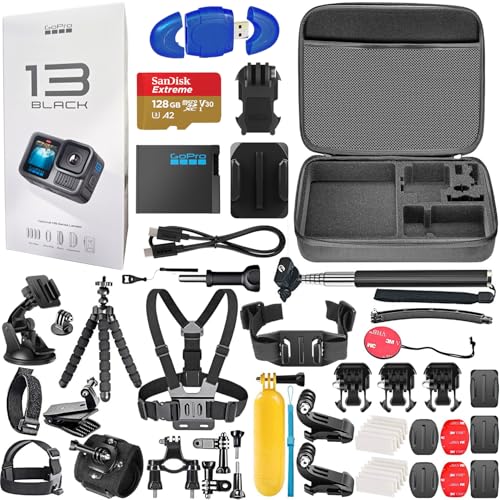
- GoPro HERO13 Black: check price on Amazon
- DJI Osmo Action 5 Pro: see the current price on Amazon
- Insta360 X4: view this camera on Amazon
- GoPro HERO12 Black: check availability on Amazon
- AKASO EK7000: see it on Amazon
- A dedicated dual-channel dash camera: choose a reputable dual-channel model from a dash-cam specialist
Searchers typing best cameras for my car usually want one of three different things, and confusing them is how money gets wasted. The first is evidence: a quiet witness that records every journey in case of a dispute. The second is memory: road trips, mountain passes and grandchildren in the back seat, filmed well enough to watch in ten years. The third is performance: track days, green lanes and autocross runs, where the camera is a coach as much as a recorder. The best cameras for my car depend entirely on which of those jobs is yours, and this guide is organised around the jobs rather than around a single podium.
The honest headline is this. For pure evidence — automatic recording, loop overwriting, number-plate legibility at night, a camera that wakes with the ignition and never asks anything of you — a dedicated dual-channel dash camera remains the specialist, and one appears below as a prose-only pick because our verified pool contains no dash camera we can link in good faith. But for memory and performance, and for drivers who want one camera that serves the car and everything else in life, the action and 360 cameras in this guide are superb: tougher than dash cams, better in daylight, and useful on bikes, boats and helmets the moment they leave the windscreen.
Cars are hostile camera environments in ways product pages underplay. A windscreen in summer sun turns a dashboard into an oven that cooks batteries and warps cheap mounts. Vibration at motorway speed blurs cameras whose stabilisation was tuned for walking. And a camera that needs attention at seventy miles per hour is not a camera but a distraction, which is why every pick below was judged on set-and-forget manners as harshly as on image quality: how it behaves on the hundredth journey, not the first.
Read the six as a toolkit for different drivers. The family chronicler, the track-day improver, the road-tripper crossing three countries and the commuter who wants a witness all appear below with a camera matched to their real week. The sections after the reviews cover mounting law and courtesy, power without draining the car, and the footage habits that make recordings worth keeping rather than merely keeping.
Key Takeaways
- Decide the job first: evidence, memory or performance — each crowns a different camera below.
- For automatic, always-on evidence a dedicated dash camera is still the specialist; it appears here prose-only, honestly labelled.
- Action cameras win for road trips and track days: tougher, better in daylight, useful far beyond the car.
- Heat and vibration kill more car cameras than crashes do — mounting and power discipline matter as much as the sensor.
- A 360 camera is the road-tripper’s delight: film the whole journey, choose the view at home.
- Never operate any camera by hand while driving; if it needs attention, it is mounted wrong.
In this guide
Quick Picks
| Camera | Badge | Why it is here |
|---|---|---|
| GoPro HERO13 Black | Best all-round car camera | The toughest, best-stabilised action camera for road trips, scenic drives and track days alike. |
| DJI Osmo Action 5 Pro | Best for long drives and low light | Class-leading battery life and dawn-to-dusk image quality for drivers covering serious miles. |
| Insta360 X4 | Best 360 camera for road trips | Records the road ahead, the cabin and the view behind simultaneously — reframe the journey at home. |
| GoPro HERO12 Black | Best value GoPro for the car | Nearly the flagship experience for less — the sensible buy for a dedicated car GoPro. |
| AKASO EK7000 | Best budget car camera | A very inexpensive action camera for second cars, teen drivers and risky mounts. |
| A dedicated dual-channel dash camera | Best for pure evidence — prose-only | The honest specialist for automatic evidence recording; our verified pool has no dash camera to link, so this pick is prose-only. |
How did we judge cameras for life inside a car?
We assessed each camera against a driver’s real week: the school run in rain, a two-hour motorway leg in summer heat, a dawn start on a mountain road, and a track session where the camera’s job was coaching rather than witnessing. Mounting came first — suction, adhesive and vent options, how the camera sits without blocking the driver’s view, and how quickly it can be removed at a destination, because a camera that lives in the car must also be able to leave it. Vibration behaviour at speed, heat tolerance on a sunlit dashboard and the simplicity of starting a recording without looking at the device all carried heavy weight.
Footage was judged by purpose. For memory cameras we cared about colour, stabilisation and sound inside a moving cabin; for performance use, about field of view, frame rates and how honestly the footage shows a driver’s lines and hands; for witness duty, about reliability and legibility, where we are frank that the action cameras are part-time deputies rather than full-time officers. Battery and power practicality ran through everything: a camera that dies forty minutes into a three-hour leg has failed its only examination.

GoPro HERO13 Black — Best all-round car camera
The HERO13 is the camera most drivers should buy for the car, provided their purpose is recording journeys rather than insuring against them. Its stabilisation is the headline: footage from a suction mount on a windscreen or a fixed mount on a roll bar comes back level and composed at speeds and on surfaces that turn lesser cameras into abstract art. The road-tripper crossing the Alps and the novice at a first track day are asking the same question — will it still look watchable at speed? — and this camera answers it most completely.
Its mount ecosystem is a genuine car advantage. Suction cups for windscreens, adhesive mounts for dashboards and helmets, clamp mounts for headrests that film the cabin and the road together — the HERO13 can be repositioned for each journey’s purpose in a minute, then removed at the hotel so the car carries no invitation to thieves. Interchangeable lens options widen or narrow its view, letting one camera serve as both the scenic road camera and the close cabin camera across a trip.
Power discipline is the ownership skill. On long legs, run it from the car’s USB with the battery removed or managed as the manual advises for heat, because a charging battery inside a hot camera on a hot dashboard is the classic recipe for a mid-journey shutdown. Drivers who learn the ritual — fresh battery for short hops, wired power for the long haul, a shaded parking habit in summer — find this camera effectively immortal; drivers who do not will meet its thermal limits on the hottest day of the year.
Its footage also flatters the ordinary drive in a way that builds the habit of filming. A mundane commute at golden hour, rain beading on the windscreen at a level crossing, the first snow on a familiar road — the HERO13 renders these with a steadiness that makes reviewing the day’s driving quietly pleasurable, and cameras that get watched get used. That feedback loop, more than any specification, is why this one tops the list for the memory-keeping driver.
- Format: waterproof action camera
- Stabilisation: advanced electronic stabilisation
- Mounts: vast suction and adhesive ecosystem
- Video: high-resolution, high frame rates
- Power: swappable batteries, USB power
Strengths
- Footage stays calm at motorway speed
- Mount ecosystem fits any car surface
- Survives heat, rain and rough roads
Trade-offs
- No automatic loop-recording like a dash cam
- Batteries need swapping on long legs
- Windscreen view only — no rear channel
Best for: drivers who film journeys, trips and track days with one dependable camera. Not suited for: drivers wanting an invisible, always-on witness

DJI Osmo Action 5 Pro — Best for long drives and low light
Distance is the Action 5 Pro’s argument. Its battery endurance leads the action class, and in a car that translates directly into journeys filmed whole rather than in fragments: the three-hour leg to the coast, the full mountain crossing, the dawn departure that ends at a lunchtime ferry. Drivers who have watched lesser cameras die at the interesting part of the road will understand why endurance, in this category, is a picture-quality feature — the best footage is the footage that exists.
Its larger sensor earns the second half of its case at the day’s edges. Tunnels, tree-lined lanes at dusk, rain-darkened motorways under sodium light — the Action 5 Pro keeps these legible and colourful where smaller-sensored rivals smear them into murk. Road trips are disproportionately driven at those hours, because travellers start early and arrive late, and a camera that only performs at noon is a camera for a journey nobody actually takes.
The dual screens serve the car in a specific way: the front screen lets a driver confirm framing from the seat before setting off — camera checks belong in car parks, not in traffic — and then the camera can be left entirely alone. Subject tracking, designed for sports, finds a second life filming a car ahead on a scenic convoy drive, holding it centred through bends while your own hands stay on the wheel where they belong.
Together these virtues make it the connoisseur’s road-trip camera: the one for the driver who plans the scenic route, times the pass for the evening light and intends to watch the film in winter. It asks a little more intention than the GoPro and returns a little more cinema, and for the miles that matter most, that exchange is the right one.
- Format: waterproof action camera
- Battery: class-leading endurance
- Sensor: larger, strong in low light
- Screens: front and rear touchscreens
- Tracking: subject tracking built in
Strengths
- Runs longest between charges
- Best dawn, dusk and tunnel footage
- Colour flatters landscapes through glass
Trade-offs
- Ecosystem younger than GoPro’s
- Still no true dash-cam loop mode
- Front screen tempts fiddling — set it and forget it
Best for: high-mileage drivers, dawn starters and anyone filming whole journeys. Not suited for: drivers who want a fit-and-forget evidence camera

Insta360 X4 — Best 360 camera for road trips
The X4 changes what a car camera is. Mounted on the windscreen or the roof, it records everything: the road unfolding ahead, the passengers reacting, the valley falling away behind, the overtaking motorcycle and the rainbow nobody pointed at in time. The framing decisions happen later, at home, where a single drive can be edited into a forward travel film, a cabin comedy and a scenic panorama from the same recording. For road trips — the drives that become family mythology — no other camera here gathers as much of what actually happened.
That completeness has a coaching use too. Track and advanced-driving instructors value the ability to review a driver’s hands, eyes and the road in one synchronised record, and the X4 delivers it from a single mount where a conventional setup needs three cameras and a syncing headache. The invisible-stick effect, famous from cycling, gives exterior shots that look drone-filmed, though drivers should check local rules and common sense before exterior mounting at speed.
Its costs are workflow and delicacy, and both deserve honesty. Reframing an hour of 360 footage is an evening’s pleasant work, not a moment’s, and the bulging lenses that see everything also catch everything — stone chips, fingerprints, car-park knocks. Lens guards and a case that lives in the glovebox are part of the purchase. Drivers who want footage to share from the lay-by should take a conventional camera; drivers who want the journey itself, complete, should take this one.
Families discover its signature joy on the second trip: the back-seat angle. Children asleep against windows, grandparents navigating from paper maps, the dog’s head out into the wind of a country lane — the cabin footage a 360 camera captures incidentally becomes, years later, the part of the film everyone watches twice. The road was the excuse. The people were the subject, and this is the only pick that never forgets them.
- Format: 360 action camera
- Capture: full sphere, reframed later
- Mounts: windscreen and exterior options
- Mode: single-lens action camera mode
- Effect: invisible selfie-stick views
Strengths
- Never misses the moment on either side
- Cabin and road in one recording
- Reframing turns one drive into many edits
Trade-offs
- Editing 360 footage takes real time
- Exposed lenses need careful handling
- Files are large on long trips
Best for: road-trippers, convoy drivers and families who want the whole journey. Not suited for: drivers wanting evidence footage or instant sharing

GoPro HERO12 Black — Best value GoPro for the car
A dedicated car camera lives a different life from a shared one: it stays mounted, stays charged, and is judged on whether it is ready every single morning. The HERO12 suits that life at a friendlier price than the flagship, with stabilisation and image quality close enough that almost no driver will find the difference from the driver’s seat. Buying the previous generation is an old photographer’s trick — the discount funds the mounts, cards and spare batteries that a car installation actually consumes.
Because it shares the GoPro ecosystem, everything said about mounting the HERO13 applies here with equal force: windscreen suction for the scenic work, headrest clamping for the cabin, adhesive bases where a permanent home is wanted. A two-GoPro household — one current, one previous generation — also discovers the multi-angle trick: both cameras running on a special drive, one forward and one on the driver, cut together into something that looks produced.
Its honest limitations mirror its sibling’s. It is a recorder you start, not a witness that starts itself; it will not loop like a dash camera or wake with the ignition; and its batteries want the same heat discipline on summer dashboards. Drivers whose need is evidence should read the dash-camera pick below without embarrassment. Drivers whose need is a faithful, ready companion for the drives that matter will find this the smartest money in the guide.
There is a quiet psychological advantage to a dedicated, slightly older camera: it can be left in the car. The flagship gets borrowed for holidays and hikes and is never there on the one extraordinary morning — the frost, the deer at the roadside, the perfect light on the usual road. The HERO12, owned by the car rather than by the household, is present for those mornings, and presence is the first virtue of any camera that lives in a vehicle.
- Format: waterproof action camera
- Video: 5.3K-class recording
- Stabilisation: advanced electronic stabilisation
- Mounts: full GoPro ecosystem
- Power: swappable endurance batteries
Strengths
- Flagship-grade stabilisation for less
- Shares mounts with the HERO13
- Proven reliability across model years
Trade-offs
- Superseded by the HERO13 at the top
- Same loop-recording limits as all action cams
- Battery life good rather than class-leading
Best for: drivers dedicating one camera to the car and wanting flagship manners at a keener price. Not suited for: buyers who always want the current flagship

AKASO EK7000 — Best budget car camera
Not every car deserves a flagship camera, and not every camera should be precious. The EK7000 is the pick for the second car, the teenager’s first car, the farm truck and the mount — under a bumper, on a trailer, facing backwards from a headrest — where a camera’s working conditions include genuine peril. At its price, a household can put a camera in every vehicle it owns and still spend less than one flagship costs, and coverage, for many purposes, beats quality.
Its included wireless remote earns a specific car commendation: starting and stopping a recording from the driver’s seat, without reaching for a camera mounted out of arm’s reach, is both a convenience and a safety feature. The waterproof housing, designed for divers, doubles in car life as armour against dust, gravel-yard grit and the coffee that eventually baptises every cabin. Treat it as a tool rather than a jewel and it repays the attitude with years of unglamorous service.
Calibrate expectations to its station. Stabilisation is electronic and adequate rather than magical, low-light footage is legible rather than lovely, and the menus belong to an earlier, more patient era of product design. For documenting a journey, recording a young driver’s practice sessions for later review with a parent, or witnessing a scenic drive well enough to relive it, those compromises are invisible. For the trip of a lifetime, borrow the flagship.
Parents of new drivers find its deepest use in the debrief rather than the drive. Twenty minutes of footage reviewed together on Sunday — the junction approached too fast, the mirror check that never happened, the genuinely good overtake — teaches more than an hour of roadside commentary, and it teaches without the tension of the moment. A cheap camera that improves a young driver is worth more than an expensive one that merely films them, and that is this pick’s place in the family fleet.
- Format: budget action camera
- Video: 4K-class recording
- Case: waterproof housing included
- Control: wireless remote included
- Role: second-car and loaner camera
Strengths
- Cheap enough for every car in the household
- Remote start from the driver’s seat
- Loss or theft is an annoyance, not a disaster
Trade-offs
- Stabilisation and low light trail the flagships
- Build and menus feel their price
- Footage is documentation grade
Best for: second cars, new drivers and mounts you would not risk a flagship on. Not suited for: the family’s only road-trip camera
A dedicated dual-channel dash camera — Best for pure evidence — prose-only
This pick breaks the guide’s pattern deliberately, and the reason is integrity. If your need is evidence — the camera that records every journey automatically, overwrites its oldest footage, locks the file when it senses an impact and reads a number plate on a dark road — then the correct product is a dedicated dash camera, and our verified pool of action and 360 cameras contains none we can link. Rather than pretend an action camera is its equal, we name the category, describe it accurately, and leave it unlinked. Choose a current dual-channel model from an established dash-cam maker, with a rear camera included, and have it hardwired if you want parking protection.
Understand what the specialisation buys. A dash camera’s whole design serves one master: it wakes with the ignition, records in loops of a few minutes, guards incident files from overwriting, and does this for years without the owner remembering it exists. Its footage is deliberately unglamorous — wide, flat, optimised for legibility — and its low-light tuning prioritises plates and signage over beauty. No action camera in this guide does any of that automatically, and a driver who needs those behaviours and buys an action camera instead has bought a fine camera and a wrong tool.
The two categories combine well in real households. The dash camera witnesses every mile silently, while an action camera comes out for the journeys worth filming — and many drivers in this guide’s audience will end up owning one of each, each doing the job it was born for. If the budget forces a single choice, let the dominant need decide: disputes and insurance point to the dash camera; memories and performance point to everything above it in this list.
We flag this pick as prose-only in the sources file, with no link and no invented model endorsement, because a buying guide’s credibility is worth more than one commission. When a dash camera enters the verified pool, this section will gain a name and a link. Until then, the category recommendation stands on its own merits, and drivers who follow it will be better served than those we might have steered to the wrong device.
- Format: dedicated dash camera, front and rear
- Recording: automatic loop with incident locking
- Power: hardwired or 12V, parking modes vary
- Lens: tuned for number plates day and night
- Operation: starts and stops with the car
Strengths
- Records every journey without being asked
- Loop recording means it never fills up
- Front and rear coverage in a dispute
Trade-offs
- Footage is evidence, not cinema
- Installation is fussier than a suction mount
- Useless for anything outside the car
Best for: commuters and high-mileage drivers whose first need is a witness. Not suited for: road-trippers wanting films worth keeping
Where should a camera sit in a car — and where must it never sit?
Placement is governed by three masters: the law, the view and the physics of a crash. In most jurisdictions a camera must not obstruct the driver’s view of the road, which in practice means high behind the rear-view mirror or low in a corner of the windscreen, never centred in the glass at eye level — and drivers should confirm their local rules, because some regions restrict windscreen attachments and recording altogether. The mirror position has a second virtue: the camera hides in the car’s own visual clutter, visible to neither the driver nor, mostly, to thieves.
Physics adds its veto. Anything mounted within an airbag’s deployment path becomes a projectile in the event the camera was bought to record, so dashboard-top positions in front of the passenger airbag are out, and loose cameras on parcel shelves are simply unsecured mass. Adhesive and suction mounts should be checked monthly — heat cycles work on both — and a camera that falls into the footwell at speed is a hazard wearing a lens. Mount it high, mount it tight, cable it along the trim rather than across the cabin, and the installation disappears into the car’s ordinary life.
Finally, aim with the engine off and the patience on. The classic car-camera framing error is a bonnet filling the lower half and sky the upper, leaving the road — the subject — as a strip in the middle. Tilt down until the road and the horizon share the frame generously, confirm number plates are legible in a test clip at dusk, and only then consider the job done. Ten minutes of aiming in a car park is the cheapest image-quality upgrade in this entire guide.
How do you review driving footage so it actually improves the driver?
Footage earns its keep in the review, and the review has a method. Watch at normal speed first for the story — where the journey flowed, where it frayed — then return to the three moments that felt worst from the driver’s seat and watch those at half speed. In the slowed replay the causes separate themselves: the late mirror check before the lane change, the following distance that shrank while attention was on the sat-nav, the junction entered a gear too high. A camera shows these without argument or embarrassment, which is precisely why it teaches better than a passenger can.
Keep the reviews short and kind, especially with young drivers. Twenty minutes on the week’s two worst moments and one genuinely good one builds a driver; an hour of fault-finding builds resentment of the camera, and a resented camera gets switched off. Note one habit per week to practise — following distance on wet roads, say — and let the next week’s footage mark the homework. Drivers improve in single habits, not in general resolutions, and the camera’s gift is making a single habit visible enough to work on.
For track and performance driving the review turns technical: braking points, the line through the same corner across sessions, hands on the wheel at the moment of turn-in. Compare laps from the same camera position — consistency of mounting is what makes footage comparable — and resist changing the mount and the technique in the same week, or you will never know which one improved the picture. The camera is the laboratory notebook; keep its conditions stable and its entries honest.
What should you do with footage after an incident or a near miss?
Save it properly first and argue about it later. Copy the relevant file off the card the same day, keep the original untouched alongside any trimmed version you share, and note the time, place and conditions while memory is fresh — insurers and, occasionally, police value the original file and the calm note far more than an edited highlight. If the footage shows your own driving in a poor light, take advice before sharing it widely; honesty with your insurer and restraint with the internet are different duties, and both are real.
Near misses deserve almost the same discipline, because they are free lessons. Keep the clip, review it with the method in the previous section, and ask the only question that matters — what will I do earlier next time? Drivers who keep a small library of their own near misses, reviewed twice a year, measurably change: the junction that caught them once gets approached with a margin forever after. The camera cannot slow time, but it can lend you your own experience twice, and the second viewing is the one that teaches.
One caution completes the section: a camera is a witness, not a lawyer, a shield or a provocation. Never let its presence change how you drive — no brake-testing for the record, no commentary performed for an audience, no disputes conducted through a windscreen. The drivers who benefit most from these devices are those who forget them entirely between the driveway and the destination, and remember them only in the calm of review.
How do seasonal changes alter what a car camera must endure?
A car camera lives four different lives a year, and the wise owner adjusts for each. Winter brings the cruellest batteries and the most valuable footage: low sun that blinds through a salted windscreen, black ice that makes witnesses precious, and cold-soaked electronics that wake slowly and die early. Keep action-camera batteries warm in a pocket until the journey, expect shorter recording times, and clean the windscreen patch in front of the lens as part of the de-icing ritual — a camera filming a smear is a witness with cataracts. Winter is also when the dash camera justifies its existence most often, on the dark commute where disputes breed.
Spring and autumn are the touring seasons and the memory cameras’ finest hours: long light, dramatic weather, roads worth the detour. This is when the X4 and the Action 5 Pro earn their purchase in a single weekend, and when the household’s camera should migrate from the commuter car to whichever vehicle is going somewhere interesting. Summer, by contrast, is the endurance test — heat management, shaded parking, mounts checked as adhesives soften — and the season when a camera left baking daily will quietly age a year in a month.
The seasonal rhythm suggests a household policy rather than a purchase: the witness camera lives permanently in the main car, the memory camera travels to the journey, and both are inspected when the clocks change — mounts, cards, batteries and aim — in the same ten minutes as the tyre pressures and the screenwash. Cameras maintained on a calendar survive; cameras maintained on a whim fail on the one day they were for.
What separates footage worth keeping from footage worth deleting?
Keep the journeys with a story: the first drive in a new car, the last in an old one, the pass crossed in cloud that suddenly cleared, the grandchild’s commentary from the back seat that will be quoted at their wedding. Delete, without ceremony, the four hundredth identical commute — the archive’s value lies in its editing, and a hard drive of everything is a library with no catalogue. The drivers who still love their car cameras in five years are ruthless curators in the present: a folder per journey that mattered, named by place and date, backed up once, and the rest surrendered to the loop.
Technical quality is the lesser half of the decision. A shaky, wind-blown clip of a grandfather laughing at a wrong turning outranks an hour of flawless motorway, because the archive’s future audience is the family, and families watch people. This is the final argument for the 360 camera and the cabin angle: they record the occupants as faithfully as the road, and the occupants are who the future is actually coming to see. Film the road for the story. Film the cabin for the truth. Keep both, label them kindly, and let the ordinary miles go.
How do you film passengers, children and pets without ruining the journey?
The cabin camera’s first rule is that the journey outranks the footage. Children perform for a lens for approximately four minutes and then resent it for four hours, so the wise family camera is a fixture rather than an event: always there, rarely mentioned, its recordings reviewed at home rather than performed for on the road. The 360 camera excels here precisely because it asks nothing — no aiming, no framing, no announcement — and captures the unposed back-seat life that staged filming destroys. Grandparents on video calls have made the same discovery from the other side: the natural cabin is the one that forgot the camera.
Pets raise the stakes from manners to safety. A dog filmed loose in a cabin is a dog unsecured in a crash, so the camera conversation must begin with the harness, the crate or the guard — and only then with the angle, which is usually a headrest mount facing the load area where the animal actually rides. The resulting footage, reviewed at home, is genuinely useful beyond its charm: the dog’s behaviour on long journeys, the first signs of travel sickness, the moment the new harness arrangement proved itself. Film the animal you have secured, never secure the animal you wish to film, and the distinction will keep both the pet and the conscience intact.
Consent and kindness scale with age. Teenagers deserve a say in whether the cabin camera runs and what leaves the family archive; younger children deserve parents who remember that today’s hilarious clip is tomorrow’s searchable embarrassment. The household rule that ages best is simple: the camera records for the family, publication is a separate decision requiring the subject’s agreement, and anyone may call a camera-off journey without giving a reason. A device welcomed under those terms gets used for a decade.
What does a two-camera car setup look like for serious road films?
The classic road-film pairing is a forward camera and a people camera, and its grammar comes straight from cinema: the road shot carries the journey, the cabin shot carries the meaning, and the edit alternates them in the rhythm of the day. Forward duty suits the Action 5 Pro or the HERO13 on the windscreen; people duty suits the X4 on a headrest or the second action camera angled across the cabin, wide enough to hold both front seats and a slice of the passing world through the side glass. Run both for the day’s great passages — the coast road, the forest climb, the city arrival — rather than for every mile, because storage and attention are both finite and the edit will thank you.
Synchronising the pair is simpler than beginners fear. A single clap, or the driver calling the time aloud at the start of each sequence, gives the editor a sync point visible and audible on both recordings; professional crews use timecode, families use a clap and a laugh, and the results differ less than the equipment lists suggest. Keep both cameras on the same frame rate and similar colour settings so the cut does not change the weather, and shoot the forward camera a touch wider than feels right — the edit can crop, it cannot widen.
The third angle, when ambition grows, is the exterior detail: a securely mounted low camera for the wheel and the road rushing beneath, a bonnet view for the mountain hairpins, always within the circuit’s or the country’s rules and never at the cost of a mount you cannot swear by. Exterior angles are spices, not staples — thirty seconds of wheel-level road in a ten-minute film electrifies it, while ten minutes of it would be unwatchable. Build the film from the two honest angles, season with the third, and the family’s road archive becomes something strangers would watch — which is the working definition of a road film.
How do you keep a car camera ready across an ordinary week?
Readiness is a rota, not a hope. The memory camera returns to the same drawer or glovebox after every journey, its battery charged on the same evening the car is unpacked, its card copied when the trip mattered and cleared when it did not. The witness camera asks less — a monthly glance at its recordings to prove it still records, a card replaced each year — but that glance is the difference between a witness and a decoration, and it belongs on the calendar beside the tyre check rather than in the memory beside good intentions.
Families share cameras better when the rules are furniture: anyone may take the action camera, whoever takes it charges it, whoever fills the card copies it. Households that run on those three sentences find the camera charged at the start of the holiday and the footage safe at the end of it. Households that run on blame find an empty battery at the summit car park. The technology in this guide is ready whenever its owners are; build the small rota, and the readiness — like the footage — takes care of itself.
How does a car camera change a long journey for the better?
Knowing the journey is being kept changes how it is driven. Families slow for the viewpoint they would once have passed, because the film rewards the stop; drivers take the scenic route on the strength of the evening review; children narrate the landscape to a future audience of their older selves. None of this is in any specification table, yet it is the most common report from households a year into car-camera ownership: the device bought as a witness became an excuse to travel better. A camera that improves the journey it records has repaid its cost in a currency no insurer measures.
Comparison Table
| Camera | Type | Role in this guide | Key virtue |
|---|---|---|---|
| GoPro HERO13 Black | waterproof action camera | Best all-round car camera | The toughest, best-stabilised action camera for road trips, scenic drives and track days alike. |
| DJI Osmo Action 5 Pro | waterproof action camera | Best for long drives and low light | Class-leading battery life and dawn-to-dusk image quality for drivers covering serious miles. |
| Insta360 X4 | 360 action camera | Best 360 camera for road trips | Records the road ahead, the cabin and the view behind simultaneously — reframe the journey at home. |
| GoPro HERO12 Black | waterproof action camera | Best value GoPro for the car | Nearly the flagship experience for less — the sensible buy for a dedicated car GoPro. |
| AKASO EK7000 | budget action camera | Best budget car camera | A very inexpensive action camera for second cars, teen drivers and risky mounts. |
| A dedicated dual-channel dash camera | dedicated dash camera, front and rear | Best for pure evidence — prose-only | The honest specialist for automatic evidence recording; our verified pool has no dash camera to link, so this pick is prose-only. |
What mistakes do drivers make with car cameras?
The first is buying for the wrong job — an action camera expected to behave like a dash camera, or a dash camera expected to film a holiday — and then blaming the device for the mismatch this guide opened with. The second is the dangling cable across the cabin, an offence against both safety and dignity. Third is leaving a valuable camera visible in a parked car in summer, where heat and thieves compete to destroy it first. Fourth is never reviewing footage until the day it matters, when the card turns out to have failed in spring.
The fifth mistake is filming everything and watching nothing. A card full of unreviewed commutes is not an archive; it is a chore deferred. The drivers who keep the habit are those who watch the good drives — the pass at dawn, the child’s first motorway lesson, the storm over the estuary — and let the ordinary miles be overwritten without regret. Cameras in cars serve memory and safety. Footage that serves neither should be allowed to go, and a camera whose owner enjoys it will still be there, ready, on the morning the extraordinary drive arrives unannounced.
Final Recommendation
Match the camera to the job and the choice makes itself. For evidence above all, buy the dedicated dash camera — prose-only here, first choice in its category — and have it installed properly. For journeys, trips and track days, the HERO13 is the all-round answer, the Action 5 Pro the long-distance and low-light connoisseur’s pick, and the X4 the family chronicler’s time machine. The HERO12 equips a dedicated car camera for less, and the EK7000 puts a camera in every car and on every risky mount without tears.
Whichever you choose, install it like you mean it: high, tight, cabled neatly, aimed in a car park and tested at dusk. A car camera’s value is realised on ordinary days, in readiness — the witness already recording, the trip camera already charged — and readiness is a habit, not a purchase. Buy the camera, build the habit, and let the road supply the material.
A last word about the ordinary Tuesday. The extraordinary drives announce themselves and any camera serves them; the measure of a car camera is the unremarkable week — charged, mounted, aimed and trusted while nothing in particular happens, so that it is unquestionably ready on the one morning when something does. Choose the camera whose habits you will actually keep, keep them without drama, and the road will do the rest, as it always has, one unrepeatable mile at a time.
And when the choice is made, take the camera on the next ordinary drive rather than saving it for the grand tour. Familiarity earned on small journeys is what makes the equipment invisible on the great one — mounted without thought, started without a glance, trusted without a rehearsal in the hotel car park.
Frequently Asked Questions
Can an action camera replace a dash cam?
Only partly. An action camera records superb footage when you start it, but it does not loop-record, wake with the ignition or lock incident files automatically. For holiday and track use it is better than a dash cam; for unattended evidence, the dedicated dash camera in this guide remains the right tool.
Will a camera survive being left in a hot car?
Heat is the enemy of batteries and mounts. Action cameras tolerate hot journeys well, but leaving any camera baking on a dashboard daily will shorten its life and can swell its battery. Remove it at destinations in summer, or choose the hardwired dash camera designed to live in the car.
Is it legal to record other drivers and passengers?
Rules vary by place: windscreen obstruction laws, audio-recording consent and data rules for sharing footage all differ. Video-only recording of your journeys is widely accepted, but check local law before hardwiring, recording audio of passengers, or publishing footage with identifiable people and plates.
Where is the best place to mount a camera for road trips?
High on the windscreen behind the mirror for the classic road view, or on a headrest mount when the cabin and its people are part of the story. Aim lower than instinct suggests so the road fills the frame, and test the view parked before the journey begins.
How big a memory card does a car camera need?
For action cameras on trips, a large fast card lets a whole day record without swaps; many drivers carry two and rotate nightly. Dash cameras loop, so a modest card suffices, but replace cards yearly — heat and constant overwriting wear them out, and they fail silently.
Can I film a track day with these cameras?
Yes — the HERO13, HERO12 and Action 5 Pro are track-day staples, subject to the circuit’s rules: many require solid mounts rather than suction cups, and some require tethering. Check the organiser’s camera policy before the day, mount accordingly, and review the footage between sessions while it can still change your lines.
What does parking mode actually draw from the car battery?
Parking mode keeps a dash camera watching while the engine is off, usually by dropping to motion detection, time-lapse or a low-bitrate buffered mode. A hardwire kit with a voltage cut-off is the safeguard that matters: set the cut-off conservatively on an older battery, so surveillance never leaves you with a car that will not start. Buffered recording is the most useful variant because it saves seconds from before the triggering movement, capturing a door opening rather than only its aftermath. Test the setup overnight outside your home first, then review both the footage and the morning start before trusting it in an airport car park for a week.
How do I stop dashboard reflections appearing in windscreen footage?
Reflections come from pale dashboards, paper left under the glass and low sun bouncing up into the lens. Move loose items off the dash, then angle the camera a fraction downward so less cabin surface sits in its view. A circular polarising filter made for your dash camera model cuts much of the remaining glare, though it costs a little light after dark, so some drivers fit it for summer touring and remove it for winter commuting. Clean the inside of the windscreen properly before judging any filter: the hazy film that builds up there scatters light across night footage and looks exactly like a lens fault.
Should the GPS speed stamp stay visible on my recordings?
Location and speed data can support an insurance account of a collision, placing your car on a named road at a recorded time. That same stamp can also work against you when a minor speed excess becomes the argument instead of the other driver’s manoeuvre. Many cameras let you keep GPS logging in the file while hiding the on-screen overlay, or switch the stamp off entirely for ordinary touring footage. Learn where your camera stores its separate GPS track before sharing any clip publicly.
Related Guides
Related reading: the best action cameras for road trips and travel, how to mount a camera in a car safely, the best cameras for track days and motorsport.


