reviewstook.com is reader-supported. When you buy through links on our site, we may earn an affiliate commission.
Where to Buy Your Very First Camera Without Drowning in Jargon
If you typed “best cameras for biginners” into a search box, this guide was written for exactly you — spelling and all. The best cameras for biginners are not the cameras with the longest specification sheets. They are the cameras that forgive mistakes, explain themselves as you go, and produce photographs you are proud of on the very first weekend, before you have learned a single technical term. Every pick below was chosen for someone who has never owned a dedicated camera, may never have held one, and does not want homework standing between them and better pictures of family, holidays, pets and everyday life.
Here is the honest truth that camera shops rarely lead with: the gap between a phone photograph and a beginner camera photograph has almost nothing to do with talent. A real camera simply has a bigger light-gathering surface, a lens that can genuinely zoom, and controls laid out for one job. Your job as a beginner is only to choose the size of camera you will actually carry, because a camera left in a drawer takes the worst photographs of all. Small and simple beats large and impressive for a first purchase, nearly every time.
Four of the six picks below link to models in our verified pool, and two well-known beginner favourites outside that pool are covered in plain prose with no link attached. Prices are deliberately absent — check the current figure on the product page, because what matters for a first camera is the tier it sits in, and every pick here sits in a tier a beginner can justify. Read the whole guide before choosing: the sections after the picks explain, in ordinary language, the handful of ideas that genuinely change your photographs, and the mistakes that waste first-camera money.
Key Takeaways
- A first camera should reward you immediately: reliable automatic modes and honest on-screen guidance matter more than raw specification numbers.
- Compact cameras and small mirrorless bodies suit most beginners better than large DSLR-style bodies they will stop carrying.
- Every pick here works brilliantly on full automatic, then lets you learn one manual idea at a time when curiosity arrives.
- Budget for the unglamorous extras — a memory card, a spare battery and a small bag — because they decide whether the camera gets used.
- Waterproof and action models are legitimate first cameras for swimmers, skiers and parents of gloriously destructive children.
- There is no wrong pick on this list for a beginner; there is only the wrong size, weight and complication level for your life.
In this guide
Quick Picks
| Pick | Badge | Why it suits a beginner |
|---|---|---|
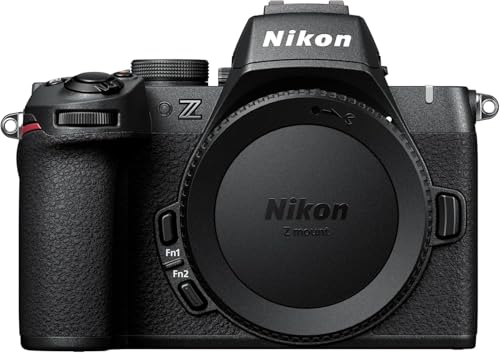
| Nikon Z50 II | Best first “real” camera | A proper interchangeable-lens camera with friendly menus, colour presets and room to grow for years. |
| Sony ZV-1F | Best pocket-simple | Fixed lens, one-button background blur and video-first simplicity that needs almost no learning curve. |
| GoPro Hero | Best for action and travel | Tiny, waterproof and nearly impossible to set up wrong — point it at the fun and press one button. |
| OM SYSTEM Tough TG-7 | Best worry-free camera | Waterproof, drop-proof and crush-resistant, so a beginner can stop protecting it and start using it. |
| Canon EOS R50 | Best guided learning | Canon’s on-screen explanations coach you through each setting in plain language as you shoot. |
| Fujifilm Instax Mini 12 | Best instant fun | Prints a physical photograph seconds after you press the button, with almost nothing to learn at all. |
How Did We Choose the Best Cameras for Biginners?
We started by deleting every camera that punishes a first-week owner. Gone went bodies with menus translated from engineer-speak, models that demand you understand exposure before the autofocus works properly, and anything whose automatic mode is secretly a trap that produces worse results than a phone. What survived had to pass a simple test: hand it to a complete novice at a birthday party, say nothing, and check the photographs an hour later. The six cameras here pass that test in different shapes.
Second, we weighed forgiveness. Beginners shoot in bad light, at moving children, through windows, at arm’s length. Cameras with strong image stabilisation, face-detection autofocus that finds people without being asked, and high-quality automatic exposure ranked above cameras with marginally sharper lenses and none of those safety nets. A sharp photograph of the wrong moment loses to a slightly soft photograph of the right one, every time, in every family album ever made.
Third, we looked for a growth path that does not require a second purchase. Some picks are complete forever — the fixed-lens and instant models. Others, like the Nikon and the Canon, accept better lenses later, so the camera you learn on can become the camera you keep. Neither path is superior; they suit different temperaments, and the detailed reviews below say plainly which temperament each camera rewards.
Finally, we considered the total beginner kit rather than the body alone. A camera whose batteries charge from a common USB cable, whose memory cards are cheap and everywhere, and whose maker publishes friendly starter videos earned credit. Hidden friction — proprietary chargers, confusing card formats, apps that refuse to connect — is where first cameras quietly go to die, so we treated every removed annoyance as a feature.
What Kind of Beginner Are You, Honestly?
Before the detailed reviews, sort yourself into one of three honest categories, because beginners buy the wrong camera when they shop for the photographer they imagine becoming instead of the one they are this month. Category one is the snapshot upgrader: you photograph birthdays, holidays, dogs and dinners, and you want those photographs visibly better than your phone’s without learning anything yet. The Sony, GoPro, TG-7 and Instax were chosen for you.
Category two is the curious learner: photography itself looks interesting, you suspect you might enjoy the craft, and you want controls you can grow into over a year or two. The Nikon Z50 II and Canon EOS R50 exist for you — both are gentle on day one and genuinely capable on day three hundred. Category three is the adventurer: your photographs happen on ski slopes, in kayaks, on building sites and at the deep end of pools. Skip to the GoPro and the TG-7 and ignore everything else; durability is your image quality.
Notice what is not a category: the professional-in-waiting. Beginners who buy flagship cameras “to grow into” mostly grow out of the hobby, crushed by weight, cost and complexity. Every camera below can produce a photograph worth framing. Start there.

Nikon Z50 II — Best first “real” camera
The Z50 II is what a first serious camera looks like when the maker remembers who is holding it. It is a mirrorless camera — meaning you can change lenses as your interests sharpen — but Nikon wrapped that capability in the friendliest package in its line. The standout beginner feature is a set of built-in colour looks you can preview live on the screen: tap one, and skin tones warm up or landscapes deepen before you press the button, so the photograph you imagined is the photograph you get, with no editing software involved at any point.
Handling teaches you quietly. The grip fits smaller hands, the touchscreen works like a phone’s, and the electronic viewfinder shows exactly how bright the final image will be, which removes the classic beginner shock of reviewing dark, ruined shots at home. Autofocus hunts down people, cats, dogs and birds and locks onto their eyes, and a dedicated product-review mode even refocuses on objects you hold up to the lens — handy if your future involves selling crafts or filming unboxings. Video is equally willing, recording crisp 4K footage with the same press-and-go simplicity.
- Format: mirrorless, interchangeable lenses
- Sensor: APS-C (large, strong in dim light)
- Video: 4K recording with eye-detection autofocus
- Screen: tilting touchscreen plus electronic viewfinder
- Beginner helpers: live colour presets, subject-detection autofocus
Strengths
- Colour presets deliver attractive results immediately, before you learn any editing at all.
- Eye-detection autofocus quietly rescues portraits that beginners usually blur.
- The lens system gives this camera a second and third life as your skills develop.
Trade-offs
- It is the largest and heaviest pick here, so it needs a bag rather than a coat pocket.
- Extra lenses cost real money later, and the temptation arrives sooner than expected.
- The menu system, while friendly for its class, still has more depth than a fixed-lens camera.
Best for: curious learners who want one camera to start on and stay with for years.
Not suited for: anyone who knows, honestly, that a camera needing a bag will stay at home.

Sony ZV-1F — Best pocket-simple camera
Sony designed the ZV-1F for people who film and photograph themselves, and in doing so accidentally built one of the least intimidating cameras ever sold. There is no lens to choose or change: the fixed wide-angle lens sees roughly what a front phone camera sees, only with a far larger sensor behind it, so faces look cleaner, backgrounds soften properly, and indoor light stops turning skin grey. A single prominent button switches on a deliberately blurred background for portraits and talking-to-camera video, which is the entire technical education this camera demands.
The screen flips fully around to face you, the camera tells you with an on-screen tally light and a red frame when recording is actually happening — a mercy every beginner vlogger learns to love after losing one unrecorded masterpiece — and a three-capsule microphone gathers noticeably clearer speech than a phone left across the room. Photographs benefit from the same forgiving autofocus, which tracks eyes in stills as happily as in video. Everything charges and transfers over USB, and the whole thing genuinely fits in a jacket pocket, which means it goes where your life happens instead of waiting at home for occasions.
- Format: compact, fixed wide-angle lens
- Sensor: 1-inch type (far larger than a phone’s)
- Video: 4K with face-tracking autofocus
- Screen: fully flip-around touchscreen
- Beginner helpers: one-button background blur, clear recording indicators
Strengths
- Almost nothing to learn: automatic exposure and eye autofocus handle the technical side completely.
- Pocket size means it is present for the moments that actually become memories.
- Video and voice quality embarrass phones costing considerably more.
Trade-offs
- The fixed wide lens cannot zoom into distant subjects — your feet are the zoom.
- No viewfinder, so bright midday sun can make the screen harder to read.
- Serious stills photographers will outgrow the limited manual control within a year or two.
Best for: snapshot upgraders and new content creators who want better-than-phone results with zero study.
Not suited for: wildlife, sports or anything far away that needs genuine zoom reach.

GoPro Hero — Best for action and travel
The smallest GoPro strips the action camera down to its essence: one waterproof box, one shutter button, and stabilisation so effective that footage shot while running looks like it was filmed from a slow-moving vehicle. For a beginner whose photographs happen on bicycles, beaches, ski lifts and snorkelling trips, this is the camera most likely to survive the hobby and the holiday simultaneously. It shrugs off rain, sand, drops and full immersion, and its ultra-wide view means aim is approximate — point it roughly at the excitement and the frame will contain the excitement.
Simplicity is the design brief. The touchscreen offers a handful of obvious modes, voice control lets you start recording with your hands on handlebars or a paddle, and the companion phone app pulls clips across automatically and even assembles quick highlight edits for the impatient. As a stills camera it is cheerfully basic — wide, bright, everything in focus — which for travel snapshots and social sharing is frequently all anyone wanted anyway. Battery swaps take seconds, mounts exist for helmets, chests, surfboards and dog harnesses, and the whole kit fits in a shorts pocket. Beginners who shoot movement first and portraits second should start here and stop shopping.
- Format: action camera, fixed ultra-wide lens
- Video: 4K with electronic stabilisation
- Waterproofing: ready for swimming and snorkelling depths
- Controls: touchscreen, single-button recording, voice commands
- Beginner helpers: automatic highlight videos via the phone app
Strengths
- Stabilisation turns shaky beginner footage into watchable, shareable clips immediately.
- Waterproof, pocketable and tough enough to lend to children without anxiety.
- One-button operation means the camera never misses the moment while you find a setting.
Trade-offs
- The ultra-wide look distorts faces at the frame edges and cannot zoom at all.
- Low-light video is noticeably weaker than the larger-sensor picks on this list.
- Photographers wanting blurred backgrounds or a traditional camera feel should look elsewhere.
Best for: adventurers, travellers and parents filming sport, water and general chaos.
Not suited for: portrait photographers or anyone whose subjects stand still and pose.

OM SYSTEM Tough TG-7 — Best worry-free camera
Most beginner cameras die young: a wave, a drop onto concrete, a handful of sand in the lens mechanism. The TG-7 is engineered against exactly those obituaries. It is waterproof to proper diving depths, survives falls onto hard ground, keeps working in freezing weather, and seals out dust — yet unlike the GoPro it behaves like a conventional camera, with a real zoom lens, a proper flash, and macro modes that focus a centimetre from a flower or a coin. For a beginner who hikes, fishes, gardens, skis or supervises toddlers, it removes the low-level anxiety that keeps delicate cameras in hotel rooms.
The surprises are photographic rather than merely mechanical. A microscope mode magnifies tiny subjects dramatically, an underwater mode corrects the blue cast that ruins snorkelling shots, and built-in focus stacking sharpens close-ups in a way that normally requires computer work. The zoom covers everyday scenes honestly, the sensor and processor handle dim aquariums and evening campsites respectably, and GPS and temperature logging can stamp your adventures with where-and-how-cold data. It is the rare beginner camera that a nature lover may never outgrow, because no other pick here can follow a tide pool or a snowstorm.
- Format: rugged compact with optical zoom
- Waterproofing: submersible, plus drop, crush and freeze resistance
- Special modes: microscope macro, underwater correction, focus stacking
- Video: 4K recording
- Beginner helpers: scene modes that handle water, snow and close-ups automatically
Strengths
- Genuinely survives the accidents that end other first cameras’ lives within a year.
- Macro and underwater modes produce unusual photographs beginners love showing people.
- A real zoom lens makes it far more versatile than action cameras for everyday scenes.
Trade-offs
- Its sensor is smaller than the Nikon’s or Sony’s, so very dark rooms challenge it.
- The rugged body is chunkier than sleek compacts and the styling is unapologetically outdoorsy.
- Serious learners will eventually want interchangeable lenses, which this design cannot offer.
Best for: outdoor beginners, beach families, gardeners and anyone hard on their belongings.
Not suited for: indoor event photographers who need the cleanest possible low-light images.
Canon EOS R50 — Best guided learning
Canon’s R50 treats its owner like a student it genuinely wants to succeed. Its guided interface replaces cryptic icons with short explanations — this setting blurs backgrounds, this one freezes motion — and a Creative Assist mode lets you describe the photograph in words like “brighter” and “softer background” while the camera translates into technical settings behind the curtain. Over months, beginners absorb the vocabulary painlessly, and when they are ready, the same camera opens up full manual control, an excellent lens system and a viewfinder that teaches traditional composition.
As a photograph-maker it is thoroughly modern: a capable sensor, autofocus that recognises people, animals and vehicles, and strong 4K video for the learner whose interests drift toward filming. The body is light, the grip secure, and the flip screen supports selfies and video diaries. We cover it prose-only because it sits outside our verified pool for this site, but beginners comparing it against the Nikon Z50 II should know the honest summary: the Canon explains more, the Nikon feels slightly more grown-up, and either will teach you photography happily for years.
- Format: mirrorless, interchangeable lenses
- Sensor: APS-C
- Video: 4K with subject-detection autofocus
- Screen: flip-around touchscreen plus viewfinder
- Beginner helpers: guided interface and plain-language Creative Assist
Strengths
- The teaching interface is the clearest in its class and genuinely speeds up learning.
- Light body and secure grip suit smaller hands and long days of carrying.
- Video quality and autofocus make it a true hybrid for photo-and-film learners.
Trade-offs
- Canon’s newest lenses are excellent but the budget end of the range is still growing.
- No weather sealing, so rainy-day shooting needs a cover and some caution.
- The guided screens eventually get switched off, at which point menus feel busier than the Sony’s.
Best for: learners who want the camera itself to explain photography as they go.
Not suited for: shooters who want a fixed-lens camera with nothing further to buy.
Fujifilm Instax Mini 12 — Best instant fun
The Instax Mini 12 makes one promise no other pick can: press the button and a real photograph develops in your hand while everyone is still laughing. For beginners — especially younger ones, and anyone buying a first camera as a gift — that immediacy rewires the whole experience. There is no screen to review, no file to transfer, no editing decision at all; there is a small credit-card-sized print that goes on fridges, into wallets and across party tables. Exposure is automatic, a selfie mirror and close-up mode handle arm’s-length shots, and the twist-to-start lens is the entire instruction manual.
Be clear about what it is not: image quality is soft and small by design, each photograph costs film money, and low light flatters nobody. But as a first camera it teaches composition better than expected — film costs just enough that you start looking before you press — and it produces the only photographs on this page that exist as objects. Parties, weddings, school trips and grandparents all respond to it in a way no screen matches. Many beginners start here, fall for photography itself, and graduate to the Nikon or Canon above with their eyes already trained.
- Format: instant film camera
- Output: physical prints that develop in minutes
- Exposure: fully automatic with selfie mode
- Power: AA batteries, no charging routine
- Beginner helpers: essentially none needed — point, press, wait
Strengths
- Physical prints create a joy no phone gallery or memory card replicates.
- Zero learning curve makes it the safest gift on this entire list.
- Running costs per shot quietly teach beginners to compose before pressing.
Trade-offs
- Film is a continuing cost and each frame is small and deliberately soft.
- No digital copy exists unless you scan the print afterwards.
- Flash fires automatically in dim rooms, which is flattering to nobody at close range.
Best for: gifts, parties, younger beginners and anyone who wants photographs as objects.
Not suited for: travel photographers who need hundreds of sharp images per trip.
How Do the Best Cameras for Biginners Compare?
| Camera | Type | Carry style | Learning curve | Standout beginner gift |
|---|---|---|---|---|
| Nikon Z50 II | Mirrorless | Small camera bag | Gentle, grows with you | Colour presets and eye autofocus |
| Sony ZV-1F | Compact | Jacket pocket | Almost none | One-button blurred background |
| GoPro Hero | Action | Shorts pocket | Almost none | Stabilised waterproof video |
| OM SYSTEM Tough TG-7 | Rugged compact | Belt pouch | Low | Survives drops, dives and frost |
| Canon EOS R50 | Mirrorless | Small camera bag | Guided step by step | Plain-language teaching screens |
| Fujifilm Instax Mini 12 | Instant | Hand or tote bag | None at all | A print in your hand in minutes |
Read the table by lifestyle rather than by specification. If the camera must disappear into a pocket, only the Sony and GoPro qualify. If it must survive your hobbies, the TG-7 and GoPro stand alone. If it must teach you a craft, the Nikon and Canon are the two honest tutors. And if the photograph itself — printed, physical, shareable — is the point, the Instax has no rival here at any price.
What Should a Beginner Actually Learn First?
Resist the urge to study everything. Photography has a hundred concepts and a beginner needs four, in this order. First, light direction: a face lit by a window beats a face lit by a ceiling bulb, and simply turning your subject toward the light improves more portraits than any setting. Second, distance: walking closer to your subject fixes more weak photographs than zooming, spending or upgrading ever will. Third, steadiness: brace your elbows, hold the camera in two hands, and squeeze the button rather than jabbing it.
Fourth, and only fourth, comes the one technical idea worth learning early — how background blur works. A wide-open lens setting (the smallest f-number your camera offers) plus distance between subject and background produces the soft, professional-looking separation beginners admire. The Sony does it with a button; the Nikon and Canon do it with lens settings their guides explain. Everything else — shutter speeds, ISO numbers, metering modes — can arrive over the following year, one curiosity at a time, and your chosen camera will be ready when you are.
How Do You Set Up a First Camera on Day One?
Charge the battery fully before the first outing; half-charged first days sour more beginners on cameras than any specification. Set the date and time so your photographs file themselves correctly. Choose the largest JPEG quality setting — storage is cheap and regret is permanent — and if your camera offers a fully automatic scene mode, use it without shame for the first month. Turn on the grid lines on the screen: keeping horizons level and placing subjects off-centre becomes effortless when the guide is drawn for you.
Then take the camera somewhere forgiving — a park, a market, a family lunch — and make a hundred photographs. Review them that evening and notice patterns: which ones please you, and what they share. That single exercise teaches more than a week of reading, because it connects the camera’s behaviour to your own taste. Finally, copy the files somewhere safe the same day. Beginners lose more early photographs to lost cards and overwritten phones than to bad technique, and a simple same-day copy habit protects the entire hobby.
Which Mistakes Do First-Time Camera Buyers Make?
Buying for the photographer they hope to become
The flagship body, the huge zoom, the bag of lenses — purchased for an imagined future self — usually produces an expensive ornament and a quietly abandoned hobby. Buy for your next six months of actual life. Every camera here can be sold or handed down later, and the photographer you become will have opinions the beginner you are cannot predict yet.
Forgetting the cost of the kit around the camera
A memory card, a spare battery, a protective bag and (for the mirrorless picks) eventually a second lens are part of the real purchase. Beginners who spend every cent on the body end up with a camera that is out of charge, out of storage or unprotected at the exact moment it matters. Hold back a sensible slice of the budget for the supporting cast.
Judging the first weekend too harshly
Early photographs from any camera disappoint, because the eye improves faster than the hands. The photographs from month three will embarrass month one, and that is the hobby working correctly. Beginners who expect the camera to deliver mastery immediately blame the tool; beginners who expect a learning curve keep the tool and collect the mastery.
Leaving the camera at home for safekeeping
A first camera earns its keep in ordinary moments, not just on holidays. Keep it charged, near the door, with space on the card, and take it on unremarkable Tuesdays. The TG-7 and GoPro owners have an unfair advantage here — toughness is a photographic feature — but any pick improves simply by being present.
Final Recommendation
Most beginners should start with the Sony ZV-1F if life happens at arm’s length and on video, or the Nikon Z50 II if photography itself is calling and you want a camera that teaches while it grows with you. Adventurers and the accident-prone should take the TG-7’s armour or the GoPro’s simplicity and never look back. Choose by the life you already live, charge the battery tonight, and make your first hundred photographs this week — that, and not the badge on the camera, is what makes a beginner into a photographer.
Frequently Asked Questions
Is a real camera actually better than a phone for a beginner?
For photographs you will print, frame or take in dim light, yes — the larger sensor and real lens gather more light and produce cleaner, more flexible images. For pure convenience, the phone still wins. Most beginners keep both: phone for spontaneity, camera for occasions and intentions.
How much should a beginner spend on a first camera?
Enough to reach the tier of the picks here, and no more. Below this tier, cameras offer little over a good phone; far above it, you pay for capabilities a beginner cannot yet use. Keep part of the budget for a card, spare battery and bag, which matter daily.
Do I need to learn manual settings to take good photographs?
No. Modern automatic modes on these cameras handle exposure well, and composition — where you stand, what you include, when you press — decides most photographs. Learn manual controls later, one idea at a time, if curiosity pulls you there.
Which is better for a beginner, a zoom lens or a fixed lens?
A modest zoom is more forgiving, because you can frame from where you stand. A fixed lens is simpler and often sharper, and it teaches you to move. Either is fine; the wrong answer is a huge, heavy zoom that keeps the camera at home.
What is the best first camera to give as a gift?
The Instax Mini 12 for instant delight, the TG-7 for outdoor families, and the Sony ZV-1F for a teenager or partner who films everything. Gift the memory card and spare batteries with it — a camera that works on Christmas morning beats one waiting for accessories.
Which Specifications Should a Beginner Ignore Completely?
Camera marketing aims its biggest numbers at the people least equipped to judge them, so here is a liberating list of specifications a beginner can safely disregard. Megapixel counts beyond the low twenties change nothing you will see on a screen or a normal print; they mostly enlarge file sizes. Maximum ISO figures describe emergency settings the camera will rarely choose and you will rarely enjoy. Burst speeds measured in dozens of frames per second belong to sports professionals tracking athletes, not to family photographers tracking toddlers, who are fast but not that fast.
Ignore, too, the alphabet soup of video codecs, log profiles and bit depths in your first year. These are finishing tools for people who grade footage on computers, and every pick here produces attractive video straight out of the camera with them switched off. What deserves your attention instead is unglamorous: how the camera feels in your hand after ten minutes, whether the screen is readable in sunlight, how quickly it wakes from sleep, and whether the battery charges from the same USB cable as everything else you own. Beginners bond with cameras that fit their hands and habits; specifications are a poor substitute for that test.
One more number deserves suspicion — the zoom figure printed on compact camera boxes, like “40x”. Large zoom ratios on small sensors trade away image quality at the far end, producing distant, watery images that disappoint exactly when a beginner hoped for magic. The honest zooms on the TG-7 and the kit lenses of the Nikon and Canon cover the distances everyday life actually happens at. If wildlife or sport genuinely calls later, that is a second-lens conversation, and the mirrorless picks here are ready for it.
How Do You Practise Photography in Your First Thirty Days?
Week one is for volume without judgement: carry the camera daily, photograph whatever catches your eye, and forbid yourself from deleting in the field. Deleting on a tiny screen discards photographs that would have pleased you on a bigger one, and the discipline of reviewing everything later teaches you what your eye is drawn to. By the end of the week you will have a few hundred images and, hidden among them, the first signs of your personal taste — the subjects you return to, the light you prefer, the distances you naturally shoot from.
Week two adds one constraint: pick a single subject — your street, your dog, your kitchen, a grandparent — and photograph only that, twenty frames a day. Constraints sound limiting and work the opposite way; with the subject fixed, you start experimenting with viewpoint, closeness and timing, which are the actual levers of interesting photographs. Week three is for people: ask family and friends for five-minute portraits near windows, and watch how moving two steps changes everything about a face. Week four, take the camera somewhere new and shoot the day as a story — arrival, details, people, food, the journey home — then arrange the best twelve in order and show someone. A beginner who finishes that month owns something no purchase provides: evidence that they are becoming a photographer.
Throughout the month, keep the camera on its automatic or program mode whenever thinking about settings would stop you pressing the button. The mode dial is not a moral ranking. Professionals use automatic modes constantly when the moment matters more than the method, and your first month is entirely moments.
Should a Beginner Buy a Used Camera Instead?
Used cameras are the worst-kept secret in photography: last year’s models sell for a fraction of their launch price and take photographs nearly indistinguishable from this year’s. For a confident beginner with a knowledgeable friend to check the goods, a used mirrorless body can stretch a budget a full tier upward. The cautions are real, though. Shutter mechanisms wear, sensors collect spots, batteries age, and warranties vanish — and a beginner, by definition, cannot yet tell a healthy camera from a tired one in a car-park inspection.
Our advice splits by temperament. If you enjoy research, haggling and small gambles, buy used from a reputable dealer who grades condition and offers returns, and put the savings toward a better lens. If you want the camera to simply work while you learn, buy new from this list, keep the warranty, and let someone else absorb the depreciation — you will likely sell or hand down your first camera in a few years and become the person supplying the used market. Either route beats the genuine mistake: buying a complicated used flagship whose previous owner, and whose menus, know far more than you yet do.
How Do You Take Care of a First Camera?
Cameras need less care than beginners fear and slightly more than phones get. Keep a soft cloth in the bag and wipe fingerprints from the lens before important shots — a smudged lens is the single most common cause of mysteriously hazy beginner photographs. Store the camera somewhere dry and ordinary, not in a bathroom or a car boot through summer. Charge batteries before they are empty when you can, carry the spare on days that matter, and format the memory card in the camera (after copying your photographs off) rather than deleting files one by one, which keeps the card’s filing system healthy.
Two habits protect your images rather than the hardware. First, copy photographs to a second location weekly — a computer folder plus a cloud service is enough — because a camera can be replaced and a lost card of a wedding cannot. Second, resist lending the camera with a full card and a flat battery to well-meaning relatives at events; hand it over charged, emptied and on automatic, and you will get it back with photographs instead of apologies. The rugged picks forgive more handling sins than the rest, but every camera on this list will serve for years on nothing more than this modest routine.
How Do the Picks Handle the Subjects Beginners Photograph Most?
Children first, because they dominate beginner camera rolls and defeat more equipment than weather does. The winning traits are autofocus that finds a small face quickly and a shutter that fires without lag when the expression arrives. The Nikon and Canon lead here, their eye-detection holding focus while a child wriggles, and the Sony tracks faces for video of first steps and school plays. The GoPro answers differently — by being already on, already wide, already recording — which is why so many pool parties exist as GoPro footage and nothing else.
Pets reward the same autofocus with an animal setting, which the Nikon and Canon both include, plus a quiet shutter for animals that flinch at clicks. Travel rewards size above all: the Sony and TG-7 vanish into day bags, the GoPro into pockets, while the mirrorless pair earn their bulk only if you will genuinely carry them up the cathedral steps. Food and crafts — the flat-lay economy of beginners who sell or share what they make — favour the flip screens on the Sony, Nikon and Canon for overhead angles, and the TG-7’s close-focusing for detail shots of stitching, frosting and seedlings.
Low light is where beginners most feel the gap between picks. Evening living rooms, restaurants and school halls separate the larger sensors from the smaller ones: the Nikon, Canon and Sony stay clean and warm where the TG-7 and GoPro work harder and grain creeps in. If your life is mostly evenings indoors, weight that heavily. If it is mostly daylight outdoors, the rugged and action picks close the gap entirely and add survival skills the indoor champions cannot match.
What Should a Beginner Buy After the Camera Itself?
Resist the accessory avalanche; a beginner needs four things in the first season. A fast, reputable memory card from a known brand — counterfeit cards corrupt photographs, so buy from proper retailers — sized generously enough that a holiday never forces deletions. A spare battery, because first cameras die at sunset on the best day of the trip with metronomic reliability. A small padded bag or wrap that makes carrying the camera feel ordinary rather than ceremonial. And a wrist or neck strap you actually attach, since the drop that ends a camera’s life almost always happens in the first month of ownership, in a kitchen, onto tile.
Everything else can wait for evidence of need. A tripod earns its place when night scenes or group self-portraits become habits, not before. A second lens for the mirrorless picks should answer a complaint you can articulate — “my portraits need softer backgrounds” points to a bright prime lens; “the birds are always too small” points to a telephoto — rather than a vague hunger for more gear. A simple editing app on your phone, used gently for cropping and brightness, teaches you more about your own taste than any purchase. The pattern to internalise is that each accessory should follow a photograph you failed to take, not precede a photograph you merely imagine.
Can a beginner start with just a camera and nothing else?
Yes, if the camera is charged and has a card in it — every pick here works out of the box for stills and video. The spare battery and bag can follow within the first month. What cannot be postponed is the habit of copying photographs somewhere safe; start that on day one, before the card fills and the stakes rise.
How long does a first camera stay useful before it feels limiting?
For the mirrorless picks, years — many photographers never outgrow an APS-C body, they only add lenses. The fixed-lens picks typically serve two to four years before a keen beginner wants zoom range or manual control they cannot offer. The Instax and GoPro rarely feel limiting at all, because their jobs are narrow and they do them completely.
What Does Your First Weekend With Each Pick Actually Look Like?
With the Nikon Z50 II, the first weekend is a gentle apprenticeship. Saturday morning is colour presets at the market — tap a look, watch the screen change, shoot the vegetable stalls like a travel photographer. By Sunday you have tried the viewfinder, found the animal-eye setting for the neighbour’s dog, and started asking what the dial letters mean, which is precisely the curiosity this camera was built to feed at your pace rather than the manual’s.
The Sony ZV-1F’s first weekend barely feels like photography at all. It rides in a coat pocket to brunch, films a friend’s reaction to good news with the background melting softly behind her, and photographs the table from overhead with the screen flipped. Nothing was configured; everything worked. Owners describe the sensation as upgrading their phone’s camera without surrendering the phone’s simplicity, and for many beginners that is the entire requirement, permanently satisfied.
A GoPro weekend is measured in bruises the camera did not get. It is strapped to a bicycle helmet, dunked in a lake, handed to a ten-year-old, and dropped on a jetty, and the footage that evening — stabilised, wide, loud with splashing — looks like a tourism advert for your own life. The TG-7’s weekend is slower and stranger: tide pools at dawn, a mushroom in macro, snow beginning to fall on the walk home, the camera emerging from a pocket for conditions that would send every other pick here back into its bag.
The Canon R50 spends its first weekend teaching. Its screens explain the blurred-background portrait you just took of your partner, and by the second portrait you are choosing the effect deliberately rather than accepting it. The Instax Mini 12’s weekend is social arithmetic: twenty prints, distributed among friends, three argued over, one already pinned above a desk. Different cameras, different weekends — the right pick is the one whose weekend sounds like yours.
Which Beginner Camera Words Are Worth Learning?
A small vocabulary unlocks most camera conversation. The sensor is the light-recording surface; bigger generally means cleaner images in dim light, which is why the mirrorless picks and the Sony outperform phones after dark. Aperture, written as an f-number, is how widely the lens opens: smaller numbers mean more light and softer backgrounds. Shutter speed is how long the camera looks at the scene; fast freezes movement, slow blurs it artistically or accidentally. ISO is sensitivity amplification — higher numbers brighten dark scenes at the cost of grain.
Two more terms pay rent immediately. Focal length, measured in millimetres, describes how zoomed-in a lens is: low numbers see widely, high numbers reach far. And stabilisation is the camera’s effort to cancel your hand-shake, through the lens, the sensor or software, which is why the GoPro can run with you and the Nikon can shoot at dusk without a tripod. That is the whole essential dictionary. Every other term in photography is a refinement of these six ideas, and you now own the concepts behind most camera reviews ever written — including, we hope, a clearer sense of why the picks above earned their places.
How Do You Share Beginner Photographs Without the Usual Hassle?
Taking the photograph is half the hobby; the other half is getting it in front of the people it was taken for, and clumsy sharing workflows quietly kill more beginner enthusiasm than bad lenses ever have. Every pick here connects to a phone app for wireless transfer, and the kindest routine is to move the day’s favourites across the same evening, while the memory is warm, rather than letting a card accumulate a season of unshared images. Choose five, not fifty: a tight selection shared promptly gets responses, and responses are the fuel that carries a beginner through the awkward early months.
Prints deserve a mention out of proportion to their cost. A handful of small prints from a family holiday — ordered from a phone in minutes — will be handled, pinned and kept in a way that no shared album link ever is, and seeing your photographs as physical objects teaches composition faster than any tutorial, because weak images look weaker on paper and strong ones glow. The Instax owners skip this step entirely, which is their camera’s whole charm. Whichever route you take, build the sharing into the same day as the shooting: photographs age like fish, not wine, and the beginner who shares promptly shoots again promptly, which is the entire secret of getting better.
What if the camera feels confusing after a week?
That sensation is normal and temporary, and it usually means you explored the menus faster than your shooting habits developed. Reset your routine rather than the camera: return to the automatic mode you started with, take the camera somewhere you love, and rebuild from photographs instead of settings. Every pick here also has a maker’s starter playlist and a beginner community full of people who asked your exact question last month. Confusion at day seven is the toll gate on the road every photographer has travelled; the people who became good at this are simply the ones who kept driving.
Should beginners edit their photographs at all?
Gently, yes — cropping a distracting edge and lifting a dark exposure are housekeeping, not cheating, and every camera here produces files that tolerate both gracefully. What beginners should avoid is the filter habit of burying a decent photograph under effects; if you cannot remember what the scene looked like, the edit has eaten the photograph. Two small adjustments, honestly applied, beat twelve presets every time.
One last reassurance for anyone still hovering over the decision: the difference between the best and worst choice on this page is far smaller than the difference between owning any of them and owning none. Beginners agonise over sensors while their children, trips and ordinary golden evenings proceed unphotographed by anything better than a phone. Pick the camera whose size and temperament match your days, forgive its limitations in advance, and let the first hundred photographs — imperfect, joyful, yours — settle the argument that no comparison table can.
Related Guides
Keep learning with our companion reading: best cameras for beginner travelers, best blog cameras for beginners and best cameras and easiest for beginners.


