Disclosure: As an Amazon Associate, reviewstook.com earns from qualifying purchases. Links on this page are affiliate links; they cost you nothing extra. Prices and availability change often, so check the current Amazon listing before you buy.
The question of aio radiator thickness deserves a slower answer than most roundups give it. Radiator thickness is the quiet specification that decides whether a liquid cooler drops into a build or starts a week of returns, because cases advertise radiator support in length while the fight happens in millimetres of depth.
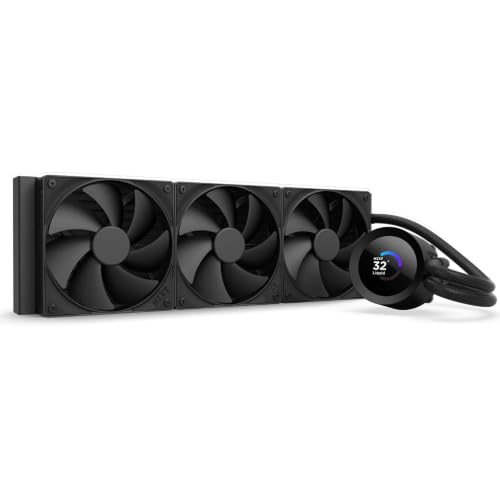
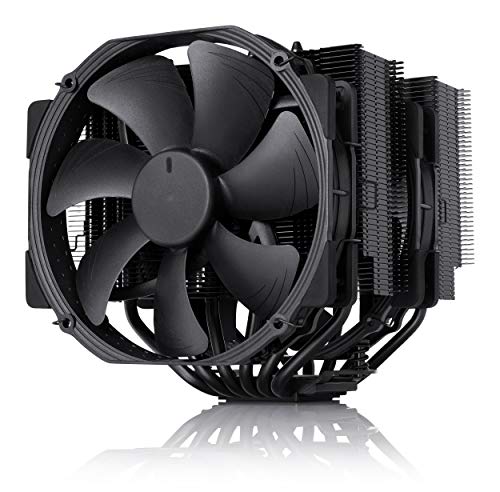
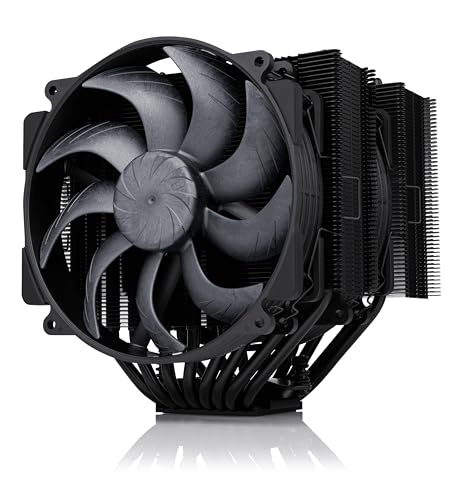
This guide explains what thickness buys in cooling terms, where the standard and thick camps differ once fans enter the equation, and which verified 360 coolers represent each philosophy honestly.
Aio Radiator Thickness decisions improve when shared use comes first. Plenty of buying guides treat aio radiator thickness as a specification contest, yet owners mostly remember whether the purchase quietly solved a cooler that technically fits the case yet fouls memory heatsinks, cables, or the motherboard shroud during ordinary weeks. The question inside aio radiator thickness is rarely which option wins a benchmark, since PC builders choosing a 360 AIO for a case with tight top clearance usually care more about the second month of ownership than the first evening. Anyone researching aio radiator thickness will meet confident claims from every brand involved, so this guide slows down and separates the durable differences from the launch-week noise.
Key takeaways
- Standard radiators near 27mm fit almost every case
- Thick radiators near 38mm need fan clearance checked twice
- Fan choice can matter more than core thickness
- Total stack height, radiator plus fans, is the number that matters
In this guide
Quick picks for Aio Radiator Thickness
- ARCTIC Liquid Freezer III Pro 360 — Best value performance: ARCTICs 360 flagship with a VRM fan and a thicker performance radiator
- Lian Li Galahad II Trinity 360 — Best design-led pick: a standard-profile 360 with swappable pump caps and clean cabling
- Corsair iCUE Link Titan 360 RX RGB — Best ecosystem flagship: Corsairs iCUE Link 360 with tidy single-cable fans and RGB polish
Aio Radiator Thickness ownership is mostly home testing once the box is open. Judge radiator thickness in liquid cooling options by a normal week of use rather than a single exciting first hour, since novelty hides exactly the annoyances that a cooler that technically fits the case yet fouls memory heatsinks, cables, or the motherboard shroud is made of. Support and firmware behaviour decide real-world satisfaction in aio radiator thickness more often than peak numbers do, especially once a product line ages past its launch drivers. A fair test for any radiator thickness in liquid cooling candidate is whether it still feels like the right purchase once the packaging is recycled and the routine is boring again.
How these radiator thickness in liquid cooling picks were chosen
The three coolers below were verified exactly through the Creators API and were picked to span the design space: a value performance flagship, a style-led infinity design, and a screen-equipped Corsair flagship.
Aio Radiator Thickness without noise considered is only half researched. Compatibility in aio radiator thickness is a chain, and the weakest link is usually an overlooked detail such as a connector standard, a mounting pattern, or a firmware branch. Power and data both deserve headroom in aio radiator thickness, because marginal supplies and hubs create intermittent faults that look like product defects. Before ordering anything for aio radiator thickness, write down the three constraints of a mid-tower build where the motherboard, tall memory, and a top-mounted radiator compete for millimetres that cannot change, then let those constraints veto products early and cheaply.
The picks in detail

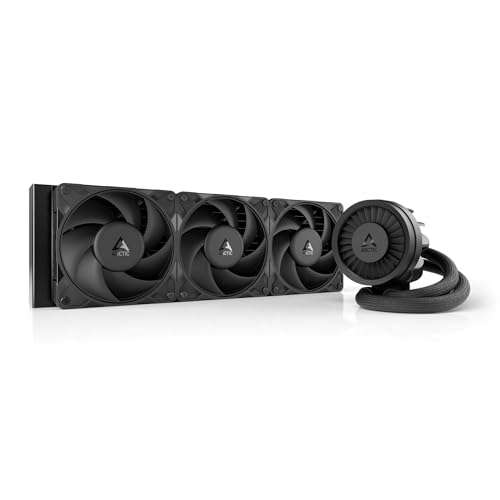
ARCTIC Liquid Freezer III Pro 360 — Best value performance
ARCTICs Liquid Freezer line built its reputation on a radiator thicker than the mainstream standard, and the Pro 360 continues that philosophy with a pump-block VRM fan for motherboard cooling.
It is the thinking builders default 360: performance-first, plainly styled, and priced in a tier that embarrasses prettier rivals.
- Radiator: 360mm, performance thickness class
- Extras: VRM fan on the pump block
- Fans: three 120mm included
- Sockets: modern Intel and AMD (listing)
Strengths
- Thicker core suits quiet curves
- VRM fan helps motherboard temperatures
- Value tier for the performance offered
Trade-offs
- Block housing is bulky near tall memory
- Styling is strictly functional
- Thicker stack needs clearance respect
Best for: performance-first builders with measured clearance
Not suited for: tiny cases or showcase builds
Ownership notes within aio radiator thickness for the ARCTIC Liquid Freezer III Pro 360: plan its place in a mid-tower build where the motherboard, tall memory, and a top-mounted radiator compete for millimetres before it arrives, keep its cables and accessories together from day one, and judge it after a full week of ordinary use rather than the first excited hour, because that is when its real character replaces the unboxing impression.
Aio Radiator Thickness without measuring considered is only half researched. Ambient conditions in a mid-tower build where the motherboard, tall memory, and a top-mounted radiator compete for millimetres shift how aio radiator thickness hardware behaves across the year, with summer heat and winter dry air each writing their own chapter. Guests and family members interact with aio radiator thickness purchases differently from their owners, and designs that forgive unfamiliar hands age more gracefully in shared spaces.

Lian Li Galahad II Trinity 360 — Best design-led pick
The Galahad II Trinity takes the standard-thickness route and spends its budget on design: interchangeable pump covers, tidy daisy-chained fans, and a restrained infinity-mirror accent.
Its slimmer stack is the friendly option for cases where a thick radiator would argue with memory or shrouds.
- Radiator: 360mm, standard profile
- Pump: swappable decorative caps
- Fans: daisy-chain design reduces cables
- Colour: black (this listing)
Strengths
- Slimmer stack fits more cases
- Cable-light fan design
- Looks belong in a glass build
Trade-offs
- Standard core caps ultimate headroom
- Style features drive the tier
- Software needed for full lighting control
Best for: glass-panel builds that still game hard
Not suited for: maximum-cooling absolutists
Ownership notes within aio radiator thickness for the Lian Li Galahad II Trinity 360: plan its place in a mid-tower build where the motherboard, tall memory, and a top-mounted radiator compete for millimetres before it arrives, keep its cables and accessories together from day one, and judge it after a full week of ordinary use rather than the first excited hour, because that is when its real character replaces the unboxing impression.
Aio Radiator Thickness at home is, in the end, a question of long ownership. Long sessions reveal more about aio radiator thickness than any unboxing can, because heat, noise, fit, and small software habits compound quietly over time. When two radiator thickness in liquid cooling options look identical on paper, the tie-breaker is usually how gracefully each one fails, beeps, throttles, or asks for maintenance.

Corsair iCUE Link Titan 360 RX RGB — Best ecosystem flagship
The Titan 360 RX RGB represents the flagship standard-profile camp, built around Corsairs iCUE Link system where fans connect with a fraction of the usual cable spaghetti.
Its FlowDrive cooling engine and quiet fan tuning target the builder who wants the whole loop, lighting included, run from one application.
- Radiator: 360mm, standard profile
- System: iCUE Link connected fans
- Lighting: RGB fans and pump cap
- Colour: black design family
Strengths
- Cleanest cabling in this roundup
- One app runs cooling and lighting
- Strong quiet-speed manners
Trade-offs
- Flagship tier pricing
- Ecosystem rewards staying with Corsair
- Standard core, not a thick-radiator play
Best for: Corsair ecosystem builders and cable perfectionists
Not suited for: budget-first or thick-radiator hunters
Ownership notes within aio radiator thickness for the Corsair iCUE Link Titan 360 RX RGB: plan its place in a mid-tower build where the motherboard, tall memory, and a top-mounted radiator compete for millimetres before it arrives, keep its cables and accessories together from day one, and judge it after a full week of ordinary use rather than the first excited hour, because that is when its real character replaces the unboxing impression.
Aio Radiator Thickness decisions improve when the final decision comes first. Software updates reshape aio radiator thickness products after purchase, sometimes fixing launch flaws and sometimes moving settings, so a calm update policy protects a working setup. Wear items inside aio radiator thickness deserve a named replacement plan, because the product that cannot be refreshed cheaply becomes e-waste on the first tired component.
Comparison table
| Product | Role | Best for |
|---|---|---|
| ARCTIC Liquid Freezer III Pro 360 | Best value performance | performance-first builders with measured clearance |
| Lian Li Galahad II Trinity 360 | Best design-led pick | glass-panel builds that still game hard |
| Corsair iCUE Link Titan 360 RX RGB | Best ecosystem flagship | Corsair ecosystem builders and cable perfectionists |
Aio Radiator Thickness ownership is mostly the shortlist once the box is open. Ask what would make you replace this aio radiator thickness purchase within a year, and buy the option that removes that specific reason rather than the most decorated box. A written shortlist of three aio radiator thickness candidates, each with one sentence explaining its role, prevents the late-night fourth option that restarts the whole search. Waiting a week rarely hurts a aio radiator thickness decision, because the category moves slowly and a calmer head notices which requirement was vanity all along.
The two thickness camps
Mainstream AIO radiators cluster around 27mm thick, a dimension inherited from case compatibility targets rather than cooling theory. Performance designs stretch toward 38mm, adding coolant volume and fin depth that help most when fans are allowed to spin slowly. Beyond that territory live custom-loop radiators, whose 45mm and 60mm cores assume fan stacks and cases that AIO buyers rarely own.
Aio Radiator Thickness and setup care: a clear head helps here. A product journal sounds excessive for aio radiator thickness, yet three dated notes about settings that worked will rescue a future troubleshooting session completely. Cleaning and inspection intervals for aio radiator thickness gear are short but real, and owners who schedule them seasonally almost never meet the dramatic failures forums describe.
Stack height is the real specification
A radiator never works alone: add 25mm of fan, and a slim 27mm core becomes a 52mm stack while a 38mm core becomes 63mm. That second figure is the one that collides with tall memory modules and motherboard armour in top-mounted installations. Push-pull fan arrangements double the fan allowance and can turn a thick radiator into a case-ending 88mm sandwich.
Aio Radiator Thickness without long ownership considered is only half researched. The resale listing you may write one day rewards aio radiator thickness owners who kept the box, the spare parts bag, and the original cables from the first week. Six months into owning any radiator thickness in liquid cooling product, the specification sheet is forgotten and the daily rituals remain: the wake-up behaviour, the cleaning routine, the little noises.
Thickness versus fin density
A thin radiator with dense fins can rival a thicker, sparser core at high fan speeds, then fall behind when the fans slow down. Thick cores resist airflow more, so they reward static-pressure fans and punish the free case fans builders sometimes substitute. This is why thickness comparisons that ignore the bundled fans mislead: the cooler is a system, not a slab of aluminium.
Aio Radiator Thickness for PC builders choosing a 360 AIO for a case with tight top clearance usually hinges on maker support.
When thickness genuinely pays
Sustained all-core workloads on high-heat processors use the extra core volume for hours, which is where thick radiators justify their clearance demands. Quiet-focused builds gain the most, because surface and volume trade directly against fan revolutions in the speeds you can hear. Short gaming bursts rarely separate the camps, since the coolant itself buffers brief heat spikes before the radiator matters.
Aio Radiator Thickness without resale value considered is only half researched.
How to choose: a buying guide for Aio Radiator Thickness
Measure your case from the mounting surface to the first obstruction, memory, VRM shroud, or cable, and subtract a standard 25mm fan before falling in love with any radiator dimension.
Aio Radiator Thickness in practice turns on long ownership more than headlines. Spending more inside aio radiator thickness only makes sense when the extra money buys a named improvement, such as quieter operation, better fit, or a longer support window. Where aio radiator thickness gear will be used daily for years, cost per year of service is a kinder metric than the sticker gap between two finalists. Budget framing for aio radiator thickness works best in tiers: an entry tier that removes a cooler that technically fits the case yet fouls memory heatsinks, cables, or the motherboard shroud, a middle tier that adds headroom, and a flagship tier that mostly buys refinement.
Aio Radiator Thickness without shared use considered is only half researched. Gift and shared-household purchases inside aio radiator thickness should favour the forgiving option over the ultimate one, since the recipient never asked for a hobby. Once a aio radiator thickness choice is made, stop reading comparison threads for a month; post-purchase research mostly manufactures regret without adding information. Decision order for aio radiator thickness: first eliminate anything incompatible with a mid-tower build where the motherboard, tall memory, and a top-mounted radiator compete for millimetres, then rank the survivors by how completely they remove a cooler that technically fits the case yet fouls memory heatsinks, cables, or the motherboard shroud, and only then compare refinements.
Decide whether you are chasing peak cooling or quiet cooling, because thickness serves the second goal more reliably: more core volume lets fans turn slower for the same result.
Aio Radiator Thickness without the final decision considered is only half researched. Ownership cost in aio radiator thickness is mostly attention: the option that needs the least fiddling after setup returns hours to PC builders choosing a 360 AIO for a case with tight top clearance across a year. Durability questions matter in aio radiator thickness because replacement cycles are long, and a slightly better-built option often ends up cheaper across two upgrade rounds. resale and hand-me-down value rarely headline aio radiator thickness discussions, yet flexible products that suit a second owner hold their worth noticeably better.
Setup and everyday use, step by step
Aio Radiator Thickness, judged on planning, rewards patience. None of the steps in this aio radiator thickness routine needs specialist tools, but each one protects the next, and skipping ahead is how small misalignments become weekend projects. Setup for aio radiator thickness rewards sequence over speed, so the steps below follow the order that prevents the common faults rather than the order that finishes fastest.
- Measure the case mounting area and note every obstruction within 70mm of the fan plane.
- Add radiator thickness and fan thickness on paper before ordering anything.
- Dry-fit the radiator with fans attached before applying thermal paste or peeling film.
- Route tubes with slack at the fittings; a forced bend is a slow leak auditioning.
- Set fan curves against coolant or package temperature and test under a thirty-minute load.
- Re-check clearance after cable management, since a tidy loom can migrate into the fan arc.
Aio Radiator Thickness at home is, in the end, a question of noise.
Aio Radiator Thickness, judged on fine adjustment, rewards patience. Fit checks for aio radiator thickness start with measurements, not opinions: clearances, port positions, cable runs, and the physical habits of the person who will use the gear daily. The install order matters with aio radiator thickness: prepare the space, update firmware, fit the hardware, and only then judge performance, because a rushed setup masquerades as a bad product. Documenting your aio radiator thickness setup with two phone photos before changing anything makes rollback painless when an experiment disappoints.
Common mistakes with radiator thickness in liquid cooling
Aio Radiator Thickness and planning: a clear head helps here. Most aio radiator thickness regrets trace back to a skipped measurement or an assumed compatibility, not to a genuinely bad product, which is why the mistakes section below is practical rather than dramatic. Returns data in categories like aio radiator thickness tells a consistent story: buyers rarely send back the option they researched slowly, and frequently return the one bought during a sale countdown.
Trusting a case radiator-support line that quotes length while ignoring the depth your motherboard steals.
Ordering a thick radiator and discovering the memory kit needed the same millimetres.
Assuming thicker always cools better, then strangling it with low-pressure fans.
Mounting tubes-down in a front install without checking the full tube reach and pump position.
Aio Radiator Thickness without record keeping considered is only half researched. If two radiator thickness in liquid cooling finalists remain tied, choose the one with the calmer failure mode, since every product in this category eventually has a bad day. For PC builders choosing a 360 AIO for a case with tight top clearance, the tie-breaking question in aio radiator thickness is usually about time: which option returns the most evenings to actual use instead of configuration.
Testing, validation, and the first month
Aio Radiator Thickness for PC builders choosing a 360 AIO for a case with tight top clearance usually hinges on double-checking. Photographing the aio radiator thickness setup before and after each adjustment sounds trivial, yet those two images settle arguments about what changed far better than memory, which edits itself generously after a frustrating evening. Write the three numbers that would make you return a aio radiator thickness purchase before it arrives, because deciding your standards in advance protects you from both buyers remorse and its opposite, stubbornness. A aio radiator thickness purchase that needs a forum rescue in week one is not necessarily a bad purchase, since many excellent products ship with one hostile default that a single setting change retires forever.
Aio Radiator Thickness for PC builders choosing a 360 AIO for a case with tight top clearance usually hinges on firmware. Thermals, acoustics, and ergonomics in aio radiator thickness all drift across the first month as dust, seasons, and habits settle, so a setup judged perfect in week one deserves one calm re-check in week five. If a friend owns a rival radiator thickness in liquid cooling option, an evening swap teaches more than a month of reviews, since your hands and your room vote immediately and without respect for launch marketing. When aio radiator thickness results disappoint, resist the urge to change three things before breakfast; the fault is usually one setting, one cable, or one assumption, and shotgun changes bury the evidence under fresh variables.
Who this suits: scenarios that decide it
Aio Radiator Thickness ownership is mostly gifting once the box is open. A beginner meeting aio radiator thickness for the first time should weight forgiveness over ceiling, since the option that tolerates early mistakes teaches the hobby instead of punishing its students. Gift buyers inside aio radiator thickness should choose the option with the gentlest learning curve and the cleanest return path, because the recipients delight matters more than the givers specification pride. Anyone whose aio radiator thickness use is seasonal, heavy for three months and idle for nine, should favour the option that stores gracefully and wakes without a maintenance weekend.
Aio Radiator Thickness at home is, in the end, a question of gifting. An experienced owner upgrading within aio radiator thickness already knows their personal deal-breakers, and for them the exercise is checking that the new favourite did not quietly reintroduce an old enemy. The competitive edge case in aio radiator thickness is real but narrow: if your results are measured, ranked, or paid, the flagship tier stops being indulgence and becomes equipment, and the buying rules change accordingly. Picture PC builders choosing a 360 AIO for a case with tight top clearance on a deadline evening in a mid-tower build where the motherboard, tall memory, and a top-mounted radiator compete for millimetres: the value of the right radiator thickness in liquid cooling choice is not a specification then, it is the absence of a cooler that technically fits the case yet fouls memory heatsinks, cables, or the motherboard shroud at the exact moment patience is shortest.
Ownership over time: care, updates, and rituals
Aio Radiator Thickness and resale value: a clear head helps here. Register the warranty for a aio radiator thickness purchase in the first week, photograph the receipt into cloud storage, and note the support channel that actually answered, because year-three you will thank week-one you. Insurance and inventory sound excessive until a household claim asks what your radiator thickness in liquid cooling gear was worth, and a dated photo folder answers in minutes what memory argues about for weeks. Ownership of any radiator thickness in liquid cooling product settles into rituals: the weekly wipe, the monthly check, the seasonal deep clean, and building those rituals into your calendar is what separates gear that ages from gear that decays.
Aio Radiator Thickness ownership is mostly comfort once the box is open. Keep one known-good spare in the aio radiator thickness drawer, a cable, a battery, a pad, whichever small part can end a session, because the cheapest insurance in the whole setup is the five-minute fix. A small maintenance log for aio radiator thickness, three lines a season, converts mysterious decline into visible pattern, and patterns are what separate a five-minute fix from a replacement purchase. The five-year view of aio radiator thickness favours repairable, documented products with living communities, because parts, advice, and second-hand demand all flow toward gear people can keep alive.
Troubleshooting when things misbehave
Aio Radiator Thickness for PC builders choosing a 360 AIO for a case with tight top clearance usually hinges on setup care. Support teams for aio radiator thickness respond best to a timeline, a firmware version, and a photograph, and the buyers who send all three routinely skip two rounds of scripted questions. Swap one component at a time when isolating a aio radiator thickness fault, borrowing where possible, because the part that fixes it is the diagnosis, and buying the whole suspect list is not. Document the fix for any aio radiator thickness fault when you find it, in the same log that recorded the fault, because the person who will need that paragraph in eighteen months is you, and you will not remember the details.
Aio Radiator Thickness at home is, in the end, a question of fine adjustment. If a cooler that technically fits the case yet fouls memory heatsinks, cables, or the motherboard shroud follows the gear to a second room and a second machine, the product is guilty; if it stays behind in a mid-tower build where the motherboard, tall memory, and a top-mounted radiator compete for millimetres, the room is, and that single test halves every investigation. Power quality is the invisible suspect in aio radiator thickness reliability, and a different outlet, a quality strip, or a short UPS test has solved more hauntings than any replacement part. Community knowledge for aio radiator thickness is deep but dated quickly, so check the age of any fix you find, because a celebrated solution from two firmware generations ago may now be the cause.
Upgrade paths and what to buy next
Aio Radiator Thickness decisions improve when gifting comes first. The upgrade path inside aio radiator thickness should be planned like a ladder, not a lottery: today’s purchase ought to name the single next step that would most improve choosing a radiator thickness your case and fans can actually exploit when budget returns. Accessories are the cheapest upgrades in aio radiator thickness, and the right pad, cable, stand, or case often delivers more daily improvement than replacing the headline product a generation early. An upgrade that complicates daily use is a downgrade wearing better specifications, and aio radiator thickness history is full of flagship features their owners disabled within a month.
Aio Radiator Thickness ownership is mostly fine adjustment once the box is open. Budget a fixed annual amount for the aio radiator thickness hobby if it is a hobby, because planned indulgence beats the cycle of guilt purchases and regret returns that unplanned gear lust produces. Plan the end of the ladder too: the aio radiator thickness setup that finally matches choosing a radiator thickness your case and fans can actually exploit should be declared finished, enjoyed, and defended against your own browsing habits. Document your current aio radiator thickness settings before any upgrade, export them where possible, because the new flagship deserves to be judged against your tuned best, not your forgotten defaults.
Value, pricing, and buying without regret
Aio Radiator Thickness for PC builders choosing a 360 AIO for a case with tight top clearance usually hinges on travel. When a aio radiator thickness purchase will be used by a whole household, its cost divides by every user, which quietly promotes the better model from indulgence to arithmetic. Free returns change the rational aio radiator thickness strategy completely: when testing costs nothing but time, audition the finalist at home in a mid-tower build where the motherboard, tall memory, and a top-mounted radiator compete for millimetres instead of agonising over reviews written in other rooms. Price tracking on a single exact aio radiator thickness model beats browsing a hundred near-matches, because clarity about the target is what separates a deal from a distraction.
Aio Radiator Thickness ownership is mostly double-checking once the box is open. Value in aio radiator thickness is cost divided by sessions, not cost divided by specifications, and the product used four hundred times at a premium tier is cheaper per evening than the bargain used forty times. Extended warranties inside aio radiator thickness make sense exactly when the product is expensive, essential, and awkward to replace quickly, and are decoration in every other case. The second-hand market for aio radiator thickness rewards buyers who can test in person and punishes everyone else with other peoples intermittent faults, priced as bargains.
Aio Radiator Thickness, judged on measuring, rewards patience. A disciplined first week with any radiator thickness in liquid cooling purchase looks like this: one variable changed at a time, one dated note per change, and no verdicts until the setup has survived both a weekday routine and a weekend marathon in a mid-tower build where the motherboard, tall memory, and a top-mounted radiator compete for millimetres. Borrowed benchmarks mislead aio radiator thickness buyers because the test rooms, companion gear, and patience of reviewers never match a mid-tower build where the motherboard, tall memory, and a top-mounted radiator compete for millimetres, so treat every chart as a hypothesis your own first week must confirm or reject. Support forums for aio radiator thickness reward precise questions: model, firmware, settings, and the exact moment a cooler that technically fits the case yet fouls memory heatsinks, cables, or the motherboard shroud appears will earn you the one answer that a vague complaint never attracts.
Aio Radiator Thickness decisions improve when maker support comes first. Time is a specification in aio radiator thickness: the option that saves ten minutes of friction daily returns sixty hours a year to PC builders choosing a 360 AIO for a case with tight top clearance, a figure no benchmark table prints and every owner eventually feels. Keep the packaging of any aio radiator thickness purchase intact until the second week closes, because returns are painless with a box and miserable without one, and week two is when honest opinions finally outvote first impressions. The most useful test for radiator thickness in liquid cooling gear is the boring one: repeat the exact task that produced a cooler that technically fits the case yet fouls memory heatsinks, cables, or the motherboard shroud last month and notice whether the frustration arrives later, softer, or not at all.
Aio Radiator Thickness and fine adjustment: a clear head helps here. Validation for aio radiator thickness should happen in a mid-tower build where the motherboard, tall memory, and a top-mounted radiator compete for millimetres rather than on a test bench in your head, because the friction that matters, namely a cooler that technically fits the case yet fouls memory heatsinks, cables, or the motherboard shroud, only appears where the gear will actually live and work every day.
Aio Radiator Thickness at home is, in the end, a question of the learning curve. For a second setup, a spare room, a partners desk, or a travel kit, aio radiator thickness logic inverts: the cheaper sibling that covers eighty percent of the experience is usually the wisest money in the whole category. A household with pets, children, or enthusiastic cleaners should audit aio radiator thickness choices for exposed cables, tippy stands, and settings that a small hand can reset, because real homes stress-test differently from studios. For a shared household, aio radiator thickness succeeds when the second person can use the result without a tutorial, because gear that only its buyer understands becomes a small daily negotiation nobody enjoys.
Aio Radiator Thickness, judged on double-checking, rewards patience. When aio radiator thickness gear travels, between desks, events, or homes, the calculus shifts toward durability and setup speed, and the home champion can become the road liability within one trip. For PC builders choosing a 360 AIO for a case with tight top clearance working against a hard budget ceiling, the radiator thickness in liquid cooling decision that protects choosing a radiator thickness your case and fans can actually exploit at the middle tier almost always beats the flagship that forces compromises everywhere else in the setup. When two people share one aio radiator thickness purchase, buy for the person with the stronger constraint, the smaller hands, the worse light, the tighter deadline, because the flexible partner adapts and the constrained one cannot.
Aio Radiator Thickness, judged on home testing, rewards patience. A renter in a mid-tower build where the motherboard, tall memory, and a top-mounted radiator compete for millimetres faces limits an owner does not, no drilling, no permanent fixtures, no repainting, and the best radiator thickness in liquid cooling choice is the one that performs beautifully inside those temporary rules.
Aio Radiator Thickness in practice turns on fit more than headlines. Ambient change is the silent reviewer of aio radiator thickness: summer heat, winter static, and a rearranged room all re-grade your setup, and a configuration that survives all three is genuinely finished. When a aio radiator thickness product starts behaving oddly, clean it and re-seat every connection before researching replacements, since a humbling share of failures are dust and gravity wearing a disguise. Teach one other person in the household the basics of your aio radiator thickness setup, where the power lives, what the blinking light means, so a trip away does not turn into a support call at midnight.
Aio Radiator Thickness for PC builders choosing a 360 AIO for a case with tight top clearance usually hinges on durability. Retiring a aio radiator thickness product responsibly, wiped, reset, boxed with its cables, turns an old purchase into a hand-me-down that makes a beginner happy instead of e-waste that makes nobody anything. The resale value of aio radiator thickness gear rewards boring virtues: original box, complete cables, honest photos, and a listing that names the exact model instead of the family nickname. Accessories accumulate around aio radiator thickness like iron filings around a magnet, so audit them twice a year and retire the ones serving a setup you no longer own or a problem you no longer have.
Aio Radiator Thickness, judged on firmware, rewards patience. Firmware and software updates for aio radiator thickness deserve a calm policy, read the notes, wait a few days for the brave, then update on a morning when a rollback would not ruin your plans.
Aio Radiator Thickness without firmware considered is only half researched. Before contacting support about aio radiator thickness, reproduce the fault once with everything unnecessary unplugged; a fault that survives isolation is real, and one that vanishes has just told you its address. A factory reset is the last resort in aio radiator thickness troubleshooting, not the first, and it should only happen after current settings are exported or photographed, because rebuilding a tuned setup from memory is its own punishment. Intermittent faults in aio radiator thickness are the cruellest, so log the time, temperature, and task whenever a cooler that technically fits the case yet fouls memory heatsinks, cables, or the motherboard shroud appears, because three dated entries reveal a pattern that a month of guessing will not.
Aio Radiator Thickness and routine maintenance: a clear head helps here. Heat writes many aio radiator thickness mysteries: a fault that arrives after forty minutes and vanishes overnight is thermal until proven innocent, and airflow is the first witness to interview. When aio radiator thickness gear fails under warranty, resist opening it; photograph the symptom, keep the accessories together, and let the makers curiosity work for you instead of against your claim. Software is half of every modern aio radiator thickness product, so a clean reinstall of the companion app, on a phone without battery-saver interference, belongs on the troubleshooting list beside the cables.
Aio Radiator Thickness decisions improve when record keeping comes first. Most aio radiator thickness complaints trace to a short list of repeat offenders: a setting nobody remembers changing, a cable seated ninety-five percent of the way, or a firmware branch the companion app quietly left behind.
Aio Radiator Thickness ownership is mostly cleaning once the box is open. Compatibility is the upgrade tax in aio radiator thickness: every ecosystem choice either discounts your next purchase through shared parts or charges you full price for starting over, so choose ecosystems like subscriptions. A mid-cycle refresh, new pads, new cables, a deep clean, a firmware catch-up, can return a aio radiator thickness setup to apparent newness for the price of a modest dinner, and it deserves trying before any flagship hunt. The best time to buy aio radiator thickness upgrades is when your current setup starts a sentence with if only, and the worst time is when a launch video starts that sentence for you.
Aio Radiator Thickness in practice turns on the final decision more than headlines. Trade-in and refurbished channels inside aio radiator thickness reward patient buyers, particularly for the previous flagship, whose only crime was being photographed beside its successor. When the next generation of aio radiator thickness arrives, list what it fixes that you actually suffer from; a launch that solves other peoples problems is a sale to watch, not a purchase to make. For PC builders choosing a 360 AIO for a case with tight top clearance, the upgrade that protects the most sessions is usually reliability, a spare, a better mount, a cleaner power path, rather than the specification that photographs best.
Aio Radiator Thickness, judged on budgeting, rewards patience. Sell or hand down the old radiator thickness in liquid cooling gear while it still has a living audience, because last generations model funds this generations accessories surprisingly often.
Aio Radiator Thickness in practice turns on fault-finding more than headlines. The most expensive aio radiator thickness mistake is buying the wrong product cheaply twice, which is why the return policy of the seller is a feature worth real money. Discount seasons move aio radiator thickness prices predictably, and the patient buyer who knows their exact model in advance harvests the sale instead of being harvested by it. The middle tier of aio radiator thickness is where engineering budgets go furthest, because flagship money buys diminishing refinements while budget money buys visible compromises, and the middle buys neither apology.
Aio Radiator Thickness and measuring: a clear head helps here. For PC builders choosing a 360 AIO for a case with tight top clearance, time is the hidden currency of aio radiator thickness: a product that saves setup minutes weekly can justify a premium that a pure specification comparison would call irrational. Total cost of aio radiator thickness ownership includes the stand, the case, the spare, the cable you will definitely lose, and the software subscription somebody will eventually propose, so budget the entourage, not just the star. Refurbished aio radiator thickness units from the maker, with warranty, are the connoisseurs shortcut, converting other peoples returns into your flagship at a middle-tier figure.
Aio Radiator Thickness for PC builders choosing a 360 AIO for a case with tight top clearance usually hinges on budgeting. A warranty is a priced opinion about failure rates, and in aio radiator thickness the makers offering long coverage cheaply are telling you something the review scores cannot.
Within aio radiator thickness, beyond the headline points, the two thickness camps shapes the subject in a quieter way: it decides how the setup feels in a mid-tower build where the motherboard, tall memory, and a top-mounted radiator compete for millimetres on an ordinary day, how forgiving it is when a cooler that technically fits the case yet fouls memory heatsinks, cables, or the motherboard shroud threatens, and how confidently PC builders choosing a 360 AIO for a case with tight top clearance can recommend the whole arrangement to someone whose habits differ from their own.
Within aio radiator thickness, beyond the headline points, stack height is the real specification shapes the subject in a quieter way: it decides how the setup feels in a mid-tower build where the motherboard, tall memory, and a top-mounted radiator compete for millimetres on an ordinary day, how forgiving it is when a cooler that technically fits the case yet fouls memory heatsinks, cables, or the motherboard shroud threatens, and how confidently PC builders choosing a 360 AIO for a case with tight top clearance can recommend the whole arrangement to someone whose habits differ from their own.
Within aio radiator thickness, beyond the headline points, thickness versus fin density shapes the subject in a quieter way: it decides how the setup feels in a mid-tower build where the motherboard, tall memory, and a top-mounted radiator compete for millimetres on an ordinary day, how forgiving it is when a cooler that technically fits the case yet fouls memory heatsinks, cables, or the motherboard shroud threatens, and how confidently PC builders choosing a 360 AIO for a case with tight top clearance can recommend the whole arrangement to someone whose habits differ from their own.
Within aio radiator thickness, beyond the headline points, when thickness genuinely pays shapes the subject in a quieter way: it decides how the setup feels in a mid-tower build where the motherboard, tall memory, and a top-mounted radiator compete for millimetres on an ordinary day, how forgiving it is when a cooler that technically fits the case yet fouls memory heatsinks, cables, or the motherboard shroud threatens, and how confidently PC builders choosing a 360 AIO for a case with tight top clearance can recommend the whole arrangement to someone whose habits differ from their own.
Within aio radiator thickness, the two thickness camps also has a practical rhythm: it rewards the owner who checks it deliberately during setup, revisits it after the first month, and treats it as part of choosing a radiator thickness your case and fans can actually exploit rather than as background detail, because the setups that age best are the ones whose owners understood which details were load-bearing.
Within aio radiator thickness, stack height is the real specification also has a practical rhythm: it rewards the owner who checks it deliberately during setup, revisits it after the first month, and treats it as part of choosing a radiator thickness your case and fans can actually exploit rather than as background detail, because the setups that age best are the ones whose owners understood which details were load-bearing.
Within aio radiator thickness, thickness versus fin density also has a practical rhythm: it rewards the owner who checks it deliberately during setup, revisits it after the first month, and treats it as part of choosing a radiator thickness your case and fans can actually exploit rather than as background detail, because the setups that age best are the ones whose owners understood which details were load-bearing.
Within aio radiator thickness, when thickness genuinely pays also has a practical rhythm: it rewards the owner who checks it deliberately during setup, revisits it after the first month, and treats it as part of choosing a radiator thickness your case and fans can actually exploit rather than as background detail, because the setups that age best are the ones whose owners understood which details were load-bearing.
Final recommendation
Most builders should buy a standard-thickness 360 with excellent fans and spend the saved money and clearance on a case that breathes; choose a thick radiator only when your measurements, not your hopes, prove the stack fits.
Aio Radiator Thickness for PC builders choosing a 360 AIO for a case with tight top clearance usually hinges on warranty cover.
Frequently asked questions
What is the standard AIO radiator thickness?
Most mainstream AIO radiators are about 27mm thick, with performance models near 38mm; always add roughly 25mm per fan row to get the installed stack height.
Does a thicker radiator cool better?
It can, particularly at low fan speeds and under sustained loads, but fan quality and fin density can erase the advantage in short gaming workloads.
Will a 38mm radiator fit my case?
Only measuring answers that: compare the full radiator-plus-fan stack against the space to your memory and motherboard features in the intended mount.
Is push-pull worth it on a thick radiator?
Rarely for AIO buyers, because the second fan row adds noise, cost, and 25mm of stack for gains that usually land in single digits.
Which thickness suits a quiet build?
A thicker core with strong pressure fans at low speed is the classic quiet recipe, provided the case honestly fits the stack.
Related reading
After aio radiator thickness: b6 oled
After aio radiator thickness: blitzwolf bw kb1 review
After aio radiator thickness: air cooling vs aio for gaming
After aio radiator thickness: 240mm vs 280mm aio
After aio radiator thickness: 240mm vs 360mm aio
After aio radiator thickness: 360mm vs 280mm aio
After aio radiator thickness: aio liquid cooler black friday deals