Disclosure: As an Amazon Associate, reviewstook.com earns from qualifying purchases. Links on this page are affiliate links at no extra cost to you; prices and availability change frequently, so check Amazon for the latest.
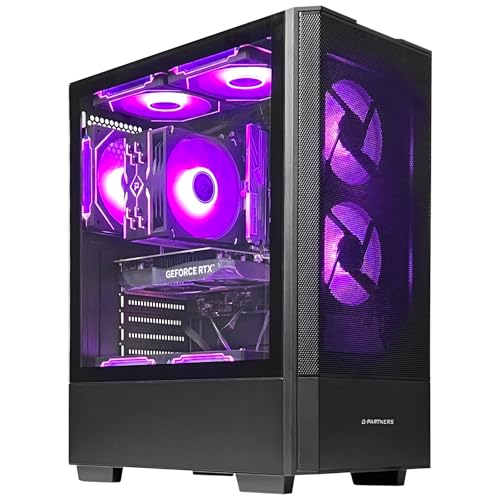
Is a Prebuilt Gaming PC Worth It? A Straight Answer, With the Working Shown
So, is a prebuilt gaming pc worth it? For most buyers, yes — provided the specific machine is honestly specified, the premium over building is modest, and your time has any value at all. For hobbyist builders, for buyers recycling parts they already own, and for anyone being sold a tower with hidden components, no. That is the whole answer, and the rest of this article is the working: what the premium actually buys, how to judge whether a given machine premium is fair, where the value traps hide, and how the six verified configurations in this cluster price their own propositions in specification terms. A verdict you cannot audit is an opinion; this one comes with its arithmetic exposed.
Worth is always worth to someone, for something. A prebuilt is worth it relative to three alternatives: building the same specification yourself, buying a worse machine for less, or not gaming on PC at all. Most arguments on this subject quietly swap between those comparisons mid-sentence, which is how they generate heat without light. This article keeps them separate. The head-to-head with building is covered round by round in Prebuilt Gaming PC Vs Gaming PC Build; the category balance sheet is in Prebuilt Gaming PC Pros And Cons; this page is the value judgement that sits on top of both.
One more framing before the numbers-that-are-not-numbers: we do not print prices in this cluster, because prebuilt prices move too fast for print to stay honest. Worth, fortunately, does not depend on any single price. It depends on the relationship between what a machine costs, what its components would cost, what your time costs, and how long the machine will serve — and every one of those can be assessed at the moment you buy, using the links here to check the latest price on Amazon for the exact configuration under judgement.
In this guide
Key Takeaways
- The prebuilt premium buys assembly, system testing, one warranty, support infrastructure, and your evenings back — price those honestly before calling it large or small.
- A premium is fair when the specification is fully named and current; it is a trap when the price is premium and the components are hidden, old, or below minimums.
- Cost per year of service is the fairest single lens: a machine that serves five years at high satisfaction beats a cheaper one replaced in two.
- The verdict flips by buyer: first-timers and time-poor buyers gain most; hobbyist builders and parts-recyclers gain least.
- Monitor matching is part of worth — headroom your screen cannot show is money spent on invisible performance.
Where to Buy
Every configuration named in this article was checked against the verified pick sheet for this cluster before inclusion, and each link below goes to the exact configuration described in the text. Prebuilt line-ups change without warning — a builder swaps a power supply, a storage size, or a wireless card while keeping the model name — so always re-read the full specification on the product page before you order, and use the links here to check the latest price on Amazon rather than trusting a figure quoted anywhere else. reviewstook.com recommends only configurations whose processor model, graphics card, memory, and storage are all named explicitly; if any one of those four lines is vague on a listing you are considering elsewhere, treat that vagueness as information in itself.
Best Budget — ZYNEEX Prebuilt Gaming Desktop — GeForce RTX 3050 6GB, 16GB DDR4 3200MHz, 1TB NVMe SSD. Check on Amazon
Best Balanced — CyberPowerPC Gamer Xtreme (Intel Core i5-14400F, RTX 5060) — GeForce RTX 5060 8GB, 16GB DDR5, 1TB PCIe 4.0 SSD. Check on Amazon
Best Overall — CyberPowerPC Gamer Master (Ryzen 7 8700F, RTX 5060 Ti) — GeForce RTX 5060 Ti 8GB, 16GB DDR5, 1TB PCIe 4.0 SSD. Check on Amazon
Best for Streaming — KOTIN Gaming PC Desktop (Ryzen 7 8700F, RTX 5060 Ti) — GeForce RTX 5060 Ti 8GB, 16GB DDR5, 1TB SSD. Check on Amazon
Best Premium — MSI Codex Z2 Gaming Desktop (Ryzen 7-8700F, RTX 5070) — GeForce RTX 5070, 32GB DDR5, 2TB SSD. Check on Amazon
Best Flagship — Alienware Aurora Gaming Desktop (RTX 5080, Core Ultra 9 285) — GeForce RTX 5080, 32GB DDR5, 1TB SSD. Check on Amazon
What the Premium Actually Buys, Itemised
Strip the marketing away and a prebuilt premium purchases five concrete things. Assembly labour by people who build the same configurations repeatedly and make fewer mistakes than a first-timer. System-level testing: the machine has run as a whole before it ships, which eliminates the most common and most demoralising class of new-PC problems. A single warranty covering the system, with one support channel — the item whose value becomes vivid the first time anything fails, and which component warranties scattered across vendors cannot replicate. An included, licensed operating system, installed and activated. And your time: the research-to-playing interval compresses from weeks of sourcing and an evening of assembly-plus-troubleshooting to a delivery and an evening of setup following How To Set Up Prebuilt Gaming PC.
None of those five is imaginary, and together they explain why the premium exists and why it persists even among informed buyers who could build. The question is never whether the premium buys nothing — it plainly buys those five things — but whether its size, on a given machine, exceeds their value to you. That is a judgement with inputs you control: your hourly value of free time, your troubleshooting appetite, and your distance from anyone who can help when a build will not boot.
When the Premium Is Fair — and When It Is a Trap
A premium is fair when it is charged on an honest specification: every component named, current-generation graphics with modern upscaling, memory and storage at or above the sensible minimums, a power supply identified by wattage and rating, and support terms stated plainly. All six configurations in this cluster meet that standard, which is why they are the reference set — their premiums, whatever the market is charging this week, are premiums on disclosed goods. A premium is a trap when it is charged on adjectives instead: lighting and case styling in front, integrated graphics or an elderly card behind, memory or storage below minimum, and a power supply nobody will name. The same money that is fair in the first case is indefensible in the second, and the difference is entirely visible before purchase to any buyer who runs the audit in How To Choose A Prebuilt Gaming PC.
The subtler trap is tier mismatch, which wastes money without any dishonesty at all. A flagship bought for a basic monitor and a light library is not worth it, however fairly priced, because its headroom will never be seen. An entry tower bought for a demanding 1440p library is not worth it either, however cheap, because it will be replaced early — and early replacement is the most expensive outcome in this entire market. Worth lives at the intersection of fair premium and correct tier, and both halves are the buyer responsibility.
The Lens That Settles Most Arguments: Cost per Year of Service
Divide any machine true cost — purchase, plus the upgrades it will predictably need, plus the monitor it deserves if you are buying one — by the years it will serve you well, and most worth arguments resolve themselves. A mainstream or upper-mainstream tower bought at a fair premium, matched to its monitor, and kept for four to five years delivers its performance at a modest annual figure and asks for perhaps one memory or storage upgrade along the way. A bargain tower that disappoints in year one and is replaced in year two costs more per year than any machine in this article, despite having the smallest sticker. A flagship kept for six years by a buyer who uses its headroom can be worth it; the same flagship replaced in three by a buyer chasing the next flagship is a subscription, and should be entered knowingly as one.
Longevity levers are worth naming because they are buyable. Current-generation graphics with strong upscaling support ages slowest. A current platform — DDR5, a recent socket — keeps processor and memory upgrades open. A named power supply with headroom keeps the graphics upgrade a one-component event. And standard components throughout keep every future option, including handing the machine down or selling it with its history documented, worth real value at the end of its first life. The configurations in this cluster were chosen with those levers in view; the reviews in Prebuilt Gaming PC Reviews score each one against them.
Who Should Not Buy One — the Honest Exceptions
Three buyers should walk past the prebuilt shelf without guilt. The hobbyist builder, for whom assembly is recreation and component choice is expression — the premium buys them nothing they want and costs them something they love. The parts recycler, sitting on a good case, power supply, storage, and perhaps memory from a previous machine, whose true build cost is a fraction of any complete system. And the highly price-sensitive buyer with abundant time and a knowledgeable friend on call, who can hunt component sales across weeks and absorb the troubleshooting risk socially. If you are in one of those three groups, this article verdict does not apply to you, and the criteria in Prebuilt Gaming PC Buying Guide will serve you better as a parts-list checklist than as a shopping guide. Everyone else — first-timers, the time-poor, the support-valuing, the simply impatient — is the buyer the prebuilt exists for, and for them the premium is usually the best-value line in the whole purchase.
The Six Propositions, Priced in Specification Terms
Read each configuration below as a value proposition rather than a product: what its tier buys, what it honestly lacks, and how many years of service its specification supports. The entry tower proposition is a low cost per year for lighter libraries; the flagship proposition is a high cost per year that only heavy use at high resolution justifies. Worth, in every case, is the match between the proposition and your actual gaming — which is why each verdict line names who should not buy as clearly as who should.

Best Budget — ZYNEEX Prebuilt Gaming Desktop
Strengths
- A full terabyte of NVMe storage at the entry tier, where many rivals still ship half that capacity
- The RTX 3050 is a genuine discrete graphics card with modern upscaling support, so this is real gaming hardware rather than a styled office tower
- The Ryzen 5 5500 and RTX 3050 pairing is honestly matched — neither component is waiting on the other in mainstream titles
Trade-offs
- Expect sensible settings rather than maximum settings in the most demanding new releases
- The DDR4 platform is mature and affordable, but it is at the end of its upgrade road
- A smaller assembler means a smaller support network than the largest national brands
| Component | Specification (verified) |
|---|---|
| Processor | AMD Ryzen 5 5500 |
| Graphics | GeForce RTX 3050 6GB |
| Memory | 16GB DDR4 3200MHz |
| Storage | 1TB NVMe SSD |
| Other | ARGB air cooling; Wi-Fi; Windows 11 |
A first-time buyer, a student, or an esports-focused player whose library leans toward competitive and mainstream titles and who wants a tower that works on day one without a second purchase hiding behind the first one. If your gaming is a mix of shooters, sports titles, indie games, and a back catalogue you have been meaning to finish, this tier covers it without drama.
In daily use the machine feels quick because the storage is a proper NVMe drive and the memory is sufficient for Windows, a launcher, voice chat, and a game to coexist. Load times are short, the desktop is responsive, and high-refresh play in lighter titles is entirely realistic. Where you will notice the tier is in heavy new releases at their highest presets, where turning a few settings down is the honest price of entry-level hardware.
The honest limitation is the graphics ceiling. This is a 1080p machine in the true sense: excellent at that resolution with sensible settings, not a shortcut to high-refresh 1440p. Buy it for the monitor you own today, not for a monitor you might buy in two years.
Best for: buyers matching the profile above, on a monitor matched to this tier. / Not suited for: buyers whose library, resolution, or budget contradicts the trade-offs listed here.

Best Balanced — CyberPowerPC Gamer Xtreme (Intel Core i5-14400F, RTX 5060)
Strengths
- A current-generation RTX 5060 brings modern upscaling and ray-tracing support to a mainstream tower
- The Core i5-14400F is a well-balanced modern processor that does not hold the graphics card back at 1080p or 1440p
- DDR5 memory and PCIe 4.0 storage put the machine on a current platform rather than a clearance one
Trade-offs
- 16GB of memory is the correct minimum rather than a generous allowance for heavy multitaskers
- CyberPowerPC is a large system integrator, so support is structured rather than personal
- No headline feature beyond the core specification — it wins on balance, not on a single flourish
| Component | Specification (verified) |
|---|---|
| Processor | Intel Core i5-14400F |
| Graphics | GeForce RTX 5060 8GB |
| Memory | 16GB DDR5 |
| Storage | 1TB PCIe 4.0 SSD |
| Other | WiFi Ready; Windows 11 Home; GXiVR8060A47 |
The mainstream buyer who plays a bit of everything — new releases, competitive titles, and older favourites — and wants one tower that handles all of it at high settings without paying flagship money. It is also the natural recommendation for a household PC that games in the evening and does school or office work in the day.
Day to day, this is the configuration that disappears into the background in the best way. Games install quickly, alt-tabbing to a browser or guide is painless, and the RTX 5060 has enough headroom that most titles can be left at high presets with upscaling available when a demanding release arrives. For streaming, the NVIDIA encoder keeps the cost of broadcasting low.
The limitation is headroom for the heaviest multitasking. If you routinely stream, record, edit clips, and keep dozens of browser tabs open while gaming, the 32GB premium configurations further down this page will serve you better than adding memory later and hoping the slots cooperate.
Best for: buyers matching the profile above, on a monitor matched to this tier. / Not suited for: buyers whose library, resolution, or budget contradicts the trade-offs listed here.


Best Overall — CyberPowerPC Gamer Master (Ryzen 7 8700F, RTX 5060 Ti)
Strengths
- The RTX 5060 Ti is more graphics card than 1080p needs and exactly right for high-refresh 1440p, which gives the machine a long useful life
- The Ryzen 7 8700F is a current-generation eight-core-class processor with real headroom for streaming and future titles
- CyberPowerPC’s Gamer Master line uses standard tower layouts that are straightforward to upgrade later
Trade-offs
- Some of what you pay for is reserve capacity that a basic 60Hz monitor cannot show you
- 16GB of DDR5 is sufficient for gaming but not the final word for creators who edit large projects
- As with any large integrator, check the exact power supply fitted to your unit on arrival
| Component | Specification (verified) |
|---|---|
| Processor | AMD Ryzen 7 8700F |
| Graphics | GeForce RTX 5060 Ti 8GB |
| Memory | 16GB DDR5 |
| Storage | 1TB PCIe 4.0 SSD |
| Other | WiFi Ready; Windows 11 Home; GMA2900A3 |
A buyer who wants one machine to last — flawless high-refresh 1080p today, confident 1440p tomorrow, and enough processor for streaming, recording, or light content work on the side. If you keep computers for four or five years rather than replacing them every two, this is the tier where that habit starts to pay.
In practice the 5060 Ti changes how you set games up: instead of negotiating with the settings menu, you start at high or ultra and adjust only the most expensive effects. Frame rates in competitive titles are high enough to justify a fast monitor, and upscaling support means that as games grow heavier, the machine has a lever to pull before it has a problem.
The limitation is economic rather than technical. Paired with an old 60Hz display, a meaningful share of this machine’s ability is invisible. Budget for a high-refresh monitor alongside it, or step down a tier and put the difference toward the screen.
Best for: buyers matching the profile above, on a monitor matched to this tier. / Not suited for: buyers whose library, resolution, or budget contradicts the trade-offs listed here.

Best for Streaming — KOTIN Gaming PC Desktop (Ryzen 7 8700F, RTX 5060 Ti)
Strengths
- The specification names its 650W Gold power supply explicitly, which is the single best sign of a thoughtfully built prebuilt
- DLSS 4 support and WiFi 6 cover both the performance-longevity and connectivity boxes in one tower
- The Ryzen 7 8700F and RTX 5060 Ti pairing is the proven sweet spot for gaming plus streaming
Trade-offs
- KOTIN is a smaller brand than MSI or Alienware, so long-term support depends on a narrower organisation
- 16GB of memory, again, is standard rather than generous for the heaviest multitaskers
- ARGB showpiece styling will not suit every room or every taste
| Component | Specification (verified) |
|---|---|
| Processor | AMD Ryzen 7 8700F |
| Graphics | GeForce RTX 5060 Ti 8GB |
| Memory | 16GB DDR5 |
| Storage | 1TB SSD |
| Other | WiFi 6; Windows 11 Home; DLSS 4; ARGB cooling; 650W Gold PSU |
A streamer or aspiring creator who wants the 8700F and 5060 Ti combination with the power supply question already answered properly. It also suits any buyer who has read enough prebuilt horror stories to care about the unglamorous components as much as the headline ones.
The Gold-rated power supply matters in ways you feel indirectly: stable power under load, quieter operation than a strained budget unit, and a realistic path to a future graphics upgrade without replacing the PSU at the same time. Combined with WiFi 6 and current upscaling support, the machine asks very little of its owner beyond being used.
Brand scale is the honest caveat. The hardware specification is strong and verified, but if white-glove national support coverage matters more to you than any single component, one of the larger brands on this page is the safer home for your money.
Best for: buyers matching the profile above, on a monitor matched to this tier. / Not suited for: buyers whose library, resolution, or budget contradicts the trade-offs listed here.

Best Premium — MSI Codex Z2 Gaming Desktop (Ryzen 7-8700F, RTX 5070)
Strengths
- 32GB of DDR5 and 2TB of storage as standard remove the two most common upgrade errands entirely
- The RTX 5070 is a clear step above the 5060 class, aimed squarely at high-refresh 1440p and entry 4K with upscaling
- MSI is a major manufacturer with the support infrastructure to match, and USB Type-C plus VR-Ready labelling round out a complete specification
Trade-offs
- You pay a premium-tier price for a premium-tier specification — value hunters should look at the 5060 Ti machines first
- 1TB would be enough for many buyers, so part of the spend is storage some owners will never fill
- A machine this capable deserves a monitor to match, which is a real additional cost if you do not own one
| Component | Specification (verified) |
|---|---|
| Processor | AMD Ryzen 7-8700F |
| Graphics | GeForce RTX 5070 |
| Memory | 32GB DDR5 |
| Storage | 2TB SSD |
| Other | USB Type-C; VR-Ready; Windows 11 Home; A8NVP-436US |
A buyer who plays demanding single-player releases at 1440p, creates content, or simply refuses to think about upgrades for several years. The combination of a stronger graphics card, double memory, and double storage makes this the configuration for people whose previous PC annoyed them in small ways every week.
The lived experience is headroom everywhere: large game libraries installed at once, editing timelines that do not stutter, virtual reality that runs without a settings negotiation, and multitasking that never forces you to close anything. It is the first configuration on this page where the honest advice is to stop reading specifications and start thinking about your monitor and chair instead.
The limitation is that premium tiers have diminishing returns for lighter libraries. If your gaming is mostly esports and indie titles, this machine will spend its life under-used, and a 5060 Ti configuration plus a better monitor is the smarter allocation.
Best for: buyers matching the profile above, on a monitor matched to this tier. / Not suited for: buyers whose library, resolution, or budget contradicts the trade-offs listed here.


Best Flagship — Alienware Aurora Gaming Desktop (RTX 5080, Core Ultra 9 285)
Strengths
- The RTX 5080 is flagship-class graphics that makes 4K with upscaling and high-refresh 1440p both genuinely comfortable
- The Core Ultra 9 285 is the strongest processor in this roundup, with abundant cores for creation and streaming workloads
- Wi-Fi 7 and 2.5Gb Ethernet give it the most complete connectivity of any machine here, inside a distinctive Aurora chassis
Trade-offs
- Flagship pricing buys flagship performance, but the value curve is steepest at the tiers below this one
- Alienware’s proprietary design language can make some future upgrades less standard than in a conventional tower
- 1TB of storage is, oddly, the one specification where the cheaper MSI above it offers more
| Component | Specification (verified) |
|---|---|
| Processor | Intel Core Ultra 9 285 |
| Graphics | GeForce RTX 5080 |
| Memory | 32GB DDR5 |
| Storage | 1TB SSD |
| Other | 2.5Gb Ethernet; Wi-Fi 7; Windows 11 Home; ACT1250 |
An enthusiast who plays at 4K or high-refresh 1440p, creates seriously, and wants a single flagship tower from a brand with a long gaming history. It is also the pick for buyers who value industrial design and are willing to pay for a machine that looks like nothing else on the desk.
At this level the conversation changes from settings to experiences: path-traced scenes become playable with upscaling and frame generation, large creative projects render without planning your day around them, and a high-end monitor finally has a partner worthy of it. The machine is quiet confidence rather than a compromise negotiated title by title.
The honest limitation is proportionality. Most players, on most monitors, in most games, will not see a difference large enough to justify stepping from the premium tier to this one. Buy it because you will use the headroom or because you simply want the flagship — both are legitimate, but know which one is true.
Best for: buyers matching the profile above, on a monitor matched to this tier. / Not suited for: buyers whose library, resolution, or budget contradicts the trade-offs listed here.

Comparison Table: The Six Reference Configurations Side by Side
Use this table the way experienced buyers do: find the graphics card first, then check that memory and storage do not undercut it. A strong card paired with too little memory or storage is a compromise wearing a headline; a balanced row is a machine that will feel right for years.
| Machine | Processor | Graphics | Memory | Storage |
|---|---|---|---|---|
| ZYNEEX Prebuilt Gaming Desktop | AMD Ryzen 5 5500 | GeForce RTX 3050 6GB | 16GB DDR4 3200MHz | 1TB NVMe SSD |
| CyberPowerPC Gamer Xtreme (Intel Core i5-14400F, RTX 5060) | Intel Core i5-14400F | GeForce RTX 5060 8GB | 16GB DDR5 | 1TB PCIe 4.0 SSD |
| CyberPowerPC Gamer Master (Ryzen 7 8700F, RTX 5060 Ti) | AMD Ryzen 7 8700F | GeForce RTX 5060 Ti 8GB | 16GB DDR5 | 1TB PCIe 4.0 SSD |
| KOTIN Gaming PC Desktop (Ryzen 7 8700F, RTX 5060 Ti) | AMD Ryzen 7 8700F | GeForce RTX 5060 Ti 8GB | 16GB DDR5 | 1TB SSD |
| MSI Codex Z2 Gaming Desktop (Ryzen 7-8700F, RTX 5070) | AMD Ryzen 7-8700F | GeForce RTX 5070 | 32GB DDR5 | 2TB SSD |
| Alienware Aurora Gaming Desktop (RTX 5080, Core Ultra 9 285) | Intel Core Ultra 9 285 | GeForce RTX 5080 | 32GB DDR5 | 1TB SSD |
Two patterns are worth noticing. First, every configuration here names its exact processor and graphics card — that transparency is itself a quality signal. Second, the jump from 16GB to 32GB of memory and from 1TB to 2TB of storage happens at the premium tier, which is exactly where heavy multitaskers and large-library owners should be shopping anyway.
How Should You Think About Value Without Chasing a Price?
Prices on prebuilt PCs move constantly – between sale events, component cycles, and configuration revisions, the same tower can present very differently from one month to the next. That volatility is exactly why experienced buyers think in tiers and specifications rather than in fixed figures. A machine is good value when its components are balanced, current, honestly named, and matched to your monitor and library – and it stays good value when prices wobble, because the specification does not change when the discount does.
The value traps are consistent enough to memorise. Paying a premium tier price for a lower tier specification, hidden behind lighting and adjectives. Saving a small amount by accepting memory or storage below the practical minimum, then paying it back in upgrades and irritation. Buying headroom you will never use – the flagship for a light library on a basic monitor – while starving the components you use every day. And the reverse: buying the minimum for a demanding library and shopping again within a year, which is the most expensive outcome of all.
Judge value across the machine whole life: the purchase, the upgrades it will or will not need, the monitor it deserves, and the years it will serve before relevance fades. The cheapest machine that genuinely fits your gaming is good value. The machine one tier above it, bought for headroom you will actually grow into, can be equally good value. Everything else – underbought, overbought, or misdescribed – is expensive at any price. Use the links in this article to check the latest price on Amazon for the configurations that fit, and let the specification, not the discount banner, make the decision.
How Long Will a Good Prebuilt Gaming PC Actually Last?
Longevity has two meanings that buyers often merge. The first is survival: will the machine still work in five years? With reasonable care – clean vents, sensible placement, no sustained abuse – modern components are durable, solid-state storage has no moving parts to wear, and the components most likely to fail announce themselves early, which is what warranties and the first-weeks shakedown are for. The second meaning is relevance: will it still play the games you want, the way you want to play them? That clock runs faster, and it runs at different speeds for different owners.
An esports-focused machine ages slowly, because competitive titles are engineered to run on the widest possible hardware base and change their demands gently. A machine bought for maximum-settings single-player releases ages fastest, because those titles are designed to sell new hardware. Most libraries sit between the two, and most well-bought machines serve them well for four to five years, helped substantially by upscaling, which lets an ageing card trade a little internal resolution for a lot of frame rate. Stepping up one graphics tier at purchase is the most reliable way to buy an extra year or two of relevance; stepping up two tiers buys less additional time than the price suggests.
Plan the end of the story at the beginning. A tower built from standard components can be upgraded, handed down to a younger player, repurposed as a family or media machine, or sold with its history documented – all of which return value that a sealed, proprietary design cannot. Longevity is not only about how long the machine stays fast; it is about how many useful lives it can have after the first one.
How Should You Judge Warranty, Support, and Returns?
Two towers with identical components are not identical products, because one of them will eventually need help. Before ordering, spend a few minutes on the unglamorous questions. How long is the warranty, and does it cover parts and labour or parts only? When something fails, do you ship the whole tower at your inconvenience, or will the builder send a replacement component with instructions – the difference between a week without a PC and an afternoon with a screwdriver? Is support reachable by phone and chat, in your timezone, and do owners describe it as competent? Large brands justify part of their price here; smaller assemblers often compete with surprisingly personal support. Both models can be good, but no information available is also a model, and it is the bad one.
Returns deserve the same attention. Marketplace purchases generally carry protective return policies in the first weeks, which is precisely when manufacturing defects reveal themselves. Use that window deliberately: in the first fortnight, run the machine hard. Play your most demanding game for long sessions, test every port you will ever use, confirm the wireless and Bluetooth work with your actual peripherals, and check that the machine you received matches the specification you ordered, component by component. A gaming PC that survives two weeks of heavy use almost always survives for years; the early window is when weak units identify themselves, and it costs you nothing but attention to catch them.
Keep records as you go: the order confirmation, the exact configuration as listed on the day you bought it, and photographs of the machine on arrival. Configurations change silently in this market, and if a dispute ever arises, the listing as it stood at purchase – not as it stands today – is the document that matters. A screenshot takes ten seconds and settles arguments that memory cannot.
What Does a Realistic Upgrade Path Look Like?
A prebuilt is not a sealed appliance unless its builder made it one. In a conventional tower with standard components, the realistic upgrades form a ladder. Storage is first and easiest: adding a second solid-state drive is a short job on most motherboards and instantly relieves the most common pressure. Memory is next, provided the motherboard has free slots or accepts larger modules – one more reason to check whether a 16GB machine ships as a single module or a pair, and how many slots remain. The graphics card is the transformative upgrade, and it is gated by two things: physical space in the case and power supply capacity and connectors.
This ladder is why the unglamorous specifications matter at purchase time. A named power supply with headroom converts a future graphics upgrade from a two-component project into a one-component swap. A current motherboard platform – DDR5 memory and a recent socket – keeps processor upgrades possible for years, while an end-of-life platform caps the machine at the best processor of a finished generation, which may still be a fine bargain if the price reflects it. Neither choice is automatically wrong; what is wrong is paying current-platform money for a finished platform without noticing.
Plan the ladder honestly at purchase. If you know a monitor upgrade is coming, buy the graphics headroom now. If you know your library grows faster than your storage, favour the larger drive or confirm the empty slot exists. And keep the packaging and documentation from any component you replace: when you eventually sell or hand down the machine, a tidy history and a box of original parts are worth real money and real trust.
What Should You Check About the Power Supply, Case, and Connectivity?
The power supply is the least glamorous line in a specification and the one most likely to decide whether your PC is a platform or a dead end. A named wattage with a recognised efficiency rating — a 650W Gold unit, for example — means the builder spent real money on the component that protects all the others, and it leaves room for a future graphics upgrade. An unspecified supply, or a very low wattage unit, tells the opposite story: the machine is built exactly to its price, and your first upgrade will begin with replacing the power supply before you can install anything else. When two listings look identical except for price, the power supply and the motherboard platform are usually where the difference is hiding.
The case decides thermals, noise, and how pleasant the machine is to live with and upgrade. Look for real airflow — mesh or vented panels rather than a sealed glass box with fans pressed against it — and for a standard layout that accepts future components without drama. Glass and lighting are legitimate pleasures, but they are the last thing to pay for, never the first. Connectivity is the final small print: WiFi 6 is the current baseline and Wi-Fi 7 appears on flagship machines; Bluetooth matters for controllers and headsets and is not universal on budget towers; USB Type-C is worth having for fast external storage; and wired Ethernet, ideally faster than gigabit, remains the most reliable connection for competitive play. Thirty seconds spent on these lines separates a thoughtfully built tower from a parts-bin special.
What Are the Most Common Buying Mistakes – and How Do You Avoid Them?
The first mistake is buying a gaming label instead of gaming hardware. Towers with aggressive styling and colourful fans are placed in gaming categories with integrated graphics, very small storage, and memory below any sensible minimum, because the case photographs well and the headline price looks like a bargain. The defence is a single habit: find the exact graphics card model in the specification. If no discrete card is named, the machine is not a gaming PC for modern titles, whatever the category, the lighting, or the seller description says.
The second mistake is buying yesterday flagship at today prices. Older high-end graphics cards were excellent in their era, but they lack modern upscaling, draw substantial power for their performance, and age poorly against current entry cards that outperform them with modern features. The third mistake is ignoring the power supply: an unspecified or very low-wattage unit closes the upgrade path and risks the whole system under sustained load. The fourth is accepting memory or storage below the practical minimum to save a small amount now and pay it back, with interest in frustration, every week you own the machine.
The final mistake is mismatch: a premium tower on a slow monitor, a budget tower expected to drive a huge high-resolution display, a streaming ambition paired with the minimum processor and memory. Every one of these errors is visible before purchase, in the specification, for free. The buyers who regret gaming PCs almost never regret a resolution or a brand; they regret a specific, checkable component choice. Check the components, in order – graphics card, exact processor, memory, storage, power supply – and the regrets mostly disappear.
How Should You Match a Monitor to a Prebuilt Gaming PC?
A gaming PC and its monitor are a single system, and mismatching them is the most common way buyers waste money in both directions. A flagship tower feeding an old 60Hz office display can only ever show sixty frames per second, no matter how many it renders; a budget tower expected to drive a large 4K panel will struggle in exactly the games its owner most wants to play. Before you choose a tier, name your monitor – its resolution, its refresh rate, and whether it supports variable refresh – and let those three facts discipline the whole purchase.
At 1080p, high-refresh monitors are the best-value upgrade in PC gaming: a fast 1080p panel paired with a mainstream tower produces a visibly smoother, more responsive experience than a stronger tower paired with a slow screen. At 1440p, the sweet spot for most buyers today, a mid-to-upper graphics card and a 144Hz-or-faster panel reward each other. At 4K, expect to use upscaling in demanding titles even on premium hardware, and treat the monitor budget as part of the PC budget, because at that resolution the two purchases are inseparable.
Size matters alongside resolution. Pixel density decides sharpness: 1080p looks crisp on a smaller screen and coarse on a very large one, while 1440p suits the popular mid-size desk monitors and 4K earns its cost on larger panels. If you sit close, favour density; if you sit back or play on a TV across the room, a larger screen at a lower resolution can be the more comfortable and more affordable answer. There is no universally correct pairing – only a pairing that is correct for your desk, your distance, and your games.
Frequently Asked Questions
Is a prebuilt gaming PC worth it compared with building my own?
For most buyers, yes: the premium buys assembly, system testing, a single warranty, an installed operating system, and your time back, and at mainstream tiers it is usually modest. The round-by-round comparison is in Prebuilt Gaming PC Vs Gaming PC Build.
How much extra do prebuilts cost over the components?
It varies by tier, brand, and market conditions, and any fixed figure would be stale on arrival. Judge it live: compare the complete system price against the same specification in parts, including the operating system, and then decide what the warranty and your time are worth.
When is a prebuilt definitely not worth it?
When its components are hidden or below standard — integrated graphics in a gaming case, an unnamed power supply, memory or storage below minimums — and when the tier is mismatched to your monitor and library in either direction.
What is the fairest way to judge value?
Cost per year of service: total cost including predictable upgrades, divided by the years the machine will serve you well. Underbuying and replacing early is the most expensive outcome; a fair premium on the right tier, kept for years, is among the cheapest.
Does a more expensive prebuilt last longer?
Up to a point. One tier of extra graphics headroom, a current platform, and upscaling support genuinely extend relevance. Beyond that, extra spending buys performance headroom more than extra years, and the returns diminish.
Are cheap prebuilt gaming PCs worth it?
Only when cheap still means honest: a named discrete graphics card, 16GB of memory, and NVMe storage. A cheap tower failing those tests is not a bargain at any price, because it will not do the job it was bought for.
Who gains least from buying a prebuilt?
Hobbyist builders who enjoy assembly, owners recycling good components from a previous machine, and very price-sensitive buyers with time and expert help available. For those buyers, building is both cheaper and more satisfying.
Final Recommendation
Yes — with the conditions doing real work in that sentence. A prebuilt gaming PC is worth it when the machine is honestly specified, the tier matches your monitor and library, and you count your time and the single warranty as the assets they are. It is not worth it when the specification hides, when the tier mismatches, or when building is your hobby rather than your obstacle. Those conditions are checkable in minutes, for free, before any money moves.
Start the check with the six verified configurations above, weigh them with the method in Prebuilt Gaming PC Buying Guide, and if the premium on your chosen tier still looks fair against your own time and temperament — it usually will — buy it and go and play. That, in the end, is what the money was for.


