The Sony A6400 and the A6000 share a compact APS-C design and the same E-mount, but the A6400 is a later camera with a more modern focus system, a touchscreen and 4K video. Choose the A6400 if you shoot moving subjects or video, and the A6000 if you want a simple, light camera for general use.

What Each Camera Is For
The A6000 is an older model that introduced many people to mirrorless photography. It remains useful for travel, family events and learning exposure. The A6400 sits further up the same line and targets people who want better tracking for people and animals, plus video features such as 4K recording and a screen that flips up for vlogging.
In this guide
Key Differences
| Trait | Sony A6400 | Sony A6000 |
|---|---|---|
| Autofocus | Newer system with real-time tracking | Older hybrid system |
| Rear screen | Touch, flips up | Tilts, no touch |
| Video | 4K class | Full HD class |
| Eye detection | Includes subject-based eye tools | More limited |
| Typical position | Later, more capable | Earlier, simpler |
Check exact details on the maker’s product pages.
What the Differences Mean in Use
Autofocus is the main practical change. When you photograph children running, pets or sports, a newer tracking system holds focus on the subject more reliably than an older one, so more frames are usable. If you mostly photograph landscapes, buildings or posed portraits, the difference is smaller.
The flip-up touchscreen helps with low or high angles and with framing yourself. Touch focus also speeds up video work. Both cameras use the same lenses, so you can move lenses between them without any cost.
How to Choose
- List what you shoot. Action and video favor the A6400.
- Decide if a flip-up, touch-enabled screen would help your style.
- Look at what a used example of each costs on the day and what lens you could add with the difference.
- Consider battery life and card needs, which you should confirm on the maker’s page.
Who Should Choose Which
- Choose the A6400 for sports, wildlife, pets, children and casual video.
- Choose the A6000 for learning, travel and cases where a light, simple body is enough.
- Choose a better lens before a better body if your photos feel soft or flat.
Remember that accessories, spare batteries and cases add to the real cost of any change, so count those too, and read the maker’s documents for battery, card and port details before you commit to a purchase.
Autofocus Settings That Make the Difference
The autofocus gap between these cameras is the most talked-about change, but you only see it if the settings are right. Many owners of a newer body leave it on default and never learn what the system can do, while owners of the older one can get more from it with careful setup.
For moving subjects on either camera, start with continuous autofocus and a focus area that suits the subject. A wide or zone area is easier for erratic subjects such as pets or children, while a small spot suits subjects that stay in one place. On the newer model, explore the tracking modes that follow a subject after you select it, and the eye detection options for people and animals. Check the manual for how to enable them and for any limits on when they work.
- Assign a button to start tracking, so you can control when the camera locks onto a subject.
- Use continuous shooting in short bursts and check a few frames at full zoom to judge focus.
- Faces turned away, small subjects or busy backgrounds can still cause misses, so keep your technique steady.
On the older body, the system is capable for general use but less likely to hold on a fast, erratic subject. Work with it by anticipating where the subject will go, using a smaller area and pre-focusing when you can. If you shoot mostly landscapes, buildings and posed portraits, both will serve you well, and the savings from the older body may matter more than tracking.
Screen, Viewfinder and Everyday Ergonomics
Daily handling shapes how much you enjoy a camera. Although both share a compact style, the screen and menus affect the experience.
The touchscreen on the newer body lets you tap to select a focus point or start tracking, which is quick and natural if you are used to a phone. The screen also flips up, which helps with low-angle shots, selfies and vlogging, though you should check whether an attached microphone or accessory blocks the view. The older body has a tilting screen without touch, so you rely on buttons and wheels to move the focus area. That works well once set up, but it is slower when you want to change focus quickly.
- Viewfinder. Both have a small electronic viewfinder. Look through each if you can, and check how it feels with glasses.
- Buttons and customization. Both let you assign functions to custom buttons. Set the ones you use most, such as focus mode, and your speed will improve.
- Grip. The shallow grip works best with small lenses. With a larger telephoto, consider a handgrip accessory or a strap that spreads the load.
- Menu system. Menus can be long, so spend an hour learning them and building a custom menu of your most used items.
If you often hold the camera at arm’s length or low to the ground, the flip-up touchscreen is a genuine benefit. If you always shoot at eye level and rarely touch the screen, the difference is small.
Choosing Lenses to Pair With These Bodies
Since both cameras share the same mount, the lens plan is the same for either one, and a good lens often improves your pictures more than a body upgrade. Soft or flat photos usually point to a lens or technique issue, not the camera.
A practical way to build a kit:
- Start with a general zoom. A standard zoom covers most everyday needs, and the kit lens that comes with a body is often enough to begin with.
- Add a fast prime. A small prime with a wide aperture gives better low-light results and stronger background blur, and it keeps the kit compact.
- Add reach if you need it. For sports, wildlife or travel, a telephoto zoom designed for this sensor size is lighter than a full-frame equivalent.
- Add a wide angle for landscapes and interiors only when you feel limited.
Because the lens mount is widely supported, you can find new and used options from the maker and from third-party brands. Always check compatibility notes for your exact body, since some features, such as certain autofocus modes or stabilization behavior, depend on the combination.
Lenses made for full-frame cameras also fit and work well, though they are usually larger and use a cropped view. They are a good choice if you may upgrade to a bigger sensor later, because the lenses will carry over.
Video for Casual and Serious Use
If you record video, look at both resolution and the practical features that decide how easy it is to get good clips. The newer body is generally described as 4K-class, with the older one at full HD class, but a spec line alone does not tell the whole story.
- Focus in video. Smooth, reliable autofocus is a major factor for people who film themselves or moving subjects. Touch-to-focus on a screen makes it easy to shift focus between subjects.
- Stabilization. Check whether the lens you use is stabilized and whether the body offers its own method. Handheld footage without any stabilization looks shaky.
- Audio. Look for a microphone input if you need better sound than the built-in microphones. Check the manual for connectors and any adapters.
- Recording limits and heat. Compact cameras can get warm during long clips. Read the maker’s notes on maximum recording length.
- Storage. Higher resolution means larger files and a need for faster cards. Check the card speed class the maker recommends.
For family clips and travel videos, the older body can produce perfectly acceptable footage at its resolution. For vlogging, content creation or any use where you want sharper detail and touch control, the newer camera offers more. Record a short test clip in the setting you expect to use, and check focus, color and sound before committing to a body for video.
Used Market, Pricing and the Upgrade Decision
Because the older body has been around for years, there are many used units, and the newer one is also available used. Prices change over time and by region, so compare the offers on the day you buy instead of relying on a general rule.
When you compare, think through the total picture:
- Difference in cost. Estimate how much more the newer body costs and consider what a good lens could do with the same money.
- Condition. A well-kept older camera can be a better buy than a heavily used newer one. Check the shutter count, sensor, screen and controls.
- Battery. Used batteries can be weak, so budget for a spare.
- Warranty and returns. A seller who offers a return period lowers your risk.
If you already own the older camera and wonder about upgrading, ask what is actually stopping you. If you miss many action shots, struggle with the screen or want better video, the upgrade addresses real needs. If you only feel a vague wish for something newer, try a better lens, learn the settings you have and print some of your photos first. Keep the old body as a backup or sell it to offset the cost. Upgrades pay off when they solve a problem you can name.
Which Should You Buy, the Sony A6400 or the A6000?
Buy the Sony A6400 if you photograph moving subjects, record video or want a flip-up touchscreen, and buy the Sony A6000 if you want a light, simple camera for learning and everyday shooting. Both use the same lens mount, so neither choice locks you out of good lenses.
Match your situation to the camera:
- Parents and pet owners: go for the A6400, because tracking and eye detection help keep unpredictable subjects sharp.
- Vloggers and casual video makers: choose the A6400 for its flip-up touchscreen and 4K-class recording.
- Beginners learning exposure: the A6000 is enough to learn aperture, shutter speed and composition, and it leaves more budget for a lens.
- Travelers who want to travel light: either works, but the A6000 suits those who value a simple body and a lower outlay.
- Landscape and architecture shooters: the A6000 is often plenty, since tracking matters less for still subjects.
If your photos are soft or flat, a better lens will help more than either body. Spend on glass before you spend on a newer camera.
What to Check Before You Buy a Sony Mirrorless Camera
Check the condition, what is in the box and what the seller promises, because the model name tells you only part of the story. Most of these bodies are bought used, so the checklist matters.
- Included items: look for the battery, charger, strap, body cap and a cable. Missing items add to the real cost.
- Battery health: older batteries can hold much less charge, so plan on a spare.
- Screen: on the A6400, test the touch response and the flip action. On the A6000, test the tilt hinge.
- Sensor and mount: take a test shot at a small aperture of a plain surface and look for dark specks. Check the mount for wear.
- Controls and ports: press every button, turn every dial and test the card slot and ports.
- Firmware: confirm the camera is up to date or can be updated.
- Returns and warranty: read the terms on the listing so you can return a camera that does not behave.
Also decide on a kit lens or body only, and confirm your memory card type and speed against the maker’s recommendation for video.
Is the Newer A6400 Worth the Extra Money?
It is worth it if autofocus tracking, video or the touchscreen solve problems you have today, and not worth it if you mostly shoot still scenes in good light. Newer does not automatically mean better for you.
Fair trade-offs to weigh:
- Cost versus lens: the extra money on a newer body could instead buy a better lens, which changes image quality more visibly.
- Autofocus: the gain is real with children, pets and sport, but small with posed portraits and landscapes.
- Video: the newer body is stronger, yet casual clips from the older one are perfectly usable.
- Size and feel: both bodies are compact, so you give up little in portability either way.
Who should skip the A6400? Someone on a tight budget who shoots slow subjects and has no interest in video. Who should skip the A6000? Someone who films often, shoots fast action or wants touch focus.
A useful test: write down the last five photos you missed and why. If tracking caused most, the newer body pays for itself in kept shots. If lighting or composition caused them, keep the money.
A6400 or A6000 for Travel, Family and Everyday Use?
For travel and family use, the A6400 is the easier camera for unpredictable moments, while the A6000 is a perfectly capable light companion for planned shots. Both stay small enough to carry all day.
On a trip, you tend to shoot a mix of scenery, street scenes, meals and people. Scenery and architecture are still subjects, so either camera does well. Street scenes and children at play favor the newer tracking system, which keeps more frames in focus.
Think about these real-life points:
- Quick reaction: touch focus lets you tap a face and shoot, which helps when a moment will not wait.
- Low and high angles: a flip-up screen helps at a market stall, in a crowd or when you photograph yourself with a landmark.
- Family video: short clips look fine from either camera, though the newer one offers more detail and easier focus control.
- Luggage: a single standard zoom and a small prime keep both bodies light, so do not let the body decide your bag size.
- Charging on the road: check how each camera charges and carry the right cable and a spare battery.
If you rarely shoot moving subjects and mainly want holiday pictures for albums and sharing, the savings from the older body can buy a lens that improves every photo you take.
Getting Better Photos From Either Sony Camera
You get better photos from either camera by learning the basics of light, focus and settings, because skill moves the result more than the body does. A few habits help on both models.
- Shoot raw plus a standard file when you want editing flexibility, and check that your software supports the files.
- Use aperture priority as a starting mode, then add manual control as you learn.
- Watch your shutter speed: faster for moving subjects, slower only when the subject and camera are steady.
- Keep ISO sensible: raise it before accepting blur, but check a frame at full zoom for noise.
- Clean the sensor area carefully and change lenses out of the wind to limit dust.
Carry a spare battery and a second card on trips, and back up files soon after shooting. Both are inexpensive insurance.
When you are ready, compare the two cameras above, check the current listing for condition, what is included and the return terms, then choose the one that fits how you will use it.

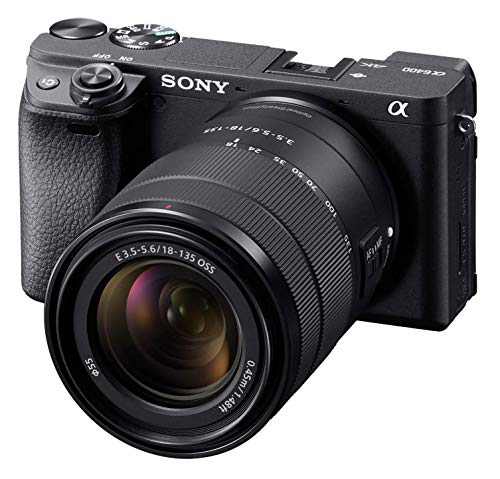
Ready to Buy? Start Here
If this guide helped you decide what to look for, these products are a place to start.

As an Amazon Associate we earn from qualifying purchases. Prices and availability are shown on Amazon.
Video and Hybrid Shooting in Practice
Hybrid shooting, stills and video on the same outing, is where the Sony A6400 and the Sony A6000 reveal their working styles. Switching modes should not mean rebuilding your settings from scratch. Look at how each body remembers separate stills and video settings, how quickly you can change frame rate or picture profile, and whether the controls you need sit in the same places in both modes. A camera that treats video as a first-class citizen encourages you to capture the clip as well as the photograph, and over a year that doubles the record you bring home.
Colour is the other practical divide. Some shooters want footage that looks finished straight from the camera for family and social sharing. Others prefer a flatter profile that grades well alongside stills from the same scene. Try both approaches on each body with the same subject: a face in window light is the most revealing test you own. Skin tones, highlight roll-off on a bright background and how the camera handles mixed indoor lighting will tell you more than any chart, and they will tell you in the vocabulary of your own work.
Finally, think about the whole chain after the shoot. Video files are large, and a happy hybrid workflow needs cards with room to spare, a card reader that does not bottleneck your evening, and a simple folder routine you will actually follow. Back up footage before you format a card, every time, without exception for small shoots. The Sony A6400 and the Sony A6000 both produce files your future self will value; the discipline of keeping them safe and findable is yours to build, and it is worth building in the first week rather than after the first loss.
A Note From the Field: What Actually Decides This One
The gap between the Sony A6400 and the Sony A6000 shows up most clearly when your subject will not sit still and will not repeat the moment. A child crossing a room, a dog turning its head, a speaker glancing up from notes: the newer body simply holds on more often, and that reliability changes how relaxed you feel while shooting. The older body still rewards good light and a cooperative subject with files that hold up beautifully. So the real question is how much of your photography happens in uncontrolled moments. If most of it does, the newer autofocus is not a luxury feature. If most of your work is still life, landscape or posed portraits, the older body leaves more of your budget for glass.
Planning Lenses Around the Body You Choose
A camera body is a five-year decision, but a lens collection is a fifteen-year one, so plan the glass before you finalise the body. Start with the focal lengths your existing photographs actually use. Most photographers discover their work clusters around two or three lengths, with everything else shot rarely. For the Sony A6400 and the Sony A6000, list the lenses that cover your cluster well, check their size against your bag, and be honest about which single lens would live on the camera most days. That everyday lens, more than the body, defines the kit you will experience.
Everyday choices usually come down to a flexible zoom against a small fast prime, and the right answer depends on your subjects. A zoom suits unpredictable days: travel, family events and work where you cannot move freely. A prime suits repeatable days: portraits, street walks and low-light evenings where its wider aperture and smaller size change both the pictures and your willingness to carry the camera. Many photographers end up owning one of each, bought in the order their shooting demands, and that sequence is a better plan than buying a large set at once.
Leave room in the plan for the unglamorous essentials. A second battery, a fast card and a spare, a comfortable strap and a simple cleaning kit will improve more shooting days than a third lens bought too early. When you do add lenses, buy for a named purpose, a trip, a project or a recurring frustration in your current photographs, rather than for a gap in a focal-length chart. Collections built by purpose stay small, stay used and hold their value. Collections built by chart tend to stay at home, which is the most expensive place a lens can be.
Batteries, Cards and a File Routine That Holds Up
Battery behaviour differs enough between bodies that it should be tested, not assumed. The Sony A6400 and the Sony A6000 draw power differently depending on finder use, screen brightness, stabilisation and how much video you mix into a day. For a week, note what a full charge actually delivered in your shooting and write it on a card in your bag. That personal number, unglamorous as it sounds, ends battery anxiety more completely than any accessory, because planning replaces guessing. A small USB power bank can top up many modern bodies between locations, which suits travel days well.
Card speed is worth understanding at a practical level. A card that is fine for single photographs may stall a long burst or refuse a demanding video mode, and the failure always appears at the worst moment. Test your cards at home with your longest burst and your highest video setting before trusting them at an event. Keep one known-good card reserved for important shoots, and retire cards that have ever behaved oddly; storage is cheap compared with an unrepeatable moment. Label cards with numbers so your notes can refer to them unambiguously.
Finally, decide how you will cull and keep. A workable rule is to delete only the obvious failures, technical misses and true duplicates, and to keep everything else in the dated archive, because storage grows cheaper while moments do not repeat. Star or flag your favourites during the first review and build small collections around projects and people rather than around camera models. Whether your files come from the Sony A6400 or the Sony A6000 will matter far less in five years than whether you can find the photograph you are looking for in under a minute.
Setting Up Either Body During the First Week
The first week with the Sony A6400 or the Sony A6000 sets habits that last for years, so spend an evening on setup before the first real shoot. Begin with the basics that protect files: set the clock correctly, choose your file format deliberately rather than by default, and decide whether you want the camera to write smaller companion files for quick sharing. Photographers who shoot family and travel often appreciate an easy sharing copy, while those who edit everything can keep things simple. There is no universal right answer, only an answer that matches your routine.
Next, assign the custom buttons while your needs are fresh. Put the settings you reach for mid-shoot, focus mode, subject detection, exposure compensation or silent shooting, on the controls your fingers find without looking. Resist copying a stranger’s full configuration from a video; their subjects and habits are not yours, and an inherited setup full of mysteries will confuse you under pressure. Change one thing at a time, shoot with it for a day, and keep a short note of what you changed and why. That note becomes your personal manual supplement.
Finish the week by rehearsing recovery from the common accidents. Switch the camera to fully manual and back. Find the format command and the reset options so you are never hunting for them in a panic. Practise changing a battery and a card in the dark, slowly, until it is boring. Cameras rarely fail photographers at convenient moments, and the difference between a lost minute and a lost shoot is usually familiarity earned in calm conditions. Both of these bodies reward that investment quickly, because their depth is there to be used, not to intimidate.
Care, Troubleshooting and Sensible Used-Buying Checks
Troubleshooting works best as a short ladder you climb in order. First, confirm the obvious: battery charge, card space, lens seated properly and contacts clean. Second, check the settings that silently change results, drive mode, focus mode, exposure compensation and any bracketing left over from an experiment. Third, reset only the shooting settings if the camera still behaves strangely, keeping your custom configuration noted somewhere safe. This ladder solves the great majority of field problems on the Sony A6400 and the Sony A6000 alike, and it solves them without the regret of a full reset performed in frustration.
Firmware updates belong on the same calm list. Manufacturers use them to refine autofocus, add lens support and fix rare faults, and installing them is a five-minute job with a charged battery and the instructions open beside you. Read the release notes before updating; if nothing in them touches your shooting, there is no urgency, and if something does, update before your next important shoot rather than after it. Keep a note of the version you are running in the same place you keep your setup notes, so troubleshooting conversations with support start from facts.
A used purchase of the Sony A6400 or the Sony A6000 should also include the accessories in your inspection. Check that the battery holds a plausible charge through an afternoon, that the charger works, and that the finder and screen are free of marks that would annoy you daily. Cosmetic scuffs on corners are honest wear and often priced in your favour; gritty dials, a loose mount or intermittent errors are not. Spend your first used-camera week shooting everything, portraits, bursts, video, low light, so any hidden fault surfaces while returning the body is still simple.
More Field Notes Worth Keeping
Autofocus setup deserves its own half hour. Choose a default focus area for each situation, decide how you want tracking to start, and learn the quickest way to override the camera when it chooses the wrong subject, because it will, occasionally, on any system. Set the finder and screen to show the information you genuinely use and hide the rest; a calmer display helps you watch the subject instead of the camera. Photographers are often surprised how much faster they feel after decluttering what the camera shows them.
Weather and wear belong in a handling discussion too. Neither camera should be treated as waterproof, but sealing, port covers and the feel of the dials with cold or gloved fingers all affect whether you keep shooting when conditions turn. Build a small habit kit around whichever body you choose: a wrist strap for street work, a comfortable neck strap for long days, a blower and cloth in every bag. Cameras survive years of use mostly through small habits like these, not through any single rugged feature.
The fairest autofocus test for the Sony A6400 and the Sony A6000 is the shooting you actually do, repeated on both bodies in the same light. If that is children in a living room, set up there. If it is birds at a feeder, dogs in a park or players on a pitch, go there instead of a showroom. Tracking systems are trained on patterns, and each of these cameras has patterns it reads confidently and patterns it hesitates over. Twenty minutes of honest testing in your own environment teaches more than a weekend of reading other people’s charts.
Finally, practise the handover between stills habits and moving subjects. Set a custom button to toggle tracking on and off, learn how each body behaves when you half-press on a static subject and then follow it as it moves, and check the first frames of every burst rather than the middle ones. Beginners often judge autofocus by its best frames. Working photographers judge it by the first three frames of a sequence and by how rarely they have to think about it at all. That is the standard to hold both of these cameras to.
Size interacts with lenses in ways a body-only comparison hides. A compact body behind a large lens feels front-heavy and tires the left hand, while the same lens on a deeper-gripped body balances calmly. When you test the Sony A6400 and the Sony A6000, mount the lens you genuinely shoot with most, ideally the heaviest one you own, and hold your normal shooting posture for a full minute. Also check how the combination fits your actual bag, because a kit that needs a bigger bag quietly changes how often the camera comes along at all.
Specifications fit on a page, but handling is measured in hours. Carry the Sony A6400 and the Sony A6000 through a full day, a family outing, a long walk or an event, and small design decisions compound. A grip that feels merely fine in a shop can ache by the fourth hour with a heavier lens, while a control you ignored in a review, such as a front dial or a well-placed record button, can become the one you use most. If you are choosing between these two, weight your impressions from long sessions far above your impressions from a five-minute counter test.
If you are buying either body used, method beats luck. Ask for the shutter count where the system reports it, check the sensor in a photograph of a plain bright surface at a narrow aperture, and test every dial, button and port with a lens and card fitted. Photograph something at the fastest burst and at a slow shutter speed, review at full magnification, and inspect the mount and hot shoe for heavy wear. Buy from sellers who allow returns, keep the first week of shooting varied, and remember that a slightly worn body with a known history is often a better buy than a pristine one with none.
The least glamorous part of owning the Sony A6400 or the Sony A6000 decides how the camera feels after the first month: power, storage and what happens to files when you get home. Start with power. Learn roughly how many photographs and how much video a battery gives you in your own shooting, not in a laboratory test, because screen use, stabilisation and cold weather all change the answer. Carry one charged spare as a minimum, mark your batteries with a small label so you rotate them evenly, and charge the night before a planned shoot rather than in a panic on the morning.
It helps to think of a lens system in three tiers. The first tier is the lens that stays mounted, chosen for versatility and size. The second tier is one specialist you reach for deliberately: a portrait lens, a macro, a long telephoto for wildlife or sport, or an ultra-wide for interiors and landscapes. The third tier is everything else, and most photographers are happier renting from it occasionally than owning it permanently. Check how the Sony A6400 and the Sony A6000 each serve your first two tiers, in native lenses and in the well-regarded third-party options their mounts attract.
A thoughtful first setup for the Sony A6400 or the Sony A6000 starts from your subjects rather than from the menu’s first page. List the three situations you shoot most, perhaps children indoors, landscapes on walks and the occasional event, and create a saved configuration for each if the body allows it. Even without saved modes, a written checklist for switching between your situations prevents the classic error of shooting a whole outing with yesterday’s settings: single-shot drive at a sports day, or a slow shutter speed carried into bright sun.
Care is mostly a matter of environment. Keep the body cap on when no lens is fitted, change lenses with the mount facing down and out of the wind, and let a cold camera warm up inside a sealed bag after winter shooting so condensation forms on the bag rather than inside the camera. Wipe salt spray and rain off before storing, store the kit somewhere dry and unremarkable, and remove the battery for long storage. Neither the Sony A6400 nor the Sony A6000 asks for elaborate maintenance; both repay these small, boring habits with years of uneventful service.
Adapted and older lenses deserve a mention for budget-conscious buyers. Both of these systems can make use of earlier glass, sometimes with full autofocus and sometimes with manual focus only, and the savings can be considerable. The trade-offs are predictable: slower or less certain focus, no weather sealing in some combinations, and occasional quirks with corrections. For deliberate work such as landscapes, still life and portraits, adapted glass can be a pleasure. For fast-moving subjects, native lenses earn their keep. Match the compromise to the subject and it stops feeling like a compromise at all.
FAQ
Do I need new lenses for the A6400?
No. Both cameras use Sony E-mount, so lenses you already own will fit.
Is the A6000 still useful today?
Yes, for general photography it still produces good files. Its age shows mainly in tracking, video and screen features.
Does the A6400 have in-body stabilization?
Check the maker's page for the current specification. Many buyers assume it does, so confirm how stabilization works on each body and whether your lens provides it.
Will my A6000 accessories fit the A6400?
Some accessories, such as lenses and many straps, will. Batteries, cables and flash connections can differ between models, so check the manual before buying extras.
Which is better for vlogging?
The newer body is the more natural fit because of its flip-up touchscreen and video features. Check that the screen is not blocked by your microphone or other accessories.
How can I tell if a used camera is in good shape?
Check the shutter count if it is available, look for sensor dust, test every button and card slot and try the screen. Buy from a seller with a return policy.
Is raw shooting available on both cameras?
Both are designed for enthusiasts, and raw capture is a standard feature on this line. Confirm in the manual and check that your editing software supports the files.
Should I buy a kit lens or body only?
A kit lens is a reasonable start if you have no lens, and it often costs less than buying separately. If you know what you want, body-only lets you choose a better lens.
Can I use flash with these cameras?
Both can use compatible flashes. Check the maker's list of flashes and the hot shoe type, and be careful with older or third-party units that may not work fully.
Is the Sony A6400 good for beginners?
Yes, it works well for beginners because it has helpful automatic modes and touch focus, and you can grow into manual control. It costs more than the older body, so a beginner on a tight budget may be happy with the A6000.
Can the A6000 shoot sports and action?
It can capture action with practice, using continuous autofocus, a fast shutter speed and short bursts. It is less likely than the newer model to hold focus on erratic subjects. Expect to discard more frames.
Are the A6400 and A6000 weather sealed?
Check the maker's page for the sealing details of each body. Do not assume either is fully weatherproof, and protect it from rain and dust with a cover or bag.
Which camera has better battery life?
Battery life depends on screen use, video and settings, so compare the maker's figures and carry a spare. Using the viewfinder and turning off unused features can extend a day of shooting.
What lens should I buy first for these cameras?
A general standard zoom covers most needs, and a small bright prime is a good second lens for low light. Choose based on the subjects you shoot most. Add lenses one at a time.
Does the flip-up screen on the A6400 get in the way?
It can block an accessory in the hot shoe, such as a microphone or flash, when flipped up. Check your accessory positions. A different mounting arm or a small cage may solve it.
Is it worth buying a kit with a lens?
A kit is sensible if you own no lens, since it is a simple way to start shooting. If you already know what you want, a body-only purchase with a better lens may serve you better.
What should you check in the first week if you buy used?
Shoot everything: bursts, video, low light, bright backlit scenes and long sessions. Check the sensor with a plain bright frame at a narrow aperture, test every dial and port, and confirm the battery holds a plausible charge. Any hidden fault is most likely to surface under varied use, and varied use in week one is also exactly how you learn a new camera, so the diligence costs you nothing.
Do you need a computer upgrade to handle the files?
Modern files from either body are comfortable on a reasonably recent computer, though video and large bursts reward fast storage and a card reader that is not the bottleneck. Before blaming the camera for a slow evening, check the chain in order: card, reader, drive space, then software. Most photographers find one inexpensive link in that chain is responsible for nearly all of their frustration.
Which camera is better for learning photography seriously?
The one whose controls encourage you to change settings deliberately and review the results. Both of these bodies can be used fully automatically, and both reward manual control as your confidence grows. Choose based on handling comfort and the subjects you love, then commit to a season of regular shooting. Serious learning comes from that repetition, and either body will support it for years without becoming the limiting factor.
Should weather sealing decide this choice?
Treat sealing as insurance rather than permission. It helps in drizzle, dust and cold fingers, but neither body should be used unprotected in heavy rain. If your work regularly involves rough weather, budget for a simple rain cover alongside whichever camera you choose, and weigh grip, battery life and lens choice for those conditions at least as heavily as the sealing itself.
How important is the screen mechanism for everyday use?
More than most buyers expect. A screen that flips forward changes how easily you record yourself and shoot from very low or high angles, while a tilting design keeps the camera slimmer and the operation centred. Think about your last month of photographs and count the awkward angles honestly. The mechanism that serves your real habits beats the one that wins a feature comparison.
The Short Version
The A6400 adds modern autofocus, touch control and 4K video to the same compact shape. Choose it for movement and video, and keep or choose the A6000 when simplicity and a lighter outlay matter most.
