A smartphone is the lighter, quicker and more convenient travel camera, while a mirrorless camera gives you better image quality in difficult light, interchangeable lenses and finer control. Many travelers carry both: the phone for everyday snaps and sharing, and the camera for scenes they care most about.

Where the smartphone wins
- Convenience: it is always in your pocket, so you will take more pictures.
- Sharing: photos can be edited and posted within minutes.
- Computational features: night modes, panoramas and automatic blending make good results easy.
- Discretion: a phone attracts less attention in markets and crowded streets.
- One device: it is also your map, ticket and translator, so there is less to carry.
In this guide
Where the mirrorless camera wins
- Sensor size: larger sensors generally collect more light, giving cleaner images in dim places and finer tonal range.
- Lenses: true optical zoom, wide-angle options and fast portrait lenses are available.
- Control: dials, raw files and manual settings suit demanding shots.
- Action and wildlife: better autofocus tracking with long lenses.
- Battery and storage: swappable batteries and memory cards.
Comparison at a glance
| Factor | Smartphone | Mirrorless camera |
|---|---|---|
| Size and weight | Minimal | Needs a bag |
| Low light | Good with night modes | Stronger, especially with fast lenses |
| Zoom reach | Limited optical range | Wide choice of lenses |
| Speed to share | Immediate | Needs transfer |
How to choose for your trip
- List what you plan to shoot: city scenes, landscapes, wildlife, people or food.
- Consider how much you will walk and what you are willing to carry.
- If you want large prints or heavy cropping, lean toward the camera.
- If most photos go to social media, a recent phone is probably enough.
- For a mix, bring a compact mirrorless body with one versatile zoom or a small prime, plus your phone.
Tips for either choice
- Shoot during early morning and late afternoon when light is soft.
- Back up photos nightly to a cloud service or drive.
- Carry a spare battery or power bank.
- Clean the lens before shooting, since a smudged phone lens softens images.
Also think about the kind of trip. On a city break with long walking days, a phone and a small prime-lens camera are easy to manage. On a safari or a scenic road trip, a camera with a longer zoom earns its space. On a beach or adventure trip, a phone in a waterproof pouch may be the safer way to take pictures, since sand and spray are hard on interchangeable-lens cameras.
Packing a Lean Mirrorless Travel Kit
The main reason people leave a camera at home is bulk, so the way to keep a mirrorless camera in play is to pack less. A travel kit should be built around the one or two lenses you will use most, not around everything you own.
A practical approach is to choose one of three kit shapes:
- One versatile zoom. A single lens that covers wide to short telephoto lets you leave the bag lighter and avoid lens changes in dusty or wet places.
- One small prime. A compact fixed lens makes the camera nearly pocketable and encourages you to move around instead of zooming. It suits street and city walking.
- Zoom plus a prime. A general zoom for daytime, with a fast prime for evenings and indoor scenes. This is still a light kit.
Add only what you will really use: a spare battery, a card wallet, a small cleaning cloth and perhaps a compact strap. Leave the tripod unless you plan night or long-exposure shots. A sling or small shoulder bag keeps the camera within reach, while a deep backpack makes you less likely to use it.
Before you leave, do a trial day at home with the exact kit and carry it for a few hours. If you are tempted to leave it behind, take something out. A camera that goes everywhere will beat a better one that stays in the hotel.
Battery, Power and Charging on the Road
Travel puts heavy demands on batteries. Long days of shooting, cold weather and screen use drain a camera faster than casual home use, and phones are doing the same jobs as navigation and translation. Planning power ahead avoids a dead device when you need it.
- Spare camera battery. Carry at least one extra if your camera is the main tool for the day. Check the manual or maker’s page for the battery type and whether the camera can charge over USB.
- Power bank. A small bank can top up both the phone and a camera that supports USB charging. Check airline rules on capacity and carry it in your hand luggage.
- Travel adapter. Bring the right plug for your destination and a charger that handles the local voltage; read the label on your charger.
- Cold weather. Batteries tend to lose charge faster in the cold. Keep spares in an inside pocket.
Reduce drain by turning off features you do not need. On a camera, dim the screen, shorten the sleep timer and turn off wireless connections when not in use. On a phone, close background apps, use airplane mode in areas with weak signal and lower the screen brightness. Charge both devices overnight so you leave with a full tank, and store spare memory cards in a case.
Protecting Your Gear and Staying Safe
Travel exposes cameras and phones to theft, drops, dust, sand and moisture. A little protection goes a long way and costs less than a replacement.
- Use a neutral strap and bag. A bag that does not advertise camera gear attracts less attention. Wear the strap across your body in crowded areas.
- Keep devices in sight. Do not leave a camera on a table or a seat while you look away. At cafes, loop the strap around your leg or a chair.
- Protect the lens. Keep caps on when not shooting, use a hood and carry a cloth. A filter is optional and some photographers prefer a hood only.
- Handle weather. Carry a rain cover or a plastic bag in a pocket. After shooting in humid or cold-to-warm transitions, let the camera warm up in its bag before opening it to avoid condensation.
- Back up your photos. Copy files nightly and keep at least two copies in different places. Do not delete cards until you have confirmed the files at home.
- Check insurance. Read your travel and home policies to see whether gear is covered and under what terms.
Phones need protection as well. A case and screen protector help, and a lanyard or wrist strap reduces the chance of dropping the phone over a railing or into water.
Shooting Styles for Different Destinations
Where you go should shape what you pack. The same camera setup does not suit a crowded old town and a mountain trail.
- Cities and markets. A phone or a small camera with a prime lens is quick and discreet. Fast reactions matter more than reach, and a quiet shutter is a help in museums.
- Landscapes and hiking. A wide-angle option is valuable. Weight is important on trails, so consider a light body and one lens. A phone is handy for quick snaps while you keep the camera protected.
- Wildlife and safaris. Reach matters. A phone zoom has limits, while a camera with a long lens can bring distant animals closer. Check lens weight and whether you can steady it in a vehicle.
- Beaches, water and adventure. Sand, spray and drops are hard on gear. A phone in a waterproof pouch, or a camera with a sealed lens and body, can reduce the risk. Check what the maker says about weather sealing.
- Night scenes and festivals. Low light favors larger sensors and fast lenses, but phone night modes do well on still scenes. For moving crowds, a faster lens helps keep the shutter speed up.
- Family and group trips. Convenience wins. A phone is easy to hand to a stranger or a family member and lets everyone appear in the photo.
Consider the time you have too. On a short stop, a phone is quick. On a planned photo morning, set your camera up and slow down.
Editing, Transfer and Workflow Away From Home
Getting photos from a camera to your phone and onto social media or a backup can take more work than expected, so decide on a routine before you travel.
Options for moving camera files:
- Wireless transfer. Many cameras connect to a phone app for quick sharing. Check how it handles raw files and how large the transfers are, since it may send smaller versions.
- Card reader. A small reader that plugs into a phone or laptop is dependable and fast, but you need to bring a compatible cable or adapter.
- Laptop or tablet. Useful for longer trips and heavier editing, but it adds weight.
Shooting raw plus a standard image format can give you a quick file for sharing and a full file for later editing, at the cost of more storage. Make sure you have enough card capacity and a plan for emptying cards when they fill. Label your backups by date or location to make life easier at home.
Editing on the road should stay light. A few adjustments to exposure, contrast and crop on the best frames are enough for sharing. Save heavy retouching for when you return. A simple rule is to pick the ten best photos from each day while the memory is fresh, and let the rest wait. That keeps the pile manageable and gives you a story of the trip instead of a thousand unsorted files.
Choosing by Trip Type
The right camera depends less on image quality charts and more on what your trip looks like day to day. A city break full of museums, cafes and metro rides rewards a pocketable device that you can pull out in seconds. A hiking holiday in the mountains, or a safari where subjects sit far away, rewards interchangeable lenses and a body that handles well with gloves or in changing light.
Think about how often you will stop and take time over a shot. If most of your pictures are quick memories with friends, a phone covers nearly all of them. If you plan sunrise landscapes, night skies or portraits of locals with a soft background, the larger sensor and lens choice of a mirrorless camera give you more room to work.
Also be honest about your habits. A camera left in the hotel room takes no pictures. Many travelers do better with a lighter kit they actually carry every day than with a perfect kit they leave behind after the first long walk.
A Packing Decision Checklist
Use these questions on the night before you pack. They tend to settle the debate quickly.
- Will I be walking or standing for many hours each day with my bag on my back?
- Do I expect to shoot in dim places such as temples, markets or evening streets?
- Will I need to reach distant subjects, for example wildlife or architecture details?
- Am I happy to spend evenings sorting files and charging batteries?
- Do I want to share photos instantly, or can they wait until I am home?
- Is there a risk of rain, dust or sand that would worry me with an open lens mount?
- Do I travel with companions who will happily wait while I frame a shot?
If most answers lean toward speed and simplicity, pack the phone and a spare battery bank. If they lean toward quality and control, pack the camera with one or two versatile lenses and keep the phone as a backup.
Weight, Bulk and Daily Comfort
Weight matters more than spec sheets suggest. Over a week of sightseeing, a heavy bag becomes tiring and changes how you behave: you take fewer pictures, you skip viewpoints and you find reasons to leave the camera in the room. A phone weighs almost nothing extra since you carry it anyway.
A mirrorless body with a single compact zoom or a small prime lens is a sensible middle path. Add a strap that spreads the load across your shoulder, and consider a small sling or hip bag that keeps the camera close and quick to reach. Avoid bringing three lenses and a flash unless you know you will use them.
Comfort also includes how you look to others. A phone draws little attention, while a camera can feel conspicuous in some places. Neither is a problem, but it helps to keep the camera tucked away between shots when you are in a crowd.
Side by Side: Daily Use on the Road
| Situation | Smartphone | Mirrorless camera |
|---|---|---|
| Quick street snaps | Fast and discreet | Good, but slower to bring out |
| Wide landscapes | Capable in good light | More detail and control |
| Distant subjects | Limited reach | Telephoto lenses available |
| Dim interiors | Relies on software processing | Larger sensor gathers more light |
| Sharing online | Instant | Needs transfer or an app |
| Battery routine | Charge with the phone | Carry spare batteries |
The table shows why many travelers settle on both. The phone handles the everyday moments, and the camera comes out when the scene deserves more care.
Common Mistakes When Packing Camera Gear
Overpacking is the first mistake. Travelers often bring every lens they own, then use only one. Decide in advance which focal lengths suit the places you will visit, and leave the rest at home.
The second mistake is forgetting the small items: a spare memory card, a charger that fits local sockets, a lens cloth and a simple cable. Check the maker instructions for your camera about charging and travel with batteries, and follow the rules of your airline, which differ from place to place.
The third mistake is leaving practice until the trip itself. Spend an afternoon at home with the camera you plan to take, even if you have owned it for years. Check that settings, buttons and menus feel familiar, so you do not waste a once-only sunrise fiddling with dials. Finally, avoid relying on one device alone for backup. Copy files to a second place as often as you can.
When Both Make Sense Together
Carrying a phone and a camera is not duplication. Use the camera for the scenes you care about most, and let the phone fill in everything else: maps, tickets, quick video clips, a snapshot of a street sign, or a casual group picture handed to a passer-by.
The phone also serves as a handy remote viewfinder or backup if the camera runs out of power. In return, the camera frees your phone battery for navigation and messages. This partnership means neither device has to be perfect at everything, and your trip photos will usually be more varied and more complete as a result.
Understanding Camera Terms Before You Choose
Shopping pages use words that can blur the real differences. A few plain definitions help you compare sensibly.
- Sensor size: the physical area that collects light. Larger sensors generally handle dim scenes with less noise.
- Interchangeable lens: a lens you can remove and swap, giving you wide, standard or telephoto views.
- Computational photography: software that merges several frames inside a phone to improve detail and range.
- Raw file: an unprocessed image that gives more freedom when you edit later.
- Weather sealing: gaskets that resist dust and light moisture, which varies by model, so read the maker notes.
Knowing these terms makes it easier to tell what a listing really promises and what is only marketing language.
Trying Before You Travel
The most reliable way to decide is to rehearse. Take a local walk with the phone only, then repeat it with the camera. Notice which one you reach for more often, which gives results you like and which leaves you tired or annoyed. Two short outings will teach you more than any comparison article.
If you are still unsure, borrow or rent a camera for a weekend before spending serious money. Pay attention to how the strap feels, how quickly you can switch modes and whether you enjoy the process of shooting. A camera that suits your hands and your habits will always produce better travel memories than one that looks impressive on paper.
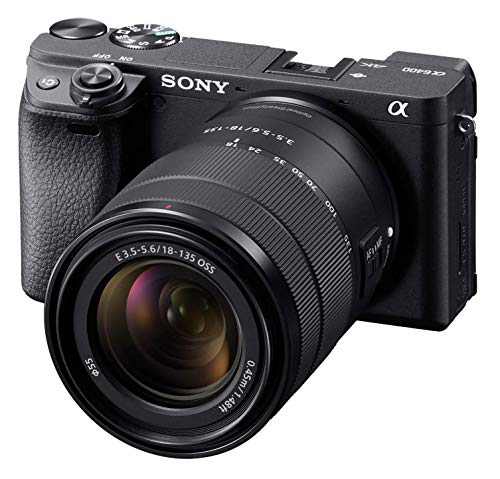
Ready to Buy? Start Here
If this guide helped you decide what to look for, these products are a place to start.
As an Amazon Associate we earn from qualifying purchases. Prices and availability are shown on Amazon.
Planning the Kit Around Your Actual Itinerary
The smartphone-versus-mirrorless question resolves itself once you plan around the trip you are really taking rather than the trip you imagine. Lay out your days honestly: how many hours will you walk, how often will you change location, and what will you actually photograph? A city break built on museums, markets and food rewards the camera that is already in your hand, because most of those moments appear without warning and vanish in seconds. A trip built around dawn landscapes, wildlife drives or a specific event rewards the mirrorless camera, because those moments are planned, stationary and worth carrying weight for.
Weather and season change the answer too. In wet, dusty or freezing conditions, a sealed phone that lives in a pocket often outlasts a camera kit that needs a rain cover, lens changes in the open and careful drying each night. In mild conditions with a car doing the carrying, the camera’s disadvantages shrink and its image-quality advantage grows. Neither device is better in the abstract; each is better inside a particular itinerary.
A useful test is the bag test. Pack the camera kit you are considering, carry it on a normal day out at home for the same hours you would walk on the trip, and notice when it starts to feel like a burden. If it annoys you by lunchtime on familiar streets, it will not become lighter on holiday. If you barely notice it, the camera has earned its place and the phone can stay as the backup and sharing device.
A Hybrid Workflow, Day by Day
Many travellers settle on both devices, and the ones who do it happily run a deliberate workflow instead of carrying two cameras by accident. The pattern that works is simple: the phone handles the documentary layer of the trip — meals, signs, hotel details, quick portraits, anything destined for messages and social posts — while the mirrorless camera is reserved for scenes you would print or keep for years. Deciding this division in advance stops the dithering at every viewpoint, where travellers otherwise shoot the same scene twice and enjoy it half as much.
Evenings are where the hybrid system pays off. Back up the camera’s card to a phone, tablet or portable drive while the day is fresh, cull the obvious failures, and pick one or two favourite frames to edit and share. This nightly habit means a lost or damaged card never costs you the whole trip, and it spreads the editing work into small sessions instead of one giant sorting task when you get home. The phone’s photos need the same discipline: favourite the keepers daily so the camera roll does not become an unsearchable flood.
Sharing expectations help too. If family at home follow the trip through your phone posts, keep posting from the phone and let the camera files wait for proper editing. Mixing the two streams — posting unedited camera files in a hurry — usually produces the worst of both: slow sharing and mediocre presentation of your best work.
Security, Insurance and Peace of Mind
A mirrorless camera is visibly valuable in a way a phone is not, and that changes how you move through crowded places. A camera on a strap announces itself in markets, stations and festivals, so experienced travellers keep it in a plain, unbranded bag, use a wrist strap in dense crowds, and avoid leaving it visible in a parked car or on a café table. None of this needs to become paranoia; it simply means the camera asks for a level of awareness the phone does not.
Insurance deserves a thought before departure rather than after a loss. Check whether your home contents policy covers equipment away from home, what its single-item limit is, and whether you need to list the camera and lenses specifically. Photograph your gear and record serial numbers in a note stored online, so a police report or claim is straightforward if the worst happens. Phones are usually covered differently, often through their own plan, and are also easier to track and lock remotely.
There is a psychological side as well. Some travellers relax more with only a phone because there is less to lose, less to charge and less to organise, and that relaxation shows in their pictures: they stay longer in places, talk to more people and shoot more freely. If carrying the camera makes you guarded or hurried, that cost is real, and it belongs in the comparison alongside sensor size and lens choice.
Trip Types Where the Answer Flips
Certain trips reverse the usual verdict, and recognising them saves regret in both directions. Wildlife and birding trips are the clearest case: no phone, however clever its digital zoom, matches a camera with a long lens for animals at distance, so the camera is not optional equipment but the point of the trip. Sports and performances sit nearby; fast action in poor light is where interchangeable-lens cameras earn their keep most obviously.
At the other extreme, trips built on water, sand and motion — sailing, beach weeks, cycling tours, adventure activities — punish delicate equipment. A phone in a protective pouch keeps shooting where a mirrorless camera would stay in the hotel safe, and a camera that stays behind takes no photographs at all. Food-focused travel also leans phone-ward: restaurants are dim, close and quick, and a discreet phone at the table beats a camera that makes the meal feel like a production.
Family trips split the difference in a specific way. The phone wins for the hundred small moments with children, who will not pose twice and move faster than any focusing system enjoys. The camera wins for the deliberate portrait session — one evening, good light, everyone dressed for dinner — that becomes the framed picture. Planning that one session in advance lets the camera justify its luggage space in a single hour.
Renting, Borrowing and Testing Before You Commit
If you are weighing a mirrorless purchase mainly for one big trip, renting changes the economics and the risk. A rented body and lens arrive tested, insured options are usually available, and you return the weight when the trip ends. Renting is also the honest way to test whether you enjoy the camera workflow at all: some travellers discover they love the control, while others discover the files sit unedited for months, which tells them the phone was their real camera all along.
Borrowing from a friend can work similarly, with two courtesies attached: return the camera cleaned, charged and with the card formatted only after confirming they have the files, and replace anything you damage without being asked. A borrowed camera also needs an evening of practice before departure, because menus and dials learned under pressure at a viewpoint lead to missed shots and wrong settings.
Whichever route you take, do a full rehearsal at home: shoot a day out, transfer the files, edit them the way you would on the road, and back everything up. The rehearsal reveals the small frictions — a missing cable, an unfamiliar menu, a card reader that does not fit your laptop — while they are still free to fix.
Editing and Sharing: The Second Half of the Trip
Photographs are only finished when they are edited, organised and shared, and the two devices create very different second halves. Phone pictures flow into apps in seconds, which is why phone travellers actually finish the job: they post during the trip, make the album on the train home, and the story gets told. Camera files demand a transfer step, a bigger screen for serious editing and a deliberate session, which produces better individual images but risks an ever-growing backlog.
A middle path works well. Edit phone photos lightly in the moment — straighten, crop, lift shadows — and leave them alone afterwards. For camera files, do a fast first pass on the road to flag favourites, then one proper editing session at home within the first week back, while you still remember how each scene felt. Colour and exposure decisions made a month later tend to drift away from the real memory of the place.
Organisation is the unglamorous skill that decides whether trip photos survive. One folder per trip, named with the place and year, favourites marked consistently, and a backup in a second location — cloud or a drive stored elsewhere — will matter more in ten years than any difference between the two cameras. The best travel camera system is ultimately the one whose pictures you can still find.
Money Matters: The Real Cost of Each Choice
Compare costs honestly and over time, because the sticker on the camera body is the smallest part of the mirrorless bill. A working travel kit quietly accumulates a second lens, spare batteries, memory cards, a bag that fits it, insurance and eventually a computer and software that do the files justice. None of these is unreasonable, but together they routinely double the headline figure, and a traveller who budgets only for the body ends up with a camera and no ecosystem. The phone’s cost hides differently: it is already bought, already insured in many households, and its accessories — a small tripod, a pouch, a power bank — are trivial by comparison.
Resale softens the camera’s arithmetic. Well-kept bodies and especially lenses hold value, and a traveller who buys carefully and sells deliberately can treat part of the outlay as a long rental. Phones depreciate on a ruthless schedule regardless of care. If you are the kind of person who sells gear on, the camera’s lifetime cost may be kinder than it first looks; if gear accumulates in your cupboards, it will not.
The cost that never appears in the spreadsheet is the cost of the photographs not taken. A camera left at home for weight reasons, or a phone shot that could not handle the light, both represent trips whose best moments went unrecorded. Weigh that against the money: most travellers, asked afterwards, would trade a modest sum for the safari frame or the night-market portrait they missed. Buy the system that minimises your personal version of that regret.
Photographing People on the Road
Travel portraits expose the deepest behavioural difference between the two devices. A phone is socially invisible: people relax, continue their work, and grant the small intimacies — a glance, a laugh, a moment of concentration — that make travel portraiture worth doing. A mirrorless camera changes the room. Some subjects rise to it and enjoy the ceremony; others stiffen, perform, or decline. Skilled camera photographers manage this with time and conversation, but the phone starts every encounter two steps ahead.
Permission and courtesy matter more than equipment. Ask when the photograph is close and personal, accept refusal gracefully, show the picture afterwards and offer to share it. In markets and workshops, buying something small or returning with a print the next day converts a transaction into a relationship, and the second visit’s photographs are always better than the first’s. Both devices obey the same ethics; the phone merely makes the asking easier.
Technically, the camera claws back its advantage in the portraits you arrange rather than find: the family session at golden hour, the guide who agrees to stand by the boat, the chef in her kitchen doorway. There, lens choice, depth of field and controlled light produce the frames that get printed. The traveller’s wisdom is knowing which kind of portrait the moment offers — found or arranged — and reaching for the device that serves it.
Weather, Water and Rough Handling
Trips are hard on equipment in ways specifications understate. A phone in a case survives being dropped on cobbles, soaked in a downpour and buried in a beach bag, and keeps navigating, translating and photographing throughout. A mirrorless camera asks for a rain cover, a dry bag, a hard case in the luggage and a nightly wipe-down, and repays the care with images the phone cannot make — but only if the care actually happens, in a wet tent, after a long day, when discipline is thinnest.
Dust deserves its own respect. Changing lenses at a viewpoint in a breeze loads a sensor with spots that appear in every subsequent frame against the sky, which is why experienced travel photographers change lenses in shelter, bodies pointed down, and carry a blower as religiously as a passport. The phone’s sealed construction simply does not have this failure mode, and on dusty trips — deserts, safaris, festivals — that sealed simplicity quietly wins whole days.
Cold is the third test. Batteries of both kinds fade in freezing weather, but the phone suffers a special indignity: it is also the map, the ticket and the emergency line, so its battery must be defended first. Camera batteries can be rotated through inside pockets; the phone should be kept warm, charged from a power bank, and excused from non-essential duties on the coldest days. Plan power as carefully as you plan pictures.
What the Photographs Are For: Deciding by Destination
Start the whole comparison at the end: where will these photographs live? If the answer is a family group chat, social feeds and a photobook printed at ordinary sizes, a recent phone’s files are not merely adequate — they are optimised for exactly those destinations, and the camera’s extra quality will be compressed away by the platforms that display it. Choosing the camera for those destinations is buying resolution nobody will ever see.
If the answer includes large prints for your walls, a portfolio, stock or client work, or heavy cropping of distant subjects, the destination demands the camera’s files, and the phone becomes the companion rather than the tool. Print size is the honest threshold: hold your favourite phone photograph at the size you actually intend to hang, and look at it from the distance you will actually stand. Most people find the phone survives further than they feared and the camera earns its keep later than they assumed.
There is also the archive destination. In thirty years, will you be glad you have the raw files, the resolution and the colour depth of the camera’s best frames from the trip of a lifetime? Sentiment is a legitimate specification. Many photographers carry the camera not for any audience but for their future selves, and that is a perfectly rational reason — as long as it is chosen knowingly rather than by default.
Travelling With Children and Groups
Group travel rewrites the camera question around other people’s patience. A phone moves at the group’s speed: out for the ice-cream moment, away before the moment curdles, and its pictures are shared to the family chat before the cones are finished. A mirrorless camera asks the group to wait — for the lens change, the setting, the deliberate frame — and that waiting is a real social cost that compounds across a holiday. Skilled camera-carrying parents and partners learn to shoot in the group’s slipstream, framing while walking and never making the itinerary orbit the camera, but the discipline must be learned and the phone needs none of it.
Children change the subject side too. They perform for a visible camera and forget a phone, which is why the candid archive of a childhood is increasingly a phone archive. Yet the deliberate photographs — the portrait on the steps of the place you may never revisit, the three generations arranged in evening light — deserve the camera’s best, and children rise to a short, well-run session when it is treated as an event rather than an interruption. Plan those sessions like small celebrations: a place, a time, clean shirts, five unhurried minutes, and then the camera goes away and the holiday resumes.
For group trips with friends, agree the photography social contract early: who is documenting, where the shared album lives, and whether anyone minds being in it. The traveller with the camera often becomes the group’s unpaid historian, which is a pleasure until it is an obligation. Sharing the role — and the files — keeps it a pleasure, whichever device does the work.
Learning to See: The Skill That Outweighs the Device
Every comparison between cameras eventually dissolves into the same truth: the photographer’s eye is the largest variable, and it is trainable on either device. The exercises that train it are device-agnostic. Work a single scene for twenty minutes, moving through it rather than past it, and review which frame the time produced. Photograph one subject — a market, a street, a coastline — across a whole trip and edit the series into a story. Study your own contact sheets monthly and name your recurring weaknesses honestly: horizons, edges, timing, light. Each named weakness is a month’s curriculum.
The phone is arguably the better training instrument precisely because it is limited: it removes lens choice and settings theatre and leaves composition, light and timing exposed as the whole game. Photographers who serve a phone apprenticeship often arrive at a mirrorless camera with an eye already formed, and their camera work leaps ahead of peers who bought the camera first and the eye later. The reverse journey works too — camera discipline teaching phone shooters to slow down — but it is rarer, because the phone’s convenience constantly argues against slowness.
Whichever device you carry, build the review habit: a weekly pass through your own recent photographs, deleting bravely, favouriting honestly, and asking of the favourites what exactly worked. That habit, sustained, is worth more than the entire price difference between the two systems in this comparison, and it is available tonight, free, on the camera already in your pocket.
FAQ
Is a mirrorless camera worth the extra weight?
If photography is a main purpose of your trip, yes. If it is a side activity, a phone may be all you need.
Can a phone replace a camera for landscapes?
For online sharing and modest prints, often yes. For large prints and fine detail, a camera has an edge.
Do I need to shoot raw on a trip?
Not always. Raw gives more room to adjust exposure and color, which helps with tricky light, but the files are larger. If you mostly share photos on social media, standard image files are enough.
How many memory cards should I bring?
Bring enough capacity for the whole trip plus a spare, and divide it across several cards so one failure does not lose everything. Check your camera manual for the card types it supports.
Can a phone take good photos in very low light?
Modern night modes can produce usable results of still scenes. Moving subjects are harder, and a camera with a faster lens usually has more room to work with.
Is it safe to carry a camera in a busy tourist area?
Generally yes, if you take sensible precautions: a cross-body strap, a bag with closed zips and awareness of your surroundings. Local advice on theft is worth checking before you go.
What is the best way to back up photos while traveling?
Copy files to a second location every night, such as a laptop plus an external drive, or a cloud service if you have a connection. Keep the original card until you are home.
Should I take a tripod on a trip?
Only if you plan night, long-exposure or timed group shots. For most trips a small clamp, a wall or a bag as support is lighter and often enough.
Is a smartphone enough for printing travel photos?
For small and medium prints it often is. For large prints or heavy cropping, files from a larger sensor and better lens typically hold up better.
Is a mirrorless camera worth it if I mostly post to social media?
Usually not on image quality grounds alone, because social platforms compress images heavily and phones are designed exactly for that pipeline. A mirrorless camera becomes worth it when you want the process itself — manual control, lens choice, printing, or shooting subjects like wildlife and sport that phones handle poorly. Buy it for the photographs your phone cannot take, not for the ones it already takes well.
How many lenses should I take on a trip with a mirrorless camera?
One or two covers most trips. A single versatile zoom handles the majority of travel scenes, and adding one small fast prime covers evenings and portraits. Every extra lens adds weight, decision time and lens changes in dirty environments. Choose based on your itinerary: if no day demands a long telephoto, leave it at home without regret.
Can a phone really replace a camera for landscape photography?
For sharing online and moderate print sizes, a recent phone does surprisingly well in good light, especially with its panoramic and high-resolution modes. The camera pulls ahead when you want large prints, heavy cropping, long exposures with filters, or consistent quality in poor weather and low light. Many landscape photographers use the phone for scouting compositions and the camera for the final frame.
What is the best way to back up photos while travelling?
Follow the two-copies rule: no photo should exist in only one place overnight. Copy camera cards to a phone, tablet, laptop or portable drive each evening, and let the phone back itself up to the cloud whenever you have a solid connection. Keep the copies in different bags where possible, so one lost bag cannot take both.
Should I shoot raw on a mirrorless camera when travelling?
Raw pays off for the scenes you care most about — difficult light, important portraits, once-only landscapes — because it preserves editing flexibility. For casual snapshots it adds file size and processing time for little visible gain. Many travellers shoot raw plus JPEG, sharing the JPEGs immediately and keeping the raw files for the keepers.
How do I stop my camera gear slowing me down on a trip?
Decide each morning what the day needs and carry only that: often the camera with one lens, or just the phone. Leave the full kit secured at your accommodation on days built around swimming, markets or long transit. Photographers who pre-decide shoot more and fuss less than those who carry everything just in case.
The Short Version
Choose the smartphone for convenience and light packing, and the mirrorless camera for quality, lens choice and control. Bring both when photography matters on the trip.
