Disclosure: As an Amazon Associate, reviewstook.com earns from qualifying purchases. Links to Amazon on this page are affiliate links; they cost you nothing extra.
A new phone needs a few accessories to stay protected and charged.
Last updated: November 1, 2026.

Protection
See iPhone 17 cases, Galaxy S25 cases and protectors.
In this guide
Power
See 65W chargers, cables and wireless chargers.
Daily use
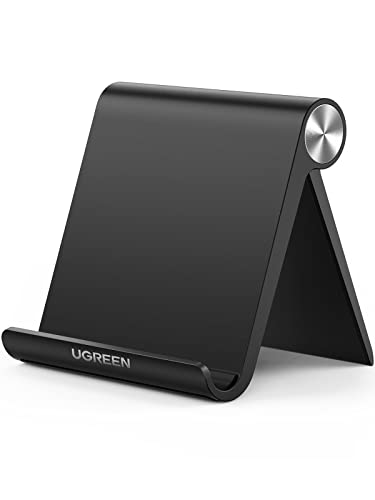
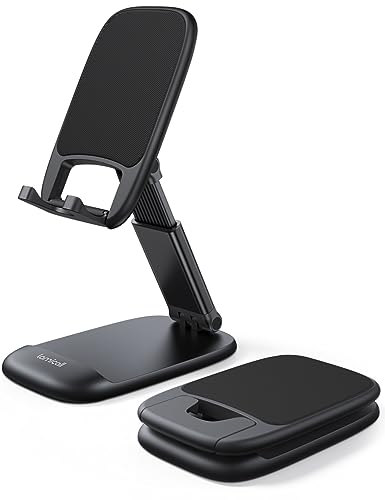
See grips, car mounts and tripods.
Choosing a case that fits your habits
A case should match how you use the phone. Slim cases add little bulk and keep the phone’s feel, but give less drop protection. Rugged cases add layers and raised edges that guard corners and the screen, at the cost of size and weight. Folio-style cases protect the screen and hold cards, but add thickness.
Check that the case is made for your exact model, since camera cutouts, button placement and port openings differ between phones, even within one family. Look for a raised lip around the camera and screen so the glass does not touch a flat surface.
If you use magnetic wireless charging or accessories, confirm that the case supports it. Thick cases or those with metal parts may interfere. The listing or manufacturer’s notes should state compatibility.
Screen protector types
Protectors come mainly as tempered glass and as plastic film. Glass tends to feel closer to the original screen and resists scratches well, while film is thinner and can wrap curved edges more easily but may scratch more readily. Some offer matte or privacy finishes, which change how the screen looks.
Fit and installation matter. Look for a protector made for your phone, with cutouts that suit the sensors and speaker. A guide frame or alignment tray in the box makes application easier. Clean the screen and remove dust before applying to avoid trapped bubbles.
If your phone has an in-screen fingerprint reader, confirm the protector works with it. Some designs interfere with the sensor, and compatibility is usually stated on the listing.
Chargers, cables and wattage
Charging speed depends on the charger, the cable and the phone. All three must support the same fast-charging method for the best result. A powerful charger paired with a basic cable or a phone that charges more slowly will not deliver more than the weakest link allows.
Check what your phone accepts in its manual. Higher wattage than the phone needs is generally fine, since the phone requests only what it can use, but a charger rated below the requirement will charge slowly.
- Cable: check the connector type, length and the power rating it supports.
- Charger: check port type and wattage, and whether several ports share the total.
- Safety: look for recognized safety markings and avoid frayed cables.
Keep a spare cable in a bag or car so you are never stranded.
Power banks and wireless charging
A power bank is useful for travel, long days out and emergencies. Capacity is listed in milliamp-hours, but real usable capacity is lower because of conversion losses. Check the output rating to make sure it can charge your phone at a reasonable speed, and note whether it has the ports you need.
Wireless chargers are convenient on a desk or bedside. They are generally slower and less efficient than a cable, and the phone must sit correctly on the pad. Magnetic alignment helps if both phone and charger support it. Cases can interfere, so confirm compatibility.
If you travel by air, check your airline’s rules for power bank size and carry-on requirements before packing one.
Everyday extras and safety
Some accessories improve daily life more than others. A car mount helps with navigation hands-free, and a grip or ring improves one-handed use. A small tripod or stand helps with video calls and photos. Cases with a card slot reduce what you carry.
When choosing a car mount, look for a stable grip, a position that does not block your view, and compatibility with your case and phone weight. Follow local laws about using phones while driving.
Be careful with unbranded chargers and very cheap cables, since poor quality can cause overheating or damage. Replace cables that are frayed, bent at the connector, or hot to the touch. Keep chargers away from soft surfaces while in use, and unplug them if something seems wrong.
A Simple Buying Order for a New Phone
It is easy to overspend on accessories in the first week, so buy in order of importance. The first priority is protection, because the phone is most exposed during the first days when you are still learning how you handle it. A case and a screen protector made for your exact model come first, since they guard against drops and scratches that affect resale value as well as appearance.
The second priority is power. A reliable charger and a cable that matches your phone mean you are never short of charge. Add a spare cable for the car or the bag if you travel. A wireless charger or power bank can come later, once you know how you use the phone during the day.
- Week one: case, screen protector, cable and a suitable charger.
- Soon after: a car mount if you drive, a grip or stand if you use the phone a lot with one hand.
- As needed: power bank, wireless charger, tripod, extra storage solutions.
Wait to buy extras until you notice a real need. Many people discover they never use a gadget bought on impulse, while a missing item shows up quickly in daily use. If you are unsure whether a case suits you, check the return policy so you can swap it for another style.
Cables and Connector Types Explained
Cables look alike but differ inside. The connector at the phone end must match your phone’s port, and the other end must match the charger or computer. Many modern devices use the same oval connector, but older phones and some accessories use different ones, so look at your phone and your existing chargers before you order.
Beyond the connector, cables vary in the power they can carry and the data speed they support. A thin cable meant for slow charging may not deliver the full power your charger can offer, and a cable built for charging only may not carry data well. For fast charging, choose a cable that states the power rating on the listing, and check that it matches your charger and phone.
- Length: a short cable is neat, while a long one reaches a bedside or sofa, but longer cables can lose some efficiency.
- Build: look at the strain relief at each end, which is where cables usually fail first.
- Material: braided or reinforced covers resist wear, though they are not immune to damage.
- Data use: if you transfer photos or use the cable for other devices, check that data transfer is supported.
Avoid pulling a cable by the cord, and do not wrap it tightly around a charger. These habits extend its life.
Cases and Covers: Budget Tiers and Trade-Offs
Cases come in many tiers, and the price usually reflects materials, fit and extra features. Basic cases protect against scuffs and light drops, and are often made of flexible plastic. Mid-range cases typically add raised edges, better corner protection and a more precise fit. Higher tiers may use more advanced materials, extra layers or special features such as built-in magnets and stands.
The right choice depends on risk. If you drop your phone often, work on construction sites or take it outdoors, a rugged case is worth the bulk. If you mostly use it at a desk and in your pocket, a slimmer case may do. Pay attention to how the case feels in your hand, as a case you dislike may end up in a drawer.
- Check that the buttons are easy to press and the ports remain accessible.
- Check how the case handles dust, as some collect lint in the corners.
- Clear cases can yellow over time, depending on the material, so read what the listing says about this.
- Wallet-style cases add storage but may block wireless charging or add weight.
Replace a case when the edges crack, the material stretches or it no longer holds the phone firmly. A worn case offers much less protection than it did when new.
Batteries, Heat and Charging Habits
Phone batteries wear with use, and some habits slow that down. Heat is the main enemy, so avoid leaving the phone in direct sun, in a hot car or under a pillow while charging. Thick cases can trap heat during wireless charging, so remove the case if the phone feels hot, and check what the maker recommends.
Many phones offer settings that limit the charge level or slow charging overnight, which may help preserve the battery over the years. Check your phone’s settings or manual to see what is available. Frequent full discharges are also less friendly to lithium batteries than shorter top-ups, though everyday use should come first, and you should not worry about occasional deep drains.
- Use a charger with proper safety markings from a maker you can identify.
- Do not use a cable that gets very hot or smells odd.
- Avoid charging on soft surfaces that block airflow.
- Remove the phone from a charger if it feels unusually warm.
If the battery drains quickly, the phone swells or the case seems pushed out, stop using it and contact the maker or a repair service. A swollen battery is a safety concern, and should not be charged or pierced. Some makers offer battery service, so check the support page for your model.
Accessories for Travel and Commuting
Travel puts different demands on your gear. A compact charger with enough ports can power a phone and another device, and a power bank covers long days when outlets are far away. Pack a short cable and a longer one, and keep them in a pouch so they do not tangle. Check the plug shape and voltage support of your charger before traveling abroad, since outlets differ from place to place.
For commuting, think about how you hold the phone. A grip or a strap can help in crowded trains, and a case with a card slot saves carrying a wallet. If you use earbuds or headphones, consider the connection: wireless ones need charging, and wired ones need an adapter if your phone lacks a headphone port.
- Keep a small pouch with a cable, a charger and a power bank, so you can grab it as a set.
- Use a car mount that does not block your view, and follow local laws on phone use while driving.
- Label your chargers or use distinctive cables so they do not get mixed up when sharing a space.
- Check the airline’s rules on power bank size and carry-on requirements.
Organize the kit once, and it will serve you on every trip.
Signs an Accessory Needs Replacing
Accessories wear out gradually, and noticing it early prevents bigger problems. A charging cable that works only at a certain angle, a connector that feels loose or a cable that gets warm are all signs to replace it. A charger that buzzes, smells or discolors should be retired, and one that no longer fits snugly in the outlet is not safe to use.
Cases and screen protectors also give warnings. A protector with cracks, deep scratches or lifted edges has done its job and should be replaced, since it can trap dust and reduce sensitivity. A case that has stretched, split or lost its raised lip no longer protects the phone from face-down falls.
- Power bank: replace it if it swells, gets very hot, or holds far less charge than before.
- Wireless charger: replace it if charging becomes patchy or the pad overheats.
- Car mount: replace it if the grip weakens or the phone shakes while driving.
- Grips and stands: replace them if the adhesive peels or the mechanism loosens.
When you replace something, note what failed and why. Buy a better version of the weak point, such as a cable with stronger strain relief, rather than the same product again. A routine check every few months helps you spot wear before it causes trouble.
Which phone accessories should you buy for your routine?
Buy the accessories that solve a problem you already have, and match each type to how you use your phone. The groups in this guide are protection, power and daily use, so start with the one that covers your biggest risk.
- If you drop your phone often: choose a rugged case with a raised lip, and add a screen protector made for your exact model.
- If you prefer a slim, pocket-friendly phone: a slim case plus a glass or film protector keeps the feel while guarding against scratches.
- If your battery runs low by evening: look at a power bank for the bag and a spare cable, before spending on extras.
- If you charge at a desk or bedside: a wireless charger is convenient, but only if your phone and case support it.
- If you want faster charging: pair a charger with enough wattage and a cable rated for it, as the weakest part sets the speed.
- If you drive or commute: a car mount and a grip make navigation and one-handed use easier.
- If you film or take video calls: a small tripod or stand is more useful than another case.
When two choices both fit, pick the one that works with what you already own. A cable that suits your current charger is better value than a fancy one that needs a new charger too.
What to check before you buy phone accessories, and who should skip them
Before you buy any phone accessory, confirm that it fits your exact phone model and works with the other items you use. Most returns come from small mismatches that the listing would have shown.
- The exact model name in the listing matches your phone, not just a similar size.
- The connector type, cable length and stated power rating suit your charger and phone.
- Wireless or magnetic charging is stated as supported if you plan to use it with a case.
- The box contents are clear: alignment frame for protectors, cable or charger included or not.
- Warranty and return terms are shown, so you can swap a case you dislike.
- Safety markings and a maker you can identify appear for chargers and power banks.
Be honest about trade-offs. A rugged case adds bulk and weight, a wallet case may block wireless charging, and a glass protector can still crack and need replacing. Wireless charging is slower and less efficient than a cable, so it suits convenience more than speed.
Some people can skip items. If you rarely drop your phone and use a cable at the same desk daily, a power bank or wireless pad may sit unused. If your phone already ships with a suitable charger, you may not need another one yet. A person who dislikes any added thickness may prefer a protector alone.
Compare the options above, check the current listing for size and what is included, then choose the accessories that fit how you will use your phone.
Matching Accessories to How You Actually Use Your Phone
The checklist sections above organise accessories by type, which is right for buying, but the routine you live decides which of those types deserve your money first. A commuter who spends hours on trains and platforms lives on a power bank, a cable that survives being wound and stuffed daily, and a case chosen for grip in one hand while standing. A desk worker needs almost none of that: a charger that lives at the desk, a stand that keeps the phone visible for calls, and a case chosen for looks and wireless charging compatibility will cover the week. Buying for the other person’s routine is the quiet way accessory drawers fill with unused gear.
Travellers should think in kits rather than items: one charger and cable set that stays in the travel bag, a power bank sized for a full day away from sockets, and protection chosen for drops on hard unfamiliar floors rather than office carpet. Parents and anyone whose phone is borrowed by small hands should weight the rugged end of the case discussion and treat screen protection as a consumable to keep spares of. Creators and frequent callers get more from mounts, tripods and grips than from a third charger. None of these routines is better than another; the point is that your accessory list should be traceable to your own week, item by item.
Compatibility Checks That Prevent Wasted Orders
Most accessory returns are compatibility failures that a two-minute check would have prevented, and the checks are always the same few. For a case, confirm the exact model and variant, because phones sharing a name across years or regions differ in camera layout and button placement by enough to ruin a fit. For charging gear, confirm the connector at both ends of the cable and that the charger supports the charging standard your phone uses for its fastest mode, since a physically fitting cable can still charge slowly, as the questions in this guide explore. For magnetic and wireless accessories, confirm your phone and case combination actually supports the alignment system involved rather than merely being able to charge wirelessly at some speed.
Vehicles and desks deserve the same discipline. A car mount must match how your dashboard and vents are actually shaped and whether your case’s thickness and material let the mount grip or the magnets hold. A desk stand must hold your phone’s size at the angle your calls and viewing need, with a charging cable routed without bending it sharply every day. These are small, unglamorous verifications, and they are the difference between an accessory that disappears into your routine and one that goes back in its box.
Care, Cleaning and Replacement Routines
Accessories age on predictable schedules, and a light routine keeps them safe and pleasant. Cables should be coiled loosely rather than wound tight around a charger, and inspected at the connectors, where fraying starts; a damaged cable is retired, not taped, since the charging path is the one place a phone accessory can become a genuine hazard. Cases come off occasionally so grit trapped between case and phone can be cleaned away before it marks the phone’s finish, and the charging port gets the gentle cleaning the questions in this guide describe, with no metal tools and no force. Screen protectors are replaced when their edges lift or their surface clouds, because a tired protector undermines both touch feel and the drop protection it is there to provide.
Charging gear has its own signals. A charger or power bank that becomes unusually hot, swells, or behaves inconsistently should be removed from service promptly and replaced with a reputable one, and power banks that sit unused for months appreciate an occasional partial charge cycle rather than being left flat in a drawer. None of this care is burdensome; it is the small print of owning things that handle electricity and glass every day, and it is what separates accessories that serve for the life of the phone from a drawer of early failures.
More Questions, Answered in Depth
In what order should I buy accessories on a tight budget?
Protection first, power second, convenience last. A case and screen protection guard the expensive object itself from the most common accident, and they cost least at the start before any damage exists. Next, make sure you can charge reliably in the places your routine actually happens, which for most people means one dependable charger and cable beyond whatever the phone included. Everything else, stands, mounts, grips, extra power banks, should be bought in response to a friction you have actually felt in your first weeks with the phone. That order keeps a small budget pointed at real risks in the sequence they are most likely to occur.
How do I stop cables from failing so quickly?
Most cable deaths are mechanical, not electrical. The failures happen at the connector ends, from being yanked out by the cord, bent sharply against a desk edge, or wound tightly for travel every day. Pull by the connector body, give the cable a gentle loop rather than a tight coil, and avoid routing it where it is trapped or pinched. A cable used at a desk can live for years with that treatment, while a travel cable lives a harder life and should be regarded as a consumable with a spare behind it. When a cable starts charging intermittently, replace it rather than nursing it, because intermittent connections confuse fault-finding and can mimic a failing phone.
Are multi-device chargers a good idea?
They suit households and desks where several devices charge in one place, and they reduce the tangle of separate bricks. The checks are the ones this guide applies to any charger, applied per port: the total output is shared, so confirm the charger still gives your phone a useful rate while other devices are connected, and confirm each port’s connector and standard matches the device you intend to plug into it. A multi-device charger bought on its headline total alone can disappoint every device equally. Bought with the sharing understood, it is one of the tidiest upgrades a busy desk can get.
When is a cheap accessory a false economy?
When it touches safety, fit or the charging path. Uncertified charging gear of unknown origin risks the phone and, in the worst cases, more than the phone, and the saving over a reputable charger is small against that. A case that does not truly fit your model fails at its only job. By contrast, simple passive items, a basic stand, a plain grip, a spare film protector, tolerate budget buying well because little can go wrong with them. Spend where failure has consequences and save where it does not; that rule sorts nearly every accessory decision in this checklist.
Accessories for Three Situations Buyers Forget to Plan For
Sport and exercise ask things of accessories that desks never do. A case chosen for the gym needs grip when hands are damp and a shape that survives being knocked off equipment, while earbuds and mounts for bikes or runs must hold through movement rather than merely fit at rest. If your phone trains with you, buy for that hour honestly instead of hoping desk accessories will cope, and consider a cheaper dedicated case for sport so the good one is not sacrificed to it.
Cars are the second forgotten situation. Heat is the enemy inside a parked car, so mounts should keep the phone out of the worst of the sun where possible, charging cables in cars live hard lives and deserve to be treated as replaceable, and a mount that requires two hands and a struggle will simply not be used on short trips, which is when phones end up in cup holders and footwells instead. The third situation is lending: phones handed to children, elderly relatives or colleagues need the rugged end of protection and, often, a grip that suits smaller or less steady hands. Planning for the lending hour prevents the most avoidable cracks of all.
How many chargers and cables does a household actually need?
Count charging places, not devices. Most households settle on a charger where the phone sleeps, one where it works, and one travel set that never leaves the bag, with cables matched to each place so nothing is unplugged and carried room to room. Beyond that, extra chargers mostly duplicate convenience you already have. The exception is a household with several people and several phone types, where a shared multi-device charger in a common place, bought with the sharing behaviour this guide describes, ends the nightly negotiation. Buy to the map of your home and the problem places disappear in order.
Keeping a Spare Kit: The Small Drawer That Saves the Day
Phone accessories fail at inconvenient moments by design, since they are used hardest exactly when you are busiest, travelling or away from shops. A tiny spare kit answers most of those moments: one known-good cable, one basic charger, a spare screen protector if you use them, and the small tool or cloth your routine involves. Kept in the bag or drawer where failures actually happen, rather than in a distant cupboard, it converts a dead phone and a ruined evening into a two-minute swap. The kit should be built from items you have already tested with your phone, because an untested spare is a hope, not a spare.
Rotate the kit as your phone changes. Connector types and charging standards move on, and a drawer of spares for a previous phone is a small museum rather than a resource. When you upgrade, test the old spares against the compatibility checks in this guide, keep what genuinely works, and pass on or recycle the rest while it is still useful to someone. That habit keeps the spare kit honest and prevents the particular frustration of reaching for a backup that belongs to a phone you no longer own.
Should I buy accessories in bundles or separately?
Bundles suit the passive items: a case, protectors and a basic cable bought together for a new phone are convenient and the individual quality of each piece matters less. Buy separately where performance or safety is involved, above all chargers and power banks, where a reputable single item beats an anonymous bundle inclusion every time. Bundles also tempt buyers into owning accessories their routine never uses, which this checklist exists to prevent. The tidy rule is to bundle the simple and separate the electrical, and to let your own routine, not the bundle’s contents list, decide what you need at all.
Frequently Asked Questions
What to buy first?
Case and protector.
Cable quality?
Match wattage.
MagSafe?
For iPhones.
Do I need a screen protector if my phone has strong glass?
Strong glass still scratches and can chip. A protector is inexpensive insurance and is easier to replace than a screen. It is a personal choice based on how you use the phone.
Can I use any charger with my phone?
Most chargers with the right connector will work, but speed varies. For the fastest charging, the charger, cable and phone must support the same standard. Check the phone's manual.
Will a higher wattage charger damage my phone?
Generally no, because the phone controls how much power it draws. Use a well-made charger with proper safety markings. Avoid damaged or unbranded units.
How do I know if a case is compatible with wireless charging?
The product listing usually says so. Thin, non-metal cases are generally fine, while thick or metal-containing ones may cause problems. Check before buying.
How long should a phone cable last?
It depends on use and build quality. Replace it when it frays, loses connection, or the connector bends or overheats. A spare is cheap and handy.
What size power bank should I choose?
Think about how many charges you want. Larger ones weigh more, and usable capacity is lower than the label suggests. Check the output rating and your airline rules if flying.
Are phone grips safe for wireless charging?
Some grips interfere with wireless or magnetic charging because of their position or metal. Removable or flat designs may work better. Check the listing for compatibility notes.
Do I need a new case when I upgrade my phone?
Usually yes, because cases are made for specific models. Even phones of similar size can have different camera layouts and buttons. Check the exact model before ordering.
Should I buy the charger that comes with the phone or a separate one?
Some phones ship without a charger, so check what the box includes. A separate charger is useful if you want faster charging or extra ports. Make sure it supports your phone's charging method.
Can I use a tablet charger for my phone?
Usually yes, if the connector and standards match. The phone controls how much power it takes, so a higher rated charger is generally fine. Use a well-made unit with proper safety markings.
Is a tempered glass protector better than a film?
They have different strengths. Glass feels closer to the original screen and resists scratches, while film is thinner and can follow curved edges. Choose according to your phone and the feel you want.
Why does my phone charge slowly with a new cable?
The cable may not support the power level your charger offers, or the charger may be the limit. Check the ratings on all three parts. A damaged connector or a dirty charging port can also slow things down.
How do I clean the charging port?
Turn the phone off and gently remove lint with a soft, non-metal tool, such as a wooden or plastic pick. Do not use liquids or sharp metal objects. If the port still does not work, check with the maker.
Do I need a case if I already have a protector?
They protect different things. A protector guards the screen from scratches and some impacts, while a case protects the corners, the back and the camera area. Many people use both.
Is it safe to charge my phone overnight?
Modern phones manage charging to avoid overcharging, and many have settings to ease battery wear. Use a quality charger, keep the phone on a hard surface and avoid covering it. Follow the maker's guidance.
Can accessories from other phone models work on mine?
Cables and chargers often do if the connector matches, but cases and protectors are model-specific. Check the exact model name in the listing before buying. Even similar sizes may have different camera layouts.
Which phone accessory should I buy first for a new phone?
Buy a case and a screen protector made for your exact model first, because the phone is most exposed to drops and scratches in the early days. Then add a reliable cable and charger that match your phone. Leave extras such as a wireless charger until you know you need them.
Is a rugged case better than a slim case?
A rugged case gives more drop protection but adds bulk and weight, while a slim case keeps the feel of the phone and protects less. The better choice depends on how often you drop the phone and where you use it. Check how the case feels in your hand, as one you dislike may end up unused.
Do I need a power bank if I work at a desk?
Probably not every day, since you can charge at your desk. A power bank helps on travel days, long outings and emergencies. If you never run low away from an outlet, you can skip it for now.
Does a thick case stop wireless charging?
It can, especially if the case is thick or contains metal. Thin, non-metal cases are usually fine, and the listing often states compatibility. Remove the case as a test if charging seems unreliable.
Are cheap phone cables worth buying?
Some are fine, but very cheap, unbranded cables can wear out quickly or heat up. Look for a stated power rating, good strain relief at the ends and a maker you can identify. Replace any cable that frays or gets hot.
When should I replace a phone case or screen protector?
Replace a case when the edges crack, the material stretches or the phone no longer sits firmly. Replace a protector when it has cracks, deep scratches or lifted edges. Both lose protection as they wear, even if the phone looks fine.
Bottom Line
Start with a case, protector and good cable.
More Phone Accessories Guides
- Best MagSafe-Style Chargers
- Best 65W USB-C Chargers
- Best iPhone 17 Cases
- Best iPhone Screen Protectors
- Best Phone Grips and PopSockets
- Best Car Phone Mounts
- Best USB-C Cables
- Best Galaxy S25 Cases
- Best Phone Tripods
- All Phone Accessories guides