A clear shipping address lists the recipient, street details, town or city, region and postal code in a consistent order, using plain, legible characters. Missing unit numbers and unclear writing are common reasons parcels are delayed or misrouted.

The Lines, in Order
- Recipient name. A person, a business or both. If both, put the person first or follow the format of your carrier.
- Delivery line. Street number, street name and any direction word. Spell out what the local post expects.
- Unit line. Apartment, suite, floor or room. Put it on the same line as the street or on a line of its own, as the local format prefers.
- Town or city.
- Region or state. Use the standard short form where the local post uses one.
- Postal code. Copy it carefully, since one wrong character changes the route.
- Country. Needed whenever the parcel crosses a border. Write it on its own line.
In this guide
Habits That Help
- Use block capitals or clean print if you write by hand.
- Avoid decorative fonts on printed labels.
- Keep punctuation to a minimum.
- Leave a clear margin around the address block.
- Give a phone number if the carrier form asks for one.
Common Mistakes to Look For
| Mistake | Result | Fix |
|---|---|---|
| Missing unit number | Parcel returned or held | Add apartment or suite on the label |
| Wrong postal code | Misrouting | Check against a trusted address source |
| Name only in short form | Recipient not known at the door | Use the name on the mailbox or buzzer |
| Squashed lines | Misread characters | Space the lines out |
| Missing country | Delay for cross-border parcels | Add it on a separate line |
Check Before You Print
- Read the address aloud against the order record.
- Check that no line is cut off at the edge of the label.
- Confirm that the sender address appears too.
- Print one sample and look at it in normal light.
Examples of Layout
A simple block has four to six short lines, each holding one kind of information. The first line names the recipient. The next holds the street and number. A further line, only if needed, holds the unit. After that come the town, region and postal code, and a final line gives the country for cross-border parcels. Keep the same pattern for every order so mistakes stand out when a line looks different.
When a customer types their own address, glance at it once more before printing. Odd spacing, missing numbers and mixed up fields are easy to spot and fix at this stage.
Addresses for Homes, Apartments and Businesses
The basic format stays the same, but different destinations need different details. A single-family home usually needs the street number and name, the town, region and postal code. An apartment or condo adds a unit number, and in a large building it may also need a building name, tower letter or floor. Leaving these out is one of the most common reasons a parcel cannot be delivered.
For a business, include the company name and, if possible, the person or department who will receive the parcel. Mailrooms sort by name, floor or suite, so a vague address can sit unclaimed. If the building has a front desk, ask whether a particular format or reference number is needed to route the delivery.
Shared buildings and multi-tenant houses need care. A mailbox with several names, a house split into flats or an office park with several buildings can all confuse a courier. Write exactly what the recipient has displayed at the door, mailbox or buzzer.
- Put the unit identifier on the line your local format expects, and check it against the recipient’s own message.
- Include the building name or tower if the complex uses them.
- For businesses, add the department or floor where relevant.
- Ask the recipient if you are unsure how their building handles parcels.
PO Boxes, Parcel Lockers and Pickup Points
Not every address is a doorstep. A post office box, a parcel locker or a pickup point each has its own format, and some carriers cannot deliver to some of them. Before you ship, check which services the carrier will deliver to a box or locker, because a parcel sent to the wrong kind of address may be returned.
A post office box normally uses a box number in place of the street line. Some carriers deliver only to a street address, so a box address may need a different service or a different carrier. If a recipient gives you a box address, ask whether they also have a physical address where a courier can leave the parcel.
Parcel lockers and pickup points often come with a code, reference or locker number. That detail goes where the locker operator tells you to put it, which is usually specific to the service. Copy the operator’s own format exactly, and follow the instructions provided at checkout or by the recipient. Do not substitute your own layout.
When in doubt, confirm with the recipient before you print. A short message asking for the full address as they would like it written costs little and prevents a returned parcel. Keep a copy of the format you were given and use it again for future shipments to the same place.
International Address Differences
Address formats differ from country to country. Some put the postal code before the town, others after the region, and a few use no region at all. Numbers may come before or after the street name. Using the local order, not the order familiar to you, helps sorting equipment and local couriers read the address correctly.
Cross-border shipments also need the destination country on its own line. Spell it out in full, in the language the carrier requests, and avoid abbreviations that could be mistaken for a region. Some carriers prefer the country in capital letters, and some customs forms ask for it separately.
Characters can cause trouble. Accented letters, non-Latin scripts and special symbols may not print correctly on every label system. The carrier’s instructions may require a Latin-character version of the address, with the original script optional. If the recipient writes their address in another script, ask for a transliterated version, or follow the guidance on your shipping form.
- Check the carrier’s address guide for the destination country.
- Include a phone number or email if the form asks, since customs or the courier may need to reach the recipient.
- Keep the postal code format the destination uses, including spaces or hyphens if that is the local style.
- Do not guess missing parts. Ask the recipient.
Validating and Correcting Addresses Before Shipping
Many shipping tools can check an address against a postal database and suggest a standard form. This can catch a wrong postal code, a misspelled street or a missing unit. Treat a suggestion as a prompt to look again, not as an order. The database may not know about a new building, and the suggestion may change something the recipient intended.
When the tool flags a problem, compare the suggestion with the original, line by line. If the two differ, ask the recipient which is right. If they agree on a corrected version, use it. If the tool cannot match the address at all, there may still be a valid location, but you should check it before printing.
Build a simple routine for each order:
- Copy the address from the order record rather than retyping it.
- Run any available address check and read the result.
- Confirm unusual cases, such as new buildings, rural routes and shared entrances, with the recipient.
- Print one label and read it against the original.
Keep records of corrections. If a customer repeatedly has the same problem, such as a missing unit, note it so the next order is easier. Where the address has changed, update your records so old data does not cause another error.
Fixing an Address After You Have Shipped
Mistakes happen, and what you can do depends on timing. If you spot an error before the parcel is handed over, the simplest remedy is to void or replace the label according to the carrier’s process, print a new one with the correct address and remove or cover every old barcode.
After handover, options vary by carrier and service. Some let you update delivery details or redirect a parcel through an online account, sometimes for a fee, and some do not. Check the carrier’s current instructions and help pages, and contact the carrier through its official channels as soon as you notice the problem. Have the tracking number, the correct address and the original address ready.
Tell the recipient about the issue too. They may be able to watch for the parcel, contact the carrier themselves or collect it from a depot. If the parcel is returned, the carrier will usually send it back to the sender address, which is why that address must also be legible and correct.
- Never write a new address by hand over a printed label, since it can confuse sorting equipment.
- Do not assume a courier will correct an obvious error.
- Keep the sender address on the parcel and inside the box in case the outer label is lost.
- Record the steps you take, in case a claim or follow-up is needed.
A Worked Example, Line by Line
Seeing a messy address turned into a clean one is the fastest way to learn the habit. Imagine a customer types this into a checkout box: “jane smith 45 oak st apt 3b springfield il 62704 usa”. Everything is present, but it is one long string, and a person or a machine has to guess where one field ends and the next begins.
Split it by kind of information. Recipient: Jane Smith. Delivery line: 45 Oak St. Unit: Apt 3B. City: Springfield. State: IL. Postal code: 62704. Country: USA, or United States if the carrier wants it spelled out. Then arrange the lines in the order your local carrier expects, which for a US domestic parcel is usually recipient, street and unit, then city, state and ZIP code on the last line.
A few judgment calls come up even in this simple case. Capital letters are fine but not required. The unit can share the street line or sit on its own line, depending on the format your shipping tool uses. Street type abbreviations such as St, Ave and Rd are widely accepted, but the carrier’s own guidance wins if it differs. The point is that each piece of information lands in a predictable place so scanners and people read the same thing.
It is worth keeping the cleaned version as a template for repeat customers. Once you have a verified address saved with the right unit and postal code, reuse it instead of retyping, and update it only when the customer tells you something has changed.

What Changes for a Business Parcel
- Add the company name on its own line above the street, or follow the carrier’s form for a company field.
- Put the contact person or department on an attention line if the building has a mailroom.
- Include the suite or floor on the delivery line, since that is what the mailroom sorts by.
Handling Bulk Orders and Spreadsheets
Sellers who ship many parcels often copy addresses from a spreadsheet or an order export. That saves typing, but it introduces its own errors, and most of them are formatting problems rather than bad data.
Keep each part of the address in its own column: name, line one, line two, city, region, postal code, country, phone. When everything sits in a single cell, an import tool has to split it, and it will sometimes split it wrongly. Spreadsheets can also quietly damage postal codes. A code that begins with zero may lose that zero if the column is treated as a number, so format the column as text before pasting data in. The same applies to long numbers and codes with a hyphen.
Look out for stray characters. Copying from emails or web pages can bring in extra spaces, line breaks inside a cell, or curly quotes. A trailing space is harmless to a person but can cause a failed match in an address check. Use a simple clean-up step, such as trimming spaces, before you import.
- Sort by postal code or country after import, so odd entries stand out next to their neighbors.
- Scan the line two column for entries like “N/A” or “none”, which should be blank.
- Check that every row has a country if you ship across borders.
- Test with a handful of rows before you print a whole batch.
Special Delivery Destinations
Some destinations follow extra rules, and treating them like ordinary street addresses is a common source of returns.
Rural addresses may use a route number, a box number or a long road name with no house number. Copy exactly what the recipient provides, and ask for a phone number for the courier. Military and diplomatic mail uses its own format in the United States, with a unit or box line, a special city code such as APO, FPO or DPO, and a two-letter state code in place of a normal state. Carriers often restrict which services can deliver there, so check the postal service’s current guidance before choosing a service.
University and hospital addresses often need a building, room or department. Dormitories and care facilities may route by resident name and room, so ask the recipient for the exact line the mailroom wants. Apartment complexes with leasing offices sometimes accept parcels on behalf of residents, but only if the address includes the unit and the resident’s name.
Temporary addresses, such as a hotel, event venue or a holiday rental, need a guest name and sometimes a check-in date or reservation number. Confirm with the property that it will hold parcels, and how long. Without that, the parcel may be refused or returned.
Where to Put the Label on the Package
A perfect address can still fail if the label is hard to scan. Place the label on the largest flat face of the box, away from seams, corners and edges. A label that wraps over an edge can break a barcode and hide text. Avoid putting it across the tape line where the box opens, since cutting the tape can slice the label.
Remove or cover old labels and barcodes when you reuse a box. Two barcodes on one parcel can send it to the wrong place. Smooth the label flat so there are no wrinkles. If you use clear tape to protect the label, cover it fully and keep the tape smooth, because shiny, creased tape can reflect scanner light and cause misreads. Do not tape over only part of the barcode.
Print quality matters as well. Faint or streaked printing makes small characters and barcodes harder to read, so replace a worn ribbon or cartridge, or clean the print head, before it affects a batch. Choose a font size large enough to read at arm’s length, and keep the lines left-aligned so the layout is predictable.
For soft packages such as poly mailers, press the label flat on the surface and check that it does not peel at the corners. For irregular items, a pouch or clear sleeve can hold the label. In every case, include the same address inside the parcel on a slip of paper, so the shipment can still be identified if the outer label is damaged.
Troubleshooting Returned or Delayed Parcels
When a parcel comes back or stalls, look for the cause before you ship again. Resending to the same flawed address repeats the same failure.
| Symptom | Likely cause | What to check |
|---|---|---|
| Returned with “insufficient address” | Missing unit or house number | Compare the label with the recipient’s own message |
| Stuck in transit with no scans | Unreadable or damaged barcode | Inspect the label for creases, smudges or tape glare |
| Marked “unable to forward” | Recipient moved or address is old | Ask the recipient for a current address |
| Delivered to a neighbor | Similar address or missing unit | Check for a near-match on the same street |
| Held at a facility | Wrong postal code or restricted destination | Verify the code and the service allowed |
Delays do not always mean the address is wrong. Weather, holidays and heavy volume slow carriers, and a parcel with no new scan for a day or two is not necessarily lost. A useful rule is to wait for the carrier’s stated delivery window, then act if the tracking shows no movement after it passes. Acting early by reshipping can leave you with two parcels in transit and an annoyed recipient.
Start by reading the tracking history and any note from the carrier. Then compare the label with the address the recipient confirmed. If the labels match and the parcel still fails, contact the carrier through its official channels with the tracking number. Keep your notes so you can spot patterns, such as one recipient whose building needs a special line.
Ready to Buy? Start Here
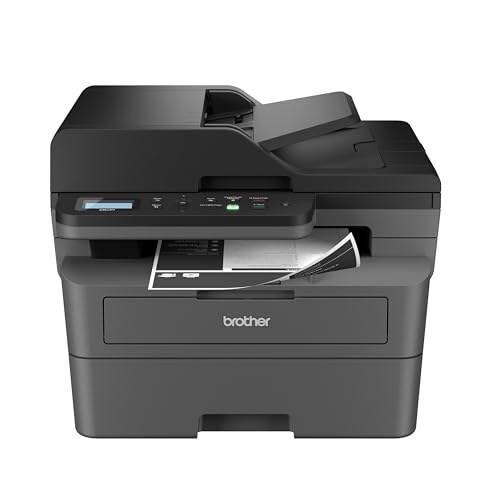
If this guide helped you decide what to look for, these products are a place to start.

As an Amazon Associate we earn from qualifying purchases. Prices and availability are shown on Amazon.
The Order of Lines, and Why It Is Not Arbitrary
An address is read by machines and humans in a set sequence, and writing the lines in the expected order is the simplest accuracy habit there is. The recipient’s name comes first, because the parcel belongs to a person before it belongs to a place. Any company name, department or care-of detail follows, then the street line with its number, then any unit, floor or building detail, then the locality, region and postal code, in the arrangement your postal system expects. Each line has one job. Mixing two jobs on one line, or promoting the postal code into the street line, forces a sorting system to guess, and guesses are where delays are born.
One fact per line, kept whole
Keep each fact complete on its line rather than splitting a street name across lines or breaking a postal code apart. If a form gives you two address lines, use the second for the overflow it was designed for, such as a unit or building detail, rather than as a continuation of a long street line. When handwriting, the same discipline applies with extra care: leave clear space between lines, form digits unambiguously, and remember that a hurried reader must separate a one from a seven and a zero from the letter O without stopping to think.
The country line for international parcels
For a parcel crossing a border, the destination country stands alone on the final line, written in full and, by widely used postal convention, in capital letters, so it can be recognised instantly by handlers in the sending country who may not read the destination’s language or address format. Everything above that line follows the destination country’s own arrangement as best you can, and the country line itself is the anchor that gets the parcel onto the right route before finer sorting begins. Because conventions and carrier requirements do change, check the current guidance of the carrier or postal service you are using for the destination in question, especially for how the postal code and region should be presented.
Abbreviations: Where Helpfulness Turns Into Ambiguity
Shortening words feels tidy and causes a quiet share of misdeliveries. Street-type words, directional words and unit words all have abbreviations that overlap, differ between countries, or collide with names: a shortened direction can read as part of a street name, an abbreviated unit type can vanish into the building name, and a trimmed locality can match a different place entirely. The safe habit is to write the address the way the recipient supplied it, in full, and to resist improving it. If a carrier’s form shortens a word automatically, that is the carrier’s tested behaviour; your own improvisations have not been tested at all.
Names, numbers and the details that get dropped
The details most often lost are the small ones that matter most at the door: a unit number separated from the street line, a building name that distinguishes two identical street addresses, or a recipient name replaced by a nickname that nobody at that address recognises. Copy names exactly, including the order of name parts as the recipient gave them, because delivery staff and reception desks match parcels to people by the name they know. If any element looks incomplete, ask the recipient rather than filling the gap with a plausible guess; a short message before posting is cheaper than a returned parcel after it.
A final read-through in the reader’s shoes
Before printing or handing over, read the address slowly as a stranger would, line by line, asking of each line what it tells you and whether anything could be read two ways. Check the postal code against the locality, the street number against the street, and the country line against the destination. That thirty-second read, done every time rather than only when an address looks odd, is the whole craft of clear addressing in one habit.
Addresses in the Wild: The Cases That Cause the Most Returns
Certain address shapes generate a disproportionate share of trouble, and recognising them is half the craft. New housing developments arrive before maps and postal databases settle, so a correct address can still confuse systems; in those cases the recipient’s own wording, plus a phone number for the courier where the service allows it, carries the parcel through. Rural addresses may rely on a locality name more than a street, and abbreviating or omitting that locality in the name of tidiness removes the very detail the local delivery staff navigate by. Addresses with similar street names in neighbouring districts live or die on the postal code, which deserves a character-by-character check. University, hospital and large company addresses are small cities: the department, building or internal reference is not decoration, it is the difference between delivery and a parcel touring a mailroom.
When the recipient is not the person at the door
Gifts, workplace deliveries and parcels sent to family members all share a wrinkle: the name on the label and the person who answers may differ. Use the name of the person who will be identified at that address, adding a care-of line for the household or company name where that helps, exactly as the recipient advises. A parcel addressed to someone unknown at a building invites refusal or a long rest in a reception corner. When you are unsure whose name belongs on the label, ask the recipient one short question before posting; it is the cheapest insurance in the whole addressing topic.
Seasonal and temporary addresses
Holiday homes, student term-time addresses and temporary work postings all have expiry dates that the address itself does not show. Confirm the address is current at the time of posting, not merely correct in general, and be alert to forwarding arrangements that may or may not cover parcels. A parcel sent correctly to where someone lived last month is still a lost parcel this month. Your order records should capture the address as used for each shipment, so a repeat order never silently inherits a temporary address from a previous one.
Handwriting Addresses That Survive the Journey
Handwritten labels still carry a large share of the world’s parcels, and legibility is a technique, not a talent. Write in plain, separated characters on a dry, flat surface before the label goes on the parcel, because writing on a soft or rounded parcel degrades every letter. Leave generous space between lines, keep the postal code especially clear and spaced as the destination system groups it, and avoid decorative letterforms entirely. Dark ink on a light label, written without pressing so hard that the surface tears, reads best for both humans and machines. If your handwriting is honestly poor, print the address and attach it securely, or ask someone with a clearer hand; pride has sent more parcels astray than bad pens ever did.
The sender’s address earns its place
A clear return address is the parcel’s way home and should be written with the same care, in the same line order, smaller but complete. Returns fail when the sender block is cramped, partial or missing a postal code, and a parcel that can neither be delivered nor returned has nowhere left to go. Place the sender details where the carrier expects them for the service you use, keep them clearly secondary to the destination so no sorting eye confuses the two, and check them with the same stranger’s read you give the main address.
Digital Forms, Autocomplete and the Helpful Machine
Modern addressing happens inside forms that try to help, and help deserves supervision. Autocomplete suggestions are drawn from databases that can lag behind new streets, renamed districts and corrected postal codes, so a suggested address that differs from what the recipient supplied is a question, not an improvement. Accept a suggestion when it plainly matches and merely tidies formatting; pause when it changes a name, a number or a locality, and let the recipient’s version win unless they confirm the change. Watch also for forms that silently split or merge lines, move a unit number into a street field, or strip characters they dislike, because the address you approved on one screen may not be the address that prints on the label.
Keeping your own address book honest
A saved address book is a convenience with a memory problem: it preserves old addresses with total confidence. Review saved entries when someone moves, when a business relocates, and whenever a parcel is returned from an address you trusted. Correct the entry at the moment you learn, not at the next order, because the next order will be placed in a hurry and the book will be believed. One accurate book beats three devices each remembering a different version of where a person lives.
The label is the last proofread
Whatever the form showed, the printed label is what travels, so the final check belongs to the label itself. Compare it against the original source, the recipient’s own message or order, rather than against the form you filled in, because comparing against the form only proves the printer worked. Source against label, character by character for the postal code and street number, is the check that catches the quiet transformations of helpful software.
Proofreading Addresses Like a Professional
Professionals proofread addresses differently from the rest of us: they compare, they do not merely read. Reading invites the eye to see what it expects, which is why your own errors are invisible to you. Comparing the label against the source, element by element, in a fixed order, name, street number, street name, unit, locality, postal code, country, forces each element to justify itself individually. Read the digits of the postal code backwards as a final pass, a small trick that breaks familiarity and exposes transposed characters that forward reading forgives. Do the comparison at the moment of printing rather than at the moment of ordering, because the label is the traveller. Thirty disciplined seconds, applied to every parcel rather than only to the ones that look doubtful, is the entire difference between addresses that are usually right and addresses that are reliably right.
Addresses for the Parcels You Send to Yourself
The easiest address to write carelessly is your own, on returns, forwarded parcels and orders sent between your own addresses, because familiarity whispers that everyone involved already knows it. They do not: the network knows only what the label says. Write your own address with the same full discipline, every line in order, postal code compared character by character, especially after any move, when memory supplies the old address with total confidence and the new one with effort. Keep your current address written where labels are prepared, and purge old versions from forms, books and autofill with the same thoroughness you would want from anyone sending something precious to you. More parcels are lost to a confident, outdated own-address than to any exotic foreign format, precisely because nobody proofreads what they believe they know by heart.
The Address as a Small Act of Consideration
It is worth ending on the human truth beneath the technique: a clear address is a courtesy extended to everyone who will handle the parcel, most of whom you will never meet. The sorter at midnight, the driver in rain, the receptionist matching a name to a face: each is helped or hindered by the thirty seconds you spent at the bench. Writing the lines in order, keeping each fact whole, refusing the ambiguous abbreviation and proofreading against the source are small acts, but they compound across a journey into the difference between a parcel that arrives as a pleasure and one that arrives as a story. Craft, in addressing as in everything else in this series of guides, is simply care made repeatable, and an address written with care is recognisable at a glance, even before it is read.
Two addresses, one parcel: gift and buyer, sender and return
Some parcels carry a small crowd of identities: the person who paid, the person who receives, the address it travels to and the address it returns to. Confusion among them is a rich source of misdelivery, because each name and address is correct somewhere, just not everywhere. Keep the roles separate in your records and on the label: the travelling address is the recipient’s, the return address is yours, and any other party belongs in the paperwork inside the parcel rather than on its outside. When you prepare the label, name each role aloud as you check it. Parcels do not get lost because addresses are exotic nearly as often as they get lost because a familiar name stood in the wrong line.
When the address is a person you know well
Familiar recipients invite the same carelessness as your own address, because you could find the house blindfolded and assume the network can too. It cannot; it has only the label. Write a friend’s or a parent’s address with the full formal discipline, complete lines, checked postal code, no affectionate shortenings, no nickname standing where a recognised name should be. The parcel travels through strangers’ hands for almost its entire life, and it is for those strangers, not for you, that the address is written.
FAQ
Should the address be all capitals?
Not necessarily. Some postal systems prefer it for machine reading, others accept mixed case. Check the carrier’s current instructions.
What about a gate code or delivery note?
Put it in the notes field if the form has one, not in the address lines where it can confuse a scanner.
Do I need to include the recipient's phone number?
Only if the carrier or the form asks for it. A phone number can help a courier contact the recipient about access or delivery problems. Put it in the field provided, not in the address lines.
Should I write the sender address on the parcel?
Yes. A clear return address lets the carrier send the parcel back if it cannot be delivered. Many people also place a second copy inside the box in case the outer label is damaged.
How do I write an address with a long unit or building name?
Keep the line to what fits legibly, and use the carrier's allowed abbreviations. If the line is too long, check whether the form offers a second address line, and do not squeeze the text.
Is it a problem to use punctuation in the address?
Extra commas, periods and symbols are usually unnecessary and can confuse automated readers. Plain text with minimal punctuation is generally easier to read. Hyphens in unit numbers or postal codes may be required, so follow local style.
What if the customer typed their address in all lowercase?
Most carriers can read mixed case. You can clean up capitalization if you like, but check that you do not change any meaning. The content of the address matters more than the style.
Can I ship to a hotel or a workplace?
Often yes, but the recipient should confirm that the front desk or mailroom accepts parcels. Include the guest or employee name, and any booking or department details they request.
What do I do if the postal code is not recognized?
Check it against a trusted source such as the local postal service lookup and ask the recipient to confirm. New developments may not yet appear in some databases, so verify before you override.
How do I write an address that has two street lines?
Put the main delivery address, such as the street number and name, on one line and the extra detail, such as a suite or building name, on the next. Check which line your carrier reads first, since many systems treat the line nearest the city as the delivery line.
Why does my postal code lose its leading zero in a spreadsheet?
The column is probably formatted as a number, which drops leading zeros. Format the column as text before you paste or import the data, and re-enter the affected codes. Always check a few codes against a trusted lookup after fixing the format.
Can I use a nickname instead of a full name?
It can work if the recipient uses that name on the mailbox or door, but a full legal name is safer for carriers and for parcels that need identification. If the building lists a nickname or business name, use what appears there.
Where do I put an apartment number if the form has only one line?
Add it after the street on the same line, with a clear label such as Apt or Unit, unless the form gives a separate field. Keep the line short enough to print without cutting off. If it will not fit, look for another address line.
What should I do if the address checker shows two possible matches?
Do not pick one at random. Compare each with the recipient’s confirmed details, then ask the recipient to choose. A small difference, such as a street direction or a unit letter, can send the parcel to a different building, so a quick message is worth the wait.
Should I copy an address exactly as the customer typed it?
Almost always, yes, including their capitalisation and line breaks, because they know their own address. The exceptions are clear accidents: a duplicated line, a postal code typed into the wrong field, or an obvious slip you can confirm with them. When in doubt, ask; when you change anything, change only the accident, never the substance.
How do I write an address for a recipient in a country whose format I do not know?
Ask the recipient to supply the address exactly as they would write it for domestic post, then reproduce it faithfully and add the country name in full, in capitals, on the last line. Check your carrier’s current guidance for that destination as well. Local knowledge beats any template you could apply from outside.
Is it acceptable to handwrite the country name instead of printing it?
Yes, if it is written clearly in full and in capitals on its own final line. Legibility is the requirement, not the method. Write slowly, space the letters plainly, and make sure the line cannot be mistaken for part of the locality line above it.
What is the risk of abbreviating a street type to save space?
The abbreviation may be read as part of the street name, match a different convention in the destination country, or be expanded wrongly by an automated system. Saving a few characters is never worth a mis-sort. If space is genuinely short, use a larger label or the carrier’s own format rather than shortening words yourself.
The Short Version
Use a steady order, include every unit detail and keep the characters plain. Check the postal code twice, and read the carrier’s current instructions for local formats.