A good photo walk needs only a short route, a theme and a light kit. Planning those three things keeps you focused and stops the outing from turning into aimless wandering. Here is a simple way to prepare in under an hour, followed by a worked example, common situations, mistakes to avoid and a few habits for the days after.
Choose a Route and Time
Choose an area you can cover on foot in two to three hours, with several different scenes such as a park, a main street and a quiet lane. Loop routes avoid backtracking. Aim for the hours around sunrise or sunset when light is soft, and check the weather before you leave.
In this guide
Set a Theme or Challenge
A simple idea gives your eyes a job. You can try one of these.
- A color, such as everything red or blue.
- A shape or pattern, such as circles, stripes or windows.
- A focal length limit, using one prime lens for the whole walk.
- A story, such as a day in the life of a market.
- A technique, such as low angles or reflections.
Pack Light
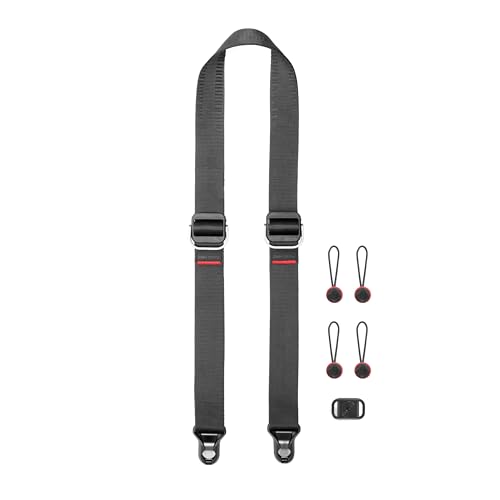
Bring one body, one or two lenses, a spare battery, a spare memory card, a lens cloth and water. A comfortable strap or small bag matters more than extra equipment. Wear sturdy shoes and dress for the weather, with layers if needed.
Step by Step: The Day Itself
- Check battery and card space before leaving.
- Set a few simple camera defaults, such as aperture priority and auto ISO with a sensible limit.
- Walk slowly, and stop whenever you see interesting light, not only interesting objects.
- Take a few frames of each scene from different heights and distances.
- Plan a rest stop and use it to look at your best shots on the screen.
- Back home, copy your files and mark your favorites while memory is fresh.
Walk Plan Table
| Item | Suggestion |
|---|---|
| Length | 2 to 3 hours |
| Light | Early morning or late afternoon |
| Gear | One body, one or two lenses |
| Stops | Every 30 to 45 minutes |
After the walk, spend a few minutes sorting. Delete obvious misses, mark your best frames with a flag or label of your choice, and write a sentence about what you learned, such as “side light on brick worked well”. Over time these notes shape your style and tell you which settings you reach for most. Share a small selection rather than everything, to keep your favorite images clear.
Worked Example: A Color-Hunt Walk
Suppose you choose the theme “yellow” and a loop through an older neighborhood. Here is how the planning might look from beginning to end.
- The night before, look at a map and mark a loop of about four kilometers with a market street, a park and a row of old shopfronts.
- Check the sunset time and plan to be walking for the last two hours before it.
- Charge the battery, clear the card and set the lens to a wide-to-standard focal length.
- On the walk, look for yellow in signs, flowers, doors, clothing and reflections. Take one wide frame to show context, one medium frame, and one close detail of each find.
- At your first rest stop, check three frames on the screen for sharpness and exposure. If the shadows are too dark, raise the exposure a little.
- Near the end, look back at what you have: if you have only close-ups, make sure to add a wide scene before the light fades.
Common Scenarios
A flat, grey day
Overcast skies give even light that suits close details, wet streets, and faces. Frame out the dull sky and look for color in objects instead.
A walk with a friend who shoots differently
Agree on a meeting point and a time, then split up for a stretch. Compare a few frames at the rest stop; seeing another view of the same place teaches a lot.
A crowded weekend market
Keep your kit small, hold the camera in front of you, and shoot from the edge of busy areas. Be courteous: step aside for people carrying things and ask before photographing a stall holder up close.
Not enough time
Choose a single block and spend thirty minutes on one subject, such as doorways. A short, focused outing is still a real photo walk.
Mistakes to Avoid
- Carrying every lens. Changing lenses all the time breaks your rhythm and tires you, and one lens makes you move your feet rather than zoom.
- Walking too fast. Good light and small scenes are easy to miss at a brisk pace, so slow down on purpose.
- Checking the screen after every shot. Constant checking pulls you out of the scene. Save it for the rest stops.
- Photographing only at eye level. Eye-level frames are what everyone sees, so try kneeling, raising the camera or shooting through gaps.
- Forgetting safety. Watch traffic and uneven ground when your eye is on the frame, and keep your bag closed in crowds.
Habits for the Days After
Within a day or two, look at your frames again with fresh eyes. Crop only where it helps the idea, straighten horizons, and keep editing simple. Group your best frames into a set of six to twelve that works together, and write a short caption for each. If you keep walking regularly, compare sets from different walks and notice what repeats, such as a love of shadows or a habit of cutting off heads. These patterns point to what to practice next.
Light and Weather Notes
Low sun brings long shadows and warm tones, which suit streets and textures. Overcast skies suit faces and wet surfaces. Bright midday sun is harder, but it works for strong shadows, graphic shapes and bright reflections, so do not cancel a walk because of it. If rain threatens, carry a small cover or a plastic bag for the camera, and look for puddle reflections once it passes. Never point the camera at the sun, and take care near low sun when walking along roads.
Terms Worth Knowing
- Aperture priority
- A mode where you choose the lens opening and the camera sets the shutter speed.
- Auto ISO
- A setting that lets the camera adjust sensor sensitivity within limits you set.
- Prime lens
- A lens with a single fixed focal length.
- Focal length
- The lens setting, in millimeters, that determines how wide or narrow the view is.
- Negative space
- Empty area around the subject that gives it room to stand out.
- Frame within a frame
- Using a doorway, window or arch to surround the subject.
Walking With a Purpose: What a Photo Walk Is Really For
A photo walk is not a hike with a camera. It is a slow, curious stroll where taking pictures is the main purpose and the destination is secondary. Distance matters less than attention. You might cover only a kilometre in two hours, stopping often to watch light on a wall, study a doorway or wait for a cyclist to cross a frame. This slow pace is what separates a productive photo walk from a brisk exercise outing, and it explains why a short route in an ordinary neighbourhood can produce more pictures than a long trek.
Before you set out, decide what kind of experience you want. Do you want to practise a particular skill, such as composition, exposure or portraits of strangers? Do you want to document a place that is changing? Or do you simply want to look at the world with fresh eyes? A clear purpose focuses your attention and makes it easier to decide what to photograph.
Purposes That Work Well
- Practise one skill, such as using leading lines or framing through gaps.
- Document a neighbourhood across the seasons.
- Photograph a single subject, such as doors, signs or shadows.
- Explore a new part of town with no plan except curiosity.
Reading the Map Like a Photographer
Maps are useful for more than finding the way. Look at the map of your area and notice features that hint at photographic interest: a river, a market, a park, an old industrial area, a viaduct, a cluster of narrow lanes. Look for places where different elements meet, like a street leading to a shoreline, since variety brings richer pictures. Check the direction of the sun relative to your route. A street that runs east to west offers different light from one that runs north to south, and a path along the water may give reflections at certain hours.
Use satellite views or street views to look over the area before you visit, and note interesting corners to check in person. Mark places to eat or rest, public toilets and transport stops, so that the day runs smoothly. Allow flexibility: the most interesting subject often appears where you did not expect it.
- Pick two or three anchor spots on the map.
- Connect them with a loop that avoids busy roads where possible.
- Check the sun direction at your planned time.
- Note spots to rest or shelter if the weather changes.
Timing, Light and Pace
The time you choose shapes everything. Early morning and late afternoon bring low, warm light and long shadows. Midday offers strong contrast, which suits graphic black and white work or bold colour. Overcast skies give even light and rich colour on wet streets. Evening and blue hour bring lit windows and reflections. Choose a time that suits your theme and be ready to adapt.
Plan your pace around the light. If you only have an hour of good light, spend it in the best place and leave less promising areas for later. Carry a watch or a phone to track time, but do not let it rush you. Photographers who rush produce snapshots. Photographers who slow down notice details others miss.
| Time of day | Light quality | Good for |
|---|---|---|
| Early morning | Soft, warm, low | Quiet streets, mist, landscapes |
| Midday | Strong, contrasty | Shadows, graphic shapes |
| Late afternoon | Warm, directional | Portraits, architecture |
| Dusk | Blue, glowing windows | City scenes, reflections |
Walking With Others: Groups and Meetups
Photo walks can be social. A group brings variety, since each person notices different things, and sharing results afterwards is inspiring. If you organise a group walk, choose a clear meeting point, share the route and approximate timing, and set expectations about pace. Keep the group small enough to move freely, perhaps four to eight people. Agree to share the sidewalk, avoid blocking doorways and respect private property. Encourage people to explore alone for stretches, then gather at agreed points to compare.
If you join a group, bring something to share, such as a favourite place you know. Be generous with feedback and curious about others’ approaches. Avoid crowding the same shot, and give others space to work. Good manners make everyone’s walk better.
- Share a map and a contact number before you set off.
- Agree on a time to regroup.
- Offer positive comments, and ask before giving critique.
Respect, Privacy and Safety on the Street
Public places belong to everyone, and photographing in them comes with responsibilities. Laws about photographing people and property differ from place to place, so learn the rules where you walk. Be especially careful around children, private homes, religious sites and secure facilities. If someone asks you not to photograph them, respect that and move on. When in doubt, ask permission, and a smile and a friendly word usually helps. Do not trespass for a picture, and do not step into traffic or hazardous areas.
Look after yourself, too. Tell someone your route, carry water, wear comfortable shoes and weather suitable clothes. Keep valuables secure, avoid walking in poorly lit areas alone late at night and stay aware of your surroundings. A safe walker is a calm walker, and calm walkers take better pictures.
Working With What You Find: Practical Shooting Tactics
On the walk, resist the urge to take everything you see. Instead, pause when something catches your eye and ask why. Is it the light, the colour, the shape, a person or a story? Then decide how to express that in a frame. Try several viewpoints: kneel, step back, move left or right. Check the edges of the frame for clutter. Take one wide picture, one closer picture and one detail. This simple trio gives you a set that tells a story.
Keep camera settings simple. Choose an aperture priority or a similar mode and adjust exposure compensation as needed. Use a mid range aperture for general scenes and a wide aperture for isolating subjects. Keep your sensitivity at a low value in daylight and raise it only when needed.
After the Walk: Sorting and Sharing
The walk does not end when you reach home. Copy your pictures, back them up and sort them while memories are fresh. Pick a handful of favourites, edit them with care and note what worked. Share one or two pictures with a friend or a small online group, with a sentence about where and why. Over time, your walks will form a visual diary of your area, and you will see your eye develop.
What to Carry and What to Leave at Home
A light bag keeps you cheerful. One camera body with one or two lenses is usually enough, since constant lens changes interrupt the walk and let dust in. A standard zoom or a single prime lens encourages you to move your feet instead of reaching for a different focal length. Add a spare battery, a spare card, a lens cloth and a small rain cover or a plastic bag. Carry water, a snack and a simple first aid kit if you plan a long walk. A compact tripod is useful for dusk, but heavy ones weigh you down.
Leave behind anything you do not need: spare lenses you will not use, bulky filters and a big laptop. Keep your phone charged for maps and emergencies, and consider a small power bank. A comfortable strap that spreads weight across your shoulder or body helps on long days. Pack the bag the evening before, check batteries and wipe the lens so you can leave without fuss.
Light Pack List
- Camera with one versatile lens.
- Spare battery and memory card.
- Lens cloth and a rain cover.
- Water, a snack and a small notebook.
- Phone with a charged battery.
Walk Ideas for Different Moods
Having a menu of ideas prevents you from staying home because nothing seems to inspire you. Try a colour walk, where you look for a single colour and photograph everything that features it. Try a shadow walk at midday, looking for bold shapes and patterns. Try a reflections walk after rain, hunting for puddles and shop windows. Try a texture walk, focusing on bark, brick, peeling paint and weathered wood. Try a people walk, photographing hands, feet, gestures and silhouettes rather than faces. Try a night walk, if it is safe, with a focus on lit signs and windows.
Keep a list in your phone and choose one each week. Variety stretches your eye and shows you that interesting subjects exist everywhere.
- Colour walk: pick one colour and follow it.
- Shadow walk: look for strong shapes.
- Reflection walk: puddles, glass and water.
- Texture walk: surfaces up close.
- Gesture walk: hands, feet and movement.
Making Notes and Learning From Each Walk
Learning accelerates when you keep notes. After each walk, write a few lines in a notebook or an app: date, route, weather, what you tried and what you would change. Add one thing you noticed that you had not seen before. Over months, these notes reveal patterns, such as the hour when your favourite street is at its best or the type of subject you gravitate toward. They also become a source of ideas when motivation dips.
Print a small contact sheet of favourites each season. Seeing your images together highlights strengths and gaps, and nudges you toward new experiments. If you share with friends, ask them what stands out and what they feel is missing. Be open to feedback and share your own thoughts kindly.
Checklist for the Morning of the Walk
- Battery charged and card empty.
- Weather checked and layers packed.
- Route shared with someone and phone charged.
- Theme chosen for the day.
- Comfortable shoes on.
Go slowly, look carefully and enjoy the simple pleasure of paying attention. The more walks you take, the more naturally your eye will find pictures where others see only streets.
Weather and Seasonal Adjustments
Do not wait for perfect weather. Fog softens a city into a painting, rain adds reflections and mood, snow simplifies scenes, and bright summer sun gives bold colour. Dress for the conditions and protect your camera with a cover or a plastic bag. In cold weather, carry spare batteries in an inner pocket, since cold drains them quickly. In hot weather, seek shade, drink water and avoid leaving the camera in a hot car. Each season offers its own subjects: blossoms in spring, long evenings in summer, leaves in autumn and low sun in winter. Plan your walks to match them.

Ready to Buy? Start Here
If this guide helped you decide what to look for, these products are a place to start.

As an Amazon Associate we earn from qualifying purchases. Prices and availability are shown on Amazon.
Choosing a Route That Photographs Well
A photo walk route succeeds on variety within reach: several distinct scenes, a change of texture or light, and somewhere to pause, all inside a distance your legs and schedule forgive. When you plan, think in scenes rather than miles — a market street, a quiet square, a stretch of water or park, an old wall, a view — and string them in an order that puts the most light-sensitive scene at the best hour. A loop is kinder than an out-and-back, because the return half of an out-and-back shows you the same scenes with tired eyes, while a loop keeps offering new frames until the end.
Reading a map like a photographer
Maps tell you more than distance. Look for water, which gives reflections and open sky; for the edges between districts, where architecture and street life change character; for elevation, which promises views; and for green spaces that offer a quiet middle chapter to an urban walk. Note where the sun will be: a street running east-west lights very differently at each end of the day, and a route planned so the light comes over your shoulder at the key scene is a route half-photographed before you leave.
Building in escape hatches
Plan the walk with dignified exits: a point where a tired walker can shorten the route, a café that serves as a regrouping spot, a bus route that parallels the walk. Escape hatches sound pessimistic and work the opposite way — knowing the walk can shrink makes everyone relax into it, and groups with mixed stamina stay together in spirit even when they split in distance. For solo walks, the escape hatch is permission to stop while it is still enjoyable, which is what guarantees you will plan another.
Pacing the Walk: Shoot, Stroll, Sit
The rhythm that keeps a photo walk pleasant is alternation. Walk with the camera ready through promising stretches, then deliberately lower it through the connective tissue between scenes, letting your eyes rest and your attention wander — some of the best frames are noticed in exactly that lowered state, because you are looking at the place rather than hunting it. Sit down somewhere in the middle of the walk, not as a collapse but as a station: benches and café windows are viewpoints, and a seated photographer sees a calmer, lower, more intimate version of the same street.
Give each major scene a soft time budget and move on when it expires, even if the scene is generous. Lingering too long at the first good location is the classic photo walk error: the bag fills with variations of one scene, the legs tire, and the rest of the route gets rushed in failing light. A gentle rule — once you have three frames you are pleased with, walk on — keeps the whole route alive and leaves a reason to return another day.
Themes and Small Projects for a Single Walk
Choosing a theme before you leave
A theme turns a wander into a treasure hunt and rescues walks through familiar or unpromising territory. Doors, reflections, the colour red, shadows, people reading, the number five — the theme matters less than the sharpening of attention it causes. Themes also give a mixed-ability group a shared game: everyone hunts the same quarry with different eyes, and comparing results afterwards is half the pleasure.
Mini-series to try on any route
Shoot the same subject three ways — wide, middle, detail — at each stop, and the walk assembles itself into a coherent set. Or commit to one focal length for the whole walk and let the constraint compose your pictures. Or photograph every bench, bridge or bakery you pass. A mini-series gives the walk a spine, makes the final selection easy, and often produces the kind of small, satisfying body of work that a hundred unrelated snapshots do not.
Walking With Others: Groups, Partners and Solo Days
Group photo walks thrive on loose structure: a shared start, an agreed finish point and time, and freedom in between. Trying to keep a group together at one pace produces either dawdling or marching; letting it string out and regroup at waypoints keeps everyone photographing happily. Solo walks offer the opposite gift — total absorption — and deserve their own etiquette toward yourself: tell someone the route, keep the phone charged, and let the walk end when your attention does, not when the route says so.
With a non-photographer companion, honesty and trade keep the peace: agree the stops, photograph briskly at them, and be fully present between them. Many photographers find a hybrid works best — one shared walk where photography is seasoning, and separate solo walks where it is the main course — rather than asking one walk to be two incompatible things.
After the Walk: From Stroll to Set
The walk is not finished when you reach home. Copy and back up the cards, then select the small set the walk was really about — often a dozen frames or fewer — while the route is still vivid in your mind, and note the spots worth revisiting in different light or season. Over months, these notes turn your town into a mapped, personal territory, and each new walk starts from knowledge rather than hope. Share the set if the walk was social, promptly and modestly, and let the photographs do what photo walks do best: make everyone want to go again.
Photo Walks for Particular Seasons and Conditions
Winter walks: short light, strong pictures
Winter compresses the photo walk into its best hours and rewards the photographer who plans around the cold rather than despite it. Choose routes with a warm midpoint — a café, a market hall, a station — so the walk has a hearth built into it, keep batteries warm in an inside pocket because cold drains them mid-walk, and work with gloves you can actually shoot in. The pictures repay the discipline: low sun all day, bare structure, breath and frost and early lamplight, and streets emptied of everyone who waited for spring.
Summer walks: shade strategy and early starts
Summer inverts the problem: light is abundant and mostly harsh, so the summer walk is a study in edges — dawn starts before the heat, routes that hop between shade, and subjects chosen for the hours when the sun is kind. Markets in the early morning, shaded courtyards at noon, the riverbank in the long evening. Carry water with the same seriousness as batteries, and let the walk’s middle chapter be a genuine rest in the shade; the evening session that ends a summer walk is often its best, and it belongs to the photographer who did not spend themselves by two o’clock.
Rain walks: the photographer’s private season
Rain empties the streets of other photographers and fills them with reflections, saturated colour and atmosphere. Prepare honestly — protection for the camera, a cloth that will get wet and a dry one sealed away, footwear that forgives puddles — and choose routes with arcades, awnings and doorways as punctuation. Shoot the umbrellas, the shining pavements, the windows steamed and lit from inside. A rain walk produces the set that surprises everyone, including its maker, because the familiar route in the rain is a different town wearing the same street names.
Keeping a Photo Walk Journal
A few lines after each walk — route, light, what worked, one place to revisit and why — turn a pleasant habit into an accumulating asset. The journal need not be beautiful; it needs to exist, in the same notebook or note file every time, written while the walk is still warm in memory. Over a year, patterns emerge that no single walk reveals: the districts you actually love, the hour your town turns golden, the theme you keep returning to without deciding to. Future walks plan themselves from those patterns, and the journal becomes the quiet engine of your local knowledge.
The journal is also where a walk’s failures become useful. The route that disappointed, the viewpoint fenced off, the market that moved — recorded once, they never waste a second morning. And when enthusiasm dips, as it does in every long practice, rereading a year of walks is the surest way to remember why you walk with a camera at all: page after page of evidence that the ordinary streets kept giving you pictures, whenever you showed up to receive them.
From Walks to a Body of Work
Let the walks accumulate into something. Every few months, gather the sets and look for the threads — a recurring subject, a district becoming a long portrait, a theme quietly completing itself. Print the best sequence, however modestly, or assemble it where others can see it; work that is gathered gets finished, and work that is finished teaches more than any single walk. The photo walk began as a way to keep shooting and stay relaxed; its destination, if you keep the journal and gather the sets, is a body of work that could only have been made by one person, walking one territory, paying attention for years.
Designing a Signature Walk for Your Own Town
Every photographer who walks regularly should eventually own one perfected route: a signature walk, refined across seasons, that can be offered to visiting photographers, relied on for a guaranteed good morning, and used as the benchmark against which new routes are judged. Build it from your journal’s evidence — the districts that never disappoint, the sequence that puts each scene at its best hour, the café at the exact midpoint — and walk it deliberately in each season, noting what changes, until the route exists in four seasonal editions, each with its own anchors and its own best month.
Testing and refining the route
Refine the signature walk the way editors refine a manuscript: walk it with a critical friend and ask what dragged; cut the dead stretch without sentimentality, even if it passes somewhere you are fond of, because the route’s job is the walker’s pleasure, not your loyalty. Note the variations — the wet-weather edition, the evening edition, the shortened edition for a visitor with one hour — so the signature walk becomes a small family of routes sharing one spine. Photograph its making, too: the set from a perfected route, gathered across a year, is often the first body of work a walking photographer completes, precisely because the route removed every decision except seeing.
Sharing the walk
A signature walk is a gift worth giving carefully: walk it with friends rather than merely describing it, because the timing, the pauses and the small permissions of the route live in the walking, not the map. Visitors taken along it receive your town as you have learned to see it, which is a more personal hospitality than any restaurant. And when their visits end, the walk remains yours — the route you can take on the morning when you need photographs and peace in equal measure, certain of both. Every photo walk in this guide has been, quietly, a step toward owning such a route.
Troubleshooting Walks That Disappoint
When a walk yields nothing, diagnose it in the journal before judging yourself: wrong hour for the route, weather fought instead of used, a theme that never engaged, legs too tired because the route outgrew the day. Each cause has its fix, and none of them is talent. The disappointing walk, honestly journaled, is worth almost as much as the triumphant one, because it is the one that teaches the route’s true character — and a photographer who keeps walking after the empty days discovers that the streets were never withholding anything; they were simply waiting for the right hour, which the journal now knows.
Walking the Same Route Until It Teaches You
There is a final discipline that turns photo walks into photographic education: choose one short route and walk it weekly for a season, in all weathers, until the route has nothing left to hide. The first walks harvest the obvious; the middle walks, when you are certain the route is exhausted, are where the teaching happens — forced past the postcard spots, your eye descends to the details, the light’s daily differences, the life of the place at its various hours. By the season’s end you will know exactly what familiarity does to seeing, and you will trust the process everywhere else: the new city, the famous view, the dull suburb all become routes that would yield to the same patience.
Keep the season’s sets together and look at them in order when it ends. The progression on the screen — from landmarks to moments, from the route’s face to its character — is the clearest portrait of your own development that photography offers, and it cost nothing but shoe leather and attention. Then choose the next route, and begin again, knowing what the first weeks will feel like and what the last weeks will give you. That is the whole method of the photo walk, perfected: show up, walk, look, return — and let repetition do what novelty promises and rarely delivers.
An Invitation to Begin This Week
Close the guide with the only step that matters: choose the route, choose the morning, and go. Not the perfect route — the nearest one that passes one interesting thing. Not the perfect morning — the first one the week offers. Take the camera you already own, walk at the pace this guide has described, lower the camera between scenes, sit down once in the middle, and come home with whatever the streets gave you. Write the three lines in the journal. That walk, unremarkable as it may feel, is the entire practice in embryo — route, rhythm, theme, journal, return — and every richer walk you ever take will be that first simple one, repeated with growing knowledge. The streets near your home are waiting with the patience of places that have been photographed for a century and still have something left for the person who shows up on foot, looking. Show up.
The Walker’s Dozen: Twelve Small Rules That Carry Every Walk
Gather the whole practice into a dozen portable rules, small enough to remember at the door. Plan the skeleton, wander within it. Put the best light where the best scene is. Lower the camera between scenes. Three frames you are pleased with, then walk on. Sit down once in the middle. Shoot every anchor wide, middle and close. Keep one theme in your pocket for the dull stretches. Protect the gear simply and the companions kindly. End while it is still enjoyable. Journal three lines the same day. Cull to the small set within the week. Return to the good places in another season. Twelve rules, none of them about equipment, all of them about attention — because a photo walk was never a technique for using a camera. It is a technique for using a morning, and the camera merely comes along to keep the evidence.
Why the Walk Works: A Short Explanation to Give Skeptics
When a friend asks why you walk the same streets with a camera, week after week, the honest answer has three parts. The walking is good for the body in the uncomplicated way doctors approve of and photographers actually sustain. The looking is good for the mind, because attention practised daily on ordinary streets becomes a way of inhabiting the world rather than passing through it. And the photographs — the accumulating, quietly improving record of one person’s territory — are good for everyone who will ever be shown them, which turns out, over years, to be a surprising number of people, including a future you who will value them beyond present imagining. Then invite the skeptic along on Saturday. The walk explains itself better on foot than any argument does, and the route has room.
The Walk Photographer’s Kit, Settled at Last
End the equipment question the way the walks themselves end it: with evidence. A season of journaled walks will show that the camera you carried most was the camera that produced the work, whatever its specification, and that the walk’s real kit turned out to be unphotographic — shoes that forgive distance, a layer for the hour when the light is best and the air is worst, water, a notebook, and the small bag that never once made you consider leaving it behind. Buy for the walks you actually take, maintain what you own until it is as familiar as the route, and let the catalogue go unopened with a clear conscience. The streets are not waiting for better equipment. They are waiting, as they have waited through every camera ever made, for someone to walk them slowly, in good light, paying attention — and that someone, kit settled and journal in pocket, is you.
One practical footnote for the season of weekly walks: tell someone the route, carry the phone charged, and let the walk shorten itself without apology on the days when weather or energy argues. A shortened walk still teaches, still journals, still counts. The streak that survives is the one that was allowed to bend, and the route will be there, patient as ever, next week.
Bring one more thing home from every walk, beyond the photographs: the decision about the next one, made while this one’s pleasure is still in your legs. A walk with a successor already chosen is a practice; a walk without one is an outing, and practices, unlike outings, are what build photographers.
The route is waiting, the light is already moving, and the only remaining decision is the simplest one in this entire guide: put on your shoes, pick up the camera, and go out into it.
FAQ
Should I go alone or with others?
Both work. Alone you move at your own speed, and with a friend you share ideas and can keep each other company in quiet areas.
How many photos should I take?
There is no set number. Focus on quality and look for variety, then delete near duplicates afterward.
Can I use a phone instead of a camera?
Yes. The planning, light and theme matter more than the device. A phone is light, always with you and fine for most walking subjects.
What if I run out of ideas on the walk?
Switch themes or change your height. Try shooting only reflections, only shadows or only things at your feet for ten minutes. A small constraint often unlocks new frames.
How often should I do a photo walk?
Once a week or every two weeks is a good rhythm. Regular short walks build habit and let you see progress between sets.
Is it fine to photograph strangers on a walk?
Rules differ by place, so learn the local ones. Be polite, avoid intrusive close shots and put the camera down if someone objects. Be especially careful around children and private spaces.
How long should a photo walk be?
Long enough to pass through several scenes and short enough to end while you are still enjoying it — for most people, one to three hours of gentle walking with stops. Distance matters less than variety and energy: a short loop through rich territory beats a long trek through sameness. When in doubt, plan the shorter version; a walk that ends early can be extended, while an over-long one just ends tired.
What should I do if the weather turns during the walk?
Adapt before you retreat. Rain gives reflections, umbrellas, glistening streets and empty scenes that fair weather never offers, provided your gear has basic protection and you have somewhere dry for pauses. Build a wet-weather fallback into the route plan — arcades, markets, stations, cafés with good windows — so a shower reroutes the walk instead of ending it. Only thunder, dangerous cold or truly failing light should call it a day.
How do I stop a photo walk feeling like a march between shots?
Lower the camera deliberately between scenes and walk as a walker, not a hunter. Set the rule that some stretches are for looking only. Photographers who do this notice more, tire less and, paradoxically, come home with better photographs, because the frames they do take were seen by rested eyes.
Is it better to plan the route in detail or wander freely?
Plan the skeleton, wander within it. A chosen area, a rough loop and a finish point give the walk shape and guarantee variety; freedom inside that frame leaves room for the alley, the market stall and the shaft of light you could never have planned. Pure wandering suits a place you know deeply; pure planning suits a place you may visit only once.
The Short Version
Choose a loop route, a theme and soft light, pack only what you need, and stop often to look. A simple plan gives your walk purpose and a better set of photos.
