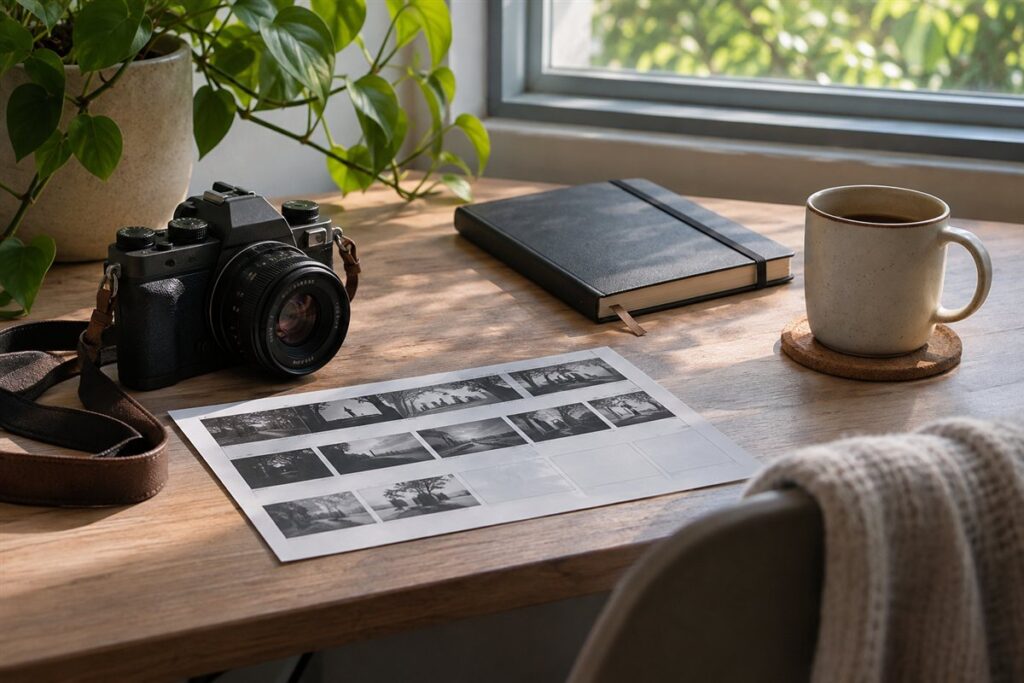
Creative burnout often shows up as lost enthusiasm for shooting, even when the work is going well. The usual way through is to change your routine, protect time for play and set clearer boundaries with clients. This article offers general creative suggestions only. It is not medical or mental health advice, so if you feel persistently low or overwhelmed, speak with a qualified professional.
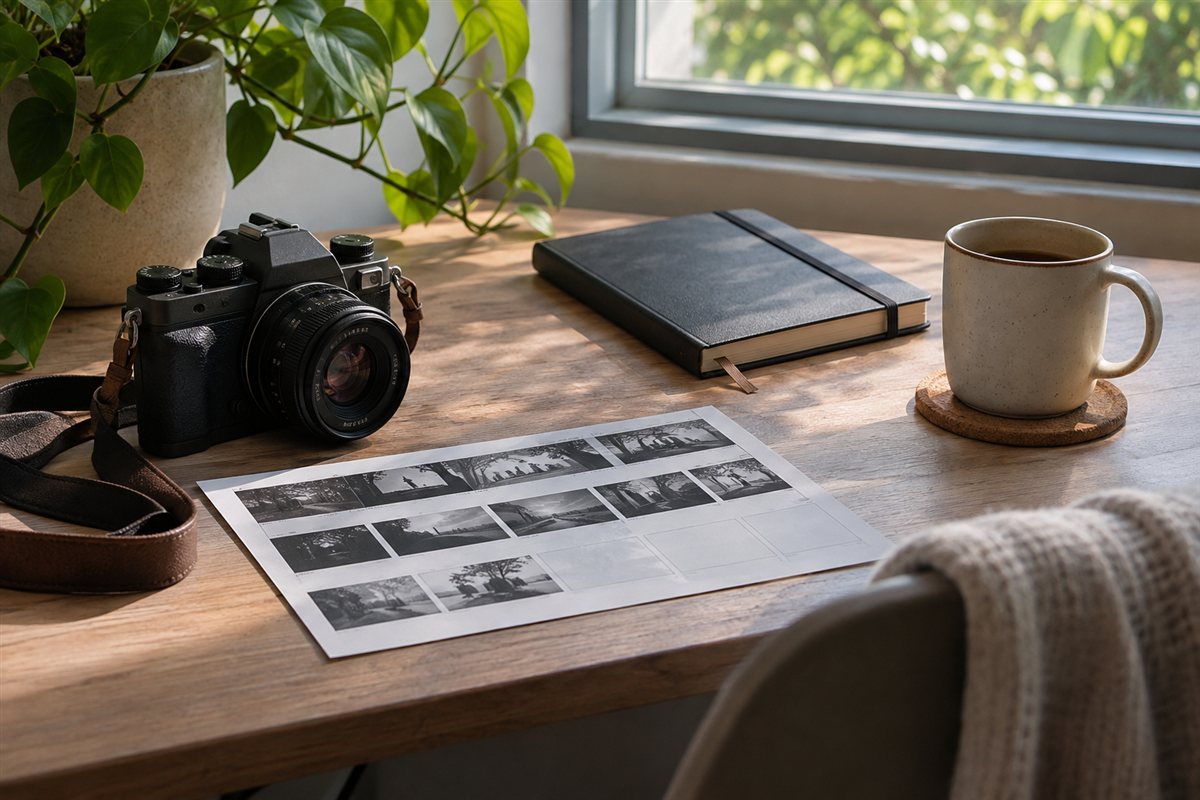
Recognise the Signals
Burnout looks different for each person, but photographers often describe a similar pattern.
- Dreading shoots you once enjoyed
- Copying your own past work rather than trying new ideas
- Putting off editing or replying to messages
- Comparing yourself constantly with other people online
- Feeling that the camera is only a tool for jobs now
Noticing these signs early gives you more options.
Reset Your Creative Routine
- Pick one personal project with no client, no deadline and no audience.
- Limit the gear: one camera, one lens, for a week or a month.
- Shoot a different genre or subject just to see differently.
- Try a different medium, such as film, a phone or a pinhole camera.
- Visit exhibitions, read photobooks or take a short course for fresh input.
- Spend time outdoors or away from screens, and bring a camera only if you want to.
Keep the pressure low. The goal is curiosity, not output.
Adjust the Business Side
Sometimes the cause is workload, not creativity. Look at how your week is structured and look for changes you can control.
- Set working hours and stick to them where possible.
- Batch editing and admin into dedicated blocks.
- Say no to work that does not suit your style or schedule.
- Build short breaks between bookings.
- Consider outsourcing tasks, such as editing or accounting, if you can.
- Talk to other photographers; many have felt the same.
Keep Some Photos Just for You
Reserve a folder or a weekly outing for pictures you never plan to publish. This protects the original reason you picked up a camera, and often brings back the ideas that client work pushes aside.
Small Daily Habits
Short, regular practices can restore enthusiasm. Try one photo a day with no editing pressure, keep a small notebook of ideas, or swap images with a friend each week. These habits keep your eye active without the weight of a project.
Separating Tiredness From Burnout
Not every flat patch is burnout. A busy wedding season, a run of early starts or a long editing backlog can leave anyone drained, and rest usually fixes that. Burnout tends to linger even after you have slept, taken a weekend off and cleared the backlog. The useful question is whether the lack of interest follows you into situations that have nothing to do with work, such as a walk with a camera when nobody is paying you.
Try a simple check over a couple of weeks. Note down when you feel flat and when you feel a spark, however small. Patterns often appear. Perhaps the spark returns when you shoot for yourself, but disappears at the mere sight of a client brief. That points to the business side rather than a loss of love for photography. If the flatness is everywhere, including hobbies and friendships, it may be about more than photography, and talking to a qualified professional is a sensible step.
Also look at the basics that quietly drive low mood and low energy: sleep, meals, movement and time away from screens. None of this replaces professional advice, but a shoot day that starts on four hours of sleep and no breakfast will feel worse than it needs to. Treat these as the foundation, then work on creative and business changes on top.
Be careful about labelling yourself too quickly. Calling a slow month “burnout” can become a story that makes the slump feel permanent. Describing it as “a stretch where I need different input” keeps the door open to practical fixes you can try this week.
Renewing Curiosity With Constraints
When you shoot for money, you usually aim for safe, repeatable results. That is good business, but it trains your eye to look for what has worked before. Constraints break that habit because they force new decisions. The point is not to produce portfolio pieces, but to remember what it feels like to look at something for the first time.
- Pick one color and photograph only things of that color for a week.
- Shoot one object, such as a mug or a tree, from twenty different positions.
- Use a single focal length that you rarely choose, which forces you to move your feet.
- Photograph a short walk from your front door at the same hour every day and compare the results.
- Make images with the wrong tool for the job, such as a wide lens for portraits, purely as an experiment.
Keep the stakes low on purpose. Do not post the results, do not edit them heavily and do not judge them against your paid work. If an idea fizzles, that is information, not failure. Many photographers find that two or three small experiments are enough to restore the feeling of play, and some of those ideas later find their way into client work in a natural way.
Another useful constraint is time. Give yourself ten minutes with a subject and no more. A tight limit removes the pressure to get a perfect frame and lets instinct take over.
Protecting Your Time and Energy
Burnout often grows out of a calendar with no gaps. Look at the last month and count the days that had no work, no admin and no obligations. If the number is close to zero, your schedule itself is part of the problem, and creative tricks alone will not solve it.
Start by deciding on a minimum of rest and defending it. That might be one full day a week with no email, or two evenings that are always free. Tell clients your availability in advance so that a message at night does not feel like an emergency. Most clients respect clear boundaries when they are stated politely and consistently.
Next, look at the shape of a typical job. Photographers often underestimate the unpaid hours around a shoot: messages, travel, culling, editing, delivery and follow-up. If those hours are not reflected in how you quote work, you may be giving away your rest. Review how you describe packages, what is included and how many revisions you offer, and adjust so the job is sustainable. Check any pricing and contract decisions against your own situation, since they depend on your market and circumstances.
Finally, schedule recovery after intense periods. After a busy weekend of events, plan a quiet day rather than jumping straight into editing. Treat the recovery day as part of the job, not a reward you earn only if everything else is finished.
Rebuilding Creative Input
Creative output depends on creative input, and busy professionals often stop feeding themselves. If your reading, looking and listening has narrowed to scrolling feeds and competitor work, your own ideas will start to feel thin. Widen the range deliberately.
Look at work outside photography: painting, film, architecture, poetry, illustration, music. Ask what the maker is doing with light, space, rhythm or restraint, and how that might translate to a frame. Photobooks are especially useful because they show a body of work with a sequence and a point of view, rather than single images stripped of context. Libraries, secondhand shops and local exhibitions are low-cost ways to find them.
Learning something new also helps. A short course in a different genre, a workshop in a darkroom or a class in drawing can give you new vocabulary. Even struggling at something unfamiliar can be refreshing when most of your day is spent being the expert.
Spend time with other people who make things. A monthly meetup, a shared walk or a swap of printed work with a friend gives you feedback that is not tied to payment or deadlines. Be selective with social media: if scrolling leaves you feeling smaller, mute accounts, set a time limit or take a break from the apps for a while. Comparison is rarely a fair measure, because you see other people’s best frames and not their ordinary days.
Knowing When to Ask for Help
Practical changes work well for ordinary creative fatigue, but some situations call for more support. If you notice persistent low mood, difficulty sleeping, loss of interest in most things, thoughts of harming yourself or a sense that you cannot cope, speak with a doctor or a qualified mental health professional. If you are ever in immediate danger or crisis, contact your local emergency services or a crisis line in your country. This article gives general creative suggestions only and cannot assess your situation.
Support does not have to be formal to be valuable. Tell someone you trust how you have been feeling. Many photographers work alone, and isolation makes everything heavier. A peer group, whether in person or online, can normalise what you are going through and offer practical ideas from people who understand the work.
It can also help to plan a longer break ahead of time rather than waiting to collapse. Some photographers block out a week or two each year with no bookings. If that is not possible, a long weekend with the camera left at home may still do some good. When you return, restart gently: a small personal project first, then paid work, rather than going straight back to a full schedule.
Finally, be patient with the process. Recovery is rarely a straight line, and good days and flat days will mix for a while. Keep the changes that help, drop the ones that do not and revisit your plan every month or so.
FAQ
How long does burnout last?
It varies widely. Small changes can help, but if the feeling persists, consider talking to a qualified professional.
Should I take a complete break from photography?
Some people find a pause helpful, others prefer to shift the type of shooting. Choose what feels realistic for your commitments.
Is creative burnout the same as a creative block?
Not quite. A block is usually about being stuck on a specific idea or project, while burnout is a broader loss of energy and interest that can affect all of your work. Blocks often respond to a change of method or subject, while burnout usually needs changes to workload and rest as well.
Can changing genres help me recover?
It can. Shooting a different subject removes the habits and expectations tied to your usual work. Treat it as play first, and only consider offering it professionally later if you still enjoy it.
How do I say no to clients without losing them?
Be polite, clear and brief, and offer an alternative where you can, such as a later date or a recommendation to another photographer. Most clients prefer an honest answer to a rushed, tired result.
Should I stop posting online while I recover?
A break from posting is a reasonable experiment if sharing has become a source of pressure. You can keep making pictures privately and return to sharing when it feels enjoyable again.
Is it a good idea to switch to film or a simpler camera?
Many people find that a slower, simpler tool brings back attention and care. It is not a cure on its own, so treat it as one option among several and keep the pressure low.
How often should I review my workload?
A quick monthly look at your calendar, hours and how you feel works well. Small adjustments early are easier than a big change after you are exhausted.
The Short Version
Burnout is common among working photographers. Try personal projects, simpler gear, clearer boundaries and time away from screens. Seek qualified support if the feeling continues.