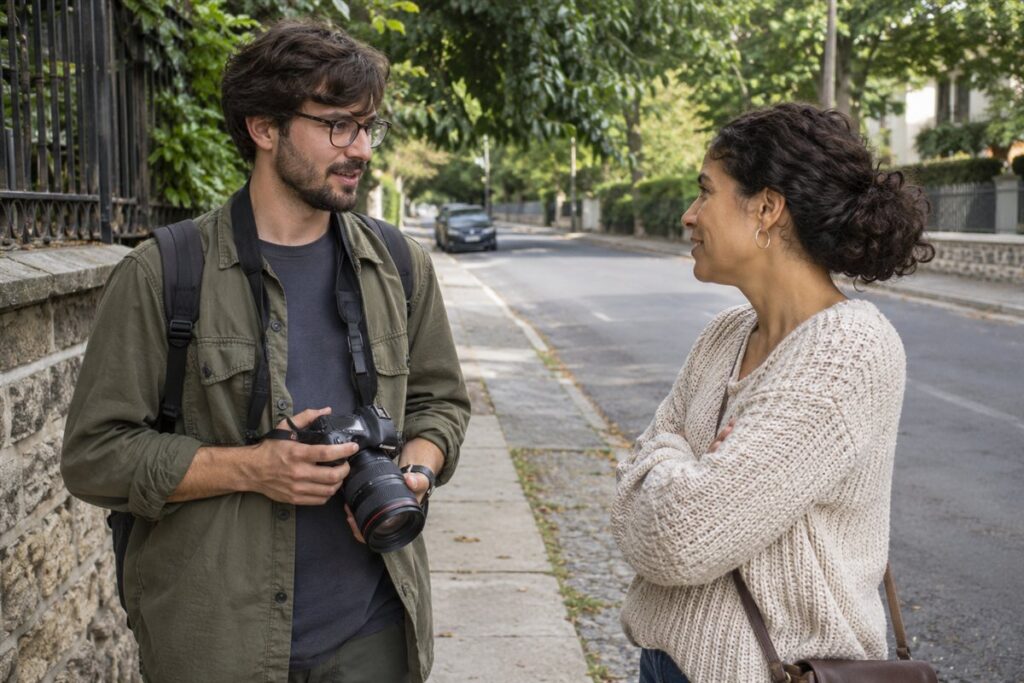
When someone asks you to delete a photo of them, the best first move is to stay calm, listen and choose a respectful response. Whether you are legally required to delete anything depends on where you are and the circumstances, so this guide offers communication tips and general concepts only. It is not legal advice, and you should consult a qualified professional about your local rules.
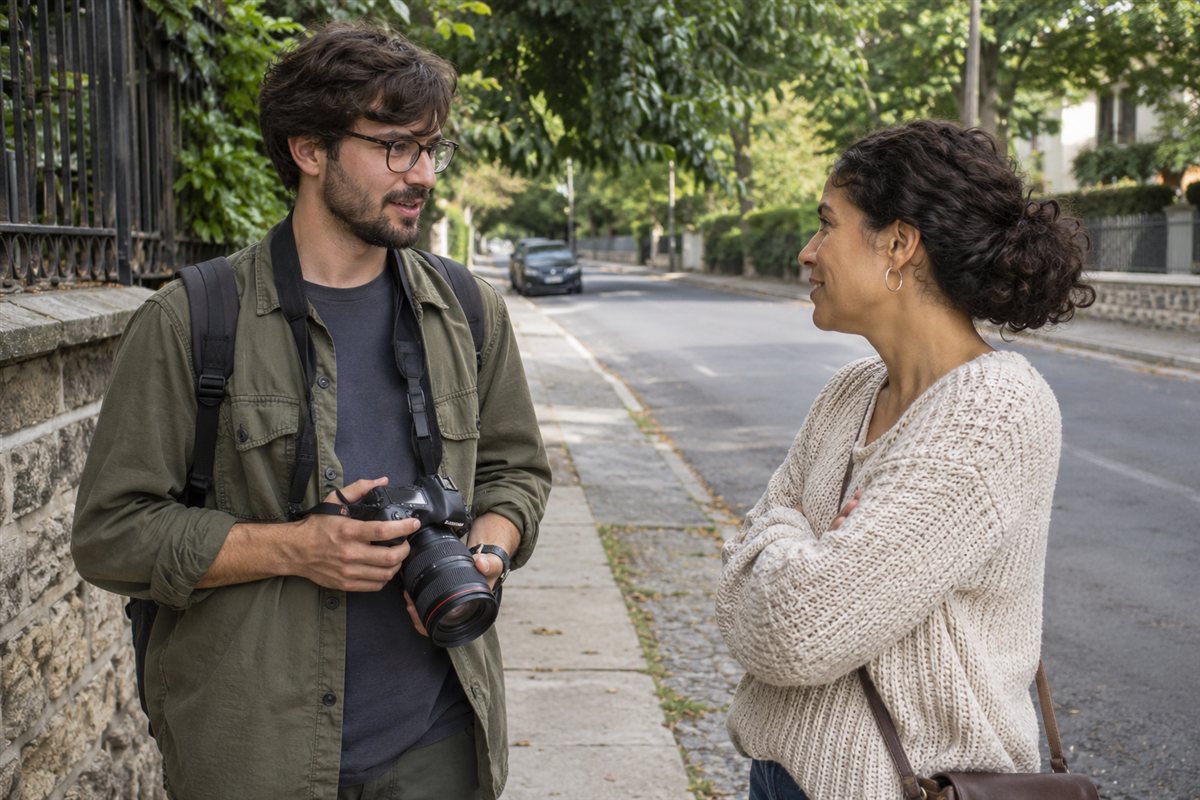
De-escalate Before You Decide
Most confrontations calm down when the photographer stays friendly. Tension often comes from surprise or worry about how the image will be used, rather than from the photo itself.
- Keep a relaxed tone and open body language.
- Introduce yourself and say what you are doing in plain words.
- Ask what concerns them before you respond.
- Avoid raised voices, sarcasm or filming the person further.
- Give them space to leave if they wish.
Options You Can Offer
You do not have to treat the request as all or nothing. Depending on your values and the setting, you might:
- Show them the image and describe how you plan to use it.
- Offer to delete it in front of them, especially if the photo has little value to you.
- Offer to crop, blur or leave them out if it suits your purpose.
- Share your contact details so they can follow up later.
- Decline politely if you believe your position is reasonable, and step away calmly.
Think about the ethics too. Even where the law permits a photo, a small act of courtesy can be the better choice, particularly with children or people in vulnerable moments.
Legal Concepts to Understand in General Terms
Different places weigh public photography freedom against personal image rights and privacy. Things that can matter include whether the setting is public or private, whether the person had an expectation of privacy, and whether the image will be used commercially. Private venues may set their own conditions, and officials or security staff may ask you to stop even where no law requires it. Learn the local picture before you travel or work in a new area.
Reflect Afterwards
After an encounter, note what happened and what you might do differently. Many photographers develop a short, friendly introduction and a card with their website, which helps people feel comfortable. Over time, these habits make street and event work smoother for everyone.
What to Say in the First Thirty Seconds
The opening moments of a confrontation set the tone for everything that follows. People who feel heard tend to calm down, and people who feel dismissed tend to escalate. Having a few simple phrases ready lets you respond kindly even when you feel surprised or defensive.
Begin by acknowledging the person and showing that you are listening. A short sentence such as “Thanks for telling me, I can see this bothers you” shows respect without committing you to any particular action. Then ask a simple question, such as “Can you tell me what worries you?” Their answer often reveals whether the concern is about privacy, safety, how the image will be used or simply being surprised by the camera.
- Keep your voice low and steady: speaking slowly helps you and the other person stay calm.
- Do not argue about rights in the heat of the moment: a debate over laws rarely helps and may inflame the situation.
- Offer information, not defense: explain what you are doing, for example photographing the street scene for a personal project, in a few plain words.
- Lower the camera: holding it away from your face and pointing it down signals that you are not recording them further.
- Avoid ultimatums: phrases like “I can do what I want” create conflict. Try “Let me think about how to handle this fairly.”
If the person is upset about being photographed with a child, or in a sensitive setting, take extra care. Err on the side of courtesy and consider deleting or avoiding the image, regardless of what the law might allow. A calm first response often resolves the situation before any deeper decisions are required.
Special Situations That Need Extra Care
Some settings require more caution than a typical street encounter. In these situations, people have stronger reasons to be concerned, and the consequences of misjudging can be serious. Using good judgment and erring toward respect is the safest approach.
- Children: photographing other people’s children can alarm parents. If you do so, be open about it, and always comply with a parent’s request. Many photographers avoid photographing unfamiliar children altogether unless a parent is clearly comfortable.
- Sensitive places: medical centers, places of worship, schools, shelters and courthouses often have specific rules and expectations of privacy. Ask permission and follow posted signs.
- Vulnerable moments: people who are upset, injured, in crisis or grieving deserve privacy. Consider whether the image is worth the intrusion.
- Private events: hosts or venue staff may set rules about photography, and guests may reasonably expect not to be photographed.
- People with safety concerns: some individuals have personal reasons to avoid being photographed, such as fear of being found. Respect that request without needing an explanation.
- Cultural settings: in some communities or countries, photographing people carries particular sensitivities. Learn local customs, and ask first.
Think about how you would want a stranger to treat you or a family member. That perspective often clarifies what the right decision is. A photograph may be legal in a given place, but legal does not always mean kind. Choosing to delete, blur or not publish an image costs little compared with the harm a poorly judged photo can cause. If you are working in a professional role, follow your organization’s policies and any guidance from your employer or association.
Deleting, Sharing and Keeping Images
If you agree to a request, do it properly so the person feels the matter is truly resolved. Deleting a photo from your camera screen may leave copies elsewhere, such as in cloud backup or on a second memory card slot, and the person may reasonably wonder where the image has gone.
Take a moment to think through where the photo might exist. Cameras with two slots may record to both. Phones often sync to cloud storage automatically. Editing software may keep previews. If you offer to delete, explain what you are doing, and be sure to follow through, including emptying any recently deleted folders you can control.
- Show the person the photo, if they wish, and ask what they would like you to do.
- If you delete it, do so in front of them when practical and mention the backup locations you will also check.
- If you have already shared the image, remove it from public places you control and tell the person what you have done.
- If the photo has not been shared, consider whether you wish to keep it privately, and be honest if they ask.
- If you choose to keep or use it, explain your reasons calmly and listen to their response.
Avoid promising things you cannot deliver, such as removing a photo from someone else’s website. Be clear about what is within your control. If you hold the image for work, such as a news or documentary project, follow your professional ethics and your organization’s rules, which may differ from casual photography. When unsure, ask a qualified professional or an editor.
Staying Safe and Knowing When to Leave
Most encounters end peacefully, but a small number can become tense or unsafe. Protect yourself by paying attention to the person’s behavior and your surroundings, and do not hesitate to leave if things worsen.
Warning signs include raised voices, threats, blocking your path, grabbing at your gear, or friends joining in to pressure you. At these points, a photograph is not worth the risk. Step back, keep your hands visible and say that you are leaving. Move toward a busier or safer place, such as a shop or a public area with other people.
- Do not touch or chase: physical contact can quickly turn a dispute into something far worse.
- Protect your equipment calmly: keep the camera strap secure, but do not fight over it.
- Record what happened later: if there was a threat or an assault, write down details such as time, place and description as soon as you can.
- Report serious incidents: contact the local authorities if you feel threatened or are hurt.
- Tell someone your plan: when working alone in unfamiliar areas, let a friend know where you are.
Authorities or security staff may also ask you to stop or leave, even if no law requires it. Comply politely and ask for clarification afterward if needed. Arguing at the scene usually makes matters worse. If you believe you were treated unfairly, you can follow up later through proper channels, such as a written complaint or advice from a qualified legal professional.
Building Habits That Prevent Confrontations
The best way to handle a confrontation is to make it less likely. Many conflicts arise from surprise, so small habits that make you approachable and transparent can prevent most of them.
Be visible about what you are doing. Photographers who act furtively or shoot from a distance without acknowledging people often cause suspicion. A friendly nod, a smile or a short greeting can change how people feel. When you photograph individuals closely, consider asking for permission, even if it means losing a little spontaneity. Many people agree gladly when asked, and the resulting portrait often feels more relaxed.
- Carry a simple card: a small card with your name and website lets people find out how their image may appear.
- Have a short introduction ready: “I am a photographer working on a project about this neighborhood” is easy to say and easy to understand.
- Dress and behave appropriately: large, aggressive gear and a hurried manner can attract attention. Smaller, quieter equipment is often less intrusive.
- Know the local rules: spend a little time reading about photography norms and laws where you are shooting, and ask a qualified local professional for firm guidance.
- Use a model release when needed: if you plan to use an image commercially, ask the person to sign a release, and check what your location requires.
- Review your own limits: decide ahead of time what you will not photograph, so you are not forced to decide under pressure.
Over time, these habits help you build a reputation as a considerate photographer. They also make your own experience more enjoyable, since you spend less time worrying about conflict and more time making pictures you are proud of.
FAQ
Do I always have to delete the photo if asked?
Not necessarily, but the answer depends on local rules and the setting. Many photographers choose to comply as a courtesy. Ask a qualified local professional for firm guidance.
What if the person becomes aggressive?
Step away, avoid arguing and move to a busier area if you can. Do not escalate, and consider reporting serious incidents to the appropriate authority.
Should I carry a model release when I shoot in public?
It is not needed for every situation, but it is useful if you plan commercial use or photograph individuals closely. Requirements vary by location and use, so check local rules.
Can I keep the photo if the person asks me not to publish it?
You can choose to keep it privately, but be honest about what you will do. Many photographers choose to respect the wish as a courtesy.
What if the person asks me to delete photos of other people too?
You can decide how to handle it. Politely explain that you will consider deleting the images of them, but you may not agree to remove unrelated photos.
Is it rude to photograph strangers at all?
Not necessarily, but approach matters. Many people are comfortable when asked or when the photographer is open and respectful. Others prefer privacy, so be ready to honor their wishes.
What should I do if a security guard tells me to stop?
Stay polite and ask which rule applies. Private venues can set their own conditions, so it is often best to comply and move on.
Should I apologize even if I did nothing wrong?
A calm acknowledgement, such as saying you understand their concern, helps de-escalate. You can be courteous without admitting wrongdoing.
How do I handle someone who demands to see my camera?
You can offer to show them the photo you took, but you do not have to hand over your equipment. Keep the camera in your hands, and step away if the person grows aggressive.
What if I took the photo for a client or publication?
Follow your professional agreement and ethical guidelines. Let the client or editor know about the request, and ask them how to proceed.
The Short Version
Stay calm, listen and consider offering a simple compromise. Legal duties differ by place, so learn local norms and consult a qualified professional rather than relying on general articles.