The Canon 5D series and the Canon 6D are both full-frame DSLRs, but they sit at different levels. The 5D line is the more rugged, more fully featured option with a stronger focus system, while the 6D is the lighter, simpler body that was designed to make full-frame photography easier to reach. Choose by how demanding your shooting is.

What Each Camera Is For
The 5D line has long been used by working photographers for weddings, portraits, landscapes, and commercial jobs. The 6D is aimed at enthusiasts who want a full-frame sensor in a smaller, lighter body, often for travel, family photos, and landscapes. Canon has released several 5D models, so confirm which one you are comparing.
In this guide
Key Differences
| Trait | Canon 5D series | Canon 6D |
|---|---|---|
| Positioning | Higher-tier body | Entry full-frame body |
| Focus system | More advanced | Simpler |
| Build | More rugged | Lighter |
| Size | Larger | Smaller |
| Mount | EF | EF |
Check the maker’s page for exact autofocus point counts, burst speeds, and weights for the specific models.
How to Choose
- Think about subject movement. A stronger focus system matters most for action, children, and events.
- Think about durability. If you shoot in harsh conditions, a sturdier body is reassuring.
- Think about weight. For travel and long walks, the lighter body is easier to carry.
- Think about wireless features. The 6D was notable for built-in wireless and location features, which some people still find convenient. Confirm what each model offers.
- Check the used market. These are older cameras, so inspect condition and shutter count.
Where Each One Fits
- 5D series: Professional or semi-professional work, events, and demanding light.
- 6D: Travel, landscapes, portraits, and anyone who wants full-frame quality in a lighter package.
Image Quality Expectations
Both lines use full-frame sensors, so the basic look of the images, including background blur and low-light ability, is similar in kind. The larger differences are in how reliably the camera locks focus, how fast it can shoot, and how it handles hard use. For a still subject in good light, you may not see much difference in the results. For moving subjects or long days of shooting, the more capable body earns its place. Try holding each one with your favorite lens attached, since balance and grip comfort affect how often you will want to carry the camera.
Autofocus Behavior in Real Use
Autofocus is the area where the two lines feel most different in daily use. A more advanced system usually offers more focus points, wider coverage across the frame and better tracking of a moving subject. The simpler system tends to cluster its points toward the center, which means you often focus on the subject and then recompose. That works well for portraits and landscapes, but is less comfortable for children, pets and sports.
Think about how you compose. If your subject is often off-center, you will use focus points near the edges, so coverage matters. Low-light focus is another consideration, since cameras differ in the light level at which they can lock focus reliably. Check Canon’s pages for the focus point layout and sensitivity ratings for your exact models, and practice with the point selection method until it is quick.
- Learn how to select the focus point quickly in your model.
- Use the center point and recompose carefully for still subjects.
- Use continuous focus for moving subjects.
- Test focus in low light before an event.
Technique can make up for some limits, but not all.
Low-Light and High ISO Performance
Full-frame sensors generally give cleaner images at high ISO than smaller sensors, and both lines share that advantage. Still, differences between generations and models matter. A newer sensor may handle noise better, and the way a camera processes files can change the look of dim scenes. Compare sample images at high ISO from the specific models you consider, preferably in conditions similar to yours.
Beyond noise, consider the whole low-light chain: a lens with a wide aperture, a steady hold, and a focus system that works in dim rooms. Many users find that a bright prime lens makes a bigger difference than the body. Use the highest ISO you are comfortable with, and expose carefully, since brightening an underexposed file in editing increases noise. Raw files give more room to adjust.
- Compare high ISO samples from the exact models.
- Pair the body with a wide-aperture lens for dim scenes.
- Expose correctly at capture instead of fixing later.
- Learn your own limit for acceptable noise.
Test the camera at your usual events before you trust it with a job.
Build, Controls and Handling
How a camera feels affects how much you enjoy using it. A larger body usually has a bigger grip, more dedicated buttons and a top screen that shows settings at a glance. A smaller body is lighter and quieter to carry, but may need menu diving for some settings. Consider your hands: a small grip can tire large hands during long sessions, and a heavy body can strain the neck on a day of walking.
Weather resistance is another point. A more rugged body may have more sealing against dust and moisture, but the extent varies, so check what Canon states for the model. Even a sealed body needs a sealed lens to benefit. Battery life, the type of battery and the availability of grips also vary. If you plan to shoot in rain, dust or cold, check these details.
- Hold each camera with your usual lens attached.
- Check the position of the buttons you use most.
- Look at battery life and available grips.
- Read the weather sealing claims on Canon’s page.
The better camera is the one you are comfortable using for hours.
Buying Used: What to Inspect
These cameras are no longer new, so most buyers will consider used examples. Ask for the shutter count, since it shows how much the mechanism has been used. Compare it with the rating given by Canon for the model, if available, but remember that ratings are estimates and not guarantees. Check the body for wear, dents and loose parts, and look for signs of moisture or corrosion at the battery door and ports.
Test the camera thoroughly. Check that every button and dial responds, that the viewfinder is clear, that the screen works, and that the card slot reads cards reliably. Take test shots at a small aperture against a plain surface to look for sensor dust or marks. If possible, test with your own lenses to check autofocus accuracy. Buy from a seller with a return policy.
- Ask for the shutter count and how the camera was used.
- Test every control and the flash if it has one.
- Look for dust, scratches and moisture signs.
- Check that a charger and battery are included.
A slightly higher price for a tested, warranted camera can be good value.
Lens Planning for Either Body
Because both cameras use the EF mount, your lens choices are broad, and the lens often matters more than the body for results. For general use, a standard zoom is a practical start. For portraits, a prime with a wide aperture gives pleasing background blur. For landscapes, a wide-angle lens gets more of the scene, and for events, a fast zoom helps in dim halls.
Think about the future. Canon’s newer mirrorless system uses a different mount, and adapters allow EF lenses on those bodies, so lenses bought now may continue to be useful. Avoid spending the entire budget on the body and leaving nothing for lenses. Used lenses can be a sound choice, but check for fungus, haze, scratches and smooth focusing.
- Choose lenses based on your main subjects.
- Check lens condition carefully when buying used.
- Consider an adapter path if you may move to mirrorless.
- Budget for lens, card and bag as well as the body.
A good lens will outlast the camera it is first paired with.
Viewfinder and Screen Experience
How a camera looks and feels when you raise it to your eye shapes your enjoyment more than a specification sheet suggests. Both bodies use an optical viewfinder, which shows you the scene directly through the lens without any electronic delay. Coverage and magnification differ between the models, and the higher-tier body generally gives a roomier, more confident view. If you wear glasses or shoot in tight spaces, try holding each one before you decide.
On the back, the rear screens differ in size and sharpness depending on the exact generation you compare. Live view is useful for tripod work, macro and video, but focusing in live view behaves differently from the viewfinder because it uses a separate method. Expect live view to feel slower on older bodies than on a modern mirrorless camera. Check the manual or the maker’s pages for the details of your chosen version.
Memory Cards, Batteries and Connectivity
Practical details often decide long days. Card slots are one such difference: some versions in the 5D family offer more than one slot, while the 6D offers a simpler arrangement. If you shoot weddings or any irreplaceable events, a second slot gives you a built-in backup. If you mostly shoot for yourself, a single slot is fine as long as you copy files promptly.
Battery life on DSLRs is generally generous compared with mirrorless bodies, because the optical viewfinder uses little power. Even so, carry a spare. Wireless features vary: the 6D was noted for including built-in connectivity for sharing images, while older bodies in the 5D line may rely on accessories. Confirm what your specific model offers, and be prepared for setup steps that feel dated compared with a phone app today.
- Check how many card slots each version has.
- Look at the card type each uses and whether you already own cards.
- Decide whether built-in wireless sharing matters to you.
- Budget for at least one spare battery.
Comparison Table for Quick Decisions
This table keeps to broad tendencies that hold across the lines. Treat it as a first map, then confirm the facts for the exact model on offer.
| Question | 5D line | 6D |
|---|---|---|
| Body size and weight | Larger and heavier | Lighter and easier to carry |
| Focus system | More capable, more points | Simpler, centre point stronger |
| Weather resistance | Generally more extensive | Present but more modest |
| Control layout | More dedicated buttons | Simpler, fewer buttons |
| Card slots | Varies by version | Single |
| Best for | Demanding paid work | Travel, portraits, enthusiasts |
Shooting Scenarios Worked Through
Family events and portraits
Both bodies produce flattering portraits with a good lens, and for slow-paced family sessions the lighter camera is a comfort over a long afternoon. A fast prime and some attention to window light matter far more than which body you hold.
Landscape and travel
For landscapes you are usually on a tripod with a low sensitivity setting, so the focus system matters less. Weight matters more, and so does the ease of hiking with the kit. A lighter body paired with one or two compact lenses makes a complete travel set.
Events and moving subjects
If you photograph children running, sports or ceremonies with unpredictable action, the stronger focus system and faster handling of the 5D line become practical advantages. You will miss fewer frames, and you will spend less time adjusting.
Studio and tethered work
In a controlled studio, both are capable. The deciding factors become tethering support, flash connection and how comfortable you are with the interface under pressure.
Setting Up Either Body Properly
A new-to-you camera deserves an hour of setup before the first real shoot. Reset all settings to default, update the firmware if the maker offers it, and set the date and copyright details. Choose an image quality option, such as raw plus a smaller JPEG, so you have both flexibility and quick sharing.
- Set autofocus to one-shot for still subjects and continuous for moving ones.
- Assign a button for back-button focus if you like to separate focusing from shutter release.
- Pick an automatic sensitivity range that suits your lens.
- Run a quick focus check using a flat, detailed target and a wide aperture.
- If images appear consistently soft in front or behind the subject, look up the maker’s guidance on focus adjustment.
Common Mistakes When Choosing Between Them
The first mistake is buying more camera than your skills can use. A body is only a tool, and a sharper lens or better light improves results more quickly than a stronger body. The second is ignoring the cost of ownership: lenses, cards, a bag and batteries add up, so leave room in your budget for them. The third is chasing a used bargain without inspecting the camera, which can lead to repair bills that erase any saving.
Another error is assuming a full-frame body automatically gives better pictures. It gives a different look, with shallower depth of field and often cleaner results in dim light, but technique still decides the outcome. Finally, avoid deciding by internet argument. Hold both, take a few test shots if you can, and trust what feels natural.
A Closing Checklist
- Which kind of shooting will fill most of your time?
- Is carrying weight a concern for you?
- Do you need a second card slot?
- Have you budgeted for lenses and accessories?
- Have you inspected the exact unit, including the shutter count if buying used?
If most answers point to demanding, fast or paid work, lean toward the 5D line. If they point to travel, family and enjoyment, the 6D is a sensible and lighter match.
Understanding Dynamic Range and Shadow Recovery
Dynamic range describes how much of the difference between the brightest and darkest parts of a scene a camera can record in one exposure. Both of these DSLRs came from an earlier generation of sensors, so they handle strong contrast well but not as flexibly as the newest designs. In practice, that means you should protect your highlights first. A blown sky cannot be rescued, while shadows can often be lifted in editing, though with some noise.
A sensible habit is to check the histogram after a test shot in high-contrast light. If the graph piles up against the right edge, lower the exposure a little. If it hugs the left edge, you have room to brighten the file at the cost of added grain. Shooting raw gives the most freedom here, and both cameras support it. Expect to spend a little time learning how your editing software handles shadow lifting, because noise patterns differ between sensor generations.
Shutter Sound, Speed and Discretion
A mirror slapping up and down is part of the DSLR experience. It is loud compared with mirrorless cameras, and that matters in quiet settings such as ceremonies, theatre rehearsals or wildlife hides. The 6D is often described as the quieter and smaller of the two, while the 5D line has a more pronounced sound. If you shoot in places where noise draws attention, check whether your chosen body has a quiet shooting mode and how much it helps.
Burst speed is another area where the models differ. A faster burst helps with action, but only if the focus system can keep up. For most family and travel use, the burst rate is not the limiting factor. For sports, children’s events and fast animals, it is worth checking the stated figure on the maker’s page and weighing it against your needs.
Working With Flash and Studio Lighting
Both cameras work with the maker’s system of flashes and wireless triggers, and both can control compatible units. If you plan to build a lighting kit, check the sync speed of each body, since it limits the shutter speeds you can use with flash. Learn how to set manual flash power, and practise balancing flash with ambient light so portraits look natural rather than harsh.
- Bounce flash off a ceiling or wall for softer results.
- Use a small diffuser or reflector to shape light on faces.
- Keep the camera’s built-in flash for emergencies only, and prefer an external unit for better quality.
- When shooting through windows or glass, watch for reflections and angle yourself accordingly.
Long-Term Ownership and Resale
A DSLR kit holds its usefulness for years, because lenses carry over and the technology remains capable. Think about what happens when you eventually move on. Well-kept bodies with documented history sell more easily, so keep the box, the manual and any receipts. Lenses tend to keep their value better than bodies, which is another reason to put your budget into good glass.
If you may move to mirrorless later, remember that adapters exist for the older lens mount, though you should check the maker’s notes on which features carry over. Choosing a body you can enjoy for several years usually beats chasing every new release.
Quick Glossary for New Buyers
- Full frame: a sensor about the size of a frame of 35mm film, giving a wide view and shallow depth of field.
- Shutter count: the number of exposures a camera has made, useful when judging a used body.
- Sync speed: the fastest shutter speed that works properly with flash.
- Back-button focus: assigning focusing to a rear button so the shutter button only takes the picture.
- Raw file: an unprocessed image file that keeps maximum editing flexibility.
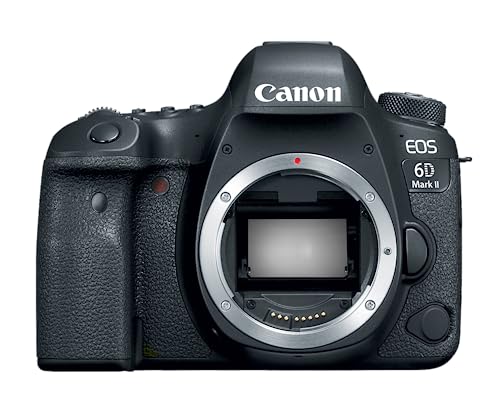

Check Current Listings
As an Amazon Associate, Reviews Took earns from qualifying purchases.
Both options are sold on Amazon. Check the current listing, what is included in the box and the seller before you decide.
Canon 5D

Canon 6D
What Actually Separates the Two Lines
The 5D and 6D names describe philosophies as much as specifications. The 5D line was built as a working tool: tougher construction, a more serious focusing system, controls laid out for speed, and an expectation that the camera would earn its living. The 6D was built as an invitation: full-frame image quality in a body that asks less of your wallet, your shoulders and your experience. Understanding that difference matters more than any single feature, because it predicts how each camera behaves across hundreds of small moments — how quickly settings change, how confidently focus lands in poor light, how the body feels after a long day.
Focusing is where the philosophy shows most clearly. The 5D bodies were given focus systems designed for professional demands, with more points and better spread for tracking and off-center composition. The 6D’s simpler arrangement concentrates its strength near the center of the frame, which suits the way many people actually compose — focus centrally, then shoot — but asks you to work around it when subjects sit near the edges or move unpredictably. Neither is a flaw; they are answers to different questions. Ask which question sounds like your photography.
Build and handling follow the same pattern. The 5D’s extra size buys a deeper grip, more direct controls and a body that shrugs off harder use. The 6D’s smaller size buys willingness: it is the camera more likely to be in the bag on an ordinary day, and a camera that is present beats a superior camera at home. When you compare them, hold both with the lens you use most, because balance with a real lens tells you more than weight figures on a page.
Use Cases, One by One
Weddings and paid events
Paid work punishes hesitation, and this is 5D territory. Stronger focusing in dim halls, tougher construction and controls that fall to hand under pressure all serve the photographer who cannot ask the moment to repeat itself. The 6D can and does shoot weddings, particularly in practiced hands and friendlier light, but its simpler focusing asks for more care when the dance floor darkens. If the camera earns money, the 5D’s seriousness is worth its size; if the camera documents your own life, that seriousness may simply be weight.
Travel and landscape
Travel reverses the logic. The 6D’s lighter body and built-in conveniences suit long walks, changing plans and photography fitted around a trip rather than the other way round. For landscapes, both bodies deliver the full-frame look, and your tripod, filters and patience matter more than the badge. The 5D’s resolution varies by generation, so check the specific model you are considering; the handling argument, though, is constant — the camera you carry up the hill is the camera that makes the photograph.
Portraits
Portrait work flatters both. The shallow depth of field and smooth rendering that draw people to full frame are present in either body, and your lens and your light will dominate the result. The 5D’s focusing spread helps when you compose with the subject off-center at wide apertures. The 6D’s center-point approach works well with the classic focus-and-recompose habit, as long as you learn its one caution: at very wide apertures, recomposing can shift the focus plane, so focus carefully on the eye and keep your movements small.
Family and everyday life
For family photography the 6D’s simplicity and lighter carry usually win the day, because the best family camera is the one already in your hand when something happens. The 5D serves the enthusiast who treats family shooting as seriously as any other work and wants the controls to match. Both are deliberate cameras compared with a phone, and both reward the small effort with a look phones still struggle to imitate.
Learning photography seriously
Students divide into two kinds. Those who learn best with everything manual and visible often love the 5D’s direct controls and uncompromising layout. Those who learn best by shooting a lot without friction often progress faster with the 6D’s friendlier size and simpler demands. Either body teaches the same fundamentals; choose the one whose company you will keep daily.
Setting Up Your Body in the First Week
Start with focusing, because it is the skill both bodies reward most. Learn to select the focus point deliberately rather than letting the camera guess, and practice until the movement is automatic. On the 6D, build your technique around its strong center point: focus, hold, recompose gently, shoot. On a 5D, explore the point patterns and tracking options with moving subjects in ordinary light before you need them in difficult light. Many owners of both lines eventually adopt back-button focusing, which separates focusing from the shutter release and makes the focus-hold-recompose rhythm cleaner.
Save a home configuration. Both lines offer ways to store your preferred setup, whether through custom modes or simply a written list of your standard settings taped inside your bag. Set the clock correctly, choose a file-naming habit, and decide how cards will be handled: shot, imported, backed up, then formatted in the camera — never the other way round. Rehearse that loop at home until it is dull, because dull routines are the ones that hold up on important days.
Spend the rest of the week on the two or three features you will genuinely use: the self-timer and remote options for group shots and tripods, the live view focusing for careful compositions, and the wireless features where your model offers them, for moving images to a phone without a cable dance. Reading the whole manual is admirable; reading the chapters you will use weekly is effective.
Care, Cleaning and Troubleshooting
Both lines are now bought mostly used, so care begins at purchase. Check the mount and contacts, the card and battery doors, and the viewfinder for dust or marks. Shoot a plain, bright surface at a small aperture to reveal sensor dust, and a detailed subject at several distances to check focusing. Once the camera is yours, keep the routine simple: a blower for dust, the built-in sensor cleaning cycle, a soft cloth for the finder and screen, and dry storage away from heat.
Batteries age on both bodies. Mark each pack with its purchase date, rotate them, and retire packs that fade early to light duty. A dry-cloth wipe of battery and lens contacts cures many intermittent errors that feel electronic and mysterious. Shutters are wear items on any DSLR; a camera that has worked hard may eventually need service, and popular bodies like these are well understood by independent technicians, which keeps that prospect reasonable rather than alarming.
When something behaves oddly, work in order: note the symptom, refit the lens, change the card, change the battery, and reset settings only after noting your customizations. Faults that follow one lens point at that lens; faults that follow one card point at the card; faults that survive everything deserve a technician and your written notes. This calm sequence solves most problems and documents the rest.
Lenses: The Shared Inheritance
The happiest fact in this comparison is that both lines drink from the same well. Canon’s EF lenses fit both, from modest primes that transform low-light shooting to professional zooms that cost more than either body. That shared mount means your decision is reversible in a way cross-brand decisions are not: start with the 6D, grow into a 5D later, and every lens comes with you. It also means the used lens market serves both equally, and a careful buyer can assemble a kit of real quality around either body.
Build the kit around your subjects rather than around ambition. A standard zoom covers most lives; a fast prime teaches you light and gives you the full-frame look at its most persuasive; a telephoto joins when your subjects demand distance. Resist the third lens until the second has taught you what you actually lack. Photographers who grow their kits this way end up with lenses that all earn their place, on whichever body they finally settle.
One practical note applies to both: check focus accuracy with each new lens at the distances you really use. DSLR focusing is a partnership between lens and body, and the fine-tuning adjustments these cameras provide exist precisely because small mismatches are normal. An hour of calm testing when a lens arrives prevents months of quietly soft photographs blamed on the wrong culprit.
A Realistic Buying Checklist
Because both lines span generations, first pin down the exact model in front of you and read its own specification rather than the line’s reputation. Then inspect: body wear is cosmetic, but mount damage, bent pins, sticky doors and a cloudy finder are not. Ask about shutter history where the seller can provide it, test every dial and button, and shoot files you can examine on a computer rather than trusting the rear screen.
Price the complete kit — body, the lens that makes it useful, a spare battery, cards — and then add a modest reserve for a service or a battery replacement. Compare that honest total for each line. The 6D often wins the arithmetic for newcomers; the 5D often wins it for photographers who would otherwise outgrow the simpler body within a year and pay twice. Buying once, at the level your work actually needs, is the cheapest strategy in photography.
Pick Against Pick in Everyday Situations
A friend’s wedding in a candlelit barn: the 5D’s focusing and controls earn their keep, while the 6D asks its owner for patience and center-frame discipline — and still delivers, in careful hands. A mountain sunrise after a steep walk: the 6D owner’s fresher legs and lighter bag feel like features no specification sheet lists. A portrait session in a living room: both bodies melt into the background of lighting and conversation, and the lens decides the look. A child’s school concert from the tenth row: the 5D’s focus spread helps keep a small face sharp off-center, while the 6D rewards the parent who focuses centrally and crops with restraint.
Notice the pattern: the 5D wins where the situation is demanding and unrepeatable, the 6D wins where the situation is long, mobile or casual. Most photographers live in both kinds of situations, which is why this comparison endures. Weight the demanding days against the ordinary days in your own calendar, and be honest about which kind you would rather equip for. Regret in photography usually comes from equipping for the rarest day and resenting the kit on all the others.
More Questions Worth Asking
Can I start with the 6D and upgrade later without waste?
Yes, and it is one of the strongest arguments for staying within one mount. Lenses, batteries in many cases, and your handling habits all transfer. The only true cost of starting simpler is if you outgrow it within months, which is a question about your ambitions rather than about the camera.
Is the 5D’s tougher build worth it for a careful owner?
For a gentle owner who shoots in friendly conditions, toughness is insurance you may never claim. For anyone shooting in weather, crowds or haste, it stops being a specification and becomes peace of mind. Judge by your environments, not by the brochure.
Which body is better for learning manual exposure?
Both teach it well. The 5D’s direct controls make changes faster and more tactile, which some learners love. The 6D’s simpler layout reduces distraction while the fundamentals settle. The best teacher remains the camera you use daily.
What should I check first on a used example of either?
The sensor, with a small-aperture shot of a plain surface, and the focusing, with a detailed subject at several distances. Those two tests reveal the faults that cost money; almost everything else is either visible at a glance or minor.
What is the first purchase after the body?
A spare battery and a reliable memory card, then the lens your subjects actually require. Accessories can wait; power, storage and glass cannot.
Long-Term Ownership: Living With the Choice
Years in, owners of both lines tend to say similar things: the camera became invisible, the lenses became the story, and the photographs are what remain. The 5D owner values a tool that never felt like the limiting factor. The 6D owner values a camera that was simply there, light enough and willing enough to join ordinary life. Both are describing success. Keep whichever you choose clean, powered and serviced when it asks, store it dry, and spend your money on the experiences in front of it. Bodies age; well-used bodies age into trusted companions, and that is the real destination of this comparison.
Workflow: Living With the Files
Both lines produce files that modern software handles with ease, and both reward the same unglamorous discipline: import by date, name files so the camera and day are recognizable, back up before you format, and keep the raw files of your best work permanently. Where the bodies differ is in the habits they encourage. The 5D’s professional manner tends to produce deliberate shooting and manageable card loads. The 6D’s friendliness tends to produce more frames on more days, which is a different kind of wealth and asks for a slightly firmer culling hand in the evening.
Editing holds no traps for either. Files from both lines open in every serious converter, profiles are mature, and older computers cope well. Build export presets for your regular destinations — prints for the wall, smaller files for sharing, full-size masters for the archive — and your evenings will stop depending on which body you carried. That is the quiet truth of mature camera lines: the workflow converges, and what remains different is the shooting itself, which is where your decision should have been made in the first place.
Mistakes Buyers Make With This Pair
The first mistake is buying the line’s reputation instead of the specific model: generations within each line differ, and a careful read of the exact body’s specification prevents surprises. The second is assuming the simpler body cannot do serious work; the 6D’s files are genuinely full-frame, and in good light with a good lens the gap between these cameras narrows to handling. The third is the opposite snobbery — assuming the tougher body is always the wiser buy, even for a photographer whose camera mostly travels to family lunches.
A fourth mistake is spending the whole budget on the body. A 6D with an excellent lens will out-photograph a 5D with a tired kit zoom on most days, because lenses shape images more than bodies do. A fifth is neglecting the used-market basics: no test shots, no computer check, no questions about history. These are popular, well-documented cameras; everything about a specific example can be verified with ten structured minutes, and skipping those minutes is the only reliably expensive error in this whole comparison.
A Simple Decision Exercise
Write down your three most common shooting days in honest detail: where you stand, what the light does, how long you shoot, and what happens to the pictures afterward. Then write down your two most demanding days of the year. Score each body against all five. Photographers whose demanding days are also their paid days usually land on the 5D and never look back. Photographers whose common days involve walking, traveling and carrying usually land on the 6D and wonder why they ever considered more. Photographers in between should handle both with their favorite lens fitted, because at that point the decision has narrowed to a question only their hands can answer — and hands, given ten honest minutes, rarely hesitate.
Two Sample Kits and What They Teach
Consider the kits real owners build. The first centers on a 5D with a professional standard zoom, a fast portrait prime and a flash, in a bag that means business. It belongs to a photographer who shoots people for money or with professional seriousness, and every item answers a demand that has actually occurred. The second centers on a 6D with a versatile zoom and one small, fast prime, in a bag that fits a bicycle pannier. It belongs to a traveler who photographs constantly and prints proudly, and its lightness is not a compromise but the entire point.
Both kits are coherent, and both owners would be miserable with each other’s bags. That is the lesson hiding inside this comparison: you are not choosing between two cameras so much as describing the photography you intend to live. Describe it accurately — the subjects, the distances, the light, the load on your shoulders — and the correct body is simply the one that appears in the description. Buy that one, maintain it well, and spend the money you saved by not buying the other on the trips, the prints and the lenses that turn a camera into a body of work.
One last habit separates happy owners from frustrated ones on both lines: reviewing your own photographs honestly at the end of each month. Look at what you actually shot, not what you meant to shoot, and let that evidence steer the next lens, the next trip and the next small upgrade. Cameras this capable rarely limit anyone; habits do. The photographer who studies their own patterns will get more from either of these bodies than a collector with a shelf of equipment, and that quiet advantage is available to every reader of this comparison at no cost at all.
And if a friend asks you, a year from now, which of the two they should buy, notice what you will actually tell them. You will not recite specifications. You will ask what they photograph, how they travel, and what they already own — because living with a camera teaches you that those were the real questions all along. Whichever body you choose today, choose it on those questions, and your future advice will be as confident as your photographs deserve.
That is also why neither camera in this comparison is a consolation prize. Each has made professional portfolios, family archives and competition prints, and each will keep doing so for owners who match the tool to the task. The decision is real but it is not dangerous — and recognizing that frees you to make it promptly and get back to the photography that prompted it.
FAQ
Do the same lenses fit both cameras?
Yes. Both use the EF mount, so the full range of EF lenses fits either body.
Is the 6D good enough for portraits?
Yes. Its full-frame sensor gives good subject separation and low-light ability, and its focus system suits posed subjects well.
Is the 6D good for video?
It can record video, but features and limits differ from newer cameras. Check Canon's specifications for frame rates, recording limits and audio inputs before relying on it for video.
Which 5D model should I compare with the 6D?
Canon has made several 5D models, and they differ in features and age. Decide on your budget and needs, then compare the specific model you can buy.
Can I use the same batteries in both cameras?
Battery types differ between models. Check Canon's pages for the battery each model uses before buying spares.
Do both cameras have two card slots?
Card slot arrangements vary by model. Confirm the number and type of slots on the maker's page if dual cards matter to you.
Is full frame worth it for travel?
Full frame gives good low-light results and background blur, but the lenses can be larger. The lighter body may suit travel better.
Are these cameras still worth buying?
They can still produce excellent images, especially for the price of used examples. Weigh age, features and available support against newer options.
How do I check for hidden damage?
Test all functions, look for dust and moisture signs, and ask about the history. A return window gives you time to run longer tests.
The Short Version
Choose a 5D if you need a tougher body with stronger focus for demanding work. Choose the 6D if you want full-frame quality in a lighter, simpler camera for travel and everyday shooting. Verify model details on the maker’s page.
