Disclosure: As an Amazon Associate, Reviews Took earns from qualifying purchases. Links to Amazon on this page are affiliate links; they cost you nothing extra.
Check bobbin type and accessories.
This guide is built from Amazon product listings and maker specs, not our own testing, so confirm size, contents and current price on each product page.
Prices are approximate and were shown on Amazon.com on November 2, 2026; check the current price.
Last updated: November 2, 2026.
Quick Picks
| Product | Type | Best for |
|---|---|---|
| Sewing Machine for Beginners Premium Edition with Twin Needle | Sewing machine | first sewing projects |
| Sewing Machine for Beginners Portable Electric Sewing Machine | Sewing machine | first sewing projects |
| Sewing Machine for Beginners & Kids Mini Portable Sewing Machines | Sewing machine | first sewing projects |
| Portable Sewing Machine for Beginners Small Easy to Use with 12 | Sewing machine | first sewing projects |
| Brother XM3700 Sewing Machine 37 Built-in Stitches | Sewing machine | first sewing projects |
| Brother CS5055 Computerized Sewing Machine with LCD Display | Sewing machine | first sewing projects |
| Sewing Machine for Beginners with Fabrics&Finger Guard Mini Size | Sewing machine | first sewing projects |
| Sewing Machine for Beginners mini Electric Sewing Machine | Sewing machine | first sewing projects |
Our Picks
Top pickBest for first sewing projects
1. Sewing Machine for Beginners Premium Edition with Twin Needle
A Sewing Machine for Beginners Premium Edition with Twin Needle (sewing machine), per the listing. It showed at about $79 on Amazon.com on November 2, 2026.
Good for: first sewing projects. Watch out: Check stitch options.

Best for first sewing projects
2. Sewing Machine for Beginners Portable Electric Sewing Machine
A Sewing Machine for Beginners Portable Electric Sewing Machine (sewing machine), per the listing. It showed at about $86 on Amazon.com on November 2, 2026.
Good for: first sewing projects. Watch out: Check stitch options.
Best for first sewing projects
3. Sewing Machine for Beginners & Kids Mini Portable Sewing Machines
A Sewing Machine for Beginners & Kids Mini Portable Sewing Machines (sewing machine), per the listing. It showed at about $50 on Amazon.com on November 2, 2026.
Good for: first sewing projects. Watch out: Check stitch options.

Best for first sewing projects
4. Portable Sewing Machine for Beginners Small Easy to Use with 12
A Portable Sewing Machine for Beginners Small Easy to Use with 12 (sewing machine), per the listing. It showed at about $40 on Amazon.com on November 2, 2026.
Good for: first sewing projects. Watch out: Check stitch options.
Best for first sewing projects
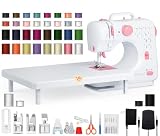
5. Brother XM3700 Sewing Machine 37 Built-in Stitches
A Brother XM3700 Sewing Machine 37 Built-in Stitches (sewing machine), per the listing. It showed at about $130 on Amazon.com on November 2, 2026.
Good for: first sewing projects. Watch out: Check stitch options.

Best for first sewing projects
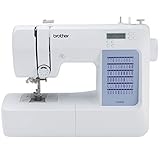
6. Brother CS5055 Computerized Sewing Machine with LCD Display
A Brother CS5055 Computerized Sewing Machine with LCD Display (sewing machine), per the listing. It showed at about $134 on Amazon.com on November 2, 2026.
Good for: first sewing projects. Watch out: Check stitch options.
Best for first sewing projects
7. Sewing Machine for Beginners with Fabrics&Finger Guard Mini Size
A Sewing Machine for Beginners with Fabrics&Finger Guard Mini Size (sewing machine), per the listing. It showed at about $40 on Amazon.com on November 2, 2026.
Good for: first sewing projects. Watch out: Check stitch options.
Best for first sewing projects
8. Sewing Machine for Beginners mini Electric Sewing Machine
A Sewing Machine for Beginners mini Electric Sewing Machine (sewing machine), per the listing. It showed at about $66 on Amazon.com on November 2, 2026.
Good for: first sewing projects. Watch out: Check stitch options.
Best Picks by Category
These labels come from the price, star rating and number of ratings shown on each Amazon listing on November 3, 2026. They summarize listing data and are not hands-on test results.
- Highest listed rating (limited feedback): Sewing Machine for Beginners Portable Electric Sewing Machine — 5 out of 5 from 47 ratings, about $86. This is not an independent product-quality award.
- Most reviewed: Sewing Machine for Beginners with Fabrics&Finger Guard Mini Size — 7,753 ratings averaging 4 out of 5.
- Best value: Sewing Machine for Beginners mini Electric Sewing Machine — the lowest-priced pick with a 4.7 rating and at least 200 ratings, about $66.
- Lowest price: Portable Sewing Machine for Beginners Small Easy to Use with 12 — about $40, rated 4.2 out of 5.
- Premium option: Brother CS5055 Computerized Sewing Machine with LCD Display — about $134, rated 4.6 out of 5.
Price, Rating and Review Comparison
The table sorts the picks by price and adds the star rating and the number of ratings, which shows how much feedback sits behind each average. Prices change often, so confirm the current price on Amazon.
| Product | Price | Rating | Ratings | Price tier |
|---|---|---|---|---|
| Portable Sewing Machine for Beginners Small Easy to Use with 12 | $40 | 4.2 / 5 | 87 | Budget |
| Sewing Machine for Beginners with Fabrics&Finger Guard Mini Size | $40 | 4 / 5 | 7,753 | Budget |
| Sewing Machine for Beginners & Kids Mini Portable Sewing Machines | $50 | 4 / 5 | 6 | Budget |
| Sewing Machine for Beginners mini Electric Sewing Machine | $66 | 4.7 / 5 | 1,399 | Mid-range |
| Sewing Machine for Beginners Premium Edition with Twin Needle | $79 | 4.3 / 5 | 44 | Mid-range |
| Sewing Machine for Beginners Portable Electric Sewing Machine | $86 | 5 / 5 | 47 | Mid-range |
| Brother XM3700 Sewing Machine 37 Built-in Stitches | $130 | 4.6 / 5 | 1,018 | Premium |
| Brother CS5055 Computerized Sewing Machine with LCD Display | $134 | 4.6 / 5 | 3,601 | Premium |
How Much Feedback Backs Each Rating
A high average from a handful of ratings is weaker evidence than a slightly lower average from thousands. Here is how the sample size looks for each pick.
- Sewing Machine for Beginners Premium Edition with Twin Needle: only 44 ratings, so treat the 4.3 average cautiously.
- Sewing Machine for Beginners Portable Electric Sewing Machine: only 47 ratings, so treat the 5 average cautiously.
- Sewing Machine for Beginners & Kids Mini Portable Sewing Machines: only 6 ratings, so treat the 4 average cautiously.
- Portable Sewing Machine for Beginners Small Easy to Use with 12: only 87 ratings, so treat the 4.2 average cautiously.
- Brother XM3700 Sewing Machine 37 Built-in Stitches: 1,018 ratings, a large sample behind its 4.6 average.
- Brother CS5055 Computerized Sewing Machine with LCD Display: 3,601 ratings, a large sample behind its 4.6 average.
- Sewing Machine for Beginners with Fabrics&Finger Guard Mini Size: 7,753 ratings, a large sample behind its 4 average.
- Sewing Machine for Beginners mini Electric Sewing Machine: 1,399 ratings, a large sample behind its 4.7 average.
Mechanical vs Computerized Machines for a First Sewer
Beginner machines fall into two broad groups. Mechanical machines use dials and levers to choose stitch type, length and width. They tend to be simple, with fewer parts that can confuse a new user, and many people find the controls easy to understand at a glance. Computerized machines use buttons and a screen, and they may offer extras such as an automatic needle threader, an automatic buttonhole or a stitch memory. The listing for one Brother pick here mentions an LCD display, which is typical of the computerized group.
Which suits you depends on how you like to learn. A mechanical model rewards patience and teaches you what stitch length and tension actually do. A computerized model can feel friendlier because the machine suggests settings, shows which presser foot to use and handles repetitive tasks. The trade-off is more electronics and often a higher price. Check the listing for what the screen actually controls, as some are only simple indicators.
Whichever you choose, look for a smooth speed control or a foot pedal that responds gently. Starting slowly is the best way to build skill, and a machine that jumps to full speed is harder to control. Also confirm the machine has a drop-in or front-loading bobbin that you can see through a clear cover, since being able to watch the thread level saves frustration. Always read the manual before first use and keep it nearby for threading diagrams.
Stitches a Beginner Actually Needs
Listings love to advertise large stitch counts, but a new sewer uses only a handful regularly. A straight stitch is the backbone of nearly everything from hemming to joining panels. A zigzag stitch finishes raw edges so fabric does not fray, and it is used on stretchy fabrics. A buttonhole function, whether a four-step process or a one-step automatic one, is needed for shirts, bags and many garments. A blind hem or a stretch stitch is a useful extra for clothing.
When comparing machines, look at whether you can adjust stitch length and width, because that flexibility lets you baste, topstitch and gather. Reverse is important for locking seams at the beginning and end, so confirm there is a reverse lever or button that is easy to reach. A free arm, where a section of the base slides away, helps with sleeves, cuffs and trouser legs. Many beginner models include a zipper foot, a buttonhole foot and a blind hem foot, but verify what is in the box.
A machine with dozens of decorative stitches is fun, but it is not necessarily the better value if the basic stitches are fussy. Check that the straight stitch looks even in the sample images and that the stitch selector is easy to read. Twin-needle capability, mentioned in one listing, is a bonus for decorative lines and hems on knit fabrics, but it requires the correct twin needle and a machine that supports it.
Mini and Portable Machines: What You Gain and Give Up
Several picks here are small, portable machines marketed to beginners and kids. Their appeal is clear: they are light, they store easily, and they cost less than full-size machines. They can suit small repairs, simple hems, craft projects and learning the basics of threading and guiding fabric.
The limits come from size and build. A compact machine may have a smaller motor and a lighter frame, so it can struggle with thick layers such as denim, canvas or multiple seams. It may have a limited stitch selection, a single speed, a less stable base and fewer included feet. Some do not have a standard bobbin system, so replacement bobbins may be harder to find. Check the listing for whether a foot pedal is included, since hand-operated or button-only control can be harder to manage.
Think about who will use it. For a child, features such as a finger guard and a low-speed operation matter, and an adult should supervise. For an adult who wants to hem curtains and make simple bags, a mini machine may be enough, but if you plan on garments or heavier fabrics, consider a full-size beginner model with a more stable body. Read the fabric types the maker says the machine can handle, and take the star rating and the number of ratings into account alongside this.
Threading, Tension and Troubleshooting Your First Projects
Most early frustration comes from three causes: incorrect threading, wrong needles and poor tension. Thread the machine with the presser foot raised, because that opens the tension discs and lets the thread seat properly. Follow the numbered path in the manual exactly, then wind and insert the bobbin in the direction shown. If you get loops on the underside, rethread the top thread. If you get loops on top, check the bobbin.
Needles matter more than most beginners expect. A needle that is bent, dull or the wrong size can cause skipped stitches, snapped thread and puckered fabric. Match the needle to the fabric: finer needles for lightweight cloth, heavier ones for thicker fabric, and a ballpoint type for knits. Change the needle regularly, especially after hitting a pin. Use decent thread, since weak or fuzzy thread can shed lint and jam the machine.
Practice on scrap fabric before starting a project. Sew test lines at different stitch lengths and tension settings and keep notes. Guide the fabric gently instead of pulling it, since pushing or tugging can bend the needle. Never sew over pins. If the machine jams, stop, raise the needle and the foot, and gently pull the fabric free, then clear any thread nest from the bobbin area. A good first project is a simple pillowcase or tote bag, where straight seams are enough to build confidence.
Accessories, Care and Safety Habits
Once you have a machine, a few inexpensive accessories make sewing easier: sharp fabric scissors, a seam ripper, pins or clips, a measuring tape, a marking pen or chalk and spare needles and bobbins. A bobbin that does not match your machine can cause trouble, so buy the type named in your manual. A small screwdriver and brush, often included, are used for cleaning.
Basic care extends the life of any machine. Brush out lint from the feed dogs and bobbin area regularly, because lint builds up quickly. Some machines need oiling and some do not, so follow the manual. Cover the machine when not in use to keep dust out, and store it in a dry place. Unplug it when cleaning or changing needles. Do not force the handwheel, and turn it toward you.
Safety comes down to simple habits. Keep fingers clear of the needle, tie back long hair and loose sleeves, and keep children and pets away from the cord and pedal. Place the machine on a stable surface and use the correct power supply. Look at the warranty and the return terms on the listing before buying, since lower-priced machines can have more variation in quality. Signs it is time to repair or replace include persistent skipped stitches after a new needle, grinding noises, a frayed cord or a motor that overheats.
Common Questions
Should a beginner buy a mechanical or a computerized sewing machine?
Mechanical machines are simple and teach the basics, while computerized ones add convenience features like automatic functions and a display. Either can work for a beginner. Choose based on how you like to learn and how much you want automated.
How many stitches do I need on a beginner machine?
Far fewer than the listing may suggest. Straight, zigzag, a buttonhole and a stretch or blind hem stitch cover most early projects. Adjustable length and width and a reverse function matter more than a long list of decorative options.
Can a mini sewing machine handle thick fabric?
Many small machines struggle with denim, canvas and multiple layers because of lighter motors and frames. They suit light to medium fabrics, small repairs and crafts. Check the maker's stated fabric limits before buying.
Why does my thread keep breaking or bunching?
The most common causes are incorrect threading, a dull or wrong needle, and tension that is off. Rethread with the presser foot up, install a new needle suited to the fabric, and test on scrap fabric.
What accessories should I buy with my first machine?
Useful basics include fabric scissors, a seam ripper, pins or clips, spare needles and extra bobbins of the correct type. Check what the listing says is already included before buying extras.
Do I need to oil my sewing machine?
It depends on the model. Some machines require occasional oiling and others are designed not to need it. Follow the manual, and clean out lint regularly in either case.
What needle should I use for stretchy fabric?
A ballpoint or stretch needle is designed to slide between knit fibers instead of piercing them, which helps prevent skipped stitches. Check your manual for the needle sizes your machine accepts.
Is it safe for a child to use a beginner sewing machine?
Children can learn on a simple, slow machine with adult supervision. Look for finger guards and speed control, and keep the pedal and cord managed. Review the maker's age guidance on the listing.
Bottom Line
Simple machines with stitch variety suit beginners.
More Crafts & Hobbies Guides
- Best Watercolor Sets for Beginners and Hobbyists
- Best Interchangeable and Bamboo Knitting Needles
- Best Resin Kits for Beginners and Table Tops
- Best Calligraphy Pens and Fountain Pen Sets