reviewstook.com is reader-supported. When you buy through links on our site, we may earn an affiliate commission.
Where to buy
Most travel camera guides assume a traveller who happens to take photographs. This one assumes the opposite. If you are hunting for the best digital cameras for vacation and photography, and the photography is the point of the trip — the dawn alarm, the scouted viewpoint, the evening spent backing up cards instead of scrolling a phone — then your buying questions change completely. You are not asking which camera is smallest. You are asking which two bodies share batteries and lenses, which kit survives a week of dust and drizzle, and which camera still works happily at the weight limit of a carry-on bag.
That is the traveller this guide serves: the serious hobbyist or working photographer building a holiday around images. A two-body kit matters because a body failure on day three of a once-a-decade trip is not an inconvenience, it is the trip. Nightly backup matters because a single card holding nine days of work is a single point of failure with your name on it. Weight matters because airlines weigh cabin bags now, and a kit that cannot fly with you stays home no matter how good it is.
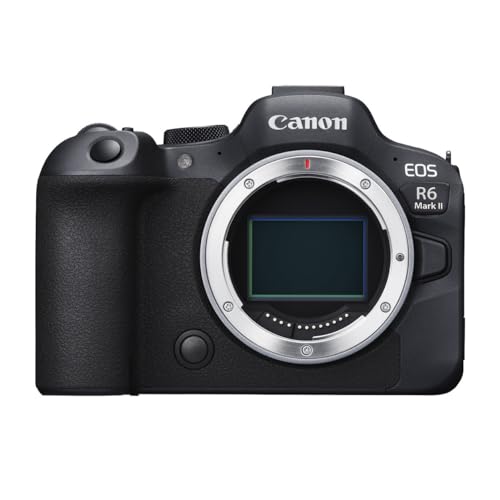
- Canon EOS R6 Mark II: linked pick, full-frame main body with subject detection that earns its keep on street and wildlife detours alike
- Sony Alpha 7 IV: linked pick, the hybrid anchor for photographers who also shoot serious travel video
- Nikon Z50 II with Two Lenses: linked pick, a crop-sensor second body and lens pair that halves the weight of a backup plan
- Panasonic LUMIX S5II: linked pick, full-frame value with stabilisation that forgives tired evening hands
- OM SYSTEM Tough TG-7: linked pick, the waterproof pocket camera for the beach day, the boat day and the rainstorm
- GoPro HERO13 Black: linked pick, the mount-anywhere camera that covers the activities a big body cannot join
One boundary before we start: casual holiday snapshots are beautifully served by a phone and a small compact, and other guides cover that traveller well. Here, every recommendation is judged as part of a working travel kit — how it pairs, how it packs, how it backs up, and how it behaves on the eighth consecutive day of shooting rather than the first excited hour.
Key Takeaways
- Build the trip around a system: two bodies sharing a mount turn a breakdown from a disaster into a shrug.
- Back up every night to two separate places, and never let both copies sleep in the same bag.
- Cabin-bag weight limits decide real travel kits; weigh the full loaded bag, not the brochure weight of one body.
- A crop-sensor second body doubles as a telephoto extender for the wildlife detour you did not plan.
- One rugged pocket camera covers the wet, sandy and risky days so the main kit never has to.
- Stabilisation and weather sealing matter more on the road than a few extra megapixels ever will.
In this guide
Quick Picks
| Pick | Badge | Why it earns its place |
|---|---|---|
| Canon EOS R6 Mark II | Main body for the serious trip | Confident subject detection, dual slots for nightly mirroring and a grip that survives ten-hour walking days. |
| Sony Alpha 7 IV | Hybrid anchor | Eye autofocus that flatters travel portraits and video strong enough to carry a trip film on its own. |
| Nikon Z50 II with Two Lenses | Lightweight second body | Two zooms in the box cover wide streets to distant details while the whole kit stays carry-on friendly. |
| Panasonic LUMIX S5II | Stabilised value body | Phase-detect focus and powerful stabilisation for blue-hour streets when the tripod stayed at the hotel. |
| OM SYSTEM Tough TG-7 | Weatherproof pocket cover | Waterproof, freeze-proof and crush-resistant, so the snorkel trip and the hailstorm still produce photographs. |
| GoPro HERO13 Black | Activity camera | Mounts to a bike, a boat rail or a chest strap and records the parts of the holiday you are busy living. |
How did we judge cameras for a trip where photography is the purpose?
Pairing came first. A main body was only praised here if a sensible partner exists for it — a second body on the same mount, or a deliberately different tool for the days the main body should not risk. Lone-wolf cameras that leave a photographer stranded after one failure scored poorly no matter how fine their sensors are, because the cost of failure on a photographic holiday is measured in unrepeatable mornings, not repair bills.
Endurance came second. We weighed battery life across a full shooting day, the honesty of weather sealing, and whether the controls still make sense with cold fingers at a mountain viewpoint before sunrise. A camera that needs a midday battery swap and a dry bag at the first drizzle is a studio instrument wearing travel clothes.
Backup behaviour formed the third test. Dual card slots that can mirror every frame, fast USB transfer to a laptop or drive each evening, and file formats that a small travel laptop can actually open and cull — these unglamorous details decide whether nine days of work come home. Finally, everything was weighed as a loaded bag, straps, chargers, cards and all, against the cabin limits real airlines enforce.

Canon EOS R6 Mark II — Main body for the serious trip
As the primary camera on a photography-first holiday, the R6 Mark II earns its place through reliability under variety. One morning it is tracking a fish eagle off a boat, by lunch it is doing quiet street work in a market, and at dusk it is making portraits of travelling companions against a harbour wall. Its subject detection switches between people, animals and vehicles without a menu expedition, and that flexibility is exactly what an unpredictable itinerary demands.
The backup story is where this body quietly outclasses most rivals for travel duty. Two card slots can write every frame twice as you shoot, which turns the nightly hotel routine from anxious copying into a quick verification: one card stays in the camera, its twin goes into a separate pouch in a different bag. Lose a bag, lose a card, even lose the camera on the last day, and the trip’s photographs still fly home with you.
Weight discipline is the honest compromise. The body itself is moderate, but full-frame RF telephoto glass is not, and a two-lens travel set built around this camera needs deliberate choices: one versatile zoom for the day, one fast prime for the evening, and the discipline to leave the third lens at home. Photographers who pack that way find the kit carry-on legal and shoulder-friendly; photographers who pack everything they own will meet the check-in scale and lose the argument.
Stabilisation deserves a mention for the realities of sightseeing. Cathedral interiors, museum halls and evening street markets all forbid tripods or flash, and the in-body stabilisation lets a careful shooter work at shutter speeds that would blur an unstabilised body into uselessness. Combined with clean high-ISO files, it stretches each location well past the hour when tour groups leave and the light turns kind.
- Class: Full-frame mirrorless, interchangeable lenses
- Travel signature: Subject detection across people, animals and vehicles
- Backup behaviour: Dual card slots with in-camera mirroring
- Stabilisation: In-body, strong for interiors and dusk streets
- Kit weight note: Body moderate; lens choices decide the total
Strengths
- Autofocus adapts to whatever the itinerary throws at it
- Mirrored cards make nightly backup nearly effortless
- Stabilisation rescues tripod-free interiors
Trade-offs
- Fast RF lenses are heavy and costly to build a set from
- Electronic burst modes eat batteries on big days
- Full-frame depth of field demands care in group shots
Best for: the photographer building the whole holiday around one dependable full-frame system
Not suited for: travellers who want the camera to disappear into a jacket pocket
One working habit suits this body on the road: assign the second slot to overflow on wildlife days and to mirroring on city days. The camera remembers the setting per mode dial position for many shooters’ workflows, and matching the card strategy to the day’s risk — irreplaceable sightings versus repeatable streets — keeps both speed and safety where each belongs.

Sony Alpha 7 IV — Hybrid anchor
Some photographic holidays come home as albums; others come home as films with stills woven through them. The Alpha 7 IV is the anchor for the second kind of traveller. Its real-time eye autofocus keeps a travelling partner’s face crisp while they walk toward camera through a crowded souk, and its video tools are grown-up enough that the trip film does not feel like an afterthought shot on a stills camera.
Sony’s lens catalogue is the quiet travel advantage here. The E mount has been fed by years of compact primes and travel zooms from Sony and third parties alike, which means a lightweight two-lens holiday set is genuinely achievable: a small wide zoom for the day and a fast compact prime for the night markets. Rental availability abroad is also the best of any system, a fact that matters the first time a lens fails in a country where your home shop cannot help you.
For the stills-first traveller, the camera’s manners are equally considered. The vari-angle screen helps with the high and low angles that travel constantly offers — over a fence at a festival, down at a mosaic floor — and the customisable buttons let you park your three travel settings where your thumb already lives. Files are detailed without being so enormous that a modest travel laptop chokes on a week’s worth each night.
The compromises are handling-related rather than photographic. The grip suits smaller hands better than large ones on long walking days, and the menu system rewards an evening of setup at home rather than improvisation in the field. Neither matters once configured; both argue for preparing this camera before departure rather than unboxing it at the destination.
- Class: Full-frame mirrorless, interchangeable lenses
- Travel signature: Real-time eye autofocus for people on the move
- Lens ecosystem: Deepest compact travel lens selection of any full-frame mount
- Screen: Fully articulating, for fences, floors and crowds
- Video: Serious hybrid tools for a trip film alongside stills
Strengths
- Eye autofocus flatters portraits in chaotic places
- Compact travel lenses exist at every focal length
- Strong video for travellers who publish trip films
Trade-offs
- Grip can tire larger hands on all-day walks
- Menus need a home setup session before travel
- Single-slot mishaps hurt: only one slot mirrors internally on some configurations, so nightly copies stay essential
Best for: hybrid travellers who want one body to carry both the album and the film
Not suited for: photographers who refuse to configure a camera before a trip
Treat the a7 IV’s custom modes as your itinerary in dial form: one for bright exteriors, one for interiors, one for video. Set them on the flight out, and the camera stops being a device you operate and becomes a habit you barely notice — which is precisely the state a travelling photographer wants to reach by day two.

Nikon Z50 II with Two Lenses — Lightweight second body
Every serious travel kit needs an answer to a blunt question: what do you shoot with when the main body is broken, soaked or simply wearing the wrong lens at the wrong moment? This two-lens Nikon kit is the lightest honest answer in this guide. Body and both zooms together weigh less than many full-frame standard zooms alone, yet the set covers wide street scenes through to genuinely distant subjects.
The crop sensor, so often apologised for, becomes a travel asset in this role. Mount the longer kit zoom and the crop factor stretches its reach, which turns the unplanned wildlife detour — the safari add-on, the whale boat, the bird reserve beside the highway — from a squint into a portfolio. Subject detection inherited from Nikon’s bigger bodies keeps birds and animals tracked while you work from a rocking boat or a hide window.
As a primary camera it serves a different traveller equally well: the one whose photographic ambitions are serious but whose shoulders are not negotiable. A full day of hill towns with this kit ends in photographs, not physiotherapy. Image quality from the smaller sensor gives up little in daylight and remains entirely respectable at dusk, especially with the stabilised kit zooms doing quiet work in the background.
Honesty requires noting the ceiling. Low-light headroom trails the full-frame picks, the lens range for the mount is still growing, and a single card slot means the nightly backup ritual is compulsory rather than optional with this body. Within a two-body plan those are footnotes; as a solo camera they are habits to build, not flaws to fear.
- Class: Crop-sensor mirrorless, sold with two zoom lenses
- Travel signature: Complete wide-to-telephoto cover in one light box
- Reach: Crop factor stretches the long zoom for wildlife detours
- Detection: Subject detection for people, animals and birds
- Cards: Single slot — nightly copying is part of the deal
Strengths
- Whole kit weighs less than one big full-frame zoom
- Two lenses included, no extra shopping before departure
- Crop reach rescues unplanned wildlife opportunities
Trade-offs
- Low-light files trail the full-frame picks
- Single card slot removes in-camera mirroring
- Native lens range is still maturing
Best for: a second body that earns its bag space, or a light primary kit for walking holidays
Not suited for: night-market specialists who live at very high ISO
Pack this kit as the always-ready layer of the trip: it rides in the day bag while the heavy system rests at the hotel for planned dawn and dusk sessions. Travellers who split their days that way — light kit for exploring, full kit for appointments with the light — return with more photographs and better moods than those who haul everything everywhere.

Panasonic LUMIX S5II — Stabilised value body
The S5II is the full-frame pick for travellers whose favourite hour is the one after sunset. Its phase hybrid autofocus ended the old Panasonic hesitation about moving subjects, and its stabilisation is the strongest argument in this guide for leaving the travel tripod behind: blue-hour streets, harbour reflections and lamplit old towns can be shot handheld at shutter speeds that sound like misprints.
That stabilisation changes itinerary planning in a way spec sheets never capture. A tripod is not merely weight; it is permission slips, banned venues, and a setup ritual that slows a travelling companion’s patience to a thread. A body that shoots sharp frames handheld at dusk keeps the evening fluid — dinner, a wander, photographs wherever the light turns interesting — and that fluidity is worth more on holiday than a laboratory resolution advantage.
The L-mount alliance adds a practical travel benefit: lenses from several makers fit, including compact primes that keep a day kit civilised. Video tools are deep for travellers who film, and the body’s stills files hold up beautifully for the large prints that a serious trip deserves when it gets home.
Where does it concede ground? Burst depth and the very fastest tracking work belong to the Canon above, and the lens catalogue, while broad, lacks some of the exotic telephotos a dedicated wildlife traveller might rent. For a holiday weighted toward cities, landscapes and people — most photographic holidays, honestly — those concessions rarely surface.
- Class: Full-frame mirrorless, interchangeable lenses
- Travel signature: Phase hybrid autofocus with powerful stabilisation
- Evening strength: Handheld blue-hour shooting without a tripod
- Mount: L-mount, shared across several manufacturers
- Video: Deep tools for travellers who also film seriously
Strengths
- Stabilisation frees evenings from tripod logistics
- Autofocus now tracks moving subjects with confidence
- Excellent value route into full-frame travel work
Trade-offs
- Burst depth trails the fastest action bodies
- Exotic long telephoto options are thinner than rivals
- Cooling and size make it a deliberate carry, not a pocket camera
Best for: city-and-landscape travellers whose best light arrives after dinner
Not suited for: dedicated wildlife travellers needing the longest rented glass
Build the S5II’s holiday around one discipline: learn its stabilisation limits at home with your own hands, because everyone’s handheld floor differs. Knowing you personally hold a quarter-second sharp at wide angles turns every evening walk into a planned shoot rather than a hopeful one.

OM SYSTEM Tough TG-7 — Weatherproof pocket cover
Every photographic holiday contains days that would murder a mirrorless camera: the snorkel boat, the waterfall trail, the desert wind, the toddler beach afternoon. The TG-7 exists so those days still produce photographs. It is waterproof, freeze-proof, shockproof and crushproof, it slips into a swimsuit pocket, and it asks for no housing, no dry bag and no anxiety.
Its macro abilities are the surprise second act. Tide pools, market spices, frost on a mountain hut window — the TG-7 focuses closer than most interchangeable-lens kits can without dedicated macro glass, and its microscope-style modes turn a rainy afternoon into a studio session with whatever small wonders the destination offers. Many owners report the little camera’s macro frames outnumbering its underwater ones by the end of a trip.
GPS and environmental logging suit the travel journal instinct: the camera records where a frame was made, which tidies the nightly task of remembering which cove, which trail junction, which village. Battery life is modest but the batteries are small, so two spares ride unnoticed in a wash bag.
The limits are those of a small sensor behind a protective lens: dusk streets and candlelit interiors are not its stage, and files will not print at the sizes the full-frame picks manage. Judge it as insurance and access — the camera that goes where the real camera cannot — and it is not a compromise at all. It is the reason the risky days appear in the album.
- Class: Rugged compact, fixed zoom lens
- Travel signature: Waterproof and crushproof without a housing
- Close work: Macro and microscope-style modes for small subjects
- Logging: GPS and field sensors tag frames with place data
- Size: Pocketable; rides where mirrorless kits cannot
Strengths
- Covers wet, sandy and freezing days single-handedly
- Macro modes open a whole second trip album
- No housing or accessories needed for water work
Trade-offs
- Small sensor struggles after dark
- Files suit modest print sizes only
- Battery life demands spares on long boat days
Best for: the wet, wild and risky third of any serious itinerary
Not suited for: being the only camera on a once-in-a-decade trip
Give the TG-7 a floating wrist strap and a standing job in the kit: it is the camera of record for anything involving water, sand or children with ice cream. Owners who assign it that beat stop risking the main body out of optimism, and the main body repays the protection by surviving to the final day.

GoPro HERO13 Black — Activity camera
A photographic holiday still contains hours when both hands are busy living: cycling a coast road, paddling a kayak, skiing the run you travelled to ski. The HERO13 covers those hours. It mounts to a chest strap, a handlebar or a helmet, starts with one button press through gloves, and records the experience from inside it rather than from the viewpoint where the big camera stands.
Its stills are better than its action-camera label suggests. Burst modes catch the crest of a wave or the top of a jump, and the wide lens keeps everything from forearm to horizon in focus, which suits the unposed, participatory frames that give a travel album its pulse. Paired with the mirrorless work from the same day, the album gains two honest perspectives: the scene witnessed, and the scene inhabited.
Accessory discipline decides whether a GoPro earns its tiny bag space. The camera itself is a pebble; the temptation is to pack a suitcase of mounts. Experienced travellers carry three: a chest mount for hands-free activity, a short grip that doubles as a tripod for timelapses of camp and harbour, and a floaty back for anything over water. Everything else stays home, and the kit stays honest.
Heat and battery are the working limits. Long static recordings in hot sun will tax it, and its small batteries turn over quickly in the cold, so the nightly routine includes feeding it alongside the main bodies. As a complement rather than a replacement, those limits are scheduling details, not objections.
- Class: Waterproof action camera, fixed ultra-wide lens
- Travel signature: Mount-anywhere recording from inside the activity
- Stills: Burst photo modes for jumps, waves and motion
- Stabilisation: Strong electronic smoothing for moving wearers
- Kit footprint: Tiny body; discipline needed on mounts
Strengths
- Records the activities a big camera cannot join
- One-button operation through gloves and spray
- Adds an inhabited perspective to the travel album
Trade-offs
- Small batteries cycle fast in cold weather
- Long hot recordings strain its cooling
- Fixed wide lens cannot isolate distant subjects
Best for: active travellers whose best holiday moments involve both hands
Not suited for: considered stills work or distant subjects
Set the HERO13 to its simplest stills burst before the activity starts, because nobody frames carefully halfway down a rapid. Review its cards in the same nightly backup pass as every other camera — the frames travellers forget to copy are reliably the ones they end up loving most.
How should a serious photographer split a kit between two bodies?
Start from failure, not from desire. Ask what the trip loses if the main body dies on day three, then choose a second body that keeps the essential photographs possible: same mount if the trip is built around specific lenses, or a lighter different system if the backup doubles as the everyday carry. The Nikon kit above suits the second pattern; a second Canon or Sony body suits the first. Both patterns are legitimate — the illegitimate one is travelling with no answer at all.
Assign roles before departure and keep them stable. Main body wears the fast glass and works the planned sessions: dawn landscapes, the portrait hour, the wildlife hide. Second body lives in the day bag with a versatile zoom for everything unplanned. Stable roles mean stable settings, and stable settings mean the photographer is thinking about light and moments instead of which camera does what today.
Share what can be shared. Batteries, chargers, card formats and even strap systems that match across both bodies shrink the support pile that quietly eats a travel bag. Where sharing is impossible, label everything; hotel rooms at midnight before a 4 a.m. alarm are no place to discover that two black chargers do entirely different jobs.
What does a nightly backup routine that actually happens look like?
It looks short. The routines that survive a whole trip take under fifteen minutes and attach to an existing habit — the shower, the dinner wait, the evening drink. Copy the day’s cards to a laptop or portable drive, verify the copy opened, then store the drive and the cards in different bags. Photographers who design a forty-minute archival ceremony perform it twice and then quietly stop; photographers who design a small ritual perform it every night of their lives.
Two copies is the floor, and geography is the point of them. A laptop in the hotel safe and a card wallet in the day bag survive a room theft; two drives side by side in one backpack do not survive a backpack theft. On longer trips, a third copy can ride home ahead of you — posted, or uploaded when a hotel connection allows — but the nightly pair is the discipline that saves trips.
Format cards only after the copies verify, and never on the morning of a shoot. Keep one full day of grace: yesterday’s card stays untouched until tonight’s backup of today’s card succeeds. That rolling buffer means a corrupted copy is an annoyance discovered at a desk, not a catastrophe discovered at a viewpoint.
How do you keep a full kit inside a cabin-bag weight limit?
Weigh the truth at home: bag, bodies, lenses, batteries, chargers, laptop, the lot, on a bathroom scale, weeks before departure. Most photographic travellers discover they are two kilograms over and that the excess is not cameras — it is the third lens, the full-size tripod, the just-in-case flash and a laptop chosen for its screen rather than its weight. Cut support gear before cutting optics; a tabletop tripod and a lighter laptop return more photographs per gram than any lens downgrade.
Wear the overflow. A photographer’s vest or simply the heaviest camera around your neck at check-in moves real weight out of the weighed bag, and airlines weigh bags, not people, on most routes. Keep it dignified and within the spirit of the rules: the point is flying with a working kit, not smuggling a studio.
Finally, rent the exotic at the destination when the trip needs one special lens for one special day. A long telephoto for a single safari, hired locally, beats owning the flight weight of that lens for nine days to use it for four hours.
Which travel days deserve which camera?
Planned light gets the main body: the sunrise you scouted, the viewpoint you researched, the portrait session with your travelling companions at the harbour wall. Those are appointments, and appointments justify the full kit, the tripod and the alarm clock.
Exploration gets the light kit. Hill towns, markets, long museum days and spontaneous detours reward a camera that never feels like a burden, because the best exploration photographs are the ones taken in hour six, when a heavy kit would have been left at the hotel by hour three.
Risk gets the rugged cameras. Water, sand, altitude cold and crowd crush all route to the TG-7 and the GoPro, not because the big bodies are fragile, but because a holiday’s photographic capital should never be wagered on a single slippery rock. Match the tool to the day’s dangers and the whole kit survives to fly home.
How should a photographic day be planned around the light?
Serious travel photography runs on a rhythm the casual holiday never notices: two appointments and a long, loose middle. The first appointment is dawn, when the light is low, the streets are empty and the destination briefly belongs to nobody. The second is the hour before sunset, when the same alchemy repeats in reverse. Everything between those appointments — the museums, the markets, the long lunches — is shot opportunistically with the light kit, in whatever light the day provides, and the photographer who accepts that bargain stops fighting the midday sun and starts enjoying the holiday inside the photography trip.
Scouting converts that rhythm from hope into schedule. Arrive at a major viewpoint once without the serious kit — on the exploration walk, with the light camera — and note where the sun rises relative to the subject, where the crowds will stand, and which foreground the composition needs. Return at dawn with the main body, the tripod and the answer to every question the location was going to ask. Photographers who scout shoot their postcards on the first attempt; photographers who improvise spend the trip’s best mornings walking in circles with a bag full of regret.
Rest is a photographic input, not a reward for finishing. A dawn start followed by a full sightseeing day followed by a dusk session is sustainable for about two days; by day four the photographs show the fatigue before the photographer admits it — rushed compositions, horizons surrendered, the safe shot taken instead of the right one waited for. Build the itinerary with a fallow middle: the long lunch, the siesta, the museum afternoon where the camera stays in the bag. The kit list in this guide assumes a human operates it, and the human is the component with the strictest operating limits of all.
What baseline settings should a travelling photographer set before departure?
Configure the boring things at home, where mistakes are free. File format first: RAW for the main body’s planned work, because travel light cannot be re-shot, and the highest-quality JPEG the second body offers if its role is documentary. Colour space, file numbering that will not collide between two bodies, and a folder structure by date — set once, at the kitchen table, these decisions silently organise the entire trip’s archive before a single frame exists.
Custom banks are the itinerary written into the camera. One bank for bright exteriors with a moderate aperture and auto sensitivity capped where your files stay clean; one for interiors with the stabilisation trusted and the shutter floor lowered; one for wildlife detours with tracking and burst armed. Labelling the banks by situation rather than by place keeps them useful across destinations, and rehearsing the switch until it is a thumb movement means the settings are never the reason a moment escaped.
Finally, decide the unglamorous defaults that field stress corrupts: what the camera does when a card fills mid-burst, whether the second slot mirrors or overflows on each body, and which button summons the histogram you will actually check. A travelling photographer makes hundreds of small decisions a day; the baseline exists so that none of them are about the camera. The photographs deserve the whole of the photographer’s attention, and preparation is how the camera stops competing for it.
How do you protect a serious kit from weather, dust and altitude?
Rain is a procedure, not an emergency. A proper rain cover for the main body, a microfibre cloth in every pocket, and the discipline of pointing the lens down while walking between positions will carry a kit through a wet week in the hills. What kills cameras is not the rain they shoot in but the condensation that follows: a cold camera brought into a warm, steamy room fogs inside and out. Seal the kit in its bag before coming indoors, let it warm slowly inside that sealed air, and the fog forms on the bag instead of the glass.
Dust plays by different rules in deserts and on safari tracks, where the winning strategy is refusal: refuse to change lenses in the open, refuse to let a body sit uncapped, and accept the zoom’s range as the day’s creative boundary. Sensor spots earned in a sandstorm appear in every sky for the rest of the trip, so the photographers who return with clean files are the ones who treated lens changes as indoor surgery. A rocket blower each night, used before the backup ritual, keeps the small dust from becoming the permanent kind.
Altitude adds cold and thin air to the negotiation. Batteries hold less charge on a cold mountain morning, so they sleep in an inside pocket and rotate through the body; screens and lubricants grow sluggish; and the photographer’s own breath, fogging the viewfinder at the decisive moment, becomes a technique problem solved by breathing discipline and a held half-second. None of this requires special equipment — it requires knowing before the mountain, which is what preparation sections are for.
How do you photograph people you meet along the way?
Portraits of strangers are the photographs travelling photographers most want and least know how to begin, and the camera choice quietly shapes the attempt. A smaller, friendlier-looking setup — the second body with a modest prime, rather than the flagship wearing its longest lens — reads as a person with a hobby instead of a professional on assignment, and doors open accordingly. The technical half is simple: shade or open shade for kind light, a background chosen before the approach, and settings pre-dialled so the encounter is a conversation, not a photoshoot the subject must endure.
Ask, and accept the answer as final either way. A surprising number of people say yes when the request is specific and brief — a portrait, here, in this light, thirty seconds — and when they can see the result on the screen immediately. Offer to send the photograph, and keep the promise with the same seriousness as the nightly backup; the travelling photographer’s reputation walks ahead of them through small communities faster than they do. The photographers who return with faces in their albums are remembered locally as the ones who asked, showed and sent.
Companions and family deserve the same craft with an extra ingredient: patience for repetition. The group portrait at the famous viewpoint improves enormously when it is treated as a planned session rather than a toll paid to tourism — camera on a small tripod or a wall, everyone arranged against the light instead of squinting into it, three frames instead of one, and the photographer inside the frame via timer for at least one of them. Years later, the trip’s most-loved photograph is reliably the one where the photographer also appears, sunburnt and present, rather than the perfect empty landscape.
What should the first evening at home with the files look like?
The trip is not finished when the plane lands; it is finished when the archive is safe and the editing has begun while memory can still caption it. First evening’s work is mechanical and mercifully short: every card copied to the main archive, verified, and backed up to the second location before any card is formatted — the same two-copy discipline as the road, applied one final time. Only then should the culling begin, and it should begin kindly: the first pass deletes only the hopeless, because photographs judged in post-travel fatigue are judged by a critic who will feel differently in a month.
Edit in the order the trip unfolded rather than by favourite-first. Working chronologically rebuilds the journey’s narrative, surfaces the sequences that tell each day’s story — the establishing wide, the working middle, the detail that closes — and reveals which photographs the album actually needs. Photographers who cherry-pick favourites first end with forty sunsets and no story; the chronological edit produces a book. Notes belong to this pass too: place names, people’s names, the restaurant, the weather — the captions that future viewers will need and future memory will not supply.
Then print something within the fortnight. A single framed print or the first spread of a book converts the trip from a folder into a fact, and it disciplines the remaining editing by giving it a destination. The cameras in this guide were bought, packed, protected and backed up in service of physical photographs on walls and in hands — the first evening home is where that service is finally honoured.
How do you decide which photographs from the trip get printed first?
Print the story before the trophies. Every serious trip produces a handful of spectacular frames — the dawn landscape, the perfect street moment — and a larger body of quieter photographs that actually contain the journey: the companions at the ordinary café, the hotel corridor’s light, the market stallholder mid-laugh. Albums and walls built only from trophies feel like a brochure for a place nobody lived in; the printed story needs its connective tissue, and choosing that tissue is the most editorial act of the whole trip. A useful discipline is the one-page test: if each day of the trip were allowed exactly one printed page, which three frames would share it? The answers assemble themselves into a narrative almost without argument.
Sequence matters as much as selection. Open with the wide establishing frame that tells a viewer where on earth this is, close each day with the detail or the face that tells them how it felt, and let the spectacular frames arrive where the journey earned them rather than stacked at the front like credentials. Viewers — including the future photographer, who is the audience that matters most — experience a trip album the way they experienced the trip: as weather, rhythm and people, punctuated by wonders. Editing that honours the rhythm will be re-read for decades; editing that honours only the wonders will be admired once.
Share with the same editorial hand. The companions who travelled with you deserve the flattering frames promptly, the strangers who posed deserve their promised copies before the album is bound, and the public selection — if the trip is shared publicly at all — deserves the restraint of showing the place as it was rather than as the highlight reel insists it must have been. The cameras and backups and two-body systems in this guide exist to serve exactly this final hour: a story, printed and given away, that does justice to the mornings that made it.
How do the six travel tools compare at a glance?
| Pick | Role in the kit | Carry profile | Backup story |
|---|---|---|---|
| Canon EOS R6 Mark II | Main body | Moderate body, lenses decide | Dual slots, in-camera mirroring |
| Sony Alpha 7 IV | Hybrid anchor | Compact lenses available | Nightly copies essential |
| Nikon Z50 II with Two Lenses | Second body / light primary | Lightest complete kit here | Single slot, nightly ritual |
| Panasonic LUMIX S5II | Evening body | Deliberate carry | Nightly copies essential |
| OM SYSTEM Tough TG-7 | Risk-day cover | Small cards, copy with the rest | |
| GoPro HERO13 Black | Activity cover | Pebble-sized | Include in the nightly pass |
Which mistakes quietly ruin photographic holidays?
The first is packing for the photographer you wish you were. Kits built around imaginary stamina and imaginary itineraries spend the trip in the hotel safe. Pack for the days you will actually live: walking, weather, companions, patience. The second mistake is shooting the whole trip on one card, or one body, because nothing has gone wrong yet — an argument that works perfectly until the day it catastrophically does not.
The third is ignoring the companions. A photographic holiday shared with others survives on negotiation: planned sessions at dawn, freedom in between, and the grace to put the camera down at the dinner table. Photographers who treat every hour as a shoot return with full cards and empty invitations to the next trip. The fourth is deferring backup to the flight home, by which point the loss window has stretched across the entire journey.
The fifth is subtler: never printing anything. A trip shot this seriously deserves a wall or a book, and deciding the output while travelling — shooting the cover frame, the wide establishing shot, the closing image — quietly raises the standard of everything shot in between.
Final Recommendation
Build around one main body you trust, and let your travel style choose it: the Canon EOS R6 Mark II for the photographer who wants detection and mirroring to simply handle whatever the itinerary invents, the Sony Alpha 7 IV for the hybrid traveller publishing films alongside albums, or the Panasonic LUMIX S5II for the evening shooter who would rather wander than tripod. Add the Nikon Z50 II two-lens kit as the light second body — or as the whole kit for a walking holiday — and let the Tough TG-7 and HERO13 Black absorb the wet and the wild days. Then weigh the bag, rehearse the fifteen-minute nightly backup at home, and go: the photographs are out there waiting for a kit that is ready for them.
One last word on sequencing the purchase, because order matters almost as much as selection. Buy the main body and its one essential lens first, live with them through a short trip or a long weekend of deliberate shooting, and let that experience — not a catalogue — choose the second body and the rugged cover. Travellers who assemble the whole system in one afternoon own a kit designed by anticipation; travellers who build it across two journeys own a kit designed by evidence, and evidence, on the road at dawn with weather coming, is the only designer that has never once been wrong.
Frequently Asked Questions
Is a second body really necessary for a holiday?
For a snapshot holiday, no. For a trip whose purpose is photography, a second body is the difference between a breakdown and an anecdote. It need not be expensive or matched — the light Nikon kit in this guide serves — but some working camera must remain when the main body is dropped, soaked or stolen, because the mornings on a photographic trip do not repeat.
How many lenses should a serious travel kit carry?
Two for most travellers, three for specialists: a versatile zoom that lives on the body, a fast prime for evenings and portraits, and — only when the itinerary demands it — a telephoto for wildlife or compressed landscapes. Every lens beyond that trades against weight, backup batteries and your own stamina, and most fourth lenses return home with their front caps’ worth of use.
What is the safest way to carry cards during the trip?
Split them. Shot cards and their copies should never share a bag, a pocket or a fate. A common pattern is originals in a hard wallet on your person, copies on a drive in the hotel, and the camera’s second slot mirroring when the body allows it. The goal is that no single theft, loss or drowning can take every version of a day’s work.
Should I shoot RAW on a long trip, or JPEG to save space?
Shoot RAW if the photographs matter enough to build a holiday around; storage is cheap and portable, while the editing latitude of a RAW file is the difference between a rescued dawn and a deleted one. Manage volume with discipline instead — cull ruthlessly each night during the backup pass, deleting the hopeless frames while keeping two copies of everything that survives.
How do I keep a camera safe in a hotel room?
Use the safe for the main body when you are out without it, keep the day kit inconspicuous rather than branded, and never leave the full system visible from the door. Insurance that explicitly covers photographic equipment abroad is part of a serious kit, as is a photographed record of serial numbers stored in your email for police and insurers alike.
What should I rehearse before departure?
Three things: the nightly backup until it takes fifteen unhurried minutes, the second body’s controls until they are thumb-memory, and the full packed bag on a scale until it passes the airline limit with margin. Trips reward rehearsed systems and punish improvised ones, and all three rehearsals happen calmly at home rather than expensively abroad.
Related Guides
Keep planning the kit with our companion reading: best digital cameras for travel and everyday carry for the lighter side of holiday shooting, best cameras for landscape photography on the road for the dawn-session half of the craft, and best waterproof cameras for beach and boat days before any itinerary involving salt water.


