A conga stand holds one or two drums at a playing height, keeps them off the floor so the shell can ring, and lets you sit or stand. The details that matter are how many drums it carries, the height range, the shell size it fits and whether it folds for transport.
The six stands below include two-drum models from Latin Percussion, Gibraltar and Toca, a low single stand for seated play and a folding barrel stand. Specs come from each Amazon listing page. We have not used these stands ourselves, and strength and stability statements are the makers’ own.
As an Amazon Associate we earn from qualifying purchases. Links below are affiliate links, and they do not change the product information we give.
What to Look For
| Feature | Why it matters |
|---|---|
| Number of drums | Single stands hold one conga; double stands hold a pair |
| Height range | Adjustable height suits sitting and standing |
| Shell fit | Check the listed conga diameter or brand match |
| Portability | Folding legs and lower weight help at gigs |
Specs at a Glance
| Stand | Holds | Material | Notes |
|---|---|---|---|
| LP LP290B | Two congas | Chrome-plated steel | Braking casters; pin-lock height; separators; 3-year warranty |
| LP Super Conga Stand | LP congas | Alloy steel | Removable legs for seated play; 11 lb; rubber shell grippers |
| Gibraltar GCS-LSP | One conga | Metal | Low tripod base for seated play; 3.3 kg; 5-year warranty |
| Toca TSDCS | Two Synergy congas | Metal, powder coated | About 29.5 in long; weight not listed |
| Toca TFBS-C | One conga | Stainless steel | Folding legs; adjustable rubber pads; 11.5 lb; 2-year warranty |
| Gibraltar 9517 | Two congas | Metal | 25 to 42 in height; fits 11 to 12.5 in shells; 4.9 kg |
The 6 Best Conga Stands
Top pickBest for a rolling two-drum setup
1. LP LP290B Double Conga Stand
A double stand made from heavy-gauge chrome-plated steel with braking casters, mounting brackets that stop the congas from twisting and adjustable drum separators for angle changes. The maker says a pin-lock design stops the vertical tube slipping, and a bongo bracket (LP454) is sold separately. The warranty is listed as 3 years.
Suits: a rolling two-drum setup. Strengths: casters, separators and a pin lock. Weaknesses: the listed weight of 0.1 kg looks like an error, so check it. Skip it if you play one drum.

Best for lP congas, seated or standing
2. Latin Percussion Super Conga Stand
A heavy-gauge steel stand with a polished chrome finish, molded rubber shell grippers and extra rubber feet. It is height adjustable, has removable legs for seated players and, per the listing, fits all LP congas. The listed weight is 11 pounds and the warranty is 3 years.
Suits: LP congas, seated or standing. Strengths: removable legs and rubber grippers. Weaknesses: sized for LP drums only per the listing. Skip it if you own another brand.

Best for sitting at a practice session
3. Gibraltar GCS-LSP Low Single Stand
A low-height single stand designed for seated play, with a wide tripod base. Gibraltar says it fits all Toca congas and most other brands, and that it assembles and breaks down quickly. The listing gives 17.1 x 16.6 x 1.6 inches, 3.3 kg and a 5-year manufacturer warranty.
Suits: sitting at a practice session. Strengths: a low tripod base and a long warranty. Weaknesses: no height range is listed. Skip it if you want to play standing.
View Gibraltar Low Height Single Conga Stand GCS-LSP on Amazon
Best for toca Synergy owners
4. Toca TSDCS Synergy Double Stand
A black powder-coated metal double conga stand made for Toca Synergy congas. The listing is brief: bullets call it durable, the size is 29.5 x 5.5 x 5.5 inches, and the weight is not listed. The item type field says bongo drum, which conflicts with the title, so confirm the fit with your drums.
Suits: Toca Synergy owners. Strengths: a matched design for Synergy congas. Weaknesses: thin specs and a mixed item type. Skip it if your congas are another line.
View Toca TSDCS Synergy Double Conga Stand on Amazon
Best for carrying one conga to gigs
5. Toca TFBS-C Folding Barrel Stand
A stainless steel single stand with height-adjustable legs, rubber pads that adjust in angle and diameter, and folding legs for transport and storage. The maker says it suits all common conga sizes and brands. It weighs 11.5 pounds and carries a 2-year warranty.
Suits: carrying one conga to gigs. Strengths: folding legs and adjustable pads. Weaknesses: holds one drum. Skip it if you need a pair on one frame.
Best for standing or seated two-drum play
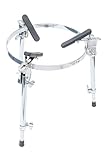
6. Gibraltar 9517 Double-Braced Double Stand
A double stand with double-braced legs, round rubber feet and adjustable shell supports for 11 to 12.5 inch congas. It works with most L-bracket mounts, adjusts from 25 to 42 inches and has a memory lock. The listing gives 4.9 kg and a 5-year warranty.
Suits: standing or seated two-drum play. Strengths: a wide height range and a memory lock. Weaknesses: limited to 11 to 12.5 inch shells. Skip it if your congas are larger or smaller.
View Gibraltar 9517 Double-Braced Double Conga Stand on Amazon
Setup Notes
- Measure the shell diameter of each conga and compare it with the listed range.
- Set the height first, then tighten the lock before loading the drum.
- Use rubber feet or a mat on smooth floors.
- Fold or remove legs before carrying a stand to a gig.
Mistakes to Avoid
- Buying a double stand when you own one drum.
- Ignoring the shell size range in the listing.
- Skipping a check of the page when a weight or item type looks wrong.
- Choosing a low seated stand when you plan to play standing.
Measuring Your Congas Before You Shop
A conga stand only works if it fits the drums you own, and a few measurements save a lot of trouble. Start with the shell diameter at the top, just below the rim, and again at the base. Congas are tapered, so the diameter changes along the shell. Many stands hold the drum by a ring or arms that touch the shell at a certain height, so the diameter at that point is what counts.
Measure each drum, since a pair usually has different sizes. Compare the numbers with the range listed for each stand. Note the minimum and maximum, and prefer a stand where your drum sits comfortably within the range, not at the very edge. A drum at the limit of the range may sit loosely or put pressure on the shell.
- Measure the top diameter, the widest part of the shell and the base.
- Note the height of the drum and the type of base, since some congas have feet or a rubber bottom that affects how the stand holds them.
- Check whether the stand supports the drum from the sides, a ring or the bottom.
- Check whether the listing mentions compatibility with specific brands or lines, and treat it as a guide only.
If you have a large quinto, a standard conga and a tumba, make sure the stand can hold all three sizes you plan to use, or plan for separate stands.
Seated Versus Standing Playing Heights
Playing height shapes your posture and comfort. Most conga players either sit on a stool and play with the drums between their knees, or stand with the drums at hip or waist height. The right stand allows the drum to sit where your hands naturally fall, with relaxed shoulders and wrists.
For seated playing, the top of the drum should be around the level where your forearms can rest slightly above horizontal. Too high and your shoulders lift, causing tension. Too low and you hunch over the drum. If you play on a stool, adjust the stool height as well, since the two work together.
For standing playing, the drum head should be near the height of your hips or lower waist so your arms can drop naturally to the surface. A stand with a wide height range gives you freedom to adjust for different players or settings. Check the listing for the minimum and maximum height, and whether the range is stated for the drum top or the stand itself.
- Try playing in both positions if you can, to see what feels natural.
- Remember that tilting a drum slightly forward or back can help your hands and the sound.
- If several players share a stand, a fast height adjustment is useful.
Build Quality, Weight and Stability
A stand has to hold a heavy drum at a good height without wobbling. Look closely at the frame, joints and locking mechanisms. Tube thickness, bracing and the way the legs spread all affect stability. A wide base resists tipping, while a narrow one takes up less room but may feel less secure when you play hard.
The height lock is critical. Wing bolts, memory locks and clamp collars each work differently. A lock that is easy to tighten and does not slip is far more important than a fancy finish. Rubber or plastic parts that touch the drum should be firm but not damaging, and the feet should grip the floor without scratching it.
- Weight: heavier stands are often steadier, but they are harder to carry. Think about whether you will move the stand often.
- Load rating: if the listing states a maximum weight, compare it with the combined weight of your drums.
- Finish: a good coating resists scratches and rust, which matters if you play outdoors or in damp venues.
Test the stand with the drum loaded before a gig. Rock it gently to check for movement, and play at full volume to see whether the stand vibrates or buzzes. Tighten all fittings and check them again after a short while.
Transport and Gigging Practicalities
If you carry your stand to rehearsals and gigs, practical details matter as much as sound. Check the folded size and weight, and whether it fits in your car or bag. Folding legs and quick-release parts save time, but they must still lock firmly when the stand is set up.
A few practical habits make transport easier:
- Fold or remove the legs according to the maker’s instructions and keep any small parts together, such as bolts and wing nuts.
- Use a padded bag or case if available, to protect the finish and avoid scratching drum shells.
- Carry spare fasteners if the stand uses loose hardware.
- Mark the height setting with tape so you can set it again quickly.
At the venue, place the stand on a stable surface. On smooth floors, a mat or rubber pads stop it from sliding. On stages with a riser, check that the stand is not at the edge of a platform. Consider cable and monitor positions so no one trips over the base. Always lift the drums on and off carefully, using both hands, and never leave a loaded stand where people can walk into it. Between songs, check that the height lock has not crept down, since a slowly sinking drum changes your playing position without you noticing.
Adjusting, Maintaining and Replacing Parts
A stand is simple, but it needs occasional attention. Regular checks keep the drum safe and the stand quiet. Start by looking at all the bolts and locks. Vibration from playing can loosen fittings over time, so tighten them periodically with the correct tool.
Watch for wear on the parts that touch the drum. Rubber pads can harden or tear, and padding can flatten. Replace them if they no longer protect the shell or hold the drum securely. Check the legs and joints for cracks, bends or rust. A bent leg is a safety concern and should be fixed or the stand replaced.
- Wipe the frame to remove sweat and dirt, and dry it well.
- Apply a small amount of light lubricant to moving parts only if the maker recommends it, taking care not to get any on the drum or the floor.
- Replace missing or damaged bolts with ones of the same size and thread.
- Check any welds or joints for cracks.
Retire the stand when it will not hold height, when it wobbles even after tightening, or when parts are cracked. Using a damaged stand risks the drum, which is far more expensive than the stand. Keep the original packaging or a padded bag for the frame, since scratches and dents often come from loose storage rather than from playing.
Conga Stands FAQ
Which stands hold two congas?
The LP290B, Toca TSDCS and Gibraltar 9517 are double stands. The others hold one drum.
Which ones fold?
The Toca TFBS-C lists folding legs for transport and storage.
How do I know if a stand fits my congas?
Measure the shell diameter where the stand will touch the drum and compare it with the listed range. Make sure the drum sits well inside the range, not at the limit.
Should I choose a single or double stand?
A single stand holds one drum and suits players with one conga or who want to arrange drums separately. A double stand holds two and keeps them at a fixed relationship. Choose based on how many drums you play.
Can I use a conga stand for bongos?
Only if the listing says it is compatible. Bongos are smaller and use different supports, so a conga stand may not hold them securely.
How high should I set the stand?
Set the drum head where your forearms can rest comfortably and your shoulders stay relaxed. Seated players usually need it lower than standing players. Adjust until you can play without tension.
Will a stand damage my drum?
A well-fitted stand with proper padding should not. Damage can happen if the drum is held too tightly or if rough parts touch the shell, so check the fit and padding.
Do I need rubber feet?
They help on smooth floors by reducing sliding and protecting the surface. If your stand does not have them, a mat or rubber pads are an easy addition.
How do I stop my stand from rattling?
Check that all bolts and locks are tight, and look for loose parts or worn pads. A thin piece of rubber between metal parts can sometimes reduce vibration, if the maker allows it.
How a Stand Changes Tone and Feel
A conga is a resonant shell with an open bottom, and the way it is held affects both sound and comfort. Most stand designs work by supporting the drum at the shell with rubber grippers, which lets the body vibrate with less interference than resting it on a hard surface.
When a stand cradles the shell loosely or touches only a few points, the drum rings more freely and the low tones open up. If the clamps are tight, uneven or metal-on-metal, the shell can buzz or sound dull. This is why the listings above that mention rubber shell grippers or adjustable pads, such as the LP Super Conga Stand and the Toca TFBS-C, are worth noting: the contact points are where you hear any problem first.
The open bottom also needs clearance. A drum that sits too close to the floor or to the stand frame loses its low end. Look for a design that lifts the drum enough that sound can leave the bottom, and check that the legs do not block the opening.
Comfort matters too. If a stand leaves the drum at an angle that forces you to bend your wrists, you will tire quickly and playing technique suffers. Adjustable angles, like the adjustable separators on the LP290B, let you tune the tilt to your hands.
One Double Stand or Two Single Stands
If you own two congas, you have a choice that changes how you play and how you travel.
- A double stand holds both drums on one frame at a fixed relationship. It is quick to set up, and the pair stays together in the same position every time. The downside is bulk. A double frame is awkward in a small car and gives less freedom to space the drums for your arm reach.
- Two single stands let you place each drum where you like, change the gap between them and carry them separately. They cost more in total and take more floor space, but they suit players who gig in different venues and want to adapt the setup.
Think about how you sit. If you play standing with the drums close together, a double stand keeps the angle consistent. If you use a third drum or other percussion nearby, singles give you flexibility. A folding single like the Toca TFBS-C also lets you grow a setup over time rather than buying a big frame upfront.
Check the compatibility of the drum sizes on a double stand too. Some listings give a specific shell diameter range, as noted for the Gibraltar 9517, so confirm that both of your drums fit within it.
Practice Rooms, Studios and Worship Spaces
Where the stand lives changes what you should prioritize. A home practice corner, a recording room and a stage each ask for different things.
In a home practice room, a low, light stand that you can seat yourself behind and pack away is often all you need. Rubber feet protect hardwood and tile, and a stand that fits in a closet matters more than one built to take a road case. A low seated option such as the Gibraltar GCS-LSP is designed for sit-down play.
In a studio, quiet matters. Metal parts that rattle or squeak will show up in a microphone. Choose a stand with rubber pads at every contact point and tighten each lock before recording. If you share the space with other players, an adjustable-height stand lets different people use it comfortably.
In a worship space or on a small stage, stability and quick setup matter more. A wide base reduces the chance of tipping when a player leans into a rhythm, and fast, tool-free adjustments save time between sets. If a stand has casters, check whether they lock, so the drums stay put during a song.
Before you buy, picture the room and the floor. A thick carpet needs wide feet to avoid sinking, and a slick floor needs grip.
Beginners, Kids and Shared Instruments
A first conga is usually a modest drum, and the stand should match the player. Adults new to the instrument often start seated with the drum between their knees, which a removable-leg or low stand supports well. If a stand lists a wide height range, it can grow with a student.
For children or teenagers, adjustability is the main concern. Check the lowest height the stand can reach, since many models are designed for adult standing play. A stand that only sets high may force a young player to stretch. Also avoid heavy frames that are difficult to move, since a younger student may need to carry the drum from room to room.
In schools, clubs and community groups, several people may share one instrument. Choose a stand with clear, simple locks and adjustment markings. It saves time when players with different arm lengths change places, and reduces the risk of a drum shifting mid-song.
Lastly, consider the drum itself. A stand is only useful if it fits, so measure the shell and compare it with the listing, as suggested earlier. If you are replacing the stand for an inherited or secondhand drum, take the diameter before you start shopping.
Frequently Asked Questions
Does a conga stand change how the drum sounds?
Yes. A stand that supports the shell through rubber grippers and keeps the open bottom clear lets the drum resonate more freely. Metal-on-metal contact or tight, uneven clamps can cause buzzing and a duller tone. Lifting the drum off the floor also helps the low end project.
Is a double stand better than two single stands?
It depends on how you play and travel. A double stand is quick to set up and keeps the drums in a fixed relationship, but it is bulky. Two singles cost more and take more space, yet they let you adjust spacing and carry the drums separately.
What height should a conga stand be for kids?
Look for a model with a low minimum height, since many are made for adult standing play. A younger player usually sits with the drum between the knees, so a low seated stand or removable legs helps. Check the listed height range before buying.
Can I use a conga stand in a recording studio?
Yes, but choose one with rubber pads at every contact point and tighten the locks first, because rattles and squeaks can show up in a microphone. A stand with quiet adjustments and a stable base is easier to work with during longer sessions.
The Short Version
For a rolling pair, the LP290B. For LP congas, the Super Conga Stand. For seated practice, the Gibraltar GCS-LSP. For Synergy drums, the Toca TSDCS. For travel, the Toca TFBS-C. For a wide height range, the Gibraltar 9517.