reviewstook.com is reader-supported. When you buy through links on our site, we may earn an affiliate commission.
Where to buy
Honesty first, because this search phrase hides a misunderstanding: there is no camera that mounts on, plugs into, or upgrades the lens inside a Samsung Galaxy S7. Clip-on phone lenses exist, yet they soften corners and vignette so reliably that recommending them would waste your money. People typing best cameras for samsung s7 usually want one of two real things — a standalone camera that pairs with the S7 over Wi-Fi so clips land on the phone for sharing, or a proper step up from a phone camera that has started to feel limiting. This guide serves both intentions and ignores the gimmicks.
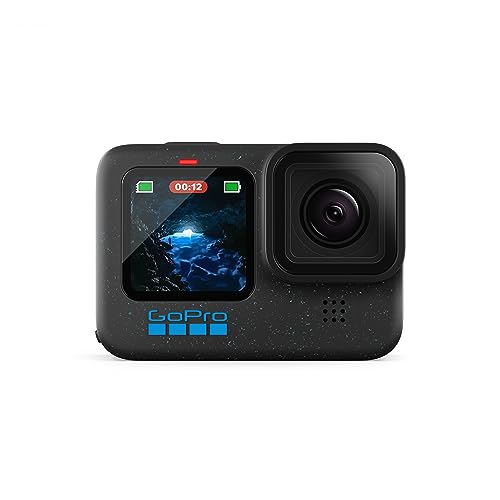
- GoPro HERO12 Black: check price on Amazon
- DJI Osmo Pocket 3: check price on Amazon
- Sony ZV-1F: check price on Amazon
- Insta360 GO 3S: check price on Amazon
- AKASO EK7000: check price on Amazon
- AKASO Brave 7 LE: check price on Amazon
Your S7 still has honest jobs in this partnership. It becomes the remote viewfinder on a tripod shot, the screen for reviewing a day’s clips in a café, and the upload machine that posts footage while the camera recharges. Every pick below connects to a phone app for framing and transfer, works without the phone when you would rather leave it in a dry bag, and records to its own memory card — because a camera that depends entirely on a nine-year-old handset’s battery has misunderstood the assignment.
Expect a genuine jump, not an incremental one. The S7’s small sensor was respectable in its day, but modern action cameras stabilise electronically at a level the phone never approached, the pocket gimbal below stabilises mechanically, and the Sony brings a sensor several times larger with autofocus that tracks faces instead of hunting for them. Keep the phone as the hub. Let a real camera do the capturing.
Key Takeaways
- Nothing worthwhile attaches to the S7’s own lens — buy a standalone camera and let the phone act as screen and uploader.
- The GoPro HERO12 Black is the toughest all-round companion for trips, water and rough handling.
- DJI’s Osmo Pocket 3 delivers the smoothest walking footage an S7 owner has ever seen from their own kit.
- The Sony ZV-1F is the true image-quality upgrade: bigger sensor, real face autofocus, flattering colour.
- Both AKASO models prove the pairing concept cheaply before you commit serious money.
- Check app compatibility with older Android versions before ordering any Wi-Fi-dependent camera.
In this guide
Quick Picks
| Camera | Badge | Why it is here |
|---|---|---|
| GoPro HERO12 Black | Best rugged companion | Waterproof, stabilised 5.3K video and an app workflow that suits a phone-centred kit. |
| DJI Osmo Pocket 3 | Best for smooth everyday video | A gimbal and a 1-inch sensor in a coat pocket; walking footage stops wobbling entirely. |
| Sony ZV-1F | Best image-quality upgrade | The step from phone snapshots to real photographs and proper talking-head video. |
| Insta360 GO 3S | Best wearable mini camera | Thumb-sized 4K capture that mounts anywhere and frees both hands. |
| AKASO EK7000 | Best budget trial | Waterproof 4K action footage for the price of a nice dinner out. |
| AKASO Brave 7 LE | Best budget step-up | Touchscreen, better stabilisation and a front screen for framing yourself. |
How did we judge cameras meant to partner a Galaxy S7?
Pairing came first. Each candidate had to frame, start, stop and transfer clips through a phone app without drama, because that is the workflow an S7 owner is actually buying. Cameras whose apps demand the newest operating systems were marked down hard — an older handset is the premise of this guide, not an edge case — and models that also work happily standalone scored back the points, since the best companion camera is one that never holds a trip hostage to a phone’s remaining charge.
Capture quality formed the second filter, measured against the phone itself. A pick only earns its place by beating the S7 at something the owner cares about: stabilisation on a moving bicycle, waterproofing at the pool, low-light video at a family dinner, or stills with genuine background separation. Sideways moves were cut. If a camera merely matched the phone while adding a second device to charge, it failed the basic logic of the purchase.
Finally, we weighed honesty about age. The S7’s battery is tired, its storage is finite, and its app support narrows every year. Recommendations therefore favour cameras with their own screens, physical controls and removable cards — cameras that treat the phone as a convenience. Buy any of the six and the S7 becomes more useful, not more burdened; that is the correct direction for a companion purchase.

GoPro HERO12 Black — Best rugged companion
The HERO12 is the camera S7 owners imagine when they picture leaving the phone safely in a bag. It is waterproof without a case, shrugs off drops that would end a handset, and records stabilised 5.3K video that makes holiday footage look professionally shot even when the operator was jogging down a harbour wall. Its wide field of view swallows scenery the phone’s narrower lens crops, and time-lapse and night modes turn a tripod evening into material the S7 could never gather.
As a partner it behaves well: the GoPro app handles framing, settings and transfers, while the camera’s own rear screen and voice control mean the phone can stay pocketed on wet or dusty days. Battery life improved meaningfully in this generation, and the accessory ecosystem — mounts for bikes, helmets, chests and dashboards — is the deepest in the category. Owners stepping up from phone video should expect a learning curve around modes and aspect ratios, rewarded within the first trip.
Ownership settles into a rhythm quickly with this one. It lives in the dry bag or the car’s glovebox, comes out for anything involving water, wheels or weather, and its files transfer in the evening while dinner cooks. S7 owners upgrading for a specific trip — a boat holiday, a ski week, a festival — consistently rate it the purchase that changed their footage most, precisely because it attends the moments the phone was never invited to. If your filming ambitions have a pulse and a postcode outdoors, start here and let the rest of the kit form around it.
- Video: up to 5.3K with electronic stabilisation
- Body: waterproof without a housing
- Control: touchscreen, voice commands, phone app
- Mounts: the largest accessory system in action cameras
Strengths
- Survives water, sand and drops that end phones
- Stabilisation transforms moving footage
- Works fully without the phone nearby
Trade-offs
- Low-light video is good, not magical
- Menus reward a little study
- Best accessories add to the bill
Best for: trips, water sports and rough outdoor days. Not suited for: quiet indoor family filming as the main job.

DJI Osmo Pocket 3 — Best for smooth everyday video
Where the GoPro armours up, the Pocket 3 glides. Its motorised three-axis gimbal cancels hand shake mechanically, so a walk through a market or a grandchild’s school play records with a floating calm no phone stabilisation imitates. The 1-inch sensor is the largest in this companion class, gathering low-light detail at restaurants and evening streets that the S7 turns to mush, and face tracking keeps a talking presenter centred while the camera sits on a café table.
Daily-life fit is its deeper appeal. It powers on by rotating its screen, slips into the pocket the phone vacated, and transfers clips wirelessly for posting. The rotating display handles vertical social video natively — a format the S7 era barely anticipated. Fragility is the honest caveat: a gimbal is a precision instrument, happier in a case than in a kayak. Choose it for the ninety percent of life that happens on dry land, on foot, among people.
There is also a social ease to filming with it that owners mention often. A phone raised at a family gathering reads as distraction; this small gimbal reads as intention, and people relax, perform less and forgive its presence faster. Grandchildren address it like a pet. Friends ask to see the walking shot played back on its own bright screen. The S7, meanwhile, stays face-down and silent, which improves the gathering itself — an image-quality argument no specification can capture, and one reason this pick anchors so many households’ video revival.
- Sensor: 1-inch, on a three-axis gimbal
- Video: 4K, with face and subject tracking
- Screen: rotates for horizontal or vertical shooting
- Carry: genuinely pocket-sized
Strengths
- Walking footage of uncanny smoothness
- Strong low-light video for its size
- Starts and shoots in seconds
Trade-offs
- Gimbal deserves careful handling
- Not waterproof like the action cameras
- No zoom beyond digital cropping
Best for: travel diaries, family video and walking tours. Not suited for: mounting on helmets or handlebars.

Sony ZV-1F — Best image-quality upgrade
Some S7 owners are not really shopping for a companion; they are shopping for an exit from phone photography. The ZV-1F is that exit at its friendliest. Its 1-inch sensor and wide fixed lens produce stills with real depth and video with the soft background separation phone portrait modes fake, while Sony’s face and eye autofocus holds a speaker sharp through gestures and glances away. Colours lean warm and flattering straight from the camera, sparing beginners the editing suite entirely.
The design assumes a phone native. Menus are visual, a background-blur switch replaces aperture theory, and the flip screen frames selfies and video diaries exactly as a front camera taught you to expect — except the quality gap is embarrassing for the phone. It lacks zoom and weather sealing, and serious photographers will outgrow a fixed lens. As the first real camera after years of phone-only shooting, though, its hit rate is the highest here: it makes its owner look competent immediately.
Think of it, finally, as the camera that teaches photography by rewarding it. Its depth of field makes subject choice visible, its autofocus makes timing the skill that matters, and its files survive enlargement to a living-room print — a test that ends most phone photographs’ ambitions. Owners who began with it after years of phone-only shooting frequently describe the same small shock: a framed print of their own, on their own wall, indistinguishable from the work they used to admire. The S7 started that journey as the camera in their pocket; this Sony is where the journey becomes a hobby.
- Sensor: 1-inch, roughly 20 megapixels
- Lens: fixed ultra-wide, bright aperture
- Autofocus: face and eye priority
- Screen: fully articulating for self-framing
Strengths
- A visible leap beyond phone image quality
- Beginner-proof controls and colour
- Excellent for talking-head video
Trade-offs
- Fixed lens; no telephoto reach
- Not weather-sealed
- Enthusiasts will want interchangeable lenses later
Best for: phone photographers ready for a real camera. Not suited for: wildlife or sports reach.

Insta360 GO 3S — Best wearable mini camera
The GO 3S answers a different frustration: the moments an S7 misses because fishing out a phone, unlocking it and framing the shot takes four seconds too long. This camera weighs about as much as a thumb, mounts magnetically to a cap, a chest pendant or a fridge door, and starts recording 4K video with one press — the dog’s first swim, the toddler’s goal, the fish striking — captured from your own point of view with both hands still free.
Its flip-up action pod doubles as a screen, charger and remote, and clips flow to the phone app for quick edits with automatic reframing. The compromises are physics: short recording bursts rather than hour-long sessions, modest low-light ability, and stills that serve social sharing rather than printing. Treat it as the always-present second camera in a kit anchored by the phone, and its hit rate on unrepeatable moments justifies it entirely.
Its party piece deserves one more mention, because it changes what owners attempt. Mounted at chest height during a bike ride, a cooking session or a toddler’s-eye tour of the garden, it records a viewpoint that feels like memory itself — hands busy, world approaching — and reviewing that footage on the phone in the evening has a small magic to it. Battery discipline is the only real management task: charge the pod, respect the short-clip design, and it will be ready for the unrepeatable seconds that justify its existence.
- Size: thumb-scale, magnetic mounting system
- Video: 4K in a wearable form factor
- Pod: flip screen, charging and control in one
- Use: hands-free point-of-view capture
Strengths
- Catches moments phones arrive too late for
- Mounts almost anywhere, instantly
- Effortless social-ready clips
Trade-offs
- Short clips rather than long recordings
- Low light is its weak hour
- Not a primary stills camera
Best for: parents, anglers, cooks and POV creators. Not suited for: filming a full ceremony or match.

AKASO EK7000 — Best budget trial
Not everyone should spend flagship money to discover whether action cameras suit them. The EK7000 has introduced more beginners to the category than any rival: 4K video, electronic stabilisation, a waterproof case for snorkelling and pool duty, a wrist remote, and a phone app for transfers — the complete companion concept at a price that forgives experimentation. Footage in daylight is cheerful and sharp enough for family archives and social posts.
Calibrate expectations to the tier and it delights; demand GoPro polish and it cannot follow. Stabilisation is a generation behind, low-light clips soften, and the app experience is functional rather than slick. Many owners use it exactly as intended — a season of holidays, a few swims, a bike mount — then upgrade with informed opinions, keeping the AKASO as the camera lent to children and strapped to risky mounts. That is a respectable career for any budget tool.
Second owners tell an interesting story about this model: it is the camera that gets borrowed. Lent to teenagers for pool parties, strapped to a kayak by a cousin, handed to a grandchild for a first filming project — its price makes generosity possible, and the footage that returns is reliably better than a phone’s would have been in the same reckless hands. There is a place in many kits for the camera nobody has to be precious about, and a decade of beginners has voted this one into that role.
- Video: 4K with basic electronic stabilisation
- Case: waterproof housing included
- Extras: wrist remote and mounting kit in the box
- App: Wi-Fi transfer to the phone
Strengths
- The full action-camera idea at a trial price
- Generous bundle of mounts and case
- Expendable where a flagship would be babied
Trade-offs
- Stabilisation trails the leaders
- Dusk footage loses detail
- App polish is basic
Best for: first-time action camera buyers. Not suited for: creators publishing polished travel films.

AKASO Brave 7 LE — Best budget step-up
The Brave 7 LE is what the EK7000’s satisfied owners buy next when the flagship tier still feels extravagant. It adds a touchscreen for civilised menus, a front-facing screen that transforms self-framing on hikes and vlogs, and improved stabilisation that narrows the visible gap to the big brands in daylight. Weather sealing improves too, with the body itself resisting splashes before the waterproof case comes out for dives.
Against the phone it wins the same battles as its sibling — water, mounting, wide angles — while asking less squinting and guesswork. Video tops out at 4K with quality that flatters holidays and family sport, and the dual-screen layout quietly fixes the budget category’s oldest annoyance: recording yourself blind. It remains a daylight-first camera whose low-light work is serviceable rather than lovely, which at its tier is an honest trade rather than a flaw.
The step-up logic completes itself after a few months of use. Owners who began with the entry AKASO and graduated here describe the front screen as the feature they would never surrender — solo hiking films, campsite diaries and market walk-throughs all frame correctly the first time. Paired with the S7 as publisher, it forms the most capable budget partnership in this guide, and its ceiling in daylight sits high enough that many owners simply stop shopping, which is the sincerest verdict any camera can earn.
- Screens: front and rear displays for self-framing
- Video: 4K with improved stabilisation
- Body: splash-resistant, case included for diving
- Control: touchscreen menus
Strengths
- Front screen ends blind self-recording
- Noticeably smoother than the entry model
- Still firmly in trial-price territory
Trade-offs
- Night footage stays modest
- Colours need daylight to sing
- App experience is merely adequate
Best for: budget vloggers and hiking self-filming. Not suited for: evening events as the main camera.
Will these cameras actually work with an older phone’s app?
Mostly yes, with one verification habit: check the app’s stated minimum Android version against your handset before ordering, because companion apps are where older phones meet their limits first. The good news is structural — every pick here records fully standalone, with its own screen and controls, so even if an app update eventually leaves the S7 behind, the camera keeps working and files move by card reader. Buy the camera for its own merits and treat app pairing as a bonus with a shelf life, and the purchase stays sound for years.
What improves most when you stop filming everything on the phone?
Stability, in every sense. Physically, footage stops swimming: gimbals and modern electronic stabilisation hold horizons level and faces steady, which viewers experience as professionalism without knowing why. Logistically, your phone stops being the single point of failure for a whole trip — it keeps its charge for maps, messages and payments while the camera burns its own battery on recording duty. And creatively, a dedicated device invites intention: you pick it up to film, so you film deliberately, and the archive improves in composition as much as in pixels.
How do you move clips from camera to phone without frustration?
Build the habit on day one, while enthusiasm is high. After each outing, start the camera’s Wi-Fi transfer for the handful of clips you actually want, not the entire card — selective transfer is faster, kinder to phone storage, and forces the culling that keeps a library watchable. For bulk moves, a small USB card reader beats wireless entirely and never asks about app versions. Rename nothing, back up the card to a computer monthly, and the system survives both phone upgrades and app changes unscathed.
Which pick suits a beach and pool holiday best?
The HERO12, and it is not close: waterproof in its own skin, it goes from beach bag to reef without a case ritual, and its stabilisation handles boat decks and body-surfing alike. The AKASO pair follow inside their housings for travellers counting money, with the Brave 7 LE’s front screen earning its keep on snorkel selfies. Keep the Pocket 3 and ZV-1F for the dry chapters of the same holiday — dinners, markets, evening walks — where their sensors repay the caution. Rinse any camera that met salt water in fresh water afterwards; the habit adds years.
Can a companion camera revive interest in a neglected photography hobby?
Frequently, because it removes the phone’s two quiet discouragements: interruptions and sameness. A dedicated camera does not buzz with messages mid-composition, and its files reward a larger screen and a light edit in ways phone JPEGs rarely do. The ZV-1F serves this revival best, with real depth of field and colour that flatters early efforts, while the Pocket 3 rekindles the video side. Start with a weekly walk and one subject — a street, a dog, a garden through seasons — and let the archive make the argument for continuing.
What should you check about storage before the first trip?
Cards, plural, and honest arithmetic. A day of 4K action footage can swallow tens of gigabytes, dwarfing what an S7-era owner is used to, so carry at least two fast cards rated for video, format them in the camera, and never let the phone become the only copy of anything. The companion workflow works best when the phone holds selected clips for sharing while cards and a home backup hold the masters. Storage is the cheapest insurance in this entire guide; buy it before the second battery.
How do batteries change when a camera joins the kit?
You now manage two ecosystems, and the trick is to make the camera’s self-sufficient. Spare batteries for the action cameras, a power bank shared with the phone, and a charging ritual on travel days — camera batteries first, since the phone can sip from any café socket. Owners report the surprise benefit within a week: the S7, relieved of filming duty, suddenly lasts the day again. A companion camera is, among other things, the most enjoyable battery upgrade an old phone can receive.
When is the phone still the right camera?
Often enough that nobody should feel foolish using it: the spontaneous street scene, the document scan, the quick product photo for a listing, the moment where any camera at all beats the perfect one at home. The picks here are for the planned chapters — trips, swims, family events, a growing video habit — where foreknowledge lets you charge and carry the right tool. A mature kit uses both without ideology, phone for the unplanned, camera for the anticipated, and the archive improves from the partnership rather than from either device alone.
What about sound, if you start filming family interviews?
Move closer before buying anything. All six picks record usable audio at conversational distance in a quiet room, and all six suffer across a windy garden — physics, not brand failure. Interview grandparents at a kitchen table, camera on a small tripod an arm’s length away, television off, and the results will move you regardless of which pick recorded them. If interviews become a project, a camera with a microphone input or wireless mic support deserves the next upgrade conversation; for occasional family history, proximity and quiet beat accessories.
How long will a companion camera stay useful?
Longer than the phone that inspired it, which is the quiet economic argument of this whole guide. Action cameras and pocket gimbals from several generations back still shoot publishable footage, because sensors and stabilisation matured years ago and now improve incrementally. Your next phone will pair with the same camera; the one after that probably will too, via card readers if not apps. Buy the pick whose handling you enjoy, learn it properly, and expect it to outlast two handsets — a horizon no clip-on lens has ever offered an S7 owner.
What is the simplest first-week plan with a new camera?
Day one, charge everything and shoot the house and garden while reading nothing. Day two, film a familiar walk and compare the footage with the same walk shot on the phone — the difference teaches more than any manual. Midweek, try the camera’s signature trick: water for the action models, tracking for the Pocket 3, background blur for the Sony. By the weekend, take it somewhere real, transfer the best five clips that evening, and back the card up. Owners who complete that week keep their cameras; owners who leave one in a drawer for a month often never start.
How do you choose between the two AKASO models?
By how you film yourself. If the camera mostly points away from you — trails, water, the children’s sport — the EK7000’s bundle and price settle it. If you narrate, vlog, or hike solo and frame yourself constantly, the Brave 7 LE’s front screen and touchscreen repay their modest premium every single outing. Both share the same honest ceiling in low light, so let the screens decide; it is the difference you will touch daily, unlike specifications you will read once.
Why does the S7 make a better hub than a newer phone in one respect?
Because it asks so little of the partnership. Its owner has no illusions about it being the camera, so the division of labour stays clean: the handset handles framing checks, transfers and posting, the dedicated camera handles capture, and neither pretends to the other’s job. Owners of newer flagship phones often delay buying a real camera for years, suspended by a device that is almost good enough. The S7’s obvious limits are, paradoxically, a decision-making gift — the upgrade case is clear, and every pick in this guide answers it.
What does a first month of ownership actually look like?
Week one is comparison week: you film the dog, the street and the same sunset on both devices, and the phone loses often enough to settle the argument. Week two is habit week, when the camera starts living where life happens — the hall table, the car console, the coat with the big pocket — instead of in its box. By week three the division of labour feels natural: the S7 buzzes with messages on the café table while the camera, face-down and patient, waits for the walk home through the evening market. Week four is when owners typically stop bringing the phone’s camera up in conversation at all. The transition is less about image quality than about roles: two devices, each doing the job it is good at, stop competing and start cooperating.
How should an S7 owner think about video resolution?
With suspicion toward the biggest number. The HERO12’s 5.3K and the AKASOs’ 4K describe pixel counts, not quality, and the gaps that actually show on a television come from stabilisation, sensor size and light. Shoot the resolution your editing and storage can comfortably hold — for most households that is 4K for keepers and a step down for casual clips — and spend the attention saved on framing and steadiness. A well-held 4K shot from the Pocket 3 will out-watch a shaky maximum-resolution clip every time, and your future self, browsing the archive, will thank you for footage that is pleasant rather than merely enormous.
What changes for still photographs when you add a real camera?
Depth and patience. Depth, because the ZV-1F’s larger sensor separates a subject from its background with genuine optical softness, giving family portraits the look phone portrait modes imitate with edge-detection errors around hair and glasses. Patience, because a camera without notifications invites the extra ten seconds — step closer, wait for the expression, let the light shift — in which good photographs live. Owners migrating from an S7 often report that their keeper rate doubles within a month, not because the camera is smarter, but because the ritual around it is calmer. The phone remains unbeatable for the photograph that must be taken now; the camera wins the photograph that can be taken well.
How do you film a family celebration with a companion camera?
Assign the camera a position and a job before the guests arrive. On a small tripod at the room’s edge, a Pocket 3 or ZV-1F records the party’s wide story — arrivals, laughter, the cake’s procession — while you stay present as a host instead of a cameraman. Between courses, pick it up for two-minute rounds of faces and details, then set it back down. The S7 handles the instant shares relatives demand on the spot. This division produces something phone-only filming never does: an evening you actually attended, plus a film of it, rather than an evening watched through a screen with a film as compensation.
What should cyclists and runners know about this shortlist?
Mounts decide everything. The HERO12’s ecosystem includes chest, handlebar and helmet mounts refined over a decade, and its stabilisation was practically designed for gravel roads and trail descents. The GO 3S offers a lighter philosophy — cap or chest pendant, point-of-view footage, negligible weight — for runners who would never tolerate a rig. The AKASOs join the same standard mounts at budget prices, making them the sensible first experiment. Whichever you choose, tether it: a mount failure at speed is a camera lost, and the S7 in your pocket cannot film the rest of the ride either.
How do you keep footage organised when two devices are recording?
By deciding that the camera is the archive and the phone is the showcase. Everything the camera shoots stays on its cards until a monthly backup moves it to a computer or drive, dated by folder. The phone receives only the selected clips destined for sharing, which keeps its limited storage breathing and its gallery meaningful. Resist the urge to duplicate entire cards onto the handset “just in case” — that way lie full storage warnings mid-holiday. One master, one showcase, one backup: a system simple enough to survive tired evenings and busy trips alike.
What does the upgrade mean for photographing pets?
Pets expose phone cameras mercilessly: indoor light, constant motion, fur that defeats autofocus. The ZV-1F’s animal-friendly eye detection and larger sensor produce the first sharp, bright portraits many owners have ever taken of a dog that will not sit still, while the GO 3S rides at pet height for point-of-view clips no human would think to film. The action cameras contribute their own joy — a HERO12 at lawn level as the puppy charges it is a family classic in the making. Expect your pet archive to improve more dramatically than any other category of your photography; the baseline was simply that low.
How should you handle the camera in rain and cold?
Match the tool to the weather without drama. Rain is the action cameras’ home turf — the GoPro and both AKASOs treat a downpour as a filming condition, not an emergency — while the Pocket 3 and ZV-1F should shelter under an umbrella’s edge or a jacket until the shower passes. Cold drains every battery faster, the S7’s elderly one fastest of all, so carry spares warm in an inside pocket and rotate them. A lens cloth matters more in winter than any accessory: condensation fogs glass the moment a cold camera meets a warm room, and ten patient minutes prevent a ruined evening’s footage.
What is the honest case for waiting and saving instead?
It exists, and fairness requires stating it. If your filming ambitions are a single annual holiday and a birthday or two, the S7 plus free editing apps may genuinely suffice, and the money is better kept. The case for buying rests on frequency: weekly filming, water, sport, grandchildren, a hobby rekindling — patterns where the phone’s limits tax you repeatedly. Count last month’s filming occasions honestly. Fewer than two, wait. More than four, and any pick here will repay its cost in footage you would otherwise have watched wobble, darken or swim away unrecorded.
How do grandparents in particular benefit from this pairing?
Because the pairing plays to established strengths. The phone skills are already there — messaging, sharing, video calls — and the camera asks for only three new habits: charge it, carry it, press one button. The Pocket 3’s tracking means a grandparent filming a recital never pans or zooms; the camera follows the small performer itself. The ZV-1F’s blur switch replaces a chapter of photography theory with one satisfying control. Families report the real transformation is social: footage starts flowing in the other direction, grandparents sending films instead of only receiving them, which alone justifies the modest learning curve.
What should you do with the S7’s own camera roll afterwards?
Curate it once, kindly. The arrival of a real camera is the natural moment to back up the phone’s years of photographs, delete the duplicates and screenshots, and free the storage the companion workflow needs for incoming clips. Owners who skip this step find the old handset choking on transfers within weeks. Treat the S7’s gallery as an archive to be preserved rather than a workspace, and the phone settles into its new role — hub, screen and publisher — with room to breathe and years of lighter service ahead of it.
How does night filming change with a dedicated camera?
Evenings are where the S7’s age shows first — noise, smeared motion, autofocus wandering between lamps. The larger sensors in the Pocket 3 and ZV-1F gather several times the light, holding faces recognisable and colours intact at the dinners, night markets and floodlit gardens where family life actually happens after dark. The action cameras manage respectably in lit streets and poorly in true darkness, which is a fair trade for their daylight heroics. Practical advice: film people near light sources rather than against them, keep the camera still and let subjects move, and the night footage gap between phone and camera will startle you more than any specification promised.
What role does a small tripod play in this kit?
A disproportionate one. A pocket tripod turns the ZV-1F into an interview studio, the Pocket 3 into a time-lapse machine watching a harbour tide, and any action camera into a patient observer of a bird table or a building project. It also solves the oldest group-photo problem — somebody always missing — by letting the S7’s owner step into the frame while the camera, not the phone, does the honours. Buy the tripod with the camera rather than after it; the first month is when habits form, and a camera that can stand alone gets used alone, often and well.
How should you share footage with family who are not technical?
Through the phone, exactly as you do now — which is the partnership’s hidden elegance. The camera captures, the S7 selects and sends, and relatives receive clips in the same messages and albums they already understand. Nothing about the audience’s experience changes except the quality of what arrives. For grandparents at the other end, a shared album that quietly fills with steadier, brighter films is the entire user interface. Keep the workflow invisible and the technology will be judged, correctly, on the footage alone.
What is the resale and hand-me-down picture for these picks?
Strong, because cameras age more gracefully than phones. A GoPro or Pocket camera several years old still shoots footage a new mid-range phone struggles to match in stabilisation and durability, so each pick here holds a second life — sold to fund an upgrade, or handed to a teenager whose filming career is just beginning. The AKASOs skip resale and go straight to beloved hand-me-down status. Whichever route a pick eventually takes, its working life will almost certainly extend beyond the S7 that inspired its purchase, and planning that handover is a pleasant problem to have.
How do you decide what to film in the first place?
Let the calendar decide. Birthdays, trips, matches, recitals, the dog’s Saturday swim — the recurring events of a family’s year form a filming list that writes itself, and a companion camera earns its keep by attending them reliably rather than by chasing novelty. Owners who thrive with these picks think in seasons: the garden through spring on the Sony, the coast in summer on the GoPro, the school year on the Pocket 3. The S7’s role in this rhythm is archivist — receiving, selecting, sharing — and a year of this quiet system produces a family record of a quality no single device, phone or camera, was ever going to make alone.
What editing is worth learning, and what is not?
Trimming, and almost only trimming. Cutting a clip’s dead opening seconds and abrupt ending transforms amateur footage more than any filter, transition or soundtrack, and every companion app here makes it a two-minute job on the phone. Colour grading, speed ramps and multi-camera edits belong to a later enthusiasm, if it arrives at all. The discipline that matters at this level is selection: five honest clips chosen from fifty, shared while the day is still warm. Families watch trimmed, chosen footage again; they endure raw dumps once. Edit for the audience’s evening, not for your own completeness.
How does a companion camera change travel packing?
Barely, and that is the point of every pick here. The largest, the Sony, occupies the space of a paperback; the action cameras vanish into a wash bag; the GO 3S is smaller than the phone it partners. What changes is not volume but confidence: the S7 travels in a zipped pocket as the communications hub, no longer risked one-handed over harbour walls and canyon rails for the sake of a photograph. Travel insurance forms have a category for that behaviour, and it is not flattering. A camera you can afford to lose, filming the moments a phone should not be risked for, quietly reorganises the risk of the whole trip.
Why do owners keep the camera longer than they expected?
Because competence compounds. The first month teaches the buttons; the third teaches the light; by the sixth, owners are choosing positions, anticipating moments and returning with footage they once would have travelled to a photographer’s exhibition to see. A tool that keeps teaching earns its shelf space in a way a phone — replaced on a contract’s schedule, its camera a line in a comparison table — never quite does. The S7 will eventually retire. The habits, and very likely the camera it provoked you into buying, will still be working.
What is the one accessory to buy before all others?
A padded case that fits the camera and nothing else, bought the same day. Cameras die in bags, not in action — crushed against keys, drowned by a leaking bottle, sanded by beach grit. A small case ends that category of loss for the price of a streaming subscription, and it gives the camera a home your hand reaches for automatically. Everything else — mounts, tripods, microphones — can wait for a demonstrated need. Protection cannot, because the accident it prevents rarely announces which trip it has chosen.
Comparison: all six picks at a glance
| Camera | Form | Character | Choose it if… |
|---|---|---|---|
| GoPro HERO12 Black | Action camera | Rugged flagship | Water and rough travel lead your filming |
| DJI Osmo Pocket 3 | Pocket gimbal | Smooth storyteller | Walking and family video dominate |
| Sony ZV-1F | Compact camera | Quality upgrade | You are leaving phone photography behind |
| Insta360 GO 3S | Wearable mini | Moment catcher | Hands-free POV clips are the dream |
| AKASO EK7000 | Budget action | Trial run | You want the concept proven cheaply |
| AKASO Brave 7 LE | Budget action plus | Self-framing value | You film yourself on a budget |
What are the most common mistakes S7 owners make when buying a camera?
Buying a clip-on lens kit instead of a camera
The advertisements promise a transformation for the price of lunch; the physics delivers soft corners, flare and a phone still limited by its tiny sensor and absent stabilisation. Every pick in this guide exists because the honest answer to outgrowing a phone camera is a camera. Spend the lens-kit money toward the EK7000 and own a device that swims, mounts and stabilises — capabilities no piece of clip-on glass can confer on any handset.
Choosing a camera that only works through its app
App-dependent cameras become orphans the day an update passes your handset by. The six here all record, review and adjust on their own bodies, with the phone as an optional convenience. Before buying anything outside this list, ask the orphan question: if the app vanished tomorrow, what would this device still do? If the answer is “very little,” the device is a subscription in disguise, and an old-phone owner is the last person who should buy one.
Forgetting the card, case and second battery
A camera bought alone is a kit at half strength. The first trip exposes the omissions in order: the card fills by lunch, the battery fades by the excursion’s best hour, and the unprotected camera rides home in a beach bag full of sand. Budget the unglamorous trio from the start — fast card, spare battery, simple case — and the pick you chose gets to demonstrate why you chose it.
Final Recommendation
Match the pick to the life, not the specification sheet. Adventurous travellers should take the HERO12 and stop deliberating; family storytellers will love the Pocket 3’s calm footage from the first walk; phone photographers ready to graduate belong with the ZV-1F. The GO 3S is the joyful specialist for hands-free moments, and the two AKASOs let cautious buyers prove the whole companion idea at trial prices, front screen or not. Whichever you choose, your S7 retires from filming duty with honour — promoted to director’s monitor, editor’s desk and publisher, while a real camera finally does the capturing.
Frequently Asked Questions
Can I attach a better lens to my Galaxy S7 instead?
You can clip one on, but we advise against spending real money there. Clip-on lenses work against a tiny fixed sensor, typically softening edges and adding flare, and they do nothing for stabilisation, water resistance or battery life. A standalone camera — even the budget AKASO EK7000 — improves every one of those things at once, which is why this guide contains cameras rather than phone accessories.
Do I need to replace my S7 to use these cameras?
No. Every pick records independently to its own memory card and works from its own screen and buttons. The phone’s role is optional convenience: framing via app, transferring favourite clips, and posting. Check an app’s minimum Android version before relying on it, and keep a card reader as the universal fallback that no software update can take away.
Which pick is best for filming children and grandchildren?
The Pocket 3 for most families: it starts instantly, tracks a moving child’s face, and produces calm footage in living rooms and school halls where phones wobble and hunt for light. For pool parties and beach days the waterproof HERO12 takes over. Many grandparents end up with the pairing — gimbal for the house, action camera for the water — and the phone merely receives the results.
Will footage from these cameras look better on a television?
Yes, noticeably. Stabilisation and larger sensors hold up on a big screen in ways phone footage rarely does: horizons stay level, faces stay detailed, and evening scenes keep their colour instead of dissolving into noise. The ZV-1F and Pocket 3 show the largest televisions the clearest advantage, while the action cameras earn theirs in motion and water scenes the phone could not have attended at all.
What else should I budget for besides the camera?
A fast memory card rated for video, a spare battery for the action models, and a simple protective case. Together they cost a fraction of any pick here and prevent the three classic first-trip failures: full storage, flat battery, damaged camera. Add a mini tripod when family interviews or time-lapses tempt you; it is the cheapest production value in photography.
Related Guides
Keep exploring with our companion reading: best cameras for travel and family holidays, best action cameras for beginners on a budget and best cameras for vlogging your everyday life.


