reviewstook.com is reader-supported. When you buy through links on our site, we may earn an affiliate commission.
Where to buy
This guide is for everyone who has ever typed some version of ‘I just want a good camera’ and been buried under words like aperture, sensor crop and dynamic range. Normal people — parents, travellers, grandparents, the family historian — want photographs that look like the moment felt, from a camera that does not need a course, a bag of lenses or a personality transplant. Every camera below was chosen on exactly those terms, and each model here is available from Amazon. Plain words are used throughout, and where a technical word is unavoidable, it is translated on the spot.
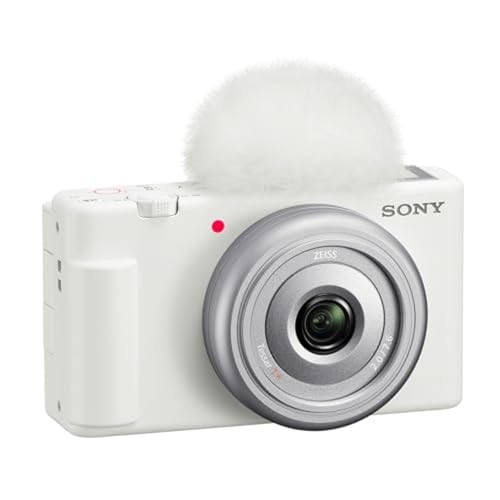
- Sony ZV-1F: check price on Amazon
- Nikon Z50 II with Two Lenses: see the current price on Amazon
- OM SYSTEM Tough TG-7: view this camera on Amazon
- DJI Osmo Pocket 3: check availability on Amazon
- GoPro Hero: see it on Amazon
- AKASO EK7000: look at it on Amazon
The best cameras for normal people start from a truth the camera industry finds uncomfortable: most photographs that matter are of birthdays, holidays, grandparents, new babies, old dogs and the light in a favourite place — and they are taken by people whose interest in photography begins and ends with the people in the frame. A camera for that person is not a lesser camera. It is a camera judged by a different and arguably harder standard: it must be ready instantly, forgive everything, flatter everyone, survive the family, and produce a photograph good enough to frame without the photographer having thought about photography at all.
Why not just use a phone? Because normal people have noticed the phone’s limits at exactly the moments that matter most: the school play from row twelve, where the phone’s zoom turns children into soup; the evening garden party, where faces smear as the light goes; the once-a-decade family gathering where the official photograph deserves better than a device that was also answering messages. A real camera — even the simplest in this guide — has a bigger eye for light, a real zoom that reaches, and the dignity of being only a camera, present for the occasion rather than borrowed from it.
This guide also refuses the upsell that waits for normal people in every camera shop: the complicated kit bought in a flush of good intentions, used twice, and stored in a cupboard of quiet guilt. You will find one such kit here — clearly labelled, for the normal person who suspects they might actually enjoy this — but the heart of the list is cameras with no homework: switch on, point at the people you love, press, and get a photograph that does the moment justice. That is not a compromise. For most households, it is the entire point.
Read the six by household rather than by specification. The new-baby household, the travelling household, the outdoors household with the dog and the boat, the grandparent household that wants the grandchildren sharp at the school concert — each has a camera below wearing its name. Prices are described in plain tiers rather than figures, because the right question is not what a camera costs but whether it will be used for ten years or ten days. The used ones are bargains at any price. The cupboard ones are theft at any discount.
One more reassurance, aimed at the reader who has reached this page after an hour in the specification jungle: you are not behind. The photographs that win family hearts are not waiting on a technique you have not learned; they are waiting on a camera that is present, ready and forgiving at the moments your family already lives. Everything in this guide was chosen to close the distance between the life and the photograph of it — no course, no conversion, no new personality required. Normal is not the consolation audience for cameras. Normal is the main event, and it always was.
Key Takeaways
- A normal person’s camera is judged by readiness and forgiveness, not by specifications.
- The ZV-1F is the easiest camera here: pocket-sized, instant, and kind to every face.
- Real zoom is the phone’s biggest gap — the Nikon kit reaches the school stage properly.
- The TG-7 is the family-proof camera: drop it, soak it, hand it to a child.
- If a camera needs a course, it is the wrong camera for most households.
- The best camera for normal people is the one that leaves the cupboard — buy for your real life.
In this guide
Quick Picks
| Camera | Badge | Why it is here |
|---|---|---|
| Sony ZV-1F | Easiest camera for most people | A pocket camera that is ready before the moment ends and kind to every face it meets. |
| Nikon Z50 II with Two Lenses | Best camera for families who want zoom | Two lenses that cover everything from the group photo to the far end of the stage — with friendly automatic help. |
| OM SYSTEM Tough TG-7 | Best camera for families who break things | Waterproof, drop-proof and child-proof — the camera for beaches, pools, boats and butterfingers. |
| DJI Osmo Pocket 3 | Best camera for family videos | A tiny camera on a steadying gimbal that films family life smoothly — holidays, first steps, grandparents’ stories. |
| GoPro Hero | Best simple camera for sport and adventure | The small, tough GoPro for bikes, slopes, swims and everything a normal life does at speed. |
| AKASO EK7000 | Best budget camera for a second or spare | A very inexpensive action camera for the car, the kids, the spare bag — anywhere a camera should be and a precious one should not. |
How did we judge cameras for people who are not photographers?
We handed these cameras to the people they are for: a grandparent at a school concert, a parent at a rainy sports day, a traveller who packs light and reads nothing, a teenager at a family wedding with instructions to ‘just take some nice ones’. We scored the time from picking the camera up to a photograph worth keeping, the quality of the fully automatic results — because that is the mode these cameras will live in — and the forgiveness factor: how the camera handles shaky hands, dim rooms, moving children and a photographer who is also holding a drink, a programme and a conversation.
We also scored the household realities that reviews ignore. Can the photographs get to the family chat without a computer science degree? Does the camera charge like a phone or demand a ritual? Will it survive the beach bag, the glove compartment and the toddler? And the ten-year test: when this camera is found in a drawer in a decade, will its photographs still be the ones the family prints? Cameras for normal people are family infrastructure, and we judged them as such — on a decade of birthdays, not an afternoon of test charts.
A note on what we deliberately did not score: the opinions of photographers. Every camera here was judged by its results in non-photographers’ hands, including the ones the camera world considers compromised, because a compromise that a normal person never encounters is not a compromise in any sense that should reach their wallet. If a keen photographer in the family disagrees with a ranking, they are probably right — for a photographer. This guide is for everyone else, and everyone else is most of the world.

Sony ZV-1F — Easiest camera for most people
If this guide had to be one camera, it would be this one, in white, in a jacket pocket. The ZV-1F makes a single promise and keeps it completely: point it at the moment and it will come home with the photograph. Its lens is wide, which suits the way normal life is photographed — the group around the table, the child against the view, the room full of cousins — and its automatic brain is genuinely good, the product of a company that has spent decades learning what a face should look like in bad light at a party.
It is ready the way moments require. Out of the pocket, on, pressed — the sequence takes seconds and asks no decisions, which matters because family moments do not wait for menus: the candle blown out, the first steps, the grandfather laughing are all events with a half-life. A camera that attends them without negotiation will, over ten years, accumulate the family archive that the complicated camera in the cupboard was bought for and never produced.
Its video deserves a plain-words commendation: press the button and it films the school song, the birthday speech and the sea coming in, with sound that respects voices, in a quality that will still look good when the children are grown. Normal households increasingly keep their memories moving as well as still, and this camera treats both as the same simple act, which is exactly how families experience them.
Know its one real limit, because this guide will not hide it: it does not zoom. The distant stage, the bird, the far end of the sports field are beyond its fixed wide view, and households whose lives are full of those subjects should read the Nikon sections next. For the great middle of family life — near, warm, unrepeatable — the ZV-1F is the easiest good camera money can buy, and ease, over a decade, is quality.
- Size: jacket-pocket compact
- Lens: fixed wide lens for groups and places
- Screen: touchscreen, mostly automatic
- Video: easy 4K clips as well as photos
- Charging: simple USB charging
Strengths
- No settings to get wrong
- Fast enough for real family moments
- Video as easy as photographs
Trade-offs
- No zoom for distant stages
- Small battery — a spare helps
- White finish shows family life honestly
Best for: parents, travellers and anyone who wants a camera that just works. Not suited for: photographing distant sport or wildlife

Nikon Z50 II with Two Lenses — Best camera for families who want zoom
The Nikon kit is the answer to the phone’s most common failure: distance. Its second lens is a genuine telephoto — in plain words, it brings far things close without turning them to mush — and that one capability transforms the family archive: the child actually recognisable in the school play, the graduate’s face at the ceremony, the deer at the safari park, the surfer who is your nephew. Households buy this kit for the zoom and stay for everything else, but the zoom alone justifies it at the first concert.
Despite being a real camera with interchangeable lenses, it is built to be kind. Its automatic modes find faces — and, charmingly, pets — and keep them sharp while the photographer concentrates on the moment; its colours come out bright and finished, ready to send to the family chat without any editing whatsoever; and its viewfinder, the little window you hold to your eye, makes bright-day photography easier than squinting at a screen in sunshine. A normal person can use it on full automatic for years and be delighted, which is the correct test of a family camera.
The honest costs are size and a small ritual. It travels in a little bag rather than a pocket, and changing lenses — wide for the group, long for the stage — is a minute’s care that becomes second nature within a month. In exchange, the household owns a camera that covers essentially everything family life photographs, and that can grow: if a teenager in the house catches the photography bug, this kit becomes their education without another purchase, a possibility this guide has seen turn into careers.
Buy it as the family camera, owned by the household rather than by a hobbyist, kept charged by the door with the coats. Cameras that live by the door attend things. This one, attending everything from the play to the holiday to the dog’s best years, will pay for itself in the only currency family cameras are really bought in: the photographs exist.
- Size: small real camera with two lenses
- Lenses: one for groups and views, one for distance
- Help: automatic face and animal finding
- Colour: bright, finished-looking photos
- Screen: tilting, plus a proper viewfinder
Strengths
- Reaches the school stage clearly
- Finds faces and pets by itself
- Can grow if someone catches the bug
Trade-offs
- Two lenses means a small bag, not a pocket
- Costs more than the pocket cameras
- Swapping lenses takes a minute of care
Best for: families with school plays, sport and holidays to photograph properly. Not suited for: people who will only ever carry a pocket camera

OM SYSTEM Tough TG-7 — Best camera for families who break things
Every family has a camera-shaped graveyard: the one that met the sea, the one that met the pavement, the one that met a spilled drink at a wedding. The TG-7 is the camera that refuses to join it. It is waterproof enough to photograph the children in the pool from inside the pool, tough enough to survive the drop onto the patio, and sealed against the sand that has ended more holiday cameras than any other force in nature. For the outdoors household — beach, boat, ski trip, festival, allotment — it is not the rugged option. It is the only sensible one.
Its party trick is closeness. The TG-7 photographs tiny things — the ladybird on the child’s hand, the frost on the window, the shell in the rockpool — with special modes that make the miniature world look like a landscape. Children adore it, grandparents find it magical, and the family archive gains a whole scale of life that other cameras walk past. Combined with its habit of remembering where each photograph was taken, it becomes the expedition diary of every trip: where the waterfall was, which beach had the starfish, the exact cove to return to.
Indoors at dusk is where its small eye shows its limits — photographs soften where the bigger cameras in this guide stay crisp — and its zoom is a modest one. But the calculation for its households is simple: a slightly softer photograph of the moment beats a perfect camera’s absence from it, and the TG-7 is present at moments no other camera here would be risked at. The pool party, the kayak trip, the toddler’s first solo camera loan — presence, again, wins.
Give it to the child. That sentence is this camera’s whole review in miniature: it is the only camera in the guide you can hand to a seven-year-old at the seaside without a flicker, and the photographs children take of their own world — low, close, delighted — are among the treasures a family archive can hold. A camera that can be lent to anyone, taken anywhere and forgiven everything earns its price in a single summer.
- Build: waterproof, drop-proof, freeze-proof
- Size: pocket compact
- Close-ups: special modes for tiny things
- Diary: remembers where photos were taken
- Lenses: modest zoom, fixed to the body
Strengths
- Survives the beach, the pool and the toddler
- Takes photos underwater and in rain
- No case, no worry, no insurance drama
Trade-offs
- Pictures soften in very dim light
- Zoom reach is modest
- Menus take one rainy evening to learn
Best for: outdoors families, swimmers, boat people and grandparents of toddlers. Not suited for: households wanting the sharpest indoor photos

DJI Osmo Pocket 3 — Best camera for family videos
Watch any family video shot on a phone and you will see the wobble: the walking shake, the panning judder, the birthday song filmed like a minor earthquake. The Pocket 3 exists to end that. Its camera sits on a tiny motorised steadying device — a gimbal — that irons movement into a smooth glide, so the walk down the holiday street, the toddler’s advance across the kitchen and the tour of the new house look like film rather than evidence. For households whose memories are increasingly moving ones, it is the single most transformative device in this guide.
It is also the finest instrument ever made for one particular family treasure: the grandparent interview. Set it on the table, let its face-following keep the storyteller framed, and record the stories — the war, the wedding, the village that no longer exists — in quality that honours them. Families consistently report that this, in the end, is what the camera was for, and that the holiday films were rehearsals. A device that preserves a family’s voices in their own words is not a gadget. It is an heirloom machine.
Its terms are simple to state. It is a filming camera first — its still photographs are good snapshots, not the equal of the Nikon’s — and its clever moving parts deserve a case and a moment’s care that the TG-7 laughs at. It does not zoom. Within its calling, though, it is unmatched: no other device at any size makes family video this smooth this easily, and smoothness, watched across decades of birthdays, is the difference between footage families rewatch and footage they endure.
Buy it for the household that reaches for video first, or as the partner to a stills camera in a household that does both. One in each pocket — the Nikon for the photographs, the Pocket for the films — is the complete modern family archive, lighter than the camcorders our parents carried and better in every particular they would have cared about.
- Size: pocket-sized filming camera
- Steadiness: built-in gimbal, no shaky video
- Screen: turns for self-filming
- Video: excellent quality, easy modes
- Photos: good snapshots as a bonus
Strengths
- Family videos without the wobble
- Films grandparents’ stories beautifully
- Starts in a second, every time
Trade-offs
- Mainly for video — photos are secondary
- Needs a little care — it has moving parts
- No zoom for distant subjects
Best for: families who film as much as they photograph, and travellers who vlog. Not suited for: households who only want still photographs

GoPro Hero — Best simple camera for sport and adventure
The plain-named GoPro Hero is the action camera stripped to what a normal active family uses: tiny, waterproof, steady, and ready to be mounted on the thing that is moving. The bike ride down the valley, the ski run, the bodyboard, the dog’s-eye view of the beach run — it films them from inside the experience, at a quality and steadiness that turn a family’s sports from stories into evidence. Its bigger siblings in this batch’s other guides do more; this one does what a household needs, at the friendliest price of the family line.
Its simplicity is the point for normal people. A shutter button, a small screen, automatic everything that matters — a child can operate it, a grandparent can borrow it, and the mounts click it onto helmets, handlebars and chest straps in seconds. The resulting films are wide, bright and stable, with the distinctive GoPro view that has become the visual dialect of adventure itself: the viewer is not watching the ride, they are on it.
Be clear about its genre, as this guide tries to be about all of them: it takes lively snapshots, not portraits, and its wide eye flatters landscapes and action while making faces at arm’s length look like explorers rather than relatives. The family occasion still belongs to the other cameras here. But for the active household — and activity is where family films are scarcest, because nobody can hold a camera on a ski slope — the Hero fills the archive’s most exciting shelf.
It also makes the finest gift in this guide for the teenager whose life is motion, precisely because it asks nothing and survives everything. Cameras given to the young must survive the giving, and this one treats a season of crashes, swims and drops as its natural habitat. The films come home. That is the whole requirement, and it meets it joyfully.
- Size: tiny waterproof action camera
- Video: 4K filming, very steady
- Mounts: helmets, bikes, boards, chest straps
- Build: waterproof without a case
- Photos: wide, lively snapshots
Strengths
- Films the adventure from inside it
- Tough enough for any family sport
- Simple controls, huge accessory world
Trade-offs
- Wide view suits action, not portraits
- Photos are snapshots, not portraits
- Small screen, gloves not welcome
Best for: active families — cycling, skiing, swimming, surfing households. Not suited for: formal family occasions and portraits

AKASO EK7000 — Best budget camera for a second or spare
Some camera jobs should be cheap, and the EK7000 is the guide’s honest cheap camera. It films in respectable quality, comes with its waterproof case and a starter set of mounts, includes a little remote control, and costs the sort of money that lets a household put a camera where a precious one would never be risked: on the child’s bike, in the beach bag permanently, on the dashboard, in the hands of the nephew. Its existence in a family changes behaviour — suddenly everything can be filmed, because nothing about the filming is precious.
Its quality should be described without either flattery or snobbery. In daylight, outdoors, on the move, its films are lively and entirely watchable — the holiday swim, the sledging, the dog’s chase will all survive happily. In dim light and in fine detail it trails the guide’s other cameras clearly, and its menus belong to an earlier, more patient age of gadgets. For its jobs, those are the right compromises: the camera that is there, working, at the risky moment beats the better camera that was protected at home.
It is also, quietly, the best first camera for a child who wants to film: real enough to respect, cheap enough to forgive, and complete in the box. Families report a pattern with it — bought as the spare, it becomes the most-used camera in the house for a year, because use follows fearlessness. When it finally meets the rock or the sea that ends it, its replacement is a shrug and another order, not an insurance claim and a family summit.
Buy it without ceremony and deploy it without anxiety. Not every tool in a household needs to be the best one; some need to be the one that is always there, and the EK7000 is the champion of being there cheaply.
- Size: small action camera with case
- Video: 4K-class filming
- Extras: waterproof case and remote included
- Mounts: basic set in the box
- Role: second camera, kids’ camera, risky places
Strengths
- Cheap enough to buy without a family meeting
- Comes with the case and mounts to start
- Loss is annoying, not devastating
Trade-offs
- Picture quality is honest, not lovely
- Feels its price in hand and menus
- Battery life is modest — spares are cheap
Best for: second cameras, children’s cameras and mounts you would not risk money on. Not suited for: the family’s only camera for important occasions
How do you get photos from a camera to the family without a degree?
Every camera in this guide can send photographs to a phone, and the whole trick is to set it up once, at home, on a quiet evening, rather than for the first time beside a waterfall with an audience. Install the maker’s app, connect the camera while the kettle boils, and send one test photograph to the family chat. From then on the ritual after any occasion is three taps: camera on, app open, choose the good ones. The families who do this weekly have archives everyone sees; the families who mean to do it monthly have cards full of photographs nobody has ever looked at, which is the modern version of the undeveloped film in the drawer.
Keep one simple backup habit and the archive is safe for decades: when the photographs reach the phone or computer, they live in one folder per occasion, named by place and month — “Yorkshire, June” beats a thousand numbered files — and that folder is copied, a few times a year, to whatever backup the household already trusts for its documents. Cameras fail, phones are lost, children grow. The folder names and the backup are what let a grandchild, in forty years, find the photograph of their grandmother laughing in a rockpool. That is the actual product being bought in this entire guide.
And print. A handful of prints a year — the calendar for grandparents, the framed one for the hall, the book of the big holiday — turns the archive from a folder into a family’s furniture. Every camera here makes photographs that print beautifully at the sizes homes use. The printing is not nostalgia; it is the point, arriving.
What should a normal person actually spend on a camera?
Think in decades and occasions, not in specifications. A camera that attends two hundred family occasions over ten years and costs the same as a modest holiday has cost very little per memory; a complicated camera that attends four occasions and retires to a cupboard was expensive at any price. The honest tiers are these: the pocket cameras for households whose photography is everyday life; the Nikon kit for households whose occasions include distance — stages, sports, safaris; the specialists for households whose life is water, motion or film. Every tier is respectable, and the only wrong answer is the tier bought for a life the household does not lead.
Resist the accessory avalanche that follows any camera purchase. A spare battery, a memory card, a case — that is the whole list for the first year. The tripods, filters and extra lenses in the advertisements are for the hobby that may or may not arrive; if it arrives, it will announce exactly what it needs, by name, after specific photographs failed for specific reasons. Until then, the money is better spent on the occasions themselves — the trips, the tickets, the grandparents’ train fare — because cameras photograph lives, and the life is the expensive, irreplaceable part.
Buy once, from the list, and then close the tab. The camera industry will release a better model every year of the decade your camera serves, and none of them will take a better photograph of your family than the one that was there. Ownership peace — using the thing, lending the thing, letting the thing age alongside the children — is the final feature this guide can recommend, and it is not sold separately because it comes free with every decision actually finished.
How do you take a family group photograph that everyone actually likes?
Put the camera on something — a wall, a stack of books, the little tripod nobody regrets buying — set the self-timer, and get in the picture yourself. The family photographer’s curse is absence from their own archive, and the timer is the cure: in ten years, the group photograph with everyone in it, slightly imperfect, will be worth a hundred perfect ones missing the person behind the camera. Take three, because someone always blinks, and take them early in the gathering before the light and the company disperse.
Arrange people the easy way: tallest at the back, faces toward the light — a window, the open sky, never the sun itself, which makes everyone squint like suspects — and close together, closer than feels natural, because cameras widen gaps and affection reads as proximity. Then make them laugh by whatever means the family permits, and press the button during the laugh rather than after the pose. The cameras here will handle the rest; group photography is ninety percent arrangement and timing, and both are free.
How do you photograph children without staging their childhood?
Follow, do not direct. The photographs families treasure are the absorbed ones — the concentration at the puzzle, the negotiation with the puddle, the nap in the car — and they are taken by a photographer who was present, low at the child’s height, and patient. Get down: a photograph of a child taken from adult height is a report; taken from theirs, it is a memory. The cameras here reward the approach — the TG-7 at the paddling pool, the ZV-1F at the birthday table, the Nikon finding the small face in the school play automatically.
Keep the sessions invisible and the archive kind. Photograph the ordinary Tuesdays as faithfully as the occasions, because Tuesdays are what childhood was actually made of; share with the family freely and with the world sparingly, a courtesy to a person who will one day own opinions about their published toddlerhood; and back the archive up like the treasure it is. In twenty years these photographs will be the family’s most valuable possession that fits on a shelf. Buy the camera that takes them without being asked twice — which is to say, any camera in this guide, carried.
How do you photograph a holiday without spending it behind a camera?
Set the camera a curfew. The holiday photograph’s enemy is not quality but quantity — the parent who returns with two thousand photographs and no memory of the beach. The household rhythm that works is photographs at the day’s hinges: the morning departure, the great view, the meal, the evening light — and the camera put away, in the bag, for the swimming, the game and the long lunch in between. Four short sessions a day produce a holiday album of a hundred photographs that get printed, and a holiday that was actually attended by the person who paid for it.
Let the children take their share. A camera passed around — the TG-7 and the EK7000 were practically designed for the passing — produces the holiday’s most honest record: the adults photographed by the small, the camp from knee height, the unposed laughter that no official photographer is ever shown. Families consistently find, at the printing stage, that the borrowed-camera photographs are the ones that get framed. The archive belongs to the whole family; let the whole family make it.
What do you do with a camera when a baby arrives?
You use it constantly and forgive it everything, because the first year is the most photographed and the least remembered period of a family’s life. Keep the camera — the ZV-1F by the sofa, the Nikon in the hall — charged and within reach, because newborn photography is a contact sport played in ninety-second windows between feeds. Photograph the small print as faithfully as the faces: the hand around the finger, the feet in the father’s palm, the grandparents’ first hold. Those are the frames that undo parents at the eighteenth birthday, and they are all close, quiet and unrepeatable.
Film the ordinary sounds too — the Pocket 3 on the shelf during the evening feed — because memory keeps voices worse than faces, and the household that records the baby’s first noises and the grandparents singing owns something no photograph can substitute for. And back the whole year up twice, in two places, before the child’s first birthday: the first-year archive is the family’s crown jewels, and it deserves a crown jeweller’s paranoia about its safety.
How do you keep family photographs safe for the next fifty years?
By treating them like the house deeds rather than like phone clutter. Three copies, in at least two places, is the whole system: the computer at home, the backup drive in a drawer, and — for the photographs that matter most — the prints in an album, because paper is the only storage that has already survived a century of format changes. The cameras here all produce standard files that any future computer will read; the danger is never the format, it is the single copy on the single device that gets dropped, stolen or simply replaced in a hurry.
Name the folders like a librarian with a heart: place, month, year, and the occasional treasure labelled in plain words — “Dad’s 80th, the garden” — that a descendant can find without a search engine. Ten minutes of naming per occasion, done while the photographs are uploaded, is the difference between an archive and an attic. The normal person’s camera guide ends, fittingly, not with the taking but with the keeping: the photographs are the point, the decades are the test, and the keeping is a habit any household can run.
How do you photograph the family dog, cat and other small celebrities?
At their height, on their schedule, with the camera already there. Pets are photographed best in the margins of their own routines — the morning sun patch, the post-walk collapse, the negotiation at the food cupboard — rather than in summoned performances, and the animal-finding focus in the Nikon kit, which recognises cats and dogs and holds their eyes sharp, removes the technical half of the difficulty entirely. Get down to their eye level, let them approach the camera rather than cornering them with it, and shoot the burst through the moment: pet photography’s keeper rate is low and its keepers are priceless, which is the correct economy for subjects who cannot be asked to do it again.
The TG-7 owns the wet and muddy half of pet photography — the river swim, the beach dig, the snow roll — and the little GoPro, mounted at pet height in the garden, films the world tour they take every day while the house is at work. Families keep these archives with a devotion that puzzles non-owners and needs no explaining to owners: the animals’ tenure in a family is shorter than everyone’s, and the photographs are how they stay. Take more than feels reasonable. It will not feel like enough, later, and the surplus costs nothing.
Comparison Table
| Camera | Type | Role in this guide | Key virtue |
|---|---|---|---|
| Sony ZV-1F | jacket-pocket compact | Easiest camera for most people | A pocket camera that is ready before the moment ends and kind to every face it meets. |
| Nikon Z50 II with Two Lenses | small real camera with two lenses | Best camera for families who want zoom | Two lenses that cover everything from the group photo to the far end of the stage — with friendly automatic help. |
| OM SYSTEM Tough TG-7 | waterproof, drop-proof, freeze-proof | Best camera for families who break things | Waterproof, drop-proof and child-proof — the camera for beaches, pools, boats and butterfingers. |
| DJI Osmo Pocket 3 | pocket-sized filming camera | Best camera for family videos | A tiny camera on a steadying gimbal that films family life smoothly — holidays, first steps, grandparents’ stories. |
| GoPro Hero | tiny waterproof action camera | Best simple camera for sport and adventure | The small, tough GoPro for bikes, slopes, swims and everything a normal life does at speed. |
| AKASO EK7000 | small action camera with case | Best budget camera for a second or spare | A very inexpensive action camera for the car, the kids, the spare bag — anywhere a camera should be and a precious one should not. |
What mistakes do normal people make when buying a camera?
The first is buying for the photographer they intend to become rather than the person they are: the full kit, the manual, the good intentions, the cupboard. The second is buying on specifications they will never use — the camera that films like a cinema and photographs like a magazine, purchased to record a toddler who needed a shutter that was simply fast and a lens that was simply there. The third is the opposite snobbery: assuming the phone is enough, right up to the school play, the safari and the wedding where it visibly was not.
The fourth mistake is forgetting the photographs after taking them — the card never emptied, the backup never made, the archive dying with a lost phone. And the fifth is waiting: for the better model, the bigger sale, the right time, while the children grow at the traditional speed. The occasions are the perishable part. Any camera in this guide, bought this week and used this weekend, defeats the perfect camera purchased next year, by exactly the margin of everything that happened in between.
Final Recommendation
For most households the answer is the ZV-1F: pocket-sized, instant, kind — the camera that simply attends life and photographs it well. Families who need distance buy the Nikon kit and gain the stage, the sport and the safari. Water and chaos point to the TG-7; family films to the Pocket 3; adventure to the little GoPro; and the EK7000 puts a camera everywhere else a camera should be, for the price of a family takeaway times a few.
Whichever you choose, keep it charged, keep it by the door, and let it grow old with the family. The best camera for normal people was never a specification. It is the one in the photographs’ future — present, ready and forgiven — and every camera in this guide is ready to be it.
So buy the camera, charge it, put it by the door, and take it to the next ordinary thing — the Sunday lunch, the school gate, the dog’s walk in the rain. The extraordinary occasions will look after themselves; they always do, in their finery, with everyone expecting them. It is the ordinary things that vanish unphotographed, and they are, almost without exception, the things the family will one day wish it could see again.
Frequently Asked Questions
Is a real camera actually better than my phone?
For most daylight snapshots, a good phone is fine — this guide will not pretend otherwise. A real camera pulls ahead where phones struggle: real zoom for stages and wildlife, dim rooms and evenings, fast-moving children, and occasions important enough to deserve a dedicated device. If those moments fill your family life, a camera earns its place quickly.
Which camera here needs the least learning?
The ZV-1F and the little GoPro ask almost nothing: switch on, point, press. The TG-7 rewards one evening of getting to know it. The Nikon kit is fully automatic when you want it to be, with more to learn only if curiosity arrives. None of these cameras requires a course, a manual read cover to cover, or a personality change.
What does “interchangeable lenses” mean and should I care?
It means the front part of the camera can be swapped — a wide one for groups and views, a long one that brings distant things close. Care if your life includes distant subjects: school stages, sport, wildlife. If your photographs are all within a room or a garden, a fixed-lens camera like the ZV-1F spares you the decision entirely, and you will never miss it.
How many photos will fit on a memory card?
Thousands, on the cards sold today — a family holiday is a rounding error. The real discipline is not capacity but rescue: get the photographs off the card and into the family folder regularly, because a card is a pocket, not a vault. Buy a card from a known brand, a spare battery with it, and consider the job done.
Can grandparents really use these cameras?
They are the audience this guide was partly written for. The ZV-1F and TG-7 in particular are routinely bought for grandparents and used daily: big simple controls, automatic everything, photographs that travel to the family chat by phone. Set the phone connection up for them once, at the kitchen table, and the camera will do the rest for years.
Should I buy an extended warranty or lots of accessories?
For most households, no to both at the start. A case, a spare battery and a memory card are the complete first-year list. The exception is the TG-7’s opposite number — if your life is rough on equipment and the camera is a pricey one, insurance can be sensible. Otherwise, spend the money on the occasions the camera will photograph.
How can I show holiday photos on a television without a computer?
Most modern cameras connect to a phone by Wi-Fi, and from the phone you can cast selected pictures to a television on the same home network in seconds. Pick twenty favourites rather than tipping three hundred files at your family; a short, well-chosen show holds attention and tells the trip’s story properly. Some bodies also plug straight into a television with an HDMI cable and play a slideshow from the card. Do the transfer on the evening you return, while names and places are still fresh, and rename that one album clearly so it is findable next Christmas.
What settings help with children’s football and school sports days?
Blur at junior matches usually comes from a slow shutter, not from a cheap camera. Choose the sports scene mode, or set a shutter near 1/500 second yourself, then let the camera handle the rest while you follow the play through the zoom. Continuous autofocus and a modest burst catch the kick rather than the moment after it, though short bursts keep you watching the match instead of the screen. Stand with the sun behind you and level with the pitch markings for a tidy background. Afterwards, delete ruthlessly and share the dozen frames other parents actually want.
What is a simple backup routine a non-technical owner can keep?
Plug the camera or card reader into the family computer on the same evening each week and copy that week’s folder across, naming it by date and occasion. Once a month, copy the growing photo folder to a separate portable drive that lives in a drawer, ideally at another address. Cloud photo services add a third copy automatically when the computer syncs, which is enough protection for most households. The rule that saves people is copying before formatting the card, never after promising to do it later. Check one old folder opens properly each time you add a new backup.
Treat the first month as a settling-in period rather than a test you can fail. Leave the camera by the front door or on the kitchen counter where everyday moments actually happen, keep it charged, and carry it on ordinary errands instead of saving it for holidays. Photograph the dog’s muddy walk, a grandchild’s lost-tooth grin and the garden in unremarkable Tuesday light. Owners who build that small daily habit stop describing themselves as non-technical within weeks, because the camera has quietly become furniture for their life rather than a gadget demanding special occasions. Grandparents often become the most enthusiastic adopters once that routine sticks, sending printed favourites to relatives instead of leaving photographs buried inside an application forever.
Related Guides
Related reading: the best cameras for novice photographers, the best cameras for family holidays and travel, how to back up family photos simply.


