reviewstook.com is reader-supported. When you buy through links on our site, we may earn an affiliate commission.
Where to Buy a Camera That Makes People Look Like Themselves, Only Better
Portrait photography is the most forgiving genre to enter and the most honest about what matters. The best cameras for amature portrait photography — and yes, we know how the search was spelled; the enthusiasm matters more than the spelling — are not the cameras with the most megapixels. The best cameras for amature portrait photography are the ones that find a human eye and hold it, render skin like skin instead of porcelain or leather, and get out of the way while you do the real work of portraiture: making another person comfortable enough to forget the camera exists. If you are photographing family, friends, your first paying clients or your own children growing up at alarming speed, this guide is written for your actual sessions, not for a studio catalogue.
Here is the truth the camera industry underplays: portraits are made by light, lens and rapport, in that order, and the camera body runs a distant fourth. But fourth is not nothing. The modern body’s eye autofocus has quietly revolutionised amateur portraiture, because it removes the beginner’s defining failure — the portrait where the ear is sharp and the eye is soft — and lets you spend your attention on expression, which is where portraits live. Add honest skin-tone colour, a screen you can shoot waist-level candids from, and a lens system with an affordable fast prime, and you have the complete amateur portrait toolkit. Four picks below are current bodies from our verified pool, linked; two are prose-only cameras we recommend without a link because they sit outside the pool.
One promise before the picks: nothing in this guide will tell you that a camera takes good portraits. People take good portraits, in good light, with subjects who trust them. The camera’s job is to never be the reason a true expression was missed — and every pick here passes that test with room to spare.
Key Takeaways
- Eye autofocus is the amateur portrait revolution: it deletes the genre’s most common failure and frees you to watch expression.
- The lens makes the portrait — a fast 85mm-equivalent prime matters more than the body it mounts on.
- Skin tones are a colour-science choice: pick the maker whose people look like your people, straight from the camera.
- Light beats equipment at every level; a window and a reflector will out-portrait a flagship in a cave.
- Shoot more, chimp less: rapport dies when the photographer keeps checking the screen.
- Full-frame helps in low light and shallow depth, but crop-sensor portraits win awards every year.
In this guide
Quick Picks
| Pick | Badge | Why it made the list |
|---|---|---|
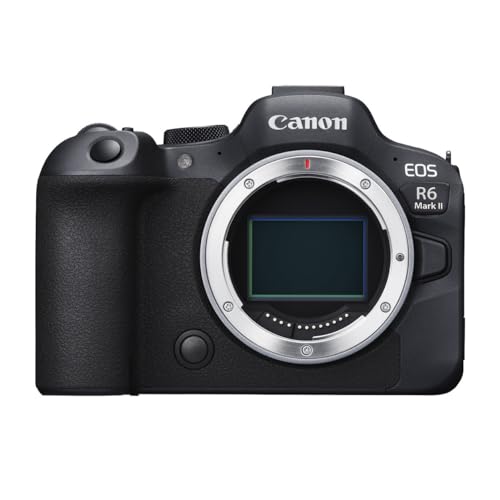
| Canon EOS R6 Mark II | Best portrait camera for most amateurs | Eye autofocus that feels telepathic and Canon’s beloved skin tones, in a body that handles like an old friend. |
| Sony Alpha 7 IV | Best for lens choice and cropping room | The deepest portrait-lens bench in the business and resolution that forgives your framing while you learn. |
| Nikon Z50 II with Two Lenses | Best starter portrait kit | A complete, light kit whose crop sensor and kit telephoto make flattering portraits from day one, on a sane budget. |
| Panasonic LUMIX S5II | Best for portrait video and hybrid work | For the portraitist who also films — superb stabilisation and colour, with stills that hold their own. |
| Fujifilm X-T5 | Best for colour and the joy of shooting | Film simulations that make people glow straight from the camera — prose-only in this guide, and beloved for a reason. |
| Canon EOS RP | Best gentle step into full-frame | An older, simpler full-frame body that puts your money into the portrait lens instead — prose-only, honestly framed. |
How Did We Choose the Best Cameras for Amature Portrait Photography?
We chose around the sitter, not the spec sheet. The first filter was eye autofocus — tested the way amateurs actually shoot: a subject who laughs, turns, looks down, has hair over one eye, wears glasses, is four years old and constitutionally opposed to sitting still. Every body here finds the eye in those conditions and holds it through the micro-movements that used to soften beginners’ portraits. That single capability changes what an amateur session feels like: you stop focus-checking and start watching, and watching is portraiture.
Second, colour. Skin is the subject, and each maker renders it with a signature — Canon’s warmth, Sony’s neutrality, Fujifilm’s filmic palette, Nikon’s clarity. There is no correct answer, only the answer your eye prefers on your people, and we have described each pick’s character honestly so you can choose by affinity rather than by chart. Third, the lens bench: a portrait body is a promise that an affordable fast prime exists for it — the 85mm-equivalent that turns snapshots into portraits — and every system here keeps that promise at amateur prices.
Finally, session ergonomics: a tilting or articulating screen for waist-level candids and low angles on children, controls that change aperture and exposure without a menu dive mid-conversation, and a shutter quiet enough not to punctuate every frame of a shy sitter’s confidence. The portrait session is a social event with a camera present; the best bodies here behave like good guests.
What Kind of Portraits Are You Actually Making?
Be specific before you spend, because the sub-genres lean on different strengths. Family and children reward autofocus speed, a forgiving sensor for mixed household light, and a kit light enough to be at the park rather than in the cupboard. First paying clients — the graduation shoots, the small-business headshots — reward reliability, dual card slots for the images someone is paying for, and tethering or fast transfer for the studio-ish workflow you are building. Creative portraiture — the styled shoots, the personal projects — rewards colour character and the lens bench’s exotic corners. And the self-portraitist, a larger tribe than ever, rewards the articulating screen, the remote app and autofocus that finds your eye when there is nobody behind the camera at all.
Most amateurs are two of these at once, which is why the all-rounders lead this list. But name your primary sitter honestly — your toddler, your clients, your art — and let that name arbitrate between otherwise equal picks.
A word, too, for the portraitist nobody warns the shops about: the one photographing elderly parents and grandparents, where the session’s pace is set by love and stamina rather than by light. For them the virtues reorder themselves — a light body, a kind screen, autofocus that works the first time so nobody must hold a pose, and files that print beautifully at the sizes a family frames. Every pick here can serve that most important of amateur briefs; choose the one whose operation you can make invisible, because at those sessions the camera should be the least noticeable thing in the room.

Canon EOS R6 Mark II — Best portrait camera for most amateurs
If one body in this guide deserves the phrase “it just works on people”, it is this one. Canon has spent decades being the camera that wedding and portrait photographers reach for, and the R6 Mark II shows why in the first session: the eye autofocus finds your sitter’s nearer eye and stays with it through laughter and head turns, the skin tones come out of the camera warm and kind, and the controls fall under your fingers without a single menu visit. You spend the session talking to a person. The camera handles the photography.
The sensor’s low-light grace matters more in portraiture than in almost any genre, because portrait light is often beautiful precisely because it is scarce — the window at dusk, the café’s amber corner, the church hall of the family party. The R6 Mark II keeps faces clean and colour-true as the ISO climbs, and its in-body stabilisation rescues the handheld, available-light style that makes amateur portraits feel alive rather than embalmed. Mount Canon’s affordable fast primes and the classic portrait look — subject lifted from a dissolved background, eyes like polished stones — is available from your first month.
Its limits are the professional’s footnotes rather than the amateur’s problems: resolution that heavy croppers will find modest, and a system whose finest portrait lenses tempt the wallet upward. For the amateur making portraits of real people in real light, this is the body we would hand over first and explain least.
- Sensor: full-frame, 24.2 megapixels
- Autofocus: eye detection for people with deep subject tracking
- Colour: Canon’s warm, flattering skin-tone rendering
- Stabilisation: in-body, for available-light handheld work
- Screen: fully articulating for low and candid angles
Strengths
- Eye autofocus and skin tones that flatter from day one
- Clean files in the dim light portraits love
- Handling that disappears during a session
Trade-offs
- Resolution limits aggressive reframing in the edit
- Canon’s best portrait glass climbs in price quickly
- Overkill if your portraits are purely phone-shared snaps
Best for: family, client and creative portraitists wanting one body that excels at people. Not suited for: photographers who crop half the frame away as a habit.

Sony Alpha 7 IV — Best for lens choice and cropping room
The Alpha 7 IV’s portrait case rests on two pillars. The first is glass: Sony’s mount offers the widest portrait-lens bench in photography — the classic fast primes at every price, the exotic character lenses, the third-party bargains that perform like flagships — so the amateur building a portrait kit over years never hits a wall. The second is the sensor’s 33 megapixels, which in portraiture translate into forgiveness: the frame you composed slightly wide while chasing a toddler crops into the portrait you meant, and the headshot inside the group photo is a real file rather than a smear.
The eye autofocus is the other half of the legend — real-time, tenacious, and calm with glasses, profiles and partially covered faces. Sony’s colour has matured into a clean, modern rendering that editors love precisely because it takes direction in post: grade it warm, grade it filmic, it holds. For the amateur who already edits — or intends to learn — that neutrality is a canvas rather than a limitation.
The body’s tool-like ergonomics and menu depth are the honest friction, and they argue for a setup evening before the first real session: eye-AF on a custom button, your portrait settings banked, the screen configured for the angles you shoot. Do that once and the A7 IV becomes the portrait system with the fewest ceilings in this guide — the one you will not outgrow when the clients get bigger and the prints get larger.
- Sensor: full-frame, 33 megapixels
- Autofocus: real-time eye detection, excellent with glasses
- Colour: clean, modern, highly gradeable
- Mount: Sony E — the deepest portrait lens bench
- Video: strong hybrid capability for moving portraits
Strengths
- Lens choice no other system matches
- Cropping room that forgives beginner framing
- Eye autofocus among the very best available
Trade-offs
- Menus and handling reward setup, punish improvisation
- Skin tones need a touch of direction in post for warmth
- The lens bench’s temptations are endless and priced accordingly
Best for: amateurs building a portrait system for years, and editors who grade. Not suited for: photographers who want warmth straight from the camera with zero setup.

Nikon Z50 II with Two Lenses — Best starter portrait kit
Start where portraits actually start: with a kit you can afford this season, carry everywhere, and learn completely. The Z50 II two-lens kit covers the portrait curriculum out of the box — the standard zoom for environmental portraits that place a person in their world, the telephoto for the classic compressed head-and-shoulders frame — and the crop sensor quietly helps the beginner twice over. Its extra depth of field forgives the focus placement you are still learning, and its effective reach makes the kit telephoto behave like a longer, more flattering portrait lens than its size suggests.
Nikon’s rendering of people is the connoisseur’s argument for this kit: clear, honest colour with skin that looks like the person you know, and a subject-detection system that finds faces and eyes with the family talent. The body is light enough to be the camera at the birthday, the park and the holiday — which is where amateur portraits are actually made, and where heavier systems get left at home in favour of the phone.
Add one bright prime for its mount when the budget breathes — the classic first portrait lens — and the kit’s ceiling rises dramatically for a modest sum. That upgrade path, body now and glass next, is the correct economics of amateur portraiture, and this kit is built around it. Its low-light and background-blur limits against the full-frame picks are real but honest, and they arrive at exactly the point where a growing portraitist knows precisely why they are upgrading.
- Sensor: APS-C, with forgiving depth of field
- Kit: two zooms covering environmental to telephoto portraits
- Autofocus: face and eye detection for people
- Colour: Nikon’s clear, honest skin rendering
- Weight: light enough to be carried daily
Strengths
- Complete portrait starter kit, ready immediately
- Forgiving focus depth while technique forms
- Upgrade path through one bright prime
Trade-offs
- Less background separation than full-frame at same framing
- Dim-light files trail the bigger sensors
- Kit lenses are the beginning, not the destination
Best for: beginners and family portraitists on a real budget. Not suited for: studio shooters needing maximum blur and tethered workflows today.

Panasonic LUMIX S5II — Best for portrait video and hybrid work
A growing share of amateur portraiture moves: the portrait session that also yields a short film, the creator whose headshots and talking-head videos come from the same chair, the family historian who wants the portrait and the voice. For that hybrid portraitist, the S5II is the pick — a full-frame body whose stabilisation and video colour are class-leading, whose phase-detect autofocus now tracks a sitter’s eye in stills and video alike, and whose stills carry the same sensor virtues as the dedicated portrait bodies.
The L-mount’s portrait glass — including Sigma’s beloved fast primes — gives the system its stills credibility, and Panasonic’s colour science renders skin with a gentle, filmic warmth that hybrid shooters consistently praise. The body’s cooling and reliability suit the long session: the client shoot that runs over, the event portrait station, the wedding’s candid hours.
Stills-first purists will note that Panasonic’s portrait heritage is younger than Canon’s or Fujifilm’s, and the burst-and-buffer sports machinery of rivals is not the point here. The point is the portraitist whose work refuses to sit still — and for them, this is the most complete tool in the guide.
- Sensor: full-frame, 24.2 megapixels
- Autofocus: phase-detect eye tracking, stills and video
- Video: class-leading stabilisation and colour
- Mount: L-mount with strong fast-prime options
- Build: reliable through long sessions
Strengths
- The hybrid portraitist’s most complete body
- Stabilisation that frees handheld, natural sessions
- Colour that flatters skin in stills and film
Trade-offs
- Younger portrait heritage than Canon or Fujifilm
- Stills-only shooters pay for video strength they may not use
- Lens bench smaller than Sony’s, though growing
Best for: portraitists who film as much as they photograph. Not suited for: pure stills shooters indifferent to video.
Fujifilm X-T5 — Best for colour and the joy of shooting
Ask a room of amateur portraitists which camera they love — not respect, love — and the Fujifilm name comes back with a warmth no specification explains. The X-T5 is the reason: dials you turn rather than menus you visit, a compact APS-C body that feels like the film cameras portraiture grew up on, and above all the film simulations — colour recipes baked from decades of film stock that render skin with a glow photographers describe in the vocabulary of memory. Portraits from a Fujifilm, shot carefully in good light, arrive from the camera looking like they were always photographs.
The portrait substance matches the romance: a high-resolution sensor that crops generously, eye autofocus that serves the session well, and a prime-lens bench — Fujifilm’s fast, compact primes are the stuff of devotion — that makes the classic portrait kit small enough to live in a jacket. Its colour is the headline but the discipline it teaches is the gift: shooting with a simulation chosen in advance is shooting with intent, and intent is the amateur’s scarcest resource.
It is prose-only in this guide, outside the verified pool, so find it through Fujifilm’s channels and the reputable used market, where it also thrives. The low-light and autofocus ceilings sit a notch below the newest full-frame picks; the joy-per-session sits a notch above everything. Many portraitists, given the choice, take the joy — and their sitters can tell.
- Sensor: APS-C, high resolution
- Colour: film simulations with beloved skin rendering
- Controls: tactile dials, minimal menu dependence
- Lenses: compact fast primes of real character
- Availability: prose-only here — maker’s channels and used market
Strengths
- Straight-from-camera colour people fall in love with
- Shooting experience that keeps amateurs practising
- Small, characterful prime-lens kit
Trade-offs
- Low-light and AF ceilings below newest full-frame rivals
- Crop sensor asks more of lenses for shallow depth
- No purchase link in this guide
Best for: colour-led, creative portraitists and film nostalgists. Not suited for: low-light event portraitists needing the cleanest high-ISO files.
Canon EOS RP — Best gentle step into full-frame
The RP is this guide’s argument for buying the sensor size, not the spec sheet. An earlier, simpler full-frame Canon, widely available at gentle prices new-old and used, it puts the two things that most change amateur portraits — full-frame depth of field and low-light grace, with Canon’s skin tones riding along — within reach of a budget that then spends where portraits are actually improved: on the fast prime lens. An RP with a proper portrait lens will out-portrait a newer body with a kit zoom every session of the year, and teaching that hierarchy is half this guide’s purpose.
Its eye autofocus is an earlier generation — capable, honest, and a step behind the R6 Mark II’s telepathy — and its battery, video and burst specifications belong to its era. None of that prevents it from making beautiful portraits of cooperative humans in decent light, which remains most of amateur portraiture. It is also, quietly, a superb second body and travel portrait camera for photographers whose main system lives elsewhere in Canon’s line.
Prose-only here, outside the pool: source it carefully, check used copies for shutter count and sensor cleanliness, and put the savings into glass. For the amateur whose portrait ambitions have outgrown a crop kit but whose budget has not outgrown sense, it remains the gentlest door into the full-frame room.
- Sensor: full-frame with Canon skin tones
- Autofocus: eye detection, earlier generation
- Role: value route to full-frame portraiture
- Strategy: body savings fund the portrait lens
- Availability: prose-only — new-old stock and used market
Strengths
- Full-frame portrait virtues at a gentle commitment
- Canon colour and lens system access
- Frees budget for the lens that matters more
Trade-offs
- Earlier-generation autofocus, battery and video
- Used buying requires the usual care
- No purchase link in this guide
Best for: budget portraitists stepping up to full-frame with a lens-first plan. Not suited for: fast-moving subjects or buyers wanting the newest tracking.
How Do the Best Cameras for Amature Portrait Photography Compare Side by Side?
| Camera | Sensor | Portrait character | Standout trait |
|---|---|---|---|
| Canon EOS R6 Mark II | Full-frame | Warm, kind skin tones | Eye AF plus low-light grace |
| Sony Alpha 7 IV | Full-frame | Clean, gradeable | Lens bench and cropping room |
| Nikon Z50 II kit | APS-C | Clear, honest | Complete starter kit, forgiving depth |
| Panasonic LUMIX S5II | Full-frame | Gentle, filmic | Hybrid stills-and-film portraiture |
| Fujifilm X-T5 | APS-C | Filmic glow | Colour and shooting joy |
| Canon EOS RP | Full-frame | Warm, classic | Gentlest full-frame entry |
Which Lens Should a Portrait Beginner Buy First?
The fast prime at the classic portrait length — 85mm on full-frame, its equivalent on crop — is the single purchase that most transforms amateur portraits, and it should usually precede any body upgrade. It gives you the shallow depth that separates a sitter from a cluttered room, the low-light reach that keeps window portraits clean, and a fixed focal length that teaches your feet to compose. Buy the affordable fast prime in your system before the exotic one; the difference between the good-value 85 and the flagship is real but small, while the difference between any 85 and a kit zoom is the difference between photographs and portraits.
Second lens, when the time comes, is the environmental storyteller — a fast 35mm-equivalent that keeps the room, the workbench, the grandmother’s kitchen in the frame with the person. Between those two lenses, ninety percent of the portraiture worth making is covered, and the amateur who learns both deeply owns a visual language. Everything after that is dialect.
How Do You Get a Portrait Session Right With Any of These Cameras?
Light first: put your sitter near a large window, turned so the light models one side of the face, and watch the portrait assemble itself before you touch a setting. Shoot at the lens’s portrait aperture, focus on the nearer eye — or trust the eye autofocus these bodies were chosen for — and then put ninety percent of your remaining attention on the human: talk, direct with actions and humour, shoot through the laughter rather than posing between it. The frames everyone keeps are the ones between the poses.
Session craft continues in the small disciplines: check the background before the face, because the lamppost grows out of heads in every beginner’s portfolio; shoot more frames of fewer setups rather than the reverse; show the sitter a good frame early, because confidence is contagious and the second half of every session is better than the first. And end by backing up the card before the evening does — the portraits of people who love you are the least replaceable files you will ever own.
What Are the Most Common Amateur Portrait Mistakes?
Centring the head with a acre of empty sky above it is the compositional classic; the fix is to fill the frame and put the eyes on the upper third. Shooting in hard midday sun — squints, raccoon shadows, misery — when open shade two metres away would have flattered everyone. Obsessing over background blur while the light on the face is dreadful: blur is seasoning, light is the meal. Reviewing every frame on the screen while the sitter’s expression cools. And the quietest mistake: never printing. A portrait on a wall teaches the next session more than a hundred frames on a phone, and it is, after all, the point.
How Do You Pose People Who Hate Being Photographed?
Most of your sitters, starting with your own family. The amateur portraitist’s real craft is not posing at all in the fashion sense — it is the manufacture of ease. Give hands a job: a cup, a book, a pocket, a child’s hand to hold. Give the body an angle: shoulders turned a few degrees from the camera almost always flatters, and weight on the back foot relaxes the whole frame. Give the eyes somewhere honest to go between the frames they meet the lens, because a portrait set with varied gaze — at camera, past camera, down in laughter — reads as a person, while twelve frames of fixed staring reads as a passport queue.
Talk is the equipment nobody lists. Narrate what is working — “that light on your face is lovely, stay right there” — because sitters cannot see themselves and silence from the photographer feels like failure from where they stand. Shoot the adjustment, the laugh at the awkwardness, the glance at the person off-camera they actually love. The eye autofocus on every body in this guide exists precisely to free your mouth and attention for this work. A portrait session is a conversation with occasional photographs, and the photographers who understand that get faces the technicians never see.
What About Headshots — the Amateur’s First Paid Work?
Headshots are where many amateurs earn their first money, and the genre has a discipline of its own worth learning early. Consistency is the product: the same background, the same light, the same framing across a team or a cast, so the set looks like a set. That argues for the tripod, the marked positions, the manual exposure locked once the light is right — and for bodies with dual card slots when the images are someone’s livelihood, which is one place the bigger picks here justify themselves over the starter kit. It also argues for tethering or at least a fast review workflow, because a client who sees a great frame early relaxes into giving you ten more.
The amateur’s edge in headshots is not equipment, it is direction and honesty: coaching the chin, the shoulders, the micro-expression; showing the sitter the difference between their camera face and their real one; delivering files sized and finished for the platforms the client actually uses. Do those things on any body in this guide and the work will look professional, because professionalism in portraiture is a set of behaviours long before it is a sensor size.
How Should You Edit Portraits Without Ruining the Person?
Gently, and with a rule: edit the photograph, not the person. The amateur’s editing curriculum is exposure and white balance first — the corrections that make skin the colour it was in the room — then the local work that respects identity: softening a temporary blemish is kindness, reshaping a jaw is fiction, and the line between them is the line between portraiture and illustration. Every camera here gives you files that tolerate this work; the RAW-shooting habit buys the room to do it well.
Develop a consistent hand. The portraitists clients return to have a recognisable finish — a warmth, a contrast curve, a way with skin — that comes from editing a hundred sessions the same deliberate way rather than chasing a new preset monthly. Consistency is also mercy: it shortens every session’s edit, makes sets cohere, and lets your sitters know what a photograph by you will feel like. The camera’s colour science is the starting point of that signature, which is why this guide made you choose it by affinity. Your edit is where the signature gets signed.
How Do You Photograph Children Without Losing Your Mind?
By surrendering the adult session’s logic entirely. Children are not posed; they are intercepted — at play, at snack, in the middle of the thing they actually care about — and the portraitist’s job is to be ready at their height, at their speed, in their light. That means the camera configured before the moment: eye autofocus on, a shutter speed that respects motion, the articulating screen letting you shoot from the floor without lying in the wet grass. Every body in this guide can do this work; the lighter kits do it longest before your arms and patience file complaints, which is a real argument for the Z50 II kit in a family home.
The frames families treasure are almost never the arranged ones. They are the concentration face over the puzzle, the unguarded laugh at the dog, the small hand in the large one crossing the frame. Shoot generously, edit ruthlessly, print the keepers — and accept the genre’s tax, which is that your own children will have a thousand photographs and strong opinions about all of them by age nine. The amateur portraitist who starts with family is training on the hardest, fastest, most honest sitters in the world. Clients, afterwards, feel easy.
Why Does Printing Change Your Portrait Photography?
Because a print is the first time you see your own work at the size and permanence your sitters will. On a wall, the almost-sharp eye is simply soft; the colour that looked warm on a phone glows or curdles; the composition you cropped bravely either holds the room or apologises to it. Print your best portrait from every session for a year — modest sizes, honest paper — and you will have built a feedback loop no screen provides, plus the beginnings of the only portfolio that matters at family scale: the walls of the home the portraits were made in.
Printing also disciplines the camera decision in a way worth hearing before you buy. If your destination is the wall, the sensors here are all sufficient and the lens and light are the frontier. If your destination is the group chat, they are all extravagant, and the starter kit plus skill will serve for years. Buy for the wall you actually have, and let the portraits — printed, framed, lived with — tell you when the equipment has genuinely become the limit. It will be later than the adverts hope and earlier than your wallet fears, and by then you will know exactly which gift you are buying.
What Does a Beginner’s Portrait Practice Year Look Like?
Start with the willing: family, friends, the dog’s more patient colleagues among the humans. One sitter a fortnight, one window, one lens, and a review afterwards where you choose the single best frame and write down why it won — that notebook, again, is the curriculum. By the third month, add the reflector and the second location; by the sixth, attempt the group, the event, the first session for a stranger through a community board, where your direction skills meet someone who owes you no patience and your portraiture becomes real.
The year’s second half is for range: the environmental portrait in a workplace, the headshot set for a friend’s new business, the self-portrait series that teaches you what your sitters feel from the other side of the lens — an education no portraitist should skip. Shoot the self-portraits on a timer with the articulating screen and you will emerge with a permanent sympathy for the people in front of your camera, plus a set of frames of the one sitter who is always available for practice. End the year by printing the best twelve and living with them. The camera that carried you through it — any body in this guide, learned completely — will have become invisible, which is the true graduation of the amateur portraitist: the equipment stops being the subject, and people take its place.
How Do You Choose Between These Bodies in the Shop?
Hold them with a portrait lens fitted — the body alone lies about balance — and run the three tests that predict a happy ownership. First, the eye test: raise the camera to a person across the shop and see whether the eye box finds and holds them while they talk and turn; you are buying that behaviour for a decade of sessions. Second, the one-hand test: change aperture, exposure compensation and ISO without lowering the camera or consulting a screen, because mid-session adjustments must be invisible to the sitter. Third, the colour test: photograph the same face in the shop’s mixed light with each candidate and look at the skin, not the sharpness — you are choosing the rendering your family will wear in your photographs for years.
Then apply the budget rule this guide has repeated in every genre it touches: if choosing the dearer body means postponing the fast prime, choose the cheaper body and the lens. Portraiture is the genre where that rule bites hardest, because the lens contributes the look while the body contributes the convenience — and a portraitist with the look and slightly less convenience beats the reverse at every session. Leave the shop with a system, not a trophy, and book your first sitter before the box is cold.
What Makes a Portrait Worth Keeping — the Standard to Shoot Toward?
Strip the genre to its test and a keeper portrait does three things: it is true — the person recognisably themselves, not a mannequin of themselves; it is specific — this face, this light, this relationship, not a generic beauty; and it survives — it still says something when the fashion in editing has moved on. Cameras contribute to the first by rendering skin honestly, to the second by being present and ready at the unposed second, and to the third by producing files that print cleanly and age gracefully. Every pick in this guide clears those bars. The rest — the truth, the specificity, the moment — is the photographer’s lifelong assignment, and it is why portraiture remains the genre amateurs grow old inside without exhausting.
Hold your own work to that standard kindly but consistently. Keep the frames that are true over the frames that are merely flattering, print the ones that are specific, and let the archive accumulate into what it becomes for every serious amateur: the visual history of the people who trusted you with their faces. There is no better reason to buy a camera, no better use for one, and no better training for the photographer’s eye than the faces of the people who keep saying yes to sitting for you.
Should Your Second Portrait Purchase Be a Lens, a Light or a Backdrop?
The lens, almost always — the fast prime this guide has prescribed since its second section — because it changes every frame you make from the day it arrives. The light comes second, and it should arrive as a system rather than a bulb: one flash or LED, one modifier, one stand, learned in that order over a season of window-lit confidence. The backdrop comes last and cheapest — a plain wall, a bedsheet, the out-of-focus garden at the right distance — because backgrounds in amateur portraiture are mostly found, not bought, and the money the catalogue wants for collapsible scenery is better spent on printing the work.
Notice the pattern, because it generalises beyond portraiture: buy in the order of frames-affected. The lens touches every frame. The light touches the frames the window cannot serve. The backdrop touches the frames where the found world fails. Equipment bought in that order earns its place in the bag; equipment bought in catalogue order fills a cupboard and a conscience. Your sitters, who cannot see your cupboard, will judge only the frames — spend accordingly.
How Do You Photograph Groups Without the Usual Disasters?
Groups are portraiture’s logistics exam, and the amateur passes it with preparation rather than equipment. Arrange in triangles rather than rows — heads at varied heights, bodies angled, nobody’s face directly behind another’s — and put the group where the light is even, because a group spans too much space for window drama and needs open shade’s fairness. Focus discipline changes with depth: the eye autofocus that serves a single sitter must now be governed, the aperture closed down until the back row is as honest as the front, and the frames shot in bursts because in any group of eight, one person is blinking in every single frame — the burst is how the unblinking composite moment gets found.
Direction is brisk, warm and loud enough to be a performance: groups take their energy from the photographer, and a quiet, fiddling photographer produces a group photograph that looks like a waiting room. Count them in, shoot the laugh after the formal frame, and take the extra minute for the sub-groups — the grandparents with the baby, the siblings who have not been photographed together in a decade. Those are the frames the group session is remembered by, and any body in this guide, handled with this much intention, will deliver them.
What Is the Honest Difference a Better Body Makes to a Portrait?
After all this guide’s insistence that light, lens and rapport rule, the body deserves its precise due. A better body widens the hours you can shoot — the dusk session, the candlelit party — by holding its files together as light fails. It widens the moments you can catch, because autofocus that tracks a laughing, turning, glasses-wearing sitter without a miss turns near-frames into keepers. It widens your margin for error in framing, in exposure, in the chaos of a family session, through resolution, dynamic range and stabilisation working quietly together. And it shortens the distance between the portrait you saw and the portrait you got, which is the distance amateur confidence is built across.
What it never does is supply the seeing. The portraitist’s eye — for the true expression, the honest light, the moment the guard drops — is trained by sessions, notebooks and prints, and it transfers intact to any camera you will ever own. Buy the body that widens your margins most for the sitters you actually photograph, then go and train the eye on people who trust you. That is the whole of portrait photography, and it is enough for a lifetime.
How Do You Handle the Sitter Who Wants to See Every Frame?
Gracefully, because the request is anxiety wearing a polite coat. Build the review into the session’s rhythm — a pause at the midpoint where you show three strong frames together, chosen by you, so the sitter sees proof that it is working and returns to the second half with a confidence you can photograph. What you do not do is hand over the camera for a frame-by-frame audit, which turns a portrait session into a product review and guarantees a sitter performing for their own criticism. The photographer’s curation is part of the service, at amateur level as at professional: you are trusted to see them well, and the mid-session glimpse is how that trust gets its evidence without surrendering its process.
Final Recommendation
Most amateur portraitists should start with the Canon EOS R6 Mark II if the budget allows — its eye autofocus and skin tones make good portraits the path of least resistance — or the Nikon Z50 II kit if it does not, adding the fast prime as soon as the budget breathes. System builders and graders take the Sony Alpha 7 IV; hybrid shooters take the Panasonic S5II; romantics take the prose-only Fujifilm X-T5 and never apologise; and the budget full-frame dreamer takes the EOS RP with a proper portrait lens and beats richer kits with it. Whichever body you choose, spend the next money on the 85, the next hour on window light, and the next session on the person. Portraits are people, all the way down — and the best camera for them is the one that lets you prove it, session after session, until your walls and your sitters’ walls are covered with the evidence.
Frequently Asked Questions
How many megapixels do I need for portraits?
Fewer than the marketing suggests. Every body in this guide resolves far more than a large print or a client’s delivery requires. Resolution buys cropping forgiveness — genuinely useful while your framing is learning — but skin texture, focus accuracy and light decide whether a portrait sings. Do not let the megapixel column choose your portrait camera.
Is full-frame necessary for good portraits?
No. Full-frame gives shallower depth of field at the same framing and cleaner files in dim light, both lovely, neither essential. Crop-sensor portraits with a fast prime win competitions and hang in homes everywhere. Buy full-frame for those specific gifts when you can name the shots they will rescue, not as a rite of passage.
Why do my portraits look sharp but lifeless?
Almost never the camera. Lifeless portraits come from posed stillness, flat frontal light and a photographer hiding behind the screen. Move the sitter toward window light at an angle, give them something to do or react to, shoot through the moments between poses, and talk more than you click. The bodies here will keep the eyes sharp while you do the human part.
Should I shoot portraits in RAW or JPEG?
RAW while you are learning, because its forgiveness in exposure and white balance rescues sessions and teaches you what your files contain. JPEG — especially with colour characters like Fujifilm’s simulations or Canon’s profiles — when your exposure is confident and your delivery is fast. Many amateurs shoot both: the JPEG for the instant share, the RAW for the frame that deserves the wall.
What is the best aperture for portraits?
There is no single number, only an intention: wide apertures for one face in a messy world, where the background must dissolve; smaller apertures for groups, environmental portraits and any frame where the setting is part of the story. The beginner’s habit of shooting everything at the widest setting is a phase — pass through it, keep the look for when it serves, and let the scene choose.
Do I need a flash for portraits?
Not to begin, and not for the natural-light style most amateurs love. A single off-camera flash becomes valuable when you shoot indoors at events, work after dark, or want the controlled studio look — and it is a second-year purchase for most portraitists, after the lens and the window have taught their lessons. When you do buy one, buy the modifier with it; bare flash is a interrogation, softened flash is a portrait.
Can I take good portraits with the kit lens I already have?
Yes — at its longer end, in good light, with attention to background distance, a kit zoom makes honest portraits, and learning its limits teaches you exactly why the fast prime is worth buying. Shoot your first sessions with what you own; let the frames, not the forums, make the case for the 85. When the case is made by your own evidence, the purchase will feel like a tool rather than a hope.
Related Guides
Building the rest of the portrait kit? See our guides to the best cameras for beginners finding their first genre, cameras for family and animal pictures and the best cameras for YouTube and content work for the neighbouring paths.


