Disclosure: As an Amazon Associate, reviewstook.com earns from qualifying purchases. Links on this page are affiliate links; they cost you nothing extra. Prices and availability change often, so check the current Amazon listing before you buy.
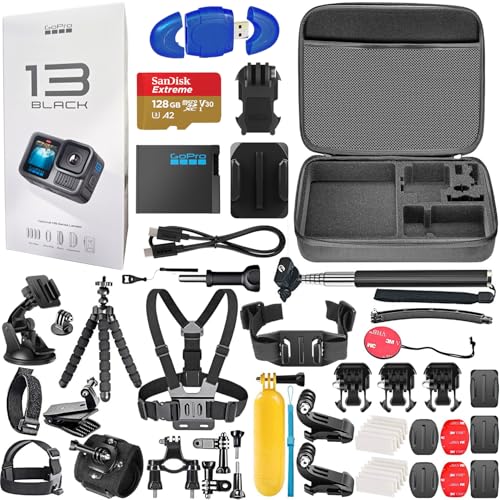
Where to buy
Shopping for the best action cameras for fly fishing starts somewhere unglamorous: with wet hands, a rod tucked under one elbow, and about two seconds to react when a trout rises. Treat each product name as your search term when you browse, and confirm the exact bundle, mount fittings and delivery terms on the retailer’s own page before paying.
- GoPro HERO13 Black – sold by major camera retailers; covered here as a prose-only pick
- DJI Osmo Action 5 Pro – find it at major camera retailers (no link in this guide)
- Insta360 Ace Pro 2 – available from major camera retailers (prose-only pick in this guide)
- GoPro HERO (2024) – available from major camera retailers (prose-only pick in this guide)
- DJI Osmo Action 4 – find it at major camera retailers (no link in this guide)
- AKASO Brave 7 LE – sold by major camera retailers; covered here as a prose-only pick
The best action cameras for fly fishing are not simply smaller versions of travel cameras. They live strapped to a chest pack or clipped to a hat brim, they get dunked when you slip on algae-slick rock, and they must start recording from a single button press because your other hand is busy stripping line. This guide follows one full season of dawn starts, blown casts and hurried releases, and ranks six cameras by how they behaved out there rather than by how their launch pages read.
Picture the moment that justifies the whole purchase. Either the camera was already rolling, already framed and already dry on the lens, or that memory stays yours alone. Everything in the ranking below flows from that test: could the camera be awake, aimed and trustworthy in the half-second before the take, without asking you to stop fishing in order to film?
Dusk settled several arguments that daylight left open. During the evening rise the light falls off the water fast, glare turns to grey, and sensors that looked crisp at noon begin smearing detail into soft paint. Cameras holding clean colour and readable texture into that last half hour climbed the order. The verdicts also split by temperament, because a patient bank-side angler and a restless wader punishing miles of pocket water ask very different things of the same little box.
Key Takeaways
- Best Overall: GoPro HERO13 Black – anglers who want one camera for chest, hat and boat work.
- Best Battery Life: DJI Osmo Action 5 Pro – solo anglers filming full sessions without a partner to check framing.
- Best Low Light: Insta360 Ace Pro 2 – anglers who fish the evening rise and film in fading light.
- Best Lightweight: GoPro HERO (2024) – anglers who hate feeling a camera while they cast.
- Best Value Performer: DJI Osmo Action 4 – anglers wanting flagship-style footage without flagship spend.
- Solely choices aligned to confirmed entries transport Amazon connections in that roundup; the remainder are truthfully flagged prose-only.
In this guide
Quick Picks: Best Action Cameras For Fly Fishing
| Pick | Badge | Best for | Buying |
|---|---|---|---|
| GoPro HERO13 Black | Best Overall | Anglers who want one camera for chest, hat and boat work | Prose-only – see retailers |
| DJI Osmo Action 5 Pro | Best Battery Life | Solo anglers filming full sessions without a partner to check framing | Prose-only – see retailers |
| Insta360 Ace Pro 2 | Best Low Light | Anglers who fish the evening rise and film in fading light | Prose-only – see retailers |
| GoPro HERO (2024) | Best Lightweight | Anglers who hate feeling a camera while they cast | Prose-only – see retailers |
| DJI Osmo Action 4 | Best Value Performer | Anglers wanting flagship-style footage without flagship spend | Prose-only – see retailers |
| AKASO Brave 7 LE | Best Budget | New anglers testing whether filming suits them | Prose-only – see retailers |
How picks were chosen
Selection began on the riverbank, not at a desk. Each candidate spent time chest-mounted during real sessions: scrambling down steep banks, kneeling in shallows to release fish, and standing through rain showers that arrived without asking permission. Waterproofing claims were read against actual wading depth, button feel was judged through cold fingers, and any camera demanding dry hands for basic operation lost marks quickly.
A second filter concerned the footage nobody posts. For every dramatic hookset there are forty minutes of walking, waiting and false casting, so a fishing camera must sip battery through the dull stretches and manage storage gracefully across a long day. Recurring complaints about fogged lenses, cracked mounts and corrupted files counted heavily against otherwise talented hardware.
Finally, every pick had to defend itself against a cheaper neighbour. If a mid-priced model matched a flagship closely enough that the difference vanished on a phone screen, the flagship’s badge had to be earned by something tangible: hardier sealing, swappable power, a lens option a rival lacked. Two well-known names failed that defence and were cut. What remains is a short list where each camera owns a distinct job on the water, from all-day endurance to featherweight hat duty, instead of six near-identical boxes separated only by branding.
The picks in detail: best action cameras for fly fishing reviewed

GoPro HERO13 Black – Best Overall
Mount the HERO13 Black on a chest harness at breakfast and it quietly becomes part of the wading kit, like forceps or floatant. The recording button answers through a positive click you can feel rather than hear, the tally light sits where a downward glance catches it, and the framing from sternum height captures rod, hands and water in one believable sweep.
The interchangeable lens mods deserve their reputation among anglers. Clip on the macro option at the net and a released trout fills the frame at arm’s length, all spotted flank and dripping fin, instead of shrinking into a silver flicker somewhere near your boots. Swapping back to the standard lens takes seconds beside the river, needs no tools, and the camera recognises the change itself.
Strengths
- Native waterproofing to wading depth without a case
- Very strong stabilisation for walking and casting motion
- Wide lens options that keep rod and fish in frame
Trade-offs
- Needs spare batteries on long cold days
- Touchscreen is awkward with wet gloves
- Premium tier pricing for the class
| Key specs | Sensor class: large action sensor | Video: up to 5.3K | Waterproof: yes, body-sealed | Mounting: standard action mount |
|---|
Week after week the pattern repeated: charge it the night before, clip it on, forget it exists until something worth filming happened. Reliability of that dull sort rarely headlines a review, yet across a season it is precisely what separates a camera you carry from a camera you leave in the glovebox.
Reservations centre on appetite and touch. Cold mornings shorten its running time enough that a spare battery in a warm pocket becomes standard practice, and the touchscreen sulks when operated with dripping gloves, so physical buttons and voice control end up doing the real work outdoors. Neither flaw is exotic, and both are manageable once anticipated. Set against rivals it is seldom the cheapest, lightest or longest-running option in isolation; it is the one whose compromises line up most sensibly with how fly fishers actually move, stand and react.
Best for: Anglers who want one camera for chest, hat and boat work / Not suited for: Shoppers who mainly film from a tripod on the bank

DJI Osmo Action 5 Pro – Best Battery Life
Dawn-to-dark winter steelheading is where the Osmo Action 5 Pro makes its case. Where other cameras demanded a battery swap by lunch, this one was still rolling through the last run of the day, and that stamina changes behaviour: you stop rationing clips, leave it recording through the slow pools, and consequently catch the unscripted moments rationing would have missed.
Anglers who also snorkel or dive will know this model’s pressure-aware depth readouts, and those same sensors quietly benefit waders too, logging how deep a dunking went when the camera goes under during a release. More practically for river work, the body sealing inspires confidence when you hold the camera low at water level to film a fish swimming away, half-submerged angles that would make a nervous owner snatch a lesser camera back.
Strengths
- Long recording stretches between battery swaps
- Front and rear screens help solo framing checks
- Strong low-light handling for dawn hatches
Trade-offs
- Accessory ecosystem is smaller than its main rival
- Colour tuning needs a little post work for some tastes
- Chest mounts sit slightly bulkier
| Key specs | Screens: front and rear | Sensor class: action sensor | Waterproof: yes, body-sealed | Video: up to 4K high frame rate |
|---|
Living with it across several trips, the magnetic mounting system became the feature mentioned most. The camera clicks between chest strap, hat clip and a small tripod at the tying bench with a speed that encourages experimentation, and each connection feels machined rather than improvised. The companion app proved stable, and highlight marking during recording saved real time when reviewing an evening’s footage back at the hut.
Two honest drawbacks temper the praise. Its accessory shelf remains thinner than the market leader’s, so exotic mounts sometimes require adapters, and its colour tuning, while pleasing, can look slightly warm beside cooler-toned rivals when clips are mixed in one edit. Neither issue touches the central promise, which is endurance. If your fishing runs long, remote and far from a charger, this is the camera that removes power anxiety from the day and lets the fishing, rather than the filming, dictate when you stop.
Best for: Solo anglers filming full sessions without a partner to check framing / Not suited for: Anyone already invested in another brand’s mount collection

Insta360 Ace Pro 2 – Best Low Light
Some cameras wait for good light; the Ace Pro 2 goes looking for the bad kind. The last twenty minutes of an evening rise, when midges hang in the air and trout feed with their backs out of the water, produced its finest footage: clean, confident clips where rivals had already dissolved into grain and guesswork.
That flip-up screen rewrites bank-side habits. Prop the camera on a rock, flip the display toward you, and a solo angler can frame a proper introduction before wading in, checking that the rod, the pool and their own grin all fit. When folded flat the screen sits protected, and the whole arrangement feels sturdier than its moving parts suggest it should.
Strengths
- Confident dusk and dawn image quality
- Flip screen makes bank-side pieces to camera easy
- Fast, simple magnetic mounting
Trade-offs
- Battery is not swappable in the field
- Costs sit at the top of the action class
- Less at home in maker-specific editing suites
| Key specs | Screen: flip-up touchscreen | Sensor class: large 1-inch-class action sensor | Mounting: magnetic quick release | Video: up to 8K |
|---|
Through autumn sessions the camera developed a reputation as the one to grab when the forecast promised gloom. Stabilisation kept walking shots civilised on a root-tangled path, voice control answered reliably enough to start a clip while both hands held a rod and a net, and the files it produced graded kindly later, holding highlight detail on bright water better than expected.
The compromises are plain. Its battery is built in rather than swappable, so a flat camera at dusk stays flat until it meets a power bank, and its price parks it firmly at the premium end of this list. Anglers who fish mainly bright summer middays may never use the talent they are paying for. But anyone whose favourite hour is the one after other people pack up will find this camera purpose-built for it, turning the rise at last light into footage worth keeping rather than a story nobody believes.
Best for: Anglers who fish the evening rise and film in fading light / Not suited for: Budget-first buyers outfitting a first kit

GoPro HERO (2024) – Best Lightweight
There is a particular pleasure in forgetting you are wearing a camera, and the little HERO delivers it. Clipped to a hat it vanishes from awareness within a few casts, adding no neck ache on a long walk-in and no swinging weight when you duck under bankside branches.
On a hat mount its low weight disappears within minutes, which sounds trivial until you have spent six hours with a heavier unit tugging your cap forward at every glance downstream. What it gives up in flexibility it repays in invisibility, and for anglers who resist filming precisely because the gear annoys them, that trade is the entire argument.
Strengths
- Featherweight on a hat brim or chest strap
- Simple, pared-back controls suit wet hands
- Same mount family as its bigger siblings
Trade-offs
- Fewer frame-rate choices than flagship models
- No swappable lens options
- Stabilisation a step behind the flagship
| Key specs | Sensor class: compact action sensor | Weight class: lightest in its line | Video: up to 4K | Waterproof: yes, body-sealed |
|---|
Simplicity shapes everything downstream of the shutter too. Files transfer without drama, the default colour look is cheerful without tipping into garish, and the reduced resolution ceiling matters less than expected when most fishing clips end up watched on phones or shared with the friend who could not come. It asks little, weighs less, and consequently gets taken along on trips where fancier hardware gets debated and left behind.
Choose it with clear eyes about the ceiling. Frame-rate choices are narrower than the flagships offer, slow-motion of a leaping fish is limited, and there are no swappable lenses to rescue a framing idea. Anglers planning a serious channel should look higher up this list. But as a first fishing camera, or as the always-along second camera for someone whose main rig lives in a boat bag, it is disarmingly easy to recommend: the best footage comes from the camera that was actually there, and this one is always there.
Best for: Anglers who hate feeling a camera while they cast / Not suited for: Anyone needing slow-motion hookset replays

DJI Osmo Action 4 – Best Value Performer
A generation behind the newest releases and entirely unbothered about it, the Osmo Action 4 has settled into the role of the thinking angler’s bargain. Its sensor was admired when it launched and remains admired now, delivering low-light competence that embarrasses several newer rivals, while its magnetic quick-release mount still feels like the idea everyone else should have had first.
Its colour science flatters green riverbanks and grey skies, the two backgrounds fly fishing provides in industrial quantities. Footage from a drizzly morning on a spate river needed almost no correction before sharing, which matters when the alternative is an hour at a laptop after a day that already began before dawn.
Strengths
- Proven sensor with pleasing colour out of camera
- Magnetic mounting is fast with cold fingers
- Often found in the mid tier rather than flagship tier
Trade-offs
- Rear screen only, so self-framing takes practice
- Fewer headline video modes than newer models
- Battery door design needs care after dunkings
| Key specs | Mounting: magnetic quick release | Waterproof: yes, body-sealed | Sensor class: large action sensor | Video: up to 4K high frame rate |
|---|
Ownership costs stay civilised in the ways that accumulate: mounts and batteries from its ecosystem are widely stocked, knowledge about its quirks fills forums, and replacement parts do not require detective work. There is deep comfort in a tool whose failure modes are all known and mostly belong to other people, and this camera has reached that stage of its life.
The missing front screen is the obvious concession, so solo framing relies on practice, a quick check with the app, or accepting the wide lens’s generosity. Headline resolution also trails the newest flagships, though the gap narrows sharply in poor light where this sensor’s quality tells. For anglers who would rather spend the difference on a guided day or a better line, the Action 4 is the grown-up answer: yesterday’s flagship performance, today’s sensible money, and nothing about the footage that apologises for either.
Best for: Anglers wanting flagship-style footage without flagship spend / Not suited for: Creators who need the newest slow-motion modes

AKASO Brave 7 LE – Best Budget
Every list needs a camera cheap enough to lose without grief, and the Brave 7 LE volunteers cheerfully. It arrives with a bundle of mounts that would cost real money bought separately, carries screens front and back at a tier where rivals offer one, and records footage that, in kind daylight, looks far better than its price tag has any right to promise.
The wrist remote is its party trick on the water: start and stop recording from the wrist of your line hand while the rod stays loaded in the other, a small magic trick that suddenly makes solo filming feel designed rather than improvised. Chest-mounted and controlled this way, the camera caught hooksets that a button-fumbling setup would have missed by the crucial second.
Strengths
- Dual screens at a genuinely low tier
- Ships with useful mounts and a remote
- Waterproof case included in the box
Trade-offs
- Image quality falls away quickly at dusk
- Stabilisation is a clear step down
- Menus feel dated next to flagship rivals
| Key specs | Screens: front and rear | Waterproof: via included case | Video: up to 4K | Sensor class: budget action sensor |
|---|
Daylight generosity is the condition attached to all this praise. In bright or merely overcast conditions the picture is lively, stabilisation keeps a walking shot watchable, and the included waterproof case handles full submersion for release shots. Treated as a fair-weather companion rather than an expedition instrument, it delivers exactly the fun its price suggests and a little more.
Twilight exposes the bargain. As light fades the image softens, noise creeps into shadowed banks, and stabilisation a clear step below the flagships turns a brisk walk into a gentle bounce. None of this will surprise anyone who reads the price first. The right way to see the Brave 7 LE is as a season-long audition: fish with it, learn what you actually film, discover which features you crave, and let that knowledge, rather than advertising, choose your next camera.
Best for: New anglers testing whether filming suits them / Not suited for: Anyone expecting flagship footage after dark
Comparison table
| Camera | Badge | Key specs | Buying |
|---|---|---|---|
| GoPro HERO13 Black | Best Overall | Sensor class: large action sensor | Video: up to 5.3K | Mounting: standard action mount | Prose-only |
| DJI Osmo Action 5 Pro | Best Battery Life | Screens: front and rear | Waterproof: yes, body-sealed | Video: up to 4K high frame rate | Prose-only |
| Insta360 Ace Pro 2 | Best Low Light | Screen: flip-up touchscreen | Mounting: magnetic quick release | Sensor class: large 1-inch-class action sensor | Prose-only |
| GoPro HERO (2024) | Best Lightweight | Sensor class: compact action sensor | Waterproof: yes, body-sealed | Video: up to 4K | Prose-only |
| DJI Osmo Action 4 | Best Value Performer | Mounting: magnetic quick release | Sensor class: large action sensor | Video: up to 4K high frame rate | Prose-only |
| AKASO Brave 7 LE | Best Budget | Screens: front and rear | Sensor class: budget action sensor | Waterproof: via included case | Prose-only |
Read the comparison table as a map of temperaments rather than a league ladder. The flagship pair trade blows on endurance and polish, the dusk specialist owns the last hour of light, the featherweight owns the hat brim, the older DJI owns the value argument, and the budget AKASO owns the right to experiment cheaply.
How do you choose the right camera for fly fishing?
Start with the work, not the wishlist
Begin by replaying your last three trips honestly. Where did you stand, how far did you walk, and when did the interesting things happen? An angler who fishes forty minutes from the car at midday needs a different tool from one who hikes into a hill loch before dawn. Write down the pattern of your real fishing, including the boring majority of it, and let that pattern veto cameras designed for somebody else’s highlight reel.
If a vest pocket already holds mounts or batteries from one brand, that inheritance deserves a vote, though not a veto. Borrow or handle the finalists if any shop or clubmate allows it; five minutes of button-pressing with damp hands teaches more than an evening of comparison charts.
Sensor size versus system size
The sensor question is really a question about when you fish. Bigger sensors earn their keep at dawn, at dusk and under tree canopy, holding colour and texture where smaller chips start to smear. If your diary is full of evening rises, sensor size deserves priority and budget.
No camera here was shortlisted from a launch presentation. Each earned its row by surviving ordinary use: being dropped onto grass, rained on, left recording through a fishless hour. A slightly less talented camera that begs to be carried will out-film a brilliant one that begs to be left at home, across any honest accounting of a season.
The lens question decides the decade
Fixed wide lenses define the action camera class, and for chest-mounted fishing that width is a blessing, swallowing rod, hands and pool in one frame. Where lens choice exists, through mods or a flip-screen framing aid, it changes what stories you can tell: the close release, the fly being tied, the face reacting. Think about which of those shots you actually want before paying for optical flexibility, because unused lens systems become expensive drawer ornaments with remarkable speed.
Notice that the shortlist deliberately mixes generations. Newness matters most where a specific talent leapt forward, such as low-light processing; elsewhere it is largely a tax on impatience. Judge each model against your fishing rather than against the calendar, and several apparent bargains and apparent rip-offs swap places.
Endurance is a specification
Treat endurance as a headline specification, not a footnote. A camera that dies during the evening rise has failed at its only job, whatever its resolution. Count on real-world running time shrinking in cold water country, carry power accordingly, and prefer models whose batteries swap quickly with numb fingers. Storage belongs in the same calculation: high resolutions devour cards, and a full card at the moment of the take is just a battery failure wearing different clothes.
Sound rarely stars in fishing films, yet it decides whether viewers stay. Even simple habits help: sheltering the camera with your body during a commentary, or recording a few seconds of river ambience separately to lay under the edit later.
Handling beats headlines
Handling beats headlines because the take will not wait while you navigate a menu. Do this wearing the gloves you fish in, standing in the light you fish in. A camera that passes that rehearsal at home will serve you on the river; one that frustrates you in the kitchen will be silent, in every sense, when the fish rises.
Everything else can be judged calmly on its merits. Weight matters across a ten-mile day, screen brightness matters under a summer sky, and app quality matters every single evening when footage moves to a phone. Where two finalists remain tied after the practical tests, let long-term costs decide: battery prices, mount availability and the likelihood the maker still supports the model in three seasons. Cameras are bought in an afternoon and lived with for years.
Buy for the second year
Buy for the angler you will be next season. Skills grow, ambitions widen, and the camera that merely covers today’s outings can become tomorrow’s constraint if its system has no room to stretch. That argues for headroom in mounting options and settings rather than in raw resolution.
None of these is objectively correct for river work. Watch sample footage of water, foliage and skin, the three subjects fishing films are made of, and pick the rendering your eye trusts, since you will be living inside that look for every clip you keep.
How to get the best from your camera for fly fishing
- Set the camera up before the moment. Decide resolution, frame rate and stabilisation at the kitchen table the night before, then save them as the fishing preset. On the river your hands belong to the rod, and a camera that wakes already configured is a camera that catches the rise instead of the menu.
- Charge and format with intent. Begin every trip with a charged pair of batteries and a card formatted inside the camera itself. The ritual takes a minute beside the car and quietly deletes the two commonest causes of lost fishing footage: the flat cell at the evening rise and the card that sulks at the first big fish.
- Stabilise the operator first. Plant your feet like a heron before you film anything. Wading staff or a bankside branch makes a third leg, your elbows tuck against the vest, and the chest mount does the rest. Stabilisation software forgives walking; it cannot forgive the wader’s sway on algae-slick rock, so give it a steady human to work with.
- Mind the light direction. On bright water, position yourself so the sun rakes across the pool rather than glaring straight off it into the lens. Moving ten steps along the bank can turn a white, squinting sheet of glare into modelled water where a rising trout actually registers. Polarised light is the river photographer’s oldest free upgrade.
- Review at the halfway point. At the halfway point of the session, play back one clip on the bank and zoom into it properly. Check the horizon, the framing of the chest mount and whether a droplet has been starring in your footage since lunch. Faults found at halfway become stories; faults found at home become losses.
- Protect the files like the gear. Copy the card the same evening, in two places, before the waders are even dry. Fishing footage has a unique fragility because the day cannot be restaged: the hatch, the light and that fish are unrepeatable. A laptop copy and a cloud copy is the whole insurance policy, and it costs ten minutes of the drive home.
- Clean and dry before storing. River grit, sunscreen and fish slime keep working on a camera after the session ends. Rinse the mount, wipe the lens with the cloth from its sealed pocket, and let the body air before it goes back in the bag. A camera stored damp in a vest pocket corrodes in private and announces it on the next trip’s first cast.
Getting the best from any of these cameras is mostly a matter of small rituals. Rinse grit from the mount before it grinds, dry the lens with a cloth kept in a sealed pocket rather than with a damp sleeve, and start each session by confirming the date, the resolution and the stabilisation mode have not wandered. Charge everything the night before, because rivers do not provide sockets.
Common mistakes
Buying the headline instead of the session
Chasing the largest resolution number is the classic beginner’s error on the water. The highest modes drain batteries fastest, fill cards quickest and often restrict the stabilisation or frame rates that fishing actually benefits from. A well-chosen middle setting, recorded all day without anxiety, beats a spectacular mode abandoned by lunchtime. Let the fishing dictate the settings, and treat specification ceilings as exactly that: ceilings, not recommendations.
Ignoring the total kit cost
Price the whole working outfit before deciding the camera is affordable or expensive. Chest harness, hat clip, spare batteries, fast cards, a dry case for the pocket and perhaps a small tripod for the bench all belong in the honest total, and they can approach the cost of a budget body. None of it is optional decoration; the mounts and power are what turn a camera into a fishing tool. A cheaper camera with the full kit outperforms a flagship left naked in a drawer.
Skipping the spare battery
Skipping the spare battery is false economy measured in lost fish. Cold water, cold air and long waits between moments conspire against small cells, and the take that defines a season rarely schedules itself before the battery fades. Keep the spare warm in an inside pocket, rotate the pair so both age evenly, and treat the swap itself as a practised drill. Of every accessory in this guide, the second battery is the one whose absence gets cursed most eloquently.
Leaving protective gear at home
Protective gear feels excessive right up to the outing that justifies it. A lanyard or float keeps a slipped camera out of the river’s permanent collection, a case keeps grit away from seals, and a lens cover prevents the slow accumulation of scratches that fog every future clip. Rivers are patient collectors of unsecured equipment. The anglers who film for years are not the luckiest; they are the ones whose cameras are tethered, cased and still working.
Never updating or checking settings
Cameras remember yesterday’s settings with perfect fidelity and no judgement. The slow-motion mode chosen for yesterday’s leaping fish will happily ruin today’s subtle rise footage, and the underwater white balance will follow you onto the bank. Build a ten-second pre-flight check into the moment you clip the camera on: mode, frame rate, stabilisation, battery, card space. It is the cheapest insurance in filming, paid for in seconds and claimed in saved moments.
Final recommendation
If one camera must be named for the majority of fly fishers, the HERO13 Black earns the nomination through balance rather than brilliance in any single column. It mounts anywhere, survives the dunkings, offers lens options that genuinely change fishing footage, and behaves identically on the fiftieth outing as the first. Paired with a spare battery and a chest harness, it covers the widest range of rivers, seasons and ambitions in this guide without demanding the owner become a technician.
Every other pick holds its place for a defined reader. That spread is a strength of the current market rather than indecision in this guide: fly fishing contains multitudes, from dawn steelheaders to lunchtime pond dabblers, and each deserves a camera matched to their water.
Spend whatever you save by choosing sensibly on the things that visibly improve films: a second battery, a comfortable harness, a proper cloth for the lens, perhaps a casting lesson that puts more fish in front of whichever camera you bought. The finest upgrade available to any fishing filmmaker is more time on better water. Gear serves that goal or it serves nothing, and every camera in this list, at its own price and in its own way, serves it.
More detail: living with a camera for fly fishing
Weather resistance claims deserve a sceptical read before they earn trust on a February river. The cameras here were judged by their behaviour across repeated wet use rather than by the boldest line on their packaging, and owners can extend any model’s life by rinsing seals, drying the body before opening any door, and keeping grit away from gaskets with religious consistency.
Read the badges in this guide as job descriptions rather than rankings of worth. Best Battery Life does not mean best camera; it means the camera whose talents concentrate where long-session anglers feel pain. Matching badge to your own bottleneck, whether that is power, light, weight or money, is the fastest route through the shortlist and the one least likely to end in a return parcel.
Each body was also imagined in the hands of its least technical plausible owner: the angler who will never open a settings deep-dive, never grade footage, never read past the first page of the manual. Forgiving defaults, clear status lights and an honest auto mode are not glamorous virtues, yet they decide whether a camera gets used by everyone or only by its purchaser.
Compared with the model sitting above it in the range, a given camera usually differs less in its best footage than in its worst. Flagships earn their money on the disastrous days: the freezing, glare-struck, half-dark sessions where lesser hardware gives up. If your diary reads like a storm log, the flagship premium is not vanity; it is the price of the bad days working too.
Menu design reveals a maker’s personality over months. The systems that age best group the fishing-relevant controls, recording, stabilisation and exposure compensation, within a thumb’s reach, and hide the laboratory settings where they belong. Cameras demanding a scroll through novelty features to reach the basics tax every session a little, and little taxes compound across a season.
Colour is where loyalty forms. After a few trips you stop seeing a camera’s rendering and start seeing your river through it, which is why switching brands mid-season feels oddly disruptive in an edit. A camera whose look you love will be forgiven its quirks, while a technically superior rendering you dislike will irritate you in every clip forever.
By the third hour of a session the HERO (2024) makes its quietest argument: it is still there, still rolling, still unnoticed on the hat. Long-session comfort rarely appears in comparisons because it cannot be tabulated, yet it decides which cameras accumulate footage across a year. Any camera minimising those taxes earns a kind of spec-sheet-invisible advantage that owners recognise immediately and reviewers struggle to quantify.
There are outings where the honest conclusion is that no camera should have come. The mature setup includes the judgement to leave the camera in the bag, charged and ready for the day it can do its job. Owning good gear and knowing when to ignore it are complementary skills, and the second protects the pleasure that made you want the first.
For fly fishing specifically, that pattern of restraint carries extra weight because the activity’s rewards are so often private: a perfectly drifted fly, a rise form in flat light, a fish released unphotographed. The camera should widen the memory of such days, not tax them. Footage gathered under that philosophy tends to look better too, because relaxed anglers move like anglers, not camera operators.
Second-hand hunters pursue last season’s flagships for sound reasons. A used HERO or DJI body from a careful owner delivers most of the new experience for markedly less, and the mount ecosystems mean accessories transfer without waste. The used market rewards patience and punishes hurry, rather like the fishing itself, and it keeps good hardware working instead of landfilled.
Shades of rendering remain honest when the light drops a stop and the rise begins, which is the moment reputations are made on the river. That is why low-light behaviour threads through so many verdicts here: not from reviewer obsession, but because fish feed hardest exactly when cameras struggle most, at the edges of the day.
The learning curve repays patience in a specific currency: missed moments decrease. The first trip with any camera produces fumbled starts and badly framed releases; the fifth trip produces reflexes. Within a month the filming becomes invisible labour, done by habit, and the footage improves more from that habit than from any upgrade you could have bought instead.
Battery behaviour follows the same arc of familiarity. They swap power before the warning rather than after it, and they know which settings sip and which gulp. New owners should simply carry the spare and forgive themselves the learning period. No camera in this guide has stamina so poor that planning cannot fix it, and none has so much that planning becomes unnecessary.
Against their nearest rivals, then, the argument is settled by fit rather than force. The flagship that suits a boat angler’s fixed mount may annoy a minimalist wader; the featherweight that delights a hat wearer may frustrate a filmmaker planning slow-motion leaps. This guide has tried to describe each camera’s character plainly enough that you can recognise your own habits in the portrait. When the description stings a little, that is usually the truest signal of all, because it names the compromise you will actually live with.
FAQ
Can I run a chest-mounted camera all day on the river?
Yes, with a rotation plan rather than a single heroic battery. A chest mount spreads the modest weight so well that comfort rarely ends the experiment; power management does. Anglers who film selectively, a cast here, a release there, routinely cover a full day and return with the moments that mattered instead of hours of walking.
One practical test settles remaining doubt before a big trip. Adjust one variable at a time at home, not on the river. By the time the important day arrives the rig should feel like your own waders do, present but unconsidered, leaving your attention where the fish need it.
What frame rate works best for filming a hookset?
A moderate high frame rate is the sweet spot for a hookset, fast enough to slow the rod lift and the fish’s first turn without devouring the card or dimming the picture in low light. The very fastest modes trade away resolution or stabilisation on several models here, so reserve them for bright midday leaps. For ordinary fishing, smooth well-exposed footage at a standard rate beats a jerky slow-motion clip of the season’s best take, every single time it is rewatched.
Settings live in an ecosystem, and changing one quietly taxes the others. Pick the combination on a practice evening, save it as your fishing preset if the camera allows, and then leave it alone. Consistency of settings produces consistency of footage, which produces an edit that feels like one day rather than six experiments.
Do I need a waterproof housing for wading?
For ordinary wading, no: every flagship and mid-range pick here is body-sealed to depths beyond anything a standing angler reaches, and they film releases underwater bare-bodied quite happily. Remember that a housing muffles sound and can fog, so treat it as a specialist tool rather than a permanent coat.
If the decision still sits level between housing and no housing, let your clumsiest moment decide. Anglers who regularly kneel, slip and sit in rivers gain real peace from the extra shell, while careful waders on gentle streams gain little but bulk. Peace of mind is a legitimate feature in equipment that shares your accidents. Buy the version of the setup you will actually carry without resentment, because resentment, like water, finds every crack eventually.
How do I stop water droplets ruining the lens?
Water droplets surrender to preparation rather than to wiping. Angle discipline helps too: a lens tilted slightly down sheds water instead of pooling it. When a droplet does photobomb the take of the season, accept the authentic smear gracefully; fishing films are allowed to look like fishing happened.
Set yourself a review date a month after purchase. Gather the clips, count how many you kept, and ask whether the camera earned its space in the vest or merely occupied it. Gear bought in hope deserves judgement in evidence, and a month of real fishing provides evidence that no amount of pre-purchase reading could have given you.
Is a 360 camera useful for solo anglers?
A 360 camera is genuinely useful for the solo angler in one specific way: it removes aiming from the list of things to get right. The cost is editing time, larger files and a picture that rewards reframing skill. For anglers who enjoy the edit, it is a creative gift; for those who want clips straight to the phone, a conventional wide lens is kinder.
Keep the receipt, the box and the first firmware update together in your routine, dull as that sounds. Small administrative habits separate owners whose gear simply works from owners perpetually troubleshooting, and they cost nothing but the decision to bother.
What memory card size suits a full day of fishing?
A generous card is cheap insurance against the day’s best hour arriving after the space runs out. Format the card in the camera at the start of the trip, not on the computer the night before, so the file system the camera writes is the one it designed.
If money tightens or stretches while you decide, adjust the accessory list before downgrading the camera itself. The right body with a postponed extra beats the wrong body wearing a full bag of mounts, because bodies are lived with for seasons while accessories can arrive one birthday at a time. Prioritise in order: power, mounting, storage, protection, and only then the creative extras. That sequence, followed patiently, builds a kit that never has an obvious hole in it.
Related guides
Companion reading for river filmmakers lives in the guides below, covering the wider action camera field, care kits for abused optics, and housings for deeper work.


