reviewstook.com is reader-supported. When you buy through links on our site, we may earn an affiliate commission.
Where to buy
Ten is the age when a child stops wanting a toy that looks like a camera and starts wanting the thing itself. The best digital cameras for 10 year old kids are therefore judged here as first real instruments: cameras a ten-year-old can grow into rather than out of, with controls that reward curiosity, files good enough for school projects and family printing, and enough toughness to survive the school bag economy. This guide’s companion for eight-year-olds lives elsewhere on the site and argues a different case — durability and instant fun for smaller hands — while this page assumes a reader whose child is ready to learn how photographs are actually made.
The six picks divide by philosophy. Instant cameras teach framing by making every frame cost something. A genuinely rugged compact from our verified pool — labelled clearly where it appears — offers real photography that shrugs off drops. A creator camera speaks to the child who wants to film and narrate. A used grown-up compact, bought carefully, delivers the authentic dials-and-menus apprenticeship at pocket-money scale. And two friendly specialists round out the water and pocket ends of a ten-year-old’s actual life.
Geography plays a quiet part in the choice as well. A child in a coastal town meets water weekly and argues for the waterproof picks with every tide; a city child meets museums, markets and cousins, where the instant cameras earn their keep socially; a rural child meets animals, weather and distance, where a real zoom and real armour begin to look like necessities rather than luxuries. Let the child’s actual map, not the catalogue’s, hold the pen when the shortlist is written.
Parents should decide one question before the reviews: is this camera a reward, a teacher, or a tool? Rewards favour delight — the instant print appearing in small hands. Teachers favour controls — modes the child can grow through across a year. Tools favour reliability — the camera that documents the science project, the match, the museum trip without drama. Most families need a blend, and the picks are ordered so the blend is easy to assemble: delight first, teaching woven through, reliability underneath everything.
Birthdays concentrate the decision, so a word on timing: a camera given in spring gets a summer of practice while the light is generous and the days are long, while a winter gift teaches low light and indoor ingenuity from its first week. Neither is wrong, but the giver who matches the camera to the season’s subjects — waterproof for the summer child, instant for the winter party season — gives the hobby its easiest possible first chapter.
A note on phones, since somebody at the school gate will raise it. A ten-year-old’s first camera is partly a decision about postponing the phone’s total package — its messages, feeds and pressures — while still granting the photographic independence the child is actually asking for. A dedicated camera is a door opened onto exactly one room. That is not nostalgia; for many families it is the entire point of the purchase.
Key Takeaways
- At ten, buy a first real camera — one to grow into, not out of.
- Instant prints teach framing because every frame costs something.
- One pool pick appears, labelled as the durable choice for rough handling.
- A carefully bought used compact gives authentic controls cheaply.
- Decide whether the camera is reward, teacher or tool before shopping.
- The eight-year-old companion guide argues durability first; this one argues learning.
In this guide
Quick Picks
| First camera | Badge | Why it is here |
|---|---|---|
| Fujifilm Instax Mini 12 | Best instant teacher | Real prints in hand teach framing, patience and generosity. |
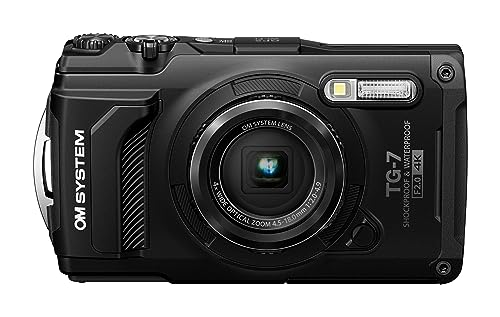
| OM SYSTEM Tough TG-7 | Best durable real camera | A pool pick, labelled durable: waterproof, drop-tough, genuinely capable. |
| VTech KidiZoom Creator Cam | Best for young filmmakers | Video, effects and a flip lens for the child who narrates everything. |
| Canon PowerShot ELPH 180 (used) | Best apprenticeship bargain | A real compact with honest controls, bought used at pocket-money scale. |
| Polaroid Go | Best pocket instant | The smallest instant camera, for pockets, parties and sleepovers. |
| Nikon COOLPIX W150 | Best for water and holidays | Waterproof family fun with underwater modes children adore. |
How did we choose cameras for a ten-year-old’s first real steps?
Growth headroom came first. Ten is a hinge age — halfway between the nursery and the secondary school gate — and a camera chosen for a hinge must open in both directions: simple enough for the child who unwraps it, deep enough for the older child who will own it by the next birthday but one. A camera for a ten-year-old should still be interesting at eleven and a half, which ruled out anything whose charm expires with novelty. We looked for at least one real photographic idea inside each pick — framing discipline, exposure curiosity, storytelling through sequence — because the child who discovers an idea keeps shooting, while the child who only discovers a gadget stops when the gadget does.
Survivability came second, calibrated to ten rather than to five. The distinction matters: at five, a camera must survive its owner; at ten, it must survive the owner’s social world, which is larger, faster and considerably less insured. Ten-year-olds drop things from greater heights, lend things to less careful friends, and carry cameras in bags with water bottles and football boots. Armour, wrist straps and replaceable-everything scored heavily; delicate precision instruments were admired and excluded.
Third came the economics of feeding the habit. A camera whose supplies a child can partly fund from pocket money teaches a different relationship with art than one whose every outing invoices a parent. Film packs, batteries, printing and cards form the camera’s true price across a year, and a present that becomes too expensive to use teaches the wrong lesson entirely. Each review names its running costs in spirit, so families can budget for the hobby rather than be ambushed by it.
Finally we weighed the parent’s workload. Setup that a child can own — charging, transferring, printing, tidying — builds the responsibility this purchase secretly teaches. Cameras demanding constant adult IT support were marked down, however charming their output.
Fujifilm Instax Mini 12 — Best instant teacher
The Instax Mini 12 looks like a toy and behaves like a strict, kind photography tutor. Every press of its shutter spends a frame of film, and that small economics lesson transforms how a ten-year-old shoots: suddenly framing matters, backgrounds get checked, and the wobbly dozen identical shots of the dog give way to one considered portrait. Scarcity is the oldest photography teacher there is, and instant film delivers it in pastel colours.
Operation is a gift to beginners. Twist the lens to wake it, point, press, and the camera handles exposure and flash judgement itself, with a selfie mirror and close-up mode covering the subjects ten-year-olds actually photograph — friends, pets, cakes, dens, each other. The print that emerges becomes currency: traded, gifted, pinned to corkboards, slipped into grandparents’ birthday cards. A digital file is a promise; an Instax print is an object, and children understand objects.
The learning compounds socially. A child with an instant camera becomes the documenter of every party and school trip, practising consent — may I take your picture? — and generosity — here, this one is yours — with every pack. Parents regularly report that the camera’s real curriculum turned out to be those two questions, rehearsed a hundred times a year.
Running costs are the honest counterweight, and families should enter with open eyes. Film is a continuing purchase, priced per memory, and a trigger-happy month can outspend the camera. Many households adopt a rhythm — a pack for occasions, a pack for projects — that keeps the economics sane and, not coincidentally, keeps the photography considered.
Image quality should be judged by instant standards: small prints, soft nostalgia, colours that flatter faces and forgive mixed light. Nobody buys an Instax for resolution. They buy it for the expression on a child’s face as the image surfaces, and for the shoebox archive that a decade of birthdays will quietly assemble.
Choose the Mini 12 when the goal is a child who looks before shooting and shares what they make. It teaches the photographer’s first virtue — attention — with a running meter every ten-year-old can count.
- Role: the instant-print photography tutor
- Output: credit-card-sized physical prints
- Controls: automatic exposure, selfie mirror, close-up mode
- Running cost: film packs, budgeted per occasion
- Curriculum: framing, consent and generosity
Strengths
- Every frame costs, so every frame teaches
- Prints become gifts, trades and keepsakes
- Simple enough to master in an afternoon
Trade-offs
- Film is a continuing expense
- No digital file unless scanned later
- Small prints limit detail and cropping
Best for: thoughtful beginners and social documenters. Not suited for: high-volume shooters or video dreamers.
Buy the album with the camera, not after it. Prints that go straight into sleeves acquire the status of a collection; prints loose in a drawer become clutter with faces, and children protect what they have organised with a pride that extends to the camera itself.

OM SYSTEM Tough TG-7 — The durable real camera
Here is this guide’s one linked pick, and it carries its label openly: a durable choice from our verified pool, a real compact camera built to be dropped, dunked and frozen without complaint. The TG-7 is the answer for the ten-year-old whose life happens outdoors — the scout, the swimmer, the fossil hunter, the child whose previous possessions bear the scars of genuine use. Where other cameras on this page ask for care, this one asks for adventure.
Its toughness is engineered rather than advertised: waterproof to real depths without a case, resistant to drops, dust and freezing, with a lens protected behind serious glass. A ten-year-old can photograph a rockpool from inside the rockpool, film rain from within the rain, and hand the camera to a friend at the beach without the owner’s stomach tightening. That freedom changes what gets photographed more than any specification can.
Beneath the armour sits a photographer’s toolkit with unusual depth for this guide: macro modes that magnify insects and coins into expeditions, underwater colour settings, and enough manual latitude for a curious child to begin asking why one photograph looks different from another. The TG-7 can serve as the family camera on holiday and the child’s own instrument the rest of the year, a double life few products survive.
It is also, frankly, the most expensive idea on this page, and the one most likely to be shared with — or reclaimed by — parents. Families should decide its ownership honestly at purchase: a child’s own camera teaches responsibility in a way a household asset never quite does. Some solve it by making the TG-7 the expedition camera, signed out for trips like library equipment, with the log book kept by its young borrower.
Handling suits determined small hands: chunky controls, a grip that works wet, and menus that reward the child who reads. Battery and charging follow modern USB habits, and the camera’s files are proper photographs that print handsomely for school walls and competition entries.
Choose the TG-7 when durability and real capability must coexist — when the child is rough, the adventures are wet, and the family wants one camera that answers both descriptions without compromise. It is the pool’s durable gift to this age group, labelled as such and recommended on merit.
- Role: the armoured real camera, pool pick
- Label: durable choice for rough, wet lives
- Protection: waterproof, drop, dust and freeze resistant
- Depths: macro and underwater modes for explorers
- Files: proper photographs for print and projects
Strengths
- Survives the childhood other cameras fear
- Real photographic depth beneath the armour
- Doubles as the family holiday camera
Trade-offs
- Premium price for this age group
- Menus reward readers over guessers
- Parents may keep borrowing it
Best for: outdoor children, swimmers and scouts. Not suited for: gentle indoor-only use or tightest budgets.
Rinse it under a tap after sea and pool days, with your child performing the ritual. Care routines attached to adventure become part of the adventure’s story, and a ten-year-old who maintains their own expedition equipment is learning the purchase’s deepest lesson.
VTech KidiZoom Creator Cam — Best for young filmmakers
Some ten-year-olds do not want to take photographs; they want to present programmes. The Creator Cam is built for that child: a child-proofed video camera with a flip-up selfie lens, a green-screen studio in the box, effects, animations and a tripod that doubles as a selfie stick. It treats filmmaking as play and play as practice, which for this age is precisely the right pedagogy.
The production pipeline is the lesson. A child plans a segment, performs it to the flipped lens, adds effects, reviews the rushes and discovers — painlessly, at ten — that editing is where stories are actually made. Parents who grew up with camcorders recognise the lineage; the difference is that this studio fits in a shoebox and survives being dropped on the studio floor.
Stills exist and are serviceable for the class, though nobody should buy it as a stills camera first. Its heart is motion, sound and performance. For the child making stop-motion with toys, weather reports from the garden or magic tricks for grandparents abroad, it provides the complete toy-to-tool bridge in one purchase.
Safety and sharing are sensibly arranged: content moves to a computer by cable under parental supervision rather than uploading itself anywhere, which suits families who want the creativity without the platform. Storage is expandable by card, batteries are rechargeable, and the casing assumes the knocks of a bedroom production company.
Its ceiling arrives with adolescence. The effects that delight at ten may embarrass at thirteen, and the video quality belongs to its class rather than to the creator economy’s sharper tiers. Buy it for the years it fits, not as a decade’s investment, and it repays its price in finished little films — artefacts families keep long after the camera retires.
Choose the Creator Cam when your ten-year-old narrates the world and needs an audience-safe studio. It converts performance energy into storytelling skill, which is a trade any household should make gladly.
- Role: the bedroom film studio for children
- Format: video-first with effects and green screen
- Lens: flip design for self-presentation
- Sharing: cable transfer under parent supervision
- Lifespan: perfect for its years, outgrown by teens
Strengths
- Complete filmmaking playset in one box
- Teaches planning, performance and editing
- No direct uploading keeps parents in charge
Trade-offs
- Stills are a secondary talent
- Effects age out with the child
- Video quality is class-typical, not pro
Best for: performers, narrators and stop-motion fans. Not suited for: stills purists or long-term investments.
Establish the family premiere ritual: finished films get watched once, together, with popcorn and applause. Children who know their work will be witnessed finish more of it, and the Creator Cam’s educational value lives in finished films, not in abandoned special effects.
Canon PowerShot ELPH 180 (used) — Best apprenticeship bargain
There is a distinguished route into real photography that costs less than a family takeaway: a used compact from a serious maker, bought with the inspection care our bridge guide teaches. The ELPH 180 — the IXUS 175 in some regions — is a slim Canon compact with a proper zoom, honest automatic modes and the beginnings of manual curiosity, circulating used in numbers that make it this list’s apprenticeship bargain.
What it teaches is authenticity. This is not a camera pretending to be grown-up; it is a grown-up camera, with a real sensor, real metering and files that reward good light and expose bad technique kindly. A ten-year-old who masters it has learned photography itself — composition, timing, the discipline of a battery and a card — transferable to every camera they will ever own.
The used purchase is part of the curriculum when parents make it so. Let the child help inspect: test the zoom, check the screen, photograph a bright sky and hunt for spots, count the accessories. A child who has examined their own camera before buying understands ownership differently from one handed a sealed box, and the lesson in careful buying outlasts the camera.
Condition notes are practical. ELPH batteries are common and replaceable, chargers likewise, and the model’s simplicity leaves little to go wrong beyond the zoom mechanism and the screen. Buy from sellers who describe honestly, favour kits with both battery and charger, and accept cosmetic wear as the discount’s fair price — the lens and the sensor are the biography that matters.
Limits are the class’s usual ones, plus age: low light is a negotiation, video is modest, and there is no armour beyond a good strap and a taught habit of care. For a careful ten-year-old — and ten is exactly when careful children appear — those limits read as the terms of a real apprenticeship rather than as flaws.
Choose the used ELPH when the budget is small and the child is ready for the genuine article. It proves that a first real camera need not be new, only honest, and that thrift and seriousness can share a pocket.
- Role: the authentic used compact apprenticeship
- Buying route: inspected second-hand purchase
- Controls: real automatic modes, honest metering
- Running gear: common batteries and chargers
- Lesson set: photography itself, plus careful buying
Strengths
- Genuine camera craft at minimal cost
- Slim enough for pockets and school trips
- Simple mechanics, little to go wrong
Trade-offs
- No armour for rough handling
- Low light and video are modest
- Condition depends on the individual example
Best for: careful beginners and thrift-minded families. Not suited for: rough-and-tumble daily carrying.
Give the apprenticeship a project with a deadline — photograph the family’s week, the street’s seasons, the dog’s biography — and print the results at the end. A used camera plus a finished project equals a portfolio, and portfolios turn hobbies into identities at exactly this age.
Polaroid Go — Best pocket instant
The Polaroid Go is the instant idea shrunk to pocket scale: the smallest instant camera in its family, producing small square prints from film made only for it. For a ten-year-old, its size is the argument — it rides in a coat pocket to parties, museums and sleepovers where a larger camera would be left at home, and a camera that attends everything documents everything.
Its operation charms beginners: a selfie mirror, simple flash judgement, a double-exposure trick for the artistically inclined, and prints that develop in the hand while friends crowd round. The social physics of instant photography — the huddle, the reveal, the gift — operate at full strength here, in a format sized for small hands and small albums.
The film’s smallness cuts both ways. Prints are keepsakes rather than documents, fine detail dissolves into mood, and the cost per frame deserves the same household rhythm discussed for its Fujifilm cousin: packs for occasions, not for afternoons of abandon. Families who accept those terms get a camera whose limitations are simply its aesthetic, worn openly.
Build and battery suit the age: rechargeable by USB, light enough to forget it is being carried, robust enough for the pocket economy of keys and conkers it will live among. It lacks the TG-7’s armour and the ELPH’s craft ambitions, and replaces both with sheer attendability — the quality of being present, which experienced photographers rank embarrassingly high among camera virtues.
As a second instant in a family that already owns the larger format, it still earns a place as the personal one: the camera that is the child’s own, in the child’s pocket, while the family Instax serves occasions. Ownership at ten is a powerful motivator, and small, personal and always-present is a compelling definition of a first camera.
Choose the Go when portability and personality lead — when the child wants a camera that is unmistakably theirs and goes where they go. It trades size for presence and wins the trade on most days of a ten-year-old’s year.
- Role: the pocket-sized personal instant
- Prints: small square format, keepsake scale
- Features: selfie mirror, double exposure play
- Battery: USB rechargeable, all-day light use
- Virtue: attendability — it is simply there
Strengths
- Smallest instant camera in its family
- Pocket presence at every occasion
- Prints fuel friendships and albums
Trade-offs
- Tiny prints sacrifice fine detail
- Dedicated film is a running cost
- No craft controls to grow into
Best for: social ten-year-olds and pocket carriers. Not suited for: detail lovers or project photographers.
Start a print-a-week wall together, one frame chosen every Sunday. The discipline of choosing — from a pocket camera’s plenty — teaches editing earlier than any software could, and the wall becomes the year’s autobiography in small squares.
Nikon COOLPIX W150 — Best for water and holidays
The W150 is the family holiday camera wearing a child’s smile: waterproof, shock-resistant and decorated in colours and patterns that announce it is safe to have fun with. Nikon designed it for exactly the scenes that terrify parents of camera-owning children — pools, beaches, water parks, snowy hills — and its underwater modes turn a first snorkel into a photographic expedition.
Operation is pitched at confident independence. Big, simple controls work with wet hands, menus speak plainly, and playful frames and effects satisfy the creative urge without overwhelming the photography. A ten-year-old can run it entirely alone by the second day of a holiday, which is the point: parents get to be on holiday too, rather than serving as the camera department.
Image quality is holiday-honest: bright, cheerful files in daylight and underwater, softening as light falls, with video adequate for the pool tricks and beach reports it will mostly record. Nobody should buy it for evening restaurants. Everybody should buy it for the hours when the expensive cameras are locked in the hotel safe and the actual fun is happening in the water.
Its toughness is family-grade rather than expedition-grade — the TG-7 above out-armours it — but the W150’s price and friendliness reflect its station, and a camera a child is allowed to use freely will out-photograph a superior one rationed by anxiety. Rinsing after salt water and keeping the battery door’s seal clean are the whole maintenance liturgy, easily taught and easily kept.
As a growth camera it has a natural term: children graduate to craft cameras as their ambitions sharpen. Yet the W150 often survives graduation as the household’s water camera, summoned for every beach and pool for years, which makes its cost-per-summer quietly excellent.
Choose the W150 when holidays are wet and the photographer is ten. It converts the most anxious photographic territory in family life — water plus children plus electronics — into the most relaxed, and relaxation photographs beautifully.
- Role: the waterproof family-holiday companion
- Protection: waterproof and shock-resistant body
- Controls: big, simple, wet-hand friendly
- Modes: underwater settings and playful frames
- Afterlife: the household’s standing water camera
Strengths
- Pool and beach photography without anxiety
- A child can run it independently by day two
- Friendly price for genuine waterproofing
Trade-offs
- Evening image quality softens quickly
- Less armour than the expedition class
- Craft controls are limited by design
Best for: holidays, pools, beaches and snow days. Not suited for: evening events or serious craft learning.
Make the first underwater photograph a portrait of the child’s own feet on the pool floor. It sounds like a joke and works like a key: once a ten-year-old understands the camera truly belongs in the water, a whole new continent of subjects opens, and the holiday album changes forever.
How do the six best digital cameras for 10 year old kids compare?
| Camera | Type | Output | Toughness | Choose it when |
|---|---|---|---|---|
| Fujifilm Instax Mini 12 | Instant | Physical mini prints | Everyday care needed | Framing discipline is the goal |
| OM SYSTEM Tough TG-7 | Rugged compact, pool pick | Full digital files | Expedition armour | The child lives outdoors |
| VTech KidiZoom Creator Cam | Kids’ video studio | Video with effects | Child-proofed casing | The child performs and narrates |
| Canon PowerShot ELPH 180 (used) | Real compact | Full digital files | Teaches careful habits | Authentic craft on a budget |
| Polaroid Go | Pocket instant | Small square prints | Pocket-tough enough | Presence beats everything |
| Nikon COOLPIX W150 | Waterproof family | Digital files | Water and shock resistant | Holidays are wet |
The table’s hidden column is time. Instant cameras pay out in minutes, the creator camera in finished films by Friday, the craft cameras across a year of growing skill. Choose the timescale your child actually lives on, and the right row tends to glow.
How do you teach a ten-year-old to look after a real camera?
Make the rituals physical and few. Strap on before the camera leaves the hand, lens cap or cover as the resting state, camera into its pouch before it enters the bag, charging on the same evening hook where school things live. Four habits, taught once and modelled by every adult in the house, cover ninety percent of childhood camera mortality.
Give maintenance a small dignity. A cleaning cloth of their own, a blower they are allowed to operate like laboratory equipment, a log book where outings and prints are recorded — children rise to the seriousness they are lent. The ten-year-old who logs a camera’s adventures is rehearsing the care of every expensive thing adulthood will later entrust to them.
Which mistakes do parents make buying a first real camera?
Buying for the child they were, rather than the child they have, leads the list: the craft camera for the performer, the instant for the archivist, the armoured expedition model for the child whose natural habitat is the library. Second is underestimating running costs, so the camera arrives like a puppy at Christmas and starves by February for want of film, cards or a replacement battery.
Third is hovering. A first camera supervised to death teaches that photography is a parental performance review, and the child stops experimenting precisely where learning lives. Set the safety rules — people, privacy, care of the object — then let the frames be crooked, the subjects be odd, and the delete button be theirs. The album of a ten-year-old should look like a ten-year-old made it; that is its entire archival value.
What photography projects suit a ten-year-old’s first year?
Projects convert a present into a practice. The hundred-step project — photograph everything interesting within a hundred steps of home — teaches that subjects hide in the familiar. A season tree, revisited monthly from the same spot, teaches time. Portraits of grandparents with three questions each teach the social art, and a printed family calendar at year’s end teaches the deepest lesson: photographs are for people.
School amplifies everything. Science fairs, geography fieldwork and history projects all eat photographs gratefully, and the child with a real camera and a year’s practice becomes the class documenter — a role with status, responsibility and a portfolio. Parents choosing between the picks above can weigh which camera serves the projects their child is likeliest to meet.
How does a camera fit a family’s screen-time rules?
Parents who ration screens often discover the camera is the exception that clarifies the rule. A dedicated camera has no feed, no messages and no algorithmic weather; its screen exists to serve the photograph and then go dark. Many households therefore classify it with pencils and bicycles rather than with tablets, and the child gains a creative tool that does not smuggle the entire internet into their pocket disguised as a lens.
The distinction deserves one honest caveat: the creator camera’s effects and the digital picks’ review screens can still absorb an afternoon if a child is so inclined. The difference is authorship. Time spent reviewing your own photographs, however long, is time spent with your own work, and families who have watched both kinds of absorption rarely confuse them afterwards.
Why does printing at home change a young photographer’s year?
A photograph on a screen is a rumour; a photograph on the fridge is a fact. Families with any route to printing — a home printer, a shop’s instant kiosk, a monthly order of favourites — watch a child’s standards quietly rise, because print forgives nothing and celebrates everything at a size hands can hold. The instant picks build this in; the digital picks ask parents to build it deliberately, a dozen prints a month being plenty.
Printing also solves the archive problem in the most old-fashioned way. Cards corrupt, accounts lapse and childhood phones get replaced, while the envelope of prints from the year a child was ten survives every technology migration the family will ever perform. Choose the year’s fifty best together each December and the camera purchase completes its transformation into a family institution.
How should siblings share — or not share — a first camera?
Ownership clarity beats sharing theory at this age. A camera that belongs to one child gets cared for, carried and mastered; a camera that belongs to everyone gets left in the car. Where budgets force sharing, assign custody by the calendar — one child’s camera for the term, the other’s for the holidays — and let each keep their own card or film supply, because the archive is the personal part.
Younger siblings will want in, and the picks here suggest the household’s ladder: the ten-year-old’s graduated camera becomes the eight-year-old’s treasure in a year or two, while the elder climbs to the next instrument. Planned hand-me-downs convert one purchase into a dynasty, and children who know their camera has a future heir treat it with a curator’s unexpected tenderness.
What should a school trip camera survive, and what should it cost?
Residential trips are where first cameras earn their legend: three days of castles, coastlines and coach windows, documented by the only photographer the child fully trusts — themselves. The trip camera needs a strap that cannot slip, a battery routine rehearsed at home, and a value the family can survive losing, because buses and dormitories have ended more cameras than any ocean.
That loss calculus is why the used Canon and the friendlier-priced picks exist on this list beside the armoured flagship. Send the TG-7 to the gorge-walking expedition if it is the child’s own and insured by family policy; send the ELPH or the W150 to the dormitory week and sleep soundly. Matching the camera’s value to the trip’s chaos is not pessimism — it is logistics, and ten-year-olds who help plan it learn risk as a subject rather than as a surprise.
What do you do when the first camera’s novelty fades?
Expect the dip around week six, when the camera has photographed everything obvious and the child declares there is nothing to take pictures of. This is not the hobby ending; it is the hobby beginning, because professional photographers meet the same wall every working week and climb it with assignments. Offer one: photograph only reflections for a day, only doors, only the colour yellow, only things smaller than your hand.
New audiences revive flagging cameras as reliably as new subjects. A grandparent awaiting a weekly print, a school exhibition with an entry deadline, a family calendar promised for Christmas — each converts private snapshots into work with witnesses. Parents who keep a small stock of such occasions in reserve will find the camera’s second year busier than its first.
And if the interest truly ends, let it end without a tribunal. The camera goes to the sibling ladder or the holiday drawer, the prints remain, and the child keeps the looking skills the year installed. Not every gift must become a destiny; some are allowed to become a good year, thoroughly documented.
How do you wrap a camera so the first day goes well?
Charge it, load it and shoot the first frame yourself: a note saying the camera is charged, loaded and already expecting great things. Add the strap attached — small screws and loops defeat excited fingers — plus one set of supplies beyond the starter: the second film pack, the spare card, the batteries that turn a Christmas-morning camera into a Christmas-afternoon one. The unboxing should end with photography, not with a parent hunting a charger while the light goes.
Include one invitation in the box, written by hand: the first expedition, dated. A walk to photograph the neighbourhood’s doors, a trip to the market for colours, a portrait sitting with the family dog as the honoured first subject. Gifts with appointments survive January; gifts without them join the drawer census, and a camera’s whole tragedy is the drawer.
Which accessories make sense for a ten-year-old’s camera?
A case the child chooses personally, in a colour they will defend, because cases only protect cameras they are actually used on. A strap upgrade if the included one is string, a small album or print box for the instant shooters, a card wallet for the digital ones, and a cleaning cloth that lives in the case rather than in a parent’s drawer of good intentions.
Resist the miniature tripod, the lighting kit and the drone-shaped temptations of the accessory shelf until the child has named a need those objects answer. Accessories bought ahead of need become clutter with a receipt; accessories bought in answer to a project’s problem become tools with a story. The distinction is a budget lesson disguised as shopping, and ten is a fine age to learn it.
How does a first camera change family holidays?
It redistributes the archive. Parents’ holiday photographs star the children; the child’s holiday photographs star the parents — mid-laugh, mid-map-error, mid-ice-cream — plus the cats, signage and minor doorways that adults edit out of their attention. Families who compare albums afterwards routinely find the child’s version stranger, funnier and, in the long run, more honest about what the trip felt like from four feet lower.
It also redistributes patience. A child with a camera has a reason to wait at the viewpoint, tolerate the museum’s second room and walk the long way back along the beach. Photographers of any age endure journeys better than tourists, because every delay is potential material — a lesson worth the price of any camera on this page, learned at ten and kept for life.
What safety rules should travel with the camera?
Three, taught once and kept short enough to survive excitement. Photograph people you know, or ask; never photograph through windows, fences or other people’s private moments, however interesting the light. Keep the strap on anywhere a fall would be the camera’s last — bridges, boats, balconies — and keep yourself out of roads, rails and cliff edges for any photograph, because no frame in this world is priced in a child’s safety.
Online, the rule is parental and absolute at this age: photographs travel further only through the family’s channels, never from the child’s own accounts or devices unsupervised. The cameras here support that rule gracefully, since none of them uploads anything by itself — one more argument for the dedicated camera as the ten-year-old’s photographic country, with borders the family controls.
How do grandparents and godparents buy into the project?
Extended family often asks what a young photographer needs, and the camera creates a rare answer with a price for every purse: film packs, prints, an album, a case, a photography book for children, a trip to an exhibition. A child whose hobby has a gift economy around it receives encouragement in parcels all year, and relatives who live far away can participate in a passion they can see developing, print by print.
Reciprocity completes the circle. The young photographer’s finest product is the portrait of the grandparent, made with care and delivered in a frame — an object no shop sells and no other grandchild’s shop-bought present can rival. Families report these portraits migrating to mantelpieces with a speed that embarrasses professional work, which tells you everything about what photographs are actually for.
What does a ten-year-old learn from deleting photographs?
Judgement, eventually — but the sequence matters. Beginners should first learn to keep generously, because storage is cheap and childhood’s discarded frames become archaeology. The delete lesson arrives later, ideally at the printing table: choosing ten from a hundred teaches more about seeing than deleting ninety in the camera ever will, because the choosing is done slowly, comparatively and with witnesses.
Parents can model the mature version: show your own outtakes sometimes, admit the frame that failed and why, and the child learns that photographers are editors of their own luck rather than magicians who never miss. That honesty is protective, too — a child who believes good photographers never fail will conclude, at the first failed afternoon, that the fault is personal and permanent.
How do you choose between instant and digital for a particular child?
Watch how the child treats their other treasures. The keeper of collections, the arranger of shelves, the child whose birthday cards live in a box — that child is an instant photographer waiting for film, because their joy is in objects kept and ordered. The experimenter who takes toys apart, asks how the car works and hoards questions — that child wants the digital compact and its menus, because their joy is in systems understood.
Watch also what the child photographs with borrowed phones. A stream of faces and friends argues instant and social; a stream of bugs, skies and machinery argues digital and exploratory. Children announce their photographic temperament constantly to anyone observing before shopping, and the announcement is worth more than any review — including, respectfully, this one.
When the signals conflict, the household compromise is sequencing: instant first for the year of delight and discipline, digital apprenticeship next when the framing habits are installed. Each camera then teaches what it teaches best, in the order a young photographer can absorb, and the family’s total spend across two years is gentler than one premium leap taken too early.
What role should the family archive play in the first year?
Give the young photographer’s work a destination from the start: a shelf box with their name on it, a folder on the family drive, a section of the hallway wall. Work that has a home gets finished; work that evaporates into a card teaches that photographs are weather. The destination need not be grand — a shoebox labelled in the child’s own handwriting has launched more photographers than any cloud service.
Review the archive together at the year’s turning points, not to grade but to notice: the subjects that recur, the skills that arrived unannounced, the friend who appears in every month like a chorus. Children who see their own development laid out in prints understand growth as something they did, and a ten-year-old who understands that about photography will shortly understand it about everything else they practise.
How do you handle the inevitable first breakage or loss?
Decide the household policy before the camera arrives, while everyone is calm: what the child contributes toward repair from pocket money, what the family absorbs as the cost of learning, and which trips the camera simply does not take. Policies invented after a tearful loss are negotiations; policies agreed in advance are education, and the difference matters to a ten-year-old’s sense of fairness more than the money does.
When breakage comes, resist both extremes — the instant replacement that teaches objects are weather, and the permanent confiscation that teaches hobbies are traps. Repair what can be repaired together at the kitchen table, mourn what cannot with a small ceremony and a final print, and let the sibling ladder or the holiday drawer supply the interim camera. Children remember how a loss was handled long after they forget the camera, which is why this section exists in a buying guide at all.
Final Recommendation
For most ten-year-olds, start with the Instax Mini 12 if delight and discipline should arrive together, or the used Canon if a careful child is ready for the genuine article at a gentle price. Add the TG-7 — our labelled durable pool pick — when the child’s life is wet and rough, the Creator Cam when they perform, the little Polaroid when pockets rule, and the Nikon when holidays swim. Whichever you choose, hand it over with a project, a strap and your trust — because a first real camera at ten is never really about the camera, and the photographs your child brings home this year will prove it by Christmas.
Related guides
Frequently Asked Questions
Is ten too young for a real camera?
For most children, ten is the sweet spot: old enough for care and curiosity, young enough for wonder to outrun self-consciousness. The picks here span the readiness range — instant and armoured options for the still-rough, genuine compacts for the ready — so the answer depends on the child, not the birthday.
Should the camera have Wi-Fi for sharing?
It helps the family archive, since photographs that reach a parent’s phone get backed up and printed. It is not essential at ten, and several excellent picks share by card or cable instead. Treat connectivity as a convenience for adults rather than a feature the child will use daily.
How much should we budget beyond the camera?
Plan for the feeding: film packs for the instant picks, a card and spare battery for the digital ones, a case or pouch, and a small printing allowance across the year. The honest total is the camera plus a season of use, and families who budget both avoid the February starvation described above.
What about privacy and photographs of other children?
Teach the household rule early: ask first, accept no gracefully, and let parents decide about sharing beyond the family. Instant cameras make this tangible — the print is handed over, not uploaded — which is one reason they anchor this list for the age group.
Can a ten-year-old join a photography club with these?
Absolutely. School and community clubs care about enthusiasm and a working camera, and several picks here — the used Canon, the TG-7, even the Instax for themed projects — hold their own in club company. Clubs also supply the projects and audiences that turn a gift into a practice.
When should we upgrade to a bigger camera?
When the child starts naming the current camera’s limits in photographic language — light, reach, control — rather than in boredom. That vocabulary is the graduation certificate, and it usually arrives a year or two after a well-chosen first camera has been thoroughly used.
Related Guides
Keep exploring with our guides to the best digital cameras for 8 year olds, first cameras for teenagers and photography projects for school children.


