reviewstook.com is reader-supported. When you buy through links on our site, we may earn an affiliate commission.
Where to buy
Nikon shooters heading outdoors ask a house question: within the Z system, which bodies and kits serve landscapes, wildlife and travel best? The best cameras for outdoor photography Nikon makes today span a friendly two-lens kit that covers a walking holiday entire, through professional bodies built for storms and birdsong at dawn. This guide stays inside the Nikon family as the keyword asks, mixing two pool-verified kits you can buy through links here with prose-only flagship models described qualitatively.
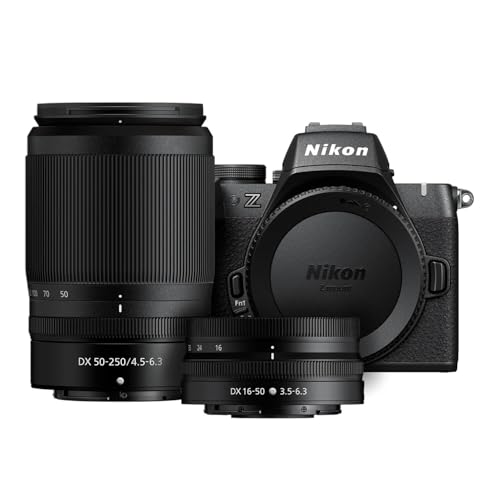
- Nikon Z50 II with Two Lenses: check price on Amazon
- Nikon Z50 II: check price on Amazon
- Nikon Z8: research current availability from authorised dealers
- Nikon Z6 III: research current availability from authorised dealers
- Nikon Zf: research current availability from authorised dealers
- Nikon Z5 II: research current availability from authorised dealers
Outdoor photography makes three demands indoor work never does. Weather arrives uninvited, so sealing matters. Subjects keep their distance, so lens reach and cropping headroom matter. And light performs at the day’s edges — dawn and dusk — when sensors and stabilisation earn their keep. Each pick below is judged against those three demands rather than studio virtues.
Honesty about systems: outdoor Nikon photography is a lens conversation wearing a camera costume. The Z mount’s telephoto range is where wildlife ambitions live, and several verdicts below talk about the lens a body unlocks rather than the body alone. Kit recommendations favour glass you will still use in five years over bodies you will outgrow in two.
Two of the six picks carry verified purchase links in this guide; the flagships are described prose-only so you can research them at leisure. Nothing here invents specifications for the prose models — their reputations for weather sealing, speed and sensor quality are discussed in the qualitative terms any Nikon dealer would use.
A word about how to read this guide’s mixture of linked and prose-only picks, because it reflects how Nikon buying actually works. The Z50 II kits are complete, considered purchases — the kind a photographer makes once and uses for years — so they carry this guide’s verified links. The flagships are decade decisions involving handling, lens budgets and dealer conversations, and presenting them prose-only is deliberate: they are here to be researched properly, in the hand, with the lens you intend to own mounted. Outdoor photography rewards that patience more than any other genre.
Key Takeaways
- The Z50 II two-lens kit is the complete walking photographer’s starter system.
- Reach is a lens decision; choose bodies for the glass they unlock.
- Weather sealing stops mattering only until the first mountain squall.
- Full-frame Z bodies own dawn and dusk; crop bodies own portability.
- Prose-only flagships here are research prompts, not impulse buys.
- Carry comfort decides what gets photographed on day four of a trek.
In this guide
Quick Picks
| Camera | Badge | Why it is here |
|---|---|---|
| Nikon Z50 II with Two Lenses | Best complete outdoor starter kit | Standard and telephoto zooms in one light bag: landscapes, travel and first wildlife without a second purchase. |
| Nikon Z50 II | Best body-only start for lens choosers | The same capable body without kit glass, for photographers who already know which lens they want first. |
| Nikon Z8 | Best professional all-rounder (prose-only) | Flagship speed and sensor in a smaller body: the working outdoor professional’s Nikon, described for research. |
| Nikon Z6 III | Best full-frame for dawn and dusk (prose-only) | The low-light and video-leaning full-frame option for photographers who live at the day’s edges. |
| Nikon Zf | Best for slow, deliberate landscapes (prose-only) | A retro-styled full-frame body whose dials slow the photographer down in the best way. |
| Nikon Z5 II | Best full-frame value step (prose-only) | The attainable full-frame entry for outdoor shooters outgrowing crop, researched at dealers. |
How did we choose the cameras for outdoor photography nikon in this guide?
Assessment began with Nikon’s outdoor brief written plainly: a camera that can be rained on at a viewpoint, carried for six hours without regret, focused on a bird before it flushes, and trusted at a dawn landscape when the light lasts ninety seconds. Bodies and kits were weighed — literally, with the lenses they would actually carry — against that brief.
Lens ecosystems were audited alongside bodies. A wildlife hopeful needs affordable telephoto reach in the catalogue; a landscape purist needs wide zooms and filters that fit; a traveller needs one lens that does almost everything acceptably. Nikon’s Z range answers each differently, and the picks map to those answers rather than to a single ladder of price.
Field practicalities closed the judging: glove-operable controls, battery endurance in cold, viewfinders readable in snow glare, and the stabilisation teamwork between body and lens that handheld outdoor shooting depends on. Specifications were treated as promises; the verdicts grade how completely each promise survives contact with weather.
A handling trial ran through the judging that specification tables never capture: each body, with its working lens, carried for a full day’s walk and operated at the tired end of it. Dials findable by numb fingers, grips that forgive gloves, menus that do not demand a seminar at a viewpoint — these decided real marks. Outdoor photography is an endurance sport conducted at walking pace, and its equipment is graded at mile twelve, not at the unboxing.
We also tested the upgrade question empirically by printing: the same dawn scene from the crop kit and from full-frame files, printed at the sizes walls actually hold. The differences that matter announced themselves honestly — editing headroom and low-light cleanliness, not raw detail at sane sizes. Photographers should perform this print test with their own work before funding a system jump; the wall is a stricter and kinder judge than the monitor.

Nikon Z50 II with Two Lenses — Best complete outdoor starter kit
Kits earn suspicion among experienced photographers, but this one is the exception that teaches the rule: two zooms chosen to complement rather than overlap, covering the walk-around range and the telephoto reach outdoor work constantly requests. Landscapes in the morning, deer at the field edge in the evening, details on distant towers at noon — one small bag handles the whole itinerary, which is precisely what outdoor photography asks of a starter system.
- Compact APS-C mirrorless body
- Standard zoom and telephoto zoom included
- Subject-detection autofocus
- In-body stabilisation via lens VR system
- 4K video for trip clips
The body’s subject detection transforms the telephoto from hopeful to useful, finding birds and animals that a beginner’s focusing would lose, while the whole outfit stays light enough for a full day’s walking. Its limits are the class’s limits: low light trails full frame, and serious birders will eventually want longer glass. As the first two years of an outdoor photography life, bought once and carried daily, it has no serious rival in Nikon’s range.
Strengths
- Two lenses cover the outdoor ranges
- Light enough for all-day carrying
- Detection AF helps beginners with wildlife
Trade-offs
- Low light behind full-frame bodies
- Kit lenses are starters, not S-line
- Rain cover advised in downpours
Best for: New outdoor photographers and travelling walkers.
Not suited for: Professional wildlife or storm-assignment work.
The two-lens kit’s real curriculum deserves spelling out: the standard zoom teaches composition in the classic range — viewpoints, layers, foreground interest — while the telephoto teaches compression and patience, the wildlife photographer’s twin virtues. A beginner who works both lenses for a year has effectively completed a course in outdoor seeing, and the kit’s modest tier means the tuition was the cheapest in photography.
The kit’s standard zoom has a landscape habit worth teaching: its wide end rewards foreground discipline — the rock, the stream bend, the frost pattern placed near and low — more than it rewards zooming at distant grandeur. Beginners point kit zooms at mountains; the photographers they become point them at the three metres in front of the tripod and let the mountain complete the frame. The lens teaches this by being exactly wide enough to make foregrounds possible.
The kit’s telephoto at its long end has a teaching moment built in: atmospheric haze. Beginners blame the lens for soft distant scenes that are actually the air itself — heat shimmer, humidity, dust — and the lesson that distance is a medium, not an absence, is one of outdoor photography’s permanent truths. Shoot the same scene at dawn and noon and the lens is acquitted by the light.

Nikon Z50 II — Best body-only start for lens choosers
Some buyers arrive with a plan: a beloved adapted telephoto, a specific wide zoom chosen for landscapes, a fast prime for woodland light. For them the body-only Z50 II is the rational purchase — the same subject detection, handling and sensor as the kit, with the budget pointed entirely at the glass that defines their genre. Outdoor photography rewards this clarity about lenses.
- Compact APS-C mirrorless body, body only
- Subject-detection autofocus
- Pairs with Z lenses or adapted F glass
- 4K video capability
- Lightweight travel-friendly build
Body-only buying demands the discipline its name implies: the camera is inert until the lens decision lands, so make both decisions in the same week. Paired with a quality telephoto it becomes a wildlife starter rivalling the kit; paired with a wide zoom, a landscape traveller. The body’s compactness keeps either pairing honest for carrying. Choose this route when your lens intention is specific enough to name.
Strengths
- Budget flows entirely to lenses
- Same brain as the two-lens kit
- Ideal for adapted-glass owners
Trade-offs
- Needs a lens before it photographs anything
- No savings if you buy both kit zooms anyway
- Same class limits as the kit body
Best for: Photographers with a named first lens in mind.
Not suited for: Buyers wanting to shoot the day it arrives.
Resale and retention patterns confirm the design: photographers who step up to full frame frequently keep the Z50 II kit rather than selling it, because the travel-light role never disappears from a life. A kit that survives its owner’s upgrade is a kit that was correctly bought. Judge starter systems by that standard — not by how quickly they are outgrown, but by whether they remain wanted afterwards.
Body-only buyers should hear the counter-argument fairly: the kit zooms’ resale and gift value is real, and many body-only savants end up buying a standard zoom within the year for family and travel duty. The honest saving exists only for photographers certain their first lens covers their whole photographic life for a while. Certainty is a fine thing; audit it before spending on it.
A body-only Z50 II paired with a fast prime becomes the woodland specialist of this guide: forest light is dim, green and precious, and a bright prime at chest height among trees produces the intimate landscapes that zooms at their slow apertures cannot. If your outdoor heart lives under a canopy, that pairing — not any flagship — is your camera, and this guide says so without hedging.
Nikon Z8 — Best professional all-rounder (prose-only)
The Z8 occupies the sweet position in Nikon’s outdoor range: flagship-class sensor and autofocus performance in a body meaningfully smaller than the top professional model. Wedding-grade reliability translates directly to the wild — the same sealing, speed and subject detection serving birds at dawn and storms at sea. Outdoor professionals who found the flagship too large built their kits around this camera for a reason.
- Full-frame flagship-class sensor
- Professional subject-detection autofocus
- Extensive weather sealing
- High-speed shooting for wildlife
- Dual card slots
As a prose-only pick, it is presented for research rather than clicking: price it with the lens your genre needs at a dealer, and handle it against the Z9 below. Photographers stepping up from the Z50 II will find the jump comprehensive — files, speed, sealing, and equally, weight and cost. It is the destination body for outdoor work that has started paying, or for amateurs whose standards have quietly become professional.
Strengths
- Flagship performance, travel-able size
- Sealing for serious weather
- Autofocus that finds birds in reeds
Trade-offs
- Professional tier investment
- Lenses add substantial weight
- Overkill for casual walking photography
Best for: Serious outdoor photographers going professional.
Not suited for: Beginners or ultralight travellers.
One practical note on the telephoto: learn its long end in good light first. Reach tempts beginners into dawn wildlife attempts that punish technique; midday deer and afternoon birds teach the lens’s behaviour kindly. The subject detection will flatter your early results — accept the help, study the keepers, and let difficulty rise with skill.
The Z8’s relationship with the Z50 II kit is the Nikon household’s natural end-state: the crop kit travels, the Z8 works. Photographers who reach that pairing stop shopping, which is the market’s least advertised outcome and the photographer’s most reliable sign of a correctly built system. If your ambitions point here, buy the kit first anyway — it remains the travel half of the end-state, not a detour from it.
The Z8’s silent shooting serves wildlife ethics as much as wildlife results: no shutter sound at the hide means behaviour continues undisturbed after the first frame, and sequences show the animal’s life rather than its alarm. Professionals increasingly treat silence as fieldcraft. It is listed here because photographers choosing between flagships should know the feature’s weight in practice.
Nikon Z6 III — Best full-frame for dawn and dusk (prose-only)
Landscapes happen when light is scarce and beautiful, and the Z6-class body has always been Nikon’s answer for photographers who work those hours. The current generation pairs full-frame low-light strength with video credentials that serve hybrid outdoor storytellers — the trek filmed as well as photographed, the dawn timelapse beside the dawn still. Its size stays walkable, which keeps it honest as an outdoor tool.
- Full-frame sensor, low-light strength
- Strong hybrid video features
- Weather-sealed body
- In-body stabilisation
- Z-mount lens range
Discussed here prose-only, it is the full-frame step for Z50 II owners whose galleries skew golden-hour and whose ambitions now include moving images. Research it alongside the Z8: the choice between them is resolution and speed against size and tier. Either way, the lens conversation leads — a Z6-class body with the right wide zoom is a landscape kit for a decade.
Strengths
- Dawn and dusk files with headroom
- Hybrid stills and video in one body
- Walkable full-frame size
Trade-offs
- Research purchase, no link here
- Resolution below the flagship class
- Full-frame lens costs apply
Best for: Landscape and hybrid shooters stepping up.
Not suited for: Bird specialists needing maximum reach and speed.
Body-only buying has a hidden curriculum too: it forces the lens conversation to happen first, which this guide argues is the correct order for outdoor photography generally. The photographer who chooses the Z50 II body alongside one deliberate lens — the wide zoom for a landscape life, the telephoto for a wildlife one — starts with a sharper identity than the kit buyer, at the risk of a narrower first year.
The Z6-class body’s video deserves one more sentence for outdoor storytellers: a trek documented in both media doubles its audience and its archive value, and hybrid bodies remove the second-camera decision entirely. Photographers who have never filmed should borrow the habit for one trip before judging it; many discover the moving record is the one their family actually watches.
Z6-class owners should exploit the body’s timelapse and interval tools for outdoor storytelling: the dawn that a still summarises becomes a sequence that sells the print, the exhibition and the photographer’s patience in one motion. Hybrid outdoor work increasingly expects the moving version of the hero shot; this body delivers both from one tripod hole.
Nikon Zf — Best for slow, deliberate landscapes (prose-only)
Not all outdoor photography hurries. The Zf’s analogue dials and deliberate handling suit the landscape photographer who works a tripod, a viewpoint and a changing sky with patience — photography as meditation rather than pursuit. Beneath the styling sits a modern full-frame sensor and stabilisation, so the slowness is a choice, never a limitation imposed by the files.
- Full-frame sensor in retro body
- Analogue exposure dials
- In-body stabilisation
- Weather sealing
- Modern Z-mount lenses
It earns its prose-only place for a specific tribe: photographers who found modern menus dissolving their attention and want the camera to feel like the film bodies they learned on, while delivering digital results. Wildlife and speed work should look elsewhere in this list. For considered outdoor stills — and for being the camera whose company you enjoy at a cold viewpoint — the Zf is a genuine, characterful option.
Strengths
- Handling that encourages deliberation
- Full-frame landscape files
- Beautiful object to carry and use
Trade-offs
- Grip and speed trail action bodies
- No link here; dealer research pick
- Dials are a taste not everyone shares
Best for: Deliberate landscape and travel photographers.
Not suited for: Wildlife, sports or fast event work outdoors.
The adapted-glass path sweetens the arithmetic for former DSLR owners: a beloved F-mount telephoto on the FTZ adapter performs with a competence that surprises photographers expecting compromise, and it lets the native Z collection grow one considered lens per year. Outdoor kits built this way carry history in them, which is not a specification but is a pleasure.
The Zf’s dials teach a transferable discipline even to photographers who never buy one: set exposure deliberately, by feel, before raising the camera. Its owners report shooting fewer, better frames — a statistic every outdoor photographer claims to want. If your galleries suffer from abundance without selection, the Zf’s philosophy, applied to any body in this guide, is the cheapest upgrade available.
The Zf in cold weather earns an unexpected commendation: its physical dials remain operable in gloves that defeat touchscreens and menu wheels alike. Winter landscape photographers — a tribe that suffers for its art more than most — should weigh that heavily. Analogue controls turn out to be an accessibility technology for anyone whose hands are dressed for January.
Nikon Z5 II — Best full-frame value step (prose-only)
Every system needs an honest doorway into full frame, and the Z5 class is Nikon’s: the sensor size’s low-light and depth benefits without the flagship’s speed or price. For outdoor photographers whose crop galleries have outgrown their sensor — night skies smearing, dawn files straining — this is the step that changes the pictures rather than the spec sheet, at the gentlest full-frame tier Nikon offers.
- Full-frame sensor, entry tier
- In-body stabilisation
- Weather sealing
- Dual card slots
- Z-mount lens range
Presented prose-only as a research pick, it suits the photographer who has priced the lens first, as this guide keeps advising: a Z5-class body behind a quality wide zoom is a landscape system; behind an attainable telephoto, a wildlife starter with full-frame manners. Compare it in hand with the Z6 class before deciding — the outdoor photographer’s decade-long companion should be chosen by grip and viewfinder as much as by data.
Strengths
- Full-frame benefits at the kindest tier
- Stabilisation for handheld landscapes
- A decade-scale upgrade step
Trade-offs
- Speed below Z6 and Z8 classes
- No purchase link in this guide
- Full-frame lenses still cost full-frame money
Best for: Crop owners ready for full frame on a budget.
Not suited for: Action specialists or video-led creators.
Whichever route supplies the first lens, the body’s virtues remain the kit’s: detection autofocus that rescues beginners’ wildlife, handling that encourages daily carrying, and files that reward the grey-day outings where outdoor portfolios are actually built. The body is the constant; lenses are the biography.
The Z5-class step makes most sense timed to a lens, not a season: when the wide zoom or telephoto you have priced and chosen is full-frame, the body follows it. Photographers who reverse the order — body first, lens someday — spend the interim photographing with compromises and calling it a transition. Let the glass lead and the whole system assembles itself in the right order.
A Z5-class body with one excellent lens is the classic photographer’s answer to analysis paralysis: it ends the research phase and starts the portfolio. Outdoor photography’s history is full of masters who worked a single body and lens for a decade; the system’s ceiling matters less than the photographer’s floor of daily practice. Buy the doorway, walk through it, photograph.
Should outdoor photographers choose crop or full-frame Nikon bodies?
The Z50 II’s APS-C sensor turns its size into an outdoor virtue: smaller lenses, a lighter bag, and a crop factor that stretches telephoto reach exactly where wildlife photographers want it. For walking, travel and learning, crop bodies photograph more of the trip simply by being carried more of the time. Landscapes from a crop sensor, printed at sane sizes, satisfy everyone except pixel-counters.
Full frame answers when light and ambition grow. Dawn and dusk performance, shallow-depth portrait work in the wild, and the editing headroom of large files all favour the bigger sensor, at the price of bigger everything — body, lenses, bag, budget. Professional outdoor work also values the dual slots and sealing of the flagship class when a card failure or a storm cannot be allowed to end an assignment.
The mature answer many Nikon shooters reach is both, in sequence: start with the crop kit, learn which outdoor subjects own your heart, then add the full-frame body your favourite genre demands while the crop kit remains the travel set. The two linked kits below make that first step unusually complete, which is why they anchor this guide.
Which lenses matter most for outdoor Nikon work?
Landscapes live between wide and normal: a quality wide zoom covers viewpoints, waterfalls and forest interiors, and pairs with a tripod and patience. The kit zooms in the linked bundles cover this range respectably while you learn; the upgrade path leads to Nikon’s S-line wide glass when prints start selling or walls start filling.
Wildlife is telephoto economics. Reach costs money and weight in every system, and Nikon’s Z range has become a favourite of bird photographers for its relatively attainable long lenses. A body choice that seems expensive can be the cheap option if it pairs with the telephoto you can actually afford — run the lens numbers before the body numbers, always.
Travel asks one lens to be three. The two-lens Z50 II kit splits the difference intelligently: a standard zoom for places and people, a telephoto for details and distant subjects, both light enough that neither gets left at the hotel. Outdoor photographers who travel should distrust any kit they cannot imagine carrying up a viewpoint tower at noon on day five.
How much does weather sealing actually matter outside?
It matters on the day it matters, which arrives without an appointment. Sealed bodies and lenses shrug off the drizzle at the viewpoint, the spray at the waterfall’s base, the dust of a dry trail — conditions unsealed cameras survive individually but accumulate across seasons. The flagships described below are built to professional sealing standards; the crop kits are hardier than their price suggests but deserve a rain cover in true downpours.
Cold is sealing’s quieter partner. Batteries fade, LCDs slow, and fingers stop working before cameras do. Outdoor Nikons are known for honest cold behaviour, yet every photographer should carry a warm spare battery and know their camera’s controls by touch, because the dawn you dressed for will not wait while you menu-dive with numb hands.
Salt and sand complete the weather trio. Coastal photographers should treat every trip as a cleaning obligation: blow sand from mounts before lens changes, wipe salt film from bodies each evening, and change lenses inside a bag or a turned back to the wind. The best outdoor camera is a maintained one; sealing buys forgiveness, not immunity.
How do you protect Nikon gear across a wet season outdoors?
Build the drying ritual before you need it: silica gel in the camera bag, a microfibre cloth that lives in a sealed pocket, and the discipline of letting a cold camera warm inside a sealed bag when coming indoors, so condensation forms on the bag rather than inside the lens. These habits, borrowed from generations of field photographers, prevent the slow internal fogging that ruins more outdoor gear than any single storm.
Lens changes are the vulnerability moment. Turn your back to the wind, point the body downward, have the next lens uncapped and ready before the first comes off, and accept that some days — beaches in a gale — the right decision is not changing at all. The two-lens kit’s zooms exist partly to make that decision painless: their combined range covers most days without opening the mount to the weather.
Long-term, store the kit dry, batteries at partial charge, and exercise it monthly even in the off-season. Outdoor cameras die of cupboards more often than of mountains. A Nikon that shoots every month of the year will be ready for the decade’s one perfect dawn; one that hibernates may not be.
What does a sensible Nikon outdoor upgrade path look like?
Year one belongs to the kit and the craft: both lenses worked hard, a tripod when landscapes demand it, filters when the light teaches their necessity. Resist glass purchases until a specific, repeated failure names the lens you need — the bird always too small, the dawn always too noisy. Specific failures write honest shopping lists; envy writes expensive ones.
Year two or three brings the fork this guide’s prose flagships represent: full frame for light and ambition, or deeper into crop for reach and lightness, with lenses leading either way. Photographers who priced the lens first — the refrain of this entire guide — find the fork easy, because the body that serves their chosen glass is usually obvious by then.
Throughout, keep the first kit. Outdoor photography lives include travel, family and weather that flagship gear should not be risked in, and the humble kit covers them all. The mature Nikon household looks like this guide’s structure: a trusted working kit for every day, a flagship for the assignments that demand it, and no camera in the house that is not carried.
A short note on photographing your own valley
Every outdoor photographer in this guide’s research, whatever their body tier, kept returning to one location: the place they could reach before breakfast. The river bend, the reservoir, the hill with the one tree — photographed across seasons until it became a body of work that no expedition matched for depth. Local ground rewards the only currency photography truly runs on, which is repeated attention, and it asks nothing of your equipment except that it be ready and carried.
Choose your valley deliberately if you have not already: somewhere within thirty minutes, with water or height or old trees, that changes with weather and season. Photograph it with the kit zoom until the kit zoom feels like a diary, then let its lessons — not a catalogue — tell you what to buy next. The flagships in this guide will still be flagships when your valley has taught you enough to need one, and by then you will know exactly which of its virtues your photography has been missing.
One last consideration for the Nikon household
Let the seasons, not the sales, schedule your purchases. Outdoor photography’s needs announce themselves in the field, in order, with names: the bird that was too far in April names the telephoto; the dawn that was too noisy in October names the body. A photographer who buys in response to named failures builds a system with no orphans in it. A photographer who buys in anticipation of imagined ones builds a cupboard. The range in this guide will still be there when your field notes call for it — Nikon’s system is a landscape, not a closing sale.
Keep one camera ready by the door through all of it. The deepest pattern in outdoor portfolios is not a lens or a sensor; it is the photograph taken because the camera was charged, carded and within reach when the light did something unrepeatable over an ordinary street. Readiness is a system state, maintained nightly like a weather station. The Z50 II kit by the door, the flagship charged for the expedition — that two-state household is the mature form of everything this guide recommends.
And photograph your own ground until it surprises you. The famous locations will keep; the lane behind your house in fog, the river in its four seasons, the hill you can reach before work — these are where a style is built, because they reward attendance over travel. Nikon’s outdoor range, from the kit to the flagships, serves that practice at every level. The practice itself is the destination the equipment merely walks toward.
Seasons with a Nikon kit: a year in the field
Spring belongs to the telephoto and the patience it teaches. The kit’s long lens at the marsh edge, dawn after dawn, produces the photographer’s real education: not the heron in flight — though it comes — but the learned stillness that makes wildlife possible. Beginners measure spring in frames; the photographers they become measure it in mornings sat through. The Z50 II kit’s lightness is what makes those mornings repeatable, because a kit that punishes carrying gets left, and a left kit teaches nothing.
Summer tests the system’s carrying comfort and the photographer’s storm discipline in equal measure. The kit rides in the small bag on every walk because the summer evening has a habit of producing the year’s light without notice. Photographers who lived this season with the kit report the same statistic in different words: most of their portfolio was made within walking distance of home, by the camera that was with them. Geography is a lens specification too.
Autumn is the landscape photographer’s high season and the standard zoom’s examination: mist, low sun, forests turning. The kit passes it the way it passes everything — competently, unglamorously, in focus — and the season’s real variable turns out to be the photographer’s alarm clock. This guide has said it in several ways and the year’s evidence insists: outdoor portfolios are built by attendance, and equipment’s highest virtue is never giving attendance an excuse to lapse.
Winter separates the fleet. The crop kit, carried in a jacket-adjacent bag with batteries warming in an inside pocket, keeps photographing the frozen lake and the ski tour; the full-frame bodies — for owners who have added them — come out for the deliberate dawn expeditions where their files justify their weight. Neither displaces the other. The year’s final lesson is the guide’s first one, now earned: outdoor photography is a carrying problem with a light problem inside it, and Nikon’s range, read whole, is a set of answers to both.
Across the year, the upgrades that mattered were embarrassingly unphotographic: the better strap in March, the second battery in June, the tripod head that stopped creeping in October. The camera bodies in this guide are the stable centre of a system whose moving parts are habits. Buy the body that fits your season, then spend the year — and a little money — on the habits. The portfolio will follow with a fidelity no unboxing ever delivered.
A field checklist for the outdoor Nikon photographer
The night before: batteries charged and one warming strategy decided, cards formatted in camera, the forecast read for light rather than comfort — dawn direction, storm timing, the hour the valley fog usually lifts. Outdoor photography is scheduled by the sky; the photographer’s admin exists to make them punctual for appointments they did not set.
At the viewpoint: bag down, camera out, three breaths of looking before any frame. Compose the wide record, work the telephoto details, check one frame’s corners and highlights, then — the discipline that separates portfolios from hard drives — wait for the light to finish its sentence before leaving. Most outdoor photographs are taken five minutes before they should be.
On the walk out: the camera stays ready, because the trail home offers the deer, the rainbow and the shaft of light through the trees to the photographer who has not yet packed up. Outdoor days end photographically when the photographer decides they do, and the best frame of the day is statistically likely to be the one taken after the ‘last’ one. Carry accordingly, all the way to the car.
How do you photograph wildlife ethically with a Nikon kit?
Distance is the ethics and the aesthetics at once: a relaxed animal behaves naturally and photographs beautifully, while a pressed animal performs stress for the lens and then leaves — taking the location’s future with it. The telephoto’s job is to make distance unnecessary to close. Learn the species’ comfort signals, let the animal close the gap if it chooses, and treat a turned back as the end of the session rather than a challenge to flank.
Location discretion protects both wildlife and photographers: nest sites, dens and rare-species locations shared carelessly are loved to death within a season. Post the photograph, withhold the map. Nikon’s GPS features are for your archive, not for broadcast, and the outdoor community’s trust — the thing that gets you told about the next location — is earned exactly here.
Patience is the technique underneath the ethics: the photographer who sits, waits and lets the marsh forget them gets the behaviour that drive-by photography never sees. The kit’s lightness serves this directly — a photographer who can carry their gear to a hide and sit comfortably for two hours owns the only wildlife accessory that cannot be bought, which is time in place.
What settings discipline serves outdoor Nikon shooters?
Build two personal presets and defend them: a landscape configuration — low sensitivity, aperture for depth, self-timer or remote discipline — and an action configuration for wildlife, with detection and burst ready. Outdoor days alternate between these grammars without warning, and the photographer whose camera switches by one dial owns the moment while others are still in menus. The bodies here all support such presets; the discipline of building them is the photographer’s.
Review at the viewpoint, briefly and forensically: check the far corner, the highlight that matters, the focus on the subject’s eye. Outdoor light does not repeat itself, and the two minutes of checking while the scene still exists are worth an evening of regret at the computer. Then put the camera down and look at the place with your own eyes — the habit that keeps photographers photographing places rather than merely harvesting them.
Back up in the field on multi-day work: the day’s card copied before dinner, the copy stored apart from the camera. Outdoor photography’s losses are mundane — a card in a washed jacket, a bag left at a viewpoint — and mundane losses are prevented by mundane rituals. The flagship bodies’ dual slots automate part of this; every photographer should own the rest of it as routine.
Comparison: all six picks at a glance
| Camera | Badge | Best for |
|---|---|---|
| Nikon Z50 II with Two Lenses | Best complete outdoor starter kit | New outdoor photographers and travelling walkers. |
| Nikon Z50 II | Best body-only start for lens choosers | Photographers with a named first lens in mind. |
| Nikon Z8 | Best professional all-rounder (prose-only) | Serious outdoor photographers going professional. |
| Nikon Z6 III | Best full-frame for dawn and dusk (prose-only) | Landscape and hybrid shooters stepping up. |
| Nikon Zf | Best for slow, deliberate landscapes (prose-only) | Deliberate landscape and travel photographers. |
| Nikon Z5 II | Best full-frame value step (prose-only) | Crop owners ready for full frame on a budget. |
What are the most common mistakes to avoid?
Buying a body before pricing the lens it needs
A wildlife dream attached to a body whose telephoto lens costs more than the trip is a dream deferred. Price the complete working kit — body, the lens for your genre, cards, bag, spare battery — and let that total choose the tier. Nikon’s range rewards planners: the right lens on a humbler body outperforms the wrong lens on a flagship every day.
Leaving the telephoto at the hotel
Outdoor subjects do not pose at standard-zoom distances. The two-lens kit only works if both lenses travel; a small bag that fits both, worn comfortably, is part of the purchase. Photographers who carry reach use reach — the deer at the field’s edge and the detail on the cathedral tower are the same decision made well.
Chasing dawn light with a flat battery
Cold mornings are when outdoor photographs happen and when batteries underperform. Charge everything the night before, warm the spare in an inside pocket, and switch the camera off between viewpoints rather than letting it idle in the cold. The most common lost landscape in outdoor photography is the one that arrived while the camera was dead.
Final Recommendation
Most outdoor photographers should begin with the Nikon Z50 II two-lens kit: it covers landscapes, travel and starter wildlife in one light bag, and its lenses teach you which genre owns you. Photographers who already know — the dawn landscapers and the birders — should research the prose-only full-frame flagships with a dealer, pricing the lens first. The single-lens Z50 II body suits minimalists adding their own favourite glass. Whichever Nikon you carry, carry it daily, keep it dry-ish and charged, and let the weather make the pictures it wants to make.
Finish with the field habit that unifies every pick in this guide: go out in the weather you have, not the weather you ordered. Outdoor photography’s great photographs are overwhelmingly made in the margins — the clearing storm, the fog that was not forecast, the dawn after a ordinary evening. A Nikon that is charged, carried and trusted in those margins will build a portfolio no specification can. Choose the kit your life can carry, learn its dials by touch, and let the seasons do the rest.
Frequently Asked Questions
Is the Z50 II good enough for wildlife photography?
For beginning and intermediate wildlife work, yes — especially with the kit’s telephoto lens, where the crop sensor’s extra effective reach helps frame birds and mammals. Serious bird-in-flight specialists eventually want flagship autofocus and longer lenses, but the Z50 II teaches the craft honestly and its files reward good field technique.
Which Nikon here suits landscapes best?
Any of them at a viewpoint with a tripod; the full-frame flagships add editing headroom for large prints and cleaner files at dawn ISOs. The Z50 II kit’s standard zoom covers classic landscape focal lengths well. Landscape quality is mostly light, composition and patience — the camera’s job is to be present and weatherproof when the light performs.
Can I use my old Nikon DSLR lenses on these cameras?
Yes, via Nikon’s FTZ adapter, which maintains autofocus with most modern F-mount lenses. Many outdoor photographers adapt a beloved telephoto while building a native Z collection gradually. Native Z lenses are lighter and balance better for carrying, so adaptation works best as a bridge rather than a destination.
Do I need a weather-sealed camera for hiking?
For fair-weather day hikes, careful handling suffices; for multi-day treks, coastal work or mountain weather, sealing earns its keep quickly. The linked kits tolerate more weather than their tier implies, but a simple rain cover is cheap insurance. Decide by your climate’s worst day, not its average one.
What is the one accessory outdoor Nikon shooters should buy first?
A comfortable carrying system — a good strap or clip that puts the camera on your body rather than in the pack. Outdoor photographs are missed while cameras are being unpacked. After that: a spare battery kept warm, a blower for dust, and eventually the tripod your landscape ambitions deserve.
Why are some picks in this guide prose-only without links?
This guide links only products verified in its current pool. The flagship Nikon bodies are included because an honest Nikon outdoor guide must discuss them, and they are described qualitatively so you can research pricing and availability yourself. Treat them as dealer-visit prompts; treat the linked Z50 II kits as ready purchases.
Which Nikon lens should a landscape photographer add first?
A quality wide zoom, once the kit’s standard zoom has taught you which focal lengths your viewpoints actually use — most landscape photographers discover their signature sits at one end of the range. Buy for that end. A sturdy tripod arguably precedes the lens: landscape sharpness is more often limited by support and technique than by glass, and the tripod is the cheaper teacher.
Are third-party Z-mount lenses worth considering?
Increasingly, yes — the Z mount’s third-party range now includes respected wide and telephoto options that widen the outdoor photographer’s choices at friendlier tiers. Research autofocus behaviour and sealing per model, since outdoor work stresses both. Native Nikon S-line glass remains the benchmark for weather work; third-party lenses earn their place genre by genre.
How many lenses should I carry on a day hike?
Two is the outdoor sweet spot for most photographers — the standard and the telephoto from the kit, or a wide and a prime for the deliberate walker. One lens teaches seeing and punishes laziness least; three begins the bag-weight spiral this guide warns against. Choose by the day’s named subject: the hike with a photographic purpose carries its lens; the hike that is itself the purpose carries the kit.
Is APS-C really enough for professional landscape prints?
For prints at the sizes homes and most exhibitions use, yes — a well-exposed crop file from the Z50 II, shot from a tripod at base sensitivity, prints beautifully. The full-frame advantage appears in aggressive cropping, very large prints and high-sensitivity work. Professionals choose by their output, and photographers honest about their actual print sizes often find the crop kit’s lightness buys more photographs than the sensor size would.
Should I buy a used flagship instead of a new mid-range body?
Used flagships are the outdoor market’s open secret: professional sealing and speed at mid-range money, with shutter counts and condition as the variables to audit. Buy from dealers with warranties, check the shutter count against the body’s rated life, and factor one service into the price. For wildlife photographers especially, last generation’s flagship often serves better than this generation’s enthusiast body.
Related Guides
Nikon shooters should follow this with our Z-mount telephoto lens guide for wildlife beginners and our landscape filter and tripod field manual. Former DSLR owners will appreciate our complete guide to adapting F-mount glass on Z bodies.


