reviewstook.com is reader-supported. When you buy through links on our site, we may earn an affiliate commission.
Where to buy
Marine wildlife photography is bought as a system — body, long lens, and the waterproofing to survive the boat ride — and the body decision below assumes the lens budget exists or is planned. Every pick is sold through Amazon, ranked by how it performs in the genre’s defining conditions: salt spray, a moving deck, and an animal that surfaces where it chooses, not where you are pointing.
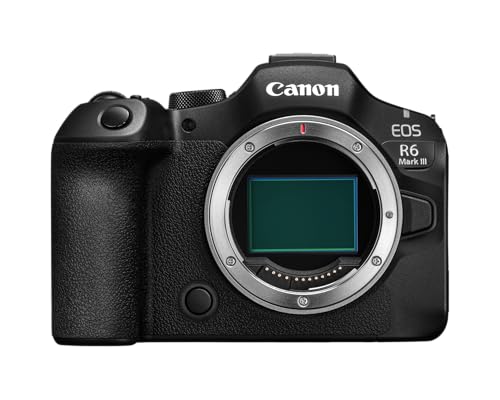
- Canon EOS R6 Mark III: check price on Amazon
- Canon EOS R6 Mark II: see the current price on Amazon
- Sony Alpha 7 IV: view this camera on Amazon
- Panasonic LUMIX S5IIX: check availability on Amazon
- Nikon Z50 II with Two Lenses: see it on Amazon
- OM SYSTEM Tough TG-7: look at it on Amazon
The sea does not do retakes. A whale surfaces for three breaths and sounds; a dolphin pod crosses the bow once; a seal colony erupts into the water because something — never you, if you have done your job — startled it. The best cameras for marine wildlife are therefore judged by a colder standard than most wildlife gear: how much of a brief, unrepeatable encounter survives the photographer’s adrenaline, the boat’s motion and the salt in the air. Burst depth, animal-detect autofocus, weather sealing and files that tolerate a hard crop are not features here; they are the difference between the photograph and the story about the photograph.
This guide covers the working range of the genre: the full-frame bodies that serious whale and seabird photographers carry, a video-leaning body for those who film the encounters too, an affordable two-lens kit that puts a beginner on the water credibly, and a waterproof compact for the in-water world of snorkelling with seals and turtles, where the big rigs cannot follow. The long-lens conversation runs through everything, because in this genre the lens is half the camera.
Key Takeaways
- Animal-eye autofocus and deep bursts decide marine encounters, because the animal chooses the moment and the moment is short.
- Reach is rented from the lens, not the body — budget for telephoto glass before upgrading any camera here.
- The R6 bodies and the A7 IV are the professional core; the Z50 II kit is the honest way in.
- Weather sealing is a survival trait, not a luxury, anywhere salt spray flies.
- Distance is an ethical rule before it is a photographic one: the best marine portfolios are built on patience, not pursuit.
- The TG-7 covers the in-water encounters the big systems cannot touch.
In this guide
Quick Picks
| Camera | Badge | Why it is here |
|---|---|---|
| Canon EOS R6 Mark III | Best for dedicated marine wildlife photographers | Current-generation speed, subject detection and resolution for whales, seals and seabirds at distance. |
| Canon EOS R6 Mark II | Best proven value in the pro tier | A generation’s track record on boats and cliffs at a softened price, with the same working virtues. |
| Sony Alpha 7 IV | Best for detail and cropping | High-resolution files that survive the heavy crops distant marine subjects demand, plus a vast telephoto catalogue. |
| Panasonic LUMIX S5IIX | Best for filming marine encounters | A video-led body with stabilisation for the photographer whose deliverable is motion as much as stills. |
| Nikon Z50 II with Two Lenses | Best starter kit for the water | Body and two lenses including a telephoto zoom, ready for a first whale season without a second mortgage. |
| OM SYSTEM Tough TG-7 | Best for in-water and snorkel encounters | Waterproof, freeze-proof and pocketable for seals, turtles and rockpool life at arm’s length. |
How did we rank cameras for animals that surface on their own schedule?
We weighted the encounter, not the studio. Each body was judged on a whale-watch sailing in chop, a cliff-top seabird colony in wind, and a grey dawn at a seal haul-out: could its autofocus find and hold an animal’s eye against a moving sea background, how deep was the burst when a breach or a porpoising pod gave three seconds of gold, how far could the files be cropped before the animal dissolved, and how did the body feel after four hours of spray, cold and one-handed operation while the other hand held a rail.
Ethics were scored as a capability, because they function as one: cameras whose quiet operation, long-lens ecosystems and fast, certain autofocus let the photographer work from respectful distances produce more and better encounters across a season than any amount of close approach. The list below is ranked for photographers who intend to be welcomed back — by skippers, by wardens and by the animals’ continued indifference.

Canon EOS R6 Mark III — Best for dedicated marine wildlife photographers
The newest R6 is the body a dedicated marine photographer would design from a wishlist. Its subject detection recognises animals and holds their eyes through the visual chaos of a glittering sea — the exact failure mode that made older autofocus systems hunt at the moment of the breach. Burst speed and buffer depth cover the encounter’s whole arc: the surfacing, the breath, the fluke’s rise and the long slide under, with frames to spare for the one where the light and the animal agree. Resolution supports the crop that distance and ethics impose.
Canon’s telephoto ecosystem completes the case: the long zooms and primes that whale photographers actually carry, including the affordable long zooms that have put serious reach into ordinary budgets in recent years, all native to this mount. Weather sealing and a body that works with cold, gloved hands finish a specification that reads like the minutes of a meeting of working boat photographers.
Buy it as the centre of a system you intend to keep for a decade of seasons. Its price is the argument against it, and the only honest answer is that marine wildlife is a system genre — the body is where the system’s intelligence lives.
One working detail separates this body’s owners from its reviewers: the customisation. Marine photographers programme a dedicated mode for the boat — animal detection, the burst and shutter habits of surfacing work, exposure compensation parked where a gloved thumb finds it — and a second for the colony cliff. The camera then changes personality with a dial rather than a menu dive, and on a pitching deck that difference is measured in encounters kept rather than settings missed.
- Format: full-frame mirrorless, current generation
- Autofocus: animal and eye subject detection
- Burst: fast, deep buffering for surfacing sequences
- Sealing: weather-resistant body for spray conditions
- Lenses: Canon RF telephoto range, native
Strengths
- Autofocus that holds animals against a moving sea
- Burst depth matched to breach and surfacing behaviour
- The telephoto ecosystem marine photographers actually use
Trade-offs
- Flagship pricing before the lens bill arrives
- Capability wasted without serious telephoto glass
- More resolution and speed than casual watchers need
Best for: committed whale, seal and seabird photographers building a long-term system. Not suited for: occasional holiday whale-watching.

Canon EOS R6 Mark II — Best proven value in the pro tier
The Mark II remains the thinking professional’s purchase: the generation with the track record, bought now at the friendlier end of its life. For marine work its virtues are identical in kind to its successor’s — animal detection that transformed whale photography when it arrived, deep and fast bursts, sealing that shrugs off a crossing’s spray — and the practical difference in a season’s portfolio will be measured in a handful of edge cases, not in the bulk of the work.
Its second-hand and discounted availability changes the system maths in a way this guide wants to honour: the money saved against the newest body is, almost exactly, the price of the long zoom that makes either body a marine camera. Photographers who understand that the lens is the senior partner will read this pick as the smart money’s flagship.
It is also the lower-risk charter-boat camera: proven, understood by every rental house and repair bench, and replaceable in a way a brand-new flagship is not during its first scarce season. Boats are hard on gear and harder on schedules; dependability is a photographic quality.
There is an argument from continuity, too: crews, guides and charter operations have standardised around this generation’s handling, so a photographer joining a serious expedition finds shared chargers, shared settings wisdom and a rental backup in every port. Expedition photography punishes the exotic choice and rewards the common one, and the Mark II is now the common professional tool in this genre — a status no specification can confer and no rival can quickly take away.
- Format: full-frame mirrorless, previous generation
- Autofocus: animal detection with a long field record
- Burst: fast sequences for surfacing behaviour
- Value: pricing that funds the telephoto lens
- Support: rental and repair familiarity everywhere
Strengths
- Professional marine capability at a softened cost
- Proven across seasons of boat work
- Savings convert directly into reach
Trade-offs
- A generation behind in resolution and refinements
- No longer the headline model for resale glamour
- Same lens investment required as any full-frame body
Best for: serious photographers who spend on glass before bodies. Not suited for: buyers who need the newest model’s specific gains.

Sony Alpha 7 IV — Best for detail and cropping
Distance is the marine genre’s tax, and the A7 IV pays it with resolution. Its high-resolution files allow the honest crop — the whale at the legal distance becoming a frame-filling portrait in the edit — without dissolving into mush, and that single capability reshapes what a respectful photographer can bring home. Sony’s autofocus, including its animal eye detection, is the other half of the reputation: fast to acquire a surfacing animal, stubborn in holding it through spray and glitter.
The lens catalogue is the deepest in this guide for telephoto work, with long zooms at several prices and a second-hand market that rewards patience. Bird photographers colonised this system years ago for exactly the virtues marine work needs — the seabird colony and the whale watch are the same photographic problem wearing different weather — and their accumulated knowledge, settings lore and lens wisdom is an inheritance a new owner receives free.
Choose it when your subjects are the distant and the small: pelagic birds, far-offshore cetaceans, the haul-out you may not approach. Its stills-first balance suits the portfolio photographer more than the filmmaker, who should read the next pick first.
Its files also serve the naturalist’s second duty: identification and record. A cropped frame that resolves a whale’s fluke pattern, a bird’s ring, or a seal’s scar is a contribution to the catalogues researchers maintain, and many operators now share their best identification frames with the science programmes that monitor these populations. The camera that crops deepest is, in this genre, also the camera that contributes most — a professional virtue with a citizen-science dividend.
- Format: full-frame mirrorless, high resolution
- Autofocus: animal eye detection, fast acquisition
- Files: crop headroom for distant subjects
- Lenses: the deepest telephoto catalogue here
- Community: deep settings knowledge from bird photographers
Strengths
- Crops survive the distances ethics impose
- Autofocus speed for sudden surfacings
- Telephoto choice at every budget level
Trade-offs
- Video capability trails the video-led pick
- High-resolution files demand storage discipline
- Menus reward an initial configuration session
Best for: distant-subject specialists and portfolio stills photographers. Not suited for: filmmakers first, or casual watchers.

Panasonic LUMIX S5IIX — Best for filming marine encounters
A breach is a moving picture before it is a photograph, and the S5IIX is this list’s motion specialist. Its video-led design — recording stamina, monitoring tools, and stabilisation that takes the worst of a small boat’s roll out of handheld footage — suits the photographer whose audience watches encounters rather than framing them. Phase-detect autofocus keeps a dolphin pod’s chaos honestly tracked, and the stills side remains a proper full-frame camera for the haul-out portrait at dawn.
Stabilisation deserves its paragraph, because the sea moves the photographer as much as the subject. On a small RIB or a kayak-adjacent platform — filming from stable, permitted platforms only — in-body stabilisation plus a stabilised lens converts footage that would be a seasick souvenir into watchable, publishable film. Naturalists building channels around marine encounters have quietly standardised on bodies like this for exactly that reason.
Its L-mount lens path includes long zooms from several makers, softening the reach bill. Choose it when the encounter’s motion is the story you tell.
Sound completes its case for the filming naturalist: marine encounters are half-heard — the blow’s exhale, the colony’s roar, gulls over a feeding frenzy — and a video-led body’s audio provisions let a directional microphone capture that half honestly while the camera’s own track keeps sync. Audiences forgive a modest frame; they never forgive a magnificent breach accompanied by wind noise and handling clatter, and this body is built by people who know it.
- Format: full-frame mirrorless, video-led
- Stabilisation: strong in-body system for boat work
- Autofocus: phase-detect animal tracking
- Recording: stamina and monitoring for long encounters
- Lenses: L-mount telephoto zooms across brands
Strengths
- Watchable handheld footage from moving decks
- Professional video workflow in a stills-capable body
- Long-encounter recording reliability
Trade-offs
- Stills resolution below the cropping specialist
- Video depth is wasted on stills-only shooters
- Lens shelf smaller than Canon’s or Sony’s
Best for: naturalist filmmakers and hybrid shooters on the water. Not suited for: stills photographers who crop aggressively.

Nikon Z50 II with Two Lenses — Best starter kit for the water
This kit is the genre’s open door: a capable APS-C body with two lenses, the longer of which gives a beginner genuine telephoto reach on the first whale trip, at a total cost the full-frame bodies cannot approach before their first lens is even discussed. The smaller sensor’s crop effect quietly extends that reach further — the beginner’s secret ally — while the body’s subject detection and modern autofocus teach good habits from the first season.
Nikon’s colour presets and friendly handling lower the day’s friction, and the kit’s total weight matters more at sea than on land: a light bag is a bag that comes on every boat, every cliff walk, every dawn that might deliver. Marine portfolios are built by attendance as much as by equipment, and the kit that is always aboard wins encounters the flagship at home never sees.
Read its ceiling honestly: low light at dawn and dusk will tax it sooner than the full-frame bodies, and its files crop less forgivingly. As a first system that can grow — the mount leads upward — it is the most sensible money in this guide.
Learning on this kit has a hidden curriculum: because its reach and light margins are honest rather than luxurious, its owner learns the genre’s real skills early — positioning, patience, reading behaviour, exposing for the animal — instead of renting them from a flagship’s forgiveness. Photographers formed this way upgrade later and waste nothing, because every habit transfers. The kit is not a compromise disguised as a recommendation; it is the apprenticeship the genre itself would design.
- Format: APS-C mirrorless kit with two lenses
- Reach: telephoto zoom included, crop factor extends it
- Autofocus: subject detection for animals
- Weight: light kit that travels on every trip
- Path: Nikon Z mount grows toward full-frame
Strengths
- Complete marine starter system in one purchase
- Reach included from day one
- Light enough to be carried constantly
Trade-offs
- Low-light ceiling below the full-frame picks
- Less crop headroom for distant subjects
- Kit zooms are a beginning, not an end
Best for: beginners and travellers starting marine wildlife seriously. Not suited for: professionals whose clients expect flagship files.

OM SYSTEM Tough TG-7 — Best for in-water and snorkel encounters
Some marine encounters happen in the animal’s own element, at arm’s length, where no housed flagship is practical and no long lens is relevant: the seal that inspects the snorkeller, the turtle grazing under the pier, the rockpool’s tiny citizenry at low tide. The TG-7 is the camera for that world — waterproof in its own skin, freeze-proof and crush-proof, with a microscope mode for the small life and honest 4K video for the turtle’s unhurried pass.
Its working virtues are freedom and nerve. It goes in a pocket on the kayak, survives the beach bag’s sand and the rinse bucket, and asks for no housing ritual before a spontaneous snorkel. Photographers who own the big systems keep one for exactly the encounters the big systems miss — and for the days when the photography is play rather than portfolio, which are the days that keep a photographer in love with the sea.
Its limits are the small sensor’s: distance and darkness are not its friends, and it will not photograph a whale from a boat with any authority. Within the waterline and the rockpool, nothing else in this guide can follow it.
Children deserve a mention in this pick’s ledger, because the TG-7 is the camera that starts marine photographers at eight years old: handed over without anxiety at the rockpool, it teaches framing, patience and species names in a single low tide, and it survives the curriculum. Several professionals in this genre trace their vocation to a waterproof compact and a patient adult, and the tradition is in no danger from this model.
- Format: rugged compact, waterproof without housing
- Close focus: microscope mode for small marine life
- Build: freeze-proof, crush-proof, sand-tolerant
- Video: 4K for snorkel encounters
- Logging: depth and location data for naturalists
Strengths
- The only pick that swims with its subjects
- Toughness removes all gear anxiety at the shore
- Microscope mode opens the rockpool world
Trade-offs
- No telephoto authority for boat-based subjects
- Small sensor limits low-light work
- A complement to a system, never a replacement
Best for: snorkellers, kayakers, rockpoolers and as a second body. Not suited for: whale photography from boats as a main camera.
Why does the lens matter more than the body in this genre?
Because the subject sets the distance and the distance sets the lens. Whales are photographed from the distances law and ethics prescribe; seabirds from cliff paths and boat rails; seals from behind the warden’s rope. At those distances the photograph is made by focal length and by the photographer’s patience, and the body’s contribution — focus intelligence, burst, file quality — multiplies whatever the lens delivers. The practical rule of the genre: buy the body that serves your lens plan, and let the lens plan be ambitious, because reach is the one specification no crop fully forgives and no upgrade path avoids.
Second-hand telephotos deserve a sentence of their own, because this genre’s lens shelves are full of superb older glass sold by photographers who upgraded: inspect for the marine hazards — salt corrosion at the mount, fungus from damp storage, a focus motor tired by a decade of spray — and a careful purchase can put professional reach on any body in this guide for the price of a modest new zoom.
Rental deserves its standing mention here:
long glass rents well, and a season’s big trip — the pelagic, the famous colony — is better served by a rented flagship telephoto on a mid body than by an owned kit lens on a flagship body. The photographs cannot tell which parts of the system were rented, and neither can the whales.
How do you work a boat trip like a photographer, not a passenger?
Arrive as the crew’s favourite passenger: early, compact, self-sufficient, and visibly respectful of the skipper’s rules, which are also the law’s. Ask where photographers may stand, keep the rail-side rotation generous — everyone aboard paid for the same whale — and keep gear secured against the roll that arrives without announcement. Shoot in bursts at surfacings and rest the camera between them; a whale’s dive is measured in minutes, and the discipline of lowering the camera keeps both your arms and your judgement fresh for the fluke shot that ends the sequence.
Binoculars earn their passage on every trip, and their role is photographic: the scan that finds the distant blow, the bird movement that betrays a feeding school, the surface disturbance that says the next surfacing will be there and not here. Photographers who scan with discipline shoot less and keep more, because their bursts begin with information rather than hope. Pair the binocular scan with a partner when you can — one pair of eyes always on the water while the other works the camera — and the boat day doubles its yield without a single setting changed.
Seasickness is a photographic variable
and deserves the same planning as batteries: whatever remedy works for you, taken in time, plus a horizon-watching discipline between encounters. The photographer who is ill makes no photographs at all, which settles the hierarchy of preparations. Dress for a temperature one season colder than the dock suggested, because the sea wind edits every forecast.
One more piece of boatcraft belongs to photographers alone: learn the vessel’s rhythm of stops. Skippers slow or hold position in their own pattern when animals are near, and the photographer who reads the engine’s note knows a surfacing sequence is being set up before a word is called. Ears are a photographic sense at sea; keep one uncovered by the hood whenever the cold allows it.
What are the ethical rules that protect both animals and portfolios?
The rules are written in regulations and in the genre’s own hard lessons. Keep the prescribed distances — they exist because approaches alter behaviour, and altered behaviour is both an ethical failure and a photographic one, since a stressed animal fleeing makes a worse picture than a calm one feeding. Never crowd a haul-out, never come between a mother and young, never let a drone or a boat’s eagerness do what your patience should. Colonies and cetaceans have long memories in aggregate: the sites that remain productive are the sites photographers have protected by their restraint.
Sound belongs in the ethics ledger too. A shutter’s clatter means little on open water, but at a quiet haul-out or a nesting colony the photographer’s whole acoustic footprint — voices, footsteps on shingle, a tripod’s scrape — is part of the disturbance budget. Work slowly, speak softly, let the colony’s noise cover yours, and prefer the longer lens over the closer step every time the choice is offered. The animals will repay the courtesy in behaviour, which is the only currency this genre ultimately trades in.
The portfolio argument seals it.
The celebrated marine images — the breach against the sunset, the seal’s portrait at eye level — are patience artefacts, made by photographers the animals had learned to ignore. Build that relationship with a place across a season and the sea starts posing for you; chase it, and you will photograph backs and tails at increasing distances forever.
How do you photograph seabirds in flight from a boat or cliff?
Flight is the genre’s technique exam, and the sea sets it in hard mode: the subject moves in three dimensions, the platform moves in two more, and the background — glittering water — conspires with autofocus systems to steal focus at the decisive wingbeat. The working method is disciplined: acquire the bird early against sky where the camera can lock cleanly, pan with the bird’s line rather than chasing it, and shoot in considered bursts at the moments of photographic value — the banking turn that shows the upperwing, the dive’s commitment point, the landing flare among the colony. Spray-and-pray produces cards full of almosts; the panning discipline produces sequences.
Settings follow the physics. Fast shutter speeds to arrest the wingtips, autofocus in its continuous animal-tracking mode with the sensitivity tuned to ignore the waves it will inevitably cross, and exposure judged for the bird rather than the sea — a dark bird against bright water needs the photographer, not the meter, in charge. The full-frame bodies here differ in how gracefully they support that workflow, but all of them can do it in practised hands, and the colony cliff is the finest classroom in photography: a thousand repetitions an hour, each one graded instantly by the next bird.
Restraint in the burst is the flight photographer’s version of marksmanship: the colony offers a thousand birds an hour, and the beginner fires at all of them while the professional waits for the one whose line, light and intent compose a photograph. Cards fill more slowly, batteries last the cliff day, and the evening’s cull is a pleasure instead of an excavation. The cameras here all reward that patience with buffers that are ready when the chosen bird commits.
Learn the colony’s traffic patterns before raising the camera.
Birds commute on wind lines, land into the breeze at predictable gates, and bathe at favoured pools; the photographer who reads the system photographs the bird arriving at a place already framed, which is the whole secret of flight photography at sea or anywhere else.
How do you keep shooting in rough weather and rain?
Some of the genre’s defining images were made in weather that empties beaches: feeding frenzies under storm light, seabirds riding a gale at the cliff edge, a grey seal surfacing in rain-polished calm between squalls. The technique is mostly protection and stubbornness. The sealed bodies here earn their rating; the photographer adds a rain cover, a lens hood that sheds the worst of it, and a rotation of cloths so a dry one always exists. Work downwind of the spray when the platform allows it, wipe the front element on a rhythm rather than on a complaint, and accept a soft frame or two as weather’s tax rather than wiping mid-burst at the decisive second.
Cold is the second adversary: batteries fade, fingers slow, and condensation waits in the warm car for the chilled camera. Keep batteries warm, let the gear acclimatise in its bag before opening it indoors, and dress the photographer for standing still, which is a colder activity than any walk. The reward for all this discomfort is a simple market fact: bad-weather frames are rare because most photographers stay home, and rarity, in a portfolio, is worth money and memory alike.
Keep a weather diary beside the species log while you are at it: the frames that worked were made in specific marriages of light, tide and wind, and those marriages recur across seasons. A photographer who can predict that the frenzy will gather at the point on the first of the ebb, if the wind holds, is not guessing — they are reading notes they wrote themselves, one squall at a time, and every camera in this guide performs better in hands that can read weather as fluently as menus.
How do dolphins and porpoises change the technique?
Dolphins are the genre’s speed round. Where a whale gives the photographer a grammar of predictable surfacings, a dolphin pod gives fragments — a dorsal here, a porpoising arc there, the bow-riders visible through green water for two seconds at the boat’s shoulder. The technique inverts: pre-aim at the water where the pod’s trajectory says the next animal must surface, hold the burst discipline loosely because the pod’s rhythm is syncopated, and favour the bodies whose autofocus acquires fastest, because the encounter is a series of acquisitions rather than one long hold.
Bow-riding is the gift encounter, and it has its own manners: the photographer leans only where the crew permits, secures the camera against the one drop that would end both the session and the camera, and shoots down through the surface glare with the polariser’s help on bright days. The resulting frames — an animal surfing the pressure wave, eye visible, entirely voluntary — are among the most joyful in the genre, and they exist only because the dolphins chose the boat. Honour the choice by keeping the encounter on their terms, and the photographs will show it.
What settings serve a surfacing whale?
Prepare for the animal before it appears: shutter fast enough to freeze a fluke’s dripping arc, aperture chosen for a depth of field that forgives the animal surfacing five metres nearer than expected, sensitivity set for the light you have rather than the light you want. Autofocus in animal detection with a wide starting zone, because the first visible sign — the blow, a misting exhale against the light — is a location cue, not a focus target, and the camera must find the animal from the cue in a second.
Boats add one more variable to the drill: your own footing. Brace against the rail or a seat-back, keep elbows in and knees soft as shock absorbers, and time the burst’s peak to the deck’s moment of relative stillness at the swell’s top. Experienced sea photographers shoot in rhythm with the boat the way snipers shoot between heartbeats, and the habit is learnable in a single crossing by anyone willing to notice the pattern.
Then practise the sequence’s choreography.
Blow, back, breath again, the arch deepening, the fluke’s slow rise: the dive’s grammar is learnable, and the photographer who knows it spends bursts at the grammar’s emphases rather than throughout. Between dives, review nothing — watch the water. The next surfacing is the frame; the screen is a distraction wearing your battery. Chimping is how whales are missed, and every experienced boat photographer has the story to prove it.
Comparison Table
| Camera | Sensor | Marine specialty | Reach strategy |
|---|---|---|---|
| Canon EOS R6 Mark III | Full-frame | All-round professional encounters | RF long zooms and primes |
| Canon EOS R6 Mark II | Full-frame | Proven boat and colony work | Same RF system, friendlier budget |
| Sony Alpha 7 IV | Full-frame, high resolution | Distant subjects, heavy crops | Deepest telephoto catalogue |
| Panasonic LUMIX S5IIX | Full-frame | Filming encounters from decks | L-mount long zooms |
| Nikon Z50 II kit | APS-C | First seasons on the water | Included telephoto, crop bonus |
| OM SYSTEM Tough TG-7 | Compact | In-water and rockpool life | Arm’s length, microscope mode |
How do you build working relationships with skippers, wardens and researchers?
The genre’s gatekeepers are its best teachers. A whale-watch skipper who trusts a photographer positions the boat for light as well as for sightings, calls the surfacing before the blow is visible, and shares the season’s intelligence about which individuals are in the bay. That trust is earned in the currency of the realm: punctuality, modest gear footprints, photographs shared generously with the operation, and an absolute refusal to pressure for a closer approach. Wardens at colonies extend the same economy — the photographer known for patience gets the dawn access and the behavioural briefing; the photographer known for crowding gets the rulebook.
Researchers are the third relationship, and the most rewarding. Identification catalogues, stranding networks and seabird ringing programmes all consume photographs, and the photographer whose files are organised — dated, located, captioned — becomes a contributor whose access and knowledge compound yearly. Several of the finest marine portfolios in existence were shot from research vessels by photographers who made themselves useful first and famous second. Bring that order of priorities to the dock and the sea’s doors open in sequence.
What about watching whales from land?
Some of the world’s finest whale photography never leaves the shore. Headlands on migration routes — where the deep water runs close and the animals pass within honest telephoto range — offer a platform that is stable, free, and available every day of the season. Land-based work rewards the longest lens you can carry and the cropping bodies, particularly the A7 IV, because the distances are the genre’s longest; it also rewards elevation, which flattens the glare, reveals animals below the surface in clear water, and turns a pod’s geometry into a pattern no boat can see.
The shore photographer’s discipline is the vigil: a chair, a flask, a logbook, and the patience to let a coastline produce its one great minute in a day of watching. Spotters’ networks and the morning’s intelligence from local watchers shorten the odds, and the headland community — the regulars with their shared sightings board — is another of the genre’s quiet institutions. Join it humbly, contribute your sightings, and the coast begins to work for you. Several celebrated migration portfolios were shot entirely from one beloved headland across many seasons, which is the shore game’s whole philosophy: depth of place over breadth of travel.
How does the marine year decide what you photograph?
Marine wildlife runs on a calendar written in migrations, breeding seasons and baitfish, and the genre’s real skill is being present for the page that matters. Spring brings the seabird colonies to their clamorous peak and the first returning whales to the feeding grounds. Summer is the season of young animals and long light — seal pups at the haul-outs, fledglings at the cliff edge, dolphins riding the evening boats. Autumn concentrates predators where the bait concentrates, and the famous feeding frenzies belong to those who watched the birds rather than the horizon. Winter thins the crowds and rewards the hardy with storm-light, grey seals pupping on northern beaches, and seas that photograph like theatre.
The camera implications are practical. Breeding-season work is a test of discretion and long-lens manners; migration work is a test of burst and autofocus against fleeting passages; winter work is a test of sealing, batteries — which fade faster in the cold — and the photographer’s own insulation. Photographers who plan the year buy for its hardest season they actually shoot, not its easiest, which is why this guide weights sealing and stamina as heavily as it does.
Keep a log across the years: dates, tides, species, behaviour, the lens the encounter wanted. In five seasons the log becomes a private almanac worth more than any single upgrade, because marine photography’s deepest secret is that the animals are habitual and only the photographers are random.
How do you photograph from shore: haul-outs, cliffs and rockpools?
Shore work inverts the boat’s problems: the platform is steady, the distances are fixed by geography and wardens, and time — unlimited, patient time — becomes the photographer’s chief tool. At a seal haul-out the method is arrival before the animals’ pattern sets, a low profile at the prescribed distance, and the humility to let the colony’s day unfold: the squabbles, the yawns, the pups’ first swims arrive on their own schedule and reward the photographer who simply stayed. Long lenses and the A7 IV’s cropping files were made for these vigils.
Haul-out photography has a composition gift for the patient: behaviour in layers. The foreground sleeper, the mid-ground squabble, the background line of animals entering the water — a frame organised by waiting rather than by walking closer. Settle at the distance, compose for the layers, and let the colony’s own theatre fill the arrangement; the photograph that results has a depth no approach could have bought, because the animals arranged it themselves.
Cliff colonies ask for wind craft:
work the upwind paths where birds hang motionless in the updraft at eye level — the one place in nature where flight photography comes to the photographer — and protect both yourself and the gear with the seriousness cliffs deserve. Rockpools at low tide are the TG-7’s parish: anemones, blennies, crabs and starfish in jewel-box miniature, photographed at centimetres with the microscope mode while the tide allows. The shore photographer’s calendar is written by tides and seasons rather than boat schedules, and learning to read a tide table is as much a photographic skill as any setting in this guide.
What mistakes do new marine wildlife photographers make?
Chasing tops the list — pressuring the skipper, crowding the colony, converting a calm encounter into a departure, and photographing the departure. Second is shooting only at the surface’s first sign: the breath and the back are the encounter’s punctuation, but the fluke, the breach and the feeding lunge are its sentences, and they reward the photographer who kept the camera up and the burst ready. Third is neglecting the mundane armour — straps, lens cloths for the spray that arrives every ninety seconds, a dry bag for the crossing home — because salt water ends more photographic days than any animal’s shyness. Fourth is the horizon: a moving deck tilts every frame, and the discipline of levelling in the edit begins with noticing it in the viewfinder.
What goes in the boat bag, besides the camera?
The bag is a small survival system for the work. Lens cloths in plural — spray defeats a single cloth by the second hour — sealed in a dry pouch. A rain cover fitted before boarding, not improvised during the first soaking. Spare batteries warm in an inside pocket, cards in a hard case that floats or is tethered, and a strap arrangement that keeps the camera attached to the photographer through any roll the sea proposes. A polarising filter earns its place for cutting surface glare on haul-outs and rockpools, though it costs light the dawn may not spare.
The photographer’s own kit matters to the pictures: gloves that can work a dial, layers for a wind that edits every forecast, sun protection for the hours the light is wrong but the animals are right, and the seasickness remedy discussed earlier, taken before it is needed. A notebook and pencil — pencils survive spray that defeats pens and touchscreens alike — for the log that turns a day’s encounters into next season’s intelligence. None of this is glamorous, and all of it appears, indirectly, in the portfolio: the prepared photographer is simply present for more of the sea’s generosity.
How do you choose keepers from a day of bursts?
A good whale day produces thousands of frames and perhaps six photographs, and the cull is a craft of its own. Work in passes: first for technical survival — focus on the eye, the fluke’s edge unclipped, the horizon rescuable — then for behaviour, then for the indefinable frame where the animal’s presence fills the picture. Delete generously at the first pass; storage is cheaper than it was, but attention is not, and an archive of almosts buries the work that matters. Mark the identification frames separately for the researchers who catalogue individuals, because a fluke pattern is data long after it stops being art.
Edit with the sea’s honesty as the standard. The water’s colour at that hour, the animal’s true tones, the weather that was actually there — marine audiences and editors can smell an overcooked ocean, and the genre’s credibility rests on files that respect what the light did. Crop with intent, level the horizon unless the tilt was the point, and caption with species, place and behaviour while the logbook is open beside you. Future you, assembling the season’s portfolio, will be grateful for every fact present-you bothered to write down.
Final Recommendation
Build the professional system on the R6 Mark III if the budget is whole, or the R6 Mark II if you would rather the lens shelf grow faster — both are the genre’s working standard. Choose the A7 IV when distance and cropping define your subjects, the S5IIX when the encounters must move, and the Z50 II kit as the most honest first season money can buy. Add the TG-7 whenever your marine life includes entering the water. In every case, spend the difference on reach, on boat days, and on returning to the same water until it knows you — the sea rewards regulars.
Frequently Asked Questions
How much zoom do I need for whale photography?
More than feels reasonable, because the working distances are set by law and ethics rather than by preference. Long telephoto zooms are the genre’s standard tools, and the APS-C kit’s crop effect is a genuine help. Rent the longest lens you can for a special trip rather than owning a compromise forever.
Can I photograph marine wildlife from a kayak or small boat?
Yes, with stability and rules in mind: keep prescribed distances, never pursue, and favour the stabilised bodies and the TG-7 for the platform’s motion. Many photographers do their finest seal and bird work from small, quiet craft — approached passively, letting the animals’ curiosity set the range.
How do I protect my camera from salt spray?
A rain cover or even a simple plastic sleeve on deck, a cloth dedicated to the front element, fresh-water wipe-downs after every trip, and silica gel in the storage box. Salt is patient and cumulative; the ritual takes four minutes and adds years to a body’s life.
Is a fast burst really necessary for whales?
For the moments that matter, yes. A breach or a lunge-feed gives you seconds; the burst is how you own the peak frame inside them rather than the frame your reflexes happened to catch. Between surfacings, discipline your bursts to save buffer and battery for the animal’s next decision.
How can I practise before an expensive whale trip?
Locally, and for free: gulls at a harbour, cormorants at a reservoir, seals at any haul-out within a day trip. Practise the surfacing drill on diving birds, the flight drill on the harbour’s traffic, and the burst cull on a card of gulls until the workflow is reflex. The whale trip then spends your money on encounters rather than on lessons the harbour taught at no charge.
What is the best time of day for marine wildlife?
Early and late, for the light and for the animals: dawn seas are calmer, feeding activity peaks, and the low sun models a surfacing animal beautifully. Midday belongs to the TG-7’s underwater world, where the sun’s height is an advantage rather than a glare.
One last encouragement, from the logbooks of everyone who does this seriously: the sea’s generosity is statistical. Photographers who go often, in ordinary weather, to unglamorous local water, accumulate the encounters that the once-a-year expedition hopes to buy — the freak calm morning, the unexpected species, the behaviour nobody else was present for. Any camera in this guide, carried constantly, beats the flagship carried rarely. Be a regular; the ocean notices.
Related Guides
Continue with our guides to the best cameras for underwater and snorkelling photography, cameras for bird and wildlife photography at distance and the best rugged cameras for coastal and outdoor work.


