reviewstook.com is reader-supported. When you buy through links on our site, we may earn an affiliate commission.
Where to Buy a Camera That Keeps Up With Animals
Animals do not pose, do not wait, and do not care about your settings. The best cameras for animal pictures are the ones built for that reality: autofocus that finds an animal’s eye — a dog’s mid-leap, a cat’s in shadow, a bird’s on a swaying feeder — and holds it while everything moves; shutter speeds and bursts that slice motion into the one frame where the ears, the eyes and the joy align; and bodies sized for the places animal pictures actually happen, from the living-room rug to the zoo’s far enclosure to the garden at dawn. If your subjects have fur, feathers or scales and opinions about being photographed, the best cameras for animal pictures in this guide were chosen animal by animal, behaviour by behaviour.
A word on scope, because animal photography is three hobbies wearing one coat. There is the pet portrait — your own animals, known and loved, photographed across a lifetime. There is the backyard and zoo world — birds on feeders, squirrels with ambitions, the zoo’s residents at professional distances. And there is the small world — insects, frogs, the hamster’s midnight athletics — where macro and toughness rule. This guide covers all three honestly, and labels each pick by the animals it serves, because the camera that immortalises your spaniel is a different tool from the one that resolves a warbler, and both differ from the one that survives being investigated by a goat.
Five picks are current models from our verified pool and linked; one — the wildlife specialist’s favourite — is prose-only, outside the pool, recommended without a link. Throughout, the standard is the same: the animal’s eye, in focus, in the frame, at the moment the animal was most itself. Everything else — the menus, the mounts, the megapixels argued over in forums at midnight — is commentary, and the animals, who have never read a specification in their lives, will judge your choice purely by whether you were there, at their level, when it mattered.
Key Takeaways
- Animal-eye autofocus is the revolution: it finds the eye through fur, feathers and motion that defeat ordinary focusing.
- Shutter speed is the animal photographer’s first language — animals move, and blur is a choice, not an accident.
- Your own pets are the hardest and best practice: known, available, and utterly uncooperative in instructive ways.
- Reach matters for wild and zoo animals; for pets, light and patience matter more.
- The small world — insects, amphibians, tiny mammals — rewards macro-capable tough cameras, not telephotos.
- The best animal pictures come from understanding the animal: behaviour predicts the moment better than any burst rate.
In this guide
Quick Picks
| Pick | Badge | Why it made the list |
|---|---|---|
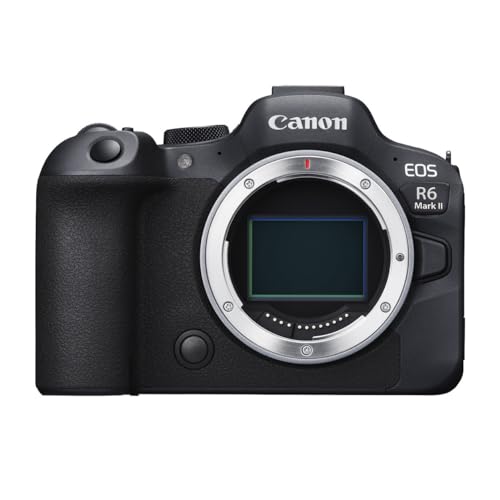
| Canon EOS R6 Mark II | Best all-round animal camera | Animal-eye autofocus that finds dogs, cats and birds alike, plus low-light grace for indoor pets. |
| Sony Alpha 7 IV | Best for birds and cropping reach | Tenacious bird-eye detection and resolution that crops distant subjects into real photographs. |
| Nikon Z50 II with Two Lenses | Best starter kit for pets and zoo days | Two lenses from rug to enclosure, animal detection, and a price that leaves room for the zoo membership. |
| OM SYSTEM Tough TG-7 | Best for small creatures and rough places | Microscope-grade macro and armour — the camera for frogs, insects, tide pools and goat investigations. |
| Insta360 GO 3S | Best for the animal’s own point of view | A thumb-sized camera that rides a collar or a harness and films the world as your animal sees it. |
| OM SYSTEM OM-1 Mark II | Best dedicated wildlife specialist | Computational speed and bird detection the specialists swear by — prose-only in this guide. |
How Did We Choose the Best Cameras for Animal Pictures?
We chose by watching how animals actually defeat cameras. The first failure is focus: an animal’s eye sits inside fur, feathers, shadow and motion, and the autofocus systems that transformed this genre are the ones trained to find it — dog, cat, bird and beyond — and to keep it through the head turn, the ear flick and the sudden decision to be elsewhere. Every system pick here has genuine animal-eye detection, and we have weighted its tenacity as heavily as any specification.
The second failure is time. Animal moments are measured in fractions — the leap’s apex, the shake that starts at the nose, the bird’s single second on the feeder — so bursts, buffers and shutter discipline run through this guide as first-order concerns. The third failure is distance, in both directions: the zoo animal too far for your lens, the kitten too close for your minimum focus. Picks were matched to the distances of their animals, from the TG-7’s millimetre macro to the telephoto kits’ enclosure-spanning reach.
And the fourth failure is the photographer’s own position: animal pictures are made lying on lawns, waiting at feeders, standing in rain at the fence. Size, sealing and the patience-economics of a kit — what you can carry for the hours animals require — decided the final places. The six below are the cameras we would hand to the pet owner, the bird lover and the small-world explorer alike, each labelled for its true congregation.
Which Animals Are You Actually Photographing?
Name them, because the congregation decides the camera. Your own dog and cat want eye autofocus, indoor light tolerance and a lens that works at arm’s-length distances — the all-rounders lead. Garden birds want reach and burst, and reward the resolution that crops; that is the Sony’s parish, with the Nikon kit as its accessible chapel. Zoo and wildlife-park animals want the telephoto end of whatever kit you own, plus the patience to wait for behaviour instead of photographing residents asleep at noon. The small world wants macro and toughness. And the animal’s-own-view film — the collar-cam genre that has filled the internet with joy — wants the GO 3S and a harness, full stop.
Most animal lovers are two congregations at once — the dog and the garden birds, the cat and the aquarium’s neighbours in the small world. Choose for the congregation you photograph weekly; borrow or rent for the annual one. The camera that serves your Tuesdays will always out-photograph the camera bought for a hypothetical safari of the soul.
One more honesty belongs in this introduction: animal photography will change your household’s routines in ways nobody warns you about. Walks will detour toward the light. Gardens will be redesigned around a feeder’s sightline. Holidays will acquire a zoo day, then a wildlife centre, then — the experienced nod knowingly — a hide, a trail and a dawn alarm that nobody set by accident. This is not a side effect to resist. It is the hobby working as intended, and the camera is merely its instrument and excuse.

Canon EOS R6 Mark II — Best all-round animal camera
The R6 Mark II earns the top spot on the strength of a single experience repeated across species: you raise the camera to an animal doing something unrepeatable, and the eye box is already there, locked on the nearer eye, riding the movement like it was choreographed. Dogs at full sprint, cats in window shadow, birds crossing cluttered branches — Canon’s animal detection treats them as one continuous problem and solves it calmly. For the photographer whose animals are family, that calm converts directly into keepers: the portrait where the dog is sharp-eyed and entirely himself, instead of sharp-eared and lost.
The full-frame sensor is the second half of the pet case. Animal life happens in the light animals choose — under the table, at dusk in the garden, in the barn’s amber gloom — and this sensor’s clean higher-ISO files keep fur texture and eye shine where smaller sensors smear them. The burst and the pre-release capture serve the action congregation: hold the shutter half-pressed as the dog crouches, and the leap’s first frames are banked before your reflexes vote.
Pair it with a mid telephoto for the park and zoo, a fast prime for the indoor portraits, and you own the complete animal kit for a household’s whole menagerie. It is the most money in this guide’s system picks and it behaves like it, in the only currency that matters: animal eyes, in focus, at the moments that do not come twice.
- Sensor: full-frame, 24.2 megapixels
- Autofocus: animal and bird eye detection with tracking
- Burst: fast, with pre-release capture for leaps and takeoffs
- Low light: clean files for indoor and dusk animals
- Mount: Canon RF, strong telephoto and prime bench
Strengths
- Eye autofocus across pets and birds alike
- Dusk and indoor files keep fur and eye detail
- Pre-release capture rescues unrepeatable moments
Trade-offs
- Resolution limits heavy cropping on distant birds
- Full system cost once telephotos join
- More camera than a purely casual pet snapper needs
Best for: households whose animals are family and whose standard is the printed portrait. Not suited for: distant-bird specialists who live by the crop.

Sony Alpha 7 IV — Best for birds and cropping reach
Birds are animal photography’s strictest examiners — small, distant, fast, and dressed in backgrounds designed by evolution to defeat autofocus — and the A7 IV is the pick that passes their exam most affordably in full-frame. Its bird-eye detection finds the eye on a moving head against reeds and sky, and its 33 megapixels turn the birder’s constant reality — the subject is always further than the lens wishes — into a solvable equation: crop honestly, and the photograph remains.
The lens bench completes the case. Sony’s mount holds the affordable long zooms that brought bird photography within amateur reach, plus the specialist glass above them, so the garden-bird beginner and the wetland devotee shop in the same system at different depths. The body’s animal detection covers the mammalian congregation too — this is no one-genre tool — and its video serves the feeder-cam and behaviour-film sidelines handsomely.
Expect to set it up properly: bird mode on a custom button, the focus area disciplined, the burst configured before the hide, not in it. Configured, it is the birder’s and the distant-subject photographer’s strongest value in this guide — the camera for everyone whose animals keep their distance and mean it.
- Sensor: full-frame, 33 megapixels
- Autofocus: dedicated bird-eye and animal detection
- Reach: resolution that supports honest cropping
- Mount: Sony E — the deepest long-lens bench
- Video: strong, for behaviour and feeder films
Strengths
- Bird-eye focus that works against real backgrounds
- Cropping room converts distance into photographs
- Long-lens choice at every budget level
Trade-offs
- Menus reward preparation over improvisation
- Burst speed trails dedicated wildlife flagships
- Full-frame telephotos remain a serious investment
Best for: bird lovers, garden wildlife and zoo photographers who crop. Not suited for: indoor-pet specialists who never need reach.

Nikon Z50 II with Two Lenses — Best starter kit for pets and zoo days
The two-lens Z50 II kit is the animal starter kit done right. The standard zoom covers the pet world at home — the rug, the sofa, the garden at conversational distances — while the telephoto reaches across the zoo enclosure and down the park, and the crop sensor stretches that reach further still, so the giraffe’s eyelashes and the meerkat sentry are genuinely photographable on a family ticket. Nikon’s subject detection finds animals and birds with the family talent, and the whole kit rides light enough for a full zoo day around a child’s stamina rather than a photographer’s.
At home it teaches beautifully. The controls are plain, the automatic modes are honest, and the detection smarts mean a beginner’s first hundred pet portraits contain the sharp-eyed keepers that hook a person on the genre for life. Its low-light ceiling is the known trade — the barn and the dusk garden will show more noise than the full-frame picks — but in the daylight where most animal life is photographed, this kit’s files are a delight.
Buy it as the household’s animal camera: the dog’s chronicler, the zoo pass’s companion, the kit that photographs the kitten’s first year and the budgie’s portrait with equal willingness. When a congregation outgrows it — the birds demanding more reach, the low light demanding more sensor — the upgrade conversation will be specific, informed and entirely its own fault for teaching you so well.
- Sensor: APS-C, with 1.5x effective reach
- Kit: standard and telephoto zooms in one box
- Autofocus: animal and bird subject detection
- Weight: zoo-day light, family friendly
- Video: capable 4K for pet films
Strengths
- Pets-to-zoo coverage from a single purchase
- Detection smarts deliver beginner keepers
- Light enough for full days on foot
Trade-offs
- Dim-light files trail the full-frame picks
- Serious birding will eventually want more lens
- Kit glass is the beginning of the story
Best for: families, pet owners and zoo regulars starting out. Not suited for: dedicated birders or low-light barn photographers.

OM SYSTEM Tough TG-7 — Best for small creatures and rough places
There is an animal kingdom the telephoto picks cannot enter: the world at ground level and under water, where the subjects are frogs, beetles, crabs, newts and the entire shimmering population of the rock pool. The TG-7 is that world’s camera. Its microscope modes focus at distances measured in millimetres, its body is waterproof, drop-proof and freeze-proof, and it will go — unhoused, unbothered — into the pond margin, the tide pool and the goat pen, and come out with photographs no other pick in this guide can take at any price.
The animal logic is impeccable. Small creatures reward proximity and punish fragility; a camera that must be protected from the habitat photographs the habitat’s edge, while the TG-7 photographs its heart. Its macro lighting accessories and focus-stacking turn a beetle into a portrait sitting, and its toughness makes it the one camera here you can hand to the young naturalist whose investigations are thorough and whose grip is negotiable.
Its sensor is small and its telephoto reach is a polite fiction — the distant and the dim belong to other picks. But for the small, the wet and the close, it is not the budget option or the rugged option. It is simply the correct instrument, and naturalists who own one speak of it the way sailors speak of a good knife.
- Macro: microscope modes focusing at millimetre distances
- Build: waterproof, drop-proof, freeze-proof, crushproof
- Features: focus stacking and macro lighting options
- Audience: small-world naturalists of all ages
- System: complete in itself
Strengths
- Photographs animals no other pick can reach
- Armour suited to habitats, not studios
- Macro modes turn insects into portrait subjects
Trade-offs
- No real telephoto reach for distant animals
- Small sensor limits low light and printing size
- A specialist — not a household’s only camera for most
Best for: pond-dippers, insect lovers, young naturalists, rough-country photographers. Not suited for: birds, zoo distance work or large prints.

Insta360 GO 3S — Best for the animal’s own point of view
Every other pick photographs animals. The GO 3S lets the animal do the filming. At thumb size and negligible weight, it mounts on a collar, a harness or a cap and records the world at animal height and animal speed: the park as the dog experiences it, the garden through the cat’s commute, the beach at full gallop. The footage is a genre of pure joy, and also — behaviourists and trainers note — a genuinely useful record of how your animal moves through the world when you are not the view.
The practicalities are kind. The camera’s stabilisation smooths the trot and the gallop into watchability; the charging pod restores it between outings in the rhythm of a walk’s two halves; and its size means the animal forgets it in minutes, which is the entire ethical and aesthetic basis of the genre — the camera must not change the behaviour it records. Fit and positioning matter: snug harness mounts beat loose collars, chest beats back for the gallop, and sessions should be short, supervised and ended the moment the animal notices the equipment more than the world.
As a stills camera it is a sideline; as the second camera of an animal household — the view from inside the story the main camera tells — it is irreplaceable. The dog’s portrait from the Canon and the dog’s world from the GO 3S are, together, the complete biography.
- Size: thumb-scale, mounts on collars and harnesses
- Recording: stabilised video at animal height
- Battery: pod recharges between outings
- Ethics: light enough for animals to forget
- Role: point-of-view companion camera
Strengths
- The animal’s-eye view, honestly captured
- Stabilisation survives the gallop
- Animals forget it within minutes
Trade-offs
- A film companion, not a stills system
- Sessions must be short and supervised
- Mounting craft matters — loose fits film the sky
Best for: dog owners, trainers, and anyone making animal point-of-view films. Not suited for: stills portraitists or unsupervised animal wear.
OM SYSTEM OM-1 Mark II — Best dedicated wildlife specialist
The OM-1 Mark II is the camera the dedicated wildlife world argues about least, because its congregation — birders and wildlife specialists who shoot in weather, at distance, all day — keeps choosing it. The Micro Four Thirds system doubles every lens’s effective reach, so its long zooms stay hand-holdable through a dawn at the marsh; its computational burst modes capture frames from before the shutter press, which for a kingfisher’s dive is the difference between the photograph and the story of one; and its bird detection is spoken of by its users in the tone usually reserved for good dogs.
The system’s compactness is the philosophy: a full wildlife kit that fits a daypack and a body that shrugs off the rain the birds ignore. Its sensor is smaller than the full-frame picks’, and in the last light of the evening that costs something real — which its congregation accepts as the fare for reach, speed and carry they use for the other fifteen hours.
Prose-only in this guide, outside the verified pool: find it through OM SYSTEM’s channels and the specialist wildlife retailers who can talk hides, feeders and seasons with you. If your animal pictures are becoming wildlife photography — capital letters, early alarms, a hide of your own — this is the door the specialists hold open.
- Sensor: Micro Four Thirds, 2x effective reach
- Speed: computational capture for dives and takeoffs
- Detection: bird and animal subject recognition
- Build: weather-sealed for field life
- Availability: prose-only — specialist channels
Strengths
- Reach and speed in a carry-all-day system
- Pre-capture modes built for wildlife moments
- Field-proven sealing and battery discipline
Trade-offs
- Small sensor trails full-frame at last light
- A specialist’s system commitment
- No purchase link in this guide
Best for: committed birders and wildlife photographers. Not suited for: casual pet photographers or indoor portrait work.
How Do the Best Cameras for Animal Pictures Compare Side by Side?
| Camera | Congregation | Reach character | Standout trait |
|---|---|---|---|
| Canon EOS R6 Mark II | Pets and all-round | Lens-dependent | Calm animal-eye AF, low-light grace |
| Sony Alpha 7 IV | Birds and distance | Crops deeply | Bird-eye detection, long-lens bench |
| Nikon Z50 II kit | Pets and zoo | 1.5x built in | Complete light starter kit |
| OM SYSTEM Tough TG-7 | Small and wet world | Millimetres, not metres | Macro modes plus armour |
| Insta360 GO 3S | Animal’s own view | Worn, not aimed | Collar-cam point of view |
| OM SYSTEM OM-1 Mark II | Dedicated wildlife | 2x built in | Speed, reach and field sealing |
How Do You Photograph Your Own Dog or Cat Like a Professional?
Get down. The single transformation available to every pet photographer tonight is altitude: animal pictures are made at the animal’s eye level, which for most of us means the floor, the lawn, the bottom step — and the willingness to be undignified there. From that height, with the eye autofocus these cameras were chosen for, shoot the animal’s actual life rather than a portrait sitting: the stretch after the nap, the negotiation with the toy, the exact expression reserved for the sound of the treat tin. Shutter speeds stay honest — animals move even when they appear still — and the background is managed by distance: a pet placed a few metres from the hedge gives you the clean, dissolved backdrop that reads as professional.
Light follows the same domestic logic as the portraitists’: the big window, the open shade, the golden garden hour. And the session ends when the animal says so — the professional’s real secret is that the best pet photographs are taken in the five willing minutes, and the worst in the twenty forced ones after them. Keep sessions short, pay in treats and play, and let the archive accumulate across the animal’s life rather than demanding the definitive portrait by Friday. The definitive portrait, when it comes, will be a Tuesday frame you almost did not take.
What Are the Most Common Animal Photography Mistakes?
Photographing down at animals from standing height tops the list — it makes every pet a supplicant and every bird a speck. Second: the flash fired in a face, producing red eyes, flat fur and an animal who leaves. Third: chasing. The photographers who fill frames with wild animals wait, positioned and patient, while the photographers who chase them fill frames with departing rumps. Fourth: centring the animal with the horizon through its head and the feeder pole through its heart — backgrounds are half the photograph, and animals cannot be asked to move two steps left, so the photographer must. And fifth: photographing only the beautiful. The old dog’s grey muzzle, the rescue cat’s torn ear, the moulting, muddy, ridiculous reality — that is the animal. Photograph that.
How Do You Photograph Animals in Shelters and Rescues?
A word for the most consequential animal photography an amateur can do. Shelter photographs are not art projects; they are advertisements for a life, and the evidence is consistent that a bright, sharp, eye-contact portrait — the animal clean-faced, at eye level, against a calm background, looking like someone’s future dog rather than a case file — measurably shortens the wait for a home. Every skill in this guide applies at double value: get down, find the window light or the shaded yard, use the eye autofocus, shoot the personality frame — the head tilt, the play bow, the cat’s slow blink — and deliver the files fast, because the audience is deciding this week.
The camera requirements are mercifully the household ones: any pick here serves, with the all-rounders’ low-light grace earning its keep in kennel corridors. What the work demands beyond equipment is conduct — the shelter’s rules followed exactly, the animals’ stress read and respected, the session ended when the animal has had enough. Amateurs looking for subjects with meaning will find no better congregation, and the portfolio it builds has a property no other genre offers: every photograph in it changed a statistic into a story with a sofa at the end.
What About Aquariums, Reptiles and the Indoor Menagerie?
The glass-fronted world has its own brief, treated fully in our aquarium guide, but the household version deserves its paragraph here. Reptiles, amphibians in tanks and the small mammals of cages and hutches reward the same virtues as the small world outdoors: close-focus ability, patience with deliberate subjects, and light managed against reflections — the camera angled to the glass, the room darkened behind you, the polariser’s trick considered. The TG-7’s macro serves here as happily as at the rock pool, and the system cameras’ low-light files earn their keep in the vivarium’s gloom. The animals are slower; the photography, done well, is not easier — it is a portrait sitting with a subject who communicates in stillness, and the keepers are the frames where the stillness reads as character.
How Do You Build a Garden That Birds Will Photograph Well In?
Half of garden bird photography happens before the camera is lifted. Place the feeder where morning light falls on it and a natural perch — a branch, not the feeder’s plastic — sits at the camera’s honest telephoto distance from your window or hide. Keep the background distant and plain: a hedge far behind the perch gives the dissolved green that makes a small bird look like a magazine cover. Feed consistently, because birds are creatures of timetable, and learn the regulars as individuals — the robin who owns the fence, the finches who arrive as a committee — because behaviour known is behaviour predicted, and prediction is the whole secret of the frame that looks like luck.
Then shoot like the specialists: camera ready on the tripod or the cushion, focus area small, burst configured, and yourself still. The garden is a hide you live in, and its photography improves across a season in a way no purchase replicates — the birds habituate, the photographer learns, the light wheels through its angles. It is the cheapest wildlife education in the world and it starts with any telephoto pick in this guide and a bag of seed.
How Should You Handle the Ethics of Animal Photography?
Briefly, because the genre’s conscience is simple and non-negotiable: the animal’s welfare outranks the photograph, always, and the audience can smell the exceptions. No baiting that endangers, no cornering for the frame, no flash in a nocturnal animal’s face, no nest disturbed for a closer angle, no pet dressed, stressed or staged past its patience for content. The zoo’s barriers and the countryside’s codes exist inside the photographer’s conduct even where no sign enforces them. This is not merely ethics; it is aesthetics over time. The photographers whose work endures are the ones animals — wild and domestic — learned to ignore or trust, and trust is the only access that cannot be bought with a longer lens.
The domestic version deserves equal plainness. Your own animals are family, not props, and the archive you are building of them will be read one day with the whole of a life in view. Photograph them as they are, at their pace, in their dignity — the old as honourably as the young — and the collection becomes what it should be: not content, but evidence of a shared life, taken by the person they trusted most in the world. No camera in this guide can make that photograph. Every one of them can avoid standing in its way.
What Does a Year of Animal Photography Teach You?
Patience, first — the transferable kind, the willingness to let the subject set the schedule. Then observation: the regulars’ habits, the light’s timetable, your own animal’s repertoire of expressions, until you are raising the camera before the moment rather than after it, which is the entire visible difference between the beginner’s album and the photographer’s. Then humility, administered by every species in turn: the bird who outwaited you, the cat who chose the one unphotogenic second to be magnificent, the dog whose perfect portrait required you to lie in wet grass in February.
And finally, a way of seeing the non-human world as a population of individuals — which is, not coincidentally, what the photographs were for. The camera you choose from this guide is the instrument of that education. Choose the one matched to your animals, learn it until it disappears, and let the menagerie do the teaching. They are excellent instructors, their tuition is joy, and their only tuition fee is time — paid gladly, in gardens and parks and on kitchen floors, by every photographer who ever started exactly where you are now standing.
How Do You Photograph Fast Animals Without a Flagship?
By substituting anticipation for machinery, which is what the flagship owners are also doing more than they admit. Pre-focus on the place the action will cross — the gap in the hedge, the agility jump, the feeder’s perch — and let the animal arrive in your focus rather than chasing it across the frame. Use the light: fast shutter speeds are bought with bright conditions, so schedule the action sessions for the garden’s sunny hours instead of demanding miracles at dusk. Shoot the sequence in bursts and accept the editor’s discipline afterwards — the keeper rate in animal action is low for everyone, and the professional’s advantage is mostly a larger bin of almosts they are willing to delete.
Know, too, that predictability is a location’s gift. The dog runs the same circuit; the squirrel commutes along the same fence; the heron fishes the same bend at the same tide. Work the circuit for a week and your modest kit will produce frames that a flagship, visiting once, cannot — because you were standing where the moment’s geography said to stand, with the focus already waiting. Animal photography’s deepest secret is that it is mostly not about the chase. It is about the appointment.
How Do You Photograph Animals at Night and in Winter?
The year’s darker half has its own animal calendar — the fox under the streetlight, the owl at the field’s edge, your own dog rendered heroic by frost and a low sun — and its own demands. Low light pushes the full-frame picks ahead, because their files hold together where small sensors dissolve into noise; fast lenses earn their price in a single December; and the photographer’s comfort becomes a technical specification, since cold hands and dying batteries end more winter sessions than any animal does. Dress for standing still, keep the spare battery warm in an inside pocket, and let the camera acclimatise before it meets warm indoor air again, or condensation will fog the day’s last frames from inside the bag.
Night itself is a discipline of restraint: the nocturnal world runs on senses your light destroys, so work with what illumination exists — moonlight, streetlight, the porch lamp the moths have already colonised — and accept the grain as the texture of the hours. The photographs that result, imperfect and atmospheric, are honest in a way noon’s clarity never has to be. Your animals live half their lives in these hours. A complete archive meets them there.
What Should You Do With a Lifetime of Animal Photographs?
Curate them like the biography they are. The animal archive has a shape other archives do not: it begins with the kitten who fit in a hand and it ends, as all these stories end, with the grey-muzzled elder asleep in the sun — and its value compounds with every year it spans. Print the milestones as they happen rather than in retrospect; keep the everyday frames as faithfully as the portraits, because the everyday is what memory will ask for; and back the whole archive up with the seriousness due to the least replaceable files a household owns. Cameras can be rebought. The Tuesday the dog was young cannot.
Share them, too, while sharing does its good: the shelter post that finds a home, the garden-bird record that joins a citizen-science count, the family album that keeps a far-flung household inside one another’s daily lives. Animal photographs are the most welcomed currency in the entire economy of images. Spend them generously, keep the originals safely, and let the camera you chose from this guide do the quiet work of a family’s memory for as long as the animals keep providing the material — which, if you are lucky and attentive, is every single day.
How Do You Choose Between These Cameras at the Counter?
Run the animal tests, not the specification tests. Photograph the shop’s dog if fortune provides one, or any moving, furry, uncooperative subject available, and watch the eye box: does it find, does it hold, does it recover when the head turns? Check the burst’s sound and the buffer’s patience against your congregation’s action. Hold the telephoto combination you would actually buy, at full extension, for the length of a zoo sighting, and let your arms vote. And look at a high-ISO frame of something dark and furry — the rescue centre’s black cat at dusk is the examination every sensor here should sit before purchase.
Then apply the household rule one final time: if the dearer body costs you the telephoto, the feeder station or the zoo membership, buy the cheaper body and the life that goes with it. Animal photography is made of mornings, memberships and patience far more than of equipment. The best cameras for animal pictures are the ones that get you out among the animals, often, ready, and glad to be there — and every pick in this guide, matched to its congregation, does exactly that.
What Is the Beginner’s First Month With an Animal Camera?
Week one belongs to your own animals, at their level, in window light, with no agenda beyond the eye in focus — the discipline that teaches more than any tutorial. Week two adds motion: the garden play, the park circuit, shutter speeds doubled and doubled again until the leap freezes, and the honest discovery of your keeper rate. Week three goes further afield — the feeder station, the zoo’s morning hours, the pond’s small world if the TG-7 is yours — with the patience exercises: one subject, one hour, behaviour over volume. Week four is the review and the print: the month’s best ten, chosen ruthlessly, one of them framed.
By the month’s end you will know your congregation in a way no guide can tell you — which animals own your heart and your calendar, which distances and lights your life actually contains — and the camera, whichever pick it is, will have become the instrument of that knowledge rather than a purchase awaiting justification. That is the whole trajectory of animal photography, from first frame to lifetime archive, and it begins the morning you get down on the floor and meet your dog at eye level, camera ready, treats in pocket, nowhere else to be.
How Do You Photograph Two Animals Together — the Household’s Hardest Frame?
The multi-animal portrait defeats more beginners than any wild subject, because cooperation does not scale. The craft is staging without staging: place the animals where their own routines already put them together — the shared sunny patch, the walk’s familiar gate, the sofa’s contested corner — and photograph the togetherness that exists rather than directing a togetherness that does not. Depth of field becomes the diplomat: close the aperture until both faces are honest, because the two-animal frame with one blurred face is a portrait and a half, and nobody frames it. Bursts do the diplomacy’s second shift, harvesting the second where both ears, both gazes and both tempers align.
Accept, too, the genre’s masterpiece category: the photograph that shows the relationship as it truly is — the old dog tolerating the kitten, the cat ignoring the photographer entirely while the puppy performs — which no arrangement could improve. Animal photography at home is finally a branch of family photography, with the family’s least directable members in the starring roles, and its classics are all, without exception, frames where the animals were being themselves and the photographer was merely — merely! — ready.
What Role Does Video Play in a Still Animal Photographer’s Kit?
A larger one every year, because animals are motion with fur on, and some of their essence refuses the still frame: the kitten’s first negotiation with a staircase, the old dog’s dreaming paws, the feeder’s morning politics conducted at a speed stills can only sample. The bodies in this guide all film capably, and the habit worth building is the ten-second rule — when a still session finds behaviour, take ten seconds of film before returning to stills. Those seconds accumulate into the archive’s living layer, and they are consistently the files that make a household cry happy tears at anniversaries.
Sound belongs to the same argument. The purr, the particular bark reserved for the postman’s mythology, the dawn chorus your garden actually produces — record them deliberately while the animals are young and the garden is full. Future you, curating the biography this guide keeps invoking, will rank the soundscape with the portraits. Cameras are memory machines in every sense they are given; give them all of them.
How Do You Keep an Animal Camera Kit Ready for the Unscheduled Moment?
Animal photography’s best frames are rarely appointments; they are ambushes by the everyday — the heron landing on the neighbour’s roof, the kitten asleep in the fruit bowl, the dog and the rainbow in the same garden minute. The ready kit is the discipline that cashes those ambushes: camera charged and carded, by the door or the window rather than in the cupboard, with the lens the day’s congregation most likely needs already fitted and the settings parked at your household’s defaults — animal detection on, shutter honest, burst armed. Sixty seconds of setup ritual each evening buys a year of caught moments.
Keep the second tier ready too: the feeder filled, the hide chair where it lives, the harness in the hall for the GO 3S’s walks. Readiness is a household system, not a camera feature, and it is the true dividing line between photographers whose albums overflow and photographers whose conversations do — “you should have seen it” being the epitaph of the unready. The animals will provide. Be provisioned, be patient, and be down at their level when the moment arrives — as it will, usually on the one morning you almost left the camera behind.
Final Recommendation
Most animal households should take the Canon EOS R6 Mark II for its calm, cross-species eye autofocus and low-light grace — or the Nikon Z50 II kit when the budget is honest, which covers pets and zoo days completely. Bird and distance lovers take the Sony Alpha 7 IV; small-world explorers take the TG-7 and never look back; the OM-1 Mark II waits prose-only for the photographer becoming a wildlife specialist; and every dog household that films should meet the GO 3S, the camera that shows you the world your animal already lives in. Get down to their level, learn their habits, keep the sessions joyful, keep the kit by the door and the treats in your pocket — the best cameras for animal pictures are the ones pointed, patiently and often, by someone the animals trust.
Frequently Asked Questions
What shutter speed do I need for animals?
Faster than feels reasonable. A sitting pet forgives moderate speeds; a playing dog wants the speeds you would use for sport; a bird in flight wants the fastest your light allows. When in doubt, double your instinct and let the ISO rise — a sharp, slightly noisy photograph of the moment beats a clean, blurred photograph of its aftermath, every time, in every album.
Why are my pet photos always blurry even with a good camera?
Usually a conspiracy of three small causes: shutter speed too low for an animal who moves in her sleep, focus placed on the nose or the chest rather than the eye, and indoor light too dim for the settings chosen. The fixes are the guide’s refrain — eye autofocus on, shutter speed up, window light sought — and they work on every camera here within one practice session.
Can I photograph birds with a kit lens?
Garden birds at a well-placed feeder, yes — bring the feeder to the lens rather than dreaming the reverse: position it near a perch, at your telephoto’s honest range, in morning light, and shoot from a window or a chair-hide. Beyond the garden, birds are a reach game and the lens conversation becomes real; the systems in this guide were chosen partly for the affordable long zooms waiting inside them.
Is it okay to put a camera on my dog?
With the right equipment and supervision, yes — light cameras like the GO 3S on a proper harness, for short, watched sessions, with the animal’s comfort as the standing veto. Start with minutes, watch for any change in gait or mood, and never leave a wearing animal unsupervised or let the gear near water, fences or other animals’ teeth. Most dogs forget the camera almost immediately; the moment yours does not, the session is over and the footage was not worth it.
Do I need a long lens for the zoo?
You need more than the standard zoom, which is why this guide’s kits carry telephotos. Zoo enclosures are designed for animal welfare and viewing distance, and the portraits that look like wildlife photography come from the long end, shot through the cleanest sightlines, at the hours the animals are active — early, late, and feeding times. Patience outperforms glass, but the honest answer is that you want both.
Why does my camera focus on the grass instead of the animal?
Because grass is still, contrasty and closer to the default focus area than the animal is — and because the camera was never told an animal was the subject. Switch on animal detection, shrink the focus area onto the subject, and half-press to acquire the eye before the action starts. If your camera hunts in low contrast — a brown dog in brown reeds at dusk — give it help: focus on a nearby point at the same distance, or accept the manual override. The picks in this guide minimise the problem; none abolishes physics.
Should I photograph animals in RAW?
If you edit, yes — animal files benefit more than most from RAW’s forgiveness, because fur holds detail that aggressive in-camera processing smears, eyes hold catchlights worth rescuing, and the white bird against dark water is an exposure negotiation RAW settles in your favour. If your workflow is camera-to-family-chat, modern JPEGs from these bodies are honest files. Many animal photographers shoot RAW for the wall-worthy and JPEG for the everyday, and let the subject’s significance choose.
Related Guides
Your animals will lead you onward: see our guides to cameras for a first African safari, beginner cameras for new photographers and cameras for aquarium and small-world photography for the neighbouring congregations.


