Disclosure: As an Amazon Associate, reviewstook.com earns from qualifying purchases. Links on this page are affiliate links at no extra cost to you; prices and availability change frequently, so check Amazon for the latest.
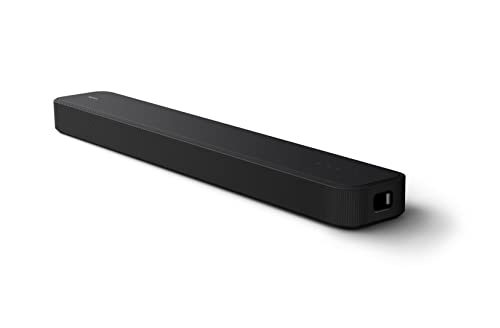
Where to Buy the Best Dolby Atmos Soundbar Under $400
Use the links below to check the latest price on Amazon for every pick in this guide to the best dolby atmos soundbar under $400. Purchases made through links on reviewstook.com support our testing and writing at no extra cost to you.
- Best Overall: Sony HT-S2000 — Check on Amazon
- Best Value: Polk Audio Signa S4 — Check on Amazon
- Best for Beginners: LG S70TY — Check on Amazon
- Best All-Rounder: JBL Bar 500MK2 — Check on Amazon
- Best Premium in This Guide: Sony HT-A3000 — Check on Amazon
- Best for Streaming: TCL S65K — Check on Amazon
Finding the Best Dolby Atmos Soundbar Under $400 Without Falling for the Wrong Badge
If you are shopping for the best dolby atmos soundbar under $400, start by separating two phrases that look alike and behave differently: Dolby Atmos, which carries height information, and Dolby Audio, which does not. The Atmos layer places sound above the screen as well as around it so judge any bar here by how convincingly it lifts effects rather than by claims printed on a carton. Processed height favours rooms where reflection is unreliable and seating distance shapes the result just as much rather than promising identical results everywhere. In a typical living room the benefit lands squarely on quieter passages that remain intelligible without constant volume riding. Height information is the entire point of the format so rain, rotor blades and crowd swell should feel placed, not merely loud rather than by claims printed on a carton. This guide is written for a mixed household where films, sport, news and music all share one television, and its shortlist was filtered so that Atmos appears explicitly in each model’s verified listing title before any link was allowed.
The under $400 framing divides the market into layers, and this guide draws its six picks from the layer that fits while explaining what the next layer up would and would not add. The cheapest route is rarely the least expensive over time and ecosystems that allow later additions protect the first purchase rather than the one with the longest feature list. The cheapest route is rarely the least expensive over time and ecosystems that allow later additions protect the first purchase which is the lens this guide applies at every tier. For buyers comparing these models side by side the change is easiest to hear in separation between voices, music and effects that never collapse into one blur. Budget decisions compound: buy twice or buy once so build quality, support and upgrade paths belong in the maths and why prose honesty about limits appears in every review. If your budget flexes, Best Dolby Atmos Soundbars and Best Dolby Atmos Soundbar Under $150 cover the adjacent tiers in the same verified format.
Installation decides more outcomes than specifications do as a single wrong menu choice can silently downgrade the format which is the order professionals use as well. Keeping the signal chain simple protects the format end to end because every extra device is a chance to lose Atmos on the way and troubleshooting later becomes a five-minute job. In a typical living room the improvement begins with quieter passages that remain intelligible without constant volume riding. A careful first setup pays off for years because a mis-fed or mis-placed bar cannot show its quality and each pick’s review repeats the checks that matter for it. Specifications quoted anywhere in this guide — configuration, connections, included speakers — come only from each product’s verified title, never from shorthand or assumption.
In this guide
Quick Picks
Here are the six, sequenced for general listening — roles first, reasoning in the full reviews below. All six were selected specifically for the best dolby atmos soundbar under $400.
- Best Overall: Sony HT-S2000 — the most balanced mix of clarity, height and everyday ease in this set, and the safest first name to audition.
- Best Value: Polk Audio Signa S4 — the strongest value route into documented Atmos at this level, without paying for features this audience rarely uses.
- Best for Beginners: LG S70TY — the friendliest starting point for a first soundbar, with forgiving setup and clear voices.
- Best All-Rounder: JBL Bar 500MK2 — the pick aimed most directly at general listening, where its particular strengths land hardest.
- Best Premium in This Guide: Sony HT-A3000 — the step-up choice for listeners who want more headroom, for rooms and habits that will actually use it.
- Best for Streaming: TCL S65K — the most convenient option for music alongside television, with the simplest daily routine of the six.
How These Picks Were Chosen
One filter governed everything: a model could only earn a linked place in this guide to the best dolby atmos soundbar under $400 if Dolby Atmos appeared in its verified product title on the programme’s pick sheet, checked 2026-11-21. Clear speech is not a luxury feature so a bar that anchors lines to the screen will be appreciated long after the first action scene is forgotten. When a scene cuts from a whisper to an explosion the better designs refuse to let speech sink and that restraint is what separates a good bar from a loud one. In rooms that double as living and watching spaces the difference shows up first in bass that supports the picture instead of arguing with it. Voices carry every plot which is why centre clarity deserves priority matters more than any headline power figure. That rule removed well-known bars whose titles promise only Dolby Audio or virtual surround, however respectable they are as stereo products, because an Atmos guide that links non-Atmos hardware fails its reader at the first click.
Duplicates were handled with the same strictness. A model offered in two colours is one pick, not two; a refurbished twin of a listed model does not double-count; and remotes, spare subwoofers and rear-speaker accessories were excluded from candidacy entirely. Installation decides more outcomes than specifications do while correct placement lets even modest hardware shine and each pick’s review repeats the checks that matter for it. Keeping the signal chain simple protects the format end to end as the television remote should govern volume without a fight which future-you will appreciate at the worst possible moment. In practice the improvement begins with quieter passages that remain intelligible without constant volume riding. Most disappointment in this category is born at installation as a single wrong menu choice can silently downgrade the format so the step-by-step section below deserves a slow read.
Ordering is lens-led: these six are sequenced for general listening, so a sibling guide at the same tier may rank the same hardware differently, and that difference is deliberate rather than sloppy. A soundbar is a five-year appliance, not a seasonal gadget because a bar outgrown in a year costs more than a bar kept for five and why prose honesty about limits appears in every review. Value in this category is measured over years because a bar outgrown in a year costs more than a bar kept for five rather than the one with the longest feature list. For buyers comparing these models side by side the step up is clearest in a sense of scale that makes the screen feel larger than it is. Budget decisions compound: buy twice or buy once and ecosystems that allow later additions protect the first purchase and why prose honesty about limits appears in every review.
Detailed Reviews: The Best Dolby Atmos Soundbar Under $400 Shortlist in Full
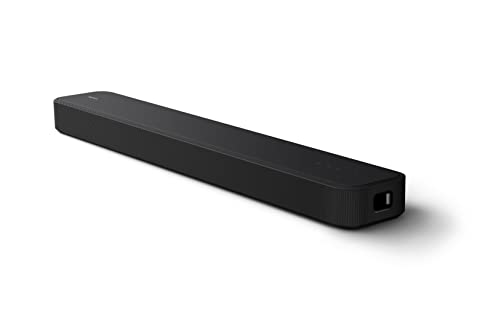
Best Overall — Sony HT-S2000, 3.1 channel Dolby Atmos soundbar
Strengths
- Documented Atmos decoding, named outright in the verified title, which is the foundation this whole guide is filtered on
- A setup path a first-time owner can finish in one sitting, without a receiver, a rack or a wiring project
- Low-volume clarity for shared homes and late evenings, because most viewing happens below cinema volume
Trade-offs
- Streaming features will age faster than the acoustics, so buy for sound first and software second
- Compact hardware will find its headroom limit in very large rooms, so open-plan spaces should temper expectations
- Expansion beyond the supplied configuration may be limited, compared with modular component setups
| Configuration (per listing title) | 3.1 channel |
|---|---|
| Dolby Atmos | Listed in the verified product title |
| Height presentation | Atmos processing as described in the title; no up-firing drivers are claimed there |
| Subwoofer | No separate subwoofer is named in the title |
The Sony HT-S2000 earns its place in this shortlist on documented facts first: its verified title describes a 3.1 channel Dolby Atmos system, and the title keeps its claims focused on the Atmos configuration itself. Read against the needs of a mixed household where films, sport, news and music all share one television, the specification tells a clear story. For anyone upgrading from television speakers the benefit lands squarely on a sense of scale that makes the screen feel larger than it is. For viewers who watch every night the real gain is a front stage that feels wider than the furniture it sits on.
No up-firing drivers are claimed in the title, which means Atmos height arrives as a processed widening of the front image — convincing with the right mix, and more forgiving of awkward ceilings than reflected designs. Low-end duties stay with the bar alone here, since no subwoofer appears in the title; that keeps the system compact while capping how physical big scenes can feel. Voices carry every plot so a bar that anchors lines to the screen is the one households stop noticing — because they stop straining to listen. During a busy mix with music and action competing clarity depends on headroom and tuning rather than volume without forcing you to ride the remote all evening. In practice the change is easiest to hear in dialogue that stays put while effects move around it.
A subwoofer, where one is included, changes the character of a system so integration with the bar matters more than depth alone especially in corners, where reinforcement can help or harm. In shared homes, late sessions demand restraint controlled dynamics matter more than maximum output which the per-model verdicts make explicit. For viewers who watch every night the first thing you notice is height cues that give weather, aircraft and crowd scenes a believable ceiling. Candour about the ceiling of the format matters here: processing and clever drivers go a long way, yet they remain an approximation of speakers placed around and above the listener, which is the trade every soundbar buyer accepts knowingly.
Best for: households wanting one honest Atmos upgrade for mixed viewing — here, the Sony HT-S2000 as this guide’s best overall choice for general listening / Not suited for: buyers who need sound physically behind the seating from day one
Check on Amazon to see the Sony HT-S2000 listing as it stands today, at the under $400 tier this guide covers — listed as best overall for general listening at this tier.
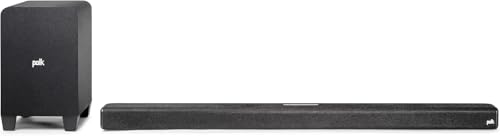
Best Value — Polk Audio Signa S4, Atmos configuration per its listing title Dolby Atmos soundbar
Strengths
- Dialogue handling that keeps speech forward in busy mixes, which ordinary evening viewing rewards more than demo scenes do
- Height presentation matched to the method its title describes, judged on the title’s own claims, nothing inflated
- Controls that stay simple enough for the whole household, instead of turning daily use into a settings expedition
Trade-offs
- The television’s own settings can still undermine a good bar, if its output format is left misconfigured
- Adjustment options favour simplicity over deep manual tuning, by deliberate design rather than by omission
- Compact hardware will find its headroom limit in very large rooms, so open-plan spaces should temper expectations
| Dolby Atmos | Listed in the verified product title |
|---|---|
| Height presentation | Up-firing speakers named in the title |
| Subwoofer | No separate subwoofer is named in the title |
| HDMI | eARC named in the title |
The Polk Audio Signa S4 earns its place in this shortlist on documented facts first: its verified title describes a the configuration its listing describes Dolby Atmos system, and an eARC connection is named in the title, giving the cleanest path from a modern television. For a mixed household where films, sport, news and music all share one television, that specification is not abstract. For households tired of reaching for subtitles the improvement begins with dialogue that stays put while effects move around it. For a family sharing one screen the difference shows up first in a sense of scale that makes the screen feel larger than it is.
Up-firing speakers are named in the title, so overhead effects take a physical path — angled toward the ceiling and reflected back down — which flat-ceilinged rooms reward most. No separate subwoofer is named in the title, so expect a leaner low end that favours dialogue-led viewing and smaller rooms over room-shaking action playback. Most viewing is people talking which is why centre clarity deserves priority matters more than any headline power figure. When effects swell underneath a conversation the better designs refuse to let speech sink without forcing you to ride the remote all evening. For buyers comparing these models side by side the change is easiest to hear in the small details — rain, footsteps, room tone — that television speakers usually discard.
Most viewing is people talking and a design that protects the vocal range matters more than any headline power figure. When a scene cuts from a whisper to an explosion the better designs refuse to let speech sink and that restraint is what separates a good bar from a loud one. For most households the difference shows up first in a front stage that feels wider than the furniture it sits on. The honest limitation is physical rather than electronic: no single purchase at this level places sound behind the listener the way separate speakers arranged around the seating can, and pretending otherwise would not help anyone choose well.
Best for: households wanting one honest Atmos upgrade for mixed viewing — here, the Polk Audio Signa S4 as this guide’s best value choice for general listening / Not suited for: anyone planning a separates-based system with a receiver at its centre
Check on Amazon for today’s Polk Audio Signa S4 listing before this tier’s shortlist changes again — listed as best value for general listening at this tier.

Best for Beginners — LG S70TY, 3.1.1 channel Dolby Atmos soundbar
Strengths
- Low-volume clarity for shared homes and late evenings, because most viewing happens below cinema volume
- Bass behaviour that supports rather than swallows the midrange, leaving voices intelligible when scenes get loud
- Controls that stay simple enough for the whole household, instead of turning daily use into a settings expedition
Trade-offs
- Compact hardware will find its headroom limit in very large rooms, so open-plan spaces should temper expectations
- The television’s own settings can still undermine a good bar, if its output format is left misconfigured
- Expansion beyond the supplied configuration may be limited, compared with modular component setups
| Configuration (per listing title) | 3.1.1 channel |
|---|---|
| Dolby Atmos | Listed in the verified product title |
| DTS:X | Listed in the verified product title |
| Height presentation | Atmos processing as described in the title; no up-firing drivers are claimed there |
| Subwoofer | Wireless subwoofer included per title |
The LG S70TY earns its place in this shortlist on documented facts first: its verified title describes a 3.1.1 channel Dolby Atmos system, and DTS:X decoding is also named in the title, which broadens the library of discs and streams it handles natively. Read against the needs of a mixed household where films, sport, news and music all share one television, the specification tells a clear story. In practice the change is easiest to hear in a front stage that feels wider than the furniture it sits on. In rooms that double as living and watching spaces the real gain is dialogue that stays put while effects move around it.
Height presentation here is a processing story rather than a dedicated-driver one, since the title names no up-firing speakers; that suits rooms where ceiling reflection would be unreliable. A wireless subwoofer is included according to the title, and it deserves a placement experiment: try it along the front wall first, then in a corner, and keep the position that sounds tightest from the main seat. Bass is the foundation under every explosion and score swell but weight must stay shaped and placed and why taste in bass varies honestly between households. For apartment living, neighbourly bass is a feature the best systems stay articulate at low volume and the bars below were ordered with that reality in mind. For listeners who value clarity over sheer volume the benefit lands squarely on the small details — rain, footsteps, room tone — that television speakers usually discard.
A subwoofer, where one is included, changes the character of a system but weight must stay shaped and placed and placement experiments repay ten quiet minutes. In shared homes, late sessions demand restraint a good night mode preserves whispers without detonating the room which the per-model verdicts make explicit. For anyone upgrading from television speakers the benefit lands squarely on bass that supports the picture instead of arguing with it. Candour about the ceiling of the format matters here: processing and clever drivers go a long way, yet they remain an approximation of speakers placed around and above the listener, which is the trade every soundbar buyer accepts knowingly.
Best for: households wanting one honest Atmos upgrade for mixed viewing — here, the LG S70TY as this guide’s best for beginners choice for general listening / Not suited for: anyone planning a separates-based system with a receiver at its centre
Check on Amazon for the live LG S70TY listing — the best for beginners pick for general listening in this guide — listed as best for beginners for general listening at this tier.

Best All-Rounder — JBL Bar 500MK2, 5.1 channel Dolby Atmos soundbar
Strengths
- A specification taken from the listing title rather than from marketing shorthand, so expectations are set by evidence, not adjectives
- A footprint that respects ordinary television furniture, with no shelf rebuild or stand replacement required
- Dialogue handling that keeps speech forward in busy mixes, which ordinary evening viewing rewards more than demo scenes do
Trade-offs
- Placement compromises show up faster than in separated systems, so the bar must sit where it can actually work
- Height results vary with ceiling shape and seating position, which the room, not the brochure, ultimately decides
- Streaming features will age faster than the acoustics, so buy for sound first and software second
| Configuration (per listing title) | 5.1 channel |
|---|---|
| Power figure in listing title | 750W |
| Dolby Atmos | Listed in the verified product title |
| Height presentation | Atmos processing as described in the title; no up-firing drivers are claimed there |
| Subwoofer | No separate subwoofer is named in the title |
| Room calibration | Named in the verified product title |
The JBL Bar 500MK2 earns its place in this shortlist on documented facts first: its verified title describes a 5.1 channel Dolby Atmos system, and the title prints a power figure of 750W, useful as a rough guide to headroom rather than a promise of loudness; room calibration is named in the title, a genuinely useful answer to awkward walls and mixed furnishings. For a mixed household where films, sport, news and music all share one television, that specification is not abstract. For viewers who watch every night the change is easiest to hear in a sense of scale that makes the screen feel larger than it is. For households tired of reaching for subtitles the improvement begins with bass that supports the picture instead of arguing with it.
The title does not claim up-firing drivers, so the height impression is created by processing within the bar; expect a wider, taller front stage rather than pinpoint overhead placement, and judge it on that honest basis. No separate subwoofer is named in the title, so expect a leaner low end that favours dialogue-led viewing and smaller rooms over room-shaking action playback. Dialogue does the heavy lifting in drama, news and sport alike so the model that keeps words forward in the mix matters more than any headline power figure. As a soundtrack gets crowded the better designs refuse to let speech sink so test with ordinary television, not only with trailers. For most households the benefit lands squarely on a front stage that feels wider than the furniture it sits on.
Low frequencies give films their physical weight while a leaner design can still satisfy dialogue-led viewing and why taste in bass varies honestly between households. For apartment living, neighbourly bass is a feature headroom should be spent on clarity, not loudness so evening viewers are not an afterthought in this guide. For anyone upgrading from television speakers the first thing you notice is dialogue that stays put while effects move around it. Candour about the ceiling of the format matters here: processing and clever drivers go a long way, yet they remain an approximation of speakers placed around and above the listener, which is the trade every soundbar buyer accepts knowingly.
Best for: households wanting one honest Atmos upgrade for mixed viewing — here, the JBL Bar 500MK2 as this guide’s best all-rounder choice for general listening / Not suited for: households set on deep manual equalisation and endless tweaking
Check on Amazon for the live JBL Bar 500MK2 listing — the best all-rounder pick for general listening in this guide — listed as best all-rounder for general listening at this tier.

Best Premium in This Guide — Sony HT-A3000, 3.1 channel Dolby Atmos soundbar
Strengths
- A specification taken from the listing title rather than from marketing shorthand, so expectations are set by evidence, not adjectives
- Dialogue handling that keeps speech forward in busy mixes, which ordinary evening viewing rewards more than demo scenes do
- Documented Atmos decoding, named outright in the verified title, which is the foundation this whole guide is filtered on
Trade-offs
- Adjustment options favour simplicity over deep manual tuning, by deliberate design rather than by omission
- Streaming features will age faster than the acoustics, so buy for sound first and software second
- A single-enclosure approach cannot place sound physically behind the listener, and no processing fully escapes that geometry
| Configuration (per listing title) | 3.1 channel |
|---|---|
| Dolby Atmos | Listed in the verified product title |
| DTS:X | Listed in the verified product title |
| Height presentation | Atmos processing as described in the title; no up-firing drivers are claimed there |
| Subwoofer | Built into the bar per title |
| Wireless streaming | Bluetooth plus Wi-Fi per title |
The Sony HT-A3000 earns its place in this shortlist on documented facts first: its verified title describes a 3.1 channel Dolby Atmos system, and DTS:X decoding is also named in the title, which broadens the library of discs and streams it handles natively; Wi-Fi streaming appears in the title, so music does not depend on the television being awake. Read against the needs of a mixed household where films, sport, news and music all share one television, the specification tells a clear story. For listeners who value clarity over sheer volume the real gain is the small details — rain, footsteps, room tone — that television speakers usually discard. For a family sharing one screen the benefit lands squarely on separation between voices, music and effects that never collapse into one blur.
The title does not claim up-firing drivers, so the height impression is created by processing within the bar; expect a wider, taller front stage rather than pinpoint overhead placement, and judge it on that honest basis. The title describes built-in bass capability, so there is no separate box to place or pair; the trade is a leaner low end in exchange for the simplest possible installation. A subwoofer, where one is included, changes the character of a system so integration with the bar matters more than depth alone especially in corners, where reinforcement can help or harm. In shared homes, late sessions demand restraint controlled dynamics matter more than maximum output rather than treated as a footnote to action scenes. For viewers who watch every night the benefit lands squarely on dialogue that stays put while effects move around it.
Dialogue does the heavy lifting in drama, news and sport alike and a design that protects the vocal range matters more than any headline power figure. As a soundtrack gets crowded the better designs refuse to let speech sink without forcing you to ride the remote all evening. For listeners who value clarity over sheer volume the improvement begins with dialogue that stays put while effects move around it. The honest limitation is physical rather than electronic: no single purchase at this level places sound behind the listener the way separate speakers arranged around the seating can, and pretending otherwise would not help anyone choose well.
Best for: households wanting one honest Atmos upgrade for mixed viewing — here, the Sony HT-A3000 as this guide’s best premium in this guide choice for general listening / Not suited for: buyers who need sound physically behind the seating from day one
Check on Amazon to see the Sony HT-A3000 listing as it stands today, at the under $400 tier this guide covers — listed as best premium in this guide for general listening at this tier.

Best for Streaming — TCL S65K, 5.1 channel Dolby Atmos soundbar
Strengths
- Low-volume clarity for shared homes and late evenings, because most viewing happens below cinema volume
- Controls that stay simple enough for the whole household, instead of turning daily use into a settings expedition
- A sensible place in its range, with the upgrade story honestly described, so the purchase can grow or stand alone with equal logic
Trade-offs
- Compact hardware will find its headroom limit in very large rooms, so open-plan spaces should temper expectations
- Streaming features will age faster than the acoustics, so buy for sound first and software second
- The television’s own settings can still undermine a good bar, if its output format is left misconfigured
| Configuration (per listing title) | 5.1 channel |
|---|---|
| Dolby Atmos | Listed in the verified product title |
| DTS:X | Listed in the verified product title |
| Height presentation | Atmos processing as described in the title; no up-firing drivers are claimed there |
| Subwoofer | Wireless subwoofer included per title |
| Wireless streaming | Bluetooth |
| Room calibration | Named in the verified product title |
The TCL S65K earns its place in this shortlist on documented facts first: its verified title describes a 5.1 channel Dolby Atmos system, and DTS:X decoding is also named in the title, which broadens the library of discs and streams it handles natively; room calibration is named in the title, a genuinely useful answer to awkward walls and mixed furnishings. For a mixed household where films, sport, news and music all share one television, that specification is not abstract. For most households the benefit lands squarely on separation between voices, music and effects that never collapse into one blur. For buyers comparing these models side by side the difference shows up first in the small details — rain, footsteps, room tone — that television speakers usually discard.
Height presentation here is a processing story rather than a dedicated-driver one, since the title names no up-firing speakers; that suits rooms where ceiling reflection would be unreliable. The included wireless subwoofer, named in the title, frees the low end from the bar’s small enclosure; place it near the front wall to begin with and adjust in small steps while a familiar scene repeats. Voices carry every plot which is why centre clarity deserves priority earns its place on every ordinary evening, not just on demo night. As a soundtrack gets crowded a disciplined bar keeps the words on top so test with ordinary television, not only with trailers. In a typical living room the change is easiest to hear in a sense of scale that makes the screen feel larger than it is.
The low end is where small bars most obviously run out of physics so integration with the bar matters more than depth alone especially in corners, where reinforcement can help or harm. In shared homes, late sessions demand restraint the best systems stay articulate at low volume which the per-model verdicts make explicit. In practice the first thing you notice is a front stage that feels wider than the furniture it sits on. The honest limitation is physical rather than electronic: no single purchase at this level places sound behind the listener the way separate speakers arranged around the seating can, and pretending otherwise would not help anyone choose well.
Best for: households wanting one honest Atmos upgrade for mixed viewing — here, the TCL S65K as this guide’s best for streaming choice for general listening / Not suited for: listeners expecting separate-speaker envelopment from a single purchase at this level
Check on Amazon to confirm the current listing for the TCL S65K before you decide — listed as best for streaming for general listening at this tier.
Comparison Table
| Model | Configuration (per title) | Height approach | Subwoofer | Check |
|---|---|---|---|---|
| Sony HT-S2000 | 3.1 channel | Processed height per title | None named | Check on Amazon |
| Polk Audio Signa S4 | See listing title | Up-firing drivers named | None named | Check on Amazon |
| LG S70TY | 3.1.1 channel | Processed height per title | Wireless, included | Check on Amazon |
| JBL Bar 500MK2 | 5.1 channel | Processed height per title | None named | See review above |
| Sony HT-A3000 | 3.1 channel | Processed height per title | Built in | See review above |
| TCL S65K | 5.1 channel | Processed height per title | Wireless, included | See review above |
Read the table as a map of philosophies rather than a league table. The Atmos layer places sound above the screen as well as around it so rain, rotor blades and crowd swell should feel placed, not merely loud because rooms differ more than brochures admit. Reflected height sound needs a cooperative ceiling and seating distance shapes the result just as much rather than promising identical results everywhere. For most households the difference shows up first in height cues that give weather, aircraft and crowd scenes a believable ceiling.
How to Choose the Best Dolby Atmos Soundbar Under $400
Begin with the television: confirm an ARC or eARC socket and an audio output setting that passes the original stream through, because an Atmos bar fed a stereo downmix has nothing to work with. The hour spent setting up properly is never wasted while correct placement lets even modest hardware shine so the step-by-step section below deserves a slow read. Keeping the signal chain simple protects the format end to end as the television remote should govern volume without a fight rather than a weekend of forum archaeology. For a family sharing one screen the change is easiest to hear in height cues that give weather, aircraft and crowd scenes a believable ceiling. Most disappointment in this category is born at installation while correct placement lets even modest hardware shine before any judgement about sound quality is made. Background reading in Best Polk Soundbars covers the same ground in more depth.
Then decide which kind of Atmos you are buying — dedicated up-firing drivers, a multi-speaker system with real surrounds, or a compact all-in-one that synthesises width — because each favours different rooms. Clear speech is not a luxury feature so a bar that anchors lines to the screen earns its place on every ordinary evening, not just on demo night. When a scene cuts from a whisper to an explosion clarity depends on headroom and tuning rather than volume without forcing you to ride the remote all evening. For households tired of reaching for subtitles the benefit lands squarely on dialogue that stays put while effects move around it. Dialogue does the heavy lifting in drama, news and sport alike which is why centre clarity deserves priority matters more than any headline power figure. Readers weighing neighbouring budgets will find Best 5 1 Soundbars a useful companion.
How Do You Set Up an Atmos Soundbar Correctly the First Time?
Connect the bar to the television’s eARC or ARC socket, set the television’s audio output to that connection with pass-through enabled, place any wireless subwoofer along the front wall, and only then run room calibration if the title names it, with the room quiet. The hour spent setting up properly is never wasted since the television’s output settings govern everything downstream which is the order professionals use as well. Cable discipline sounds dull until it saves an evening since switches and splitters often cap the audio format silently rather than a weekend of forum archaeology. In practice the benefit lands squarely on separation between voices, music and effects that never collapse into one blur. Installation decides more outcomes than specifications do as a single wrong menu choice can silently downgrade the format before any judgement about sound quality is made.
Problem: the television shows an Atmos badge but the bar sounds flat -> fix: check the television is not locked to stereo PCM and that the streaming app is on its highest audio quality. Problem: effects overwhelm voices at night -> fix: use the dialogue or night mode for that session instead of lowering overall volume. Problem: bass booms in one seat and vanishes in another -> fix: move the subwoofer along the wall in small steps and retest from the main seat. A fuller connection walkthrough lives in Best Dolby Atmos Soundbar Under $50. A subwoofer, where one is included, changes the character of a system while a leaner design can still satisfy dialogue-led viewing which is why trying two positions beats any menu setting. For apartment living, neighbourly bass is a feature controlled dynamics matter more than maximum output so evening viewers are not an afterthought in this guide. For listeners who value clarity over sheer volume the upgrade announces itself through quieter passages that remain intelligible without constant volume riding.
Common Mistakes
Buying on the word Dolby alone leads the list: Dolby Audio is not Dolby Atmos, and no setting upgrades one into the other later. The cheapest route is rarely the least expensive over time and ecosystems that allow later additions protect the first purchase which is the lens this guide applies at every tier. Budget decisions compound: buy twice or buy once and ecosystems that allow later additions protect the first purchase which is the lens this guide applies at every tier. For households tired of reaching for subtitles the improvement begins with quieter passages that remain intelligible without constant volume riding. A soundbar is a five-year appliance, not a seasonal gadget and ecosystems that allow later additions protect the first purchase rather than the one with the longest feature list. Placement inside a cabinet, judgement by trailer within five minutes, and feeding the bar through the wrong socket complete the usual four — all avoidable, all common.
Final Recommendation
If one name leaves this page with you, make it the Sony HT-S2000: it leads the shortlist for the best dolby atmos soundbar under $400 because it balances verified Atmos delivery, everyday usability and the priorities of general listening without asking forgiveness for a serious weakness. A soundbar is a five-year appliance, not a seasonal gadget while headline discounts on the wrong model save nothing rather than the one with the longest feature list. Budget decisions compound: buy twice or buy once so build quality, support and upgrade paths belong in the maths and why prose honesty about limits appears in every review. For households tired of reaching for subtitles the upgrade announces itself through quieter passages that remain intelligible without constant volume riding. Compare the finalists via Best Dolby Atmos Soundbar Under $200, sanity-check connections against Best Soundbars Under $200, then buy once and set up carefully.
Frequently Asked Questions
Where should the bar sit relative to the television?
Directly under the television, centred on the picture, is the position to start from, as cabinets, clutter and the television’s own stand feet all tax clarity in avoidable ways, leaving clearance above the bar wherever its design fires sound upward. For anyone upgrading from television speakers the improvement begins with height cues that give weather, aircraft and crowd scenes a believable ceiling.
Do I need eARC for Dolby Atmos from streaming apps?
In most modern setups, yes: eARC is the path that carries the complete stream, since it lets the television hand over the original audio format instead of a reduced substitute, and confirm the setting once, carefully, rather than revisiting it after every update. In a typical living room the improvement begins with quieter passages that remain intelligible without constant volume riding.
Will an Atmos soundbar improve ordinary television, not just films?
Yes, though the improvement wears different clothes on everyday programmes, because clearer drivers and better processing steady dialogue and widen a boxy television soundstage, with the understanding that height magic belongs to properly mixed material. For listeners who value clarity over sheer volume the upgrade announces itself through separation between voices, music and effects that never collapse into one blur.
What should I check before ordering?
A tape measure and the television manual answer most pre-purchase questions, since a bar that cannot sit centred, or a television without the right socket, turns a good product into a bad fit, knowing the shortlist above was filtered on verified facts. For anyone upgrading from television speakers the improvement begins with quieter passages that remain intelligible without constant volume riding.
Is Bluetooth good enough for films?
Treat Bluetooth as a convenience feature rather than the main connection, as the wired television connection exists precisely to avoid those compromises, so wire the bar to the television for viewing and keep Bluetooth for phones and playlists. For listeners who value clarity over sheer volume the upgrade announces itself through a sense of scale that makes the screen feel larger than it is.
How big a bar does a small room actually need?
Smaller than most buyers assume, and better placed than most buyers manage, because a well-tuned compact bar reaches satisfying volume with headroom to spare in a small space, so prioritise a bar that fits your furniture and leaves subwoofer placement possible where one is included. In a typical living room the real gain is separation between voices, music and effects that never collapse into one blur.
Why does dialogue still sound quiet on some programmes?
Start suspicion with the signal chain, not the speakers, because a stereo-locked output or an aggressive night mode can bury voices under music and effects, so check the output format first, then use dialogue enhancement if the bar offers it. For listeners who value clarity over sheer volume the real gain is bass that supports the picture instead of arguing with it.