Disclosure: As an Amazon Associate, reviewstook.com earns from qualifying purchases. Links on this page are affiliate links at no extra cost to you; prices and availability change frequently, so check Amazon for the latest.
Where to Buy
Shopping the best 4k tv for movies under $2000 comes down to these six Amazon listings. Each link below matches the size reviewed in this guide; check the latest price on Amazon at the listing, since television prices change frequently.
Best Overall for Movies: LG OLED evo AI C6 55″ — Check on Amazon
Best Big-Screen Pick: Hisense E7 Cinema Series Mini-LED 65″ — Check on Amazon
Best for Bright Rooms: Hisense U6 Pro Series Mini-LED ULED 65″ — Check on Amazon
Best Mini LED Alternative: Samsung M70H Series Mini LED 65″ — Check on Amazon
Best Runner-Up: TCL T7 Series QLED 55″ — Check on Amazon
Best Compact Filmmaker Mode Pick: LG QNED AI QNED73B Mini LED 43″ — Check on Amazon
Purchases made through links on reviewstook.com support our testing and writing at no extra cost to you.
Every guide in this series promises the same discipline, and this best 4k tv for movies under $2000 guide keeps it: picks verified against the product feed on 2026-11-21, specifications quoted only where a verified title states them, and no prices printed where they would rot within the week. The audience is film-first viewers who care about how a director’s grade survives the trip to their sofa, and the budget is a hard under $2000. A television is the one screen you will probably keep longer than your phone, your laptop and possibly your sofa, which makes a fixed-budget shortlist worth doing carefully rather than quickly. Ranked honestly, the six sets below are the six different answers this tier offers — different panels, different platforms, different sizes — to the same evening: a Friday-night film chosen on purpose — subtitles on, room dim, no channel-surfing — where shadow detail and natural skin tones matter more than brightness.
The ranking criteria came from the use case, not the spec sheet: HDR format support as listed, with Dolby Vision titles given priority here, Filmmaker Mode where the title names it, panel contrast, and motion handling that does not soap-opera a 24-frame film. Hold them against the scenario — film-first evenings where the director’s grade is the thing being protected, from the first dark scene to the credits — and the order of the six picks explains itself. The language rule is strict: refresh figures, HDR formats and gaming modes appear below only as the verified titles phrase them. A processing claim stays labelled a processing claim; the word native is used only where a title uses it. Sizes are explicit everywhere, and no model line is counted twice in different sizes to pad the list. At $2000, the ceiling of this series, that discipline is what keeps the best of the sheet from being oversold.
In this guide
Quick Picks: The Best 4K Tv For Movies Under $2000 Shortlist
The whole ranking fits on one screen: six sets, six badges, six distinct reasons to buy at under $2000. Pick the badge that matches a film-first room, read that one review in full, and check the size at the listing before you order.
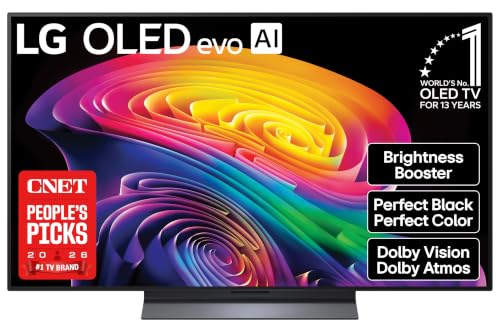
Best Overall for Movies: LG OLED evo AI C6 55″ — the OLED ceiling of this guide — Perfect Black, Brightness Booster and high-refresh VRR as listed.
Best Big-Screen Pick: Hisense E7 Cinema Series Mini-LED 65″ — 65 inches of Mini-LED cinema hardware with a native 144Hz panel and FALD as listed.
Best for Bright Rooms: Hisense U6 Pro Series Mini-LED ULED 65″ — a 65-inch Mini-LED built for bright rooms and gaming, with a glare-free screen as listed.
Best Mini LED Alternative: Samsung M70H Series Mini LED 65″ — Samsung Mini-LED processing and colour, in the size this tier can actually use.
Best Runner-Up: TCL T7 Series QLED 55″ — a native 120Hz QLED with Dolby Vision and Atmos — the motion and gaming specialist.
Best Compact Filmmaker Mode Pick: LG QNED AI QNED73B Mini LED 43″ — Mini-LED with Filmmaker Mode and LG’s a7 AI processing in a room-friendly size.
How These Picks Were Chosen
Selection began with subtraction. Of the 28 verified candidates for this cluster, four failed the first test — their own titles call them 1080p Full HD or FHD sets (two Roku models at 32 and 40 inches, a 40-inch Insignia F40, and a 40-inch Hisense QD4SR) — and a best 4k tv for movies under $2000 guide cannot recommend a screen that is not 4K. The 24 survivors were then classed by panel — entry LED, QLED and Hi-QLED, Mini-LED, and one OLED line — and by size, and only then ranked.
Within the under $2000 tier, ranking followed the lens of this article: HDR format support as listed (Dolby Vision titles get priority here), Filmmaker Mode where the title names it, panel contrast, and motion handling that does not soap-opera a 24-frame film. Picks were then checked for duplication — one size per model line — and for honesty of framing. TIER SHORTAGE (ceiling): $2000 is the ceiling of this cluster and of the verified sheet — the top verified picks are a 55-inch OLED evo and 65-inch 144Hz Mini-LED models. The sheet contains no larger OLED or flagship-class verified pick, so articles frame these as the sheet’s ceiling rather than inventing a higher tier.
The verification discipline matters as much as the ranking it produces. No price is printed, because television prices move too fast to print honestly; no specification is padded, because a size, panel type, HDR format or gaming feature appears below only where the verified title names it. Motion figures are handled the same way — quoted in the title’s wording, with processing labels such as Motion Rate or DLG never upgraded into native refresh rates, at under $2000 in a film-first room.
Two thousand dollars is the top of this programme’s range, and honesty requires saying what that means: it buys the best of what the verified pool contains — a 55-inch OLED evo and 65-inch 144Hz Mini-LED sets — not the largest flagships on the wider market, which this pool does not include. Within that frame these are no-compromise televisions, and the choice between them is about panel character, not quality. For film-first viewers, that framing decides which compromises are even visible on this page.
Detailed Reviews: Six Contenders for the Best 4K Tv For Movies Under $2000

Best Overall for Movies — LG OLED evo AI C6 55″, OLED evo
The verified record for the LG OLED evo AI C6 55″ is short enough to state plainly: 55 inches of screen, a OLED evo panel, and LG Smart TV with a11 AI Processor Gen3 as the platform. The feature list its title stands behind is headed by OLED evo 4K panel, Brightness Booster, with the complete list in the spec box below — and nothing in the paragraphs that follow extends it by a single item. For a purchase in a film-first room at under $2000, that traceability is the point: an assumed feature is the usual difference between a sound buy and a regret.
For movies, look past brightness headlines: tone mapping, HDR format support and a mode that respects the grade matter more, and they are exactly what its verified title lets us confirm. Against the other five sets in this under $2000 group, the LG OLED evo AI C6 is the deliberate choice for one kind of buyer rather than the default for everyone — that is what its badge, best overall for movies, means here. If you are torn between this and a neighbouring pick, decide on the feature you will use weekly: panel class if films dominate, platform if the household streams everything, gaming features if a console lives under the screen.
Its shortfall is a shortfall of paperwork before it is a shortfall of picture. Like every OLED evo set at this level, it arrives without flagship claims in its verified record — no zone counts, no peak-brightness figures, no port layouts — and this review declines to supply them from imagination. Strip those absences away and the proposition is admirably plain: 55 inches of OLED evo 4K on LG Smart TV with a11 AI Processor Gen3, headlined by oled evo 4k panel. At under $2000, for a film-first room, that plainness is a virtue — provided the purchase is made for what is listed, not for what was hoped.
Strengths
- A genuine 4K UHD OLED evo panel, sized at 55 inches and stated plainly.
- OLED evo 4K panel leads a feature list taken entirely from the verified title.
- LG Smart TV with a11 AI Processor Gen3 is a platform most households already know how to drive.
Trade-offs
- Its class sets the ceiling: buyers wanting the next panel tier up should read the higher-budget guides in this series.
- Specifications not named in the verified title are not claimed here — check the Amazon listing for port counts and tuner details before you buy.
- Like every television in this guide, its built-in sound is a starting point, not a finish line, for film nights.
| Specification | From the verified title |
|---|---|
| Diagonal | 55 inches |
| Resolution (as listed) | 4K UHD (3840 x 2160) |
| Panel type | OLED evo |
| Smart platform | LG Smart TV with a11 AI Processor Gen3 |
| Listed feature | OLED evo 4K panel |
| Listed feature | Brightness Booster |
| Listed feature | Perfect Black and Perfect Color |
| Listed feature | VRR 165Hz (as listed in the API title) |
| Listed feature | Dolby Vision and Dolby Atmos |
| Listed feature | Filmmaker Mode |
Best for: the buyer this badge describes — overall for movies at under $2000 / Not suited for: anyone shopping a different panel class or a much larger room.
Check on Amazon for the 55-inch version reviewed here; other sizes in the line are separate listings, at under $2000 for a film-first room.

Best Big-Screen Pick — Hisense E7 Cinema Series Mini-LED 65″, Mini-LED Hi-QLED
One slot in this line-up belongs to the Hisense E7 Cinema Series Mini-LED 65″: the 65-inch version, a Mini-LED Hi-QLED design running Fire TV with Alexa+, whose verified credentials open with Hi-QLED Mini-LED 4K UHD panel, native 144Hz (as listed in the API title). That short, checkable list is why it sits here at under $2000 — for a buyer in a film-first room it answers the badge’s brief more completely than the other verified sets around it. Nothing has been borrowed from a sibling model: the list is the contract, exact about what is included and silent about everything else.
For movies, look past brightness headlines: tone mapping, HDR format support and a mode that respects the grade matter more, and they are exactly what its verified title lets us confirm. Placed in the under $2000 field, the Hisense E7 Cinema Series Mini-LED earns its badge — best big-screen pick — not by winning every category but by being the clearest answer to one specific question. Buyers cross-shopping it against the other five picks should compare panel class first, platform second, and size third; that order prevents the common mistake of paying for inches while giving up the panel or the HDR support you would have used every day.
The Hisense E7 Cinema Series Mini-LED rewards realistic expectations and punishes inflated ones. It is a Mini-LED Hi-QLED set built to a price, so the silences in its title — flagship brightness, exhaustive port specifications, premium processing claims — are silences in its offer too. Against them stands a short, written-down list: 65 inches of 4K, Fire TV with Alexa+, and hi-qled mini-led 4k uhd panel. That is the trade this badge is recommending at under $2000, and for a film-first room it is a fair one. Buyers who need more than the list says should buy a different tier, not a different interpretation of this one.
Strengths
- 65 inches of verified Mini-LED Hi-QLED 4K — no resolution ambiguity anywhere in its title.
- Hi-QLED Mini-LED 4K UHD panel leads a feature list taken entirely from the verified title.
- Fire TV with Alexa+ is a platform most households already know how to drive.
Trade-offs
- The next panel class up lives in the higher tiers of this series, not here.
- Anything the verified title omits — port counts, tuner details — needs a check on the Amazon listing before you commit.
- Built-in sound is serviceable rather than cinematic; most film fans will add audio later.
| Specification | Detail (as listed) |
|---|---|
| Listed size | 65 inches |
| Format | 4K UHD (3840 x 2160) |
| Backlight / panel | Mini-LED Hi-QLED |
| Platform (as listed) | Fire TV with Alexa+ |
| Listed feature | Hi-QLED Mini-LED 4K UHD panel |
| Listed feature | native 144Hz (as listed in the API title) |
| Listed feature | AI Picture |
| Listed feature | Dolby Vision IQ and Atmos |
| Listed feature | full-array local dimming (FALD) |
| Listed feature | HDR10+ Adaptive |
| Listed feature | MEMC |
Best for: buyers in a film-first room at under $2000 whose requirements are precisely the ones this pick was chosen for / Not suited for: shoppers counting on a feature absent from its verified title.
See the 65-inch listing here: Check on Amazon — and re-check the feature list against the review above before ordering, at under $2000 for a film-first room.

Best for Bright Rooms — Hisense U6 Pro Series Mini-LED ULED 65″, Mini-LED ULED Hi-QLED
One slot in this line-up belongs to the Hisense U6 Pro Series Mini-LED ULED 65″: the 65-inch version, a Mini-LED ULED Hi-QLED design running Fire TV with Alexa+, whose verified credentials open with Mini-LED ULED 4K UHD panel, Hi-QLED. That short, checkable list is why it sits here at under $2000 — for a buyer in a film-first room it answers the badge’s brief more completely than the other verified sets around it. Nothing has been borrowed from a sibling model: the list is the contract, exact about what is included and silent about everything else.
For film-first use, the spec that matters is the one you cannot see in a showroom — respect for the grade. This set’s verified credentials speak to exactly that, which is why it sits where it does in a movies ranking. Against the other five sets in this under $2000 group, the Hisense U6 Pro Series Mini-LED ULED is the deliberate choice for one kind of buyer rather than the default for everyone — that is what its badge, best for bright rooms, means here. If you are torn between this and a neighbouring pick, decide on the feature you will use weekly: panel class if films dominate, platform if the household streams everything, gaming features if a console lives under the screen.
No mystery attaches to this set’s ceiling: it follows from its class. This Mini-LED ULED Hi-QLED television was built to an under-$2000 price, so the flagship vocabulary — local-dimming counts, peak-brightness numbers, exhaustive port specifications — never enters its verified title, and this review refuses to invent it on the manufacturer’s behalf. The purchase, stated exactly, is a 65-inch Mini-LED ULED Hi-QLED 4K screen on Fire TV with Alexa+, headlined by mini-led uled 4k uhd panel. On those terms, for a film-first room, it makes sense; ask it to compete two tiers up and it will not — no honest set at this level would.
Strengths
- Verified Mini-LED ULED Hi-QLED 4K UHD panel at a clearly stated 65-inch size.
- Mini-LED ULED 4K UHD panel leads a feature list taken entirely from the verified title.
- Fire TV with Alexa+ is a platform most households already know how to drive.
Trade-offs
- The next panel class up lives in the higher tiers of this series, not here.
- Anything the verified title omits — port counts, tuner details — needs a check on the Amazon listing before you commit.
- Built-in sound is serviceable rather than cinematic; most film fans will add audio later.
| Specification | Verified detail |
|---|---|
| Screen size | 65 inches |
| Resolution | 4K UHD (3840 x 2160) |
| Panel | Mini-LED ULED Hi-QLED |
| Platform | Fire TV with Alexa+ |
| Listed feature | Mini-LED ULED 4K UHD panel |
| Listed feature | Hi-QLED |
| Listed feature | native 144Hz and Motion Rate 480 (wording as listed in the API title) |
| Listed feature | Dolby Vision IQ and Atmos |
| Listed feature | HDR10+ |
| Listed feature | glare-free screen |
Best for: viewers who want for bright rooms without leaving the under $2000 tier / Not suited for: buyers whose first priority is a panel class or size this pick does not claim.
Check on Amazon — confirm the 65-inch size at checkout; this model line is sold in several sizes, and the under-$2000 review above covers this one, for a film-first room.

Best Mini LED Alternative — Samsung M70H Series Mini LED 65″, Mini LED
One slot in this line-up belongs to the Samsung M70H Series Mini LED 65″: the 65-inch version, a Mini LED design running Samsung Smart TV with Vision AI Companion, whose verified credentials open with Mini LED 4K panel, Mini LED Processor 4K. That short, checkable list is why it sits here at under $2000 — for a buyer in a film-first room it answers the badge’s brief more completely than the other verified sets around it. Nothing has been borrowed from a sibling model: the list is the contract, exact about what is included and silent about everything else.
Film viewers will care less about its brightest highlight than about its restraint: how it tones-maps, which HDR formats it genuinely supports, and whether it leaves a 24-frame grade alone. Its verified title answers those questions directly. Placed in the under $2000 field, the Samsung M70H Series Mini LED earns its badge — best mini led alternative — not by winning every category but by being the clearest answer to one specific question. Buyers cross-shopping it against the other five picks should compare panel class first, platform second, and size third; that order prevents the common mistake of paying for inches while giving up the panel or the HDR support you would have used every day.
No mystery attaches to this set’s ceiling: it follows from its class. This Mini LED television was built to an under-$2000 price, so the flagship vocabulary — local-dimming counts, peak-brightness numbers, exhaustive port specifications — never enters its verified title, and this review refuses to invent it on the manufacturer’s behalf. The purchase, stated exactly, is a 65-inch Mini LED 4K screen on Samsung Smart TV with Vision AI Companion, headlined by mini led 4k panel. On those terms, for a film-first room, it makes sense; ask it to compete two tiers up and it will not — no honest set at this level would.
Strengths
- 65 inches of verified Mini LED 4K — no resolution ambiguity anywhere in its title.
- Mini LED 4K panel — named in the verified title, not assumed.
- Samsung Smart TV with Vision AI Companion keeps daily use simple for the whole household.
Trade-offs
- Its class sets the ceiling: buyers wanting the next panel tier up should read the higher-budget guides in this series.
- Specifications not named in the verified title are not claimed here — check the Amazon listing for port counts and tuner details before you buy.
- Like every television in this guide, its built-in sound is a starting point, not a finish line, for film nights.
| Specification | Detail (as listed) |
|---|---|
| Listed size | 65 inches |
| Format | 4K UHD (3840 x 2160) |
| Backlight / panel | Mini LED |
| Platform (as listed) | Samsung Smart TV with Vision AI Companion |
| Listed feature | Mini LED 4K panel |
| Listed feature | Mini LED Processor 4K |
| Listed feature | Pure Spectrum Color |
| Listed feature | Motion Xcelerator + DLG 120Hz (wording as listed in the API title) |
Best for: buyers in a film-first room at under $2000 whose requirements are precisely the ones this pick was chosen for / Not suited for: shoppers counting on a feature absent from its verified title.
See the 65-inch listing here: Check on Amazon — and re-check the feature list against the review above before ordering, at under $2000 for a film-first room.

Best Runner-Up — TCL T7 Series QLED 55″, QLED
One slot in this line-up belongs to the TCL T7 Series QLED 55″: the 55-inch version, a QLED design running Google TV, whose verified credentials open with 4K QLED panel, native 120Hz refresh rate (as listed in the API title). That short, checkable list is why it sits here at under $2000 — for a buyer in a film-first room it answers the badge’s brief more completely than the other verified sets around it. Nothing has been borrowed from a sibling model: the list is the contract, exact about what is included and silent about everything else.
Film viewers will care less about its brightest highlight than about its restraint: how it tones-maps, which HDR formats it genuinely supports, and whether it leaves a 24-frame grade alone. Its verified title answers those questions directly. Within this tier the TCL T7 Series QLED holds its place — best runner-up — because its verified strengths line up with what this article optimises for. Cross-shoppers should note where it concedes ground to the picks around it: usually a size step, a panel step or a platform preference, each of which is a legitimate reason to choose differently, and none of which changes the fact that on its own brief it is the right answer.
Its shortfall is a shortfall of paperwork before it is a shortfall of picture. Like every QLED set at this level, it arrives without flagship claims in its verified record — no zone counts, no peak-brightness figures, no port layouts — and this review declines to supply them from imagination. Strip those absences away and the proposition is admirably plain: 55 inches of QLED 4K on Google TV, headlined by 4k qled panel. At under $2000, for a film-first room, that plainness is a virtue — provided the purchase is made for what is listed, not for what was hoped.
Strengths
- Verified QLED 4K UHD panel at a clearly stated 55-inch size.
- Headline feature is on the record: 4k qled panel.
- A familiar platform — Google TV — keeps the learning curve near zero.
Trade-offs
- Its class sets the ceiling: buyers wanting the next panel tier up should read the higher-budget guides in this series.
- Specifications not named in the verified title are not claimed here — check the Amazon listing for port counts and tuner details before you buy.
- Like every television in this guide, its built-in sound is a starting point, not a finish line, for film nights.
| Specification | Verified detail |
|---|---|
| Screen size | 55 inches |
| Resolution | 4K UHD (3840 x 2160) |
| Panel | QLED |
| Platform | Google TV |
| Listed feature | 4K QLED panel |
| Listed feature | native 120Hz refresh rate (as listed in the API title) |
| Listed feature | Dolby Vision HDR and Atmos |
| Listed feature | HDR10+ |
| Listed feature | Game Accelerator 240 and VRR |
| Listed feature | Alexa+ |
Best for: viewers in a film-first room who want runner-up without leaving the under $2000 tier / Not suited for: buyers whose first priority is a panel class or size this pick does not claim.
Check on Amazon — confirm the 55-inch size at checkout; this model line is sold in several sizes, and the under-$2000 review above covers this one, for a film-first room.

Best Compact Filmmaker Mode Pick — LG QNED AI QNED73B Mini LED 43″, Mini LED (QNED)
One slot in this line-up belongs to the LG QNED AI QNED73B Mini LED 43″: the 43-inch version, a Mini LED (QNED) design running LG Smart TV with a7 AI Processor, whose verified credentials open with Mini LED 4K panel, Dynamic QNED Color. That short, checkable list is why it sits here at under $2000 — for a buyer in a film-first room it answers the badge’s brief more completely than the other verified sets around it. Nothing has been borrowed from a sibling model: the list is the contract, exact about what is included and silent about everything else.
For film-first use, the spec that matters is the one you cannot see in a showroom — respect for the grade. This set’s verified credentials speak to exactly that, which is why it sits where it does in a movies ranking. Against the other five sets in this under $2000 group, the LG QNED AI QNED73B Mini LED is the deliberate choice for one kind of buyer rather than the default for everyone — that is what its badge, best compact filmmaker mode pick, means here. If you are torn between this and a neighbouring pick, decide on the feature you will use weekly: panel class if films dominate, platform if the household streams everything, gaming features if a console lives under the screen.
No mystery attaches to this set’s ceiling: it follows from its class. This Mini LED (QNED) television was built to an under-$2000 price, so the flagship vocabulary — local-dimming counts, peak-brightness numbers, exhaustive port specifications — never enters its verified title, and this review refuses to invent it on the manufacturer’s behalf. The purchase, stated exactly, is a 43-inch Mini LED (QNED) 4K screen on LG Smart TV with a7 AI Processor, headlined by mini led 4k panel. On those terms, for a film-first room, it makes sense; ask it to compete two tiers up and it will not — no honest set at this level would.
Strengths
- Verified Mini LED (QNED) 4K UHD panel at a clearly stated 43-inch size.
- Headline feature is on the record: mini led 4k panel.
- A familiar platform — LG Smart TV with a7 AI Processor — keeps the learning curve near zero.
Trade-offs
- The next panel class up lives in the higher tiers of this series, not here.
- Anything the verified title omits — port counts, tuner details — needs a check on the Amazon listing before you commit.
- Built-in sound is serviceable rather than cinematic; most film fans will add audio later.
| Specification | Verified detail |
|---|---|
| Screen size | 43 inches |
| Resolution | 4K UHD (3840 x 2160) |
| Panel | Mini LED (QNED) |
| Platform | LG Smart TV with a7 AI Processor |
| Listed feature | Mini LED 4K panel |
| Listed feature | Dynamic QNED Color |
| Listed feature | a7 AI Processor |
| Listed feature | AI Sound Pro |
| Listed feature | HDR10 |
| Listed feature | 4K Super Upscaling |
| Listed feature | Filmmaker Mode |
| Listed feature | WOW Orchestra |
Best for: viewers who want compact filmmaker mode pick without leaving the under $2000 tier / Not suited for: buyers whose first priority is a panel class or size this pick does not claim.
Check on Amazon — confirm the 43-inch size at checkout; this model line is sold in several sizes, and the under-$2000 review above covers this one, for a film-first room.
Comparison Table
| Pick | Size | Panel | Platform | Headline verified features |
|---|---|---|---|---|
| LG OLED evo AI C6 55″ | 55″ | OLED evo | LG Smart TV with a11 AI Processor Gen3 | OLED evo 4K panel, Brightness Booster |
| Hisense E7 Cinema Series Mini-LED 65″ | 65″ | Mini-LED Hi-QLED | Fire TV with Alexa+ | Hi-QLED Mini-LED 4K UHD panel, native 144Hz (as listed in the API title) |
| Hisense U6 Pro Series Mini-LED ULED 65″ | 65″ | Mini-LED ULED Hi-QLED | Fire TV with Alexa+ | HDR10+, glare-free screen |
| Samsung M70H Series Mini LED 65″ | 65″ | Mini LED | Samsung Smart TV with Vision AI Companion | Pure Spectrum Color, Motion Xcelerator + DLG 120Hz (wording as listed in the API title) |
| TCL T7 Series QLED 55″ | 55″ | QLED | Google TV | 4K QLED panel, native 120Hz refresh rate (as listed in the API title) |
| LG QNED AI QNED73B Mini LED 43″ | 43″ | Mini LED (QNED) | LG Smart TV with a7 AI Processor | Mini LED 4K panel, Dynamic QNED Color |
Read the table by columns, not by rows: fix the size your room can seat, then compare panel class within that size, then let platform settle what remains. That order mirrors how the differences will actually feel at home, in a film-first room at under $2000.
How to Choose the Best 4K Tv For Movies Under $2000 for Your Room
Start with the tape measure, not the listings. From your real seat, four to six feet of viewing distance points to 43 inches, six to eight feet to a 50- or 55-inch screen, and eight feet or more to 65 inches. At under $2000 the common error is letting a promotion choose the diagonal for you; the LG OLED evo AI C6 55″ earns its ranking by fitting the room first, for film-first viewing included. Settle the size class, then compare panels within it for the rest of the guide.
Work up the backlight ladder honestly. Entry LED is the rational answer for bright rooms and daytime content; QLED and Hi-QLED answer colour-rich HDR; Mini-LED’s zone control answers the dark room; and OLED’s per-pixel control is the ladder’s top rung, reached in this pool only at its highest tiers. On that ladder the Hisense U6 Pro Series Mini-LED ULED 65″ occupies the sweet spot at under $2000 — the rung where the improvement stops being subtle, for film-first viewing included.
Check the HDR logo your content actually carries. Two dynamic formats compete here — Dolby Vision and HDR10+ — and support for one says nothing about the other. Every format claim in this guide comes from a verified title — Dolby Vision across the Hisense, LG and TCL picks, HDR10+ on the Ember and selected Hisense sets — so the check is easy: open your most-watched service, note its format, and confirm your shortlist names the same one, in a film-first room at under $2000.
Choose the remote-and-menu life, not just the screen. Every platform here streams the big services; what differs is the daily texture — live TV handling, the voice assistant that answers, and details like the Bluetooth Headphone Mode in Roku’s titles for late-night listening. Fire TV leans on Alexa; Google TV leans on recommendations. If two picks are otherwise tied at under $2000, the platform your household already knows is the tiebreaker that keeps paying out long after the panel has become invisible through habit, in a film-first room.
What Does Under $2000 Actually Buy in a 4K TV?
At this level the money buys, in order: a genuine 4K panel, a current smart platform, and then — depending on how you allocate what remains — either more inches or a better panel class. Everything at once is not on offer, whatever a headline implies, at under $2000 in a film-first room. Tier shortage (ceiling): $2000 is the ceiling of this cluster and of the verified sheet — the top verified picks are a 55-inch OLED evo and 65-inch 144Hz Mini-LED models. The sheet contains no larger OLED or flagship-class verified pick, so this article frames these as the sheet’s ceiling rather than inventing a higher tier.
One allocation rule outlasts every other at under $2000: protect the panel and the HDR formats your library uses, take the size your seating distance asks for, and keep the platform simple. Inches are the least durable thing money buys in a television; panel quality is the most, in a film-first room as everywhere.
How Do You Set Up a New 4K TV for Film-Friendly Picture Settings, Subtitle Readability And When To Turn Motion Smoothing Down?
Step 1 — Start with a tape measure, not a listing. Three numbers decide whether the set can live in the room at all: the diagonal against your seating distance, the stand’s width and depth against your furniture, and the doorway path for the largest sizes. Get them before the box arrives, at under $2000 in a film-first room; every one of them is cheaper to know now than after a delivery.
Step 2 — Wire it while you can still reach it. Attach the stand or mount, land each source while the back of the set is reachable, label every input on screen, and tidy the cabling only at the end, with power connected last. Future-you, swapping a source at midnight in a film-first room, will be grateful, at under $2000 as anywhere.
Step 3 — Set the picture for your content. Begin with the standard or movie-oriented preset, not the vivid store mode, and set brightness against your room’s real light. For film sources, turn motion smoothing down until pans move like cinema again instead of soap opera; where your pick lists Filmmaker Mode, it makes that change honestly in one press, preserving the 24-frame cadence. At under $2000, in a film-first room, set it once and properly.
Step 4 — Give the speakers one honest week. Live with the built-in speakers for a few evenings before spending anything. If dialogue keeps getting lost, the audition has given you its verdict: a modest soundbar and one correct audio-output setting will fix it permanently rather than nightly, at under $2000 in a film-first room.
Problem: the picture looks soft on regular TV channels -> fix: regular channels and older streams arrive below 4K and the set is upscaling them to fill the panel. Check the source resolution in the info banner, sit at the distance the size assumes, and reserve judgement until a genuine 4K stream has had its say. At under $2000 in a film-first room, two minutes now saves every later evening.
Problem: dark scenes look grey and washed out -> fix: dim the room before you touch a setting, then check whether an eco or ambient sensor mode is fighting your preset, and settle on the movie-oriented mode. Panel class sets the floor for dark scenes — that floor is precisely what the Mini-LED and OLED tiers in this series charge for. At under $2000 in a film-first room, two minutes now saves every later evening.
Problem: the remote or apps feel slow -> fix: let the first-day software update complete, prune the home-screen rows nobody opens, and give the set a wired connection or a strong Wi-Fi signal — most slow TV complaints are network complaints wearing a disguise. At under $2000 in a film-first room, two minutes now saves every later evening.
Common Mistakes
Mistake 1: watching films through the vivid store preset the set shipped with — colour pushed, motion smoothed — when the grade the director approved is one preset change away, at under $2000 as everywhere.
Mistake 2: comparing televisions by their biggest printed number. In this category the headline figure is often a processing construct, which is why the reviews above quote titles verbatim and reserve native for the sets whose titles use it: the TCL T7 and the 65-inch Hisense Mini-LED models, at under $2000 in a film-first room.
Mistake 3: ordering a screen the room cannot seat. Fill too much of your field of view and the picture does not turn cinematic — upscaled content and panel flaws simply get larger. In a film-first room at under $2000, the sofa’s distance is the first specification, and it outranks the diagonal.
Mistake 4: postponing the format check until the library is already playing in the lesser format. Your services and discs have already chosen between Dolby Vision and HDR10+; the verified feature lists above say, pick by pick, which sets agree with them, at under $2000 in a film-first room.
Mistake 5: forgetting the total setup. A television bought almost — screen paid for, stand, cables and sound left to chance — is outperformed by a slightly smaller one bought completely, at under $2000 in a film-first room.
Final Recommendation
The short version: buy the LG OLED evo AI C6 55″ unless your room or your library argues otherwise. It leads this list because it fits film-first viewers who care about how a director’s grade survives the trip to their sofa most completely at under $2000. The credible alternatives are the Hisense E7 Cinema Series Mini-LED 65″ if its particular strength matters more to you, and the Samsung M70H Series Mini LED 65″ if holding the budget matters most.
Nothing about under $2000 obliges you to stay in it. Because a tier step in this category usually buys a panel-class step, readers with a flexible budget should compare the neighbouring tiers before deciding — start with Best 4K Tv For Movies Under $200, then set Best 4K Tv For Movies Under $300 beside Best 4K Tv For Movies Under $400 while your room size is still an open question.
For a different viewing priority at this same budget, see Best 4K Tv Under $2000 and Best 4K Tv For Gaming Under $2000; for the next tier up, see Best 4K Tv Under $200; and for the widest view of the range, see Best 4K Tv For Gaming Under $200. Whichever you choose, confirm the exact size and the feature list on the Amazon listing at checkout — that final check takes a minute and settles everything this guide could not.
Frequently Asked Questions
What is the best 4k tv for movies under $2000 overall?
Judged strictly on the verified evidence gathered here, the LG OLED evo AI C6 55″ takes the recommendation: of the six, it matches film-first viewers who care about how a director’s grade survives the trip to their sofa most completely at under $2000. The ranking above is candid about where each alternative beats it — read those sections before you decide they do not matter to you.
Is 4K worth it at smaller screen sizes?
Yes, particularly at close seating, where the extra resolution is easiest to see and upscaled everyday content benefits most. At 43 inches in a bedroom or study, 4K is a genuine upgrade rather than a spec-sheet luxury — and a small 1080p set is the one purchase in this category that dates fastest, which is why none survives in this guide at under $2000, in a film-first room.
What is the difference between LED, QLED, Mini-LED and OLED?
Four names, one question: how is the light made and controlled? LED is the basic backlit design; QLED adds a quantum-dot colour layer; Mini-LED shrinks the backlight into many small zones for contrast; OLED lights each pixel individually, giving the strongest black performance here. This guide only assigns a panel class where the verified title names it — in a film-first room at under $2000 as everywhere.
Do I need Dolby Vision or HDR10+?
Only in the sense that a key needs its lock. Both are dynamic HDR systems carried by different services and studios, and support is a per-model fact, not a brand fact. Every pick above states its formats as verified, so work backwards from your two most-used services to the models whose verified lists name the same format — in a film-first room at under $2000.
How far should I sit from a 4K TV?
Sit close enough for the screen to fill a comfortable field of view, but far enough that upscaled content stays clean. In practice that means four to six feet for the 43-inch picks, six to eight for the 50- to 55-inch picks, and eight or more for the 65-inch picks in this guide. If the room gives you a choice at under $2000, spend it on panel class rather than on outgrowing your distance, in a film-first room.
Will these TVs work with a soundbar?
Yes — and film-heavy households usually make it their first upgrade. This guide will not invent the port list to complete the answer: the listing for your specific size carries the exact connections, and the bar to buy is the one matching the audio formats — Atmos, DTS Virtual:X — named in your pick’s verified title, in a film-first room at under $2000.
Should I wait for a sale or buy at this tier now?
Prices date; panel decisions do not — which is why this guide keeps them apart, printing no prices and pointing you to check the latest price on Amazon instead. Get the decision right from the verified lists above and timing becomes a minor optimisation rather than the strategy, in a film-first room at under $2000.